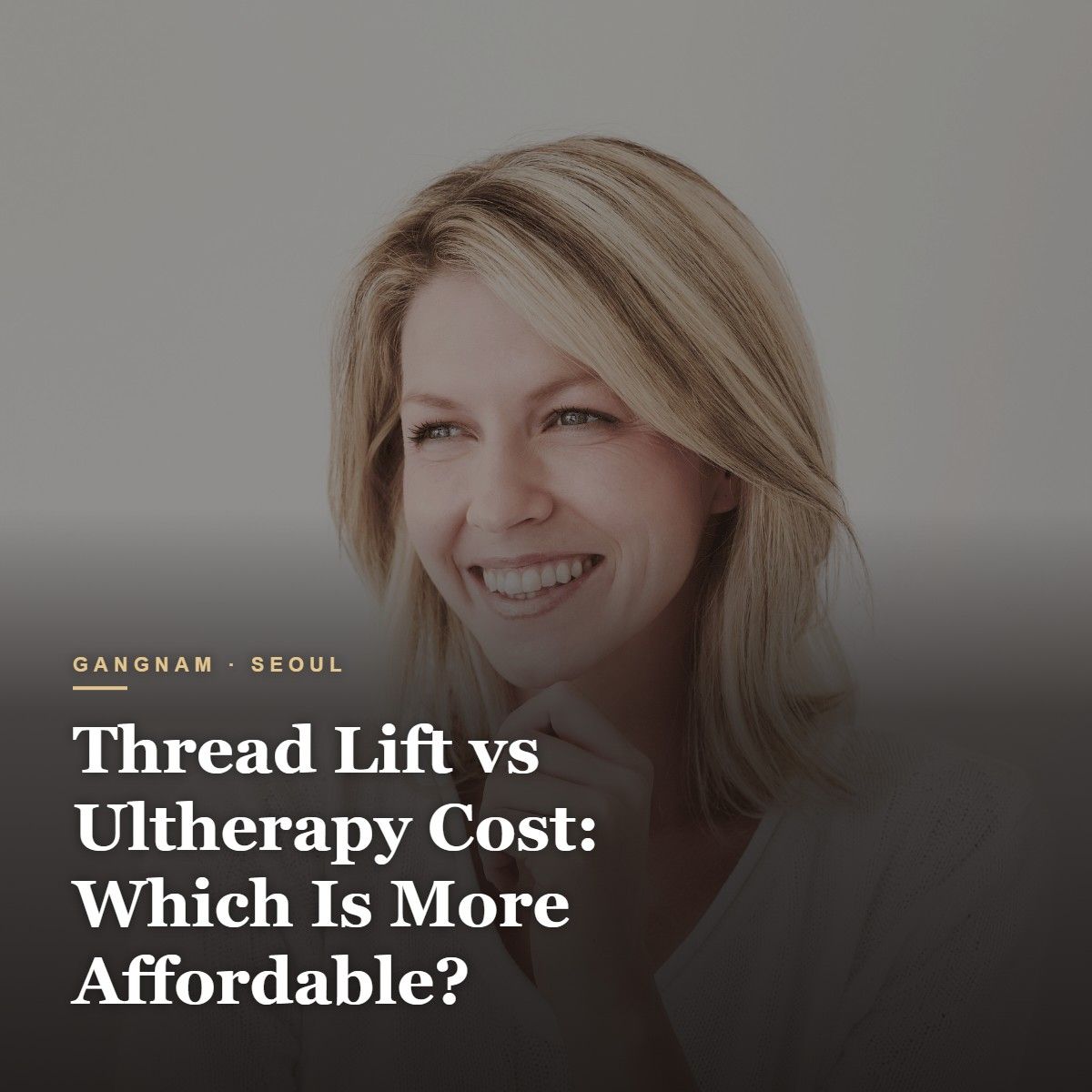
Quick answer: Comparing thread lift vs Ultherapy cost, neither is always cheaper. Ultherapy is priced by lines and areas, while a thread lift is priced by thread type and number. A small Ultherapy plan may cost less than a full thread lift, but threads often last longer. The more affordable choice depends on your sagging, goals and how often you plan to repeat treatment.
Key takeaways
- Ultherapy is priced by lines; threads by type and number of threads.
- Threads give an immediate lift; Ultherapy builds over months.
- Threads often last one to two years; Ultherapy about a year.
- Threads have more downtime, which can affect travel plans.
- The long-term cost depends on how often you repeat treatment.
How is Ultherapy priced?
Ultherapy, by Merz Aesthetics, uses micro-focused ultrasound with live imaging to lift the SMAS layer. Its cost depends on the number of lines, the areas treated, the system and who performs it. A focused jawline plan uses fewer lines than a full face and neck plan.
How is a thread lift priced?
A thread lift uses dissolvable PDO or PLLA threads placed under the skin to lift sagging tissue. Its cost depends on the thread brand and type, the number of threads, the areas and the doctor's experience. Imported threads such as Silhouette Soft are often priced higher than Korean PDO threads.
Which is more affordable per session?
It depends on the plan size. A focused Ultherapy plan or a small number of threads on the jawline may cost a similar amount. A full face and neck Ultherapy plan or a full lower and mid-face thread lift costs more. Compare the actual plan, not just the treatment name.
Which is more affordable over time?
Threads often last one to two years, while Ultherapy usually lasts about a year. If threads last longer for you, the yearly cost may be lower. However, many people use Ultherapy once a year as maintenance, which can delay the need for threads or surgery. The best long-term value often comes from a planned combination.
How does downtime affect cost?
Ultherapy has little downtime, so visitors can continue sightseeing. Thread lifts can cause swelling and tightness for one to two weeks, which may mean staying longer in Seoul or taking time off work. These indirect costs are worth considering.
Which suits your face?
Ultherapy suits mild to moderate sagging and people who want a gradual, natural change with no needles. Threads suit more visible jowls and sagging cheeks, and people who want an immediate lift. The right choice gives the best value because it delivers the result you need.
Can you combine both?
Yes. Many people combine threads for an immediate lift with Ultherapy to tighten the deep layer and support the result. The total cost is higher, but results can be stronger and last longer.
How should you compare quotes?
For Ultherapy, compare lines, areas and system. For threads, compare brand, type and number per side. For both, confirm who performs the treatment and ask to see the line counter or sealed thread packages.
Is it safe?
Both are safe in experienced hands. Ultherapy risks are rare and include small burns or temporary numbness. Thread risks include bruising, asymmetry and visible threads. Experience and genuine products matter more than price.
What aftercare helps?
After Ultherapy, use gentle skin care and avoid saunas for a few days. After threads, avoid wide mouth opening, massage and hard exercise for a short time. Protect your skin from the sun in both cases.
How popular are lifting treatments?
Korea treated about 2.01 million foreign patients in 2025, and around 63% came for dermatology, according to the Ministry of Health and Welfare. Ultherapy and thread lifts are two of the most common non-surgical lifting options.
Frequently asked questions
Is a thread lift cheaper than Ultherapy?
Not always. It depends on the number of threads and the size of the Ultherapy plan.
Which lasts longer?
Threads often last longer, about one to two years.
Which has less downtime?
Ultherapy has less downtime.
Can I do both on one trip?
Yes, though some doctors space them a few weeks apart.
Sources
- Ministry of Health and Welfare, Republic of Korea – 2025 foreign patient statistics (press release, 2026).
- U.S. Food and Drug Administration – 510(k) premarket notification database (Ulthera System).
- Ministry of Food and Drug Safety, Republic of Korea – medical device approval information (absorbable lifting threads).
This article is for general information only and is not medical advice. Prices vary between clinics and individuals. Please consult a qualified physician before any treatment.