What $300 Gets at a Korean Skin Clinic vs USA Prices
What $300 Gets at a Korean Skin Clinic vs USA Prices
One of the biggest reasons foreigners travel to Seoul for dermatology is simple: the same $300 budget stretches dramatically further in Korea than in the United States. In areas like Gangnam and Hongdae, $300 can cover multiple treatments in a single visit, while in many U.S. cities it may only cover one basic laser session or injectable area. Korean clinics operate on high patient volume, strong competition, and lower procedure margins, which allows them to offer advanced skincare at significantly lower prices.
What $300 Usually Covers in Korea
At most Korean skin clinics, a $300 budget (roughly ₩400,000–₩420,000 in 2026 exchange rates) is enough for a full “glass skin” maintenance session rather than just a single treatment.
Typical Korea combinations:
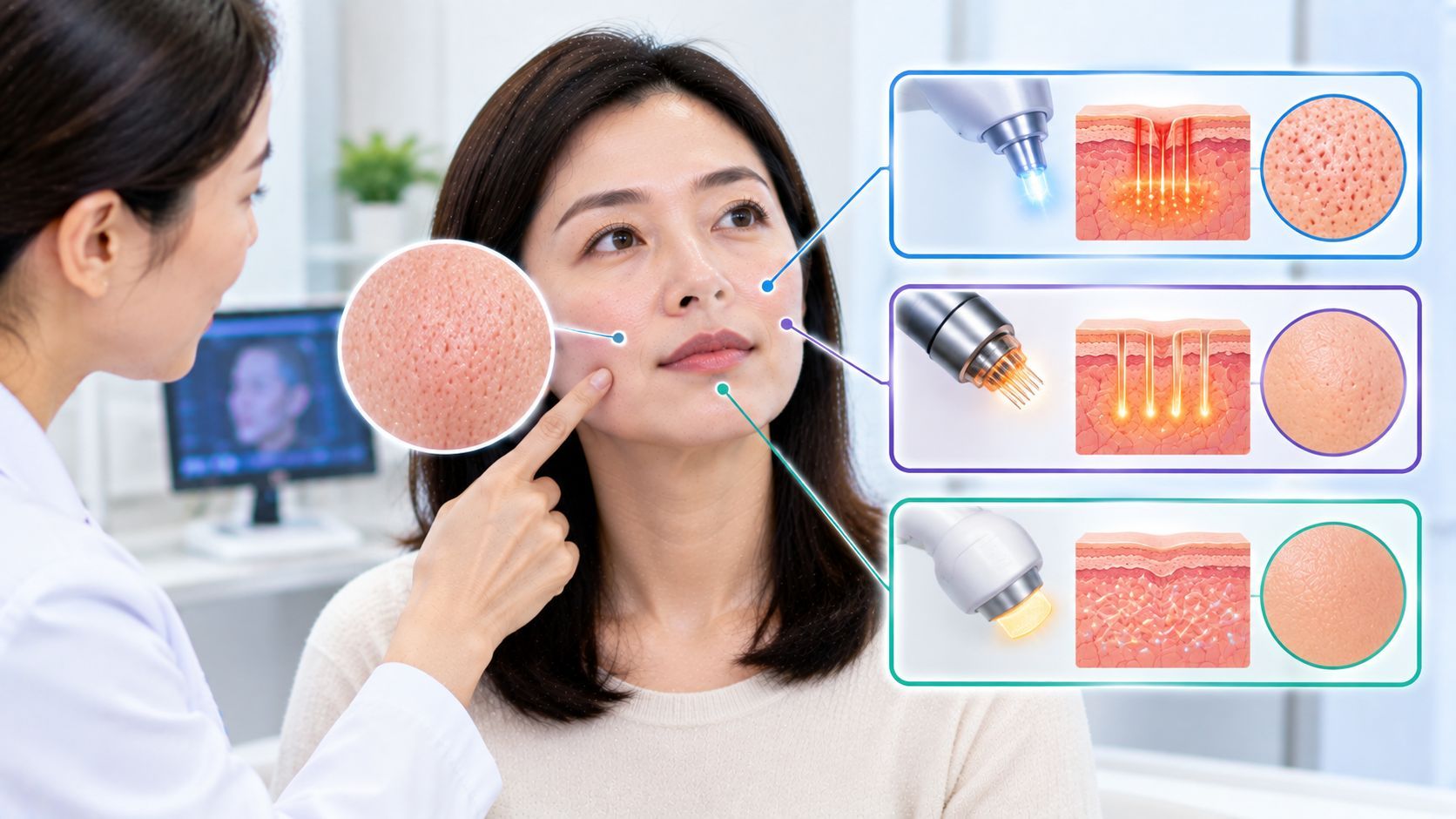
- Laser toning + Aqua Peel + LED care
- Rejuran or skin booster session
- Botox for multiple small areas
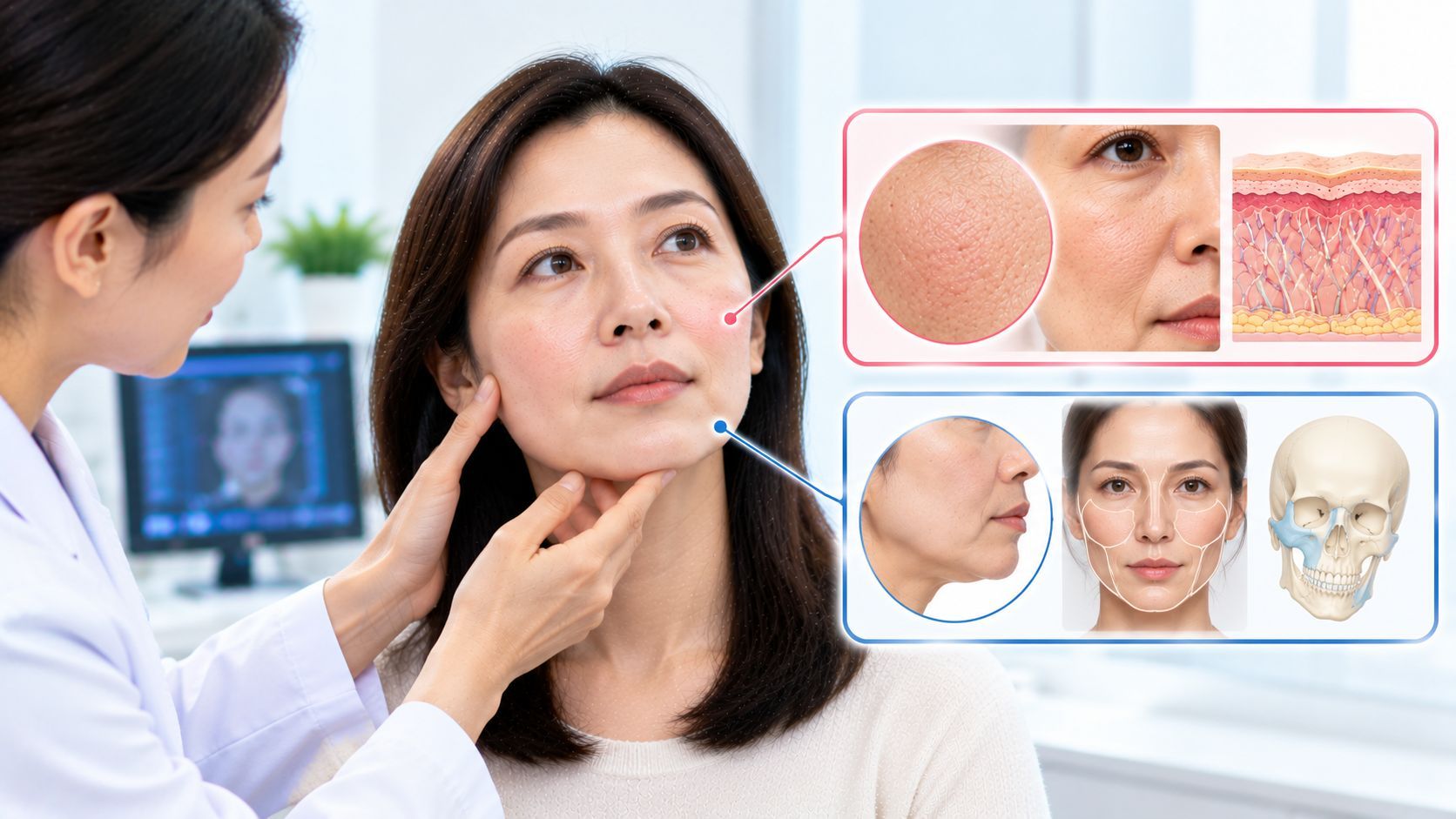
- RF lifting or entry-level HIFU
- Pico laser + hydration treatment
Many clinics also include:
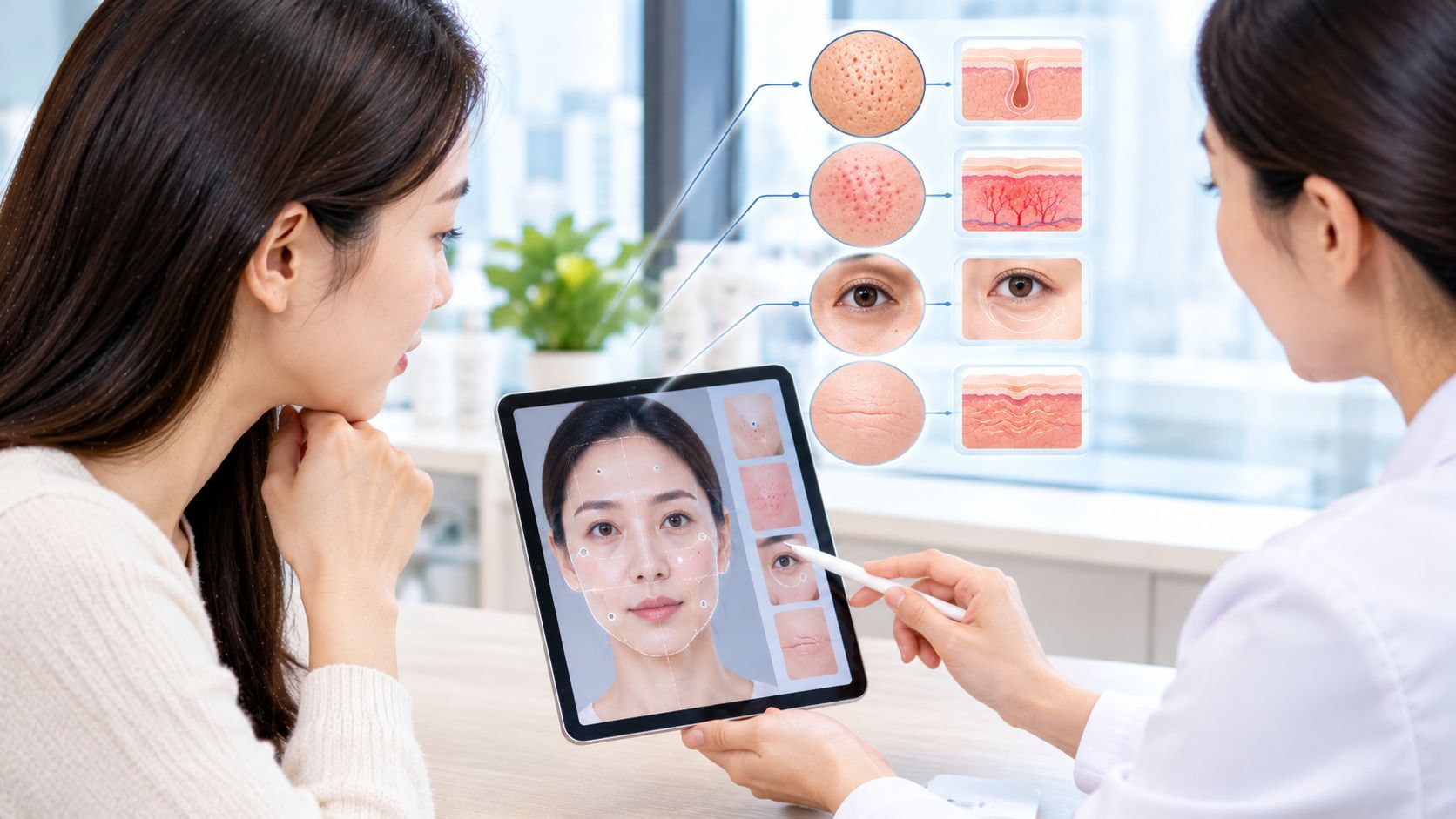
- Skin analysis
- Numbing cream
- Cooling masks or aftercare
This bundled approach is one of the biggest differences between Korean and American aesthetic systems.
What $300 Gets in the United States
In major U.S. cities like New York, Los Angeles, or San Francisco, $300 usually covers:
- One basic laser session
- Small-area Botox treatment
- Entry-level HydraFacial
- Consultation + limited procedure time
More advanced treatments such as:
- Rejuran-style skin boosters
- Ultherapy
- RF lifting
- Multi-step laser combinations
often exceed $500–$2,000 per session in the U.S.
Laser Treatments: Korea vs USA
Laser pricing is where the difference becomes extremely noticeable.
Average laser toning prices:
- Korea: $75–$155
- USA: $300–$500
Average Pico laser prices:
- Korea: $115–$300
- USA: $400–$800
This means that in Korea, a $300 budget can often include:
- Multiple laser passes
- Combination facials
- Add-on calming therapy
while the same amount in the U.S. may only cover the laser itself.
Botox and Injectables Are Far Cheaper in Korea
Botox is one of the most dramatic price differences between the two countries.
Typical Korea pricing:
- Basic Botox area: $30–$150
- Jaw Botox: $75–$230
Typical USA pricing:
- Basic Botox treatment: $250–$800+
Korea’s lower pricing comes largely from:
- Domestic botulinum toxin brands
- Higher clinic competition
- Standardized high-volume systems
As a result, many visitors can combine Botox with lasers or facials within the same $300 budget.
Skin Boosters: A Major Korea Advantage
Korean dermatology is especially known for skin boosters like:
- Rejuran
- Juvelook
- Exosome therapy
- Skin Botox
These treatments are either rare, restricted, or much more expensive in the U.S.
Average Rejuran pricing:
- Korea: $300–$500
- USA: $700–$1,200
Many American visitors specifically travel to Seoul because these regenerative treatments are more accessible and widely practiced there.
Why Korean Clinics Can Charge Less
Several factors explain the lower pricing structure:
- Extremely high competition between clinics
- Higher treatment volume per day
- Lower labor and operational costs
- Korean-made devices and injectables
- Beauty treatments normalized as routine maintenance
Korean clinics also tend to package procedures together instead of charging separately for every small add-on.
What Foreign Visitors Usually Spend
Many medical tourists visiting Seoul spend:
- $100–$300 for glow-up maintenance
- $300–$800 for multi-treatment programs
- $1,000+ for lifting and regenerative combinations
Even after adding hotel and flight costs, some travelers still find Korean pricing competitive compared to repeated U.S. treatments.
What Korea Usually Does Better for the Price
For the same budget, Korea generally provides:
- More procedures per visit
- More advanced skin boosters
- Better access to combination treatments
- Faster appointment availability
- More aggressive promotional pricing
The U.S. system, however, may provide:
- Longer consultation times
- More conservative treatment approaches
- Easier follow-up access for local residents
Both systems have strengths, but Korea is usually far more cost-efficient for cosmetic dermatology.
Final thoughts
A $300 budget at a Korean skin clinic can often deliver a full multi-step aesthetic experience that would cost significantly more in the United States. From lasers and Botox to advanced skin boosters, Korea’s dermatology industry offers a combination of affordability, technology, and treatment variety that continues to attract international visitors seeking high-value skincare results in 2026.