The Future of Korean Dermatology: AI Skin Analysis & Personalized Treatments
The Future of Korean Dermatology: AI Skin Analysis & Personalized Treatments
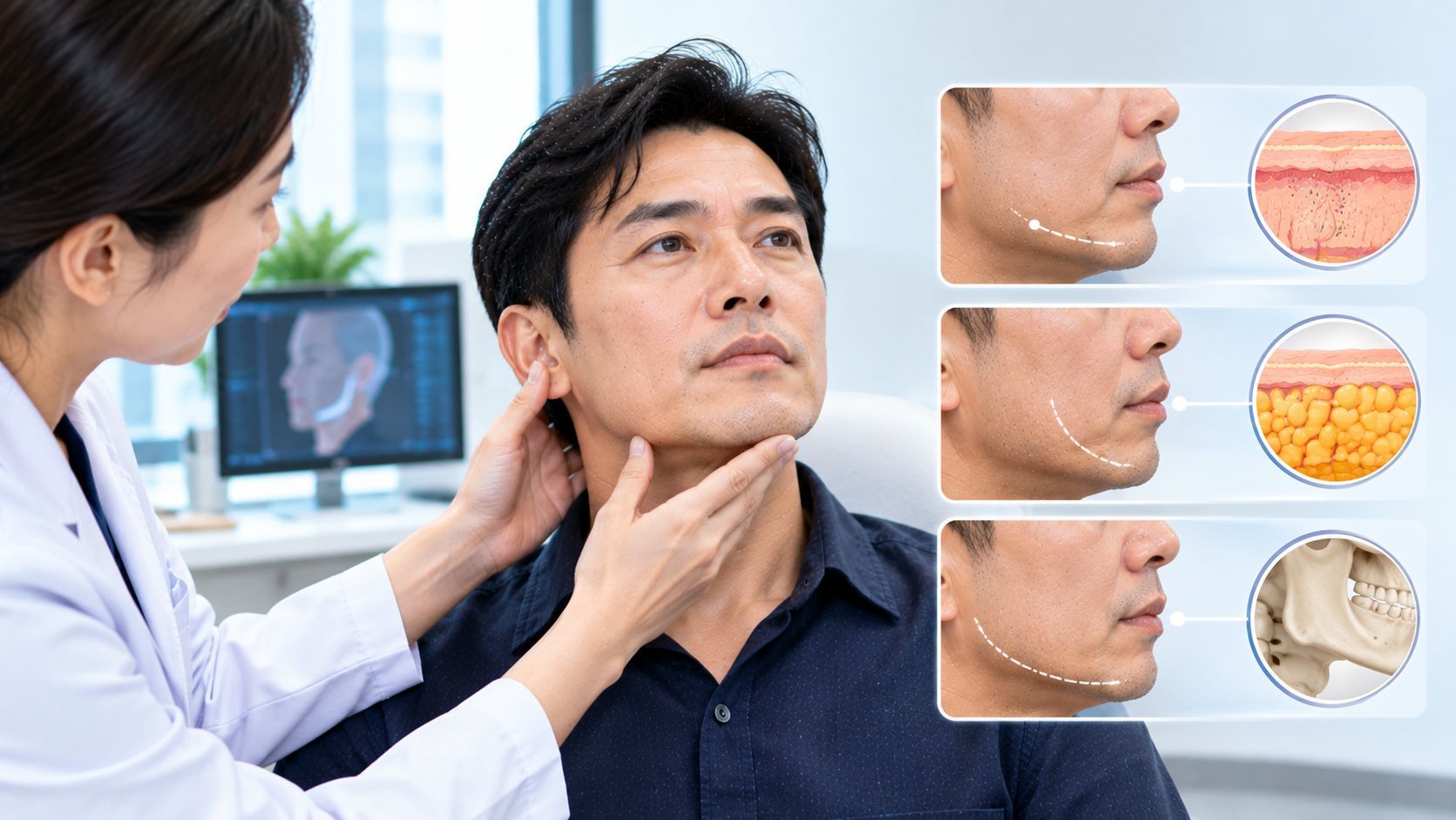
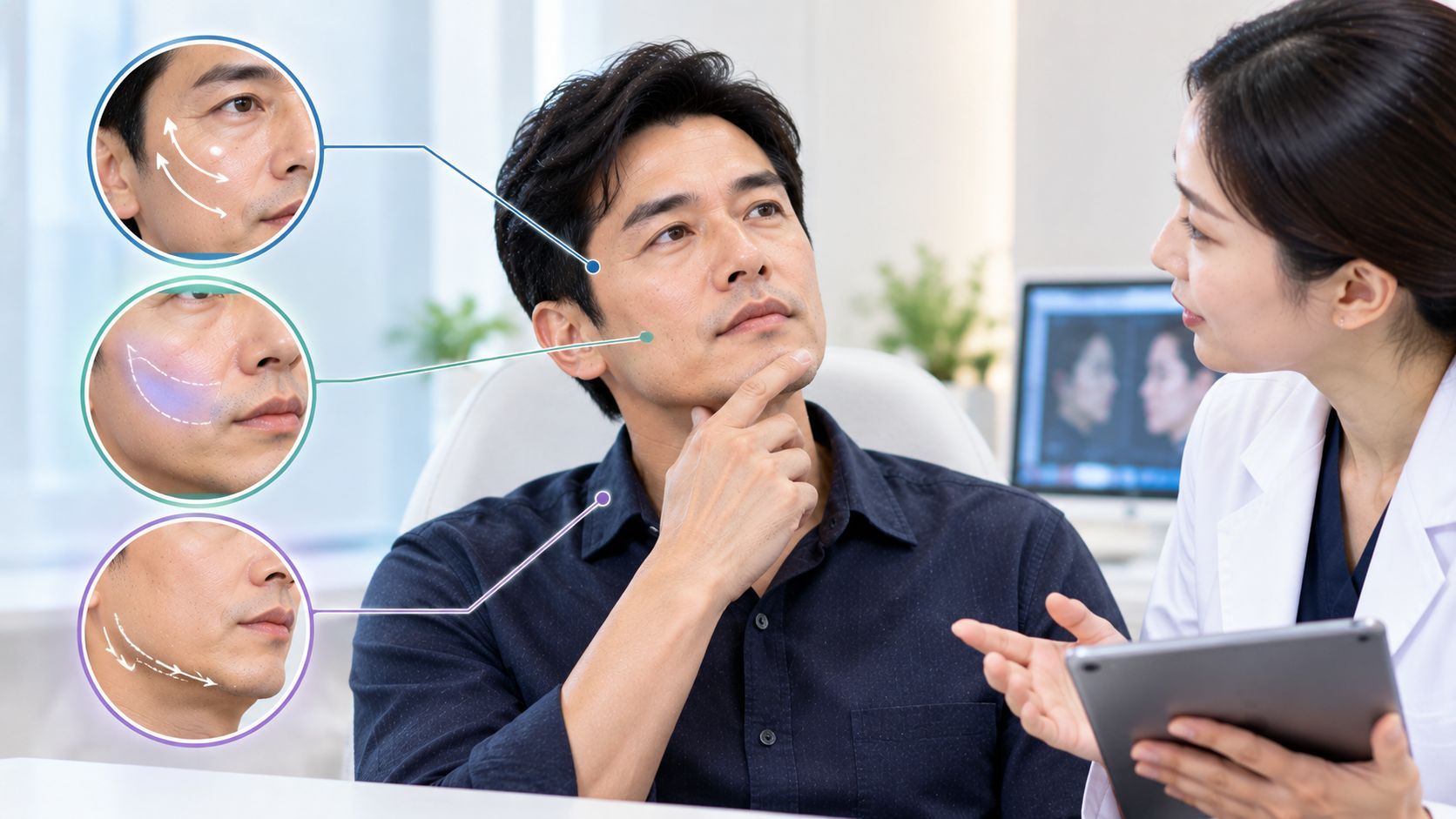
Korean dermatology is rapidly moving toward a future centered around AI-assisted diagnosis, hyper-personalized treatment planning, predictive skin analysis, and data-driven anti-aging management. In Seoul, especially in Gangnam and Cheongdam, many advanced clinics are already integrating artificial intelligence, high-resolution imaging systems, and customized regenerative therapies into everyday dermatology practice. Rather than offering the same laser settings or skincare programs to every patient, the next generation of Korean dermatology is increasingly focused on precision-based skin management tailored to each individual’s skin condition, lifestyle, aging pattern, and recovery response.
Why Korean Dermatology Is Evolving So Quickly
Several factors are accelerating innovation in Korea:
- Extremely competitive clinic density
- High consumer demand for advanced beauty technology
- Strong skincare and biotech industries
- Rapid trend adoption
- Large anti-aging market
Because Korean patients are highly familiar with dermatology procedures, clinics constantly compete by introducing newer and more customized systems.
AI Skin Analysis Is Becoming Common in Premium Clinics
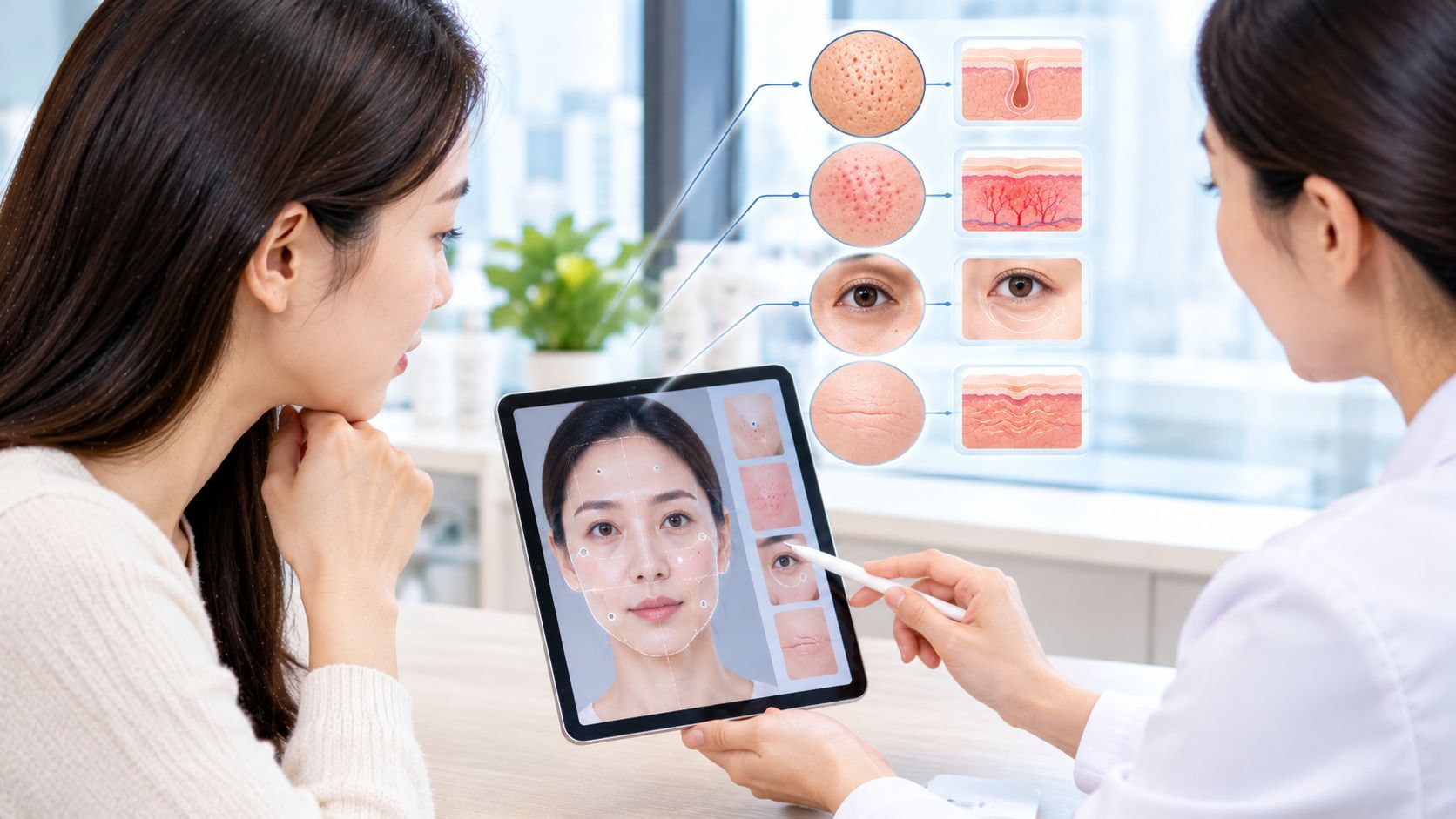
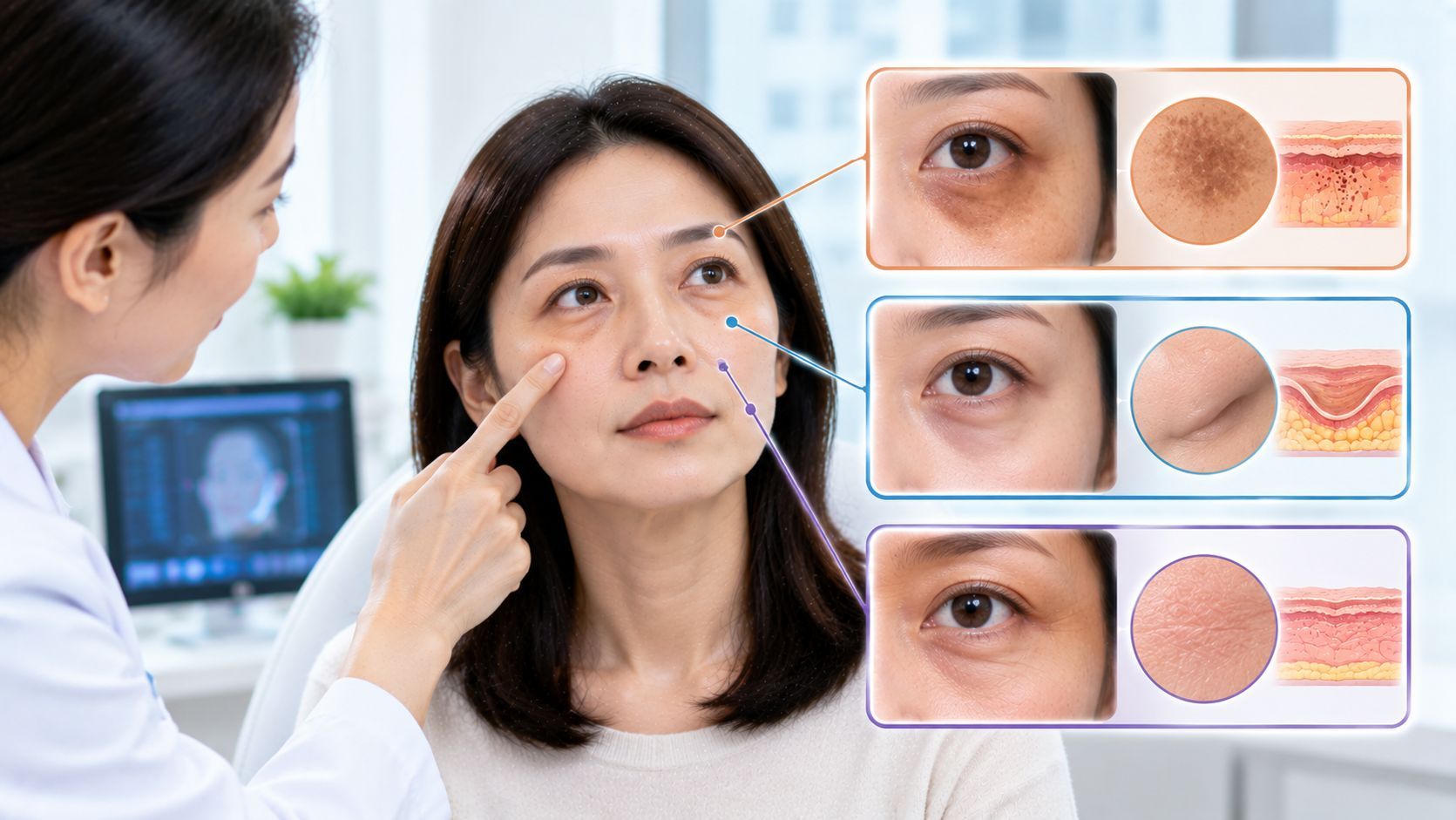
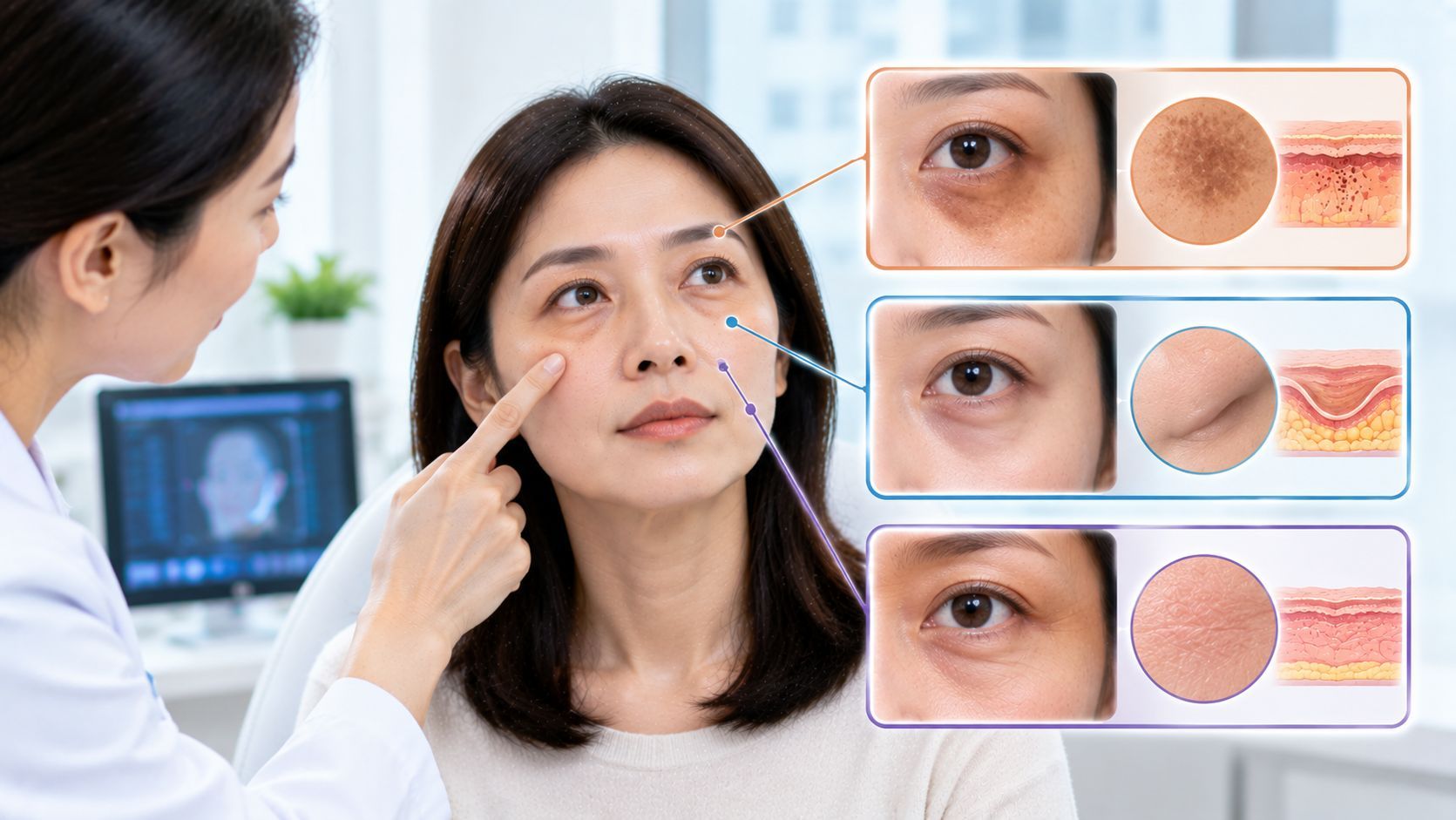
Modern Korean clinics increasingly use advanced skin imaging systems capable of analyzing:
- Pore size and density
- Pigmentation depth
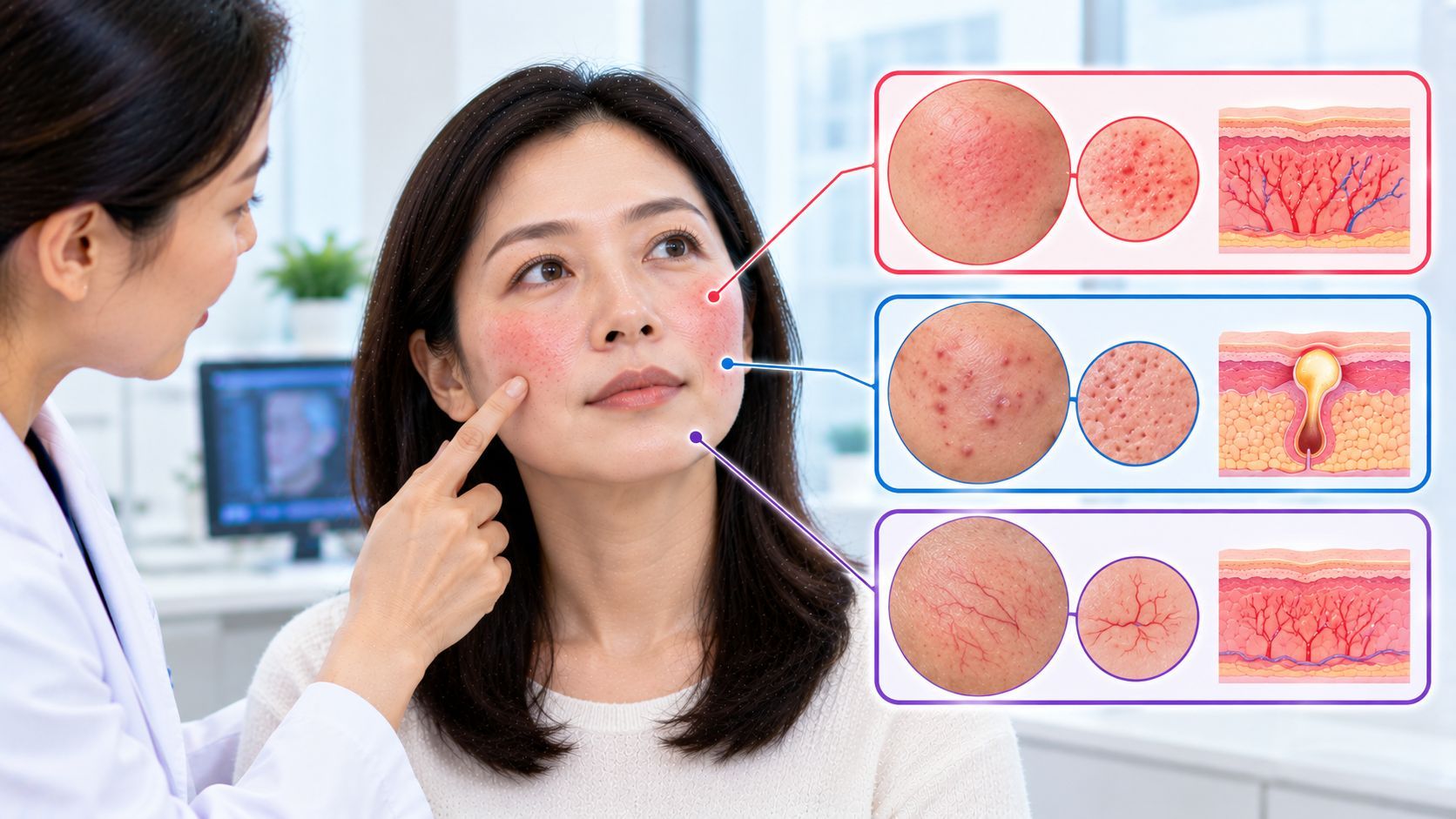
- Redness patterns
- UV damage
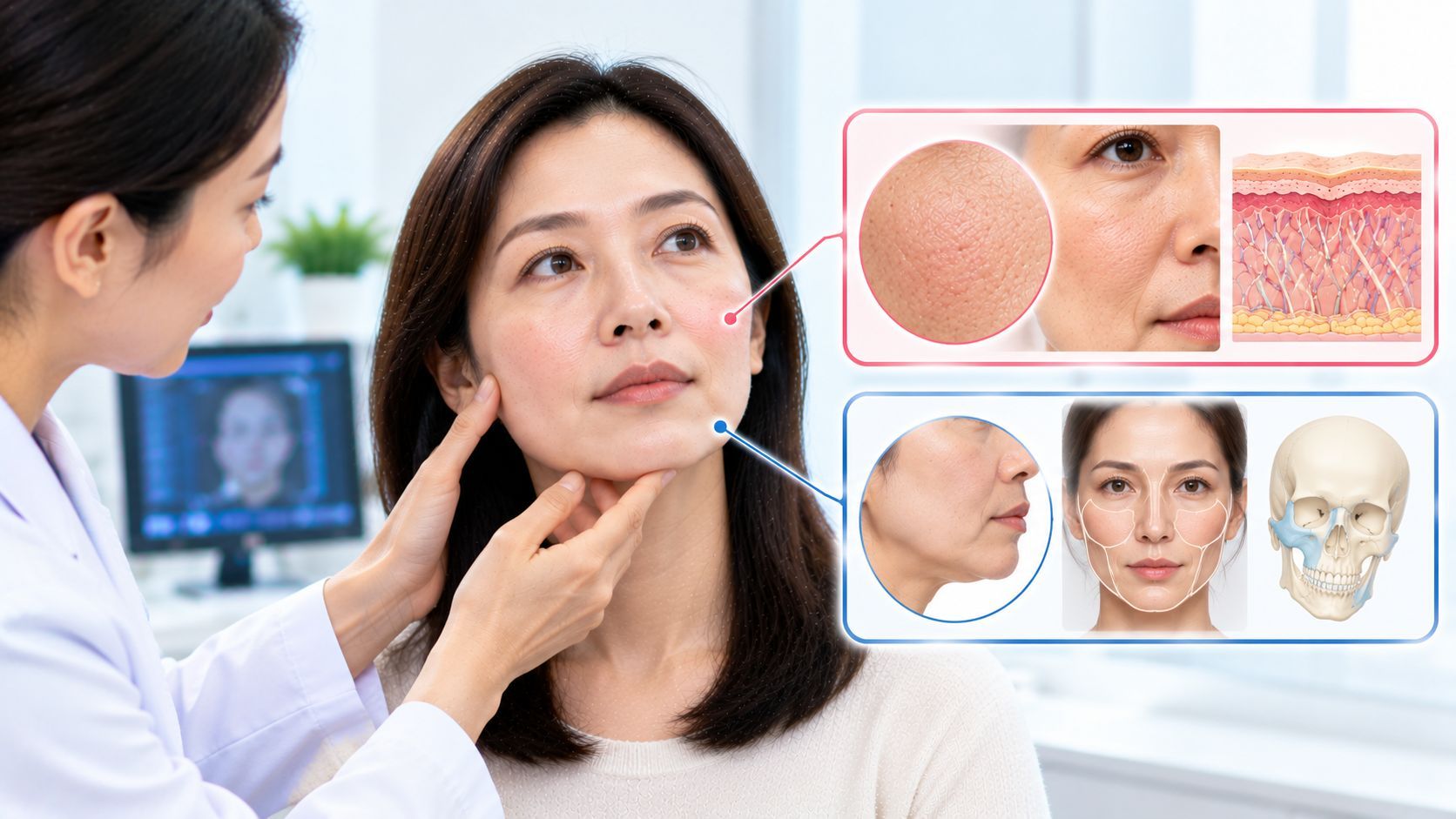
- Elasticity decline
- Oil production
- Wrinkle progression
- Hydration levels
AI-assisted systems can compare current skin condition with large databases and help predict how aging or pigmentation may progress over time.
Rather than relying only on visual examination, doctors can build more individualized treatment plans using measurable skin data.
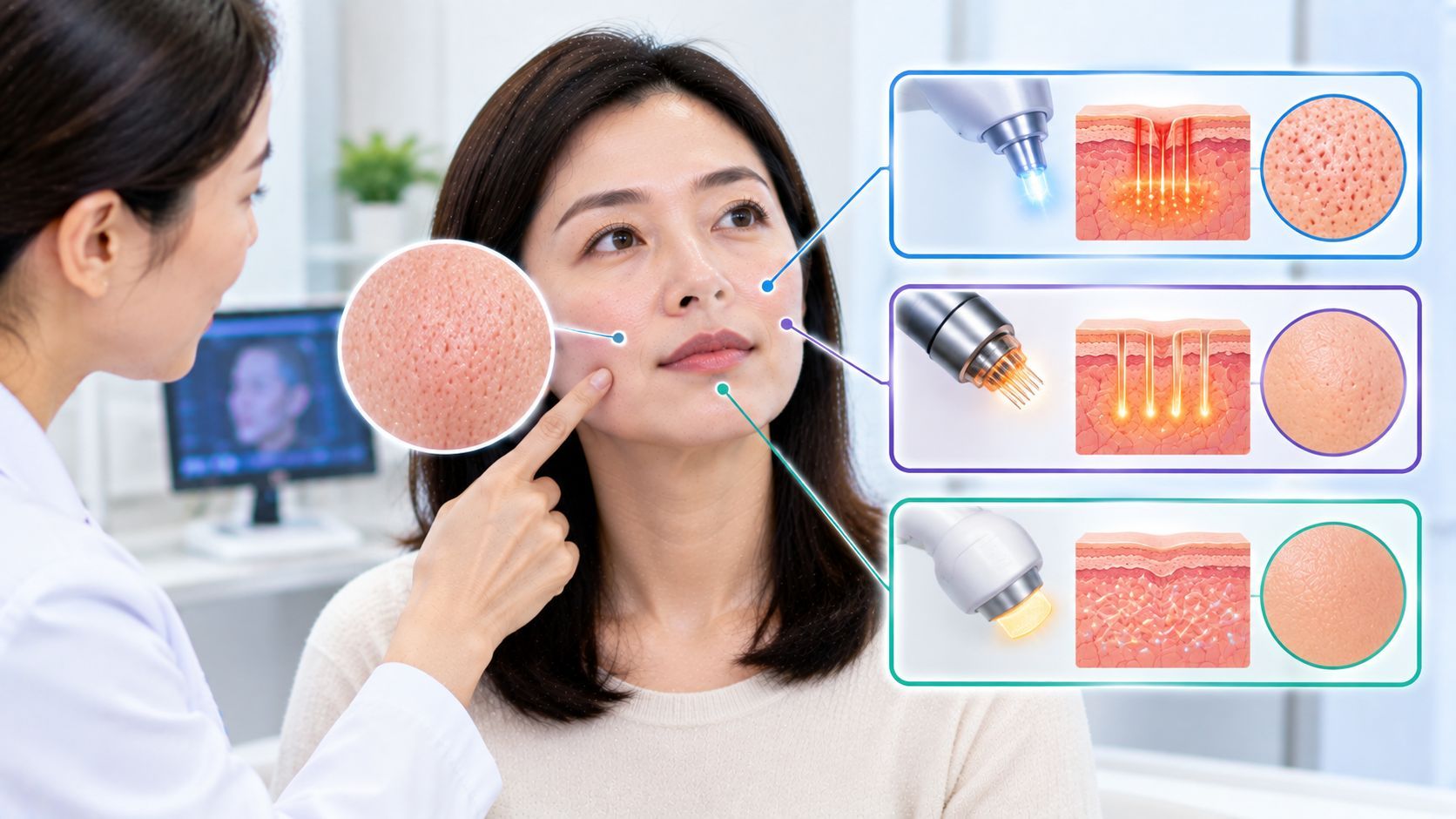
Personalized Laser Settings Are a Major Trend
Traditional aesthetic medicine often relied on relatively standardized laser protocols.
In Korea, the trend is shifting toward:
- Customized energy calibration
- Individualized pulse timing
- Skin-type-specific treatment spacing
- Personalized inflammation management
This is especially important for:
- Sensitive skin
- Rosacea-prone patients
- Post-inflammatory pigmentation risk
- Acne scar variability
- Male vs female skin differences
Many Korean dermatologists now believe precision calibration produces safer and more natural long-term outcomes.
Combination Therapy Will Become Even More Personalized
Korean dermatology already relies heavily on combination treatments, but future systems will likely become far more data-driven.
Instead of fixed package programs, clinics may increasingly design treatment combinations based on:
- Skin barrier status
- Collagen density analysis
- Inflammation markers
- Lifestyle stress patterns
- Sleep and hydration tracking
- Recovery speed prediction
This could allow treatments to evolve continuously based on how the skin responds over time.
Regenerative Dermatology Is Expected to Expand
The future of Korean anti-aging is strongly connected to regenerative medicine.
Major growth areas include:
- Exosome therapy
- PDRN and polynucleotide treatments
- Stem-cell-related regenerative technologies
- Advanced collagen stimulation
- Skin healing optimization
Rather than simply tightening or resurfacing skin, future treatments will increasingly focus on improving the skin’s ability to repair and maintain itself biologically.
Preventative “Collagen Banking” Will Become More Mainstream
One of Korea’s biggest dermatology trends is preventative collagen preservation.
AI analysis may eventually help predict:
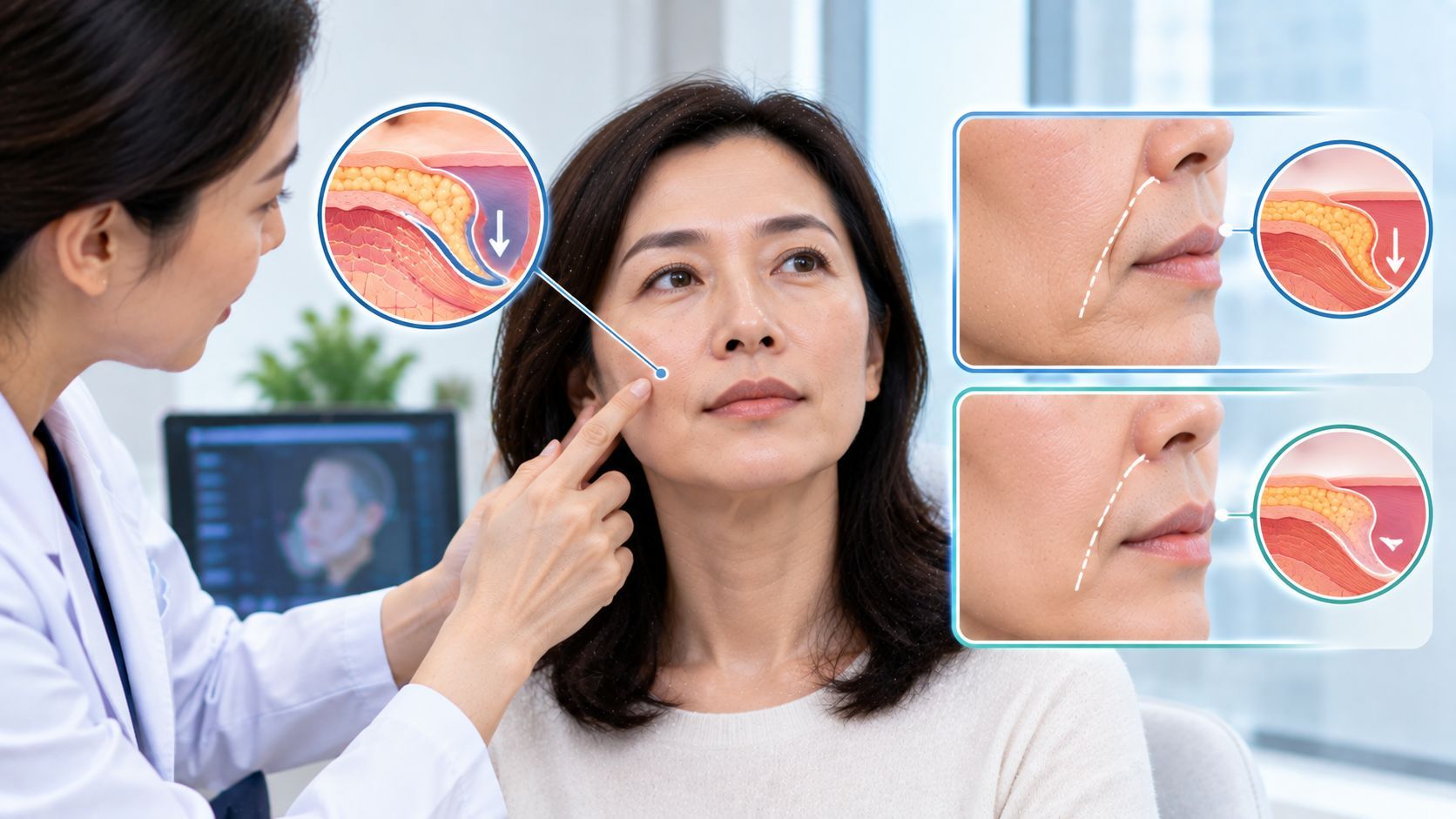
- When collagen decline accelerates
- Which facial areas age fastest
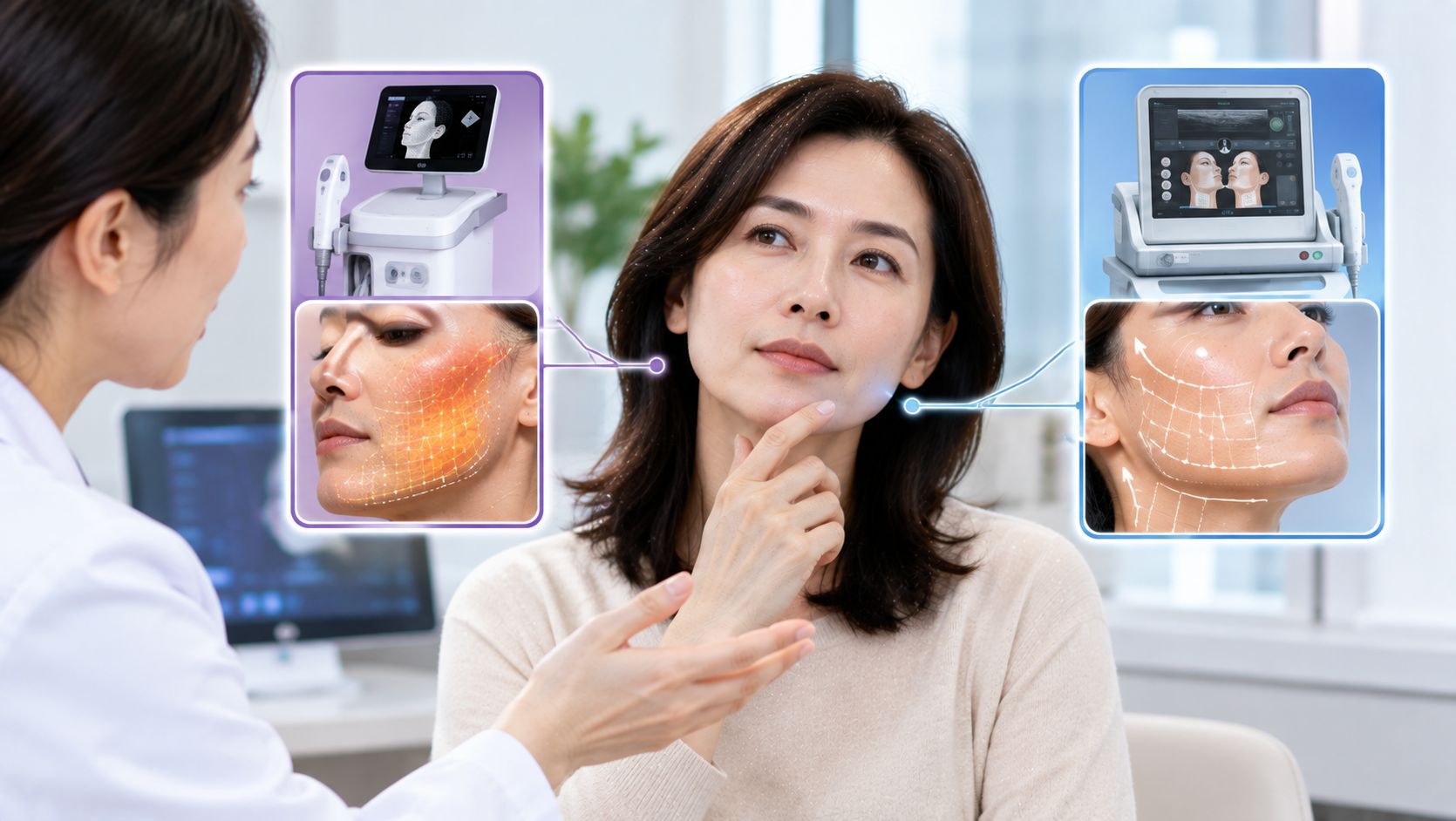
- Which patients respond best to certain lifting devices
This could make preventative anti-aging much more precise and individualized.
Skincare and Dermatology Are Becoming More Connected
Korean beauty culture increasingly blurs the line between clinic treatments and daily skincare.
Future personalized systems may combine:
- AI skin scans
- Customized skincare prescriptions
- Real-time skin monitoring
- Clinic-device integration
- Personalized ingredient recommendations
Some Korean companies are already developing systems that adjust skincare recommendations based on changing environmental and skin conditions.
Foreign Medical Tourism Will Likely Become More Customized
International patients are increasingly demanding:
- Detailed consultations
- Long-term treatment planning
- Natural-looking results
- Reduced overtreatment
AI-supported systems may help Korean clinics create more individualized treatment strategies for foreign patients with different skin types and aging patterns.
This could become a major advantage for Korea’s medical tourism industry.
The Human Dermatologist Will Still Matter
Despite advances in AI, experienced Korean dermatologists continue emphasizing that technology cannot fully replace:
- Clinical judgment
- Understanding facial balance
- Recognizing subtle inflammation patterns
- Managing recovery and complications
- Adjusting treatments conservatively
Many experts believe the future will combine AI precision with human medical experience rather than replacing doctors entirely.
Privacy and Ethical Questions Are Also Growing
As clinics collect more skin imaging and biological data, concerns are increasing around:
- Data privacy
- AI-generated beauty standards
- Overtreatment driven by analytics
- Unrealistic perfection expectations
Future Korean dermatology will likely face growing discussions about balancing technology with healthy beauty standards.
Final Thoughts
The future of Korean dermatology is moving toward AI-assisted skin analysis, precision-based treatment planning, regenerative anti-aging, and highly personalized skin management systems. Korean clinics are increasingly combining advanced imaging technology, customized laser calibration, collagen-focused preventative care, and regenerative therapies to create more individualized and data-driven dermatology experiences. While artificial intelligence will likely transform diagnosis and treatment optimization, Korean dermatology’s core philosophy will probably remain focused on gradual improvement, natural-looking results, and long-term skin quality maintenance rather than dramatic cosmetic transformation.