What Korean Air Crew Secretly Do for Perfect Skin
What Korean Air Crew Secretly Do for Perfect Skin
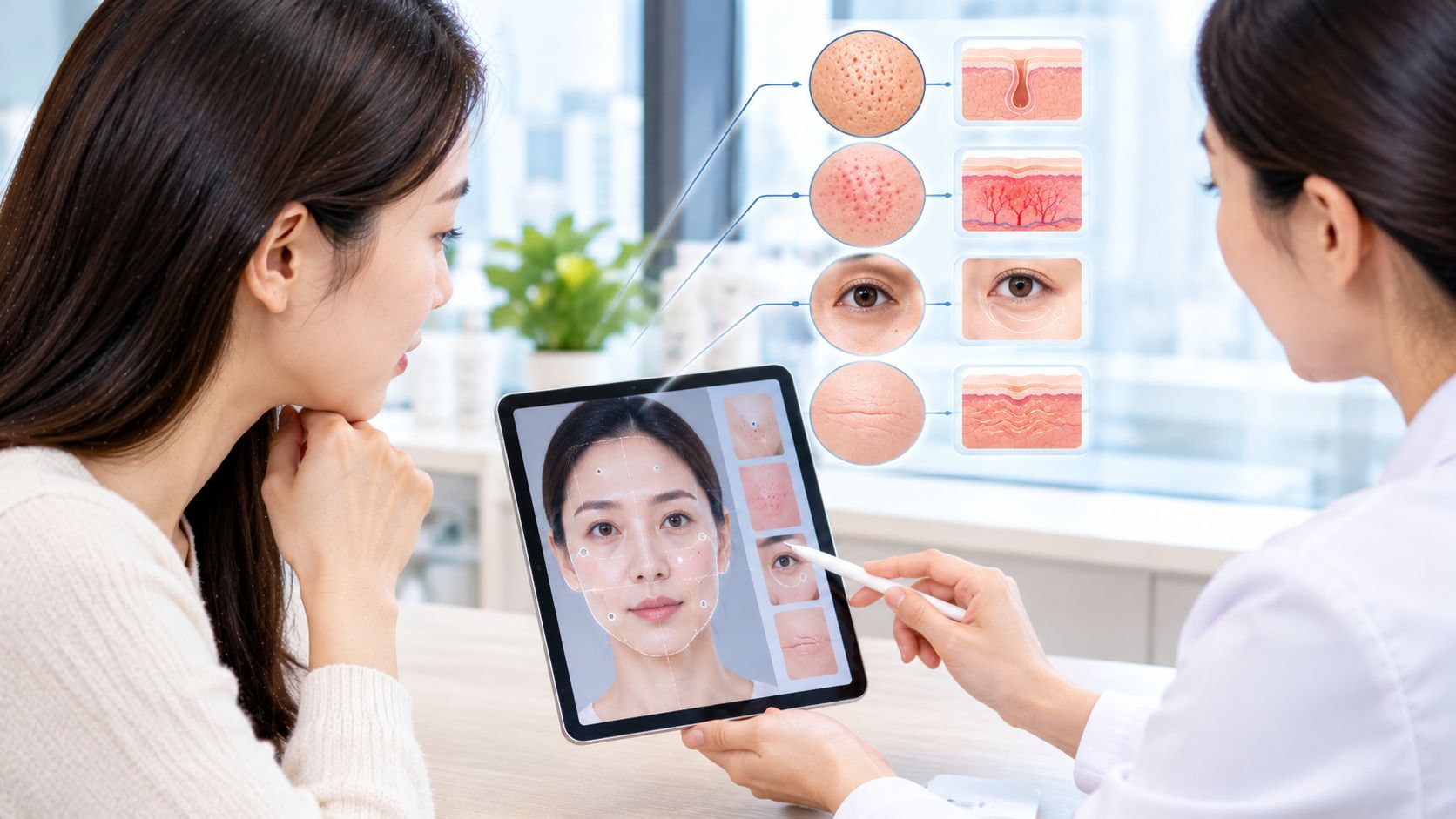
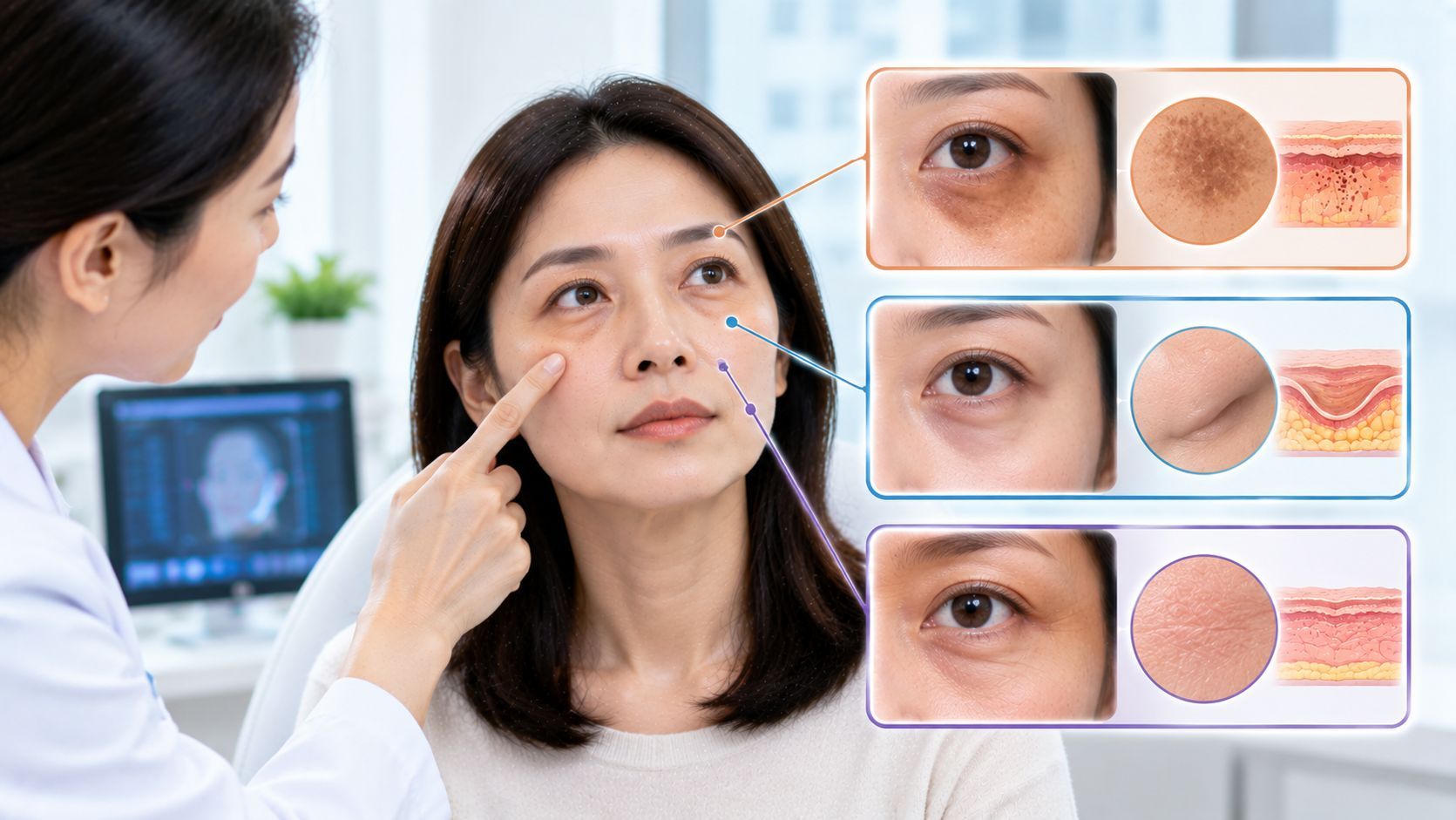
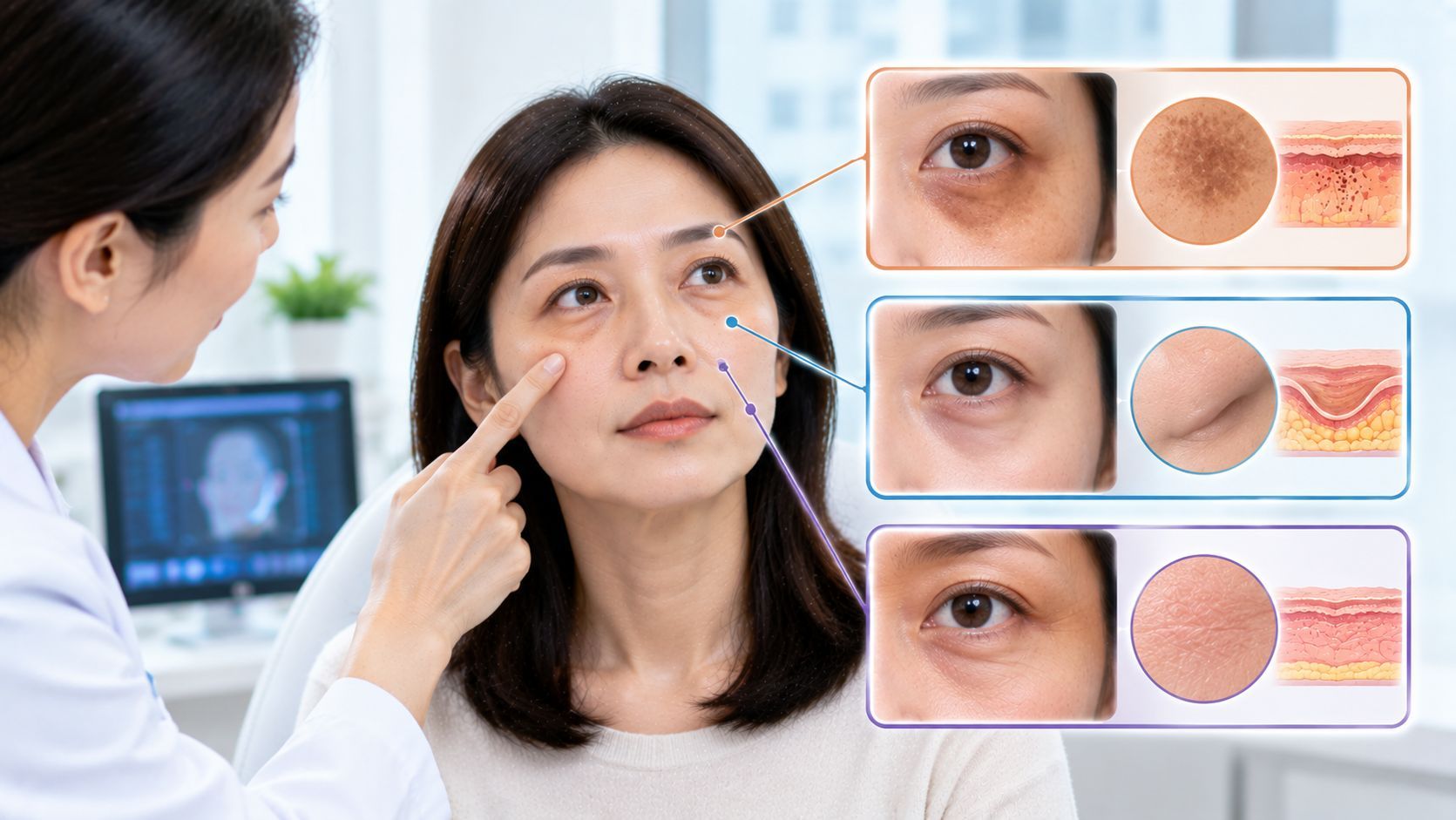
Korean air crew are often known for having unusually polished, calm, and healthy-looking skin despite constant exposure to dry cabin air, irregular sleep schedules, jet lag, and heavy makeup. In Korea, flight attendants are closely associated with clean, refined appearance standards, so many invest heavily in long-term skin maintenance. Rather than relying on dramatic cosmetic procedures, Korean air crew typically focus on hydration, barrier repair, low-inflammatory dermatology, and consistent preventative treatments that help the skin stay stable under stressful travel conditions.
Why Flying Is Extremely Harsh on the Skin
Frequent flights can seriously affect skin quality due to:
- Extremely dry cabin humidity
- Sleep disruption
- Increased dehydration
- Repeated cleansing and makeup use
- Stress and fatigue
- Circadian rhythm imbalance
These factors commonly lead to:
- Dullness
- Dehydrated fine lines
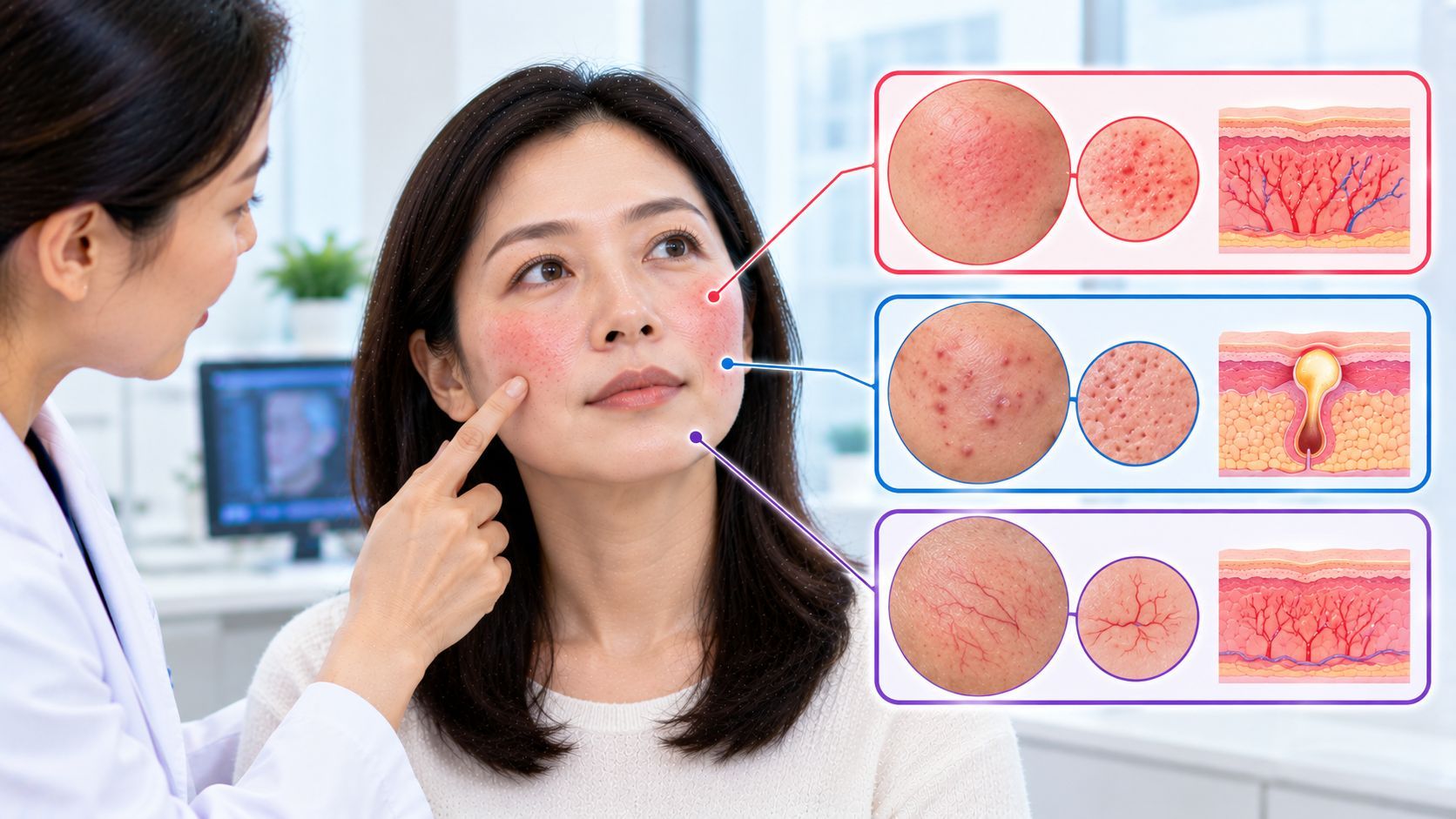
- Redness and irritation
- Breakouts
- Weak skin barrier function
Because of this, Korean air crew often prioritize skin recovery more than aggressive cosmetic treatments.
Skin Boosters Are One of the Biggest Secrets
Many Korean flight attendants invest in skin boosters to maintain hydration and elasticity.
Popular treatments include:
- Rejuran
- Hyaluronic acid skin boosters
- Juvelook
- Exosome therapy
These treatments help improve:
- Deep hydration retention
- Skin glow
- Elasticity
- Recovery from environmental stress
- Fine dehydration lines
The goal is usually healthy, resilient skin rather than dramatic transformation.
Barrier Repair Is Treated Like a Priority
Korean dermatology places huge importance on protecting the skin barrier, especially for people who travel frequently.
Common strategies include:
- Minimal-irritation skincare
- Recovery-focused facials
- LED calming therapy
- PDRN regenerative treatments
- Intensive hydration masks
Many Korean dermatologists believe barrier stability is the foundation of long-term good skin.
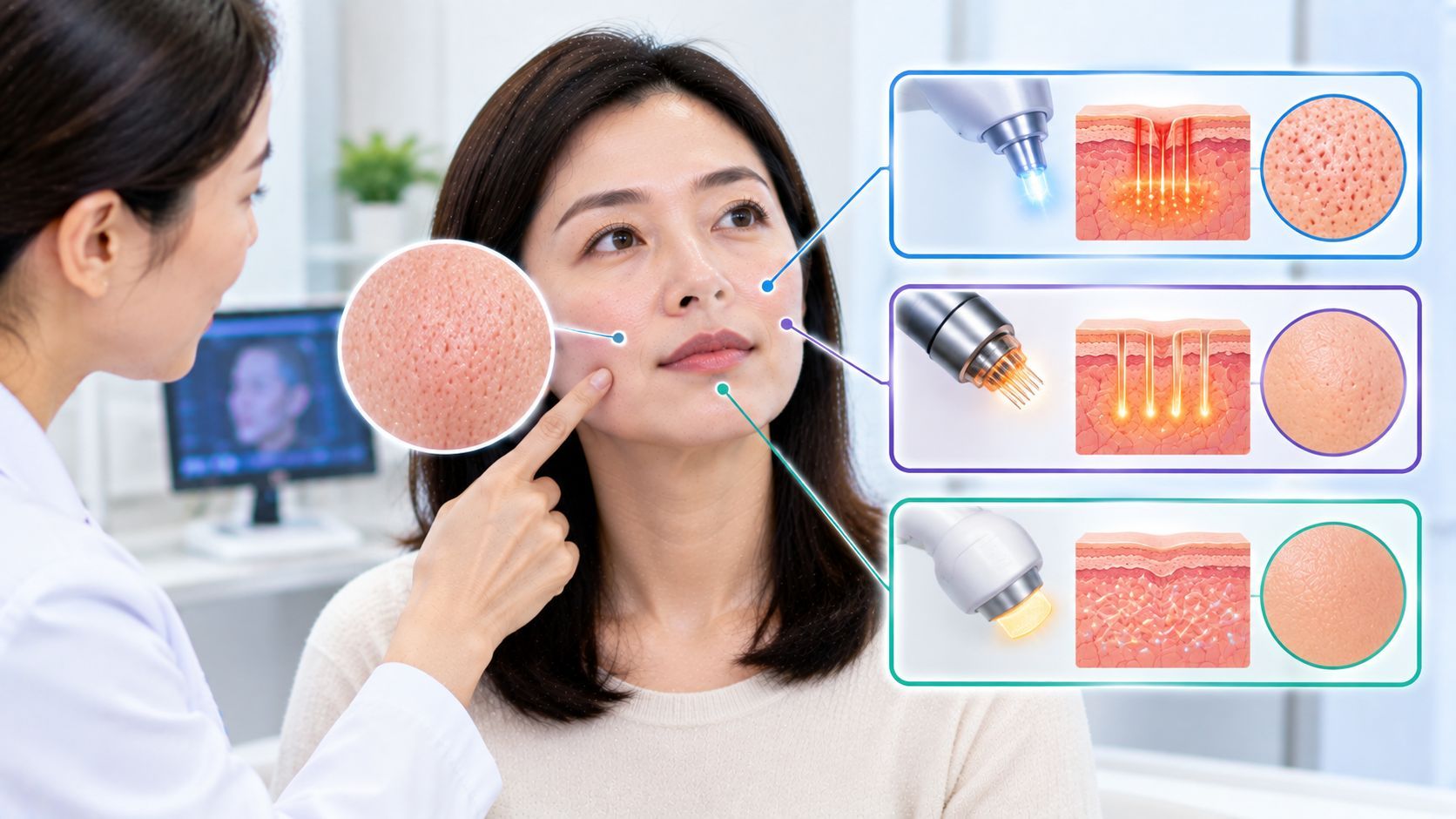
Laser Toning Is Preferred Over Aggressive Resurfacing
Because air crew often cannot afford visible downtime, Korean clinics usually recommend gentler treatments.
Popular choices include:
- Pico laser toning
- Low-fluence Nd:YAG toning
- Mild redness-reduction lasers
These help maintain:
- Brightness
- Even skin tone
- Reduced dullness
- Refined texture
without creating excessive inflammation or peeling.
Skin Botox Helps Makeup Stay Smooth During Flights
Skin Botox has become increasingly popular among Korean professionals frequently under bright lighting or heavy makeup.
Benefits include:
- Reduced oil production
- Smaller-looking pores
- Smoother makeup application
- Better texture under cabin dryness
Unlike traditional Botox, it focuses more on skin refinement than freezing facial movement.
Hydration and Glow Treatments Are Constantly Maintained
Many Korean air crew receive regular maintenance facials focused on hydration and calming.
These often include:
- Oxygen facials
- Cooling therapy
- Cryotherapy
- LED light treatment
- Collagen hydration infusions
The focus is maintaining stable skin quality consistently rather than waiting for visible problems to appear.
Preventative Anti-Aging Starts Early
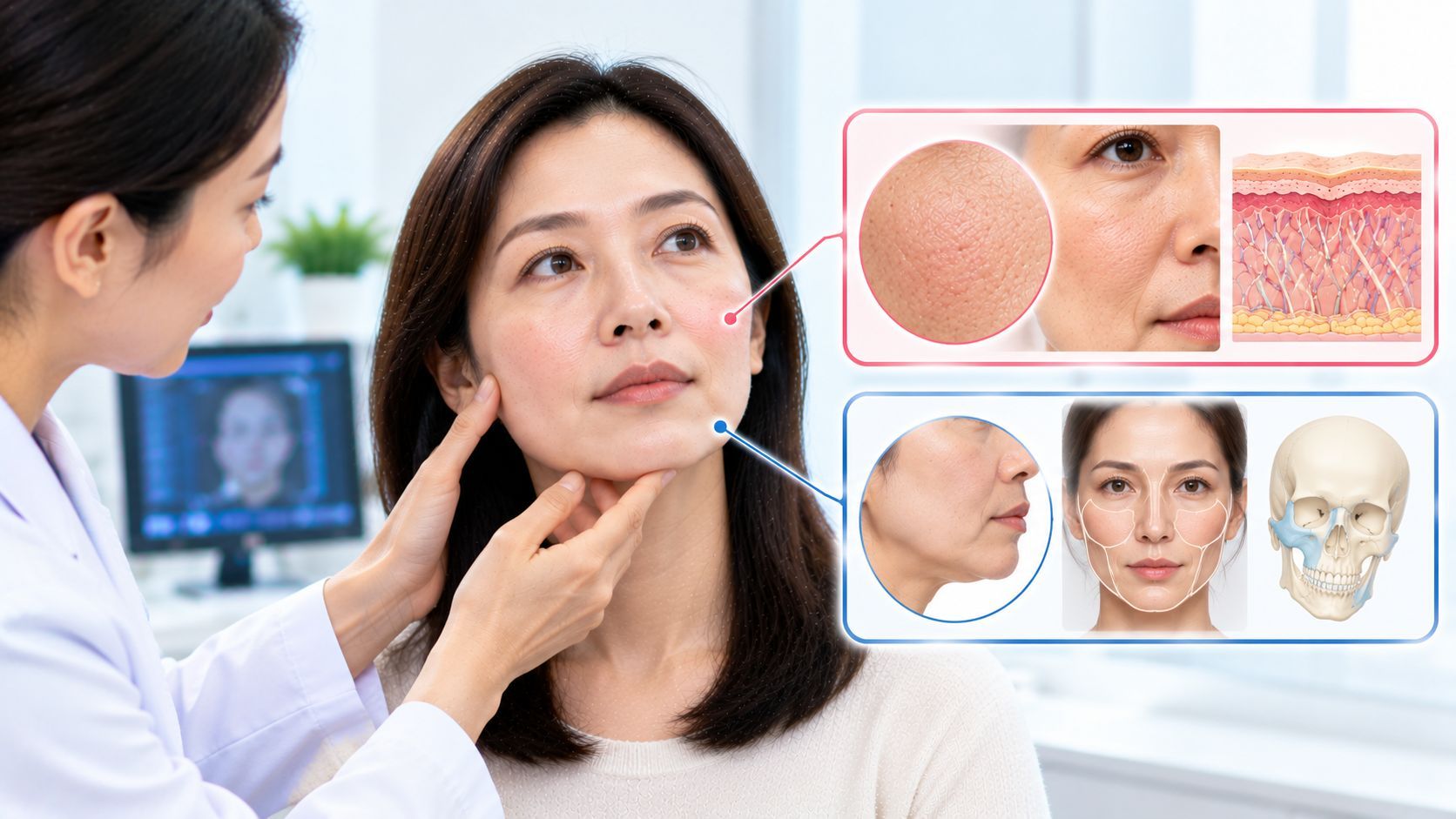
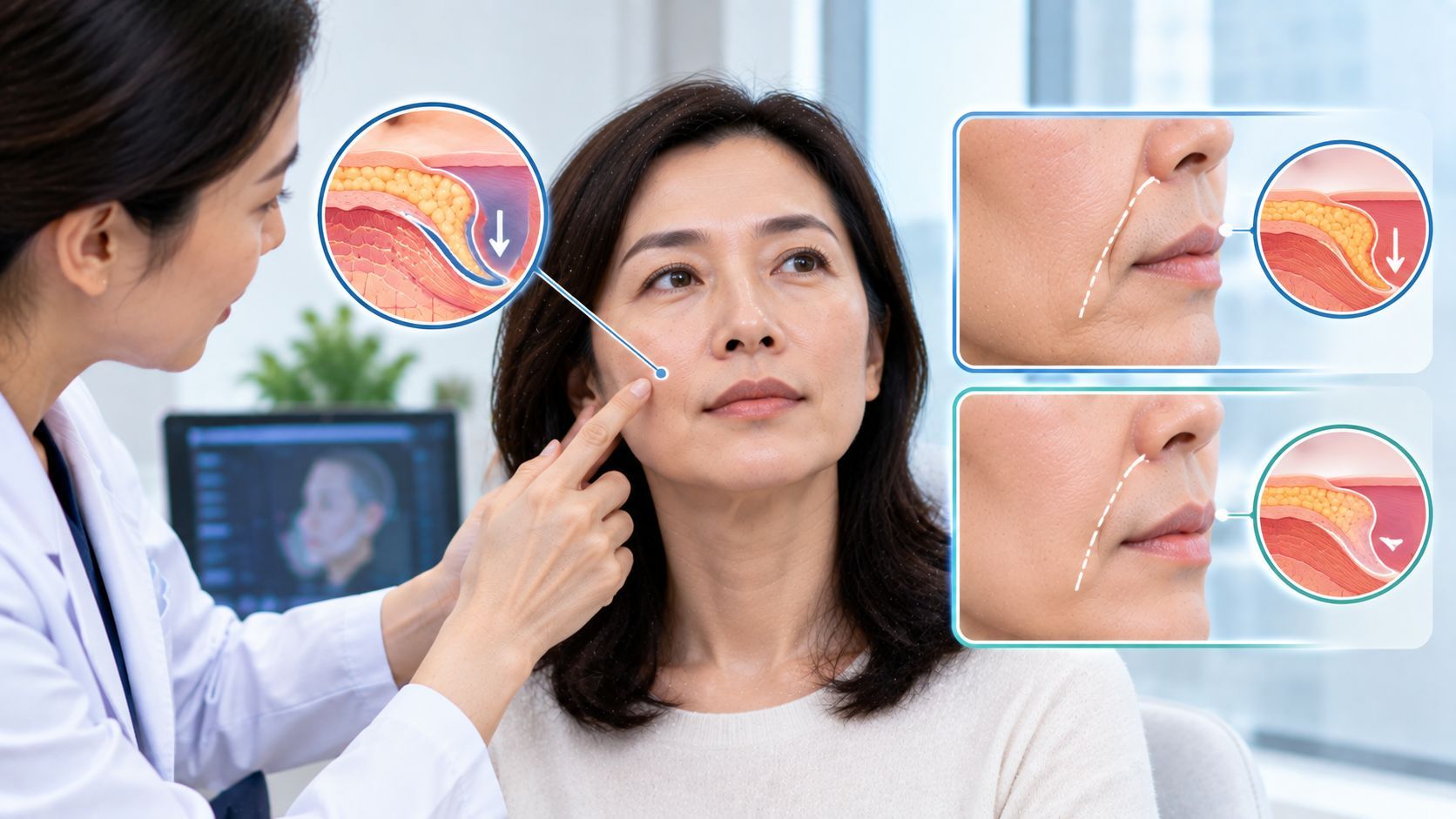
Frequent travel accelerates visible fatigue and collagen decline, so many Korean air crew begin preventative anti-aging relatively early.
Popular treatments include:
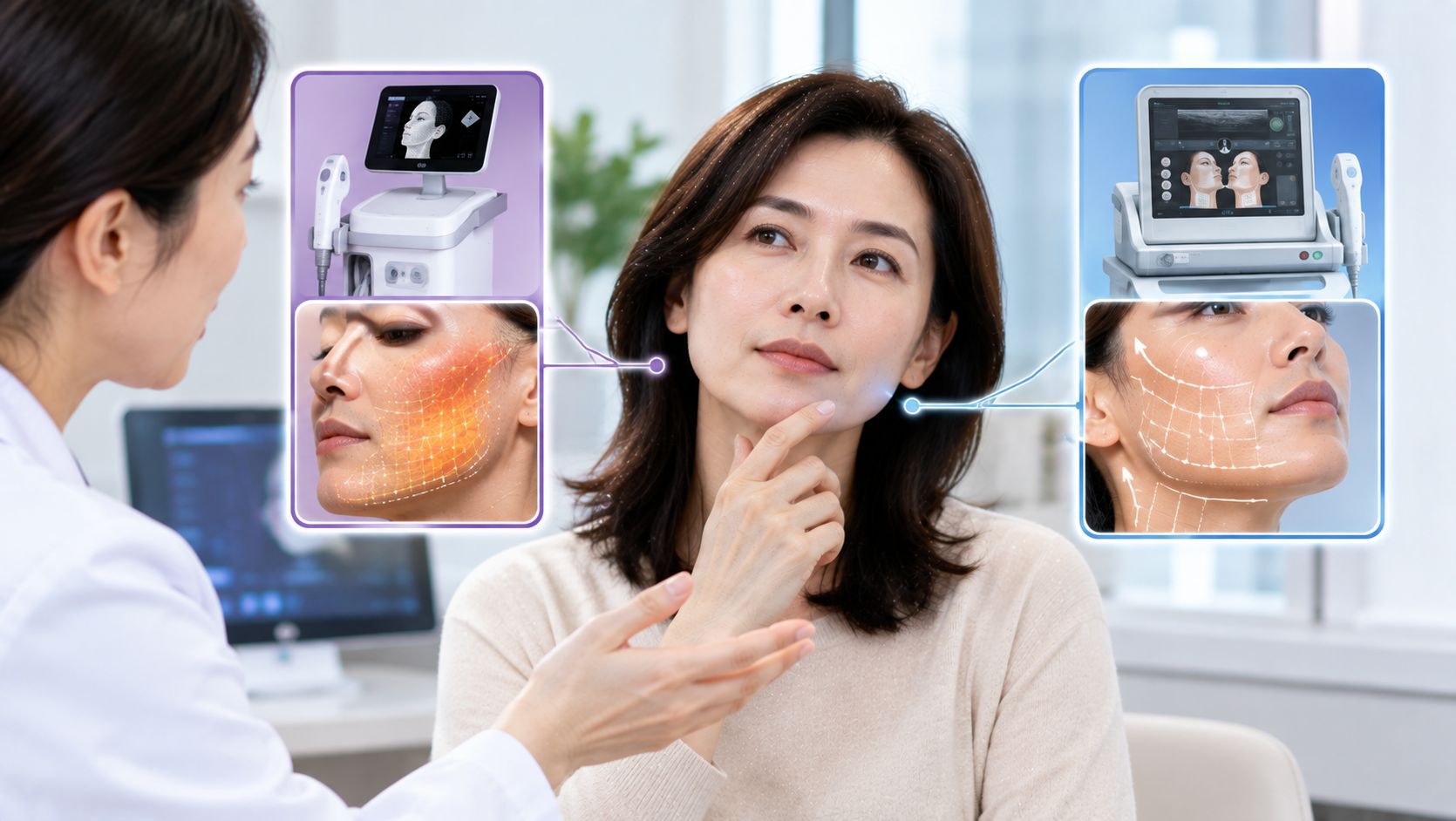
- Ultherapy Prime
- Thermage FLX
- RF collagen stimulation
- Mild lifting treatments
Korean clinics usually use conservative settings to maintain natural-looking skin without visible swelling or stiffness.
Sleep Recovery and Inflammation Control Matter More Than Strong Procedures
Many Korean dermatologists believe chronic inflammation and exhaustion make skin appear older faster than wrinkles alone.
As a result, treatments often focus on:
- Redness reduction
- Skin calming
- Hydration restoration
- Barrier strengthening
- Recovery optimization
This creates the clean, rested appearance often associated with Korean flight attendants.
The “Perfect Skin” Look Is Usually Built Gradually
The polished skin associated with Korean air crew is rarely the result of one dramatic treatment.
Instead, it usually comes from:
- Frequent low-inflammatory maintenance
- Conservative laser sessions
- Consistent hydration care
- Preventative collagen support
- Careful skincare routines
The emphasis is long-term stability and refinement rather than short-term dramatic change.
Final Thoughts
Korean air crew maintain polished, healthy-looking skin through consistent hydration-focused dermatology, barrier repair, gentle laser toning, skin boosters, and preventative anti-aging treatments designed for high-stress travel lifestyles. Rather than relying on aggressive cosmetic procedures, the Korean approach focuses on maintaining calm, resilient, naturally glowing skin despite dehydration, fatigue, and constant environmental stress. In Korean beauty culture, the “perfect skin” associated with air crew is usually the result of disciplined long-term maintenance and low-inflammatory skin management rather than secret miracle treatments.