Korean Treatments That Make Skin Look Filtered in Real Life
Korean Treatments That Make Skin Look Filtered in Real Life
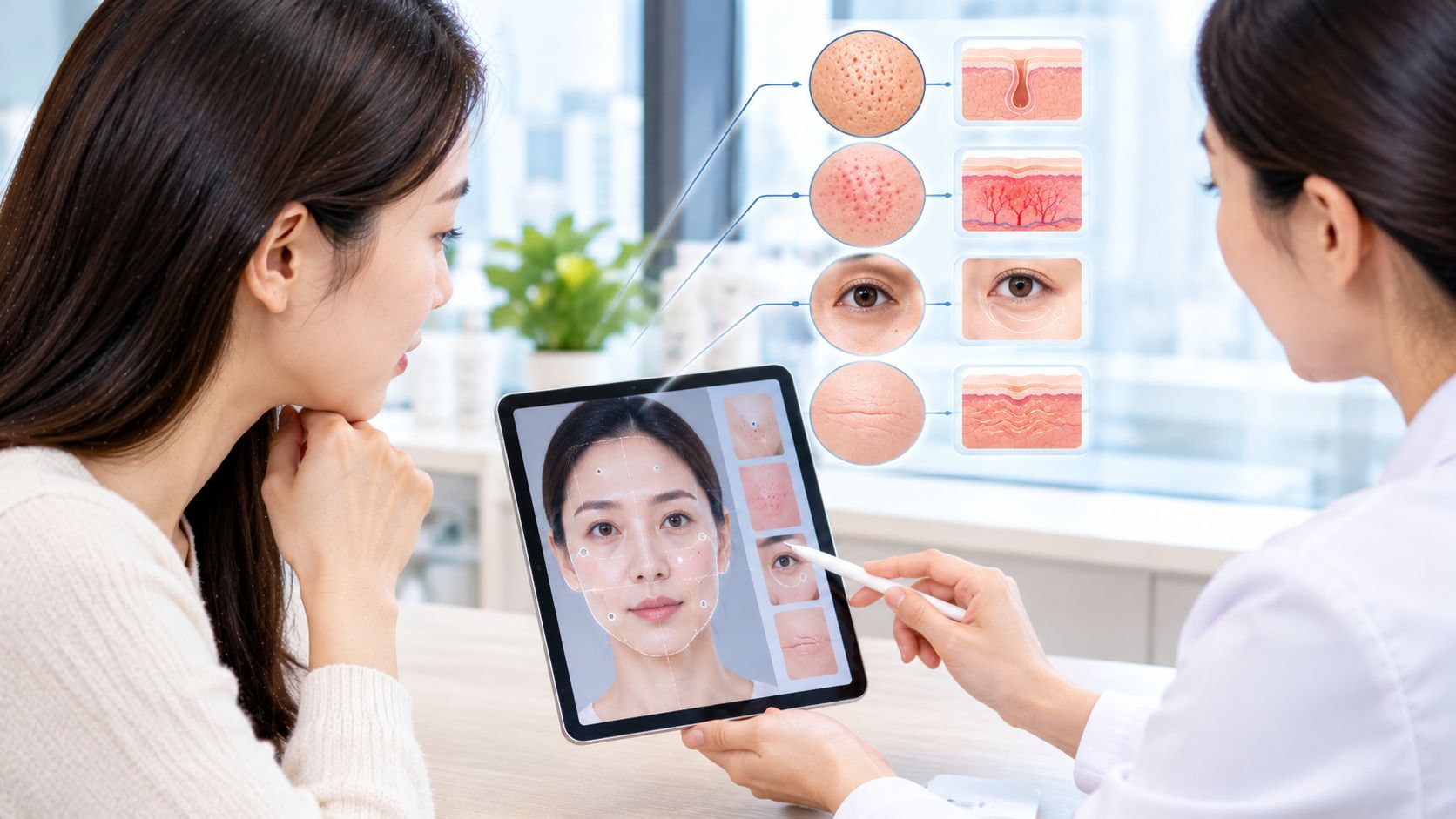
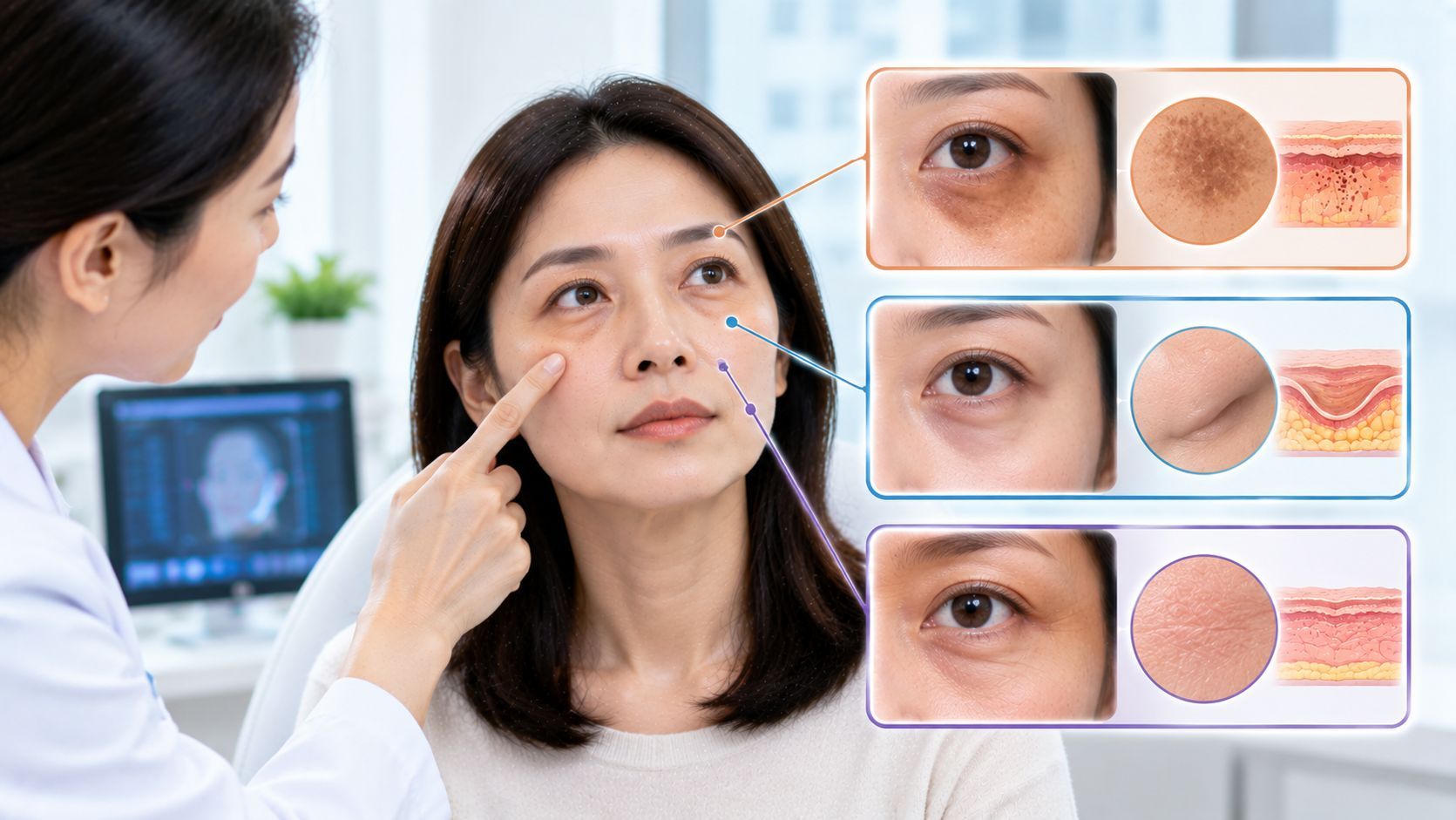
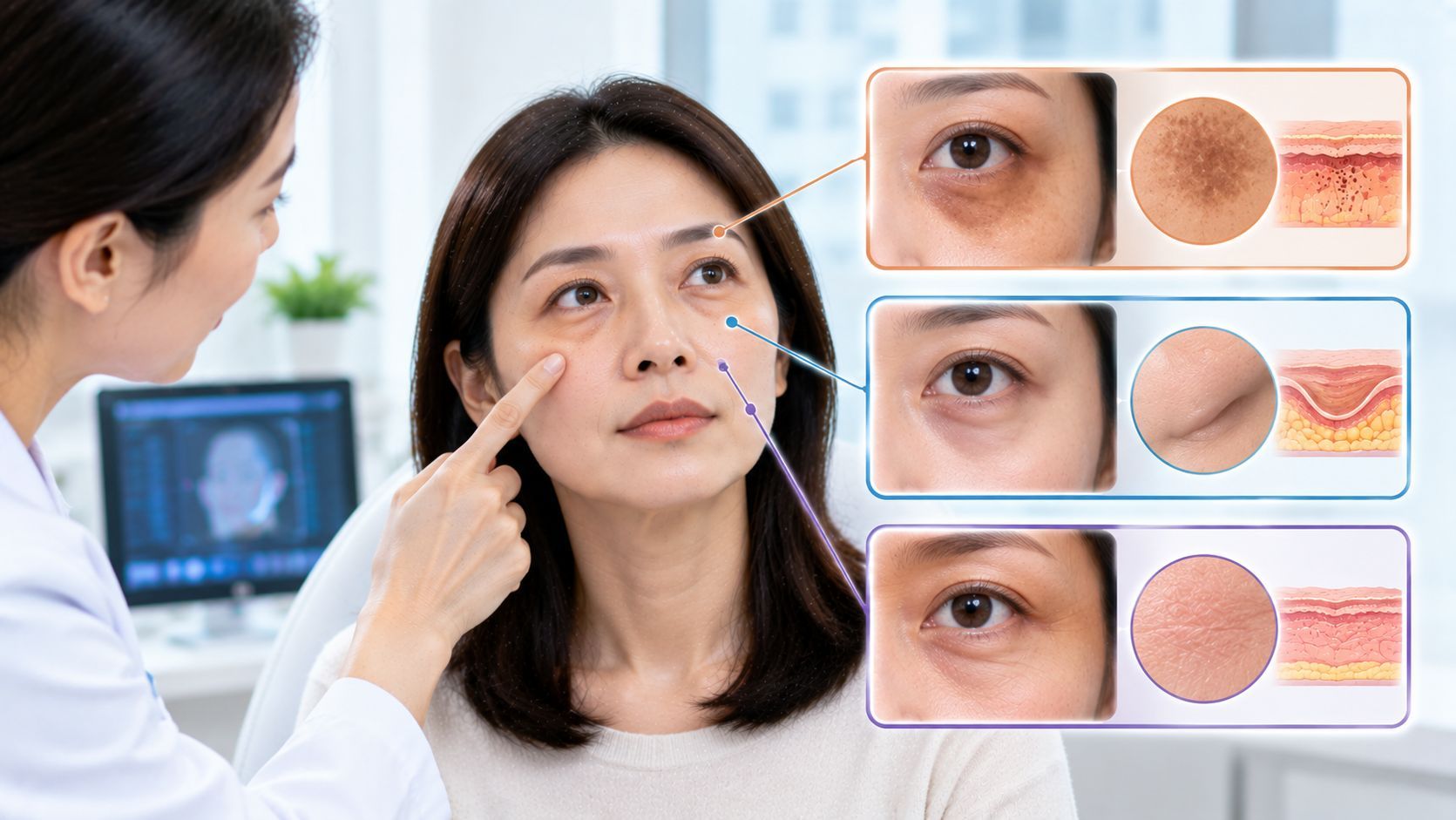
One of the biggest goals in modern Korean dermatology is creating skin that looks naturally smooth, bright, tight, and pore-refined even without makeup or camera filters. In Seoul, especially in Gangnam and Cheongdam, many clinics now focus on treatments designed to recreate the “real-life filter” effect seen on social media — but in a subtle and believable way. Rather than dramatic cosmetic transformation, Korean dermatologists usually aim for refined skin texture, balanced glow, minimized pores, and healthier collagen structure that makes the skin reflect light more evenly.
Why “Filtered Skin” Is Different From Traditional Beauty Treatments
The Korean concept of “filtered skin” usually focuses on:
- Extremely smooth texture
- Tight refined pores
- Balanced hydration
- Minimal redness
- Soft light reflection
- Even skin tone
Instead of looking heavily made up, the skin is supposed to appear naturally polished and healthy under any lighting.
Skin Boosters Are One of the Biggest Secrets
Skin boosters are among the most important treatments behind Korea’s “glass skin” appearance.
Popular options include:
- Rejuran
- Juvelook
- Hyaluronic acid boosters
- Exosome therapy
These treatments improve:
- Skin hydration
- Elasticity
- Fine lines
- Overall skin smoothness
- Glow and translucency
Rather than changing facial shape, they improve the quality and reflectiveness of the skin itself.
Laser Toning Helps Create Smooth Brightness
Low-energy laser toning is extremely common in Korean dermatology for creating clearer and more refined skin.
Popular treatments include:
- Pico laser toning
- Gentle Nd:YAG toning
- Combination pigment lasers
These help with:
- Uneven skin tone
- Mild pigmentation
- Dullness
- Redness reduction
- Overall clarity improvement
Korean clinics typically favor repeated low-inflammatory sessions instead of aggressive resurfacing.
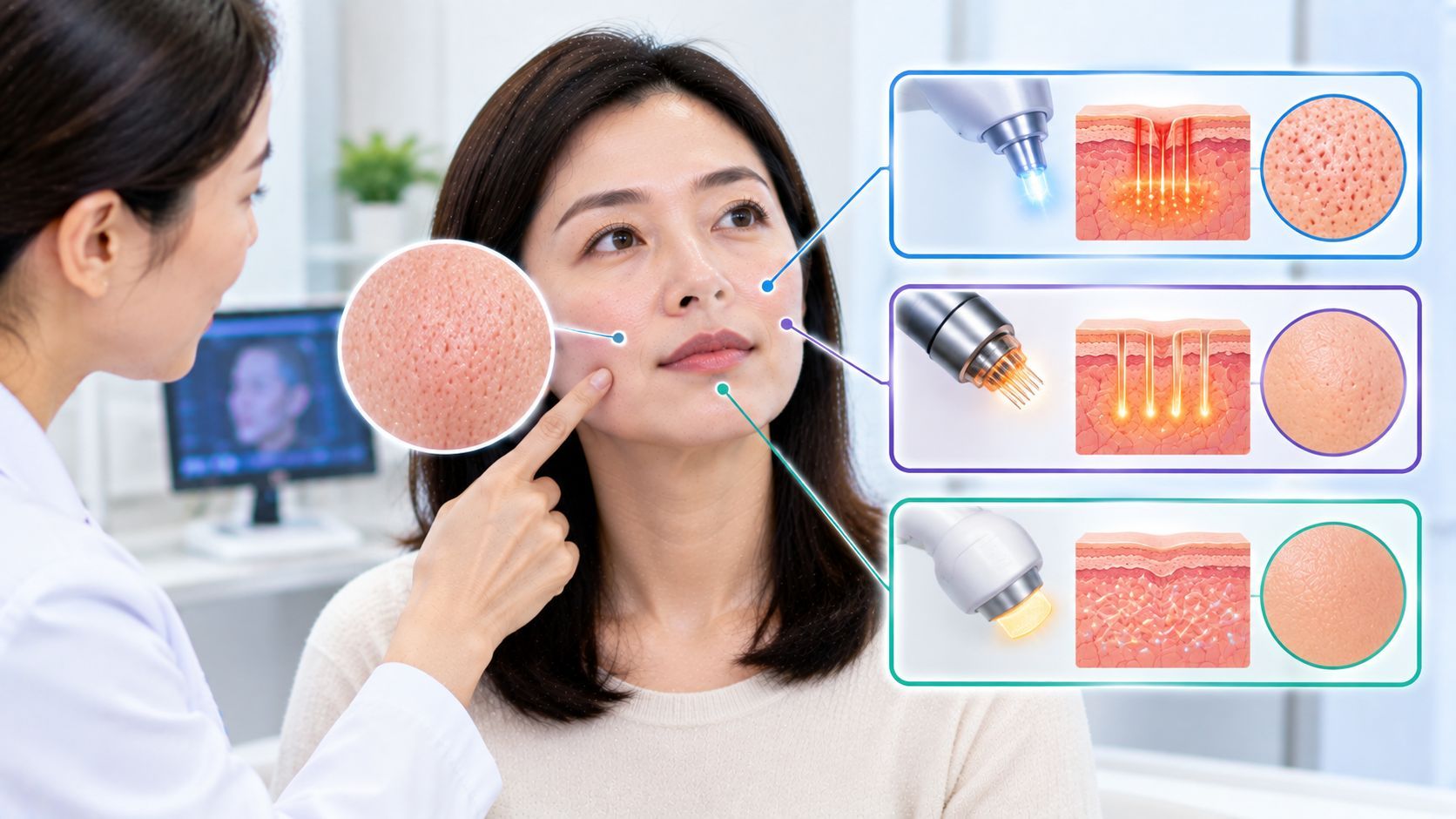
RF Microneedling Creates the “Blurred Pore” Effect
One reason skin looks filtered in real life is improved texture and collagen structure.
RF microneedling treatments such as:
- Potenza
- Sylfirm X
- Secret RF
are widely used for:
- Enlarged pores
- Rough texture
- Acne scars
- Mild skin laxity
As collagen rebuilds, the skin surface appears smoother and more refined under natural lighting.
Skin Botox Is Popular for Airbrushed Texture
Skin Botox has become one of the fastest-growing Korean treatments for achieving smoother-looking skin.
Unlike traditional wrinkle Botox, it focuses on:
- Oil reduction
- Smaller-looking pores
- Reduced facial shine
- Smoother texture
Many Korean celebrities and influencers use skin Botox because it helps makeup sit more evenly while preserving natural facial movement.
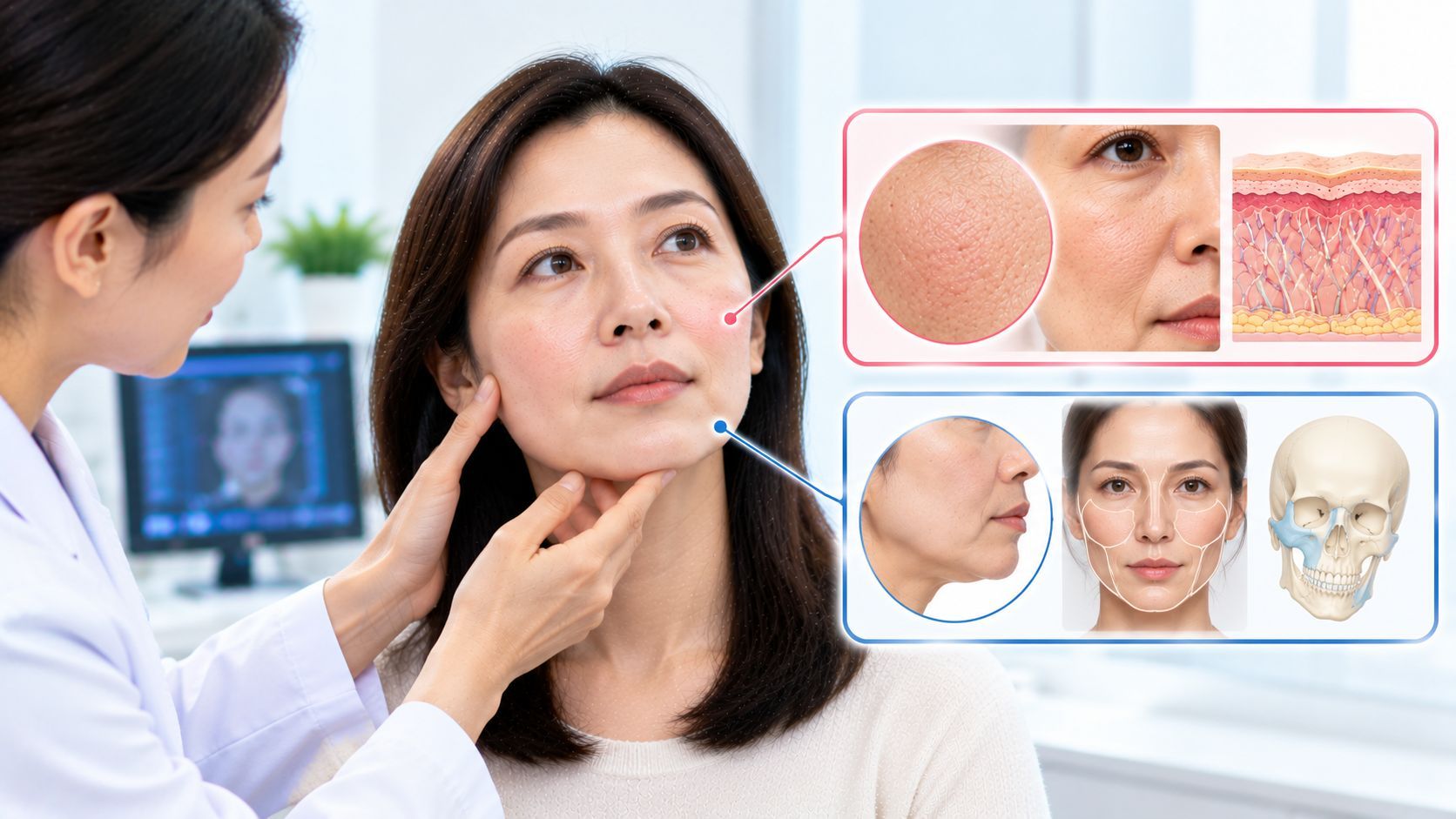
Collagen Tightening Helps Skin Reflect Light Better
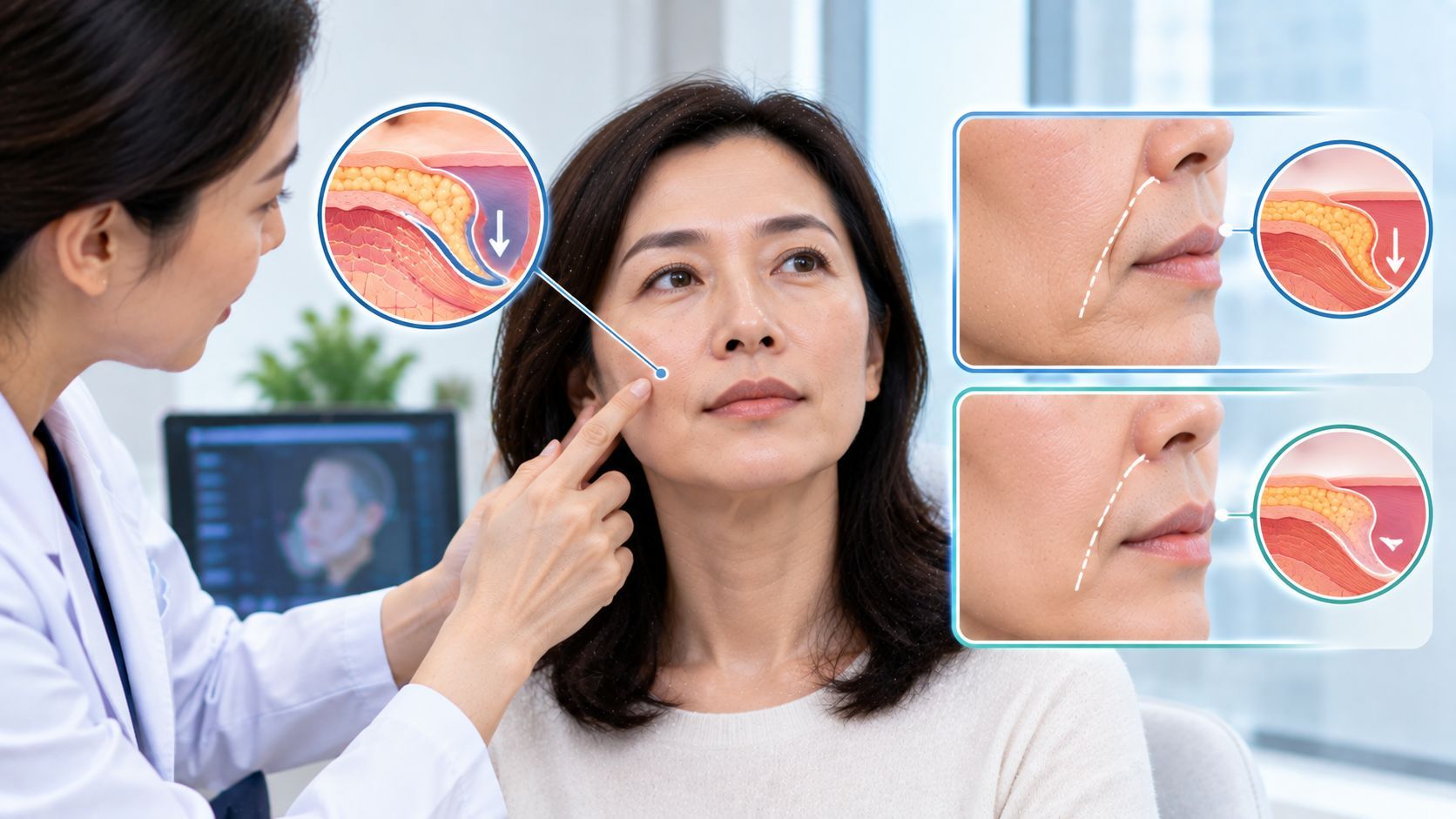
Filtered-looking skin is usually not just bright — it also appears firmer and tighter.
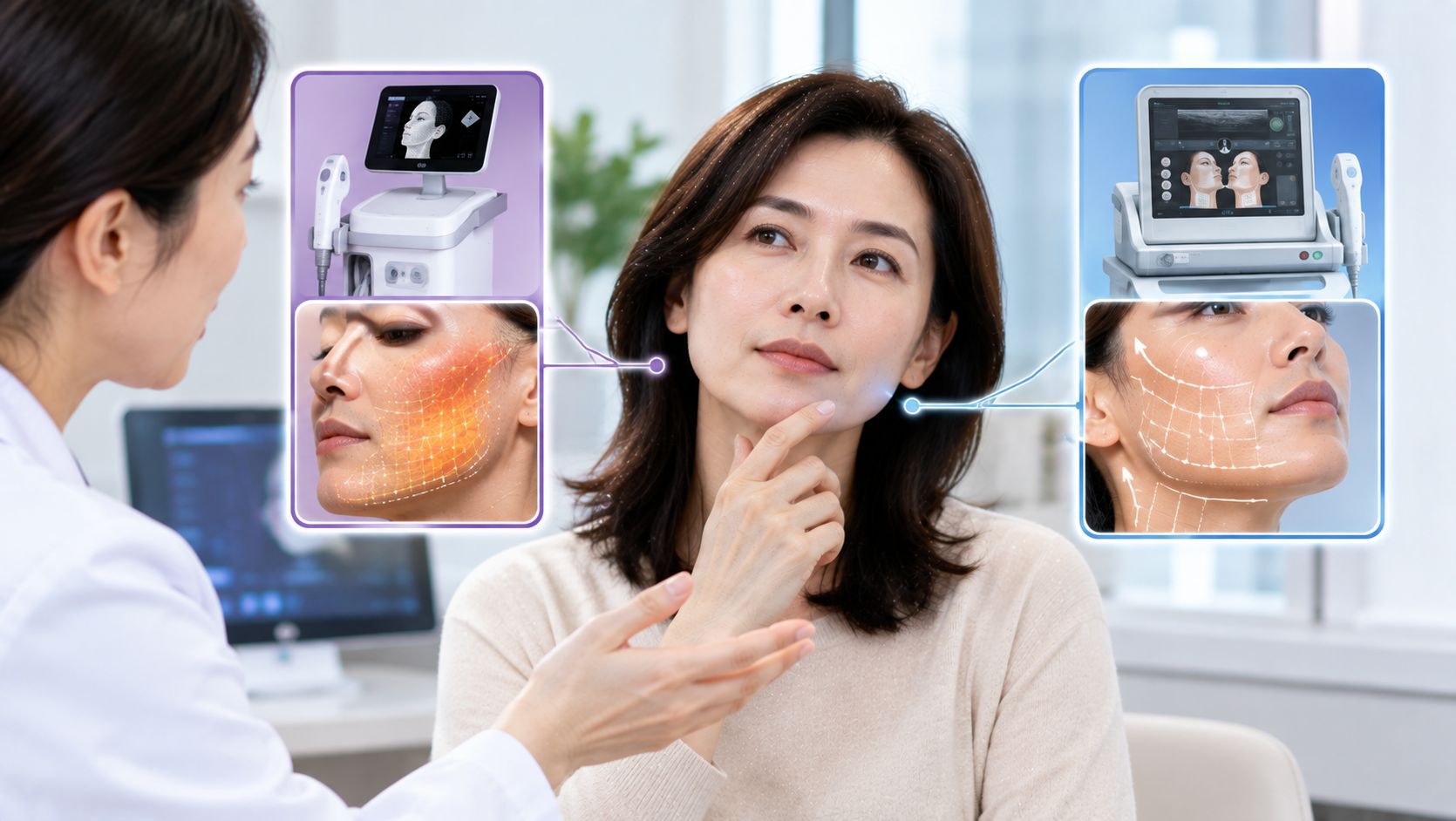
Popular tightening treatments include:
- Ultherapy Prime
- Thermage FLX
- Oligio
- Volnewmer RF lifting
These stimulate collagen gradually, improving:
- Skin elasticity
- Jawline sharpness
- Fine texture
- Overall skin density
Healthy collagen structure changes how light reflects across the face.
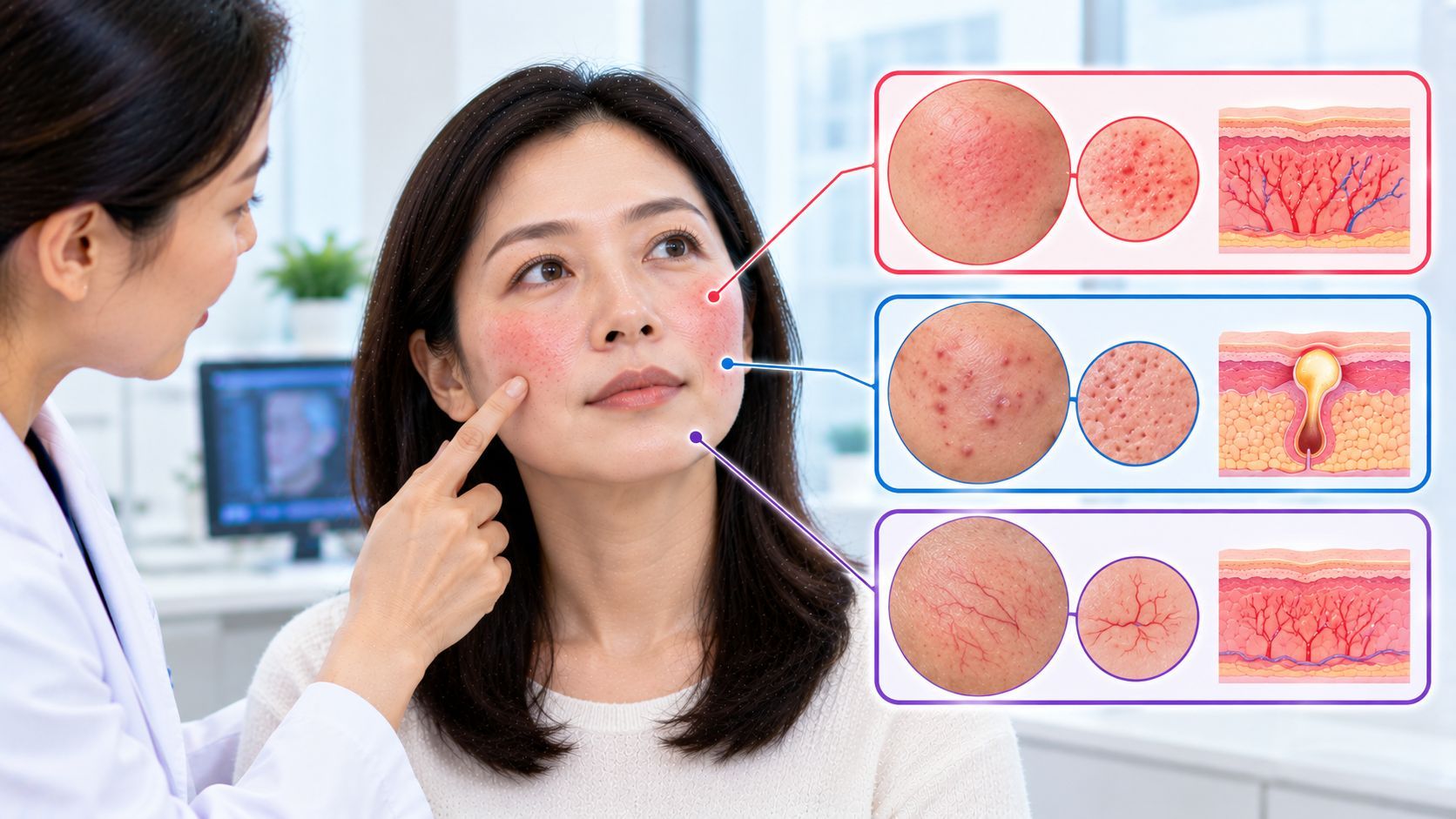
Barrier Repair Is Extremely Important
One major reason Korean skin often looks different is the strong focus on skin barrier stability.
Many clinics combine treatments with:
- LED calming therapy
- Recovery ampoules
- Hydration masks
- PDRN regenerative treatments
- Anti-inflammatory skincare protocols
Calm skin with minimal inflammation naturally appears smoother and brighter.
Combination Therapy Is the Real Korean Strategy
Most Korean clinics do not rely on one procedure to create “filtered skin.”
Typical combinations may include:
- Laser toning for clarity
- Skin boosters for hydration and glow
- RF microneedling for texture
- Skin Botox for pore refinement
- LED therapy for calming and recovery
The layered effect creates healthier-looking skin from multiple angles simultaneously.
Aggressive Treatments Are Often Avoided
Interestingly, many Korean dermatologists believe overly aggressive lasers can actually worsen skin quality long term.
To maintain naturally refined skin, clinics often avoid:
- Excessive resurfacing
- Strong peeling
- High-inflammatory protocols
- Overfilling procedures
The Korean philosophy usually prioritizes consistency and skin stability over dramatic short-term results.
The Goal Is “Expensive Skin,” Not Obvious Cosmetic Work
In Korean beauty culture, ideal skin often looks:
- Healthy
- Calm
- Tight
- Hydrated
- Smooth without looking fake
The best treatments are usually invisible to other people — they simply make the skin appear naturally well-maintained and refined.
Final Thoughts
Korean treatments that make skin look filtered in real life usually combine skin boosters, laser toning, RF microneedling, skin Botox, collagen tightening, and barrier-repair therapies to improve texture, hydration, pores, and overall skin quality gradually. Rather than relying on heavy cosmetic alteration, Korean dermatology focuses on layered low-inflammatory treatments that create smooth, reflective, naturally polished skin over time. In Seoul’s modern beauty culture, “filtered skin” is less about perfection and more about maintaining consistently healthy, refined, high-quality skin.