What Clinics Don’t Tell You About Skin Boosters
What Clinics Don’t Tell You About Skin Boosters
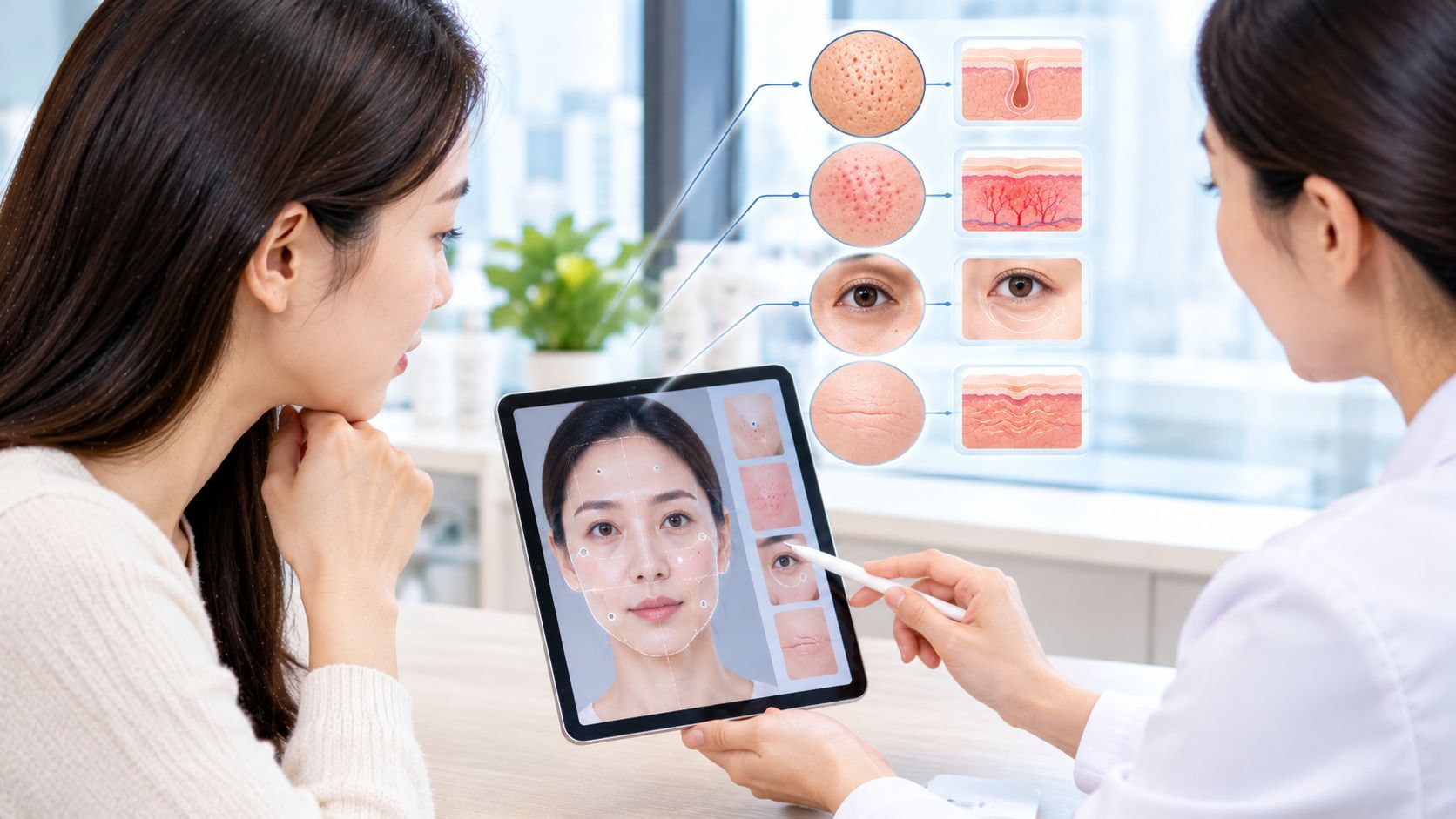
Skin boosters have become one of the most popular treatments in Korean dermatology, especially in Seoul where they are promoted as a way to achieve glowing, hydrated, “glass skin.” While they can genuinely improve skin quality, the reality is more nuanced than marketing often suggests. In many cases, outcomes depend heavily on skin condition, injection technique, product choice, and whether the treatment is properly integrated into a broader skin plan.
Skin Boosters Don’t “Create Glow” on Their Own
Many clinics present skin boosters as an instant glow solution, but in reality they work indirectly.
They primarily improve:
- Skin hydration levels
- Dermal repair processes
- Micro-inflammation reduction
- Overall skin texture over time
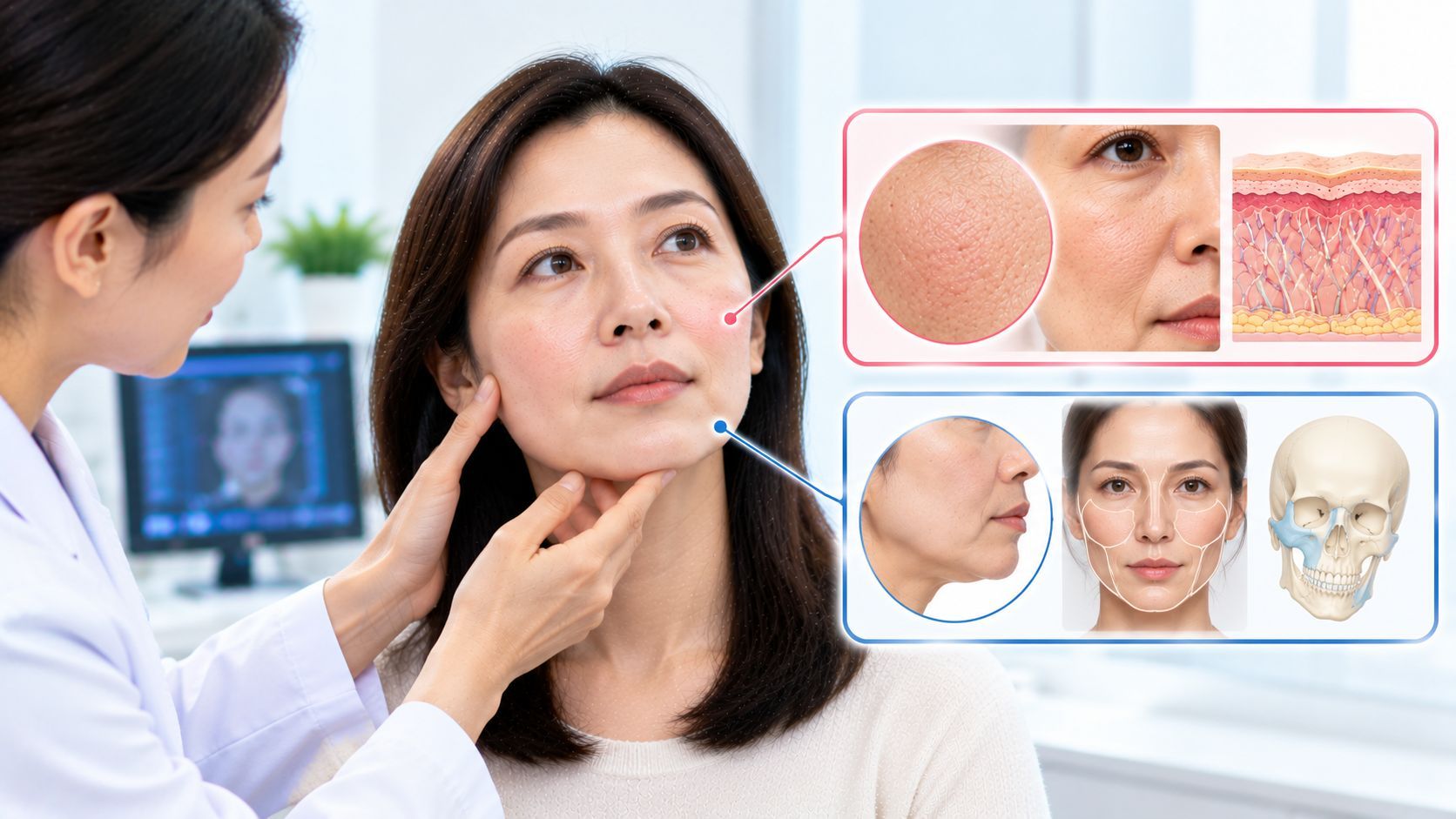
The “glow” effect is usually the result of improved skin function, not a direct whitening or lifting effect.
Results Depend Heavily on Skin Barrier Condition
One of the least discussed factors is that skin boosters work differently depending on barrier health.
If the barrier is weak:
- Results may be slower
- Hydration may not be retained well
- Redness can temporarily increase
- Multiple sessions are usually needed
If the barrier is stable, results tend to be more visible and longer lasting.
Not All Skin Boosters Work the Same Way
Clinics often group all injectables under “skin boosters,” but they are biologically different.
Common categories include:
- Rejuran (PN/PDRN-based): focuses on skin repair and healing
- Hyaluronic acid boosters: focus on hydration and plumpness
- Exosome-based treatments: focus on regeneration and inflammation control
- Collagen-stimulating boosters: focus on long-term structure improvement
Each has a different mechanism, timeline, and ideal skin type.
Injection Technique Matters as Much as the Product
What clinics often don’t emphasize is that technique can significantly affect results.
Factors include:
- Depth of injection
- Distribution pattern across the face
- Amount per injection point
- Number of sessions planned
Even the same product can produce very different outcomes depending on how it is administered.
Skin Boosters Are Rarely a Standalone Solution in Korea
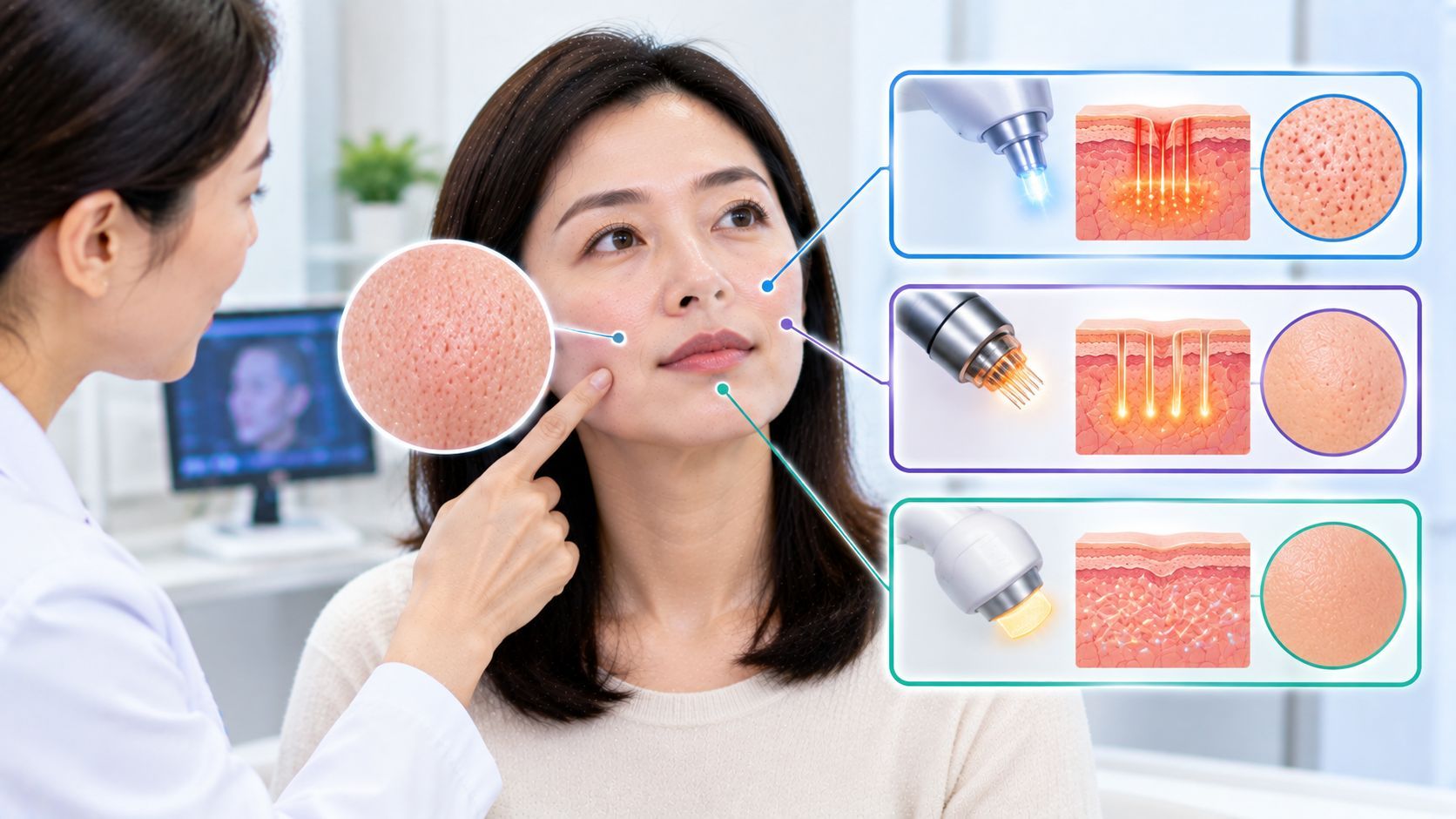
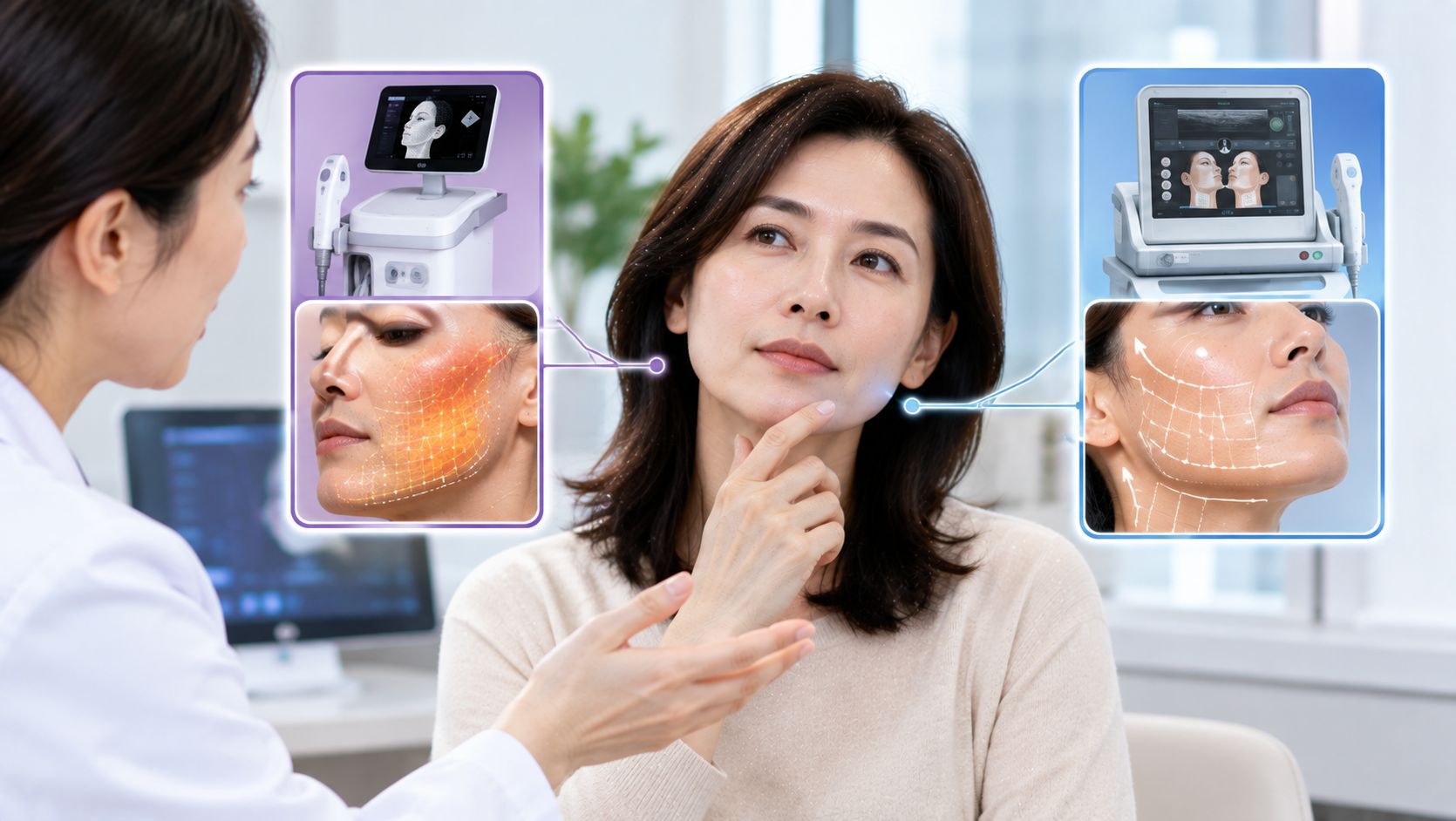
In Korean dermatology, skin boosters are almost always part of a combination plan rather than a single treatment.
They are commonly paired with:
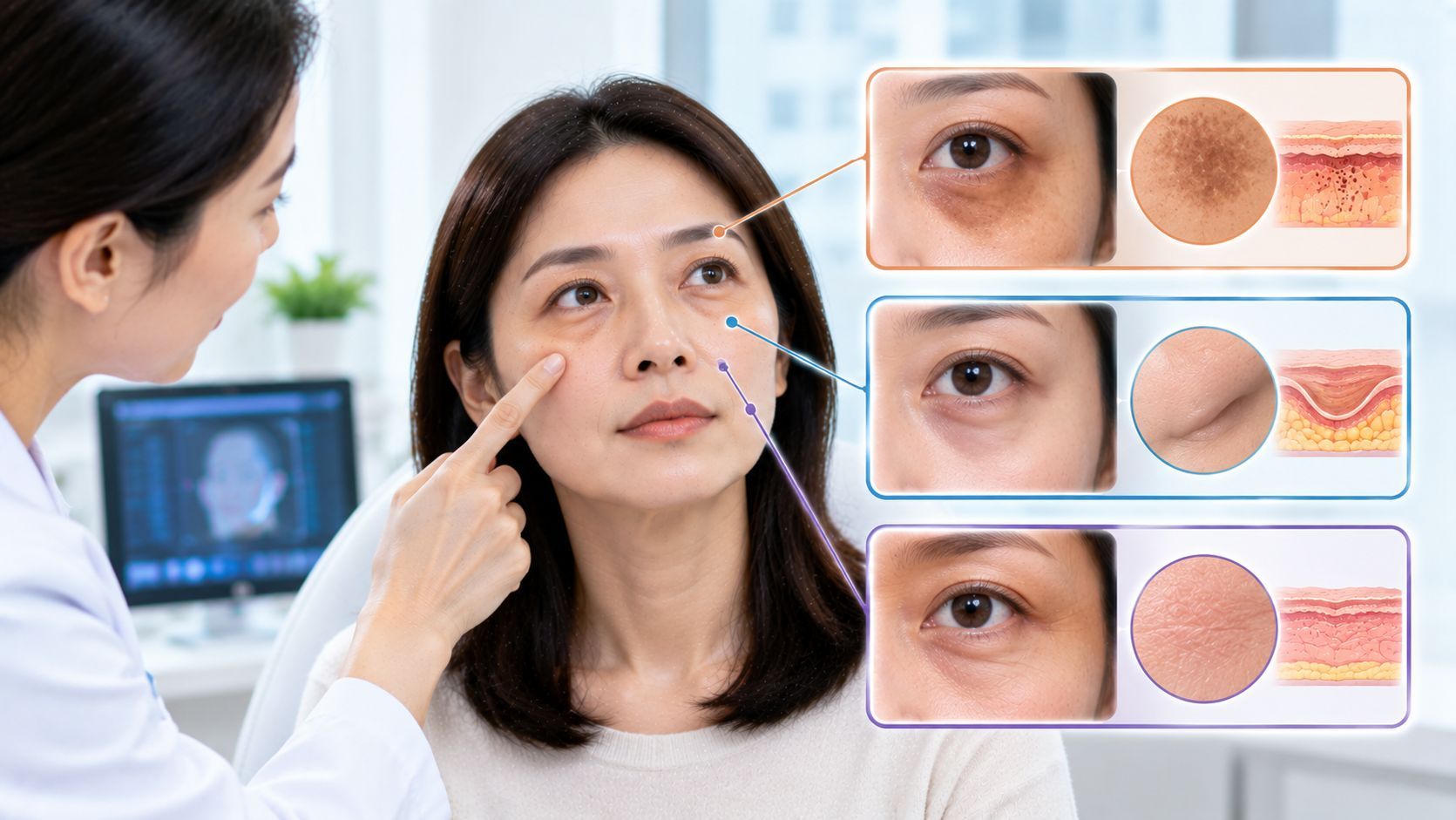
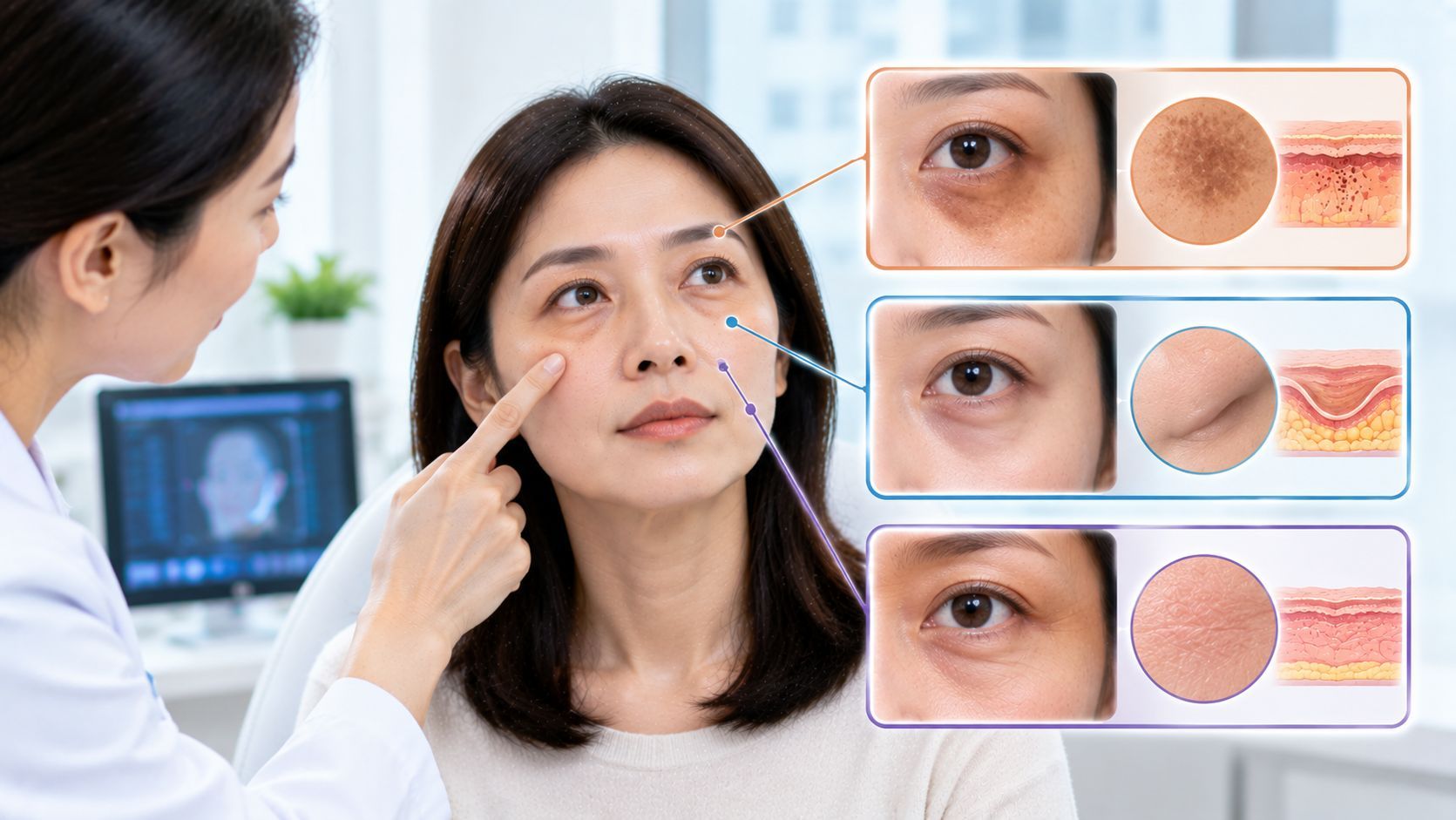
- Laser toning for pigmentation
- RF microneedling for texture
- IPL for redness control
- LED therapy for recovery
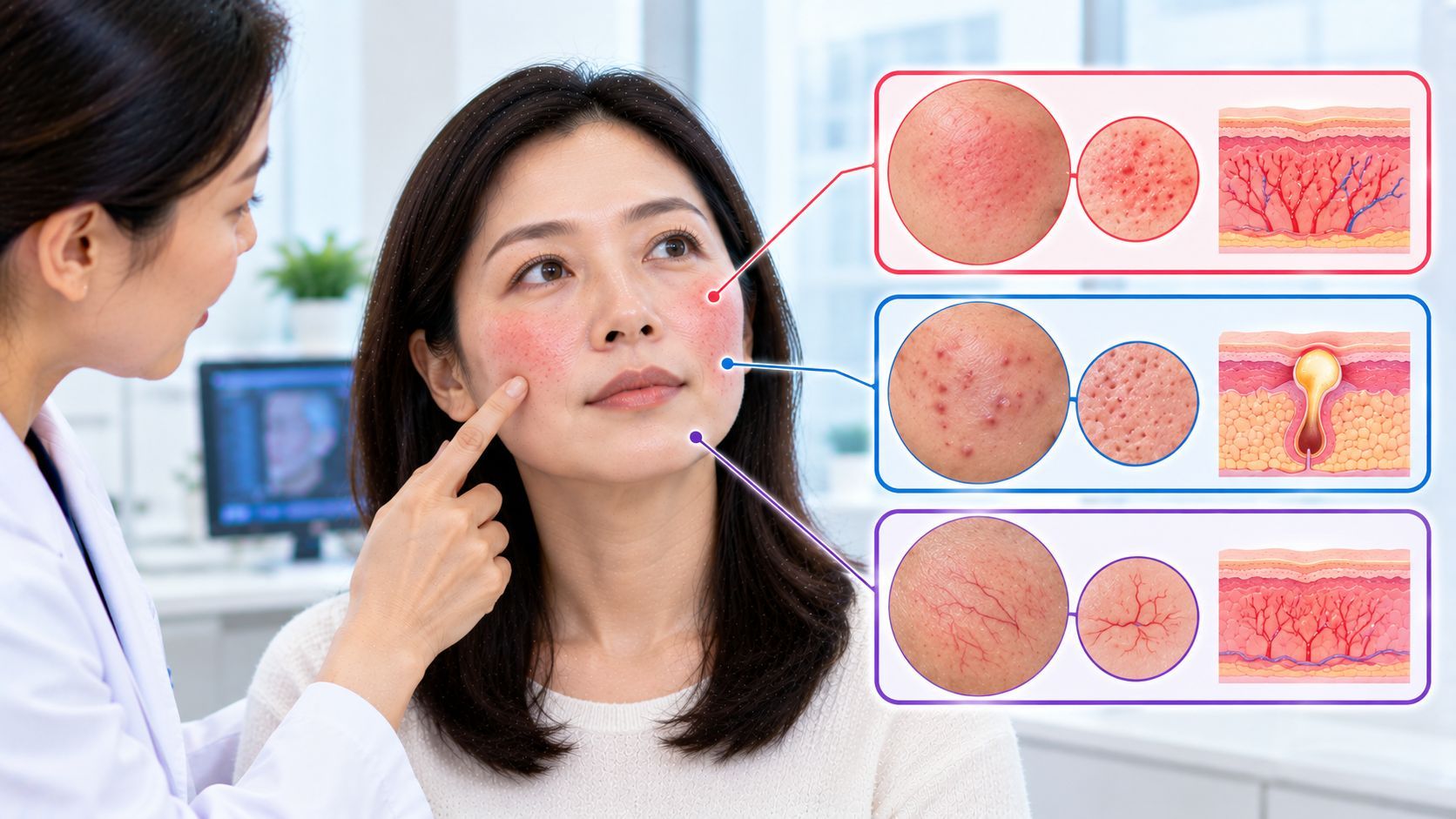
This is because boosters improve skin quality, but do not fully address pigmentation, scars, or vascular issues on their own.
Overuse Can Lead to Diminishing Returns
More is not always better with skin boosters.
Potential issues with overuse include:
- Temporary puffiness
- Uneven absorption
- Limited additional improvement after repeated sessions
- Unnecessary financial cost without proportional benefit
Korean dermatologists often space treatments to allow the skin to respond naturally.
Not Ideal for All Skin Conditions
Skin boosters are often marketed broadly, but they are not equally effective for every concern.
They are most useful for:
- Dehydrated skin
- Mild texture irregularities
- Early signs of aging
- Post-treatment recovery support
They are less effective as a primary treatment for:
- Deep acne scars
- Severe pigmentation
- Active inflammatory acne
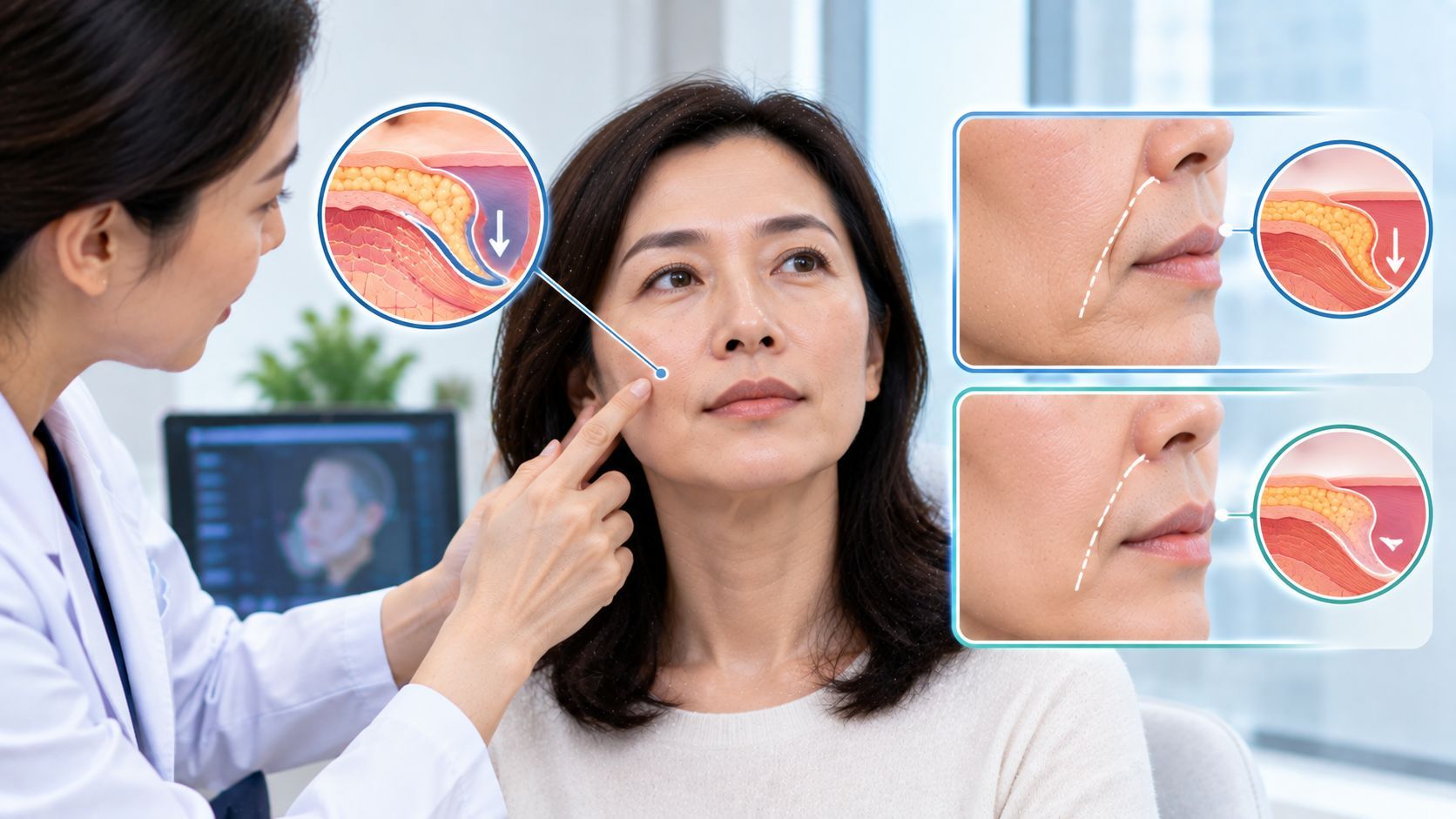
- Advanced skin laxity
In these cases, other modalities are usually prioritized first.
Temporary Swelling Is Sometimes Part of the “Glow”
One detail often not highlighted is that early “glow” after some skin boosters may be partly due to temporary swelling or hydration response.
This can include:
- Mild puffiness
- Increased skin fullness
- Short-term radiance effect
True structural improvement, however, develops gradually over multiple sessions.
Maintenance Is Usually Required
Skin boosters are not typically one-time treatments.
Most Korean dermatology protocols involve:
- Initial treatment series
- Follow-up maintenance every few months
- Combination with other skin therapies
- Ongoing barrier care at home
Without maintenance, results may gradually fade.
Final Thoughts
Skin boosters can significantly improve hydration, texture, and overall skin quality, but they are not a universal solution or instant glow treatment as often portrayed. Their effectiveness depends on skin barrier health, correct product selection, injection technique, and whether they are integrated into a broader dermatological plan. In Korean dermatology, skin boosters are best understood as supportive regenerative treatments rather than standalone corrective procedures, designed to enhance overall skin resilience and complement other laser and device-based therapies.