Exosome Therapy in Korea: Hype or Real Science?
Exosome Therapy in Korea: Hype or Real Science?
Exosome therapy has become one of the most talked-about “next-generation” skin treatments in Korean dermatology clinics, especially in Seoul’s Gangnam district. Marketed as a regenerative solution for skin rejuvenation, healing, and anti-aging, it is often promoted alongside lasers, skin boosters, and post-procedure recovery programs. But while exosomes are based on real biological science, their cosmetic use in dermatology is still developing, and the clinical evidence is not yet as strong or standardized as many marketing claims suggest.
What Exosome Therapy Actually Is
Exosomes are tiny extracellular vesicles released by cells that carry proteins, lipids, and genetic material used for cell-to-cell communication. In dermatology, they are believed to support skin repair by sending biological “signals” that may influence inflammation, healing, and regeneration processes.
In clinic settings, exosomes are typically used for:
- Skin regeneration after lasers
- Reducing inflammation and redness
- Improving texture and elasticity
- Supporting acne scar recovery
- Enhancing overall skin healing
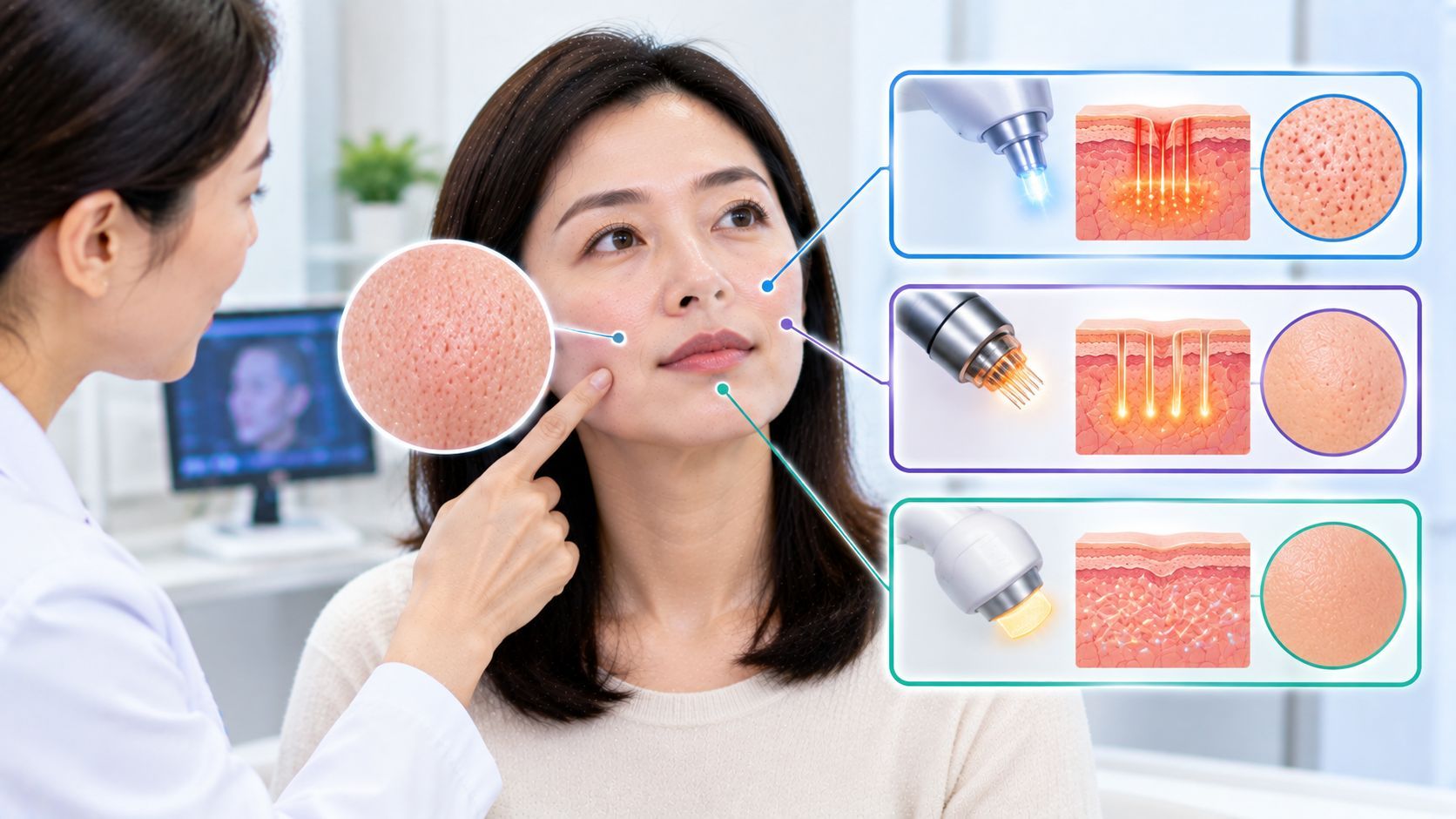
They are often applied through microneedling, laser-assisted delivery, or injections depending on the clinic protocol.
Why Korean Clinics Started Using Exosomes
Korea’s aesthetic dermatology market moves quickly toward regenerative and “natural recovery” treatments. Exosome therapy gained attention because it fits into this shift away from volume-focused procedures toward skin-quality improvement.
Clinics promote it as:
- A post-laser recovery booster
- A collagen-supporting treatment
- A way to accelerate healing after procedures
- A premium anti-aging skin enhancer
It became especially popular in combination with Pico laser, RF microneedling, and skin booster programs.
What the Science Actually Supports
Research shows that exosomes play a real role in cellular communication and tissue repair in biological systems. Early dermatology studies suggest potential benefits in skin rejuvenation, pigmentation improvement, and scar healing, particularly when combined with procedures like microneedling or laser treatments.
However, current clinical evidence is still limited, with many studies involving small sample sizes, early-stage trials, or mixed protocols. While results are promising, they are not yet standardized or universally validated across large-scale clinical use.
Why Results Can Feel Inconsistent
One of the biggest issues in exosome therapy is variability. Results can differ significantly depending on:
- Source and quality of exosomes
- Delivery method (injection vs microneedling vs topical)
- Combination with other treatments
- Individual skin condition
- Clinic protocol and technique
Because there is no fully standardized global protocol, outcomes can vary more than traditional dermatology treatments.
The “Glow Effect” vs Long-Term Results
Many patients report short-term improvements such as:
- Brighter skin
- Reduced redness
- Faster healing after lasers
- Temporary glow and hydration
However, long-term structural changes like deep collagen remodeling are less clearly proven compared to established treatments such as RF microneedling or ultrasound lifting. This is why exosomes are often positioned as a “support treatment” rather than a standalone solution.
Safety and Regulatory Concerns in Clinics
Another important factor is regulation. In many countries, exosome-based injectable treatments are still considered off-label or not fully standardized for cosmetic use. Even in Korea, clinic protocols can differ widely depending on product source and delivery method.
Reported concerns include:
- Injection-related inflammation
- Nodules or granuloma formation in rare cases
- Variability in product purity
- Lack of long-term safety data
Most dermatologists consider exosomes relatively safe when used properly, but still emphasize caution and proper clinic selection.
Why Exosomes Became So Popular Anyway
Despite scientific uncertainty, exosome therapy grew rapidly in Korea for several reasons:
- Strong marketing in luxury dermatology clinics
- Association with “cellular regeneration”
- Social media influence and celebrity interest
- Demand for post-laser recovery treatments
- Shift toward regenerative aesthetics
In Gangnam, exosomes are often positioned as a premium add-on treatment rather than a basic procedure.
Who Actually Gets the Best Results
In clinical practice, exosome therapy tends to work best when used for:
- Post-laser healing support
- Sensitive or inflamed skin recovery
- Combination anti-aging programs
- Mild texture and glow improvement
It is generally less effective when patients expect dramatic lifting or deep structural change from a single session.
Hype vs Reality
Exosome therapy sits in a middle ground between science and marketing.
- The science behind exosomes is real and actively researched
- Early dermatology results are promising but not fully standardized
- Clinical use in aesthetics is still evolving
- Marketing often outpaces proven long-term evidence
So it is not “fake,” but it is also not yet a fully established cornerstone treatment like lasers or RF lifting.
Final Thoughts
Exosome therapy in Korea represents a new wave of regenerative dermatology that is still developing rather than fully proven. While it shows real biological potential for skin healing and recovery, the current evidence is early-stage, and outcomes depend heavily on clinic protocols and combination treatments. In practice, exosomes are best understood as a supportive skin regeneration booster rather than a standalone anti-aging miracle treatment, especially within Korea’s fast-evolving aesthetic medicine landscape.