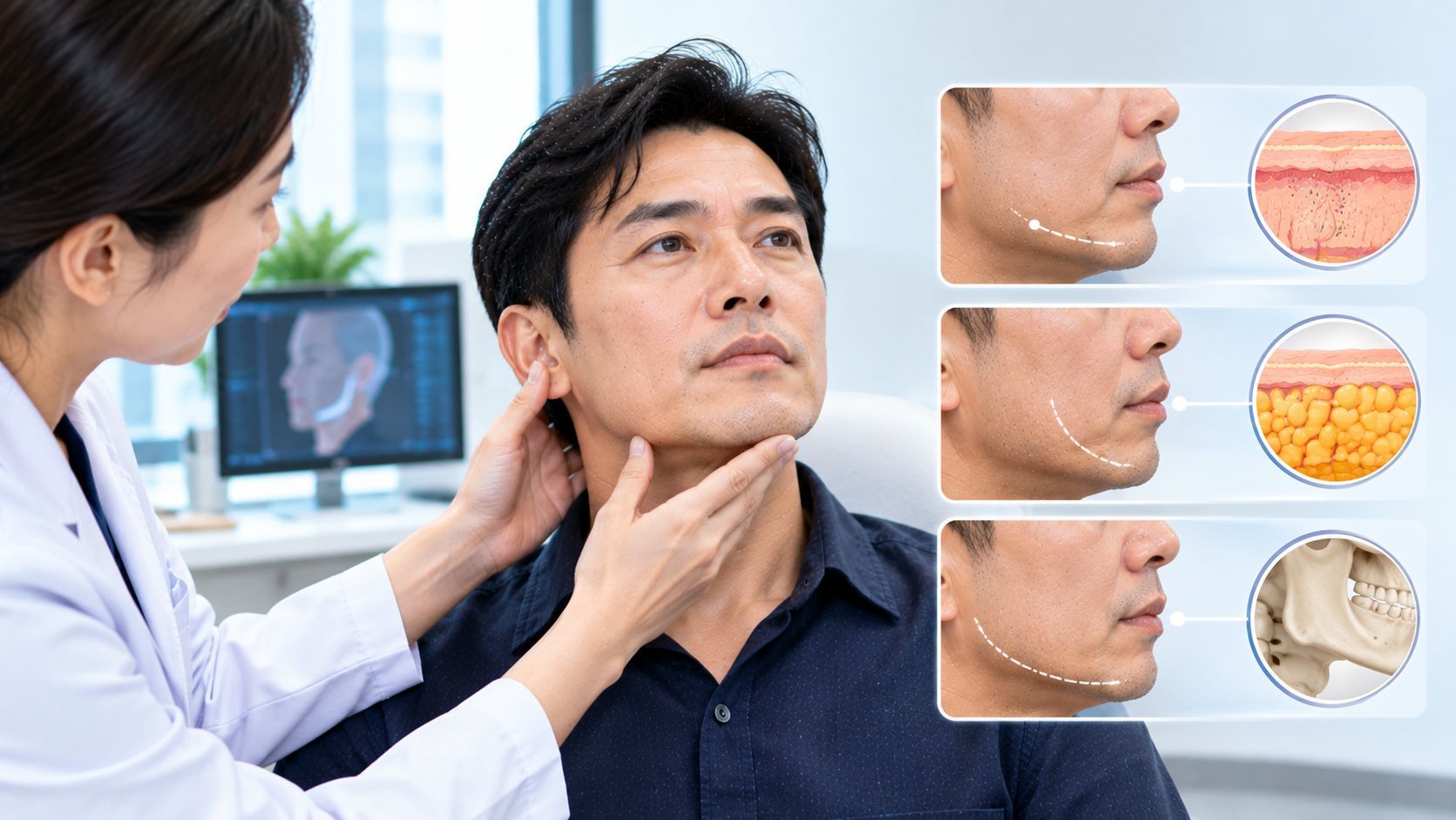
What Korean Dermatologists Use on Their Own Skin
What Korean Dermatologists Use on Their Own Skin
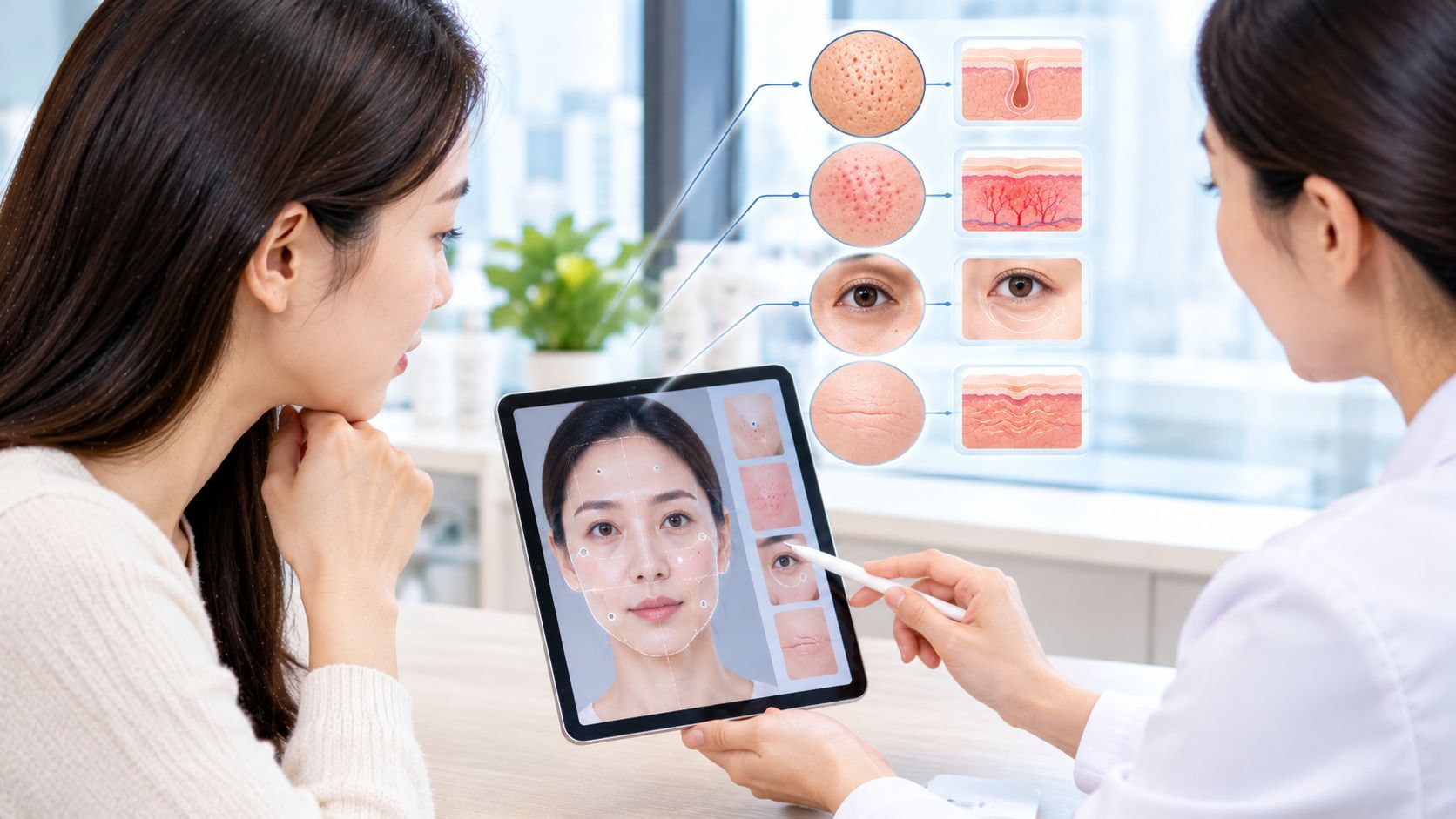
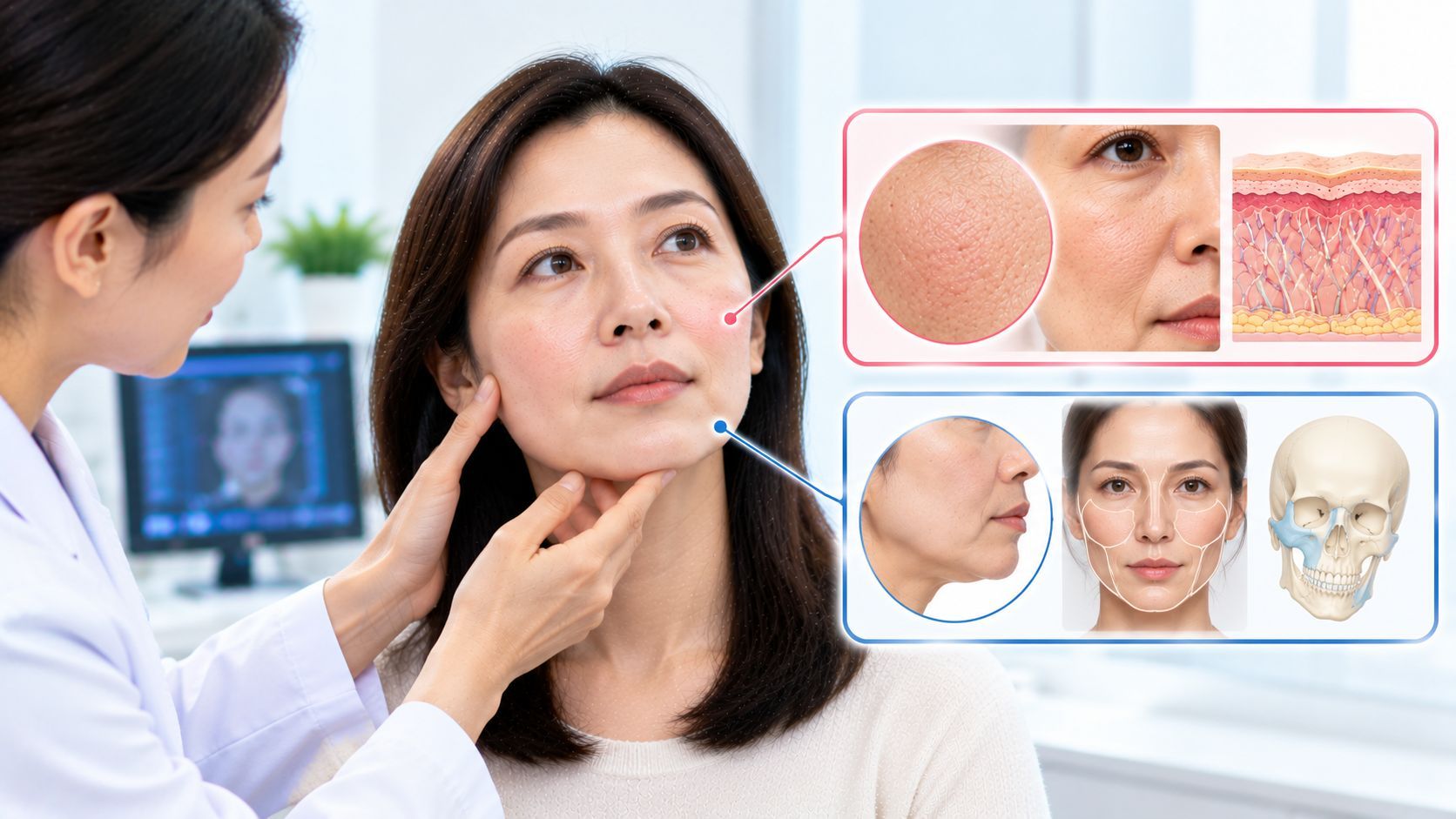
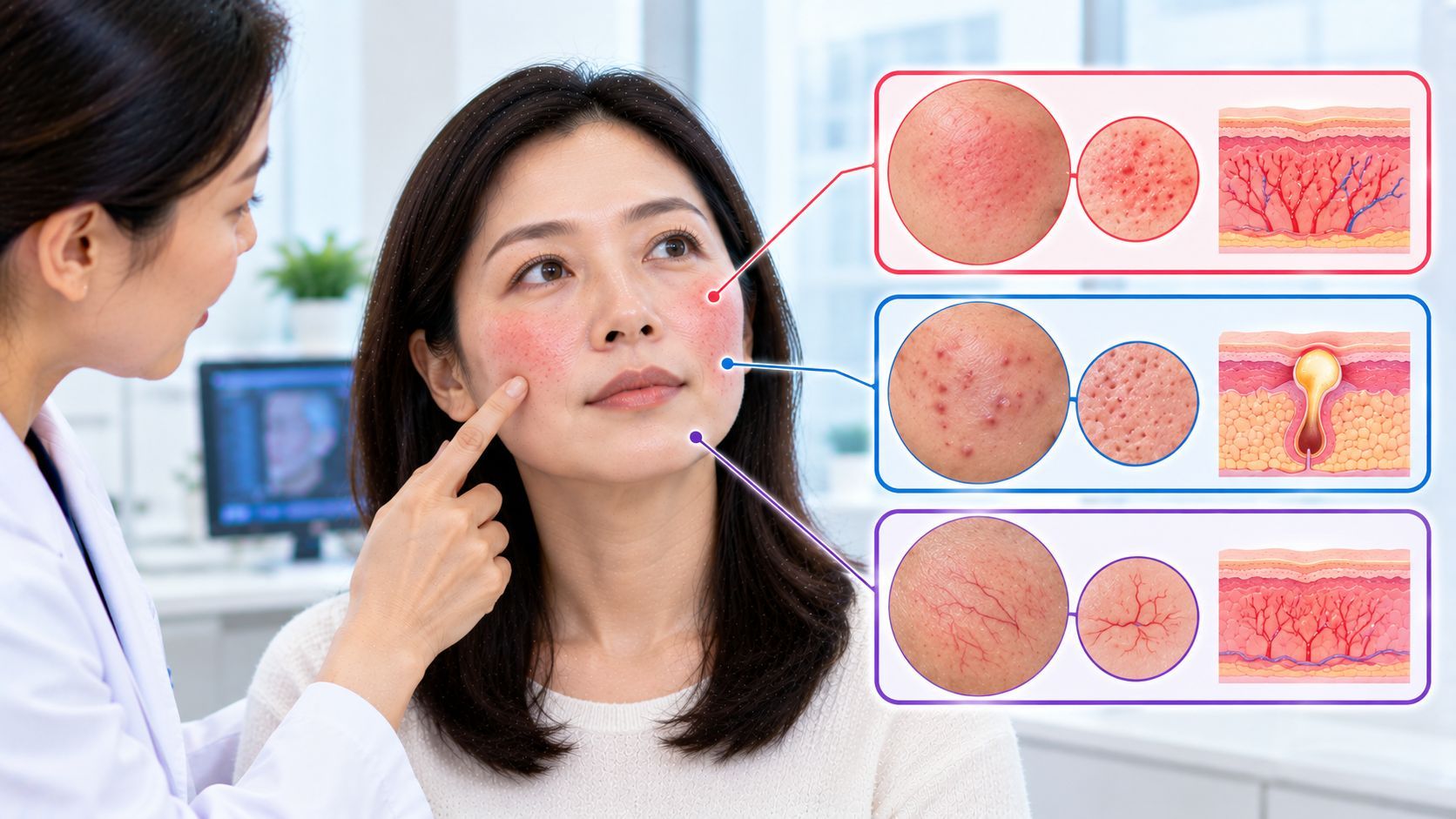
Korean dermatologists are often seen as the ultimate authority in aesthetic skincare, but what they actually use on their own skin is usually much more minimal and consistent than what clinics advertise to patients. In Korea’s highly advanced cosmetic dermatology industry, doctors tend to prioritize long-term skin health, prevention, and low-risk maintenance rather than frequent aggressive procedures. Their personal routines reflect a strong focus on skin barrier protection, subtle rejuvenation, and sustainable anti-aging rather than dramatic transformation.
Daily Skincare Is Surprisingly Simple
Most Korean dermatologists rely on a very basic but consistent skincare routine rather than complex multi-step systems.
Typical daily essentials include:
- Gentle cleanser
- Lightweight hydrating toner
- Simple moisturizer
- Sunscreen (the most important step)
Instead of constantly changing products, they often stick to dermatologist-tested formulations that protect the skin barrier and reduce irritation risk.
Sunscreen Is Non-Negotiable
One of the most consistent habits among Korean dermatologists is strict daily sunscreen use.
They typically prioritize:
- High SPF and PA ratings
- Broad-spectrum protection
- Lightweight, non-irritating formulas
- Reapplication during the day
Because UV exposure is the leading cause of pigmentation and aging, sunscreen is considered the most important anti-aging step in both professional advice and personal routines.
Low-Frequency Laser Maintenance Is Common
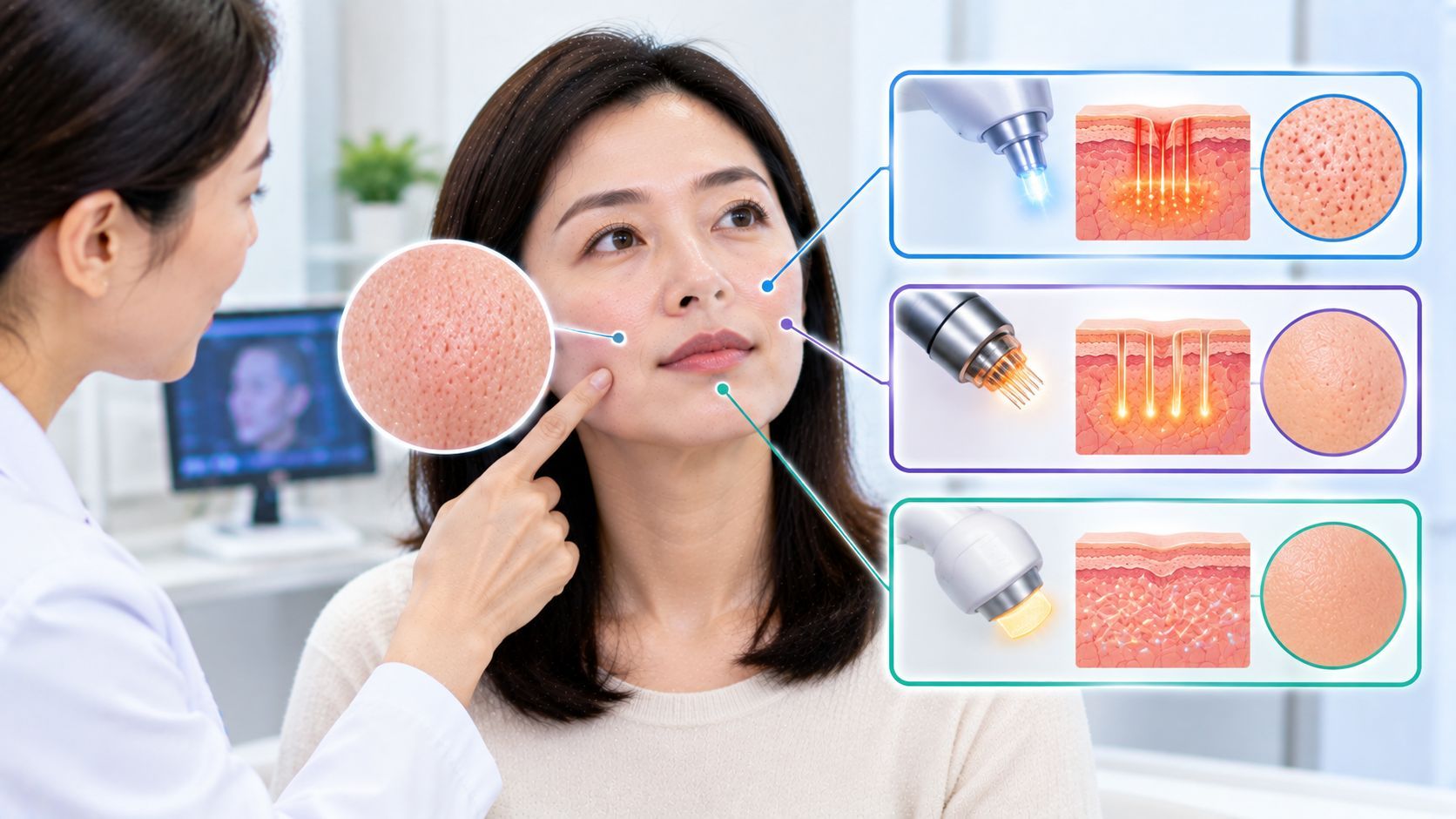
Rather than frequent intensive treatments, many Korean dermatologists use low-frequency maintenance lasers on themselves.
Common options include:
- Pico toning
- Low-energy fractional laser
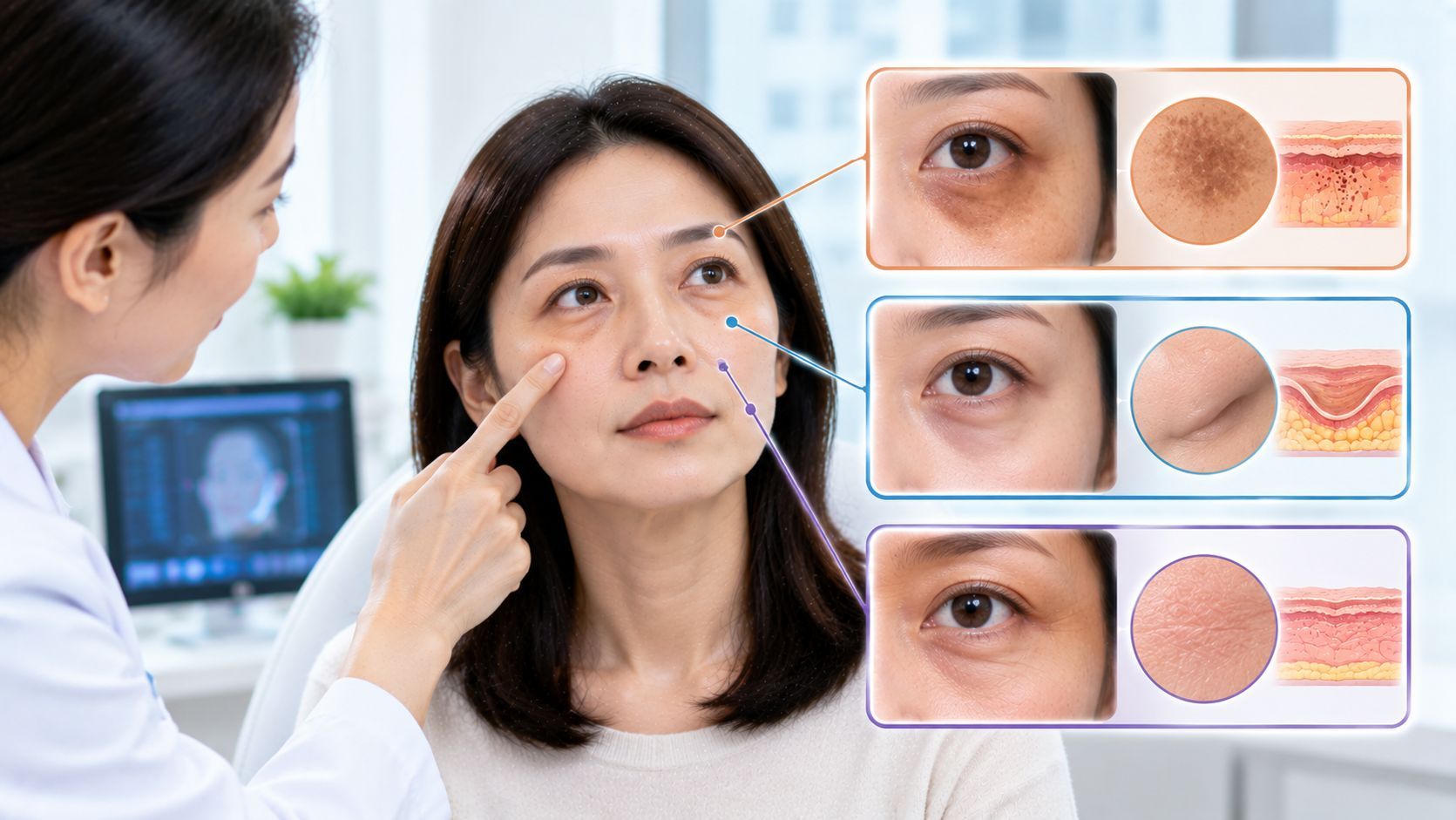
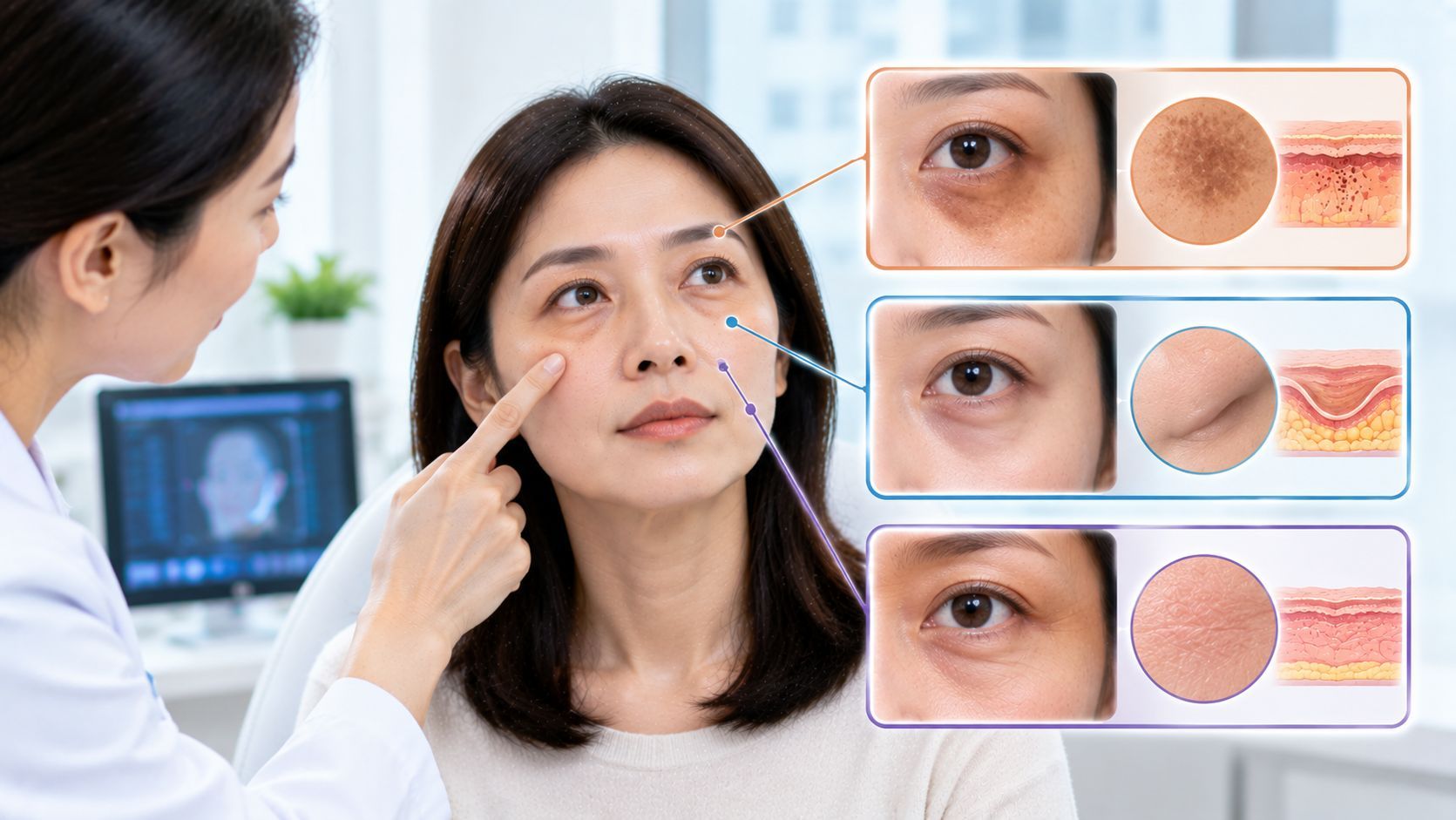
- Gentle pigment correction lasers
These treatments are usually done periodically to maintain skin tone, prevent pigmentation buildup, and support long-term clarity without over-treating the skin.
Skin Boosters Are Used, But Not Excessively
Skin boosters like Rejuran, PN injections, or hydration boosters are popular among dermatologists, but typically used in moderation.
They are mainly used for:
- Skin hydration support
- Texture refinement
- Early collagen maintenance
- Post-stress recovery
Most doctors do not overuse injectables, instead spacing treatments over longer intervals.
Minimal but Strategic Anti-Aging Treatments
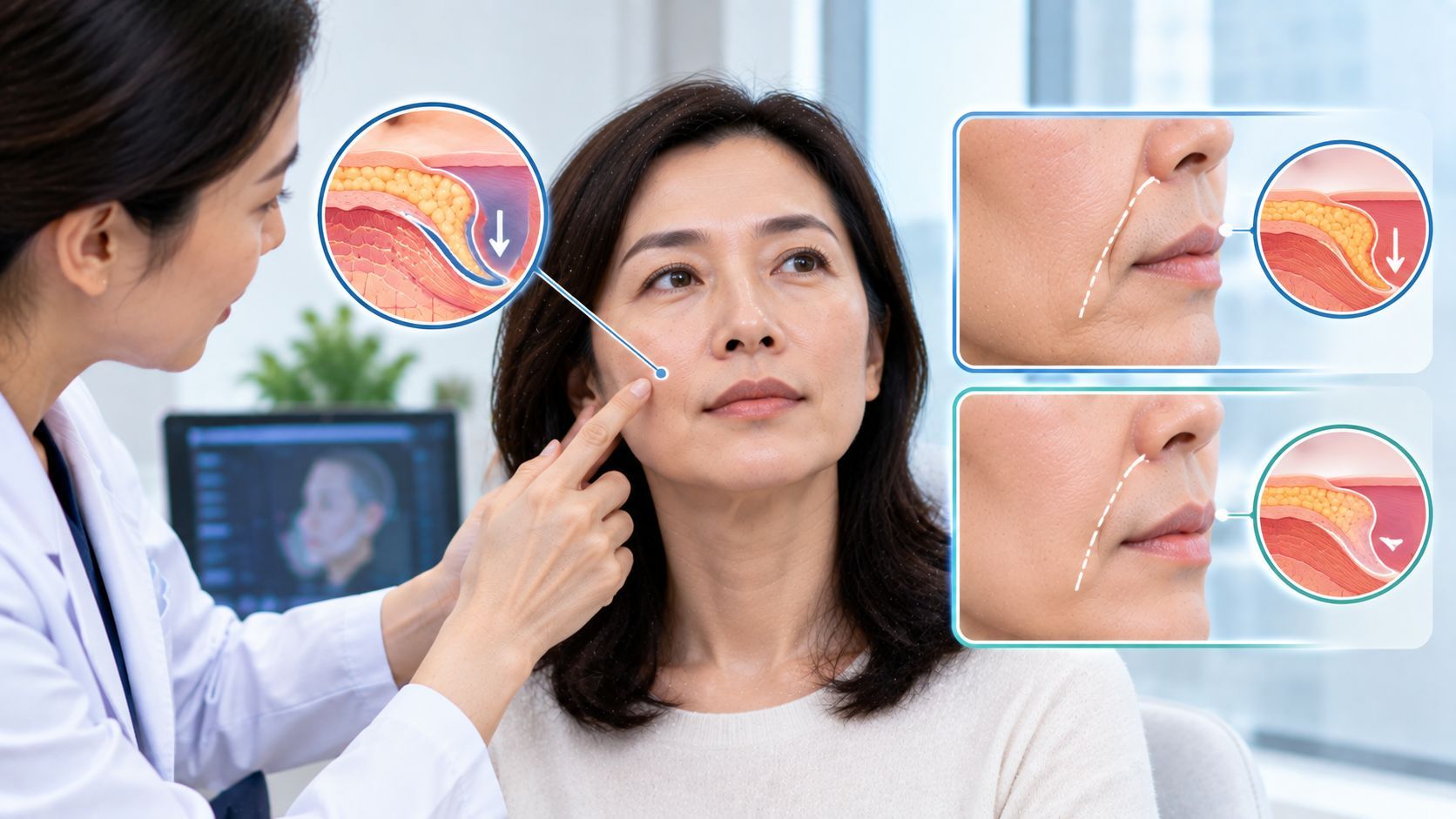
When it comes to lifting and anti-aging procedures, Korean dermatologists tend to be conservative.
They may use:
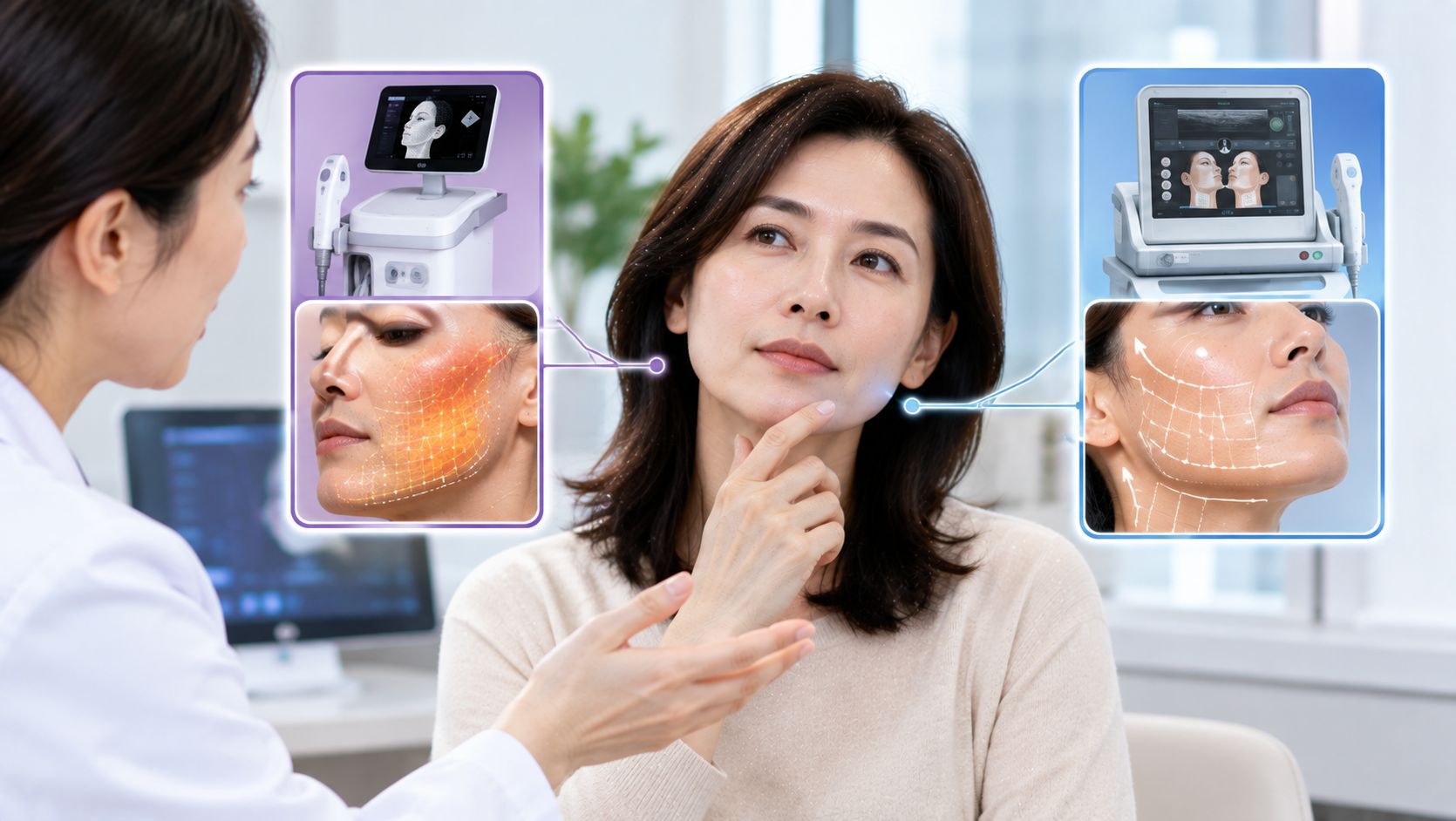
- Ultherapy or ultrasound lifting (infrequently)
- Thermage or RF tightening (occasional maintenance)
- Small-dose preventive Botox
The goal is subtle prevention of aging signs rather than visible tightening or dramatic change.
They Avoid Over-Treatment
One of the most interesting patterns is that many dermatologists intentionally avoid excessive procedures.
They generally avoid:
- Frequent deep resurfacing lasers
- Overfilling with fillers
- Repeated aggressive peeling
- Constant device stacking
This reflects a strong understanding of long-term skin sensitivity and the risk of barrier damage.
Focus on Skin Barrier Health
Dermatologists place strong emphasis on maintaining a healthy skin barrier.
Their personal care often includes:
- Hydration-focused products
- Barrier-repair creams
- Low-irritation ingredients
- Minimal exfoliation
This helps prevent inflammation, sensitivity, and long-term damage from over-treatment.
Professional Treatments Are Scheduled, Not Reactive
Unlike many patients who seek treatments when problems appear, dermatologists usually follow a preventive schedule.
Typical approach:
- Seasonal skin maintenance
- Annual or semi-annual lifting sessions
- Occasional pigmentation control
- Regular sunscreen and skincare review
This structured approach helps maintain stable skin quality over time.
Diet and Lifestyle Matter More Than People Expect
Korean dermatologists often emphasize that treatments alone are not enough.
Key habits include:
- Consistent sleep schedule
- Low-stress lifestyle management
- Balanced diet
- Avoiding excessive alcohol
- Staying hydrated
Many believe these factors have as much impact on skin aging as clinic procedures.
They Prefer Natural Aging Over Over-Correction
A common philosophy among Korean dermatologists is that healthy aging is better than over-corrected appearance.
They typically aim for:
- Gradual aging control
- Natural facial expression preservation
- Subtle texture improvement
- Long-term skin stability
This aligns with Korea’s broader shift toward natural beauty standards.
Final Thoughts
Korean dermatologists generally take a conservative and highly strategic approach to their own skin, focusing on prevention, barrier health, sunscreen use, and occasional maintenance treatments rather than aggressive procedures. While they have access to the most advanced cosmetic technologies in the world, they tend to use them sparingly and intentionally. Their routines highlight an important truth in Korean dermatology: long-term skin quality is built through consistency, not intensity.