How to Avoid Overtreatment at Korean Clinics
How to Avoid Overtreatment at Korean Clinics
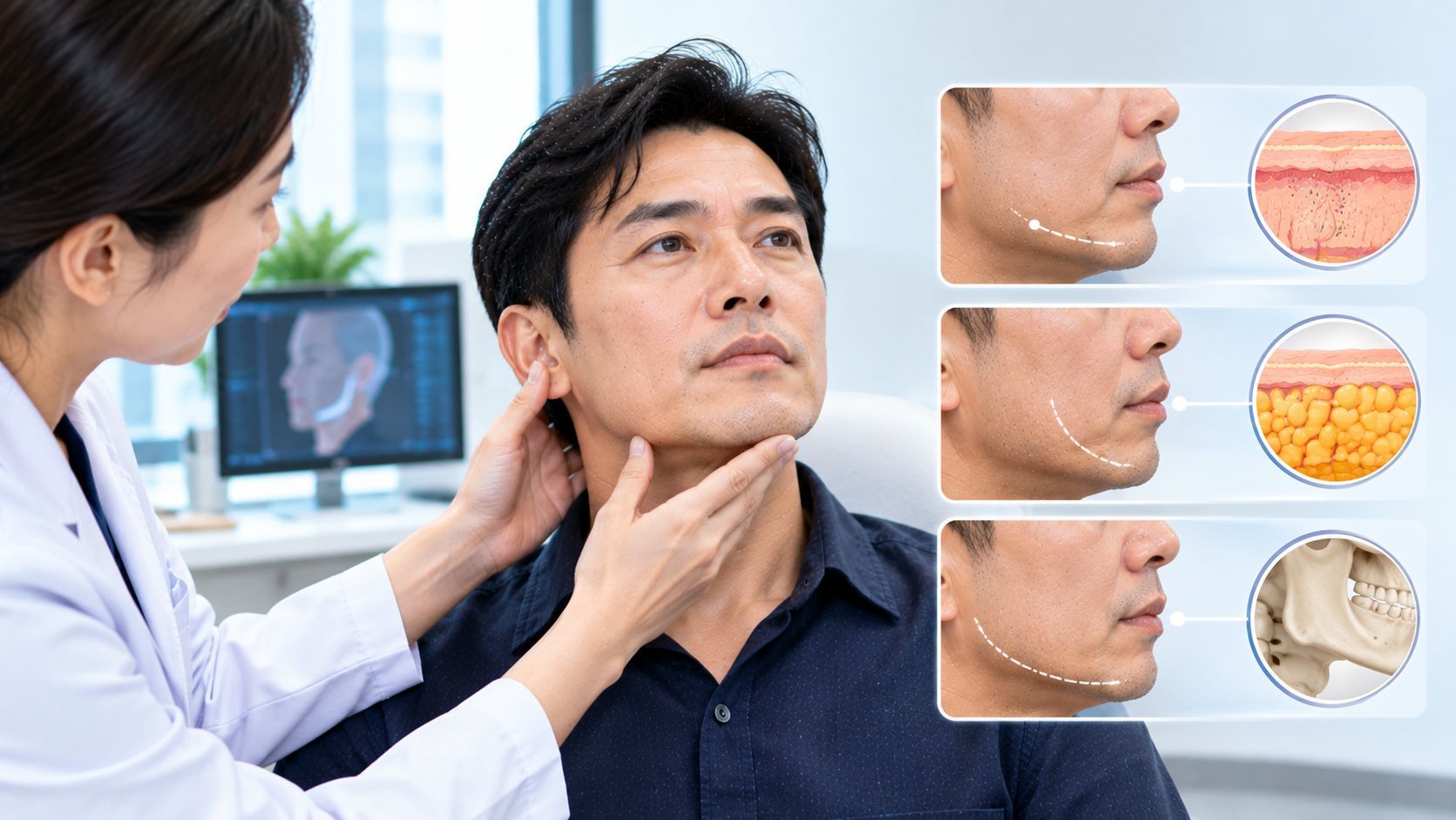
Korean dermatology is known for advanced technology and combination-based treatments, but in highly competitive areas like Gangnam, overtreatment can sometimes become a concern—especially for foreigners unfamiliar with local clinic systems. Overtreatment does not necessarily mean “bad treatment,” but rather receiving more procedures, stronger energy settings, or more frequent sessions than your skin actually needs. Knowing how to identify balanced treatment planning is one of the most important ways to protect long-term skin health.
Understand That More Treatments Do Not Always Mean Better Results
One of the biggest misconceptions in aesthetic dermatology is that stacking more procedures automatically improves outcomes.
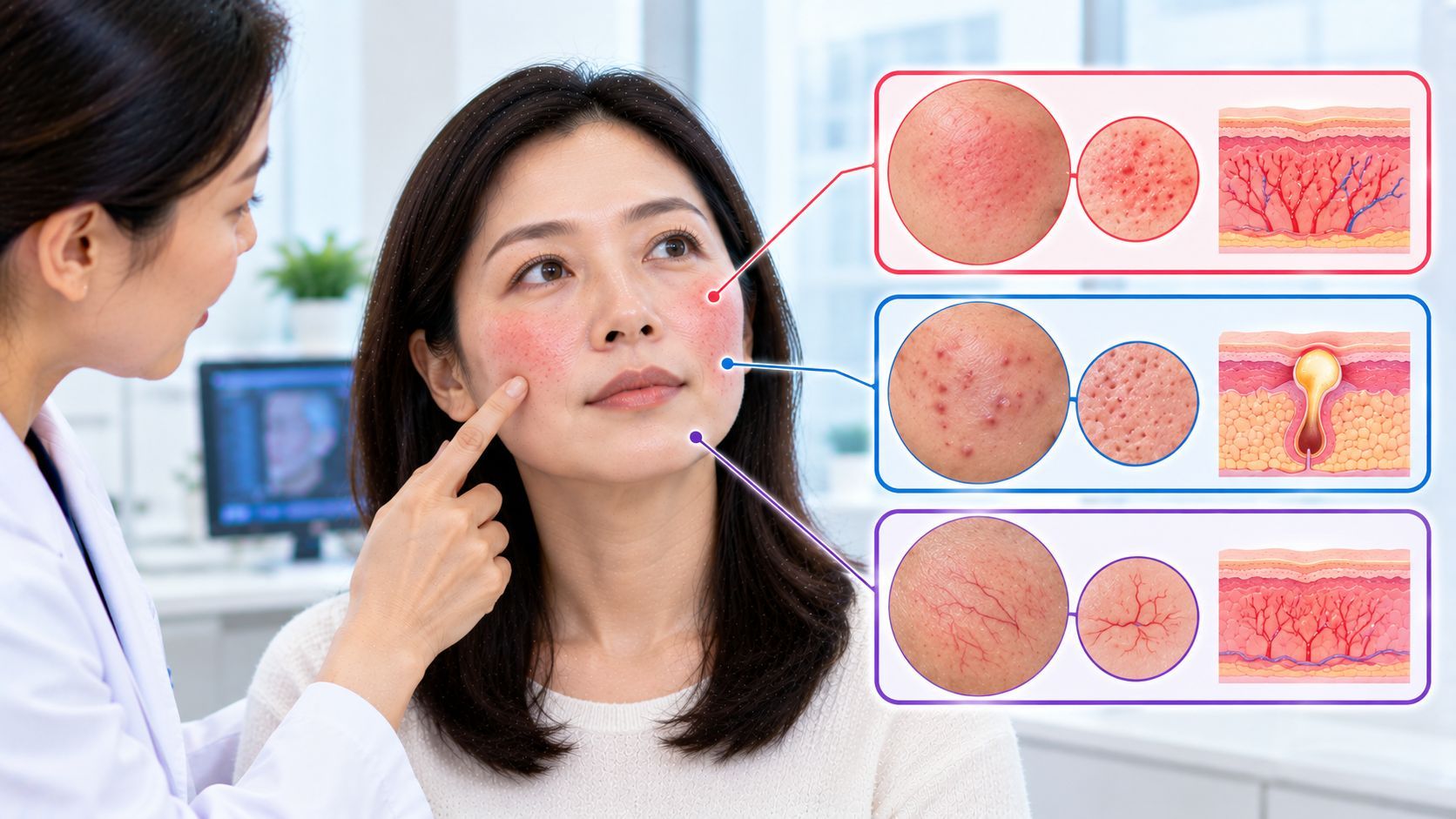
In reality, excessive treatment can lead to:
- Skin barrier damage
- Persistent redness or sensitivity
- Post-inflammatory pigmentation
- Delayed healing
- Temporary results that worsen over time
Experienced Korean dermatologists often prioritize controlled, gradual improvement instead of aggressive correction.
Choose Clinics That Start With Diagnosis, Not Packages
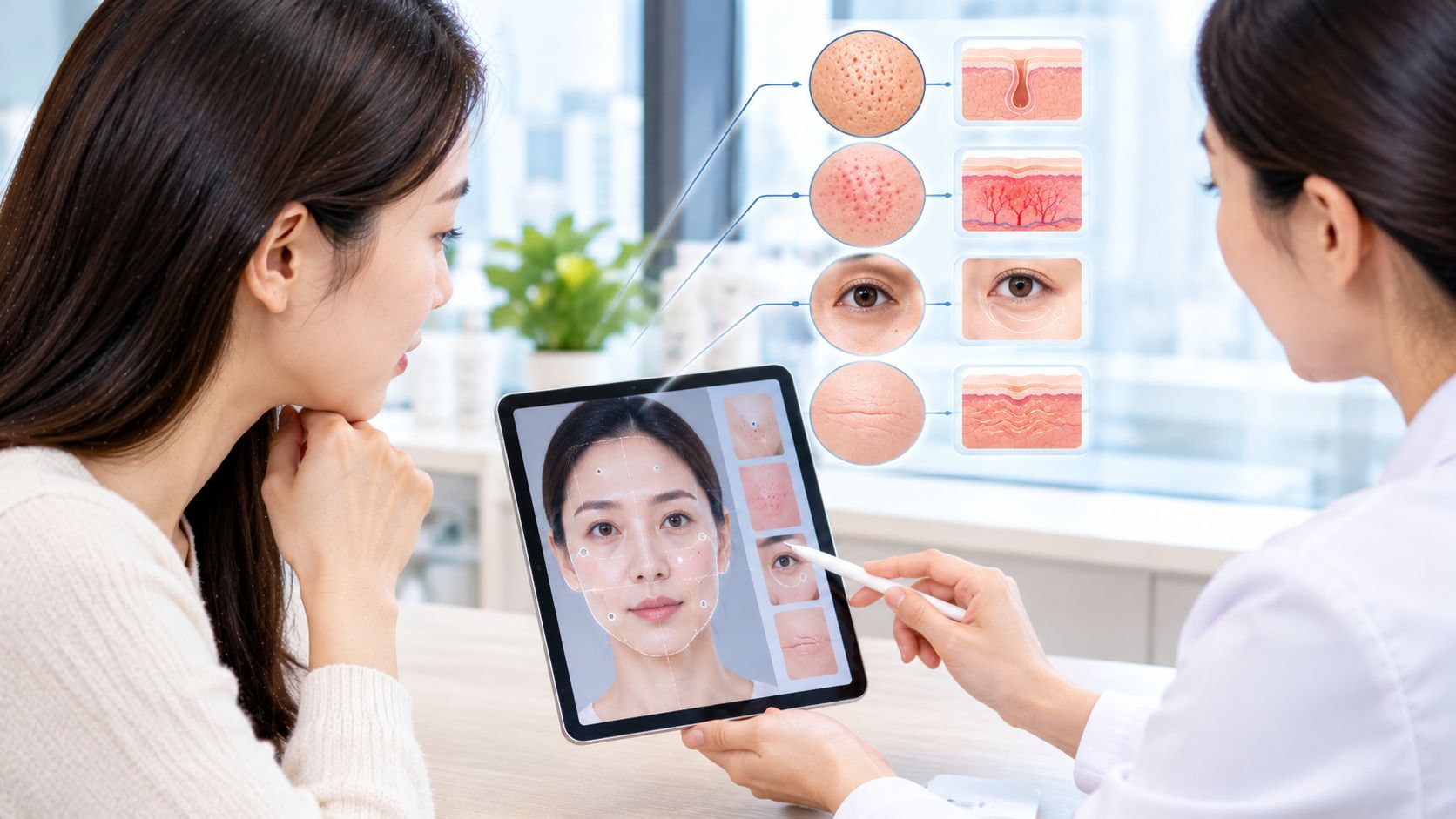
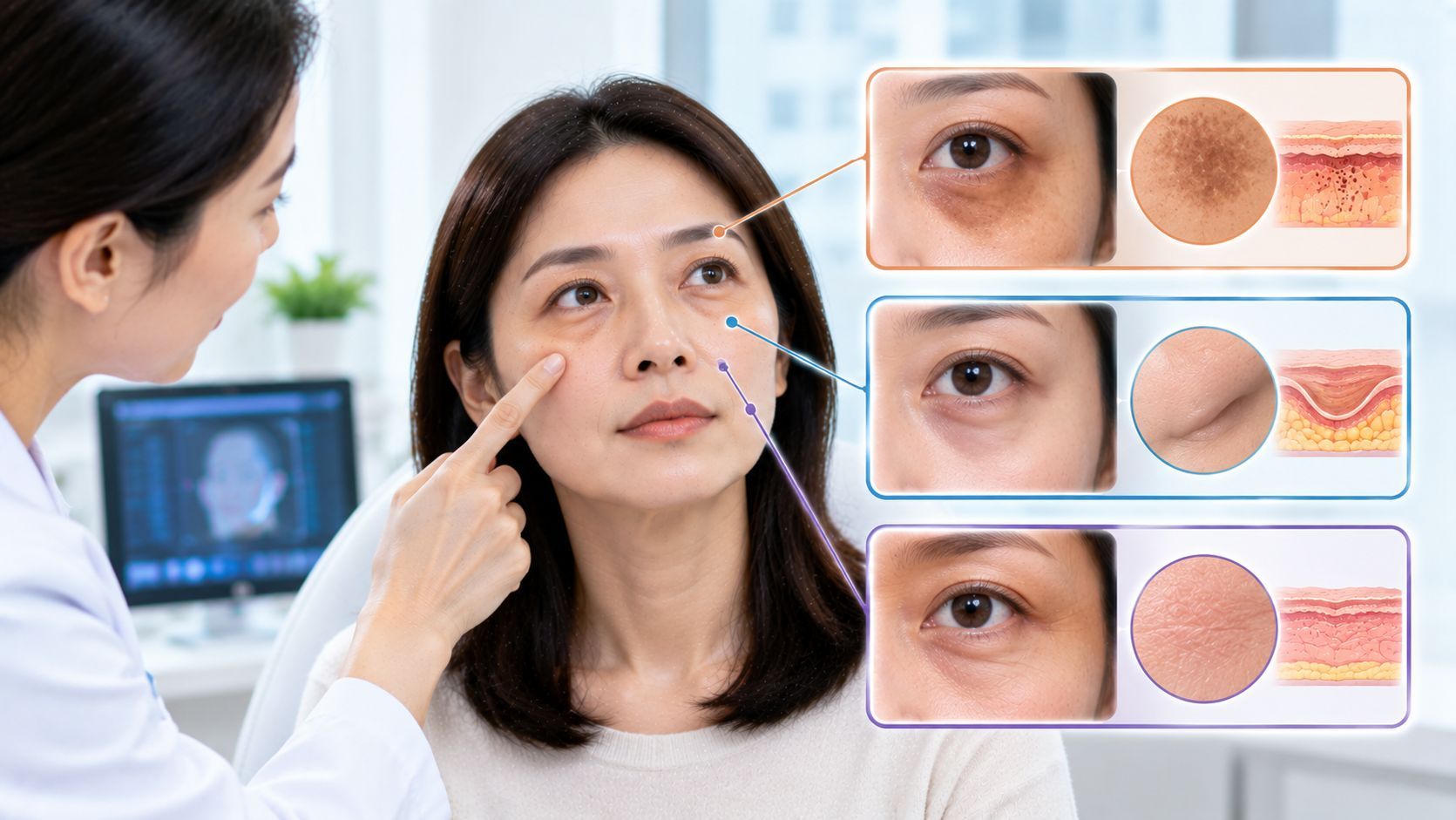
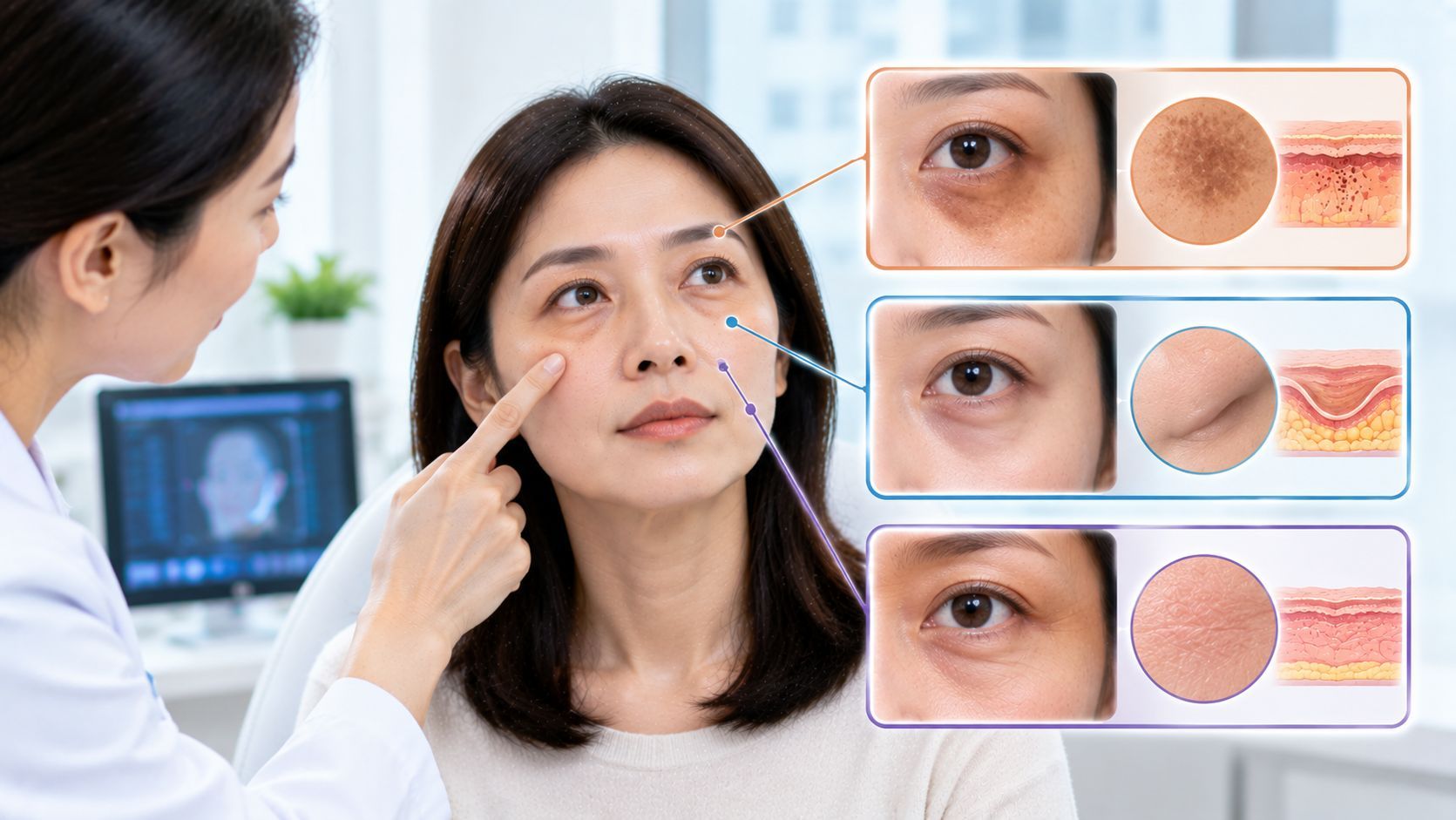
A strong consultation should begin with skin analysis, not treatment sales.
Good clinics typically discuss:
- Your actual skin condition
- Underlying causes of concerns
- Previous treatment history
- Downtime tolerance
- Long-term treatment strategy
Be cautious if clinics immediately recommend large package plans before properly evaluating your skin.
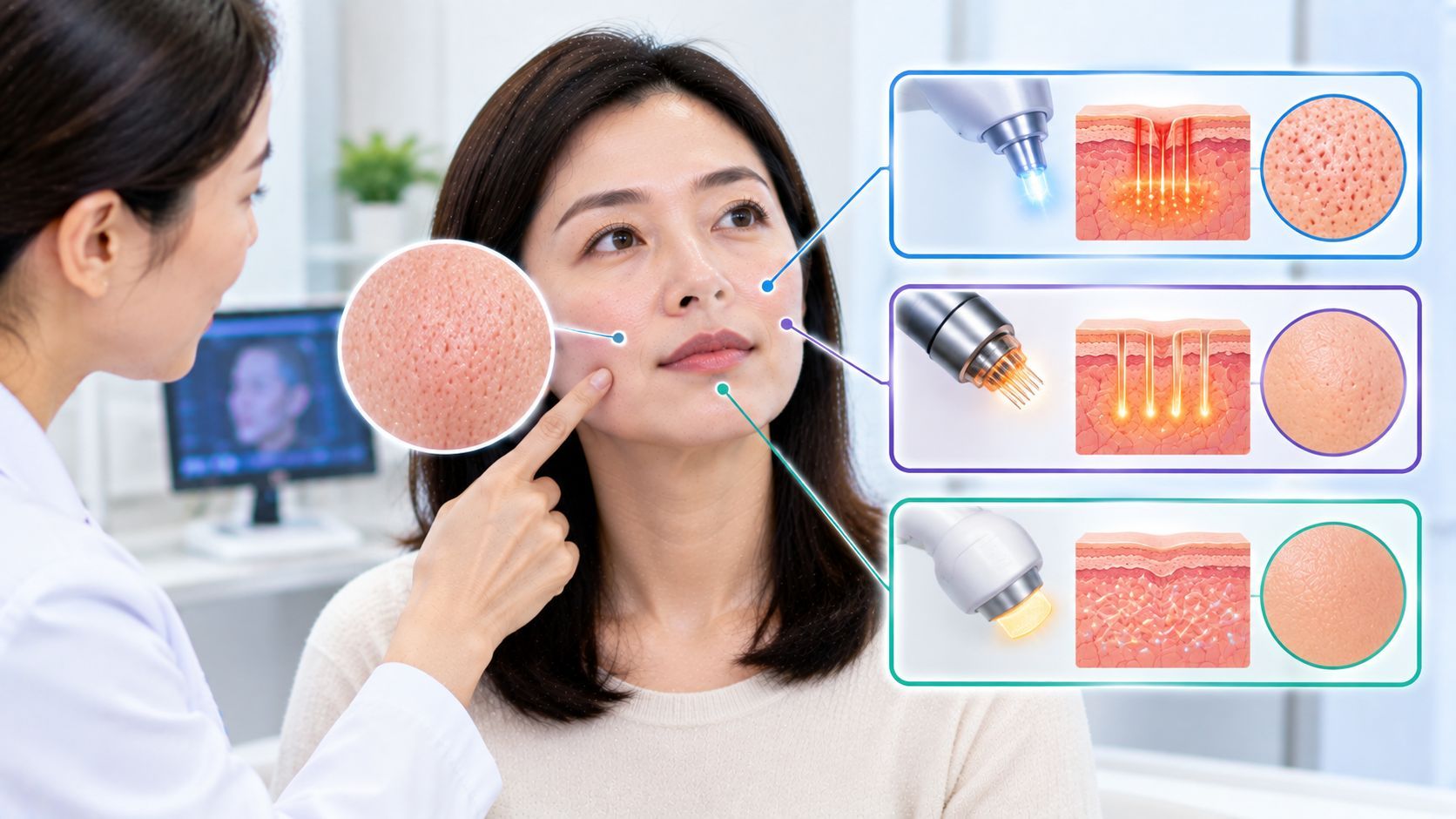
Be Careful With Multi-Device Sessions
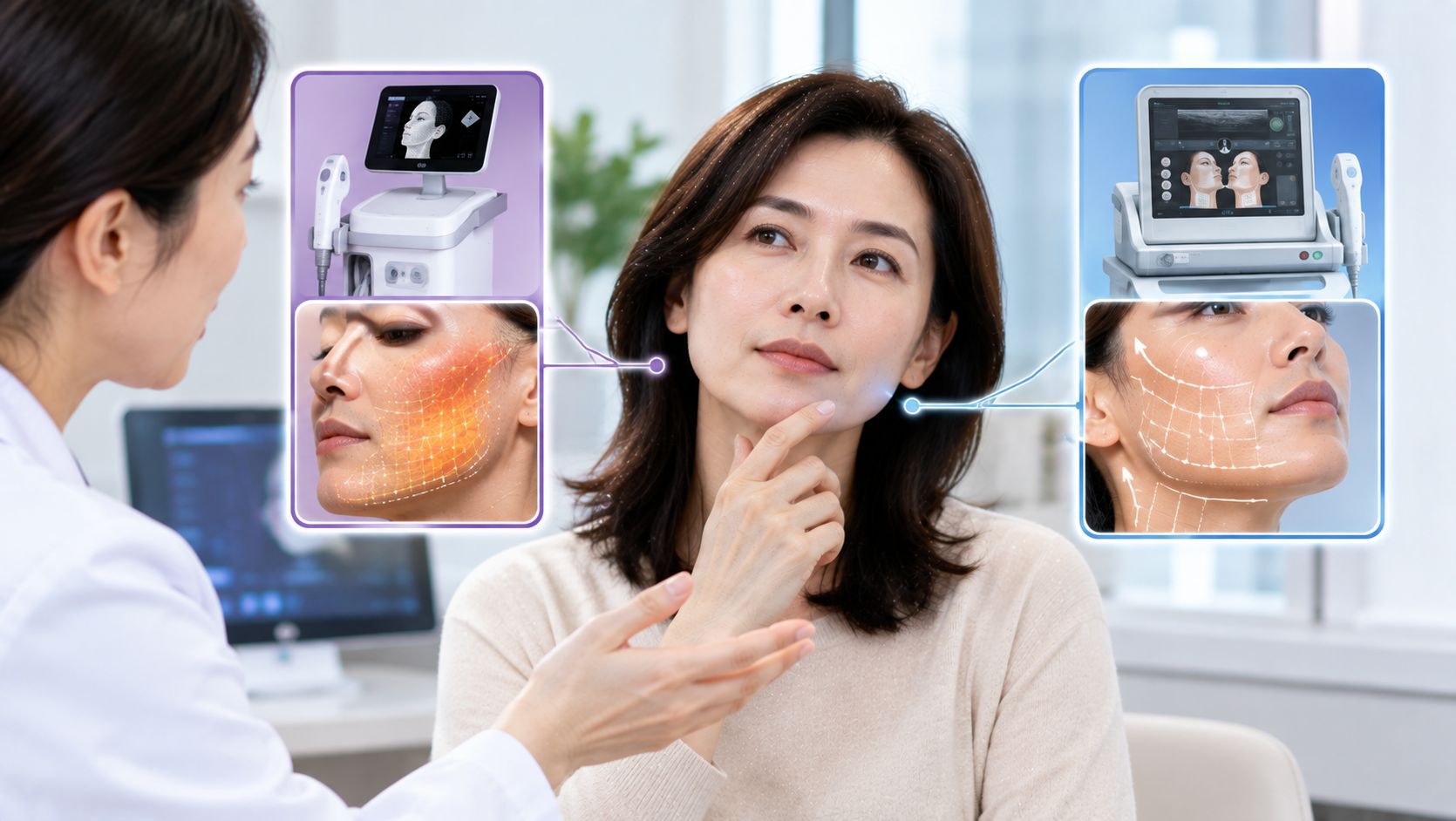
Combination therapy is common in Korea, but excessive stacking can become problematic.
Warning signs include:
- 4–6 aggressive devices in one visit
- Multiple heat-based treatments without recovery planning
- No explanation for why devices are combined
- Frequent recommendations for repeated high-energy sessions
A good clinic explains the purpose and logic behind every device used.
Ask About Energy Levels and Treatment Intensity
The same laser can be safe or overly aggressive depending on settings.
Important questions include:
- Is this low, moderate, or high energy?
- Why is this setting appropriate for my skin?
- How is pigmentation risk being minimized?
In Korean dermatology, lower-energy repeated sessions are often safer and more stable than one aggressive treatment.
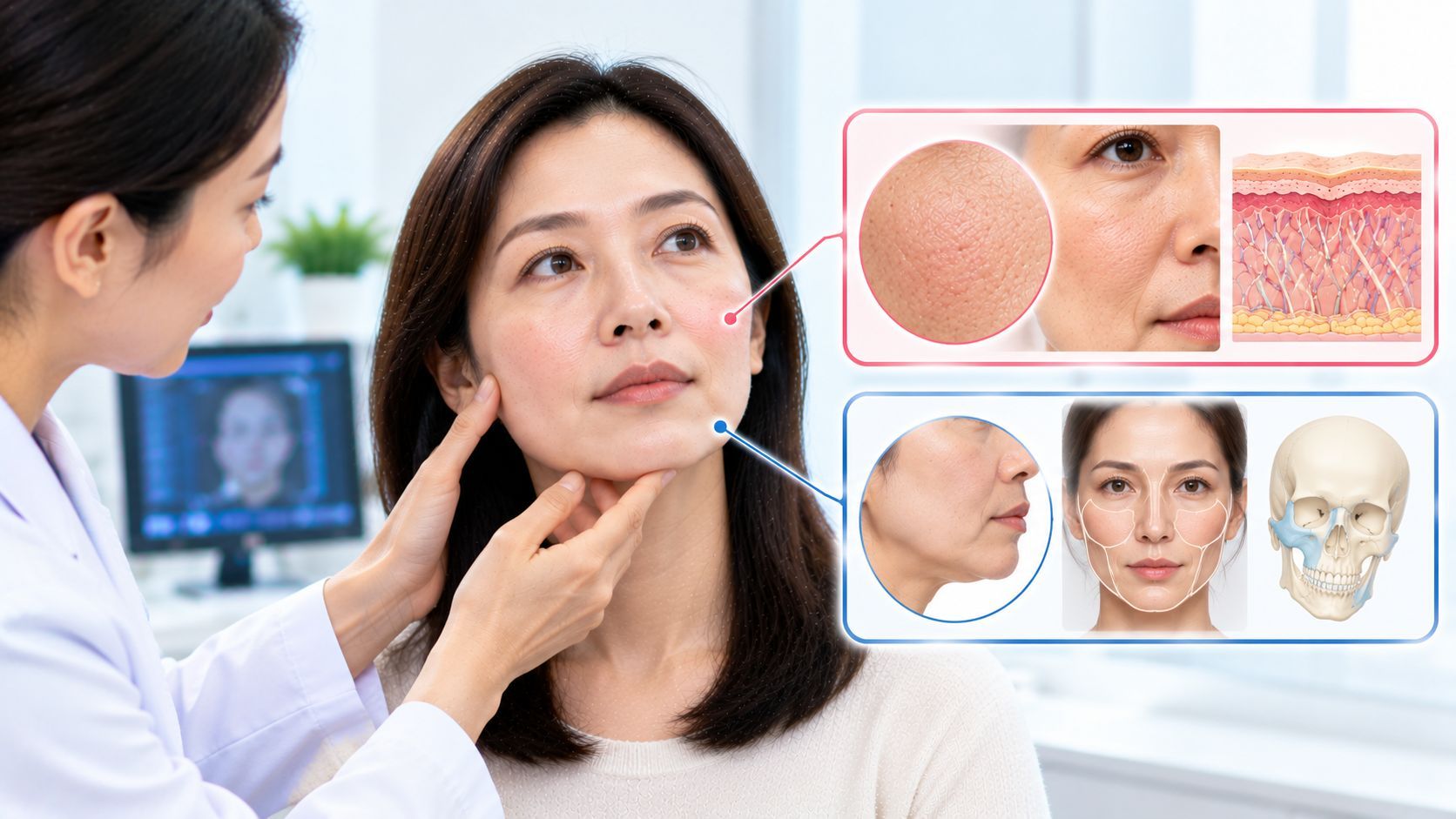
Prioritize Skin Barrier Health
Clinics focused on long-term skin quality almost always include barrier protection and recovery care.
This may involve:
- Rejuran or skin boosters
- LED calming therapy
- Hydration-focused recovery protocols
- Conservative treatment spacing
If recovery care is completely ignored, the clinic may be overly results-focused rather than skin-health-focused.
Avoid Clinics That Promise Instant Transformation
Overtreatment is often connected to unrealistic marketing.
Be cautious of claims like:
- “Perfect skin in one session”
- “Complete scar removal immediately”
- “Permanent whitening after one laser”
- “No downtime with dramatic results”
Most real dermatological improvement happens gradually over multiple sessions.
Don’t Let Price Promotions Pressure Your Decisions
Many Korean clinics offer attractive package discounts, but this can encourage unnecessary procedures.
Helpful strategies include:
- Starting with a smaller treatment plan first
- Evaluating skin response before committing long-term
- Avoiding same-day pressure purchases
- Asking whether every recommended step is essential
Good clinics are usually comfortable adjusting plans gradually.
Monitor How Your Skin Reacts Between Sessions
One of the best ways to avoid overtreatment is to allow enough time to evaluate recovery.
Pay attention to:
- Persistent redness or sensitivity
- Increased dryness or irritation
- Delayed healing
- New pigmentation or breakouts
Experienced dermatologists often modify future sessions based on how your skin responds, not based on fixed schedules.
A Good Dermatologist Will Sometimes Recommend Doing Less
One of the strongest signs of a trustworthy clinic is restraint.
Experienced Korean dermatologists may say:
- “Your skin needs recovery first”
- “We should reduce intensity this time”
- “You do not need all these procedures”
- “Barrier repair is more important right now”
This usually indicates a long-term medical approach rather than a sales-driven one.
Final Thoughts
Avoiding overtreatment at Korean clinics comes down to choosing diagnosis-focused care over package-driven treatment systems. Safe and effective Korean dermatology emphasizes gradual improvement, careful energy control, barrier protection, and individualized planning rather than aggressive multi-device correction. The best outcomes typically come from clinics that prioritize long-term skin stability and know when to treat conservatively rather than simply adding more procedures.