Why Some Clinics Push Packages Instead of Results
Why Some Clinics Push Packages Instead of Results
In Korea’s highly competitive dermatology market, package-based treatments have become extremely common—especially in busy areas like Gangnam and tourist-heavy districts. While some packages are genuinely useful for long-term treatment planning, others are designed more around clinic efficiency and sales volume than individualized skin outcomes. Understanding why clinics promote packages so aggressively helps patients make more informed decisions and avoid unnecessary procedures.
Packages Create Predictable Revenue for Clinics
One of the main reasons clinics push packages is business stability.
Package systems allow clinics to:
- Secure multiple future visits in advance
- Increase customer retention
- Predict monthly revenue more easily
- Fill appointment schedules consistently
From a business perspective, recurring treatment plans are more stable than single-session visits.
High-Volume Clinics Depend on Standardization
Many large Korean clinics operate using a high-throughput model.
Packages help these clinics:
- Simplify workflow
- Reduce consultation time
- Standardize treatment protocols
- Move patients through quickly
Instead of designing highly customized plans, clinics may rely on preset combinations that can be applied to many patients efficiently.
Package Deals Often Feel More Affordable
Clinics frequently market packages using strong discount structures.
Examples include:
- “10 sessions for the price of 6”
- Monthly unlimited laser plans
- Large bundled treatment discounts
This creates the perception of value, even if not every treatment included is medically necessary.
Some Treatments Actually Do Require Multiple Sessions
To be fair, many Korean dermatology treatments genuinely work best over time.
This is especially true for:
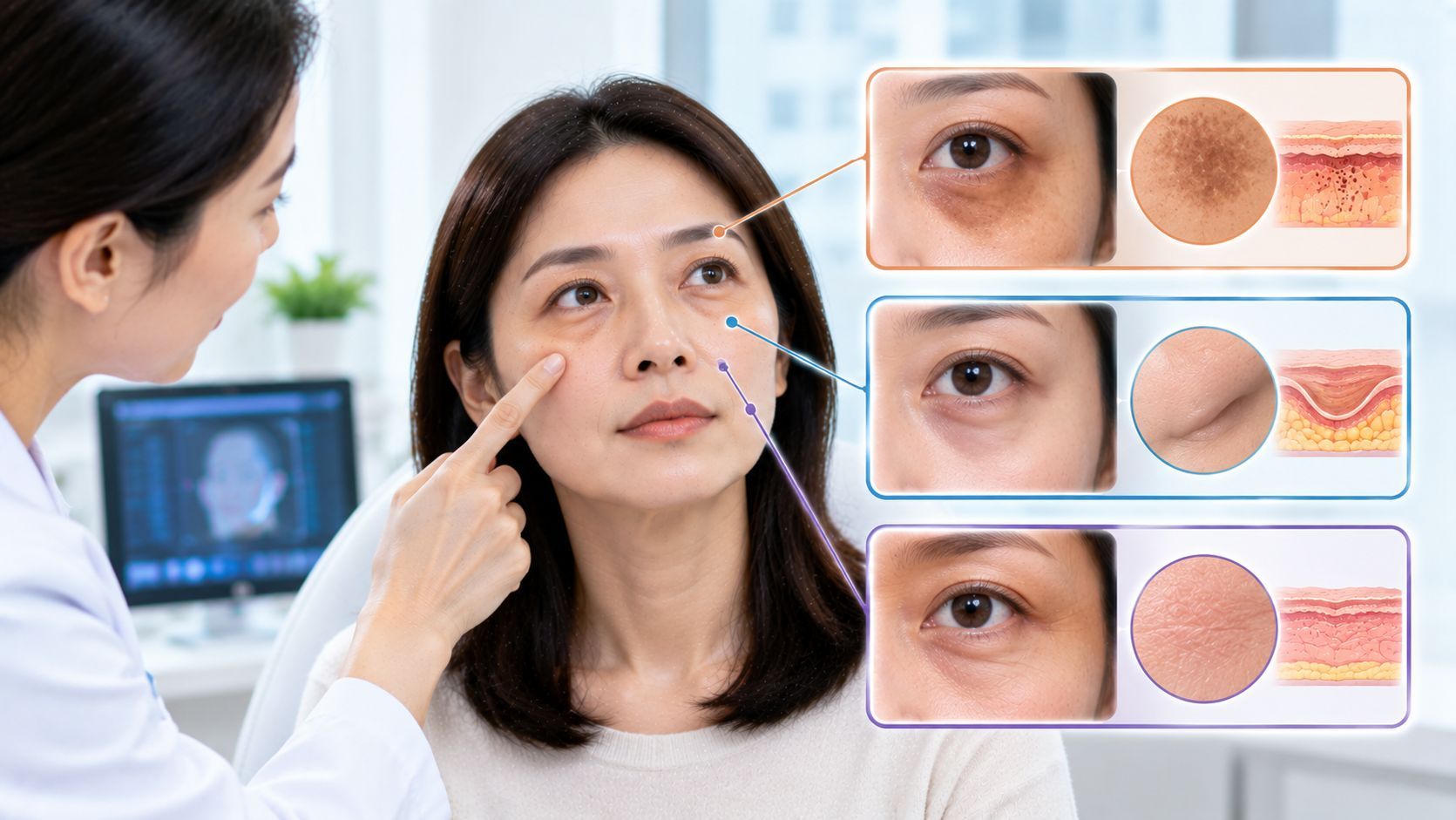
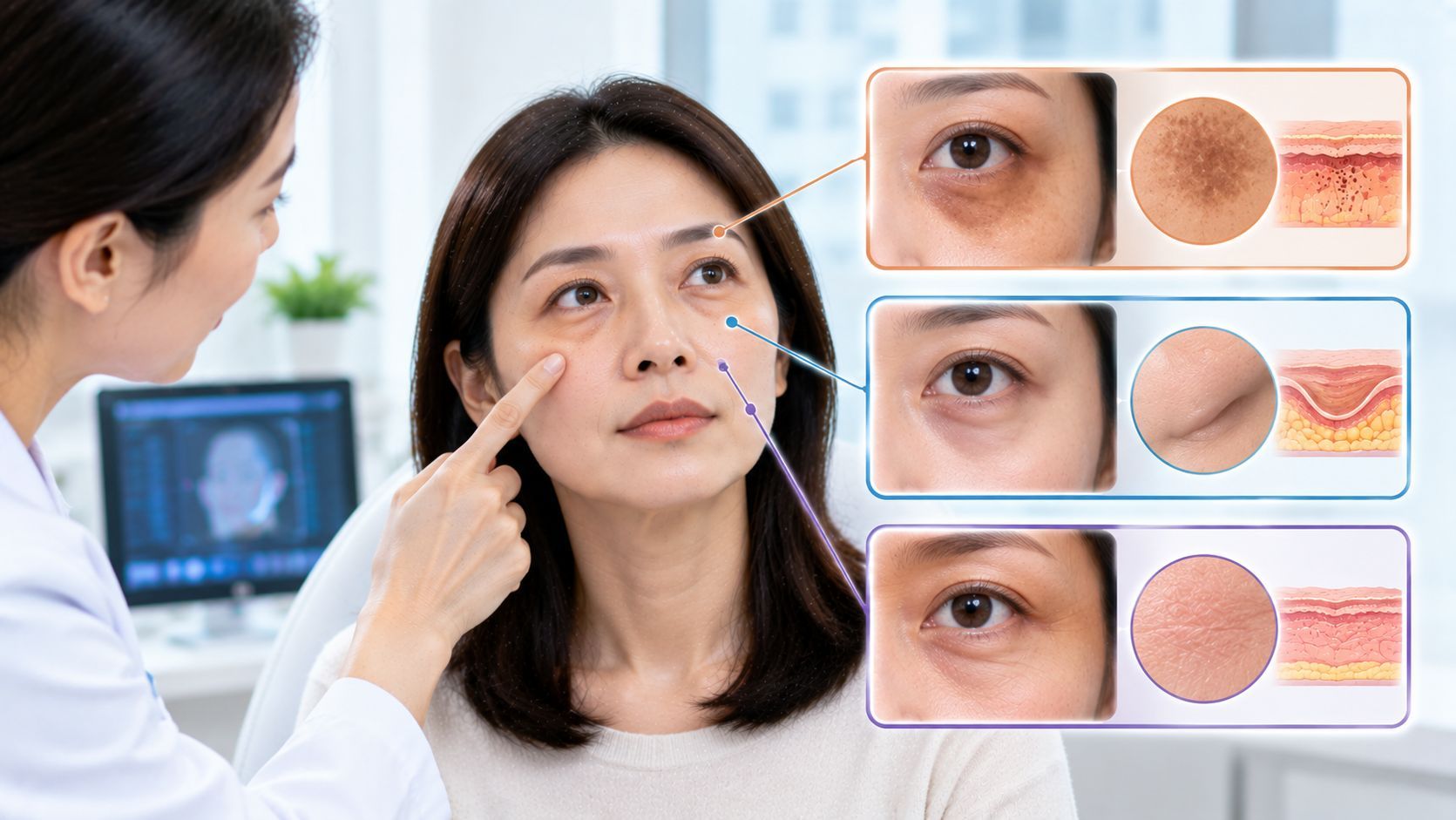
- Pigmentation laser toning
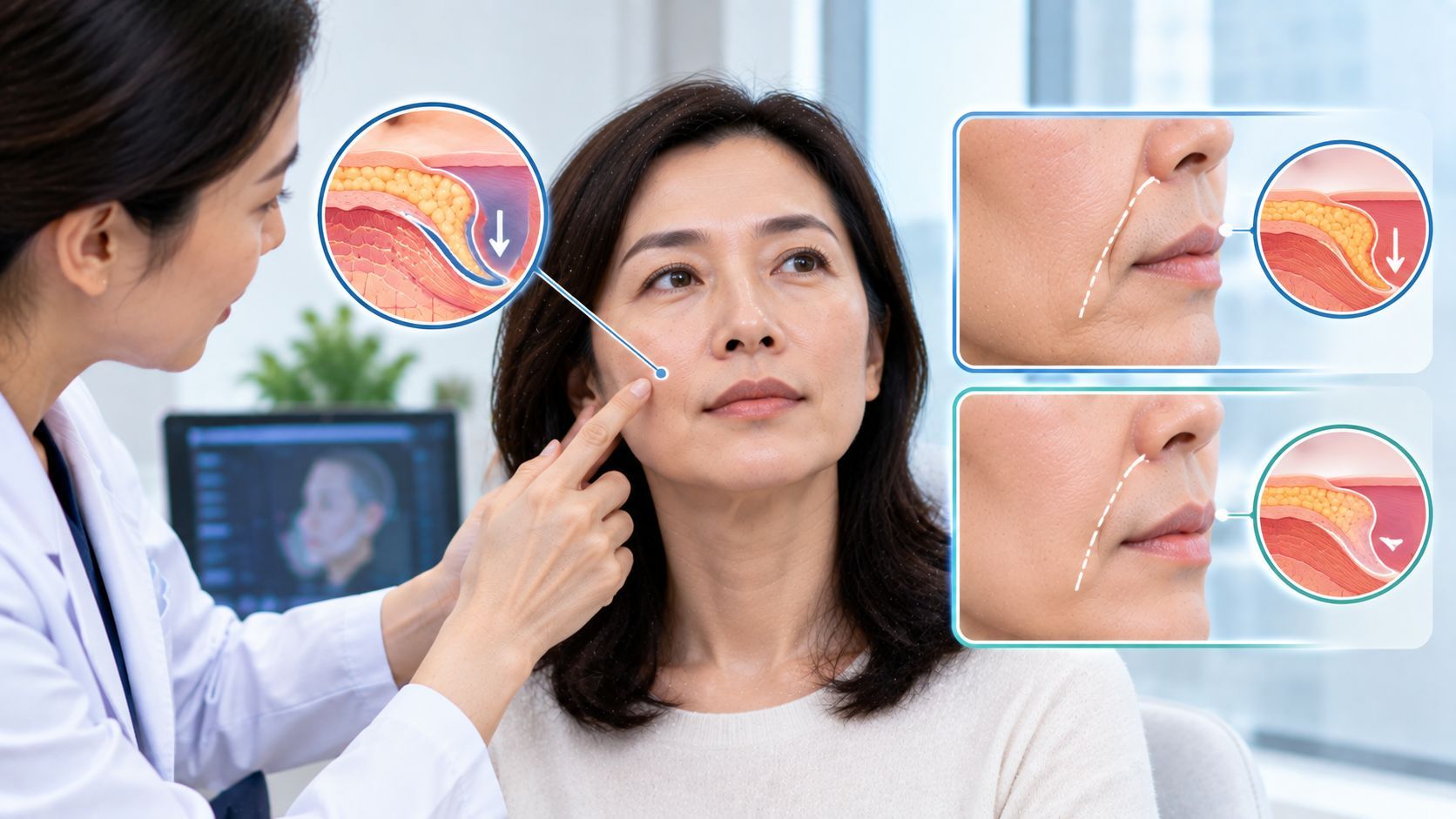
- Acne scar remodeling
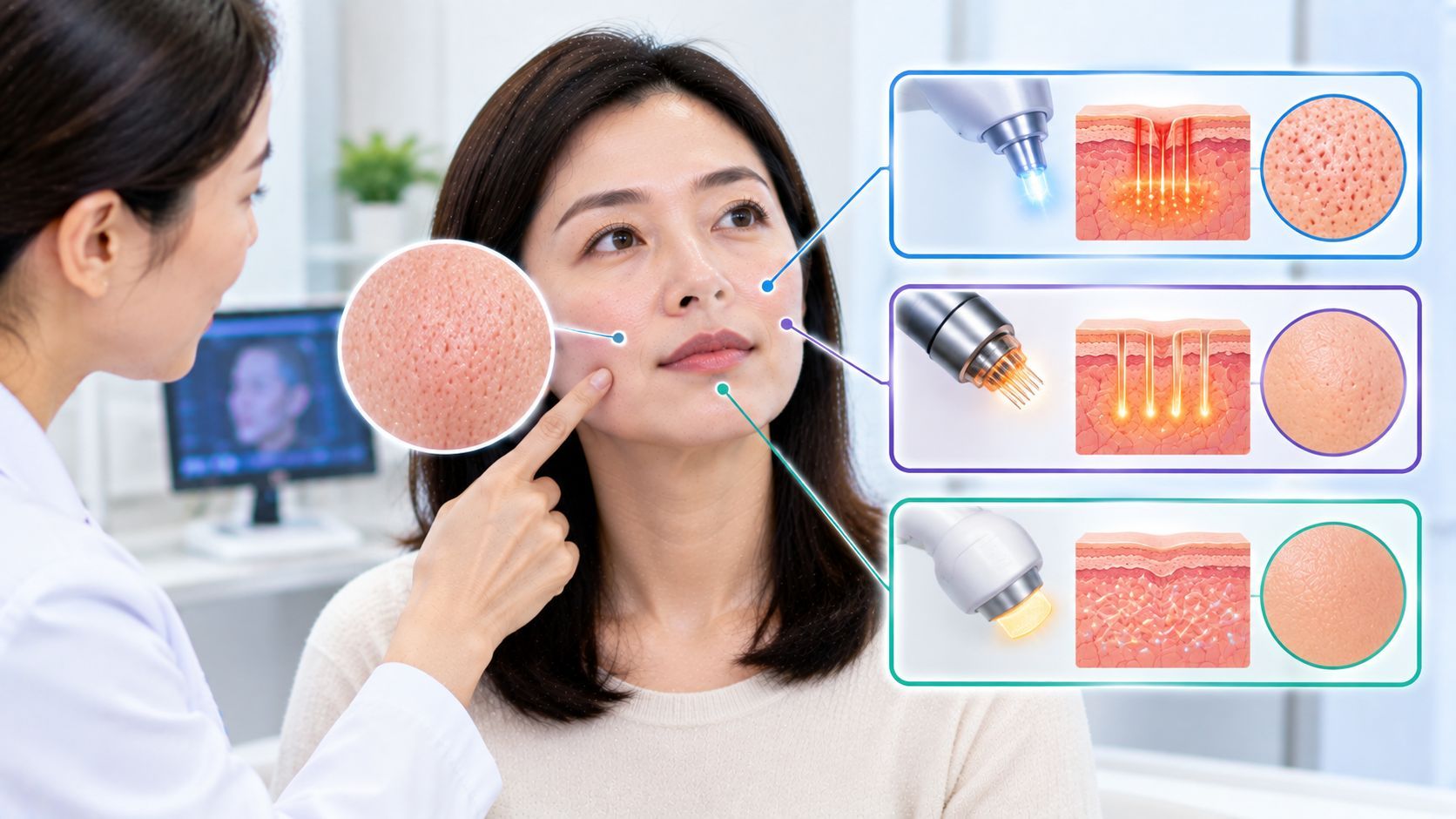
- RF microneedling
- Skin booster programs
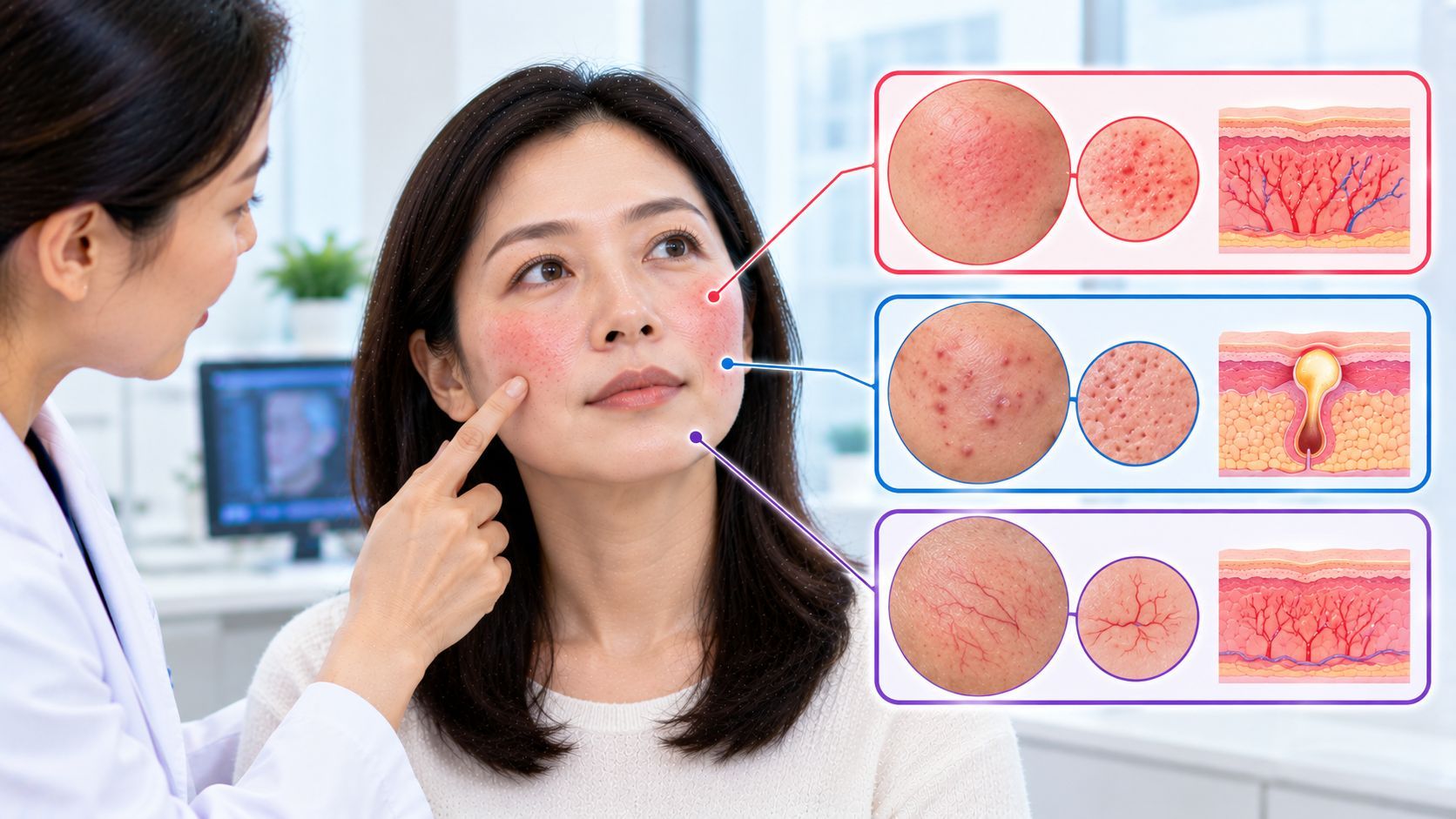
- Vascular laser treatments
The problem is not the existence of packages itself—it is whether the package is customized to the patient’s actual skin needs.
Packages Can Reduce Individualized Decision-Making
A major downside of rigid package systems is that treatment may continue even when the skin condition changes.
Potential issues include:
- Repeating unnecessary sessions
- Using the same settings regardless of response
- Ignoring barrier recovery needs
- Continuing treatment because it is prepaid rather than medically needed
Good dermatology requires flexibility, not just repetition.
Sales Coordinators Often Play a Large Role
In many Korean clinics, especially factory-style systems, coordinators handle much of the consultation process.
This can lead to:
- Strong upselling pressure
- Focus on package size rather than skin diagnosis
- Recommendations based on promotions
- Less discussion about alternative approaches
The actual dermatologist may have limited time compared to the sales process.
Packages Are Easier to Market Than Long-Term Skin Strategy
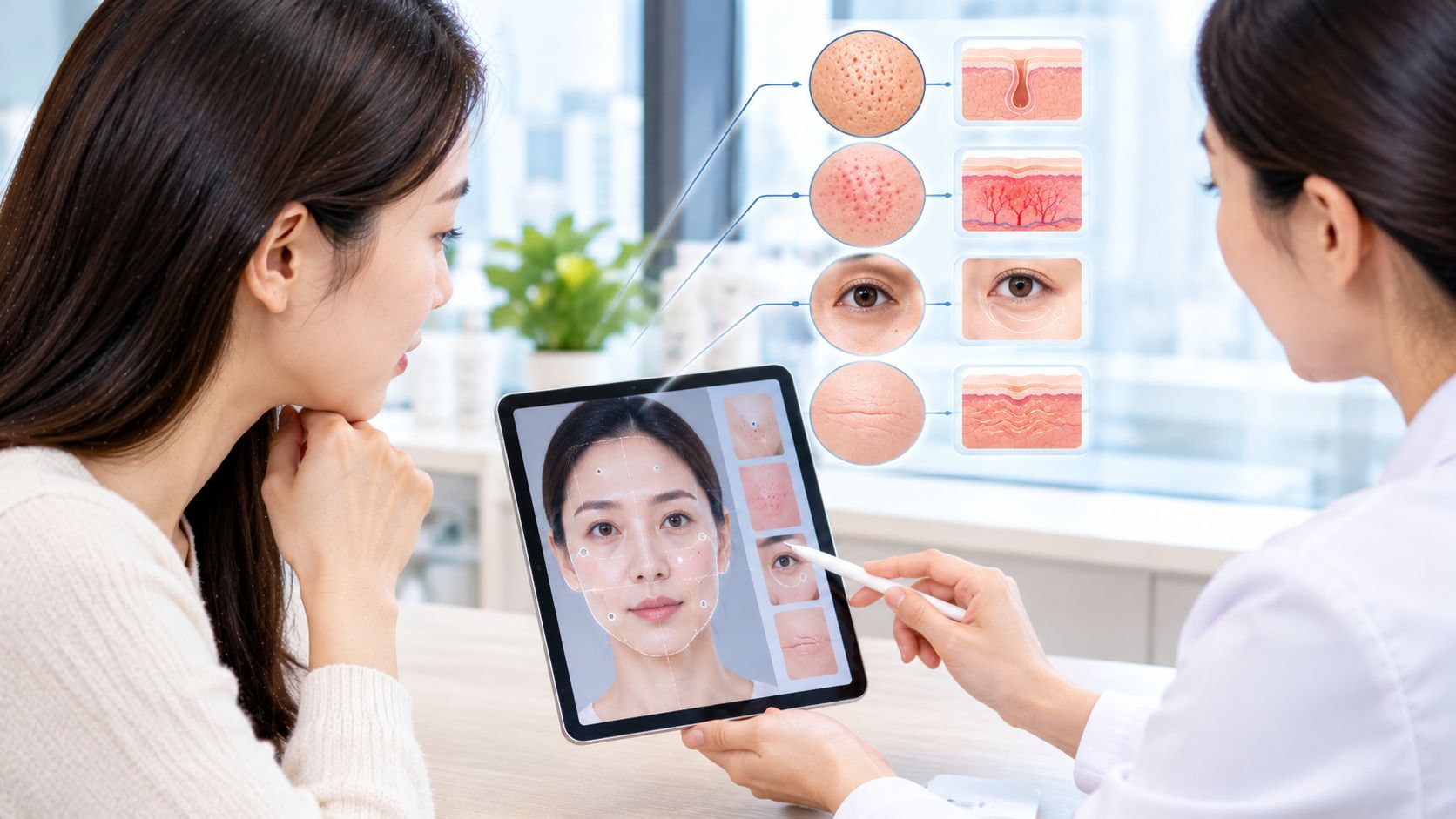
Detailed skin management is medically complex and difficult to explain quickly.
Packages are simpler because they:
- Fit easily into social media marketing
- Create straightforward pricing structures
- Offer “before and after” style promotion
- Appeal to short-term aesthetic goals
Long-term skin health planning is less dramatic and therefore harder to advertise.
Why Personalized Clinics Use Packages Differently
Not all package systems are problematic.
Higher-quality clinics may still use packages, but they usually:
- Adjust treatment plans over time
- Modify energy settings session by session
- Remove unnecessary treatments if skin improves
- Prioritize skin response over rigid scheduling
In these clinics, packages function as flexible long-term treatment plans rather than fixed sales products.
Results Depend More on Planning Than Quantity
In Korean dermatology, more sessions do not automatically mean better results.
Successful treatment depends on:
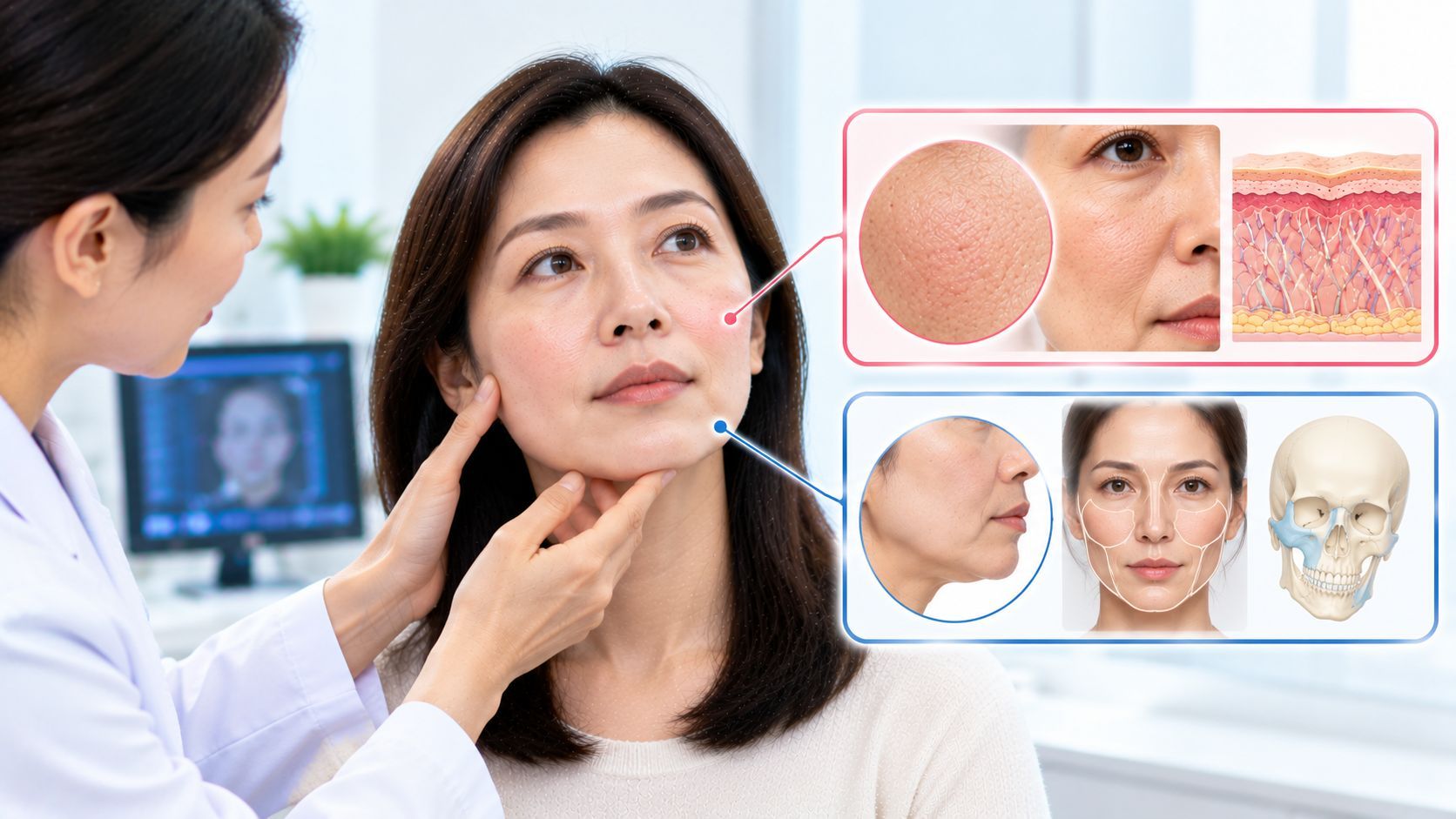
- Correct diagnosis
- Proper timing between procedures
- Barrier recovery management
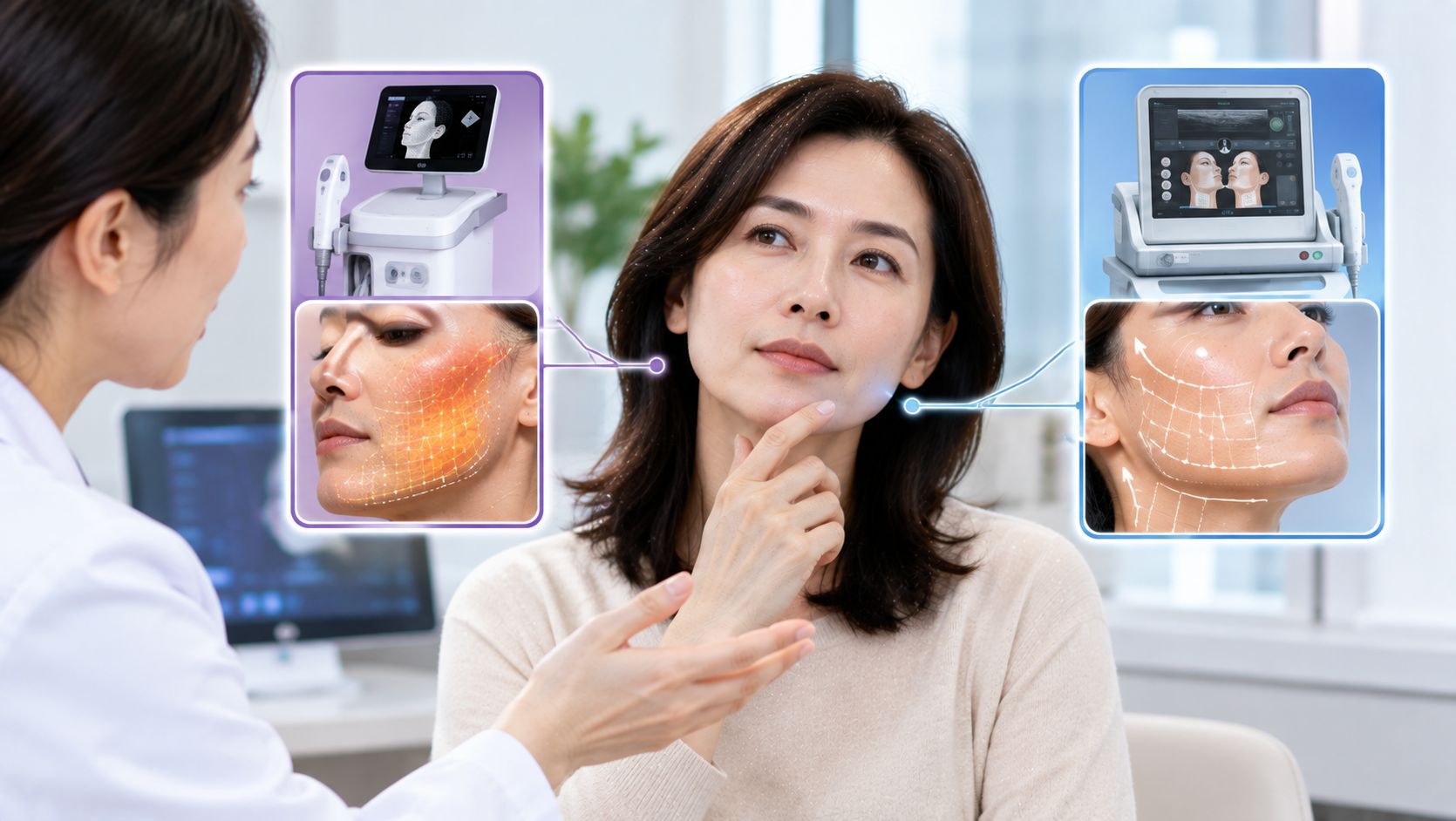
- Individualized device selection
- Conservative energy calibration when needed
Without these factors, even large treatment packages may produce inconsistent outcomes.
Final Thoughts
Some Korean clinics push packages because they create predictable revenue, streamline clinic workflow, and simplify marketing in a highly competitive industry. While multi-session treatment plans can be medically appropriate, problems arise when standardized packages replace individualized diagnosis and flexible treatment planning. The best Korean dermatology clinics use packages as adaptable long-term strategies rather than rigid sales systems, focusing on skin response and long-term stability instead of simply increasing procedure volume.