How to Tell if a Dermatologist Is Board-Certified in Korea
How to Tell if a Dermatologist Is Board-Certified in Korea
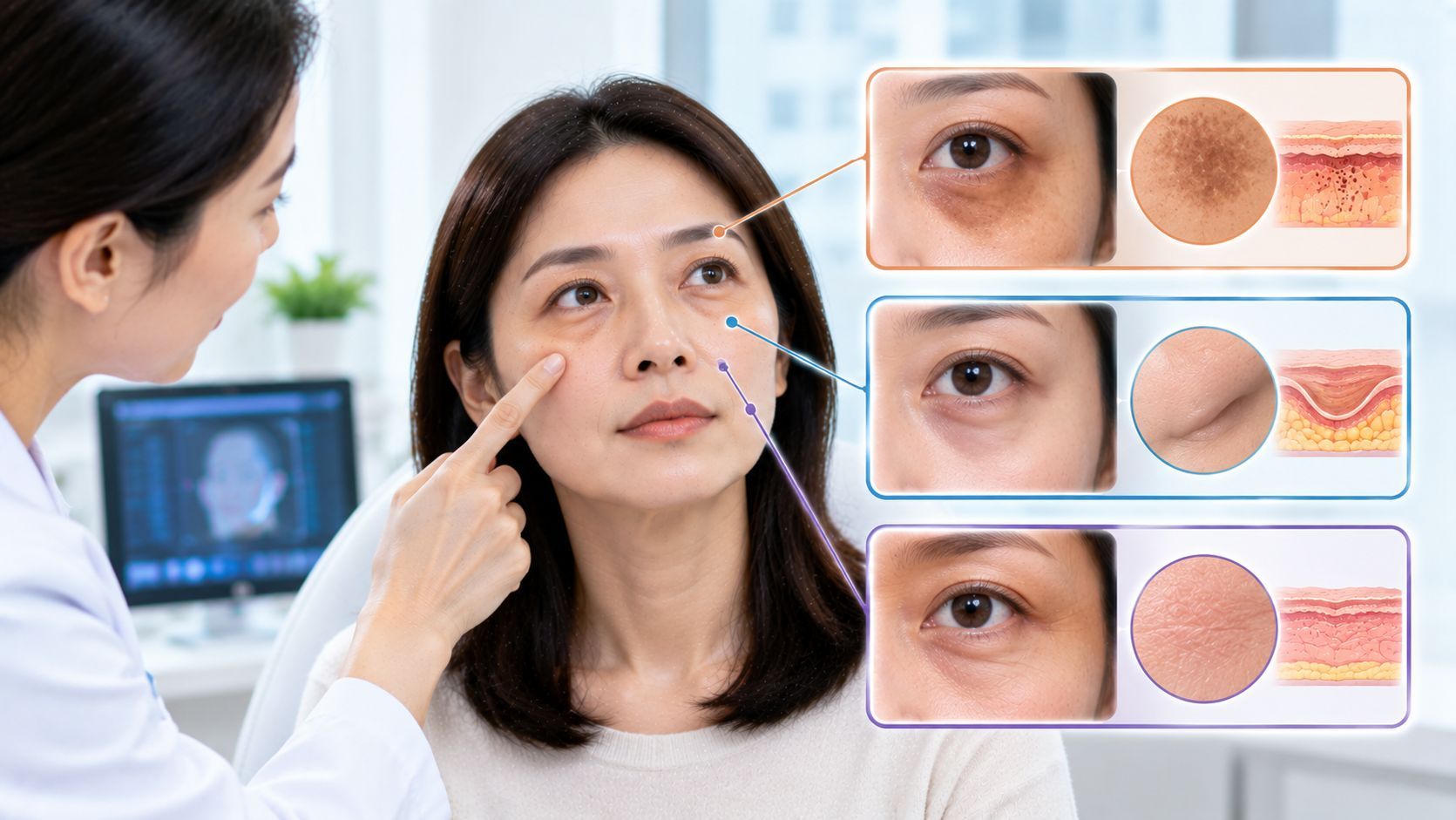
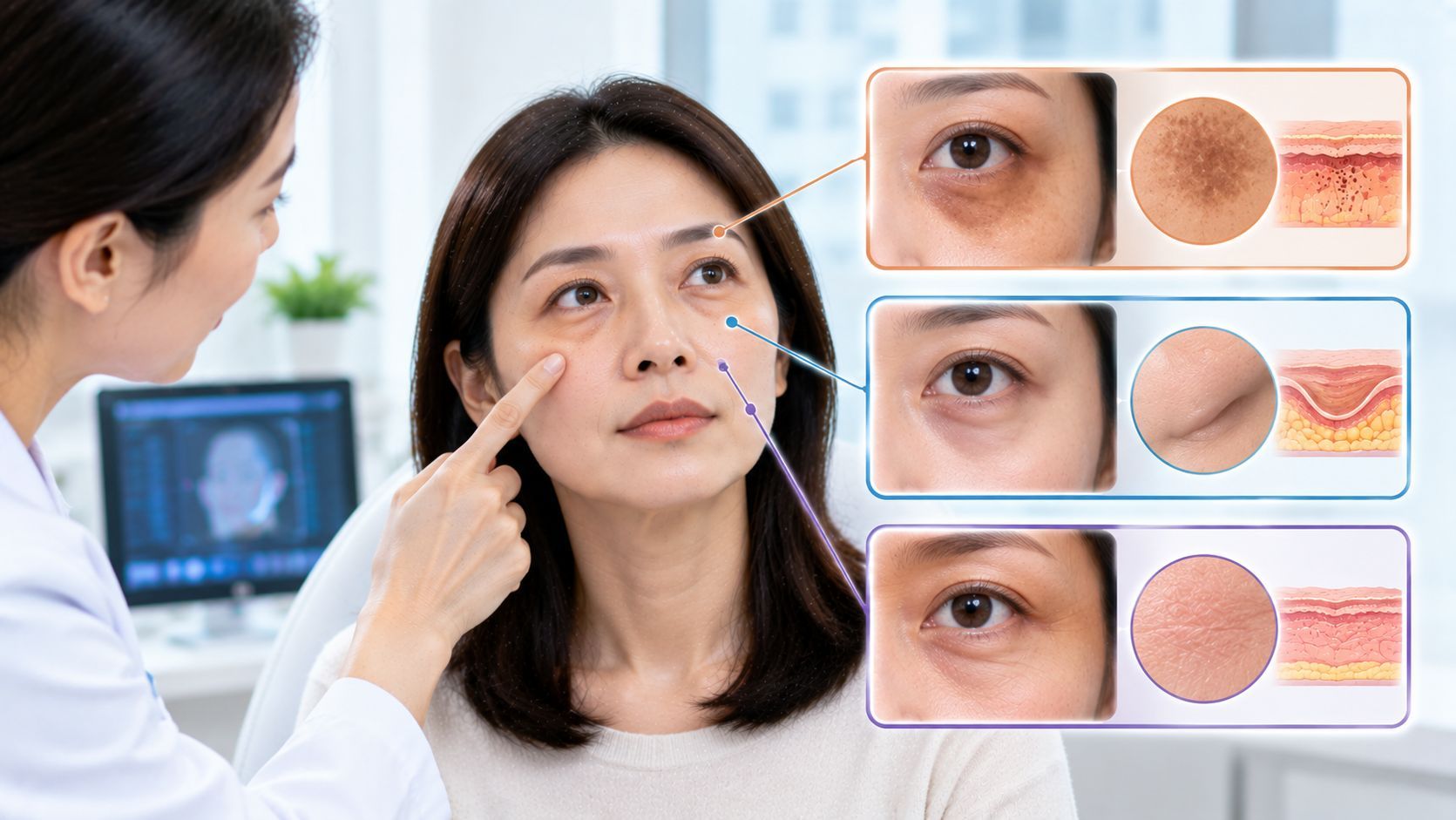
In Korea, dermatology is a medical specialty that requires formal training and national certification, but not every clinic advertising “dermatology treatments” is actually led by a board-certified dermatologist. Especially in Seoul’s busy aesthetic districts, there are also cosmetic clinics where procedures are performed with varying levels of medical oversight. Knowing how to identify a properly certified dermatologist helps ensure safer treatment planning and more reliable outcomes.
1. Look for the Korean Board Certification System
In Korea, a board-certified dermatologist is a physician who has completed:
- Medical school (Doctor of Medicine)
- National medical licensing exam
- Hospital residency in dermatology
- Specialist board certification in dermatology
This certification is issued through the national medical board system, and only those who complete dermatology residency training are officially recognized as dermatology specialists.
2. Check for “Dermatology Specialist” Designation
In clinic profiles or introductions, a true board-certified dermatologist is typically described as:
- Dermatology specialist
- Board-certified dermatologist
- Trained dermatologist (after residency)
Be cautious of vague titles such as:
- Skin specialist (without medical clarification)
- Aesthetic doctor
- Cosmetic consultant
These terms do not always indicate formal dermatology specialization.
3. Verify Hospital or University Training Background
In Korea, most certified dermatologists complete residency training at:
- University hospitals
- Large general hospitals
- Teaching medical centers
Clinics often list this background in doctor profiles. A strong dermatology foundation usually includes hospital-based training before entering private aesthetic practice.
4. Look for Detailed Doctor Profiles on Clinic Websites
Legitimate dermatology clinics in Korea usually provide transparent doctor information, including:
- Medical school attended
- Residency hospital
- Dermatology board certification
- Academic affiliations or publications
- Professional society memberships
If a clinic provides very limited or vague doctor information, it may be worth verifying further.
5. Check Membership in Korean Dermatology Associations
Many board-certified dermatologists are members of professional organizations such as:
- Korean Dermatological Association
- Korean Society for Dermatologic Surgery
- Korean Acne Research Society
While membership alone does not guarantee board certification, it is often a strong supporting indicator of professional training.
6. Be Careful With Clinics Focused Only on “Aesthetic Branding”
Some clinics in high-traffic areas focus more on marketing than medical transparency.
Possible warning signs include:
- Heavy emphasis on celebrity-style branding
- Limited mention of medical qualifications
- Staff performing consultations instead of doctors
- Lack of medical terminology in treatment explanations
In contrast, dermatology-led clinics usually emphasize diagnosis and treatment rationale.
7. Direct Consultation Is the Most Reliable Check
The most reliable way to confirm certification is during consultation.
A board-certified dermatologist will typically:
- Ask detailed medical and skin history
- Explain treatment mechanisms clearly
- Adjust procedures based on skin condition
- Discuss risks and expected outcomes honestly
If consultation feels rushed or purely sales-focused, it may indicate a non-specialist-led clinic structure.
Why This Matters in Korean Dermatology
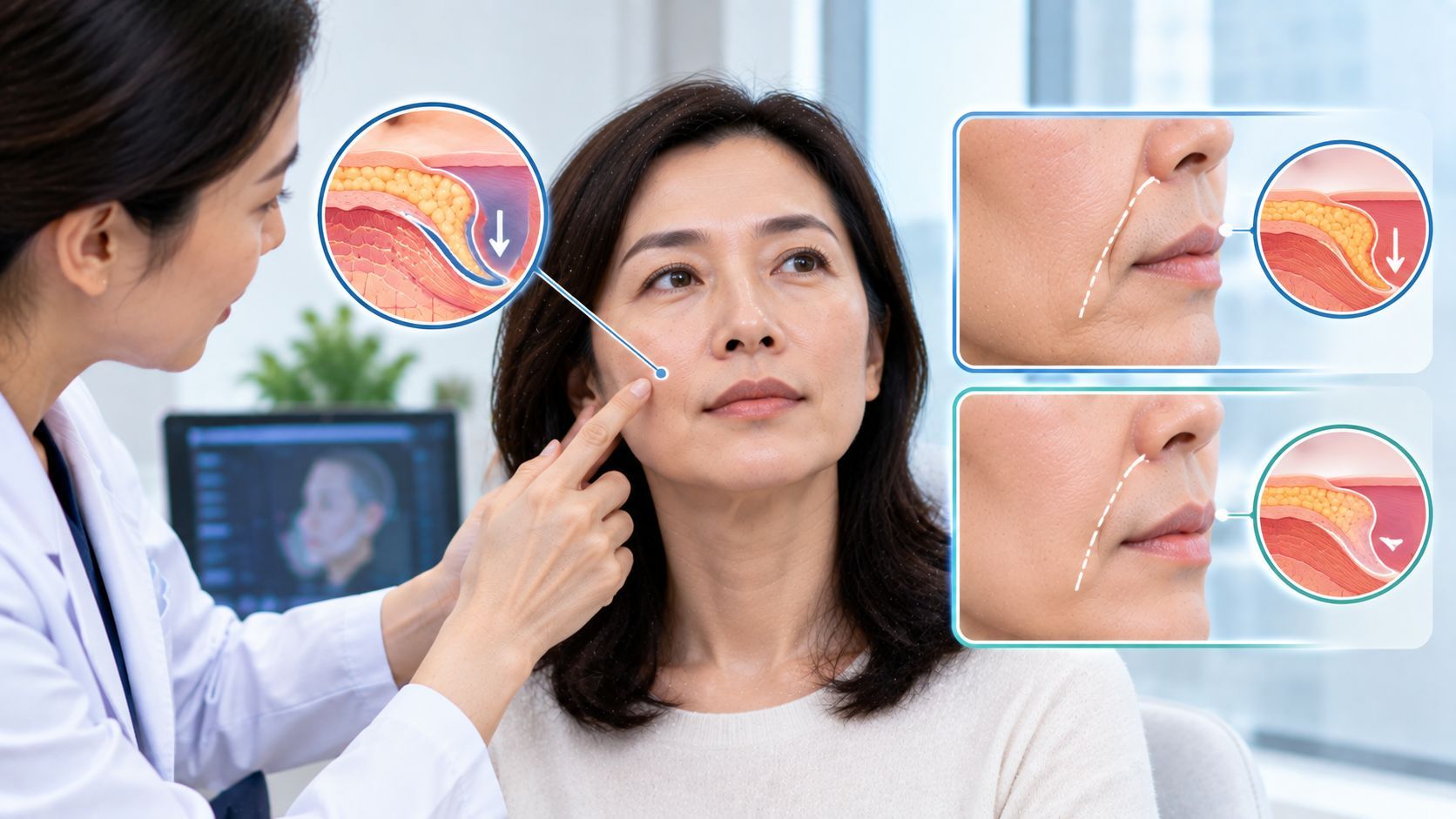
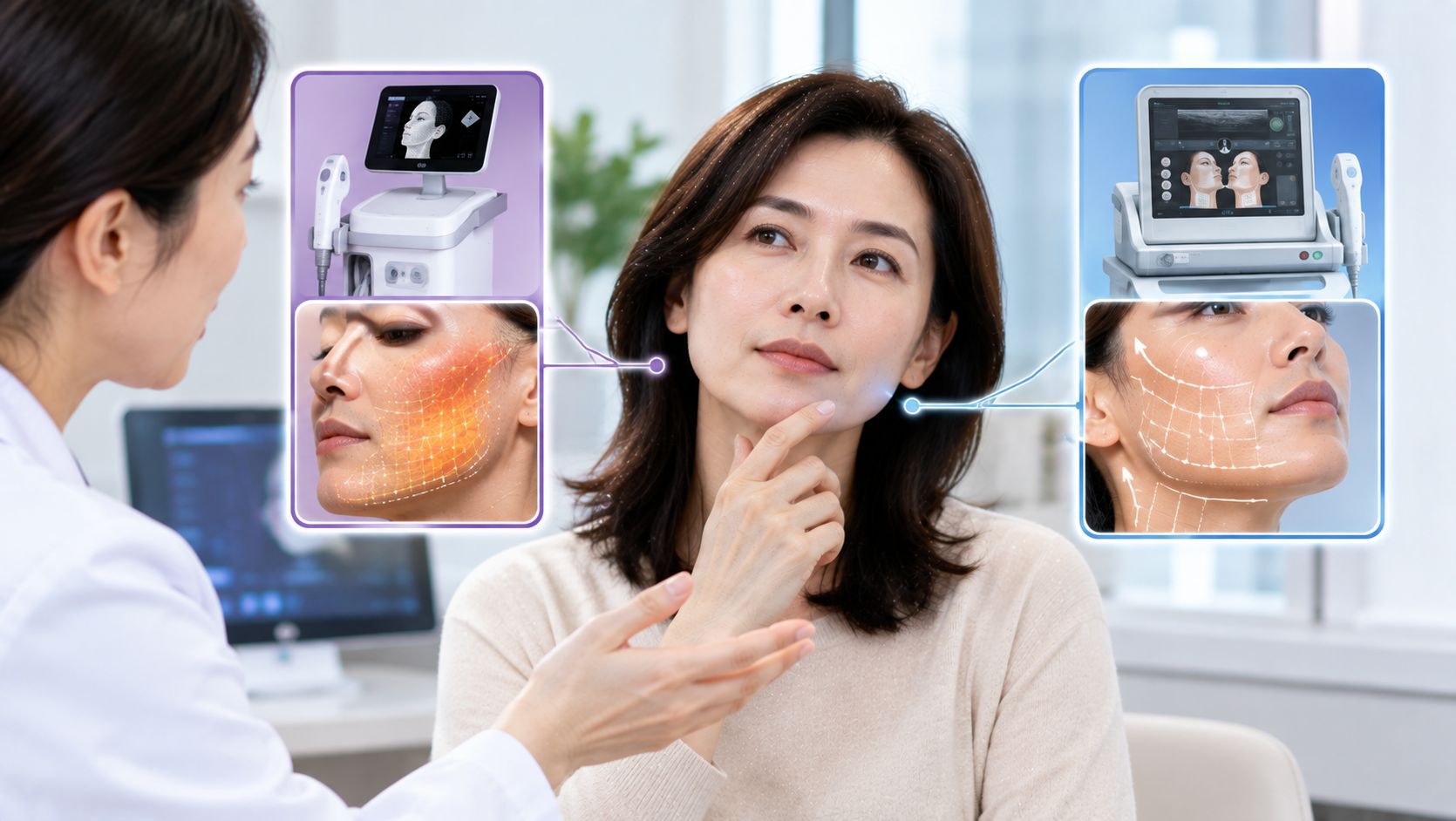
Korea has a highly developed aesthetic medicine industry, but clinic types vary widely—from university-trained dermatologists to cosmetic-focused treatment centers. Because many advanced procedures (lasers, injectables, lifting devices) are widely available, the provider’s medical training plays a major role in safety and long-term results.
Final Thoughts
Identifying a board-certified dermatologist in Korea involves checking formal medical training, residency background, professional certifications, and the level of transparency provided by the clinic. A true dermatology specialist will always have a clear hospital training history, structured consultation process, and medically grounded treatment planning. In a system where aesthetic treatments are widely accessible, verifying clinical expertise is one of the most important steps for safe and effective skin treatment.