7 Red Flags at Korean Skin Clinics
7 Red Flags at Korean Skin Clinics
Korean dermatology clinics are generally advanced and highly competitive, especially in Seoul’s major districts like Gangnam, Apgujeong, and Myeongdong. However, quality still varies widely between clinics. While many offer excellent, dermatologist-led care, others operate more like high-volume treatment centers with less individualized planning. Understanding the warning signs helps patients avoid unnecessary procedures, overtreatment, or inconsistent results.
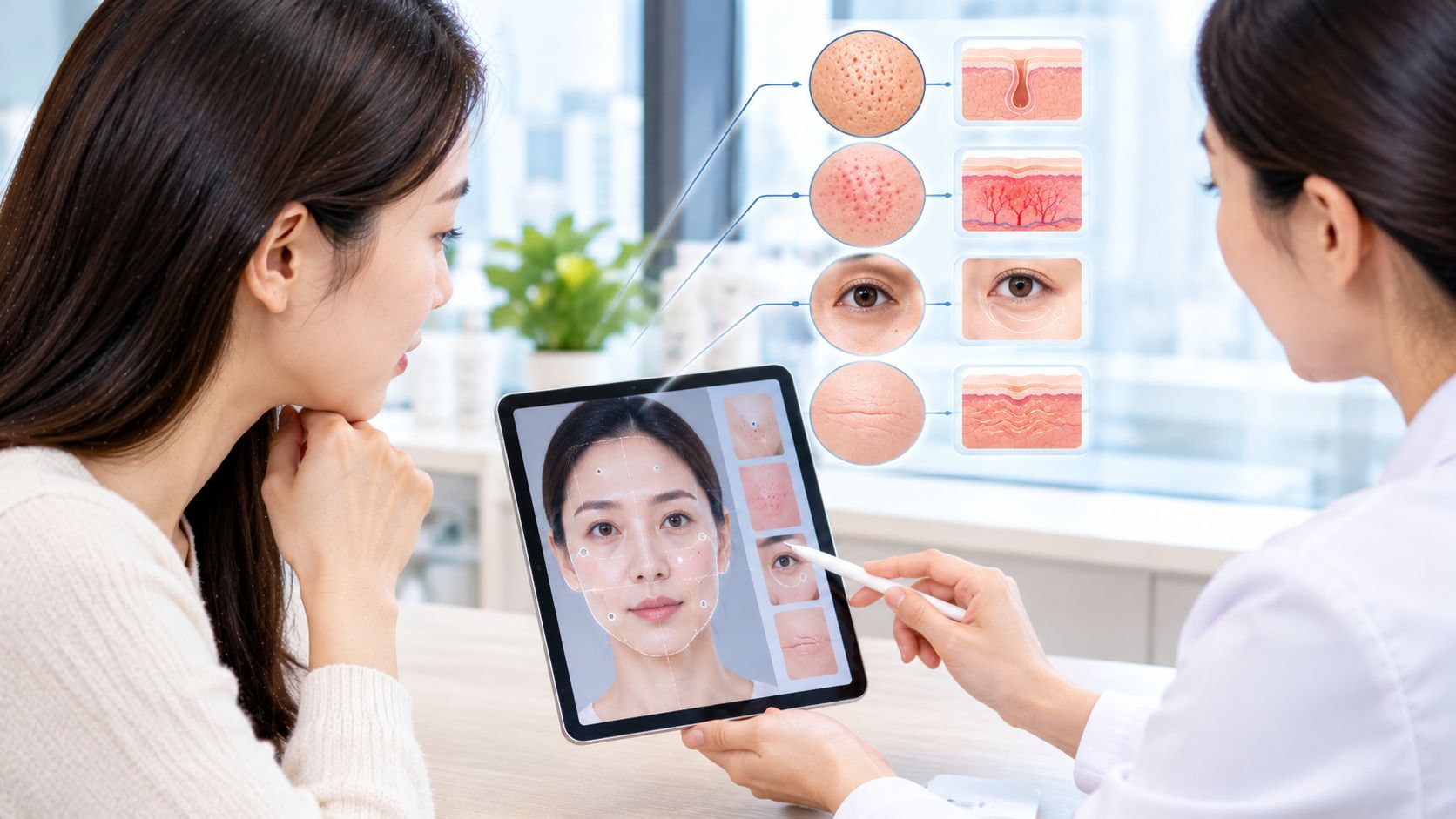
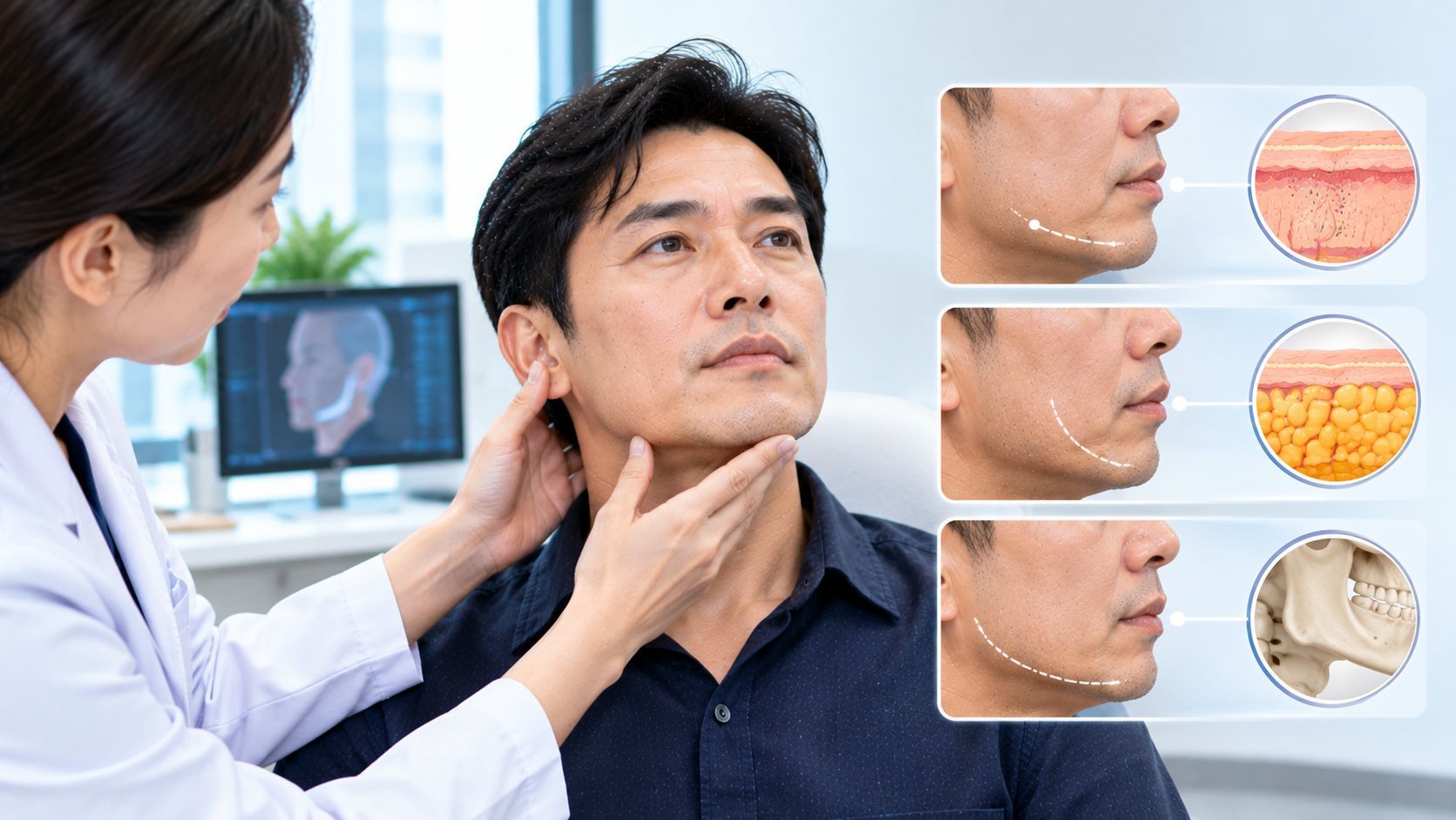
1. No Proper Doctor Consultation
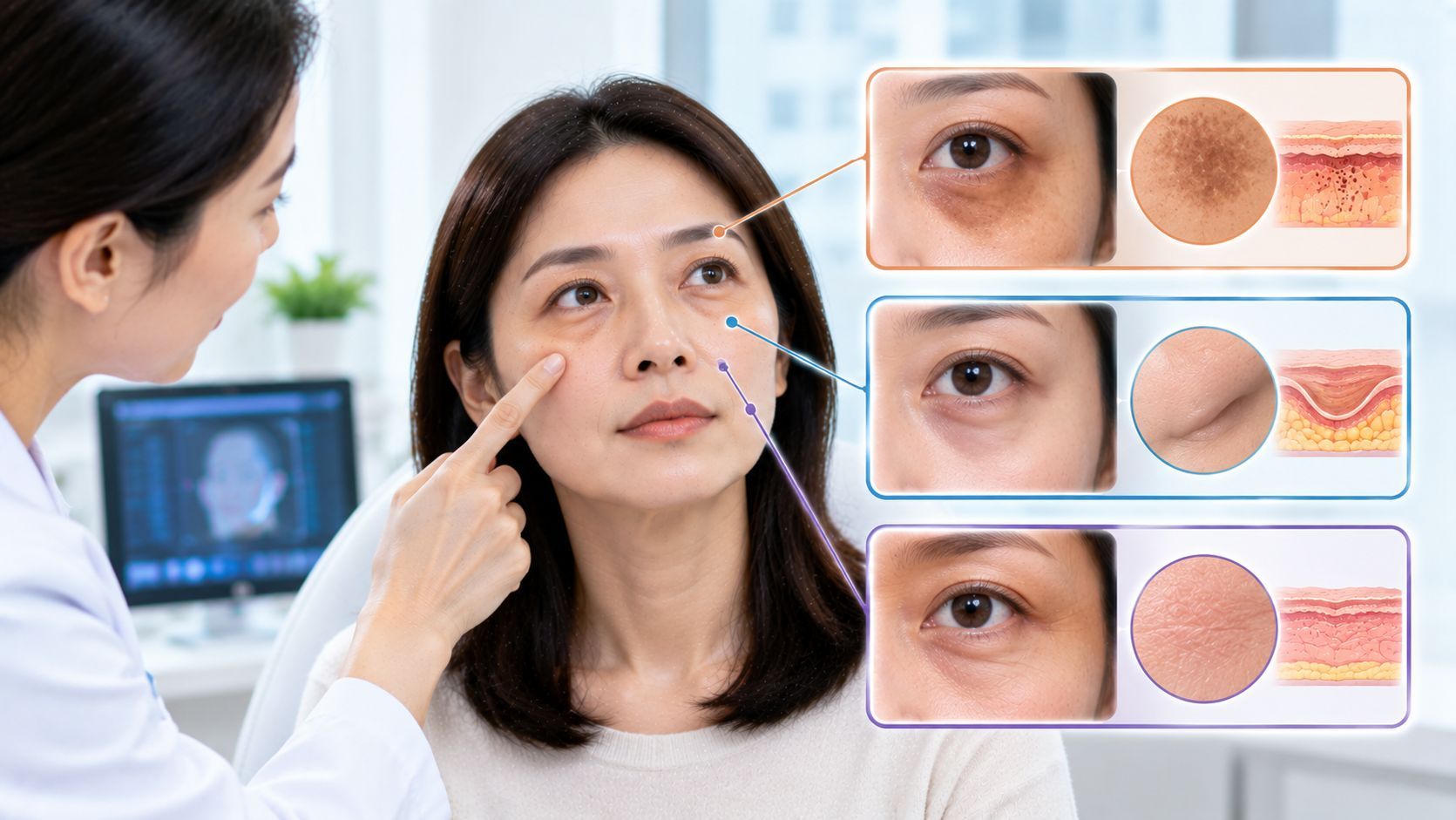
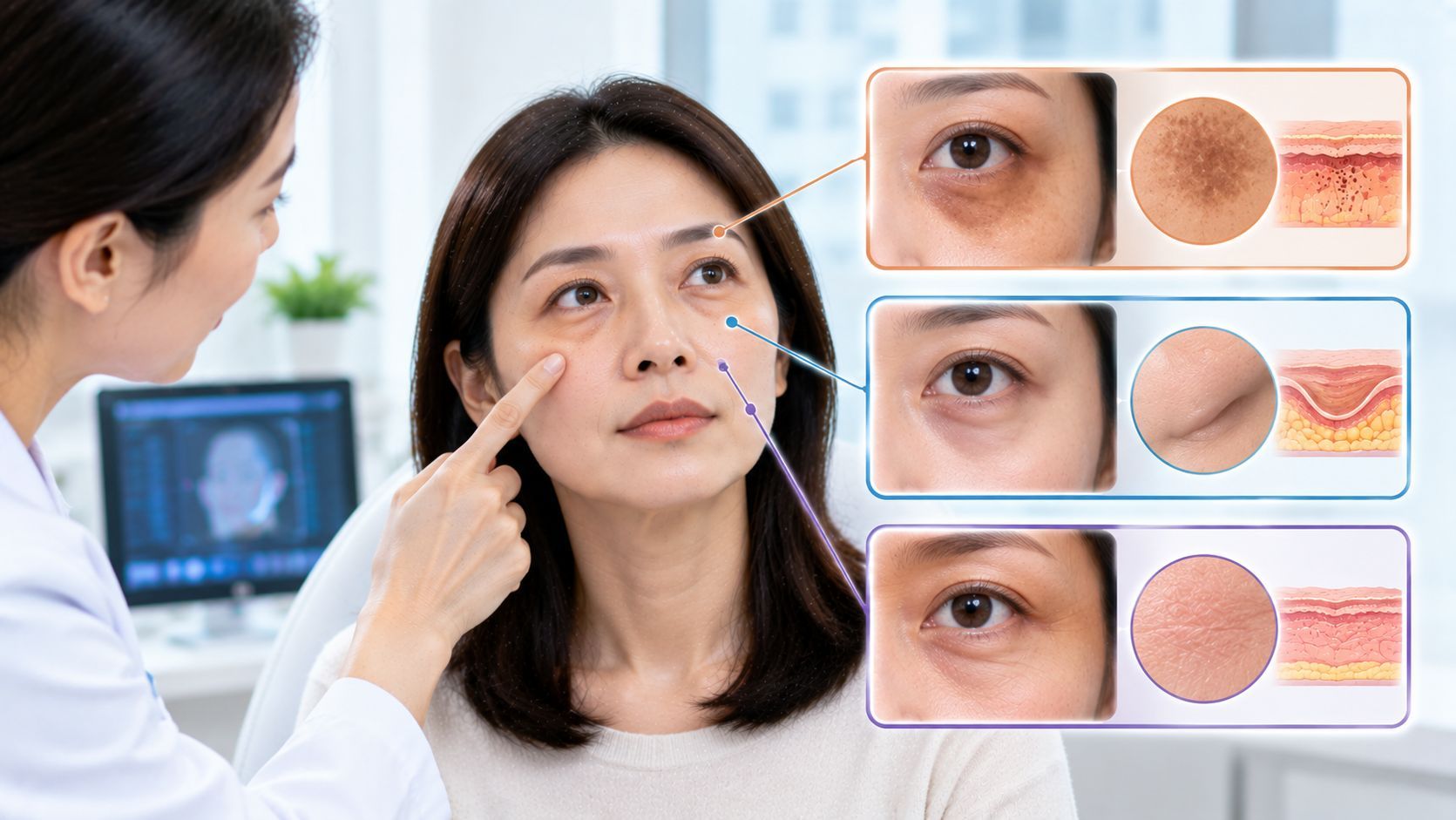
A major red flag is when there is little to no real consultation with a dermatologist before treatment.
Warning signs include:
- Staff deciding treatments without medical assessment
- Very short consultations (just a few minutes)
- No discussion of skin history or concerns
- Immediate push toward procedures
In proper Korean dermatology clinics, treatment plans are always based on a skin evaluation first.
2. One-Size-Fits-All Treatment Packages
Some clinics promote fixed “packages” without personalization.
This can be problematic when:
- Same laser plan is given to all skin types
- No adjustment for sensitivity or pigmentation risk
- Combination treatments are not customized
- Medical history is ignored
Korean dermatology is typically highly individualized, so rigid packages can indicate a factory-style approach.
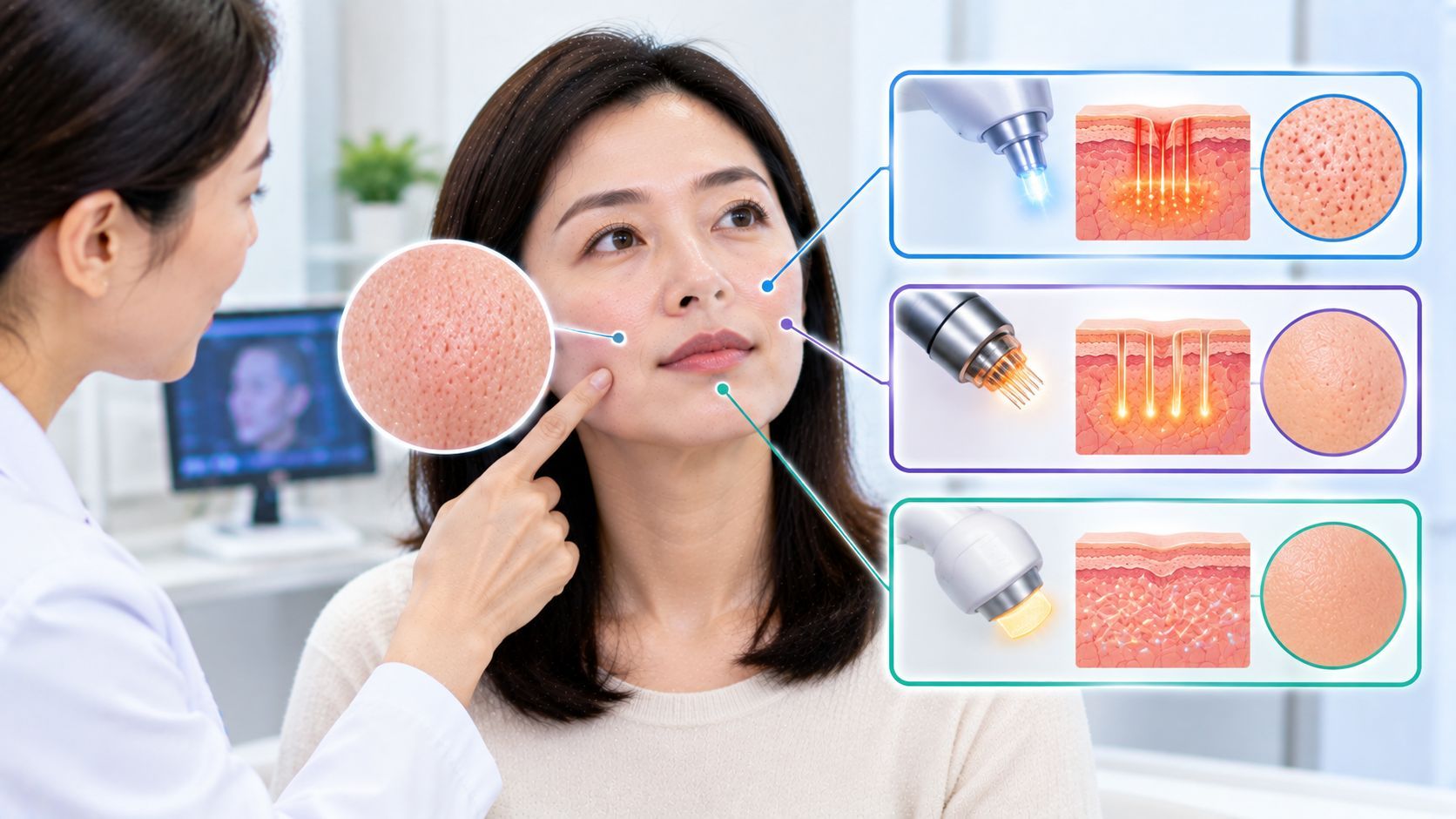
3. Overuse of Multiple Devices in One Session
While combination treatments are common in Korea, excessive stacking without rationale is a red flag.
Be cautious if:
- 4–6 aggressive devices are used in one visit
- No explanation of treatment order or purpose
- High-energy lasers are combined without recovery planning
- Skin barrier care is not included
Proper clinics balance combination therapy with safety and recovery time.
4. No Focus on Skin Barrier or Recovery
A strong red flag is when clinics only focus on visible results but ignore skin health.
This includes:
- No post-treatment care guidance
- No hydration or calming support
- No mention of barrier repair
- Encouraging repeated aggressive treatments without rest
Korean dermatology typically emphasizes recovery as much as treatment itself.
5. Unrealistic Promises of Fast Results
Be cautious of clinics that guarantee rapid or dramatic improvement.
Common warning claims include:
- “One-session perfect skin” promises
- Guaranteed complete scar removal
- Instant pore shrinking or whitening
- Permanent results from a single laser
Skin conditions like acne scars, melasma, and redness require gradual treatment, not instant correction.
6. Lack of Clear Device Explanation
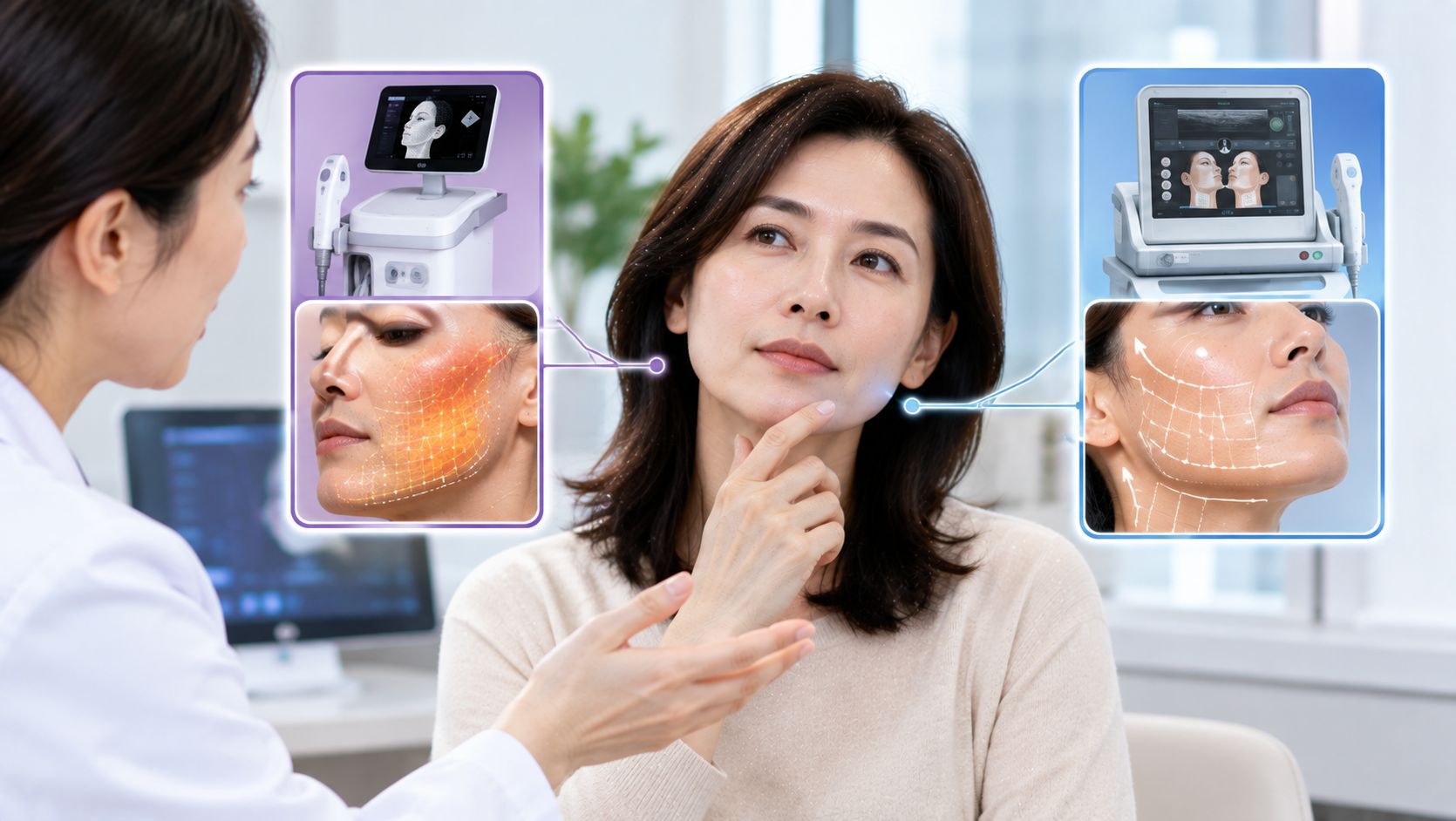
Reputable Korean clinics clearly explain which devices are used and why.
Red flags include:
- No explanation of laser types or settings
- Vague terms like “premium laser package” only
- No discussion of energy level or downtime
- Staff unable to explain treatment mechanism
Transparency is a key part of safe dermatology practice.
7. Pressure-Based Upselling
Some clinics may push additional procedures during consultation or after treatment begins.
Watch for:
- Sudden add-ons not discussed initially
- Pressure to upgrade to expensive packages
- Recommending unnecessary injections or lasers
- No respect for patient budget or preference
Ethical clinics prioritize treatment suitability over sales volume.
Why These Red Flags Matter in Korea
Korea has both highly advanced dermatology centers and high-throughput cosmetic clinics, especially in tourist-heavy areas. Because of this diversity, patients may experience very different standards of care depending on the clinic.
Safe, high-quality clinics typically emphasize:
- Dermatologist-led planning
- Gradual, layered treatments
- Skin barrier protection
- Transparent device use
- Realistic expectations
Final Thoughts
Recognizing red flags in Korean skin clinics is essential for avoiding overtreatment and ensuring safe, effective results. Warning signs such as lack of proper consultation, one-size-fits-all packages, aggressive multi-device sessions, and unrealistic promises often indicate a less personalized approach. In contrast, reputable Korean dermatology clinics prioritize individualized planning, skin barrier health, and gradual improvement to achieve natural, long-term skin quality enhancement.