Korean Dermatologists Explain the “Glass Skin” Trend
Korean Dermatologists Explain the “Glass Skin” Trend
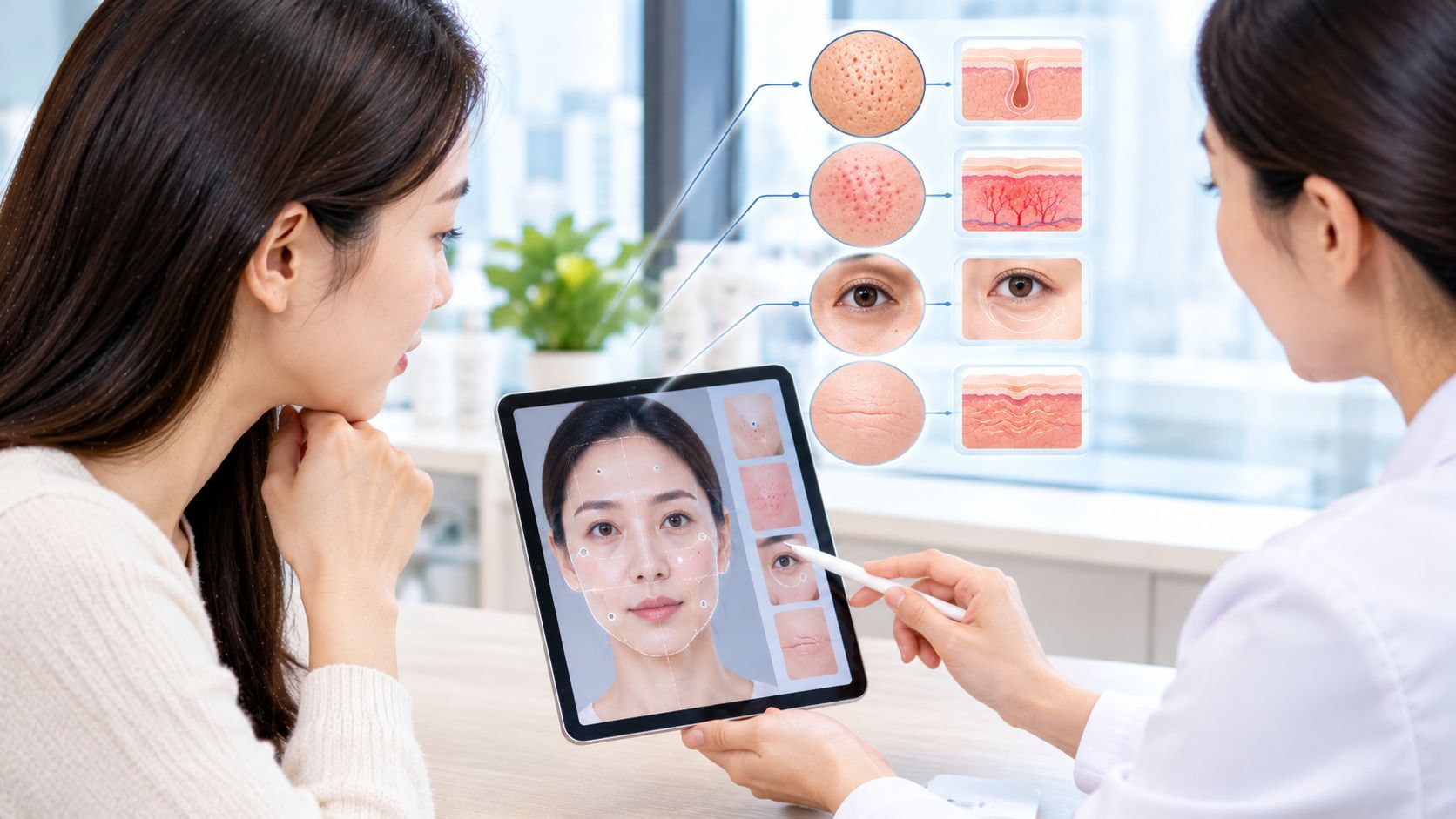
The “glass skin” trend has become one of the most recognizable parts of Korean beauty culture worldwide. Characterized by skin that looks smooth, hydrated, luminous, and almost reflective under light, glass skin is often associated with flawless Korean skincare routines and celebrity complexions. However, many Korean dermatologists explain that glass skin is not a single treatment, product, or shortcut — it is the result of long-term skin health management focused on hydration, barrier strength, texture refinement, and prevention.
Glass Skin Is Considered a Skin Condition, Not a Makeup Look
Korean dermatologists often describe glass skin as an overall skin condition rather than a cosmetic effect. The goal is skin that appears:
- Smooth
- Clear
- Even-toned
- Deeply hydrated
- Naturally reflective
Instead of relying heavily on makeup coverage, Korean skincare philosophy emphasizes improving the actual quality of the skin itself.
Hydration Is the Core of the Trend
One of the biggest concepts behind glass skin is layered hydration.
Rather than using one heavy cream, Korean skincare routines often involve:
- Lightweight toners
- Essences
- Serums
- Barrier creams
- Sunscreen
Korean dermatologists frequently explain that properly hydrated skin reflects light more evenly, which creates the signature “glass” appearance.
Barrier Health Became More Important Than Harsh Treatments
Modern Korean dermatology has shifted away from overly aggressive skincare.
Many dermatologists now prioritize:
- Skin barrier protection
- Gentle exfoliation
- Low-irritation ingredients
- Consistent maintenance
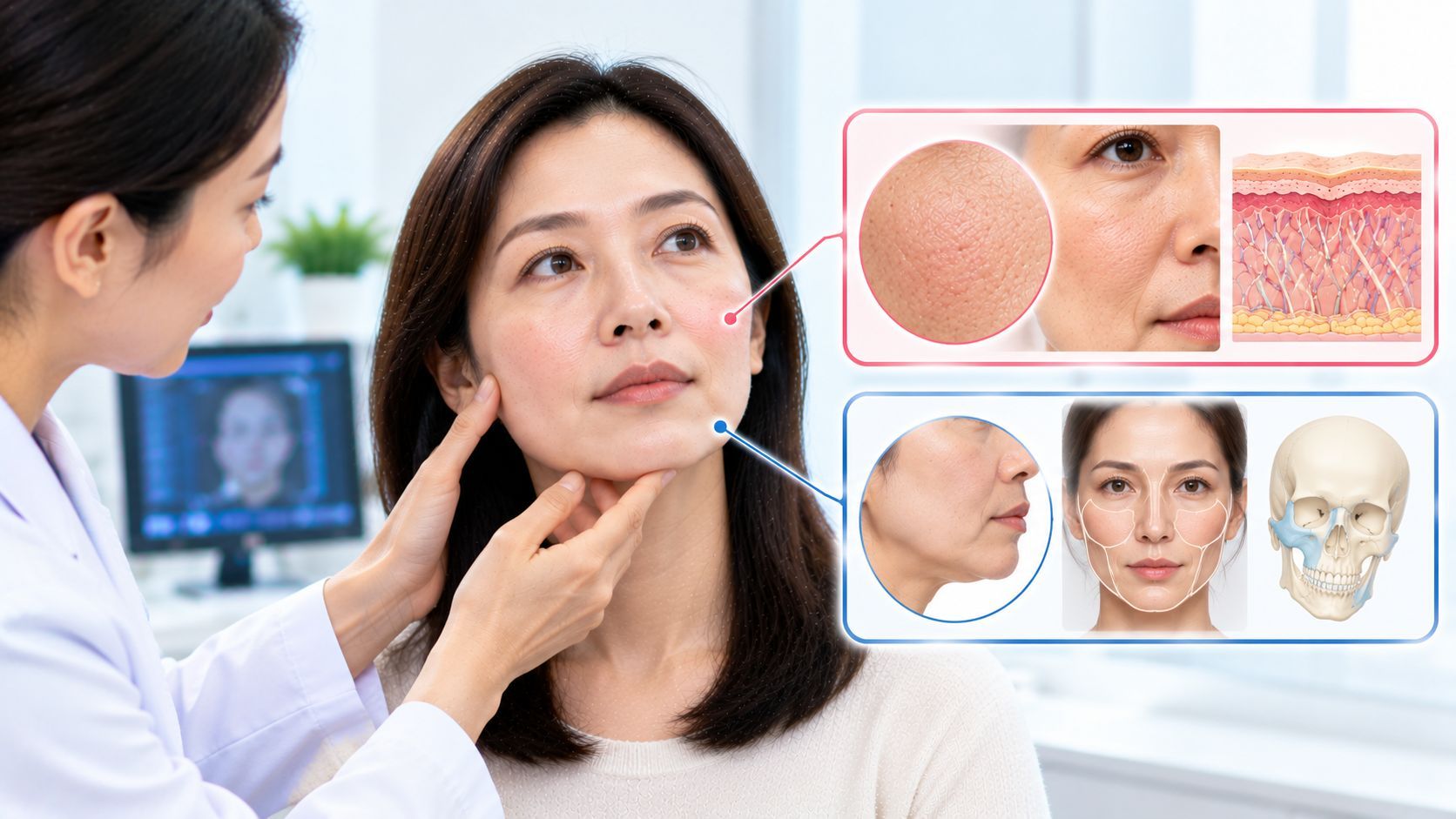
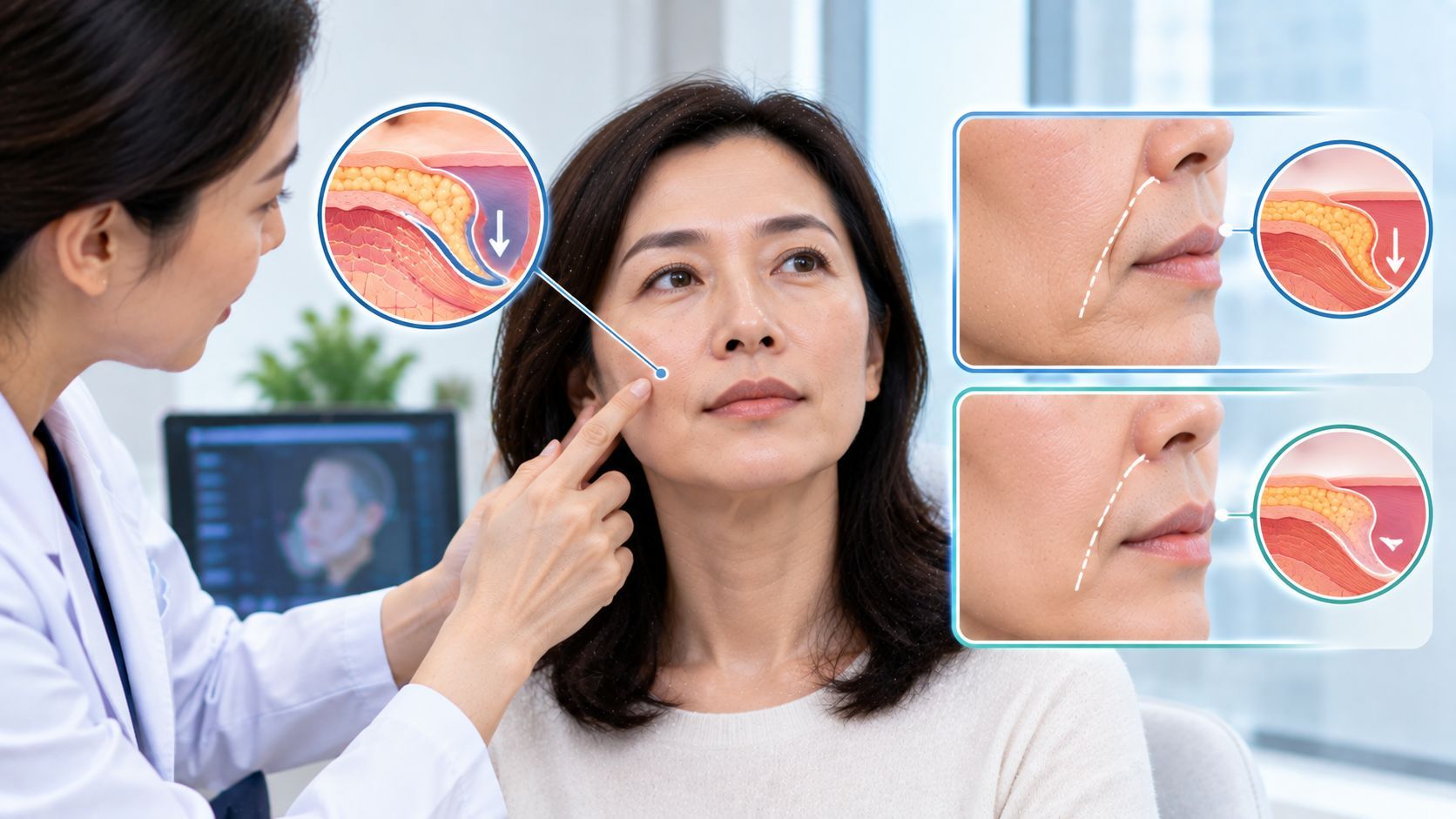
- Long-term collagen support
This approach differs from older trends focused heavily on stripping, peeling, or over-exfoliating the skin.
Glass Skin Is Closely Connected to Preventive Skincare
Korean skincare culture strongly emphasizes prevention rather than waiting for visible aging or damage.
Many patients begin preventive care early through:
- Daily sunscreen
- Hydration maintenance
- Laser toning
- Skin boosters
- Collagen-focused treatments
Dermatologists often explain that maintaining healthy skin consistently over time is more effective than trying to “fix” severe damage later.
Professional Treatments Play a Major Role
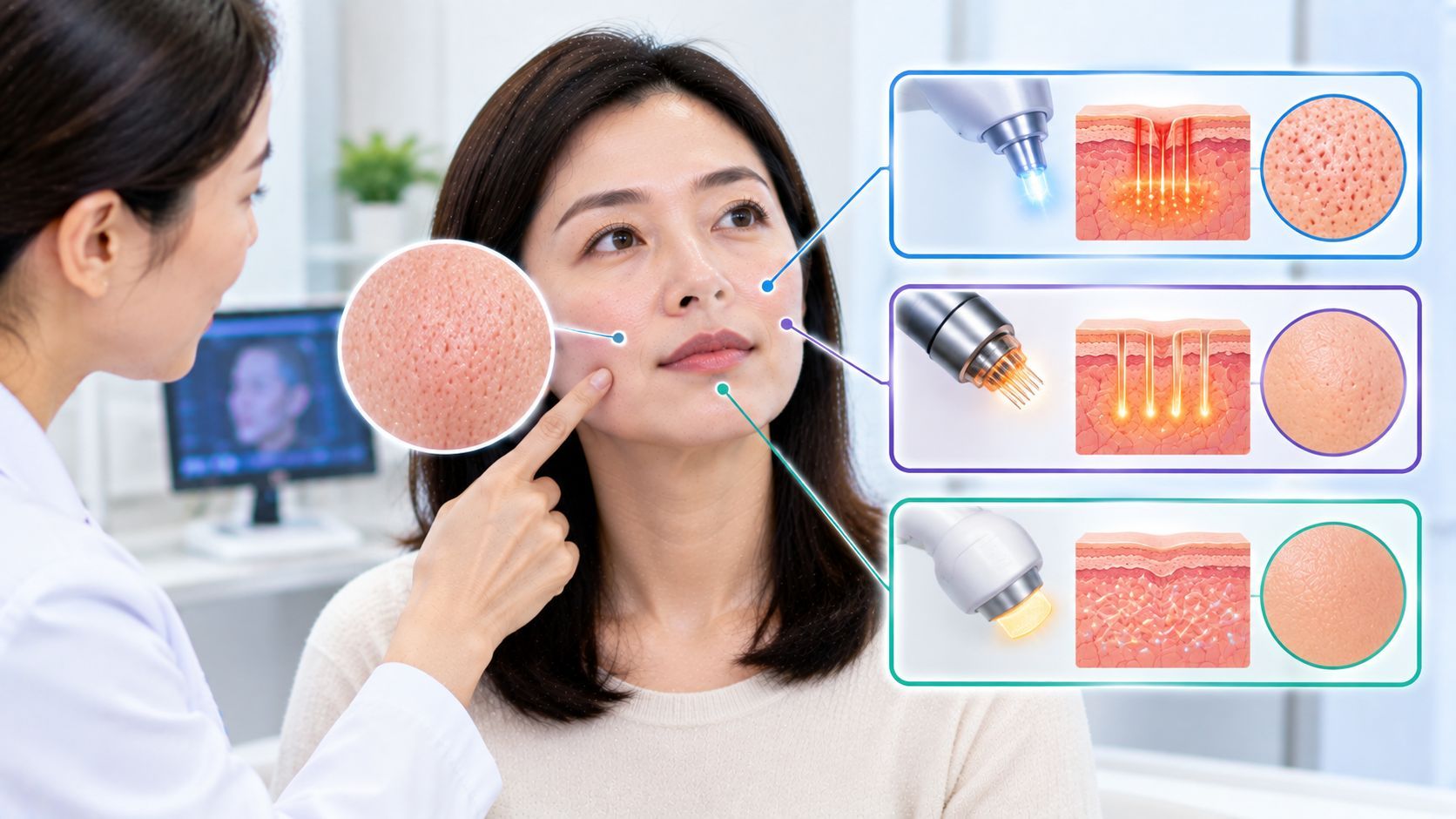
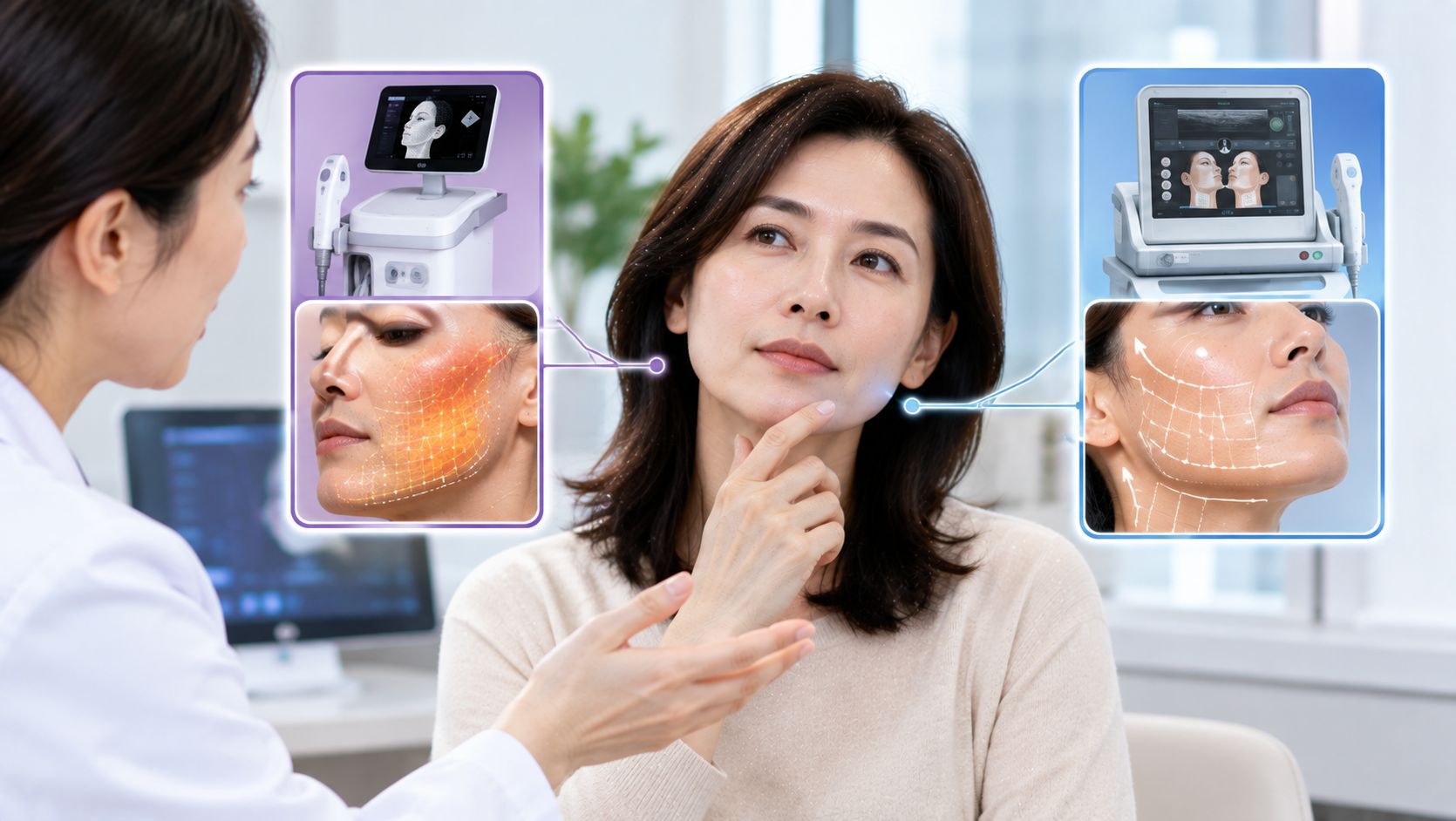
Although social media often focuses on skincare products, Korean dermatologists frequently point out that many glass skin results involve professional treatments as well.
Common clinic procedures include:
- Pico laser toning
- Skin boosters
- RF microneedling
- Rejuran
- Hydration facials
- LED recovery therapy
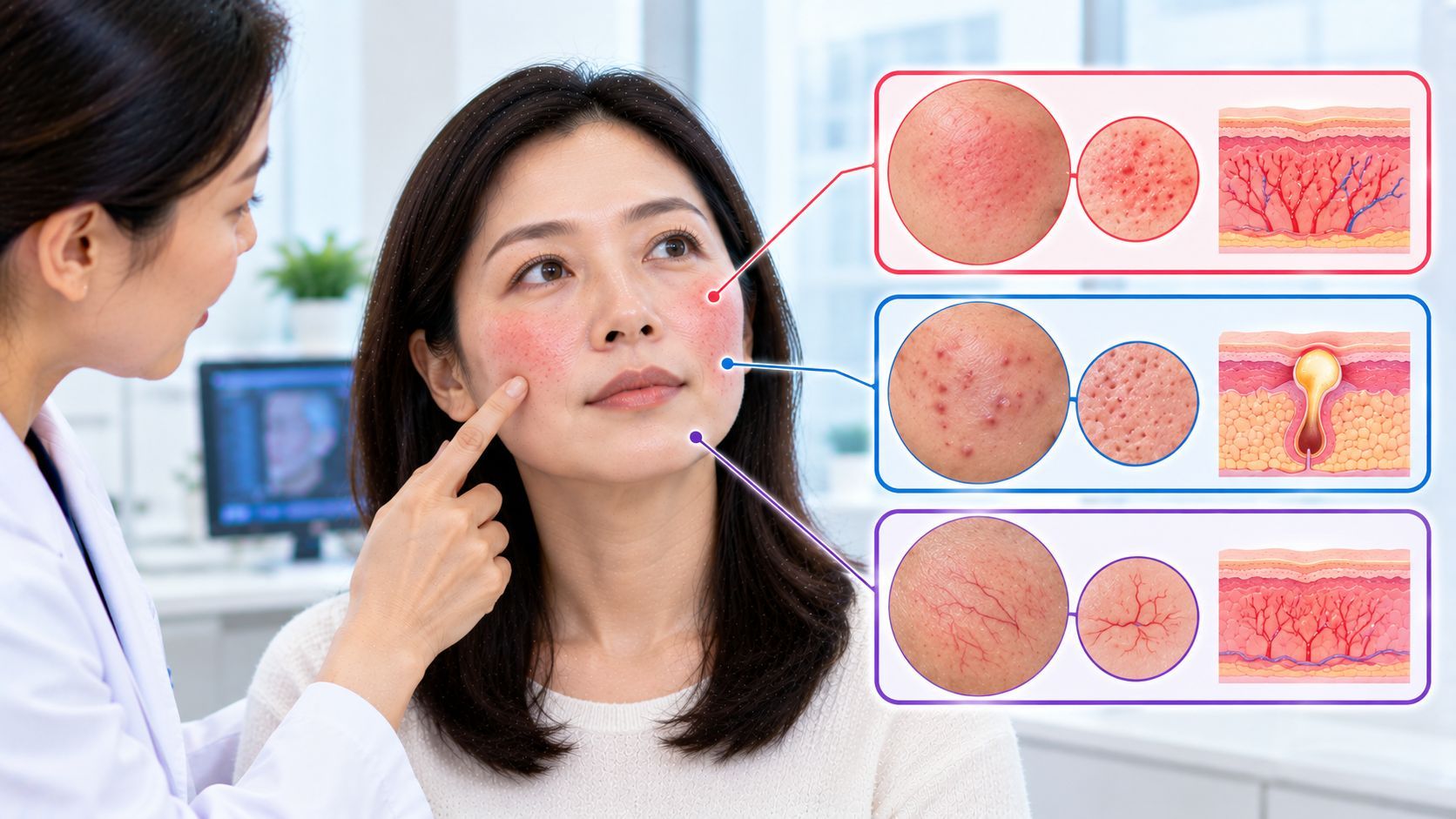
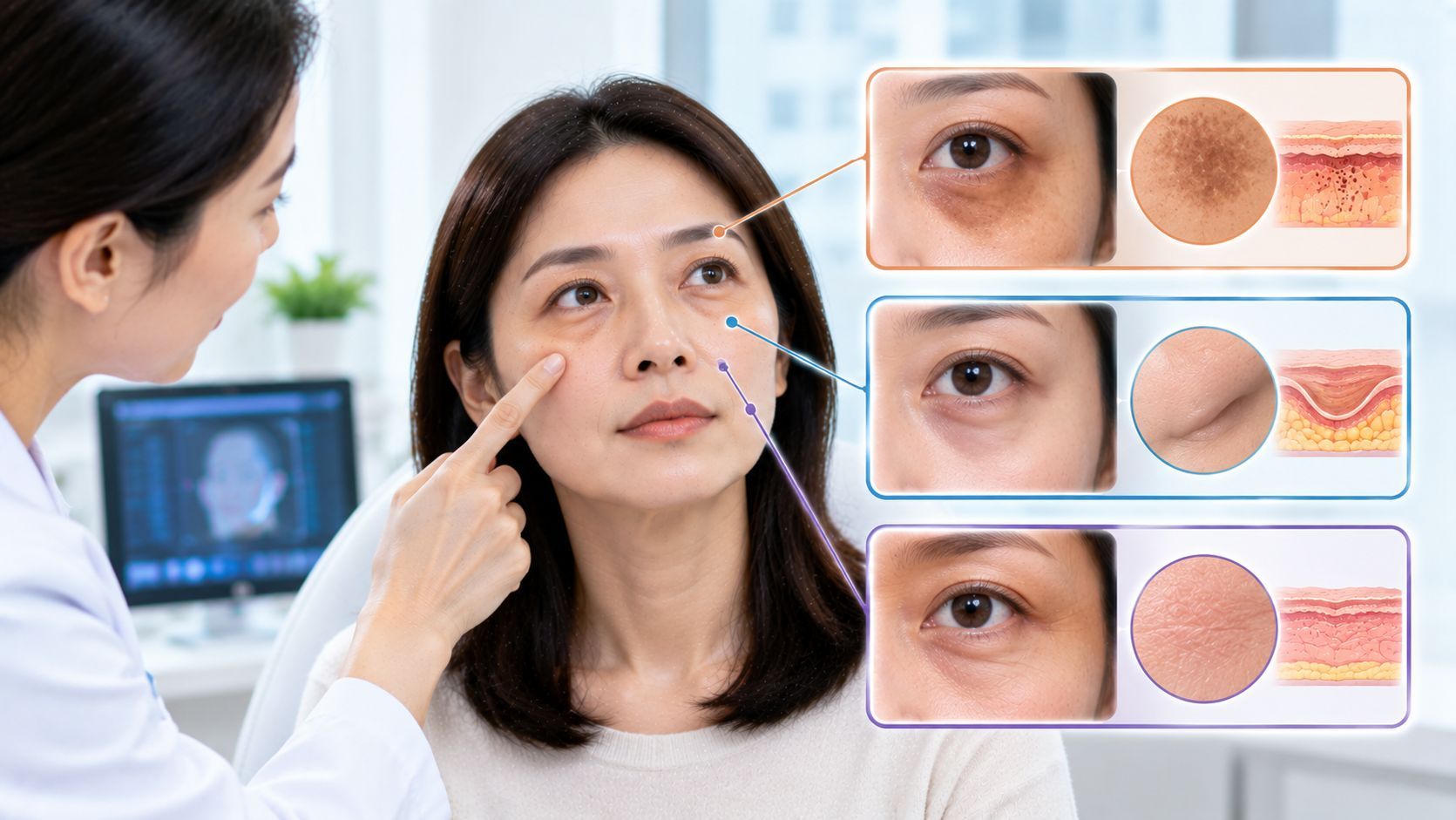
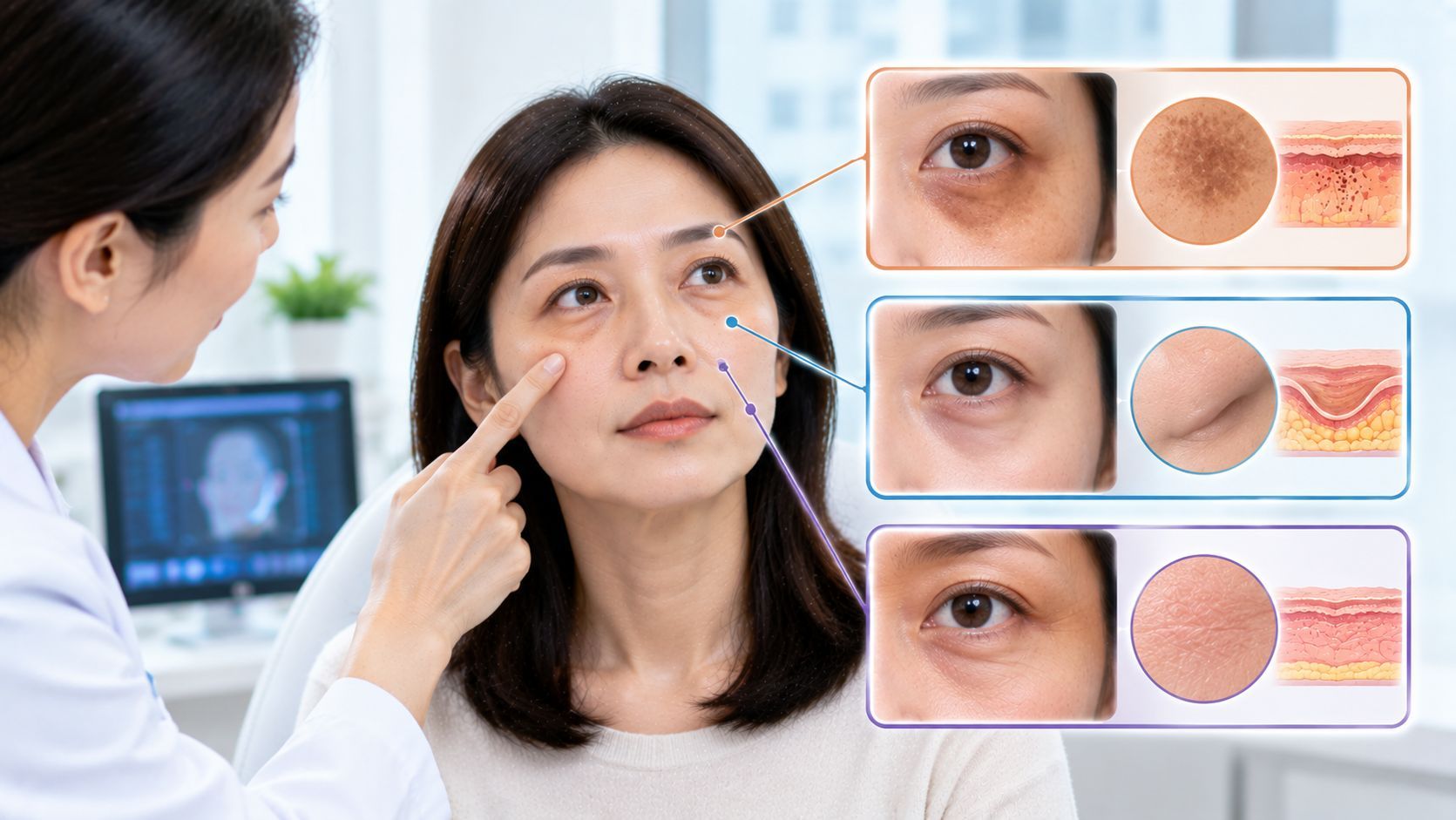
These treatments target pigmentation, collagen stimulation, hydration, and texture simultaneously.
Social Media Sometimes Creates Unrealistic Expectations
Many dermatologists acknowledge that social media filters, lighting, and editing have distorted expectations surrounding glass skin.
Online discussions frequently mention that:
- Perfectly poreless skin is unrealistic
- Genetics still matter heavily
- Professional treatments are often involved
- Filters exaggerate results
Some Korean skincare communities have also criticized the pressure to achieve an “unrealistically flawless” appearance.
The Trend Reflects Korea’s Preference for Natural Beauty
One reason glass skin became globally influential is that it reflects a broader Korean beauty philosophy focused on healthy-looking skin rather than dramatic cosmetic transformation.
The trend prioritizes:
- Natural glow
- Healthy texture
- Subtle refinement
- Youthful hydration
- Skin quality over heavy contouring
This softer aesthetic strongly influenced global skincare and cosmetic trends over the past decade.
Glass Skin Requires Consistency More Than Expensive Products
Korean dermatologists often emphasize that consistency matters more than constantly buying trendy products.
Core habits usually include:
- Gentle cleansing
- Daily sunscreen
- Hydration layering
- Regular sleep
- Stress management
- Consistent skincare routines
Many experts explain that long-term routine stability usually matters more than extreme 10-step routines or viral products.
Why the Trend Continues to Evolve
The glass skin trend has gradually evolved into newer variations such as:
- Honey skin
- Mochi skin
- Cloudless skin
- Water-glow skin
However, the core philosophy remains similar: healthy, hydrated, smooth-looking skin with natural luminosity rather than heavy cosmetic coverage.
Final Thoughts
Korean dermatologists generally describe glass skin as a long-term skin health goal built through hydration, barrier care, collagen support, and preventive maintenance rather than a single miracle product or treatment. While social media often presents glass skin as perfectly flawless and effortless, experts emphasize that real results usually involve consistent skincare habits, professional treatments, and realistic expectations. Ultimately, the trend reflects Korea’s broader beauty philosophy of prioritizing healthy-looking, naturally radiant skin over dramatic cosmetic transformation.