Ultherapy Prime vs Thermage FLX in Korea
Ultherapy Prime vs Thermage FLX in Korea
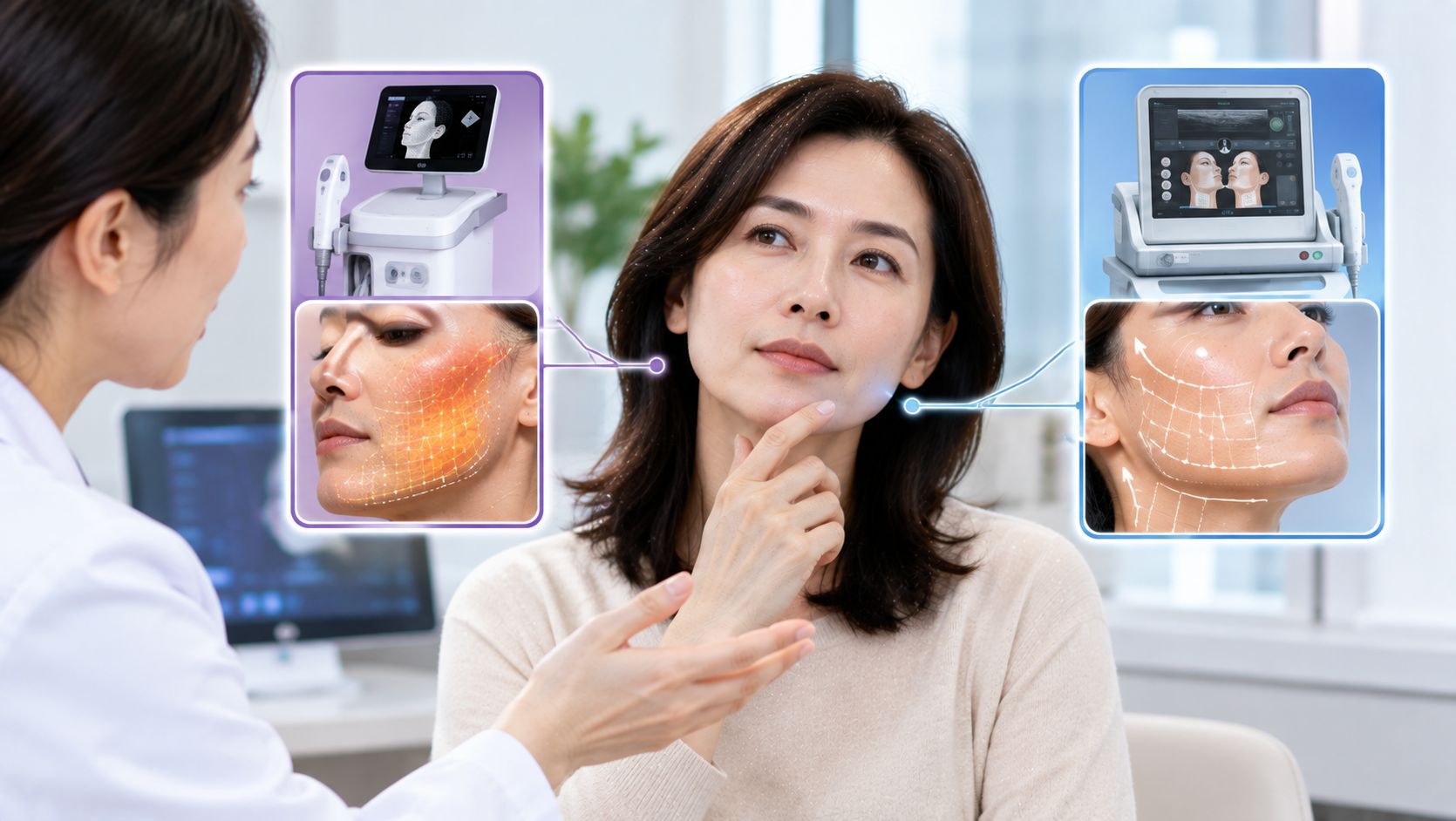
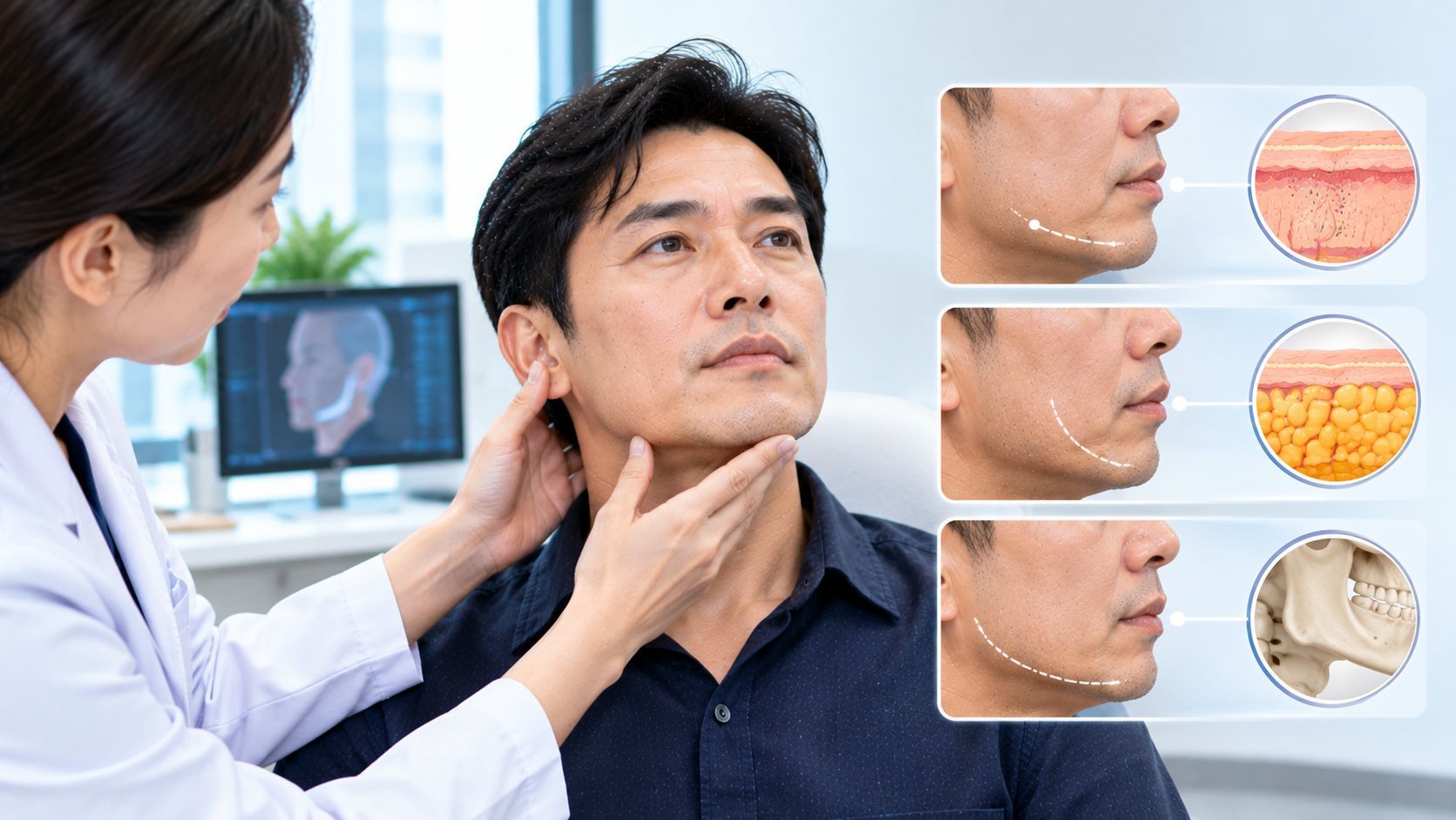
Ultherapy Prime and Thermage FLX are currently the two most famous premium lifting treatments in Korean dermatology clinics. Both are marketed as non-surgical anti-aging procedures that tighten skin and stimulate collagen, but they work very differently and are usually recommended for different concerns. In Korea, many clinics even combine them together in a treatment plan often nicknamed “Ulthermage” because they target different layers of the face.
The Biggest Difference Is the Technology
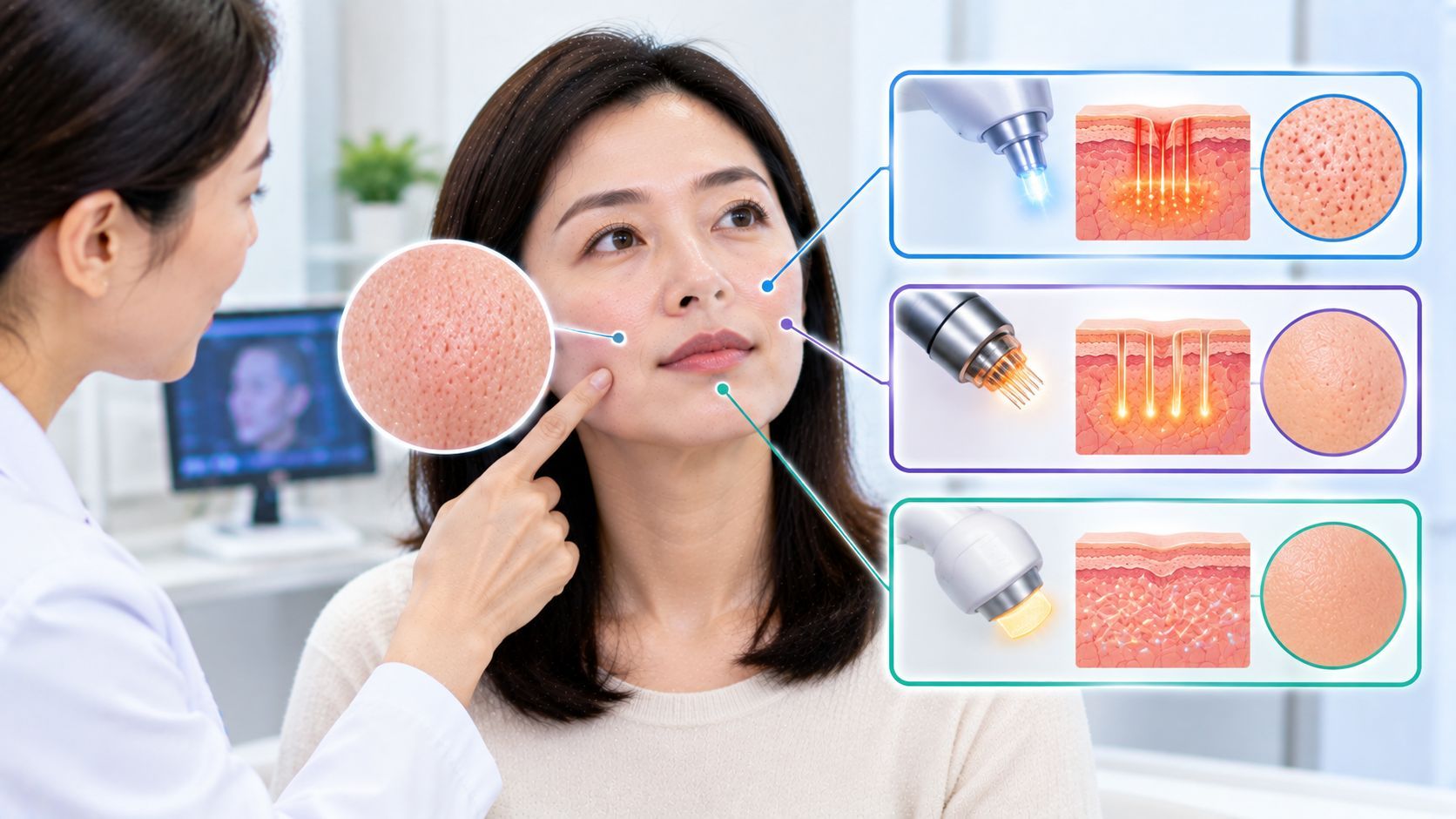
Ultherapy Prime uses focused ultrasound energy, while Thermage FLX uses radiofrequency (RF) energy.
Ultherapy Prime
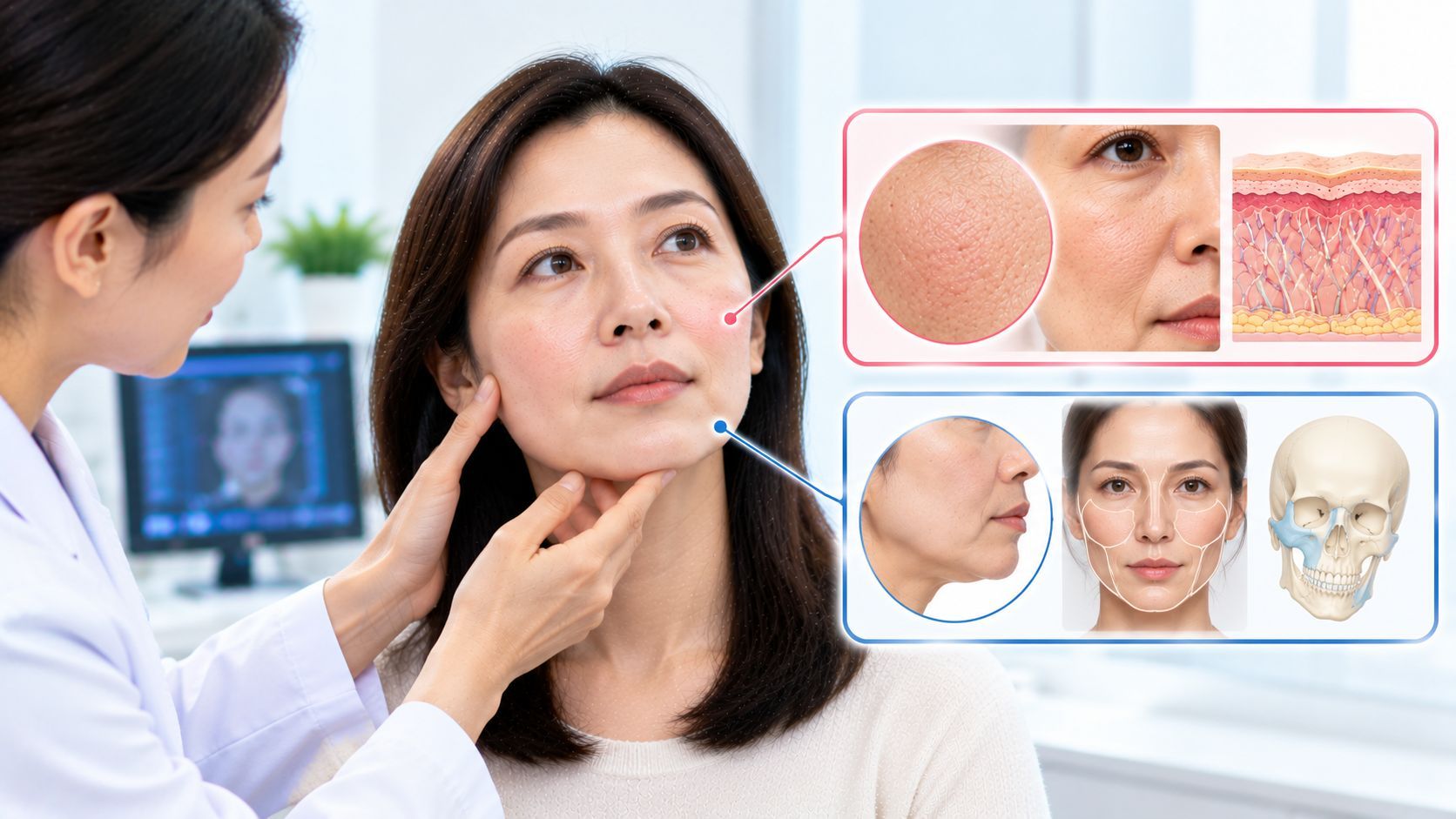
Targets deeper structural layers, including the SMAS layer associated with surgical facelifts.
Best known for:
- Lifting
- Jawline definition
- Mild sagging improvement
- Lower-face contouring
Thermage FLX
Works more broadly across the dermis and subdermal tissue.
Best known for:
- Skin tightening
- Texture improvement
- Fine lines
- Overall firmness
Korean dermatologists often describe Ultherapy as “deep lifting” and Thermage as “surface tightening.”
Ultherapy Prime Is Usually Better for Sagging
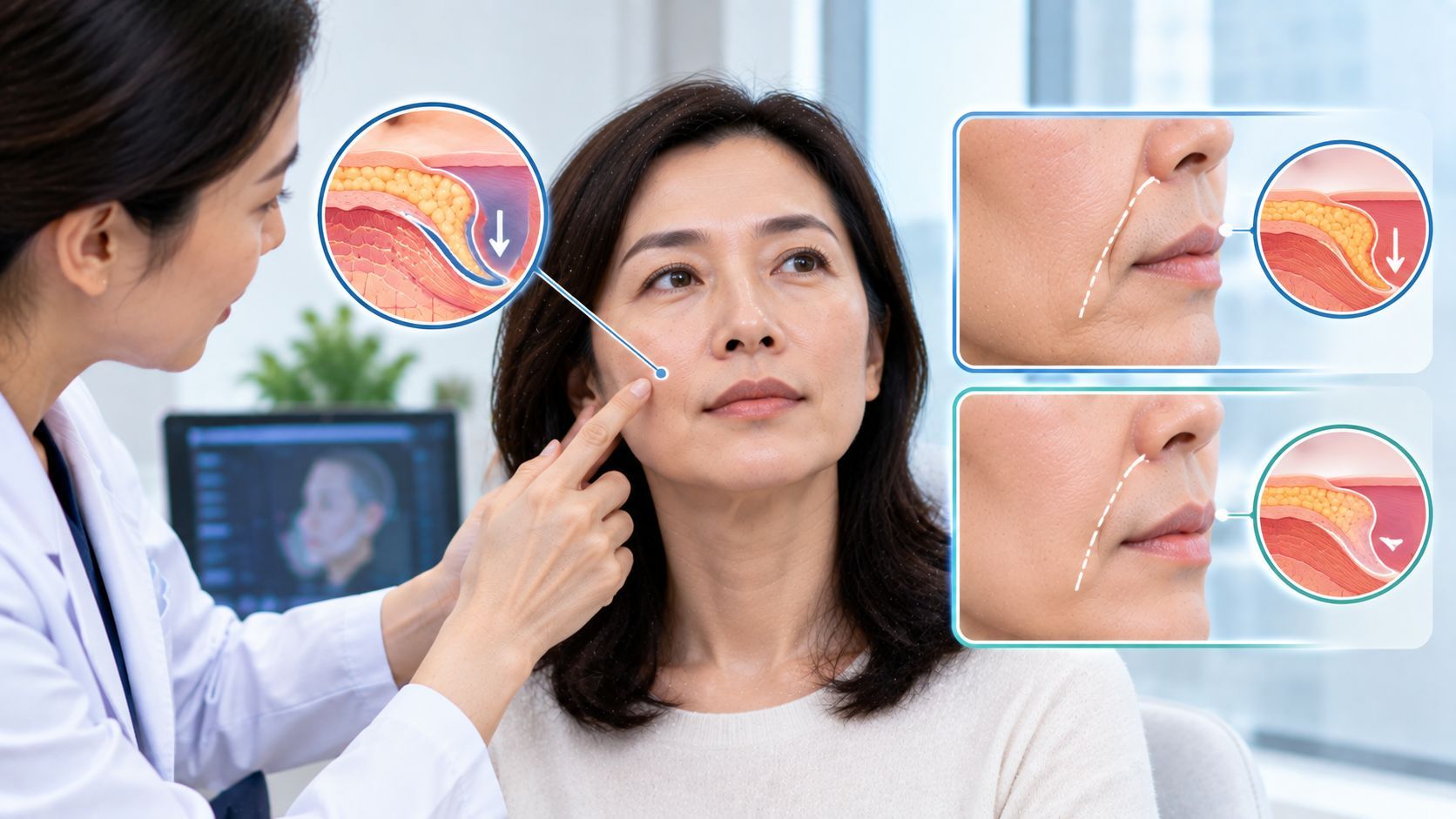
Patients with visible lower-face sagging are often guided toward Ultherapy Prime because it reaches deeper structural tissue layers.
Common concerns treated with Ultherapy Prime include:
- Soft jawline
- Mild jowls
- Drooping cheeks
- Neck laxity
- Brow heaviness
Many Korean clinics position Ultherapy Prime as the stronger “lifting-focused” option.
Thermage FLX Is Often Better for Skin Quality
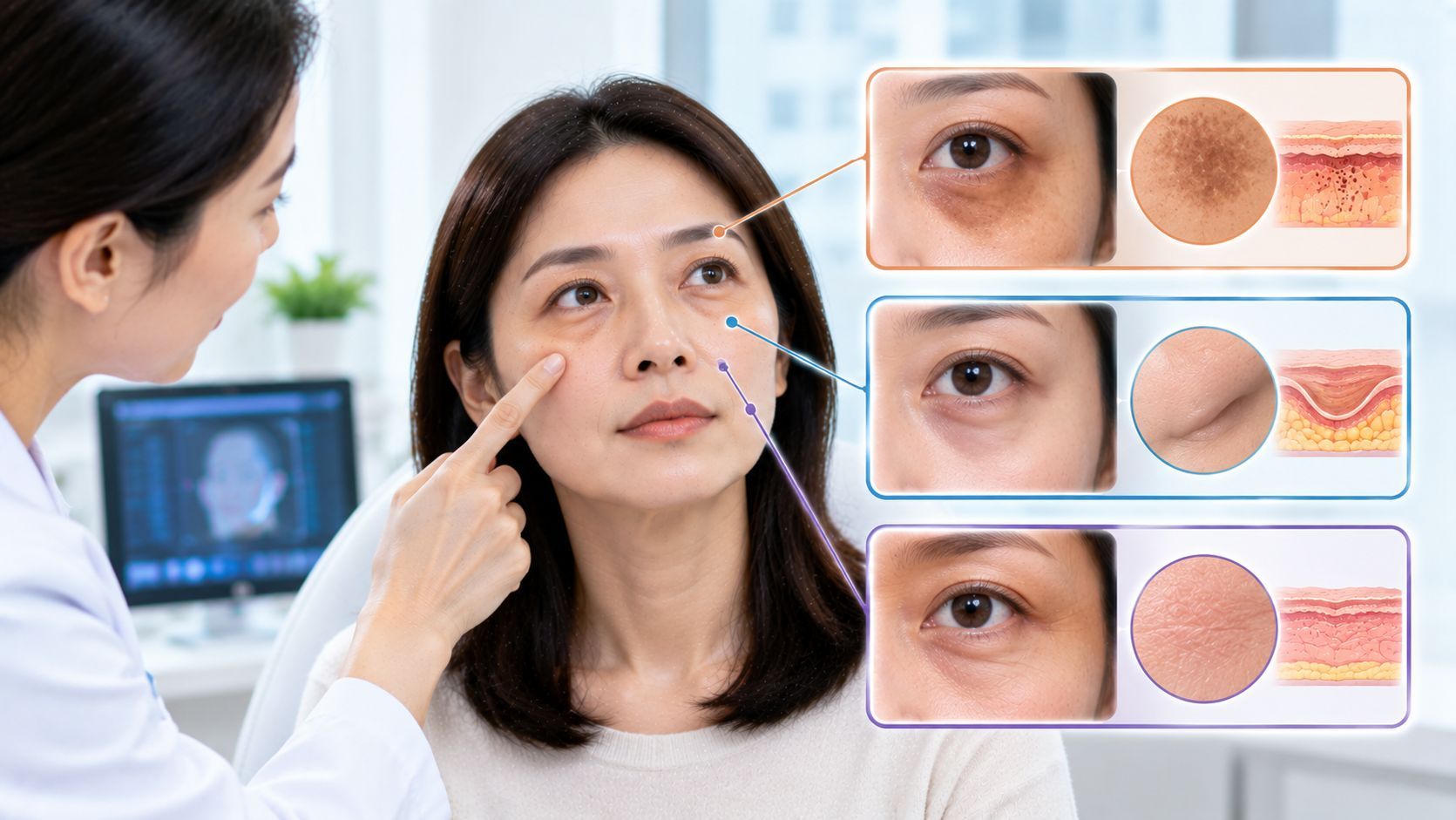
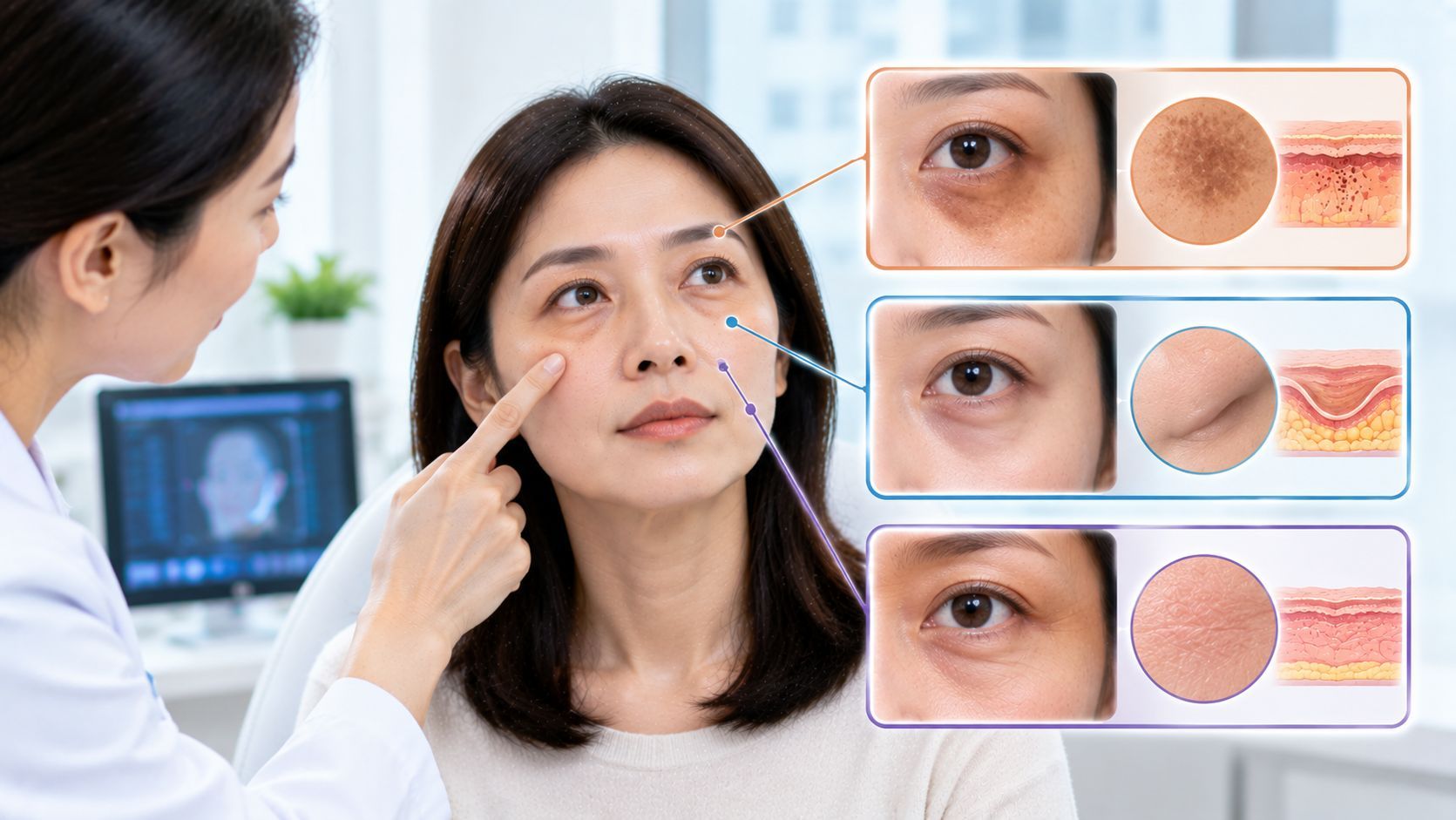
Thermage FLX is usually recommended for patients whose main concern is skin texture rather than structural sagging.
It is commonly used for:
- Crepey skin
- Fine wrinkles
- Loose texture
- Thin skin quality
- Overall firmness
Patients often describe Thermage results as smoother and tighter rather than visibly lifted.
Pain Levels Are Different
One of the biggest differences patients mention is treatment discomfort.
Ultherapy Prime is generally considered more painful because ultrasound energy targets deeper tissue layers. Korean clinics frequently use numbing cream or pain management before treatment.
Thermage FLX is often described as more tolerable because newer FLX technology improved comfort and energy distribution.
However, pain tolerance varies heavily between individuals.
Ultherapy Prime Usually Costs More
In Korea, Ultherapy Prime is often slightly more expensive than Thermage FLX because it requires more precise imaging and deeper structural targeting.
Typical Seoul pricing:
Ultherapy Prime
- 1,200,000–4,500,000 KRW
Thermage FLX
- 2,000,000–3,500,000 KRW
Actual pricing depends heavily on:
- Shot count
- Clinic reputation
- Doctor experience
- Combination treatments
Results Develop at Different Speeds
Thermage FLX often creates earlier tightening sensations because RF energy causes immediate collagen contraction.
Ultherapy Prime usually develops more gradually as collagen remodeling occurs over deeper layers.
Typical Timeline
- Thermage FLX: noticeable tightening within weeks
- Ultherapy Prime: lifting develops over 2–6 months
Both treatments continue improving gradually after the procedure.
Korean Clinics Often Combine Both
Many premium Gangnam clinics no longer treat Ultherapy and Thermage as competing procedures. Instead, they frequently combine them together because they target different aging concerns.
Combination plans may aim to provide:
- Deep lifting from Ultherapy
- Surface tightening from Thermage
- Collagen stimulation from both layers
This combined approach became especially popular among patients in their late 30s and 40s.
Ultherapy Prime Became Popular Because of Better Imaging
One major selling point of Ultherapy Prime is improved imaging technology. Clinics can visualize tissue layers more clearly during treatment, allowing more precise energy delivery.
The Prime version is also marketed as:
- Faster
- More comfortable
- More precise
However, many experienced doctors emphasize that technique still matters more than the machine alone.
Who Usually Chooses Thermage FLX?
Thermage FLX is often recommended for patients who:
- Have mild skin laxity
- Want smoother skin texture
- Prefer less discomfort
- Want collagen maintenance
- Are focused on preventive aging
It is especially popular among younger patients wanting subtle tightening without aggressive lifting.
Who Usually Chooses Ultherapy Prime?
Ultherapy Prime is commonly chosen by patients who:
- Notice deeper sagging
- Want jawline improvement
- Prefer stronger lifting
- Have lower-face heaviness
- Want more structural contour support
It is often considered more “lifting-focused” than texture-focused.
Final Thoughts
Ultherapy Prime and Thermage FLX are both leading non-surgical lifting treatments in Korea, but they target different aspects of facial aging. Ultherapy Prime focuses more on deep structural lifting through ultrasound energy, while Thermage FLX emphasizes skin tightening and texture improvement through radiofrequency technology. In Korean dermatology clinics, the choice usually depends less on which treatment is “better” overall and more on whether the patient’s main concern is sagging, skin quality, or a combination of both.