How Korean Clinics Treat Melasma Without Making It Worse
How Korean Clinics Treat Melasma Without Making It Worse
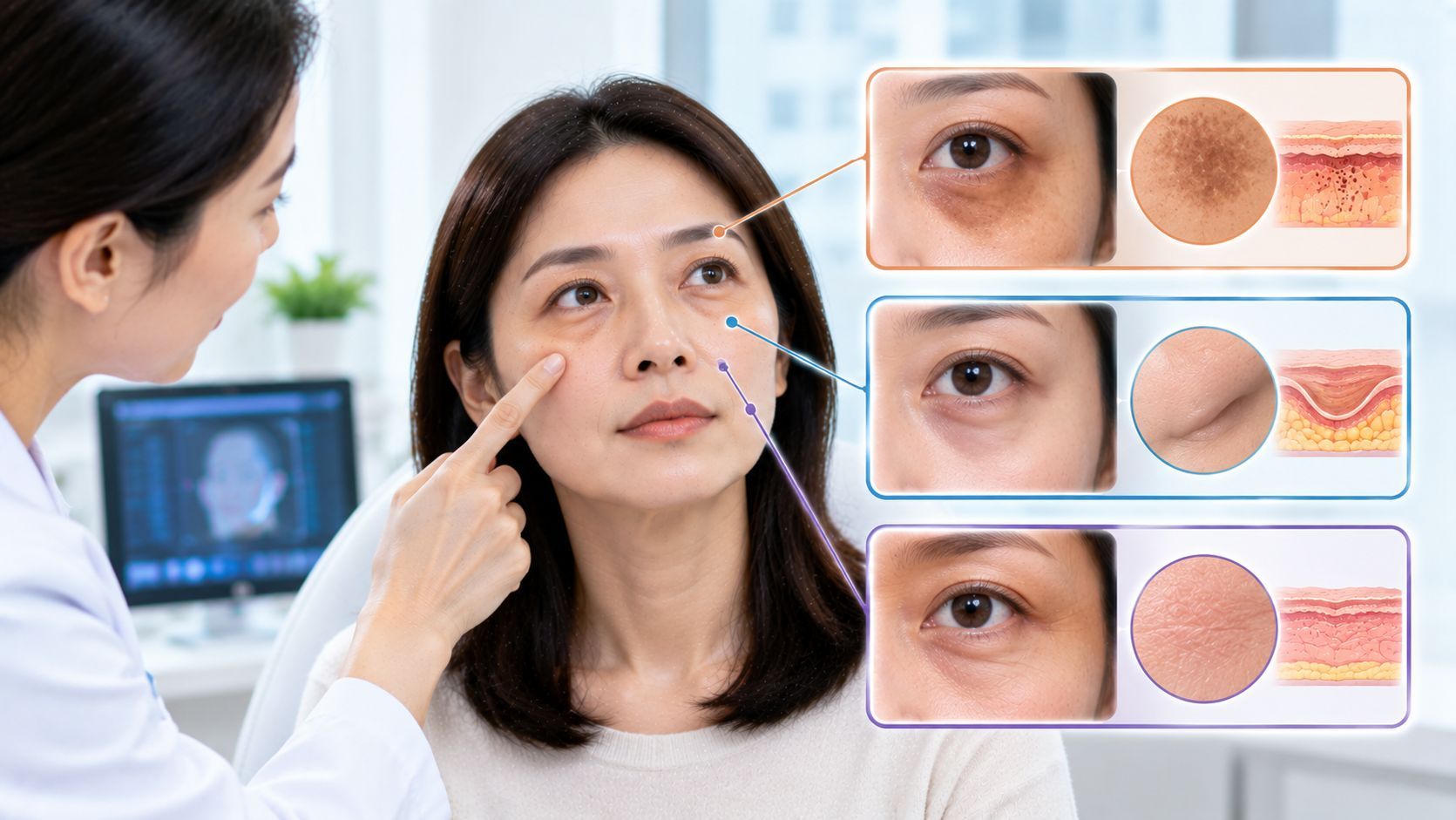
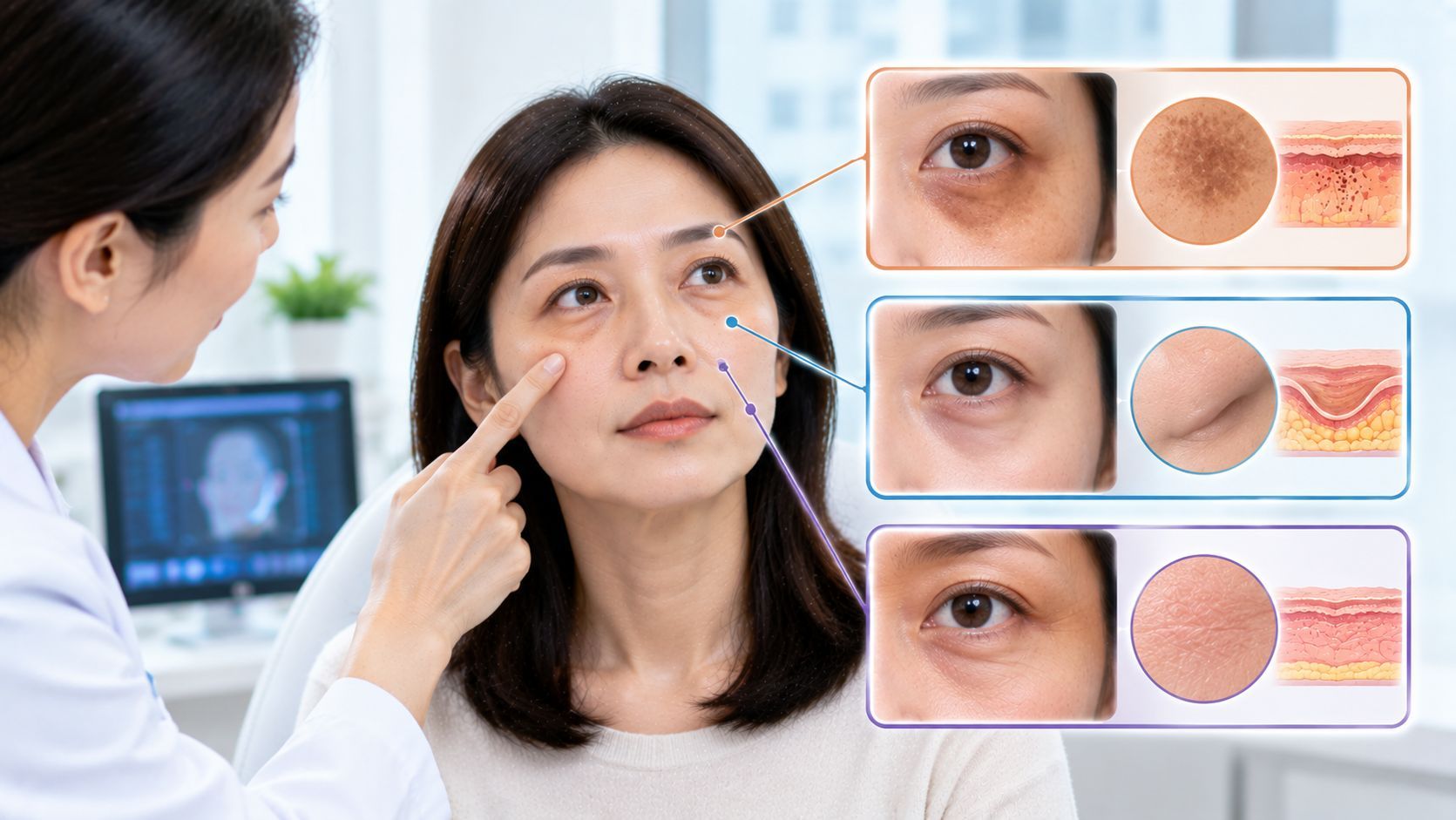
Melasma is one of the most challenging pigmentation conditions in dermatology because it is chronic, highly reactive, and easily worsened by heat, irritation, or overly aggressive treatment. In Korean dermatology, especially in Seoul clinics, melasma is treated very differently compared to general pigmentation. The focus is not on “removing it quickly,” but on stabilizing pigment activity, protecting the skin barrier, and preventing rebound pigmentation, which is one of the biggest risks in this condition.
Melasma Is Treated as a Chronic Condition, Not a Stain
Korean dermatologists generally do not treat melasma as a simple surface pigment issue.
Instead, they view it as:
- Hormone-influenced pigmentation
- Heat and inflammation-sensitive condition
- Deep and superficial pigment interaction
- Highly recurrence-prone disorder
Because of this, treatment is always cautious and long-term rather than aggressive or one-time correction.
Low-Energy Laser Strategy Is the Core Approach
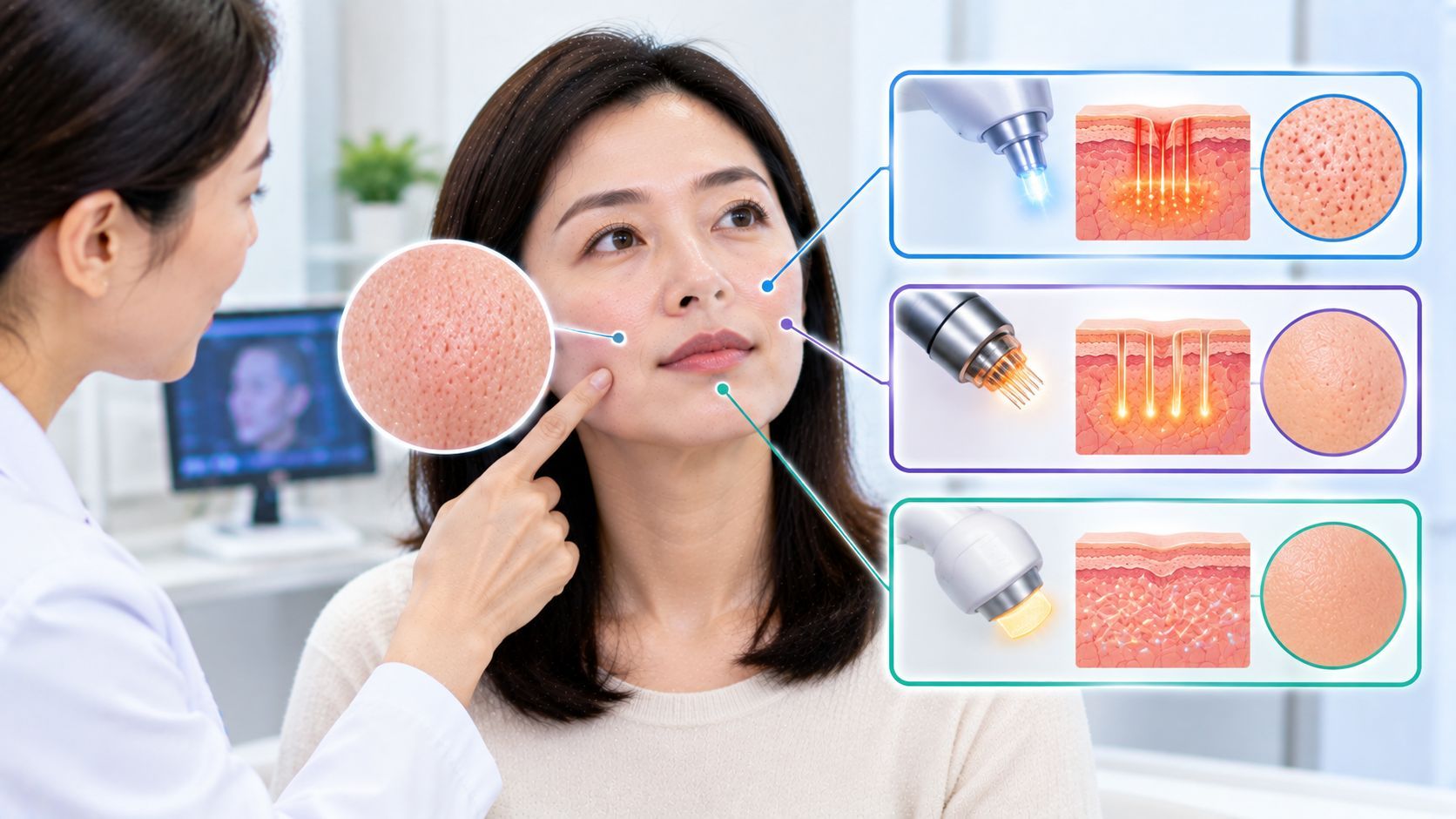
Unlike general pigmentation treatments that may use stronger lasers, melasma in Korea is treated with conservative laser settings.
Common options include:
- Low-energy Pico laser toning
- Gentle Nd:YAG toning
- Long-pulse pigment lasers
- Very controlled fractional laser protocols
The goal is to gradually reduce pigment activity without triggering inflammation, which can worsen melasma.
Strict Heat and Inflammation Control
One of the most important principles in Korean melasma treatment is avoiding excessive heat buildup.
Clinics carefully limit:
- High-energy laser passes
- Over-treatment in one session
- Strong thermal devices
- Aggressive resurfacing procedures
Because heat can stimulate melanocytes, Korean dermatologists prioritize low-inflammatory strategies.
Skin Barrier Repair Is Essential
Melasma is strongly linked to skin sensitivity and inflammation, so barrier repair is a central part of treatment.
Common supportive care includes:
- Hydration-focused skin boosters
- Rejuran for skin recovery
- PDRN-based injections
- Exosome support therapy
- Barrier-repair topical care
Strengthening the skin reduces flare-ups and improves long-term pigment stability.
Sun and Visible Light Protection Is Treated Seriously
Korean clinics emphasize that melasma cannot be controlled without strict photoprotection.
Patients are advised to use:
- High SPF sunscreen daily
- Tinted or iron-oxide-based sunscreens
- Physical sun protection (hats, shade)
- Blue light protection in some cases
Even visible light exposure is considered a trigger in stubborn cases.
Combination Therapy Is Carefully Balanced
Unlike acne scar or lifting treatments, melasma combination therapy must remain gentle.
Typical Korean protocol may include:
- Low-energy pigment laser
- Skin booster or regenerative injection
- LED calming therapy
- Barrier repair skincare
The combination is designed to reduce pigment activity without provoking inflammation.
Oral and Topical Support Is Often Included
Korean dermatologists frequently combine clinic treatments with medical skincare.
Common supportive ingredients include:
- Tranexamic acid (topical or oral)
- Niacinamide
- Mild depigmenting agents
- Anti-inflammatory formulations
These help suppress pigment production at a biological level rather than only treating visible color.
Why Aggressive Treatment Is Avoided
One of the biggest differences in Korean dermatology is caution against over-treatment.
Aggressive approaches can cause:
- Post-inflammatory hyperpigmentation
- Melasma rebound worsening
- Skin barrier damage
- Increased sensitivity
Because of this risk, Korean clinics prefer slow, controlled improvement over fast but unstable results.
Maintenance Is More Important Than Correction
Even after improvement, melasma requires ongoing maintenance.
Typical long-term plan includes:
- Periodic low-energy laser toning
- Regular skin booster sessions
- Strict sunscreen adherence
- Seasonal flare-up management
Korean dermatologists often explain that melasma is managed, not fully cured.
Final Thoughts
Korean clinics treat melasma with a cautious, layered approach focused on controlling pigment activity rather than aggressively removing it. Low-energy lasers, skin barrier repair, regenerative injectables, and strict sun protection are combined to prevent inflammation and rebound pigmentation. This careful strategy reflects a key principle in Korean dermatology: with melasma, stability and long-term control are far more important than fast correction.