Best Korean Treatments for Post-Acne Redness
Best Korean Treatments for Post-Acne Redness
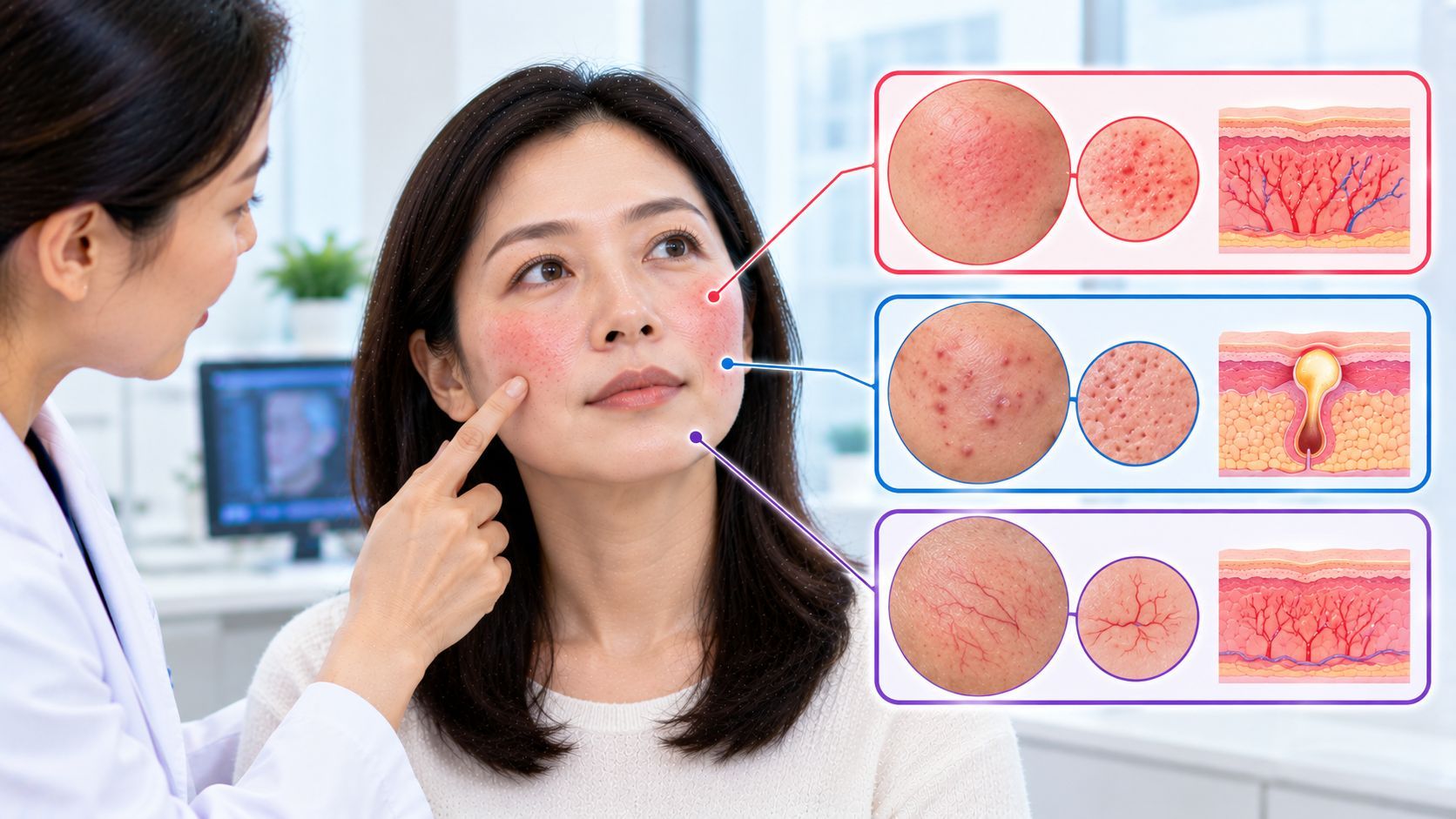
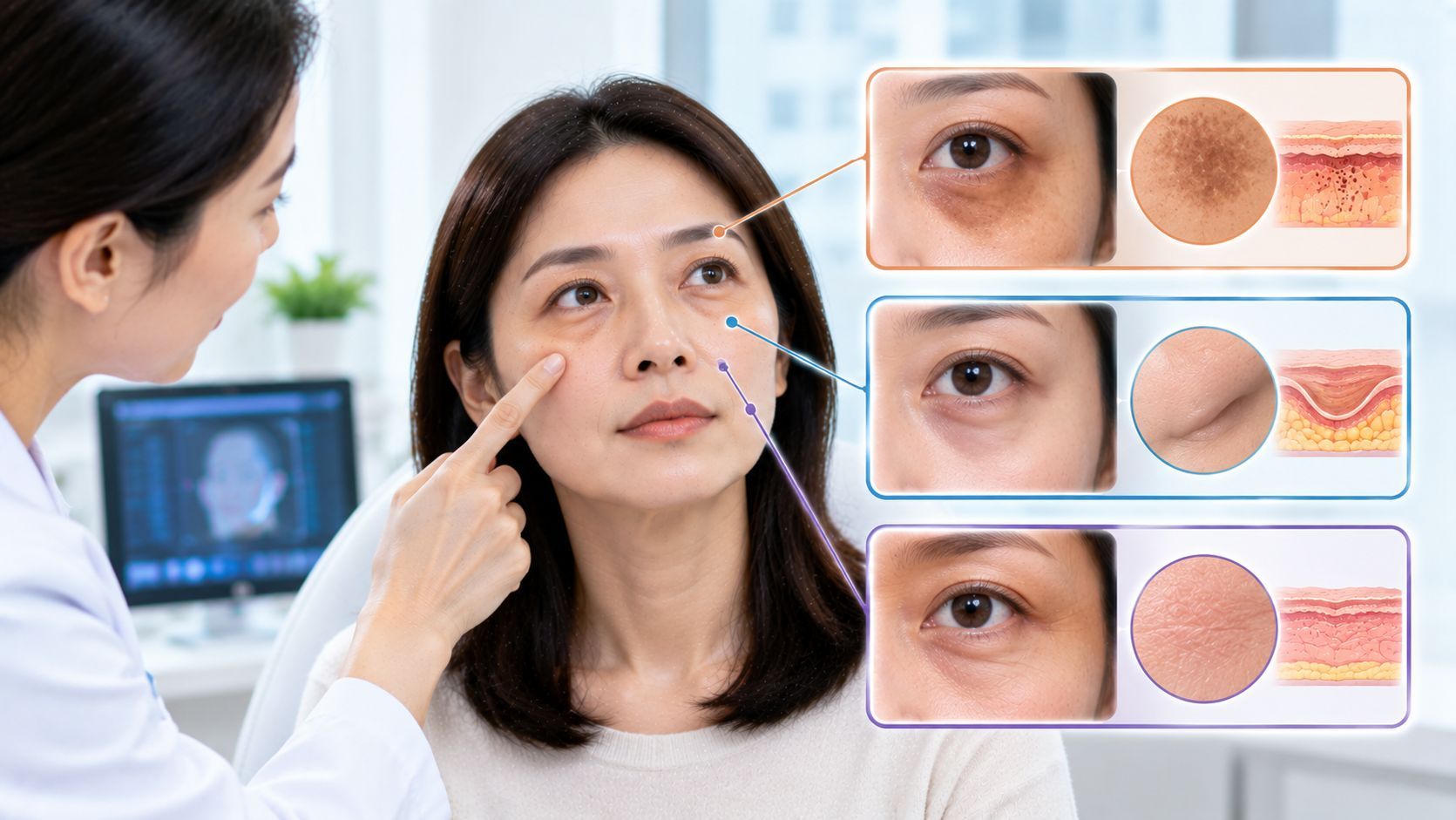
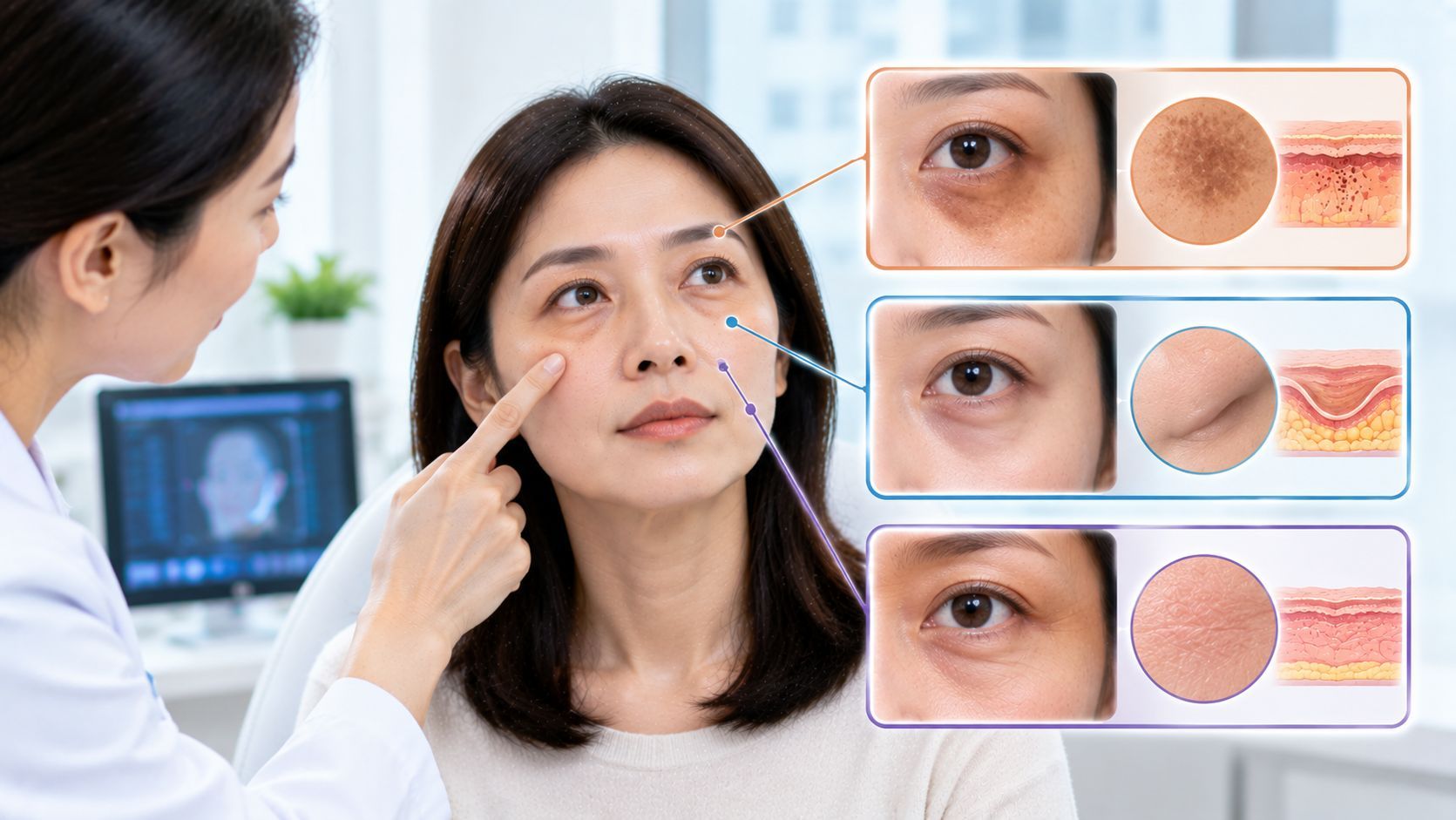
Post-acne redness (often called PIE, or post-inflammatory erythema) is one of the most commonly treated skin concerns in Korean dermatology. In Seoul clinics, especially in Gangnam, it is not treated as simple “leftover acne marks,” but as a vascular and inflammatory condition involving dilated capillaries and skin sensitivity. Because of this, Korean dermatologists typically use vascular lasers, calming light therapies, and regenerative treatments rather than aggressive resurfacing alone.
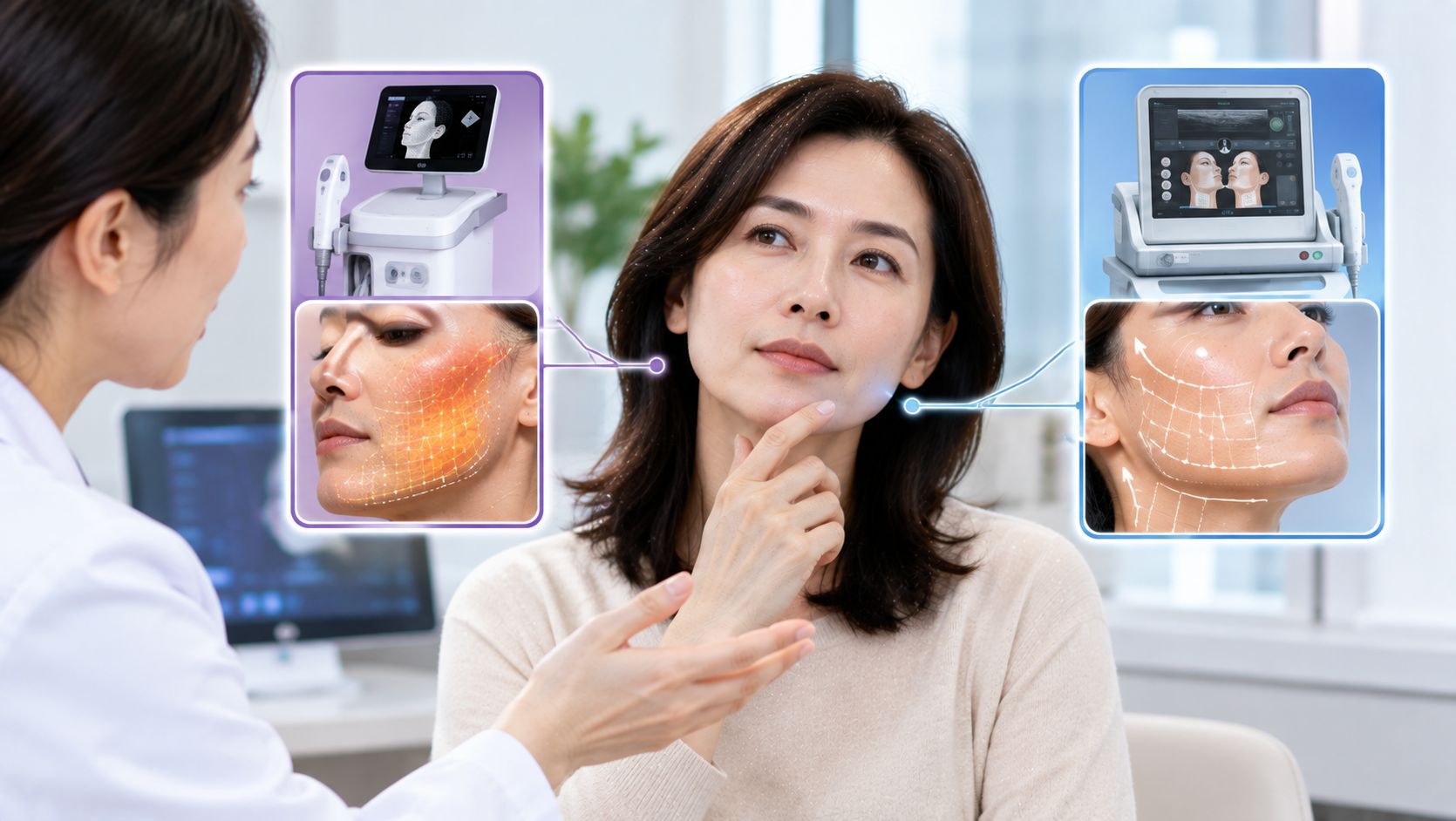
VBeam (Pulsed Dye Laser) — The Gold Standard for Redness
VBeam is considered the most effective treatment for persistent post-acne redness in Korea.
It works by targeting hemoglobin in blood vessels to reduce visible redness.
Common uses include:
- Red acne marks (PIE)
- Facial flushing
- Broken capillaries
- Rosacea-related redness
Because it directly treats blood vessels, it is often the first-choice laser in Korean clinics for stubborn redness cases.
IPL (Intense Pulsed Light) — For Diffuse Redness and Tone
IPL is widely used in Korea for milder or more widespread redness.
It is effective for:
- Diffuse post-acne redness
- Uneven skin tone
- Mild pigmentation + redness combination
- General skin brightening
Unlike VBeam, IPL has a broader wavelength range, so it improves both redness and overall tone in a single session.
Nd:YAG Laser — For Deeper Vascular Issues
Nd:YAG lasers are used when redness is deeper or more resistant.
Korean dermatologists often choose it for:
- Persistent vascular redness
- Deeper capillary concerns
- Combination redness with inflammation
- Sensitive skin that cannot tolerate stronger lasers
It is often used alongside VBeam or IPL in combination protocols.
Pico Laser — For Mixed Red + Brown Marks
While Pico laser is mainly known for pigmentation, it is frequently used in Korea when redness overlaps with early pigmentation.
It helps with:
- Post-acne marks that are both red and brown
- Texture and tone irregularities
- Overall skin clarity improvement
It is often part of combination treatment plans rather than a standalone redness solution.
Laser Genesis / Low-Energy Lasers — For Sensitive Skin
For patients with sensitive or reactive skin, Korean clinics often use gentle maintenance lasers.
Benefits include:
- Calming inflammation
- Reducing mild redness
- Strengthening skin barrier over time
- Minimal downtime
These are commonly used in early-stage or long-term maintenance plans.
Skin Boosters — Strengthening the Skin Barrier
In Korean dermatology, redness is not treated with lasers alone. Skin boosters are often used to support healing and reduce recurrence.
Common options include:
- Rejuran (skin repair and regeneration)
- PDRN-based injections
- Hydration boosters
- Exosome therapies
These help improve skin resilience so redness is less likely to persist or return.
LED Therapy — Recovery and Calming Support
LED light therapy is commonly used after laser or injection treatments.
It helps:
- Reduce inflammation
- Speed up healing
- Calm irritated skin
- Support vascular recovery
It is especially popular in Korea because it has no downtime and fits into multi-step treatment sessions.
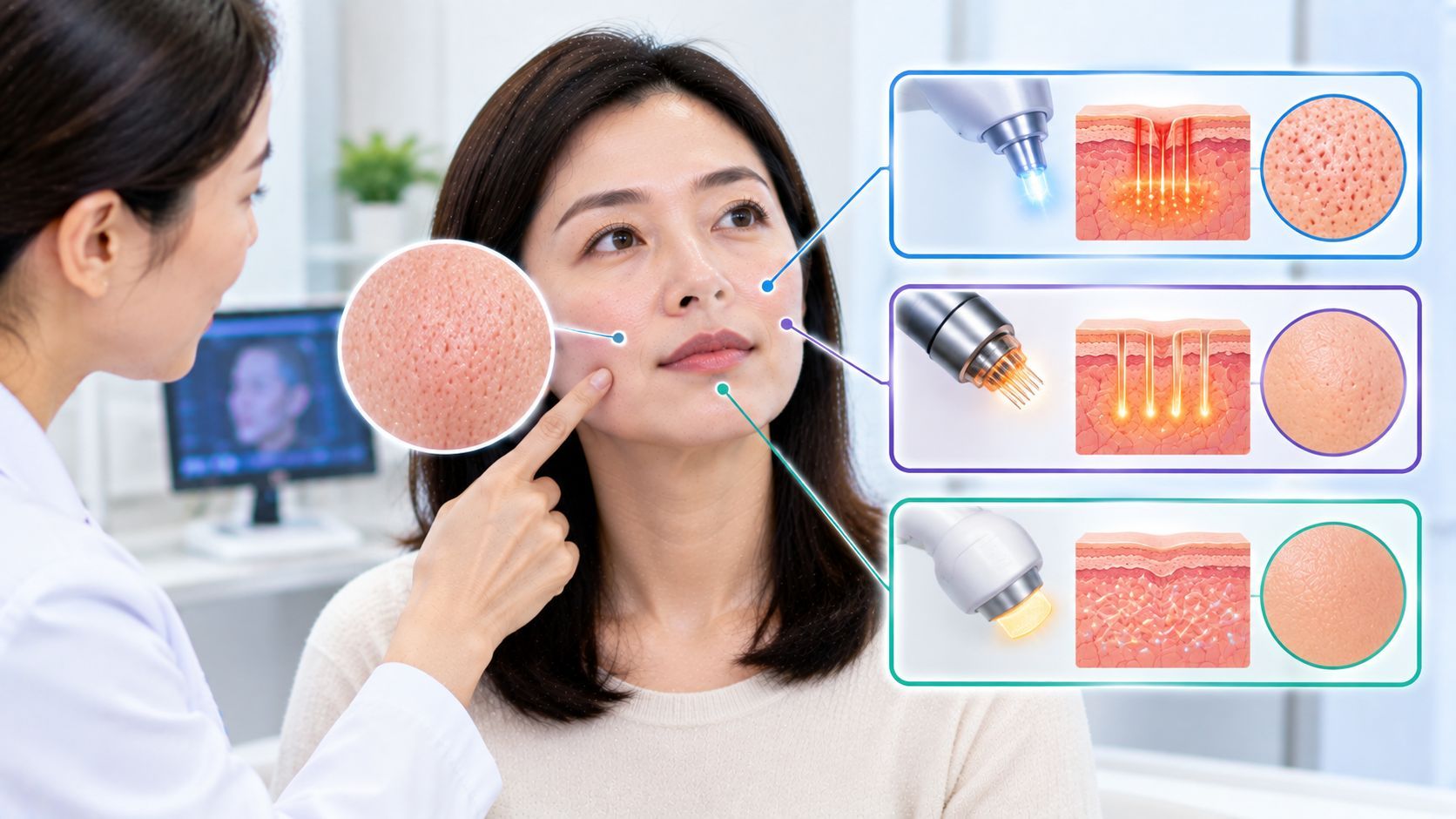
Combination Treatment Is the Korean Standard
Rather than relying on one device, Korean clinics typically combine multiple methods.
A common redness treatment plan may include:
- VBeam for vascular redness
- IPL for tone improvement
- Skin boosters for healing
- LED for recovery
This layered approach improves both short-term redness and long-term skin stability.
Why Korean Dermatology Treats Redness Early
Korean clinics emphasize early treatment of post-acne redness because:
- It can become long-lasting if untreated
- It may evolve into pigmentation
- It reflects underlying inflammation
- Early intervention improves final skin quality
This is why redness is often treated alongside acne, not after it fully resolves.
Final Thoughts
Post-acne redness in Korea is treated primarily with vascular-focused lasers like VBeam, supported by IPL, Nd:YAG, and gentle maintenance lasers depending on skin sensitivity and severity. Korean dermatology also strongly integrates regenerative treatments such as skin boosters and LED therapy to strengthen the skin barrier and reduce recurrence. Overall, the Korean approach focuses on combining vascular control with skin recovery, resulting in smoother, calmer, and more even-toned skin over time.