Korean Dermatology for Sensitive Skin Types
Korean Dermatology for Sensitive Skin Types
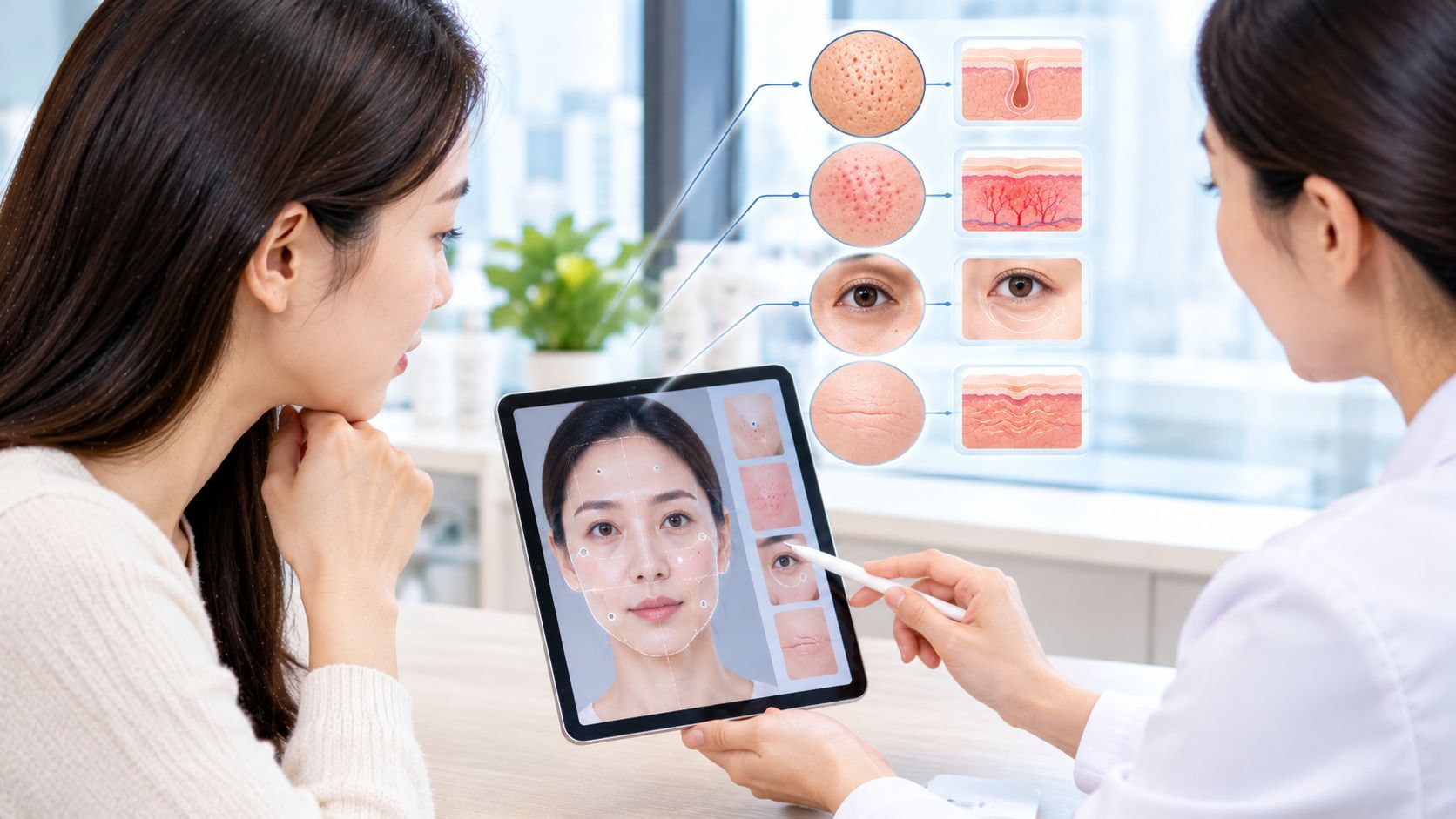
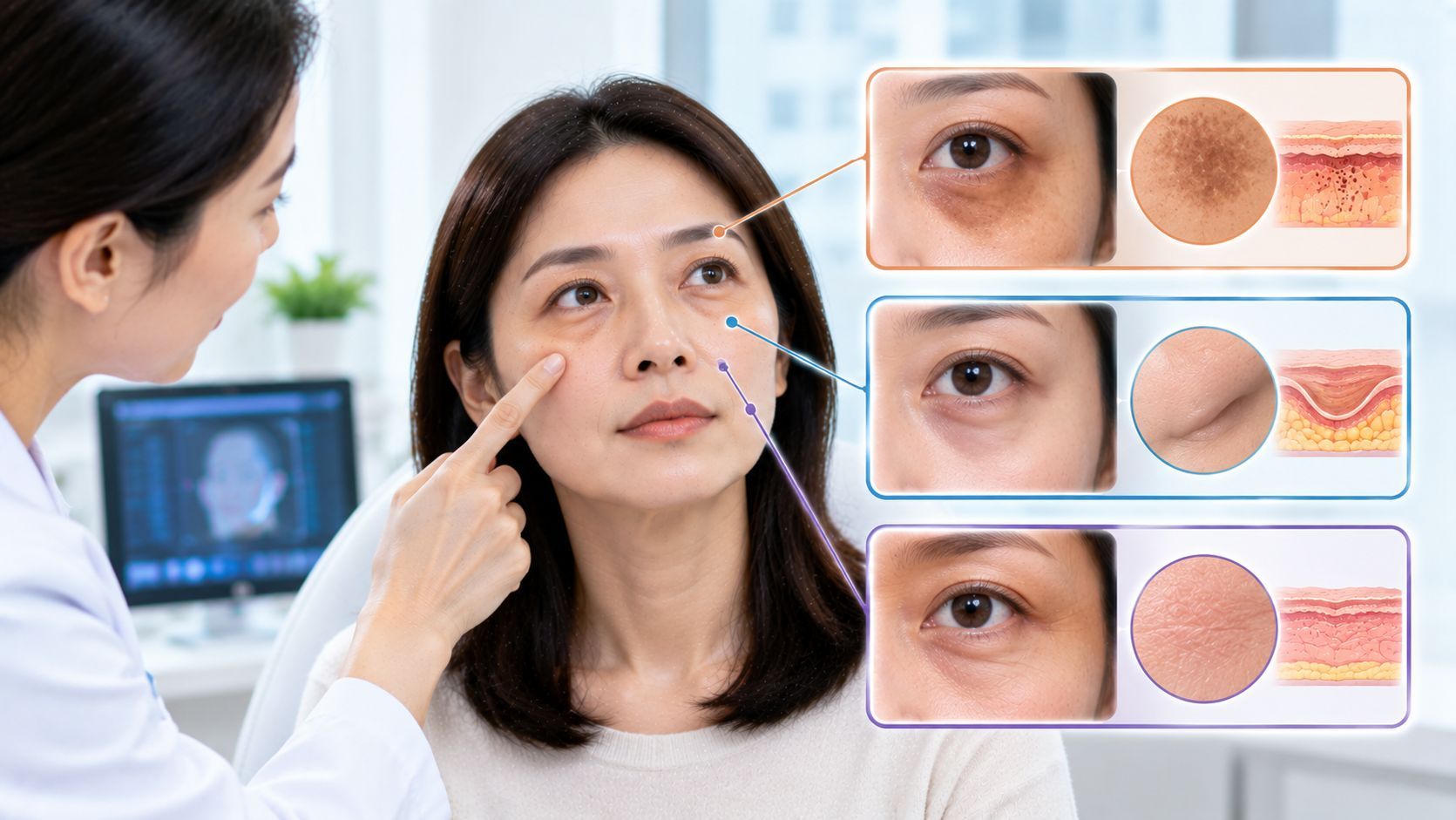
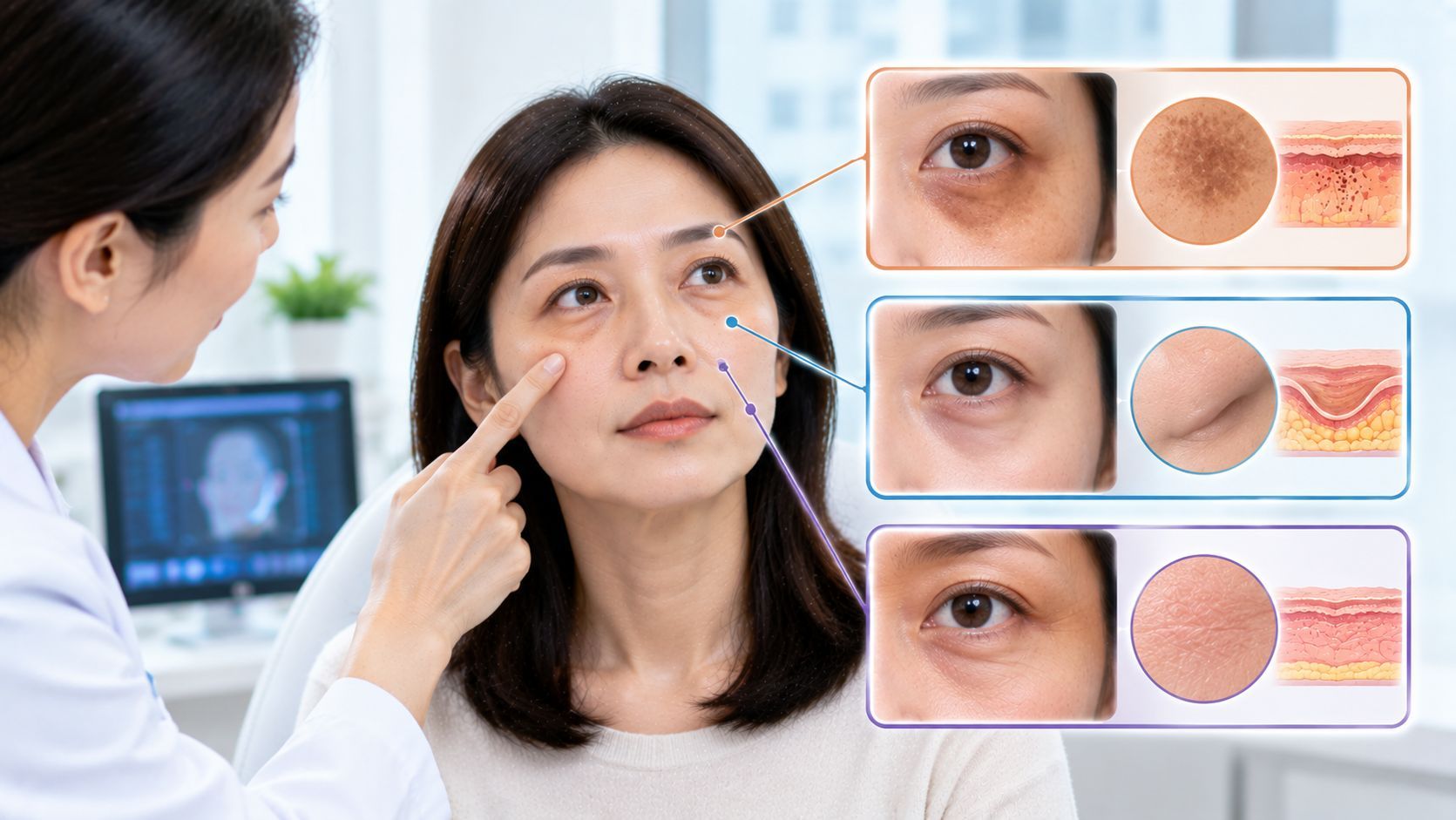
Sensitive skin is one of the most frequently seen conditions in Korean dermatology clinics, especially in urban environments like Seoul where stress, pollution, and frequent skincare use can weaken the skin barrier. In Korean aesthetic medicine, sensitive skin is not treated as a single diagnosis but as a combination of barrier dysfunction, inflammation, and over-reactivity. Because of this, treatment strategies focus heavily on calming, rebuilding, and strengthening the skin rather than aggressive correction.
Sensitive Skin Is Treated as a Barrier Problem
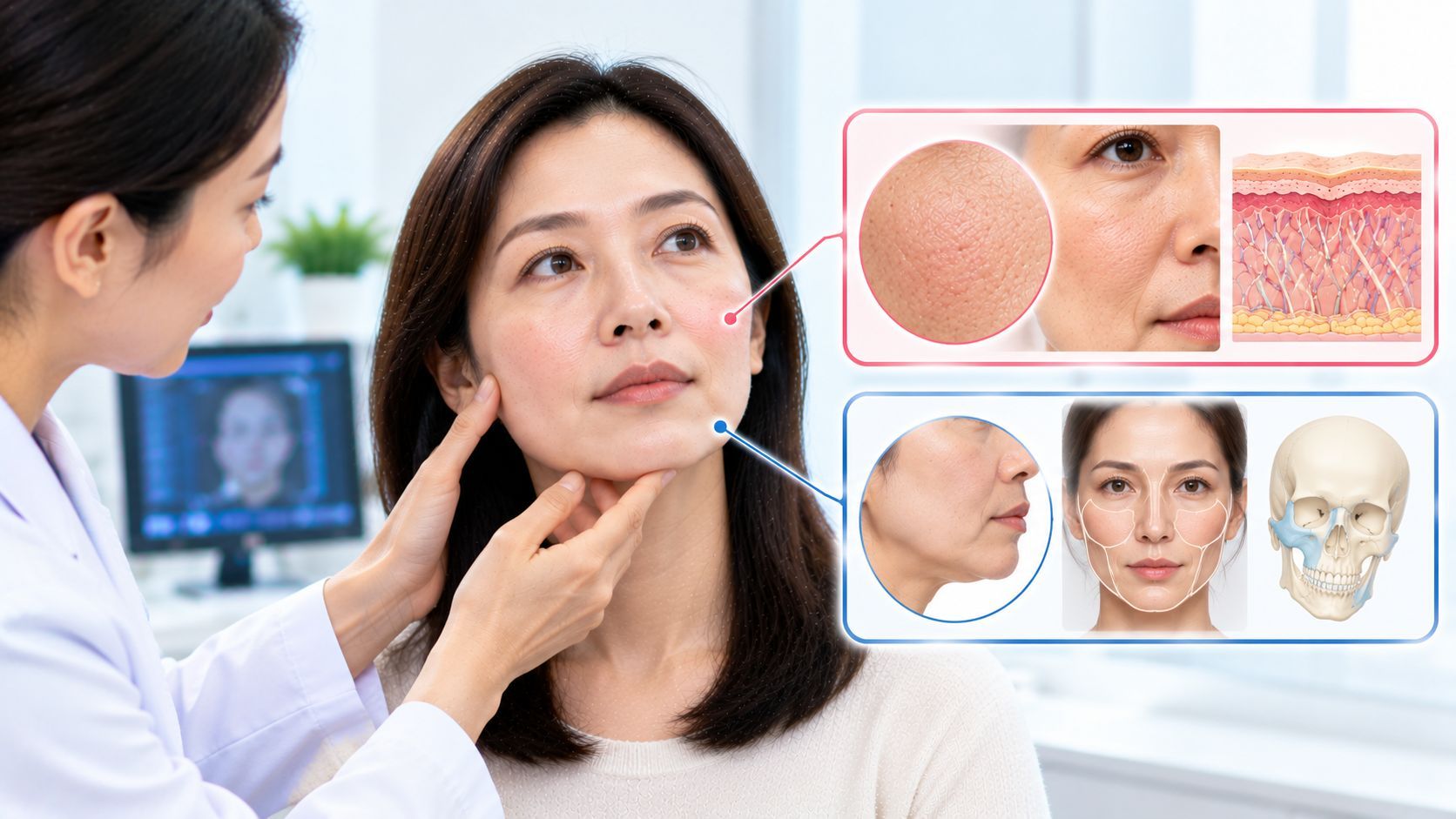
Korean dermatologists primarily view sensitive skin as a compromised skin barrier issue rather than just “reactive skin.”
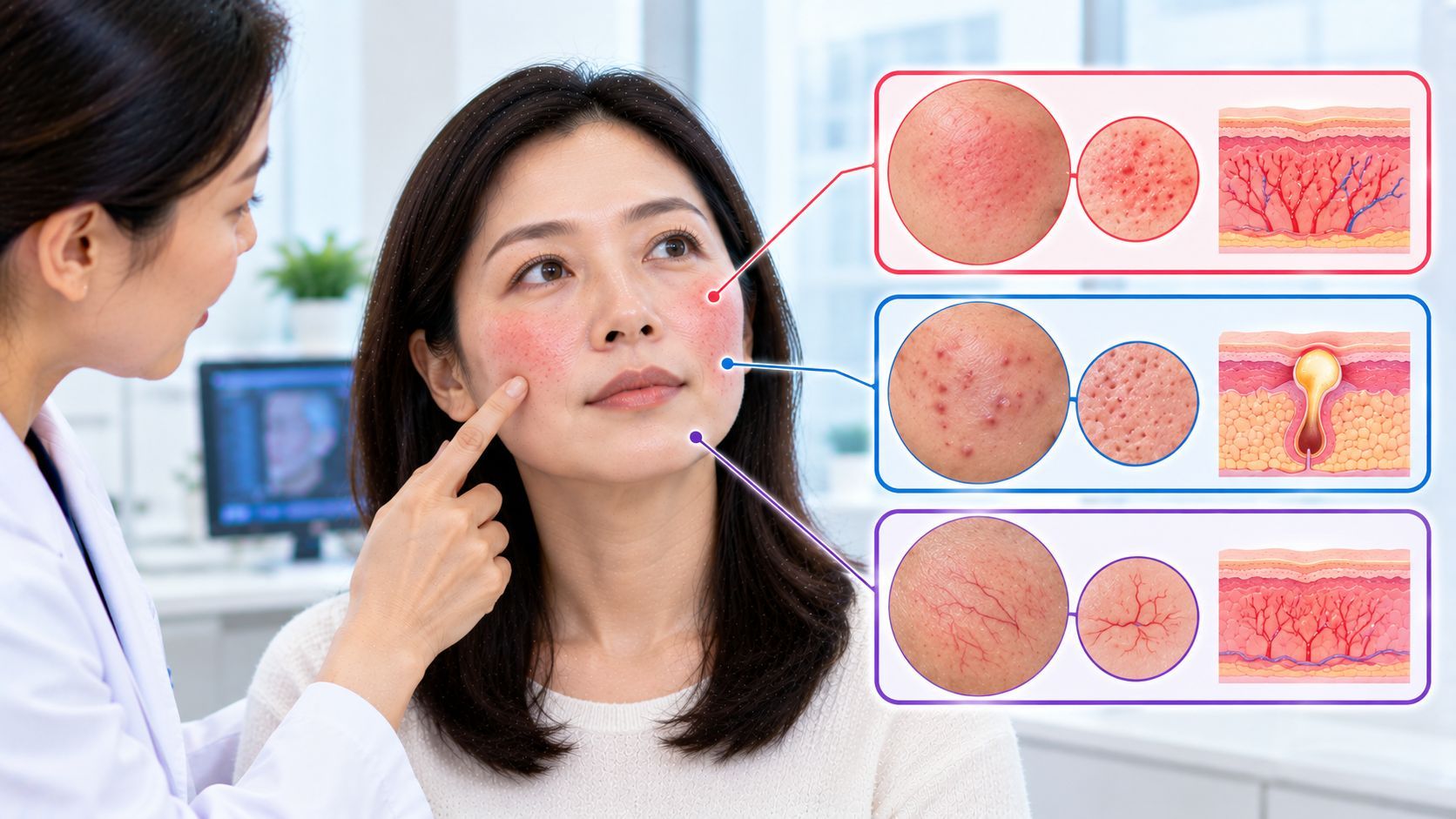
Common characteristics include:
- Redness and flushing
- Tightness after cleansing
- Burning or stinging sensations
- Rapid irritation from products
- Increased dryness or oil imbalance
Treatment is designed to restore stability rather than aggressively resurface the skin.
Barrier Repair Comes First in Treatment Plans
Before introducing lasers or active treatments, Korean clinics prioritize skin barrier recovery.
Common approaches include:
- Hydration-focused skin boosters
- PDRN and Rejuran injections
- Gentle moisturizing treatments
- Anti-inflammatory skincare regimens
- Minimal exfoliation protocols
Strengthening the barrier reduces reactivity and improves tolerance for future treatments.
Low-Intensity Laser Therapy Is Preferred
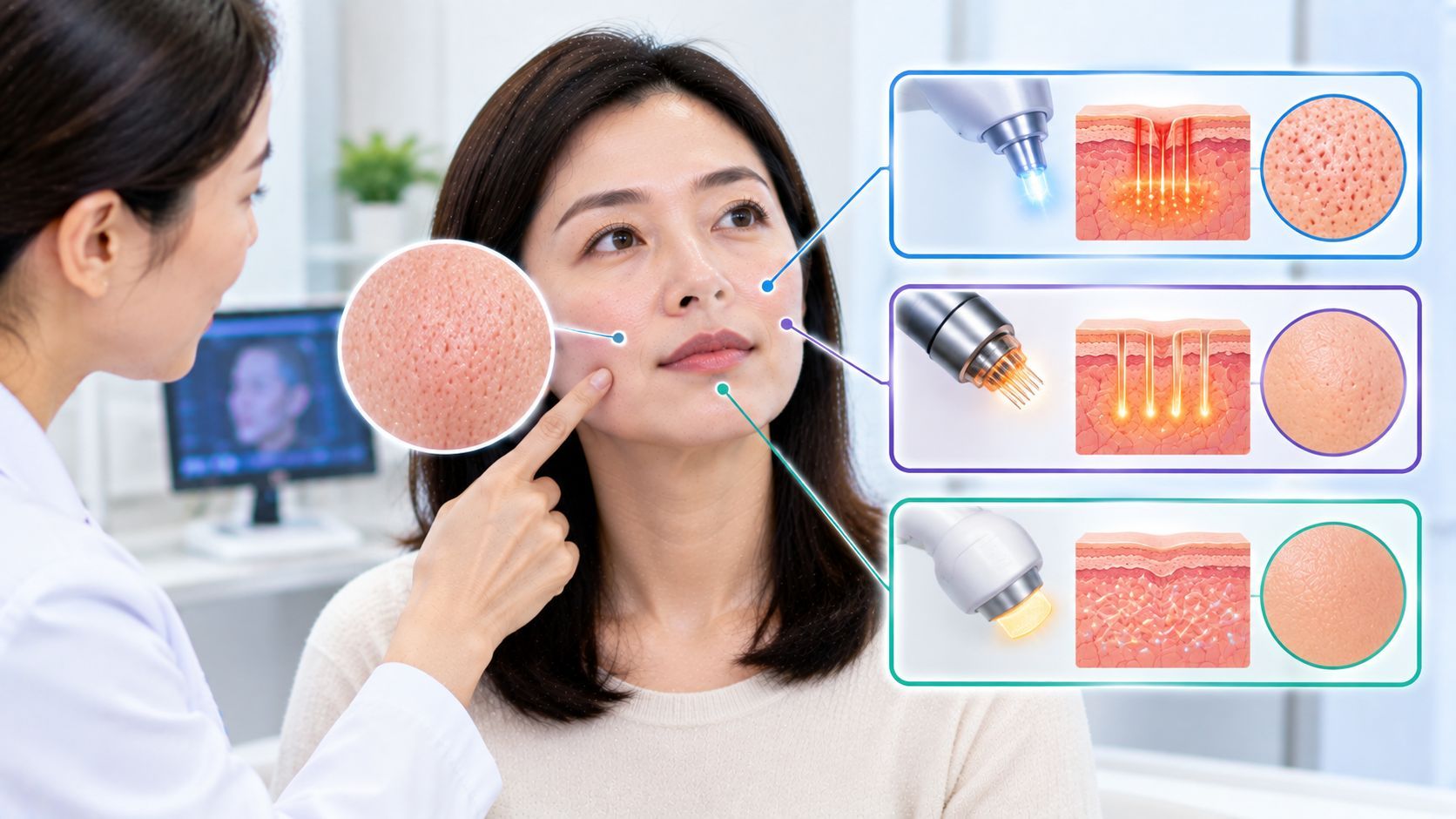
When lasers are used for sensitive skin, Korean dermatologists choose low-energy or calming settings.
Common options include:
- Gentle Pico toning
- Low-fluence Nd:YAG laser
- Laser Genesis-style treatments
- Mild pigment correction protocols
These treatments aim to improve tone and texture without triggering inflammation or heat sensitivity.
Avoidance of Aggressive Procedures
For sensitive skin types, Korean clinics typically avoid or limit:
- High-energy fractional lasers
- Deep chemical peels
- Strong resurfacing treatments
- Overuse of RF microneedling
- Excessive exfoliation systems
The priority is preventing further irritation rather than achieving rapid transformation.
Skin Boosters Play a Central Role
Skin boosters are a cornerstone of sensitive skin treatment in Korea because they improve hydration and repair without stressing the skin.
Common options include:
- Rejuran for skin healing
- PDRN-based regenerative injections
- Hyaluronic acid boosters
- Exosome-based recovery support
These help reduce inflammation and improve overall skin resilience.
LED Therapy and Calming Treatments Are Widely Used
LED light therapy is frequently used as a supportive treatment for sensitive skin.
It helps:
- Reduce inflammation
- Calm redness
- Speed up skin recovery
- Support barrier repair
Because it is non-invasive, it is often included after most dermatology procedures.
Customized Skincare Is a Key Part of Management
Korean dermatologists often provide structured skincare routines for sensitive patients.
These usually include:
- Fragrance-free cleansers
- Barrier-repair moisturizers
- Low-irritation sunscreens
- Minimal active ingredients
- Gradual reintroduction of actives if tolerated
The goal is to stabilize the skin before introducing more advanced treatments.
Combination Treatments Are Carefully Controlled
When multiple treatments are used, Korean clinics ensure they are low-intensity and well-spaced.
A typical sensitive skin protocol may include:
- Gentle laser toning
- Skin booster injection
- LED calming therapy
- Barrier repair skincare
Unlike other skin concerns, the combination is intentionally conservative.
Long-Term Stabilization Is the Main Goal
Sensitive skin treatment in Korea is not about quick fixes.
Instead, the focus is on:
- Reducing flare-ups
- Strengthening long-term resilience
- Preventing irritation cycles
- Maintaining stable skin condition
Patients are often advised to think in terms of months, not days, for improvement.
Final Thoughts
Korean dermatology approaches sensitive skin with a strong focus on barrier repair, inflammation control, and gradual stabilization rather than aggressive correction. Low-energy lasers, regenerative skin boosters, LED therapy, and simplified skincare routines are combined to restore skin resilience over time. The overall goal is not to “treat quickly,” but to build a stable, healthy skin environment that can tolerate treatments and maintain long-term balance.