How Koreans Treat Enlarged Pores
How Koreans Treat Enlarged Pores
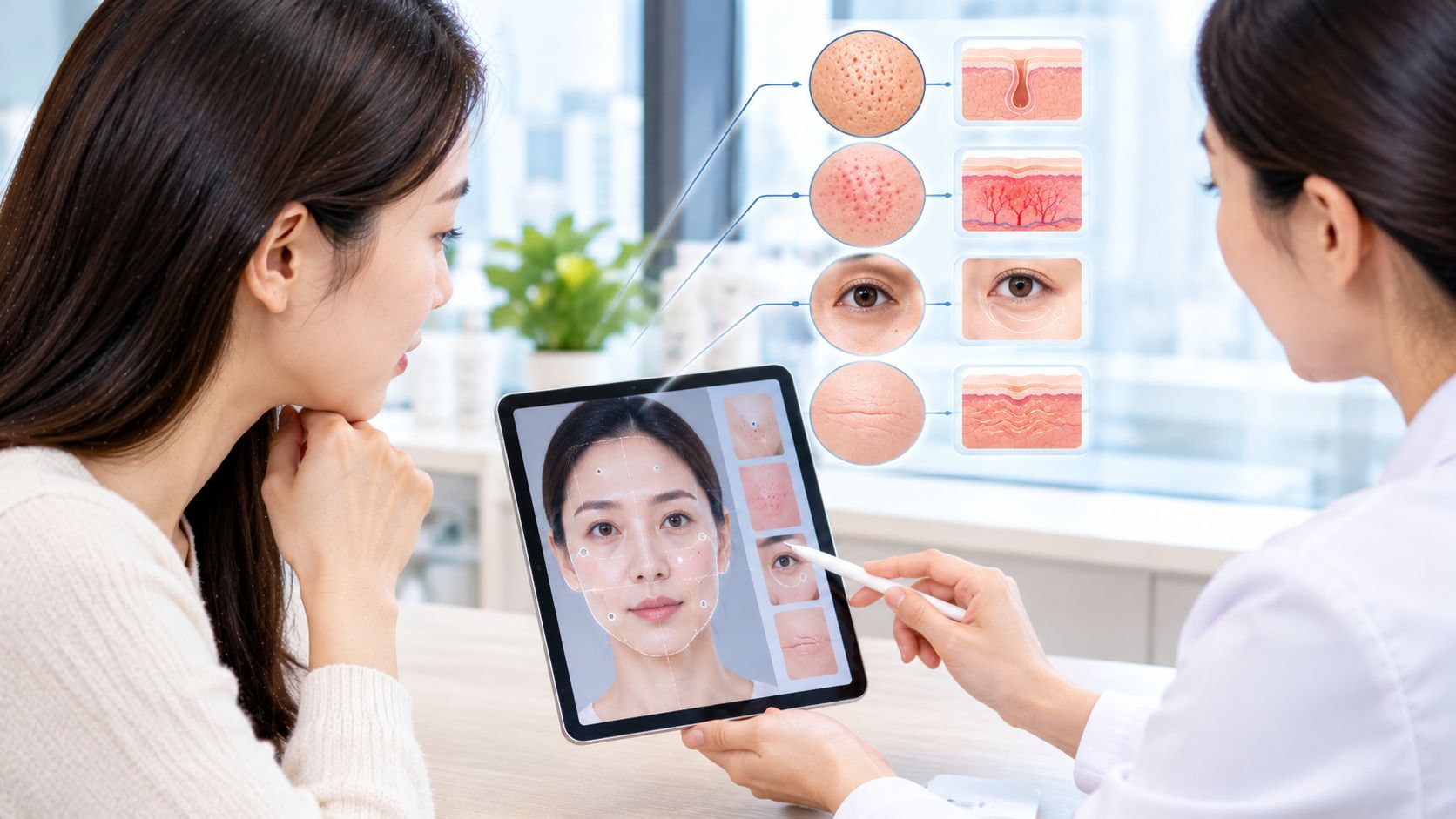
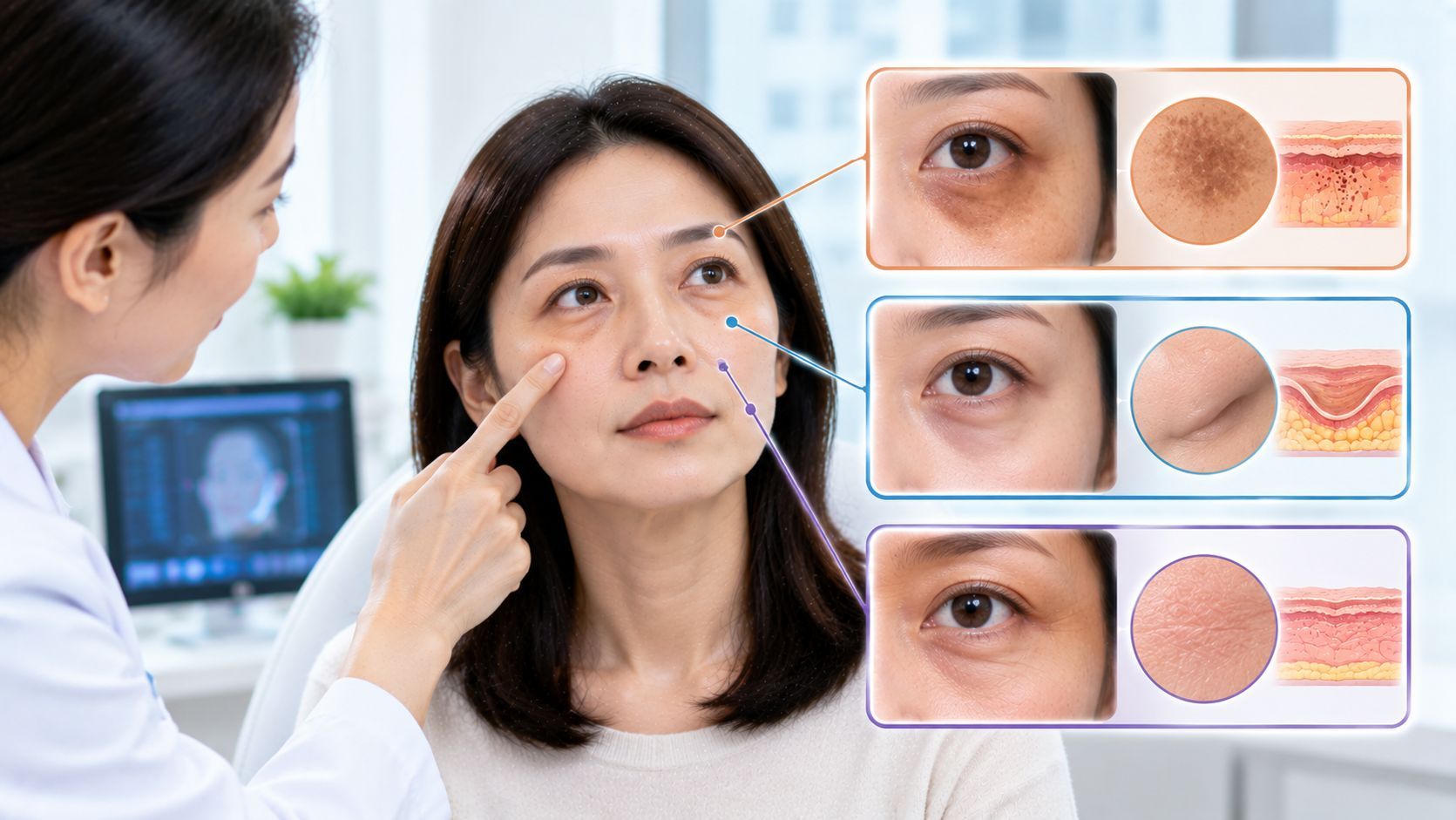
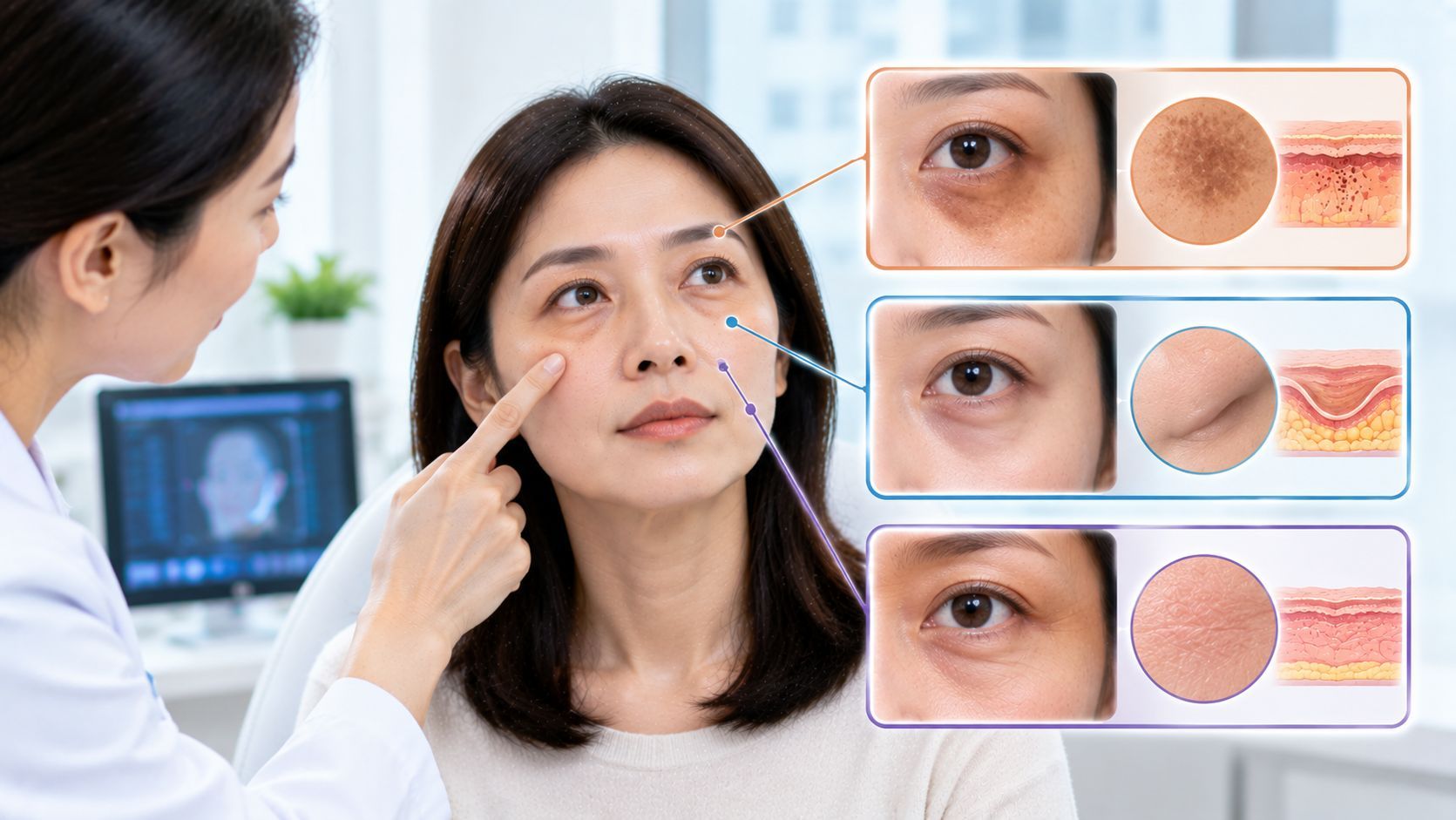
Enlarged pores are one of the most commonly treated skin concerns in Korean dermatology, especially in Seoul where patients often prioritize smooth, refined “glass-like” skin texture. Unlike approaches that rely on a single tightening method, Korean clinics treat enlarged pores as a multi-factor condition involving oil production, skin elasticity, collagen loss, and surface texture. Because of this, treatment strategies in Korea are typically layered, combining lasers, energy devices, skin boosters, and medical skincare.
Pores Are Treated as a Skin Structure Problem
Korean dermatologists do not view enlarged pores as just “open holes” on the skin.
Instead, they are linked to:
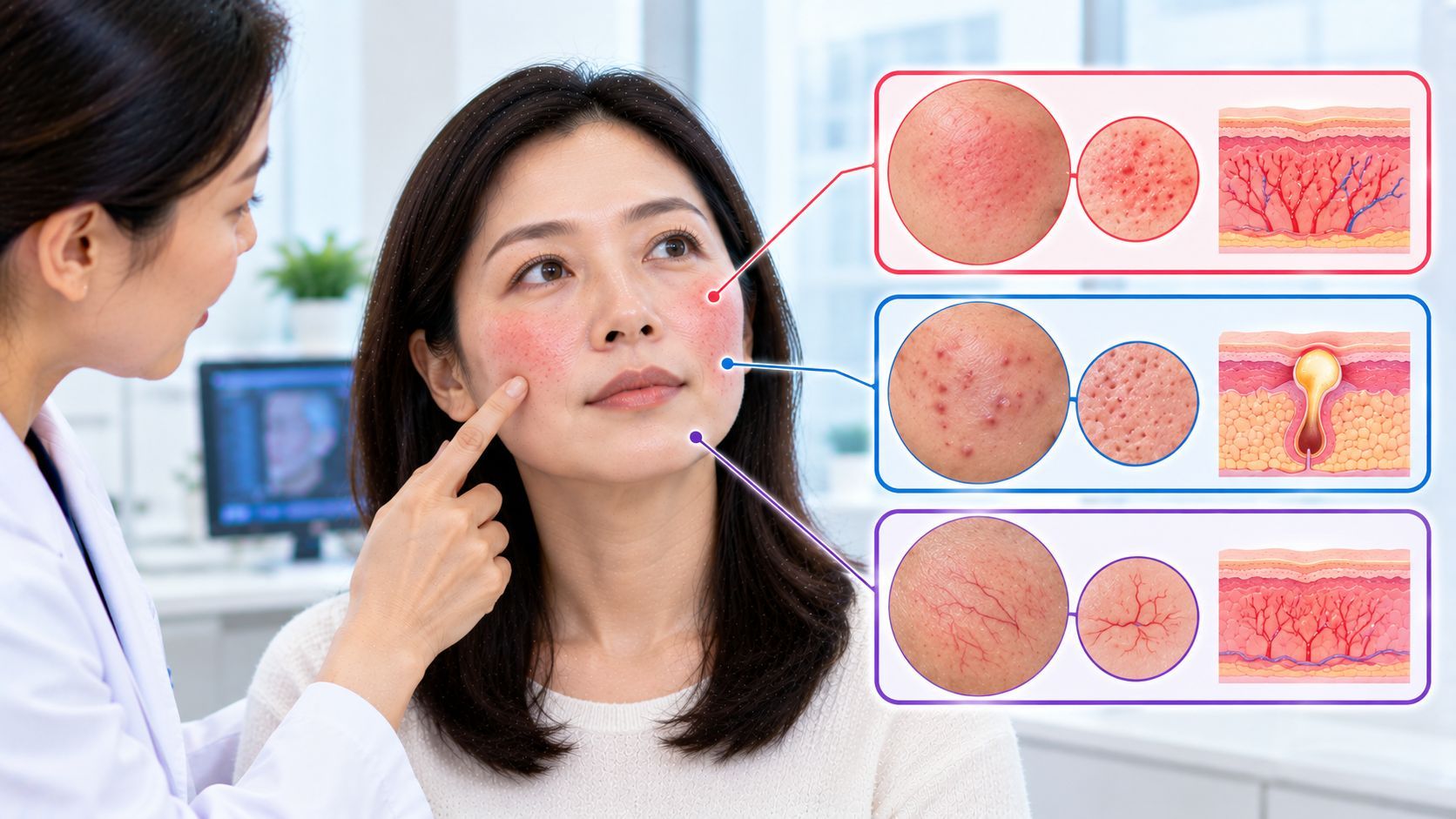
- Excess sebum production
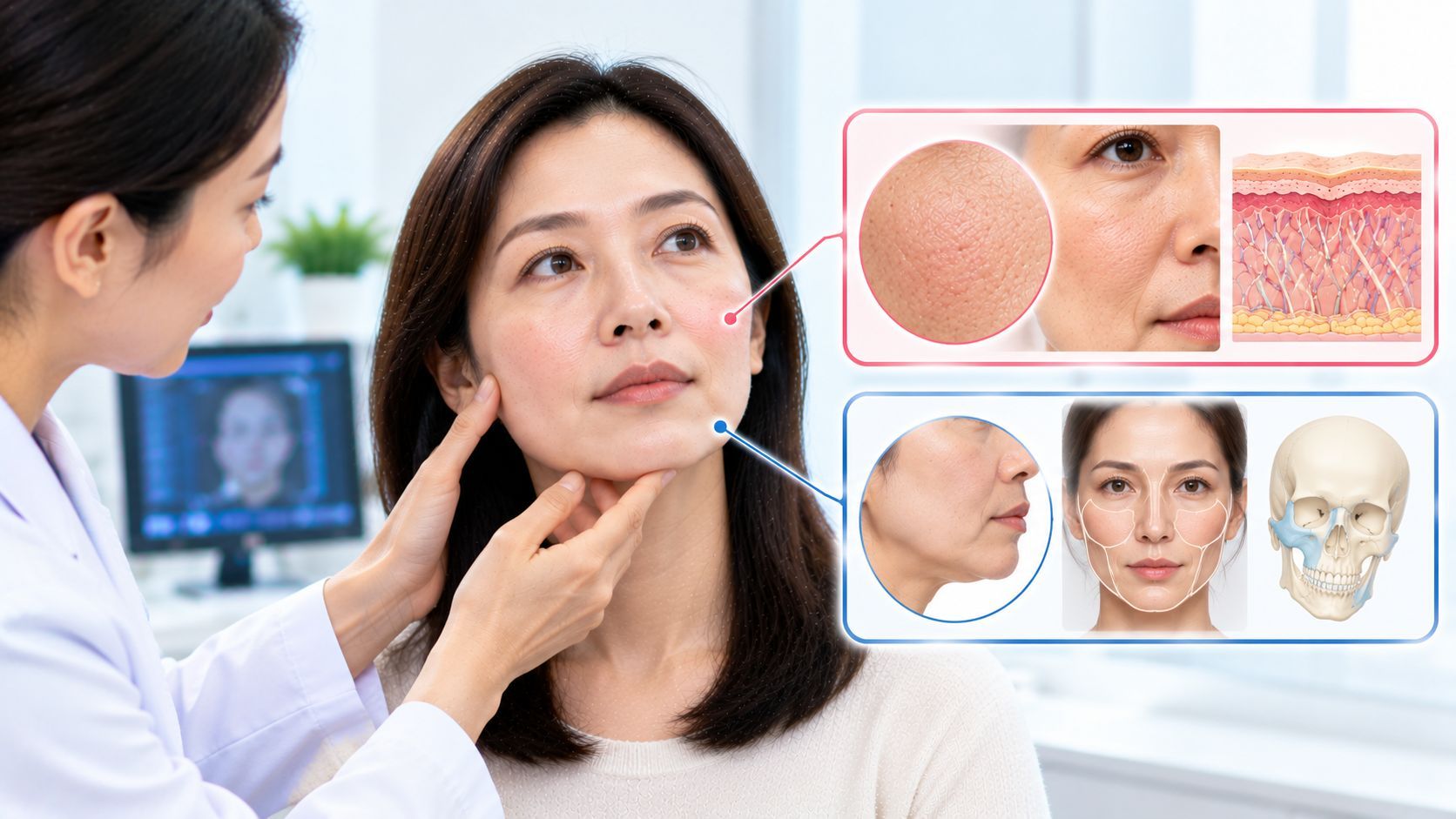
- Reduced collagen support
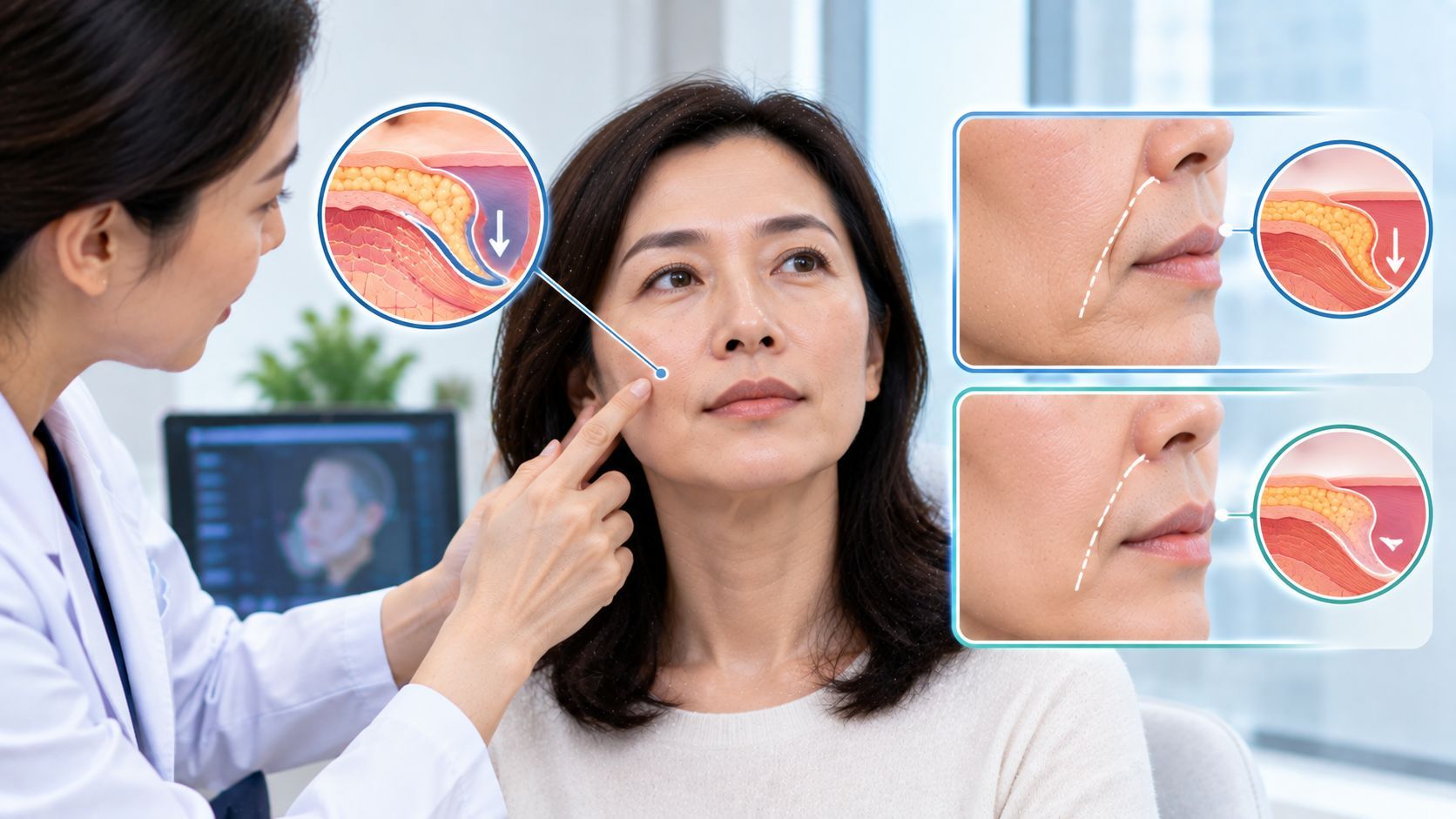
- Skin laxity
- Thickened skin texture
- Post-acne changes
This means treatment must address both oil control and structural tightening.
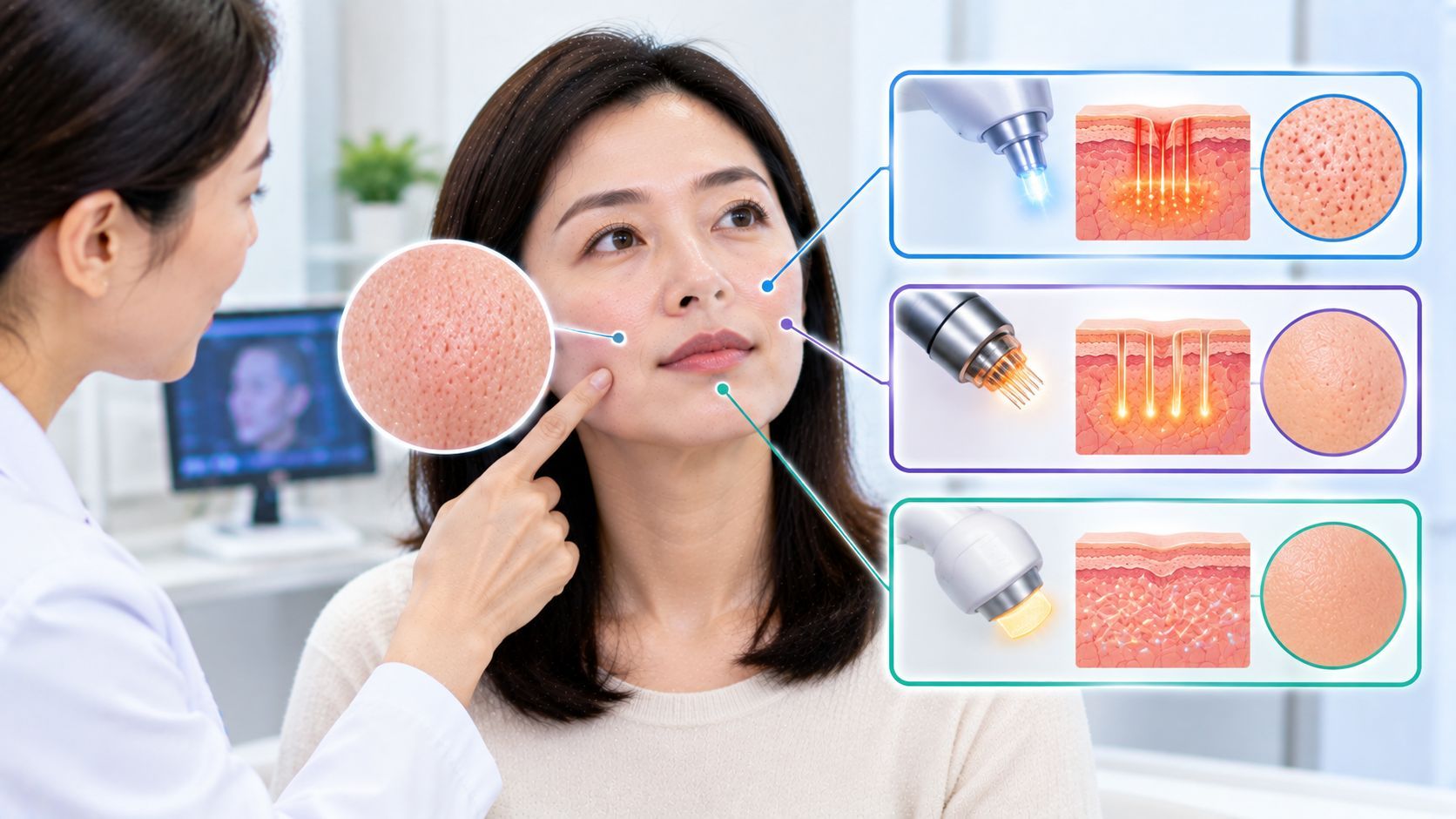
RF Microneedling Is a Core Treatment
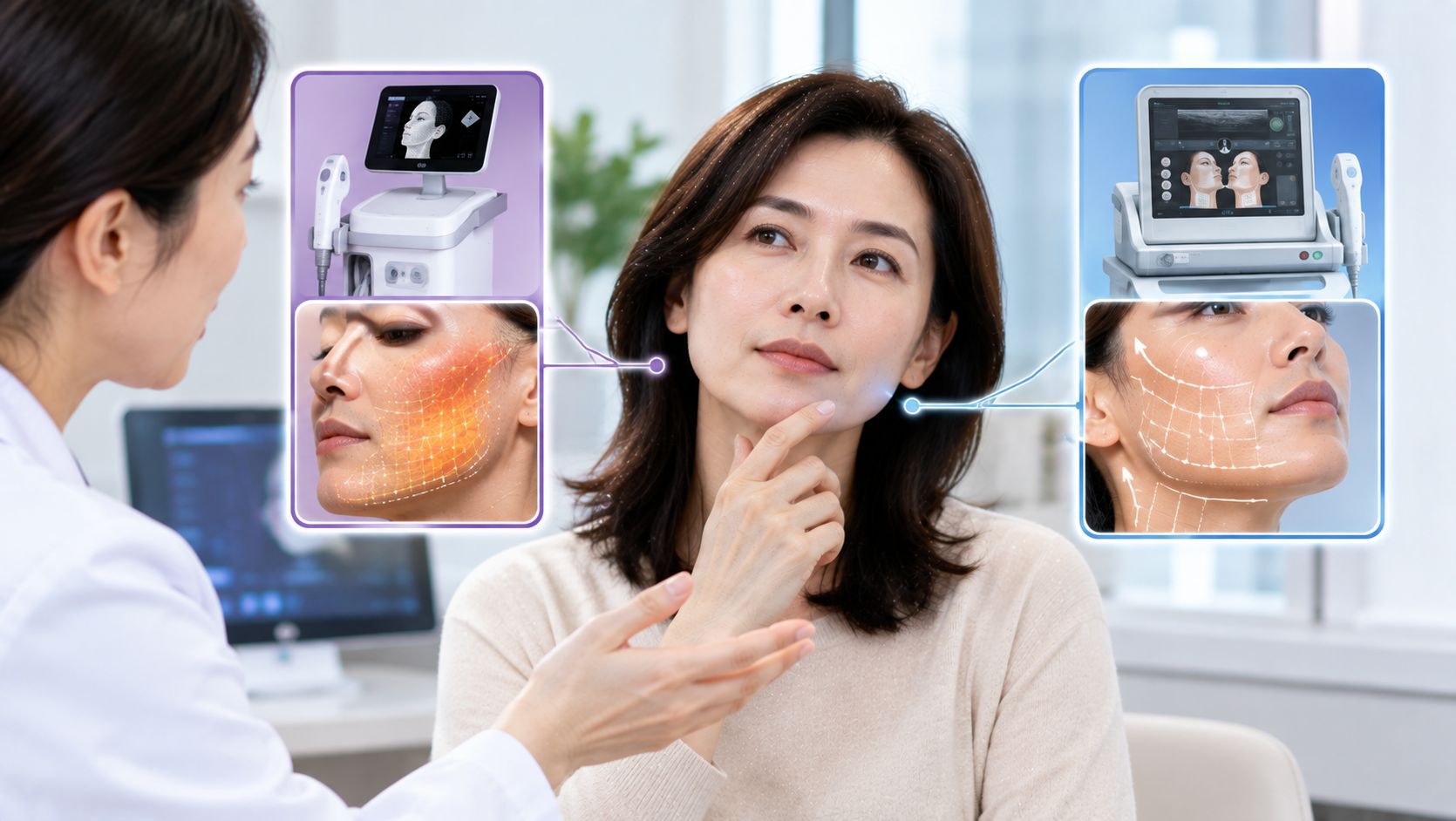
RF microneedling is one of the most widely used procedures in Korea for pore refinement.
It helps by:
- Delivering heat energy into the dermis
- Stimulating collagen remodeling
- Tightening pore walls
- Improving overall texture
It is especially effective for patients with both enlarged pores and acne scars.
Laser Treatments Focus on Texture and Oil Control
Korean clinics frequently use lasers as part of pore treatment programs.
Common options include:
- Pico laser toning for skin refinement
- Fractional lasers for texture remodeling
- Nd:YAG low-fluence toning for oil balance
- Gentle resurfacing lasers for smoothing
These treatments help improve surface irregularities while supporting collagen regeneration.
Sebum Control Is a Key Treatment Target
Because excess oil is a major contributor to visible pores, Korean dermatology often includes oil regulation strategies.
These may include:
- Skin Botox for sebum reduction
- Medical skincare for oil balance
- Gentle laser toning for sebaceous activity
- Lifestyle and skincare adjustments
Reducing oil production helps pores appear smaller over time.
Skin Boosters Improve Pore Elasticity
Skin boosters are widely used in Korea to improve pore appearance indirectly.
Common options include:
- Rejuran for skin regeneration
- Juvelook for collagen stimulation
- Hyaluronic acid boosters for hydration
- Exosome therapies for recovery and repair
These treatments strengthen the dermal structure, making pores less visible.
Combination Therapy Is the Standard Approach
Korean clinics rarely rely on a single method for pore treatment.
A typical combination plan may include:
- RF microneedling for tightening
- Laser toning for texture refinement
- Skin boosters for dermal support
- Skin Botox for oil control
- LED therapy for recovery
This layered strategy addresses multiple causes of enlarged pores at once.
Chemical Peels and Mild Resurfacing Are Used Carefully
While peels are used in Korea, they are generally mild and controlled.
They help with:
- Removing dead skin buildup
- Improving surface smoothness
- Enhancing absorption of other treatments
However, aggressive peeling is avoided because it can increase sensitivity and oil rebound.
Maintenance Is Essential for Long-Term Results
Pore treatment in Korea is not a one-time correction.
Patients typically require:
- Periodic RF microneedling sessions
- Regular laser maintenance
- Ongoing oil control treatments
- Consistent skincare routines
Without maintenance, pores can gradually become more visible again.
Why Korean Clinics Prioritize Texture Over Aggression
Korean dermatology emphasizes natural-looking improvement rather than overly tight or artificial skin.
The goal is to achieve:
- Smooth skin texture
- Balanced oil levels
- Refined but natural pore appearance
- Healthy skin barrier function
This approach avoids over-treatment, which can sometimes worsen oil production or irritation.
Final Thoughts
Korean clinics treat enlarged pores using a layered combination of RF microneedling, laser therapy, skin boosters, and oil-control treatments rather than relying on a single solution. By addressing sebum production, collagen support, and skin texture together, dermatologists aim for gradual, natural-looking refinement. The Korean approach focuses on long-term pore maintenance and overall skin quality improvement rather than quick but temporary tightening effects.