The Korean Approach to Hormonal Acne
The Korean Approach to Hormonal Acne
Hormonal acne is treated very differently in Korean dermatology compared to many general skincare approaches because it is viewed as a systemic, recurring condition influenced by internal hormones, inflammation, and skin barrier instability. In Seoul clinics, especially in Gangnam, dermatologists rarely rely on a single acne solution. Instead, they design combination treatment plans that target sebum regulation, inflammation control, and long-term skin balance rather than only suppressing visible breakouts.
Hormonal Acne Is Treated as a Cycle, Not a Single Flare-Up
Korean dermatologists understand hormonal acne as a recurring cycle linked to internal fluctuations.
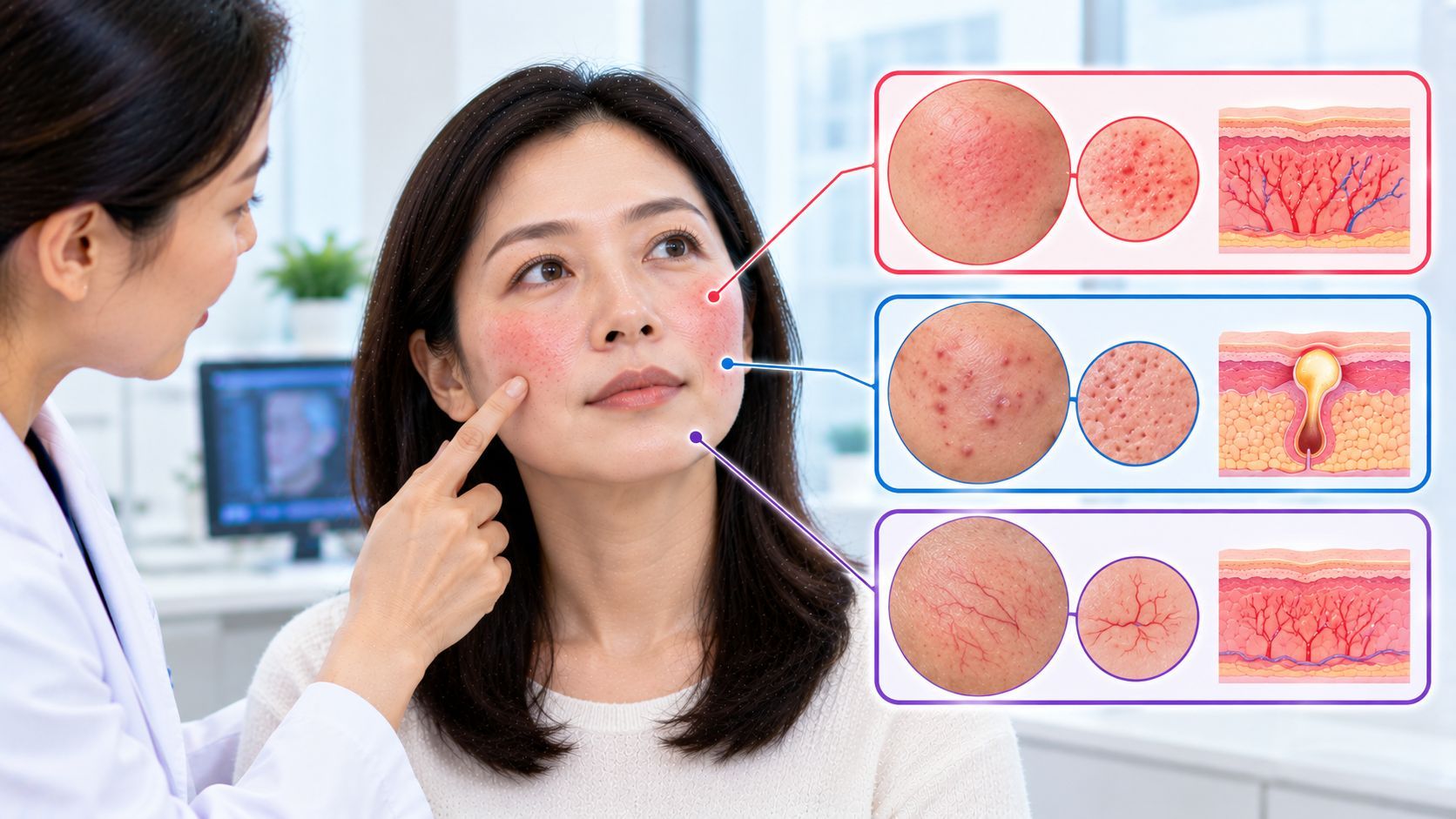
Common characteristics include:
- Chin and jawline breakouts
- Deep, inflamed cystic acne
- Monthly flare patterns
- Oily but sensitive skin
- Post-acne pigmentation risk
Because of this cyclical nature, treatment is focused on long-term regulation rather than short-term suppression.
Sebum Control Is a Core Treatment Priority
One of the main targets in Korean acne treatment is excessive sebum production, which often worsens hormonal acne.
Common approaches include:
- Skin Botox for oil regulation
- Low-dose laser toning for sebaceous activity
- Medical skincare for oil balance
- Gentle anti-inflammatory treatments
Reducing oil production helps minimize clogging and inflammation over time.
Anti-Inflammatory Laser Therapy Is Widely Used
Korean clinics frequently use lasers to calm active inflammation and prevent scarring.
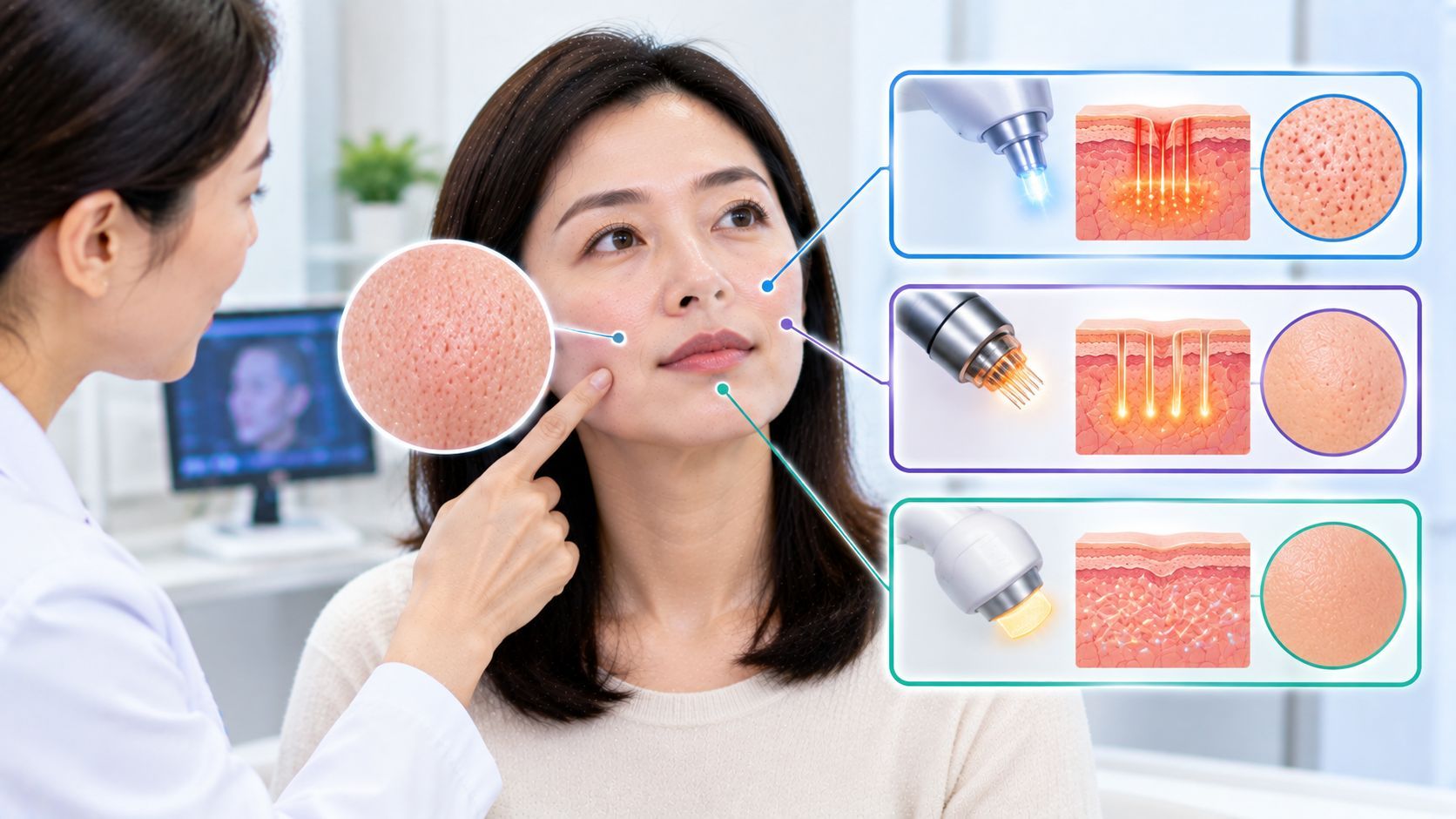
Common options include:
- Nd:YAG low-energy laser
- Pico laser toning for redness and marks
- Gentle fractional laser for texture control
- Blue light therapy for acne bacteria reduction
These treatments are usually performed at controlled intensities to avoid irritating already sensitive skin.
Skin Barrier Repair Is a Key Part of Treatment
Hormonal acne in Korea is not treated only as an oil problem, but also as a barrier dysfunction issue.
Supportive treatments include:
- Rejuran for skin healing
- PDRN-based injections
- Exosome therapy for recovery support
- Hydration skin boosters
- Soothing medical skincare routines
Strengthening the skin barrier helps reduce reactivity and future flare-ups.
Acne Is Treated Alongside Post-Acne Care
Korean dermatology often addresses active acne and post-acne marks at the same time.
This includes:
- Preventing new inflammation
- Reducing existing redness (PIE)
- Controlling pigmentation risk
- Supporting faster healing
Early intervention helps reduce long-term scarring and discoloration.
Combination Therapy Is the Standard Approach
Hormonal acne treatment in Korea almost always involves multiple methods working together.
A typical protocol may include:
- Laser treatment for inflammation
- Skin Botox for oil control
- Skin boosters for healing
- LED therapy for calming
- Medical skincare for daily regulation
This layered system allows dermatologists to address multiple causes simultaneously.
Oral and Hormonal Factors Are Sometimes Considered
In more persistent cases, Korean dermatologists may also consider internal contributing factors.
Depending on severity, approaches may include:
- Hormonal evaluation referral
- Anti-inflammatory medications
- Acne-targeting oral treatments
- Lifestyle and diet adjustments
However, these are usually combined with dermatology procedures rather than used alone.
Gentle but Consistent Treatment Is Preferred
Unlike aggressive acne approaches that aim for rapid clearing, Korean dermatology prioritizes stability.
Key principles include:
- Avoiding excessive irritation
- Preventing rebound breakouts
- Supporting long-term skin balance
- Minimizing scarring risk
This is especially important for patients with sensitive or reactive skin.
Maintenance Plays a Major Role
Even after improvement, maintenance care is essential.
Typical long-term management includes:
- Periodic laser sessions
- Regular skin booster treatments
- Ongoing oil control therapy
- Consistent medical skincare routines
Hormonal acne is treated as a condition that requires ongoing regulation rather than permanent “cure.”
Final Thoughts
The Korean approach to hormonal acne is built around balance, prevention, and long-term regulation rather than short-term suppression. By combining sebum control, anti-inflammatory lasers, skin barrier repair, and regenerative treatments, Korean dermatology aims to reduce both active breakouts and long-term skin damage. This layered, system-based strategy reflects Korea’s broader philosophy of treating acne as a chronic skin condition that requires consistent, multi-dimensional management.