Korean Acne Scar Treatments Ranked by Downtime
Korean Acne Scar Treatments Ranked by Downtime
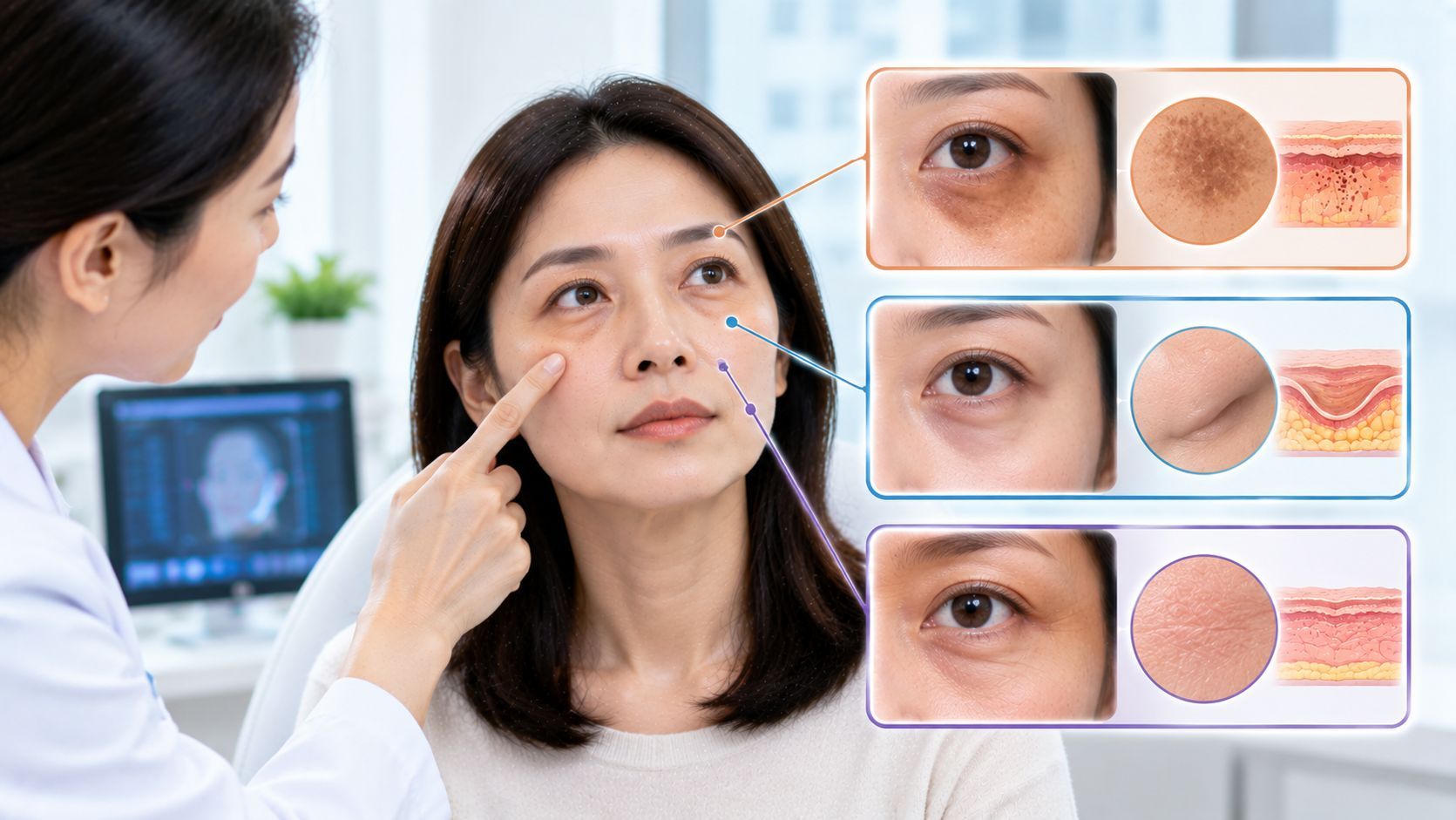
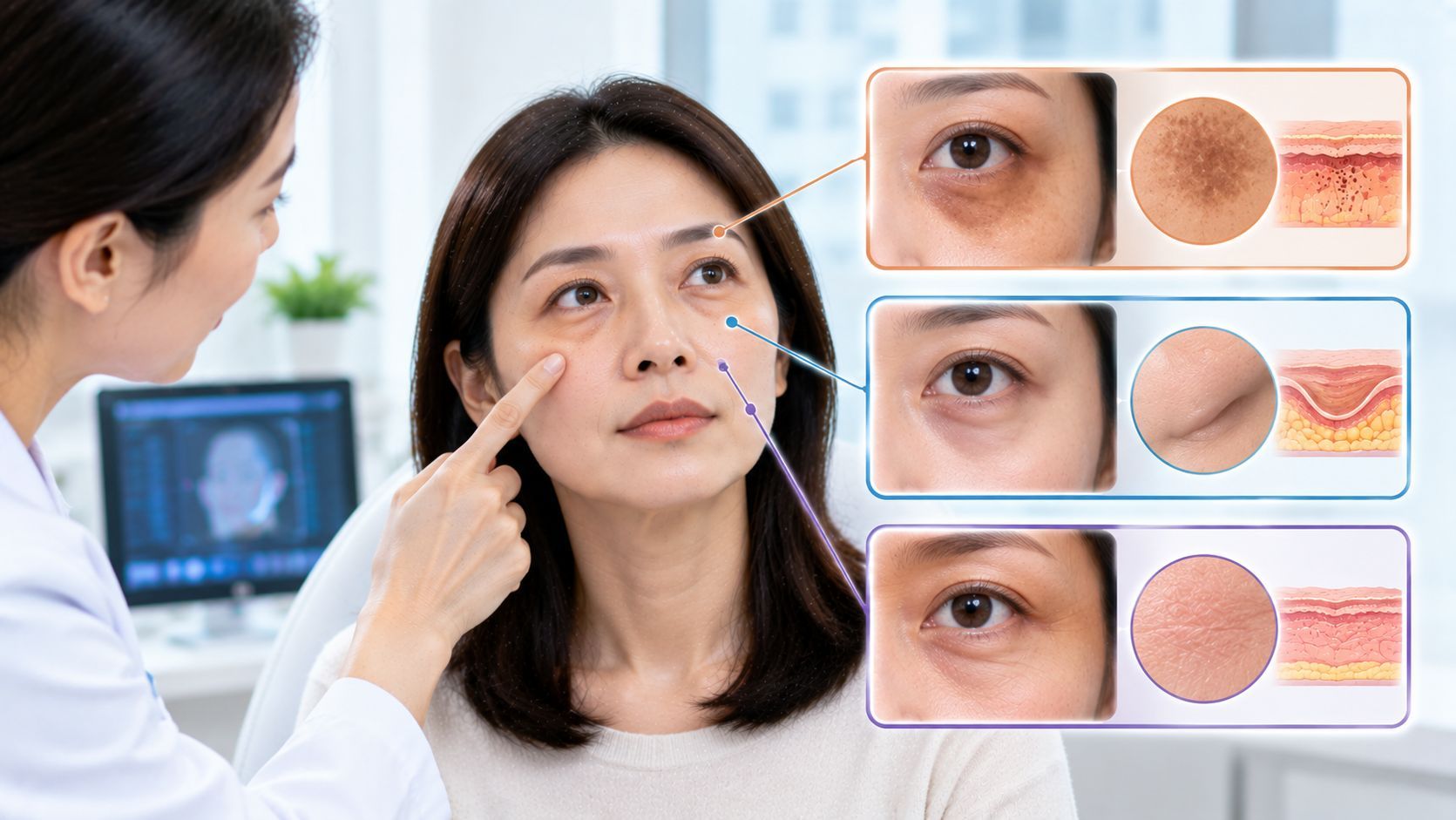
Acne scar treatment in Korean dermatology is rarely a single procedure. Clinics in Seoul—especially in Gangnam—usually combine lasers, RF devices, subcision, and regenerative injections. However, downtime is a key factor in how treatments are chosen. Some patients prioritize fast recovery, while others accept longer healing for stronger scar remodeling. Below is a practical ranking of the most common Korean acne scar treatments based on downtime and recovery intensity.
0–1 Day Downtime: Gentle Maintenance Treatments
These treatments are used for very mild scars, early prevention, or sensitive skin types.
LED Therapy
- No downtime
- Reduces inflammation
- Supports healing after other treatments
Laser Genesis / Low-Level Lasers
- Minimal or no visible recovery
- Slight warmth or redness only
- Improves redness and mild texture over time
These are often used as supportive treatments rather than primary scar correction.
1–3 Days Downtime: Light Resurfacing and RF-Based Treatments
This is one of the most commonly used categories in Korea for working professionals.
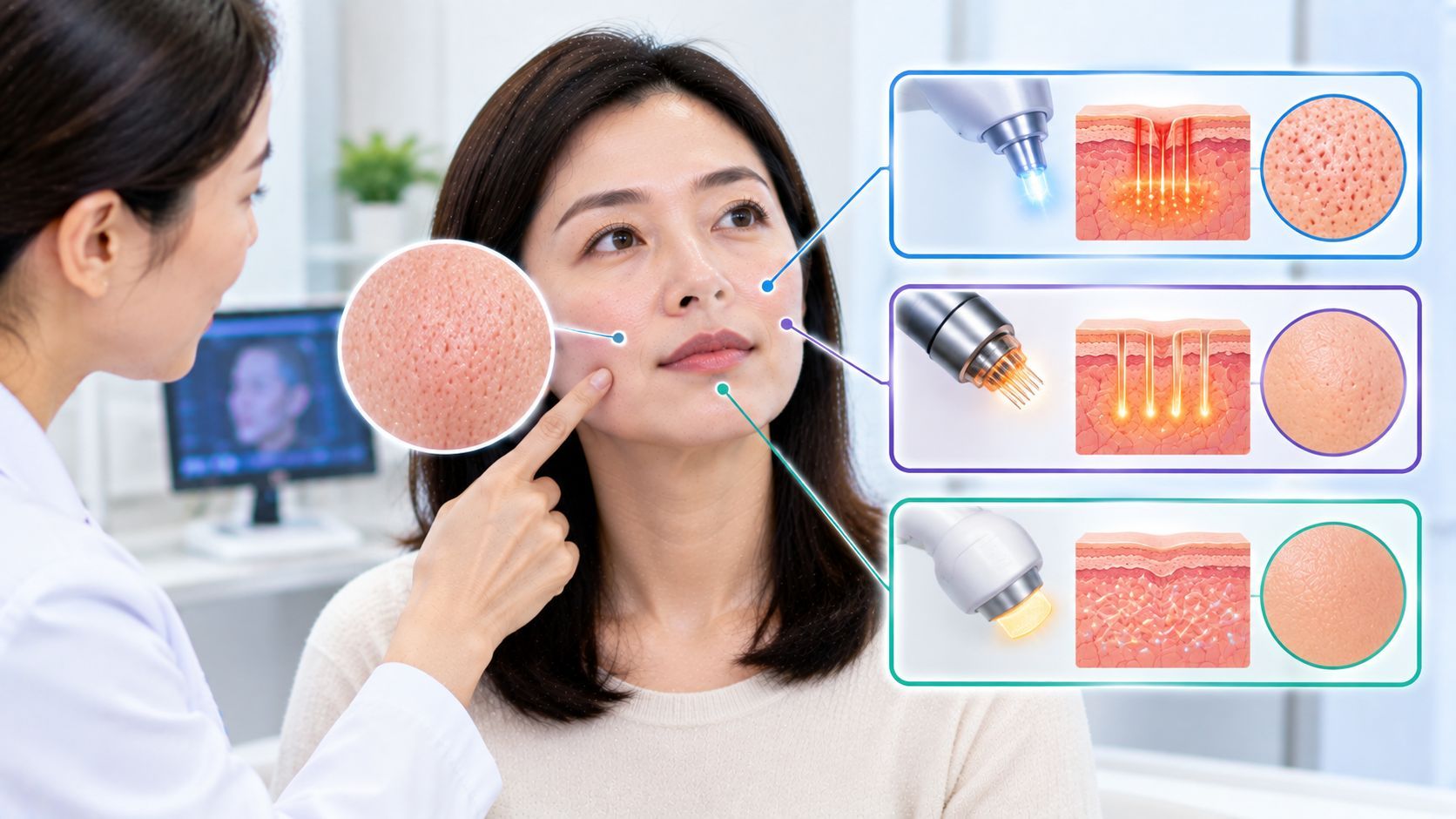
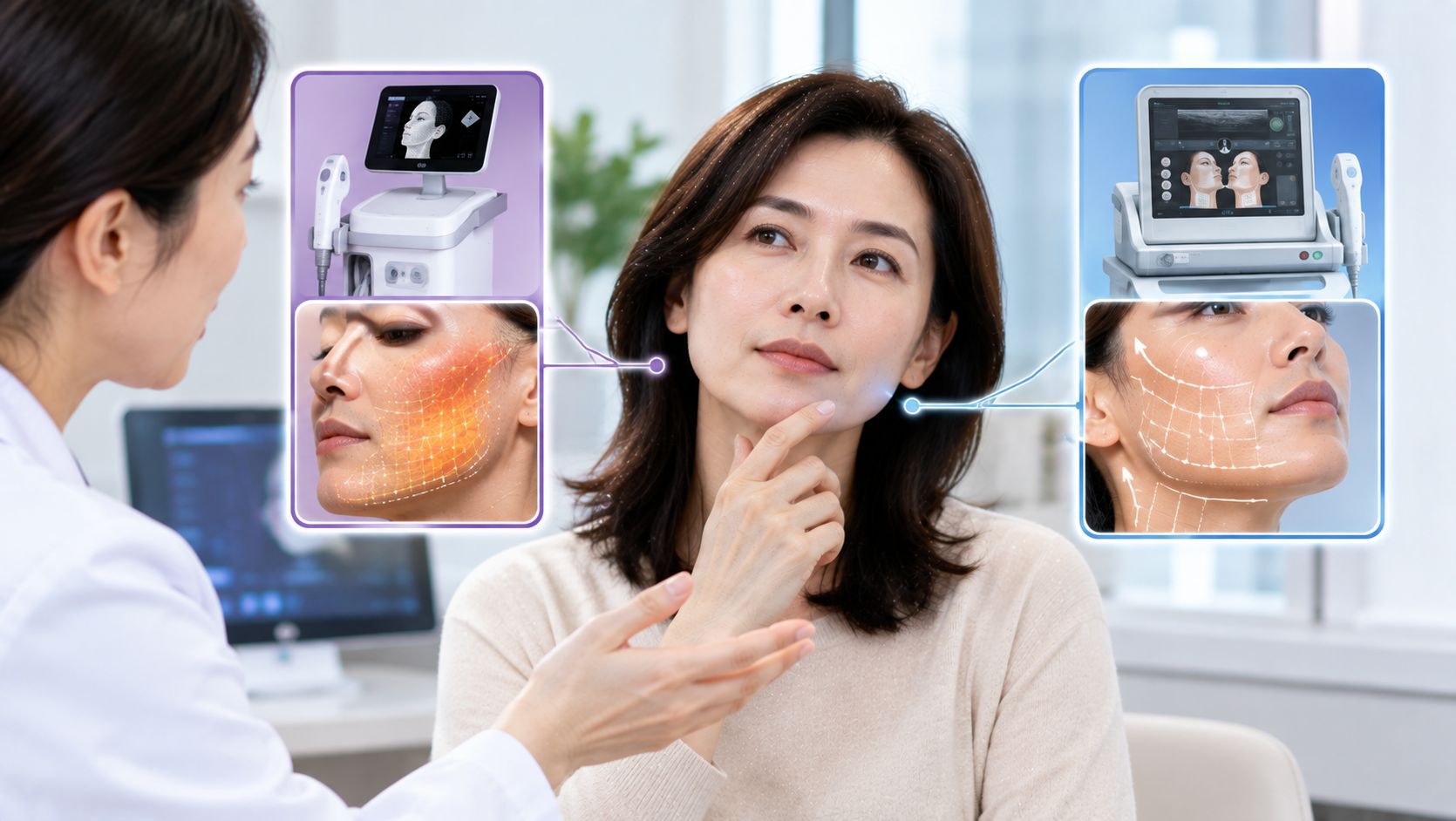
RF Microneedling (Potenza, Secret RF, Sylfirm X)
- Mild redness and swelling
- Possible pinpoint marks for 1–3 days
- Strong collagen stimulation with relatively low recovery
Pico Fractional Laser
- Redness and dryness
- Light peeling possible
- Safer for darker or sensitive skin types
These treatments are popular because they balance effectiveness with minimal disruption to daily life.
3–5 Days Downtime: Moderate Fractional Laser Treatments
These are stronger skin remodeling procedures often used for visible acne scars.
Non-Ablative Fractional Laser (Fraxel-type)
- Redness and rough texture
- “Sandpaper” feeling during healing
- Gradual skin smoothing over weeks
This category is widely used in Korea for overall scar improvement with manageable recovery time.
5–7 Days Downtime: Strong Ablative Resurfacing
These treatments deliver more dramatic results but require noticeable healing time.
CO2 Fractional Laser / Er:YAG
- Redness, swelling, and peeling
- Temporary scabbing or crusting
- More visible downtime but stronger scar remodeling
CO2 fractional lasers are often used for deeper boxcar or mixed acne scars.
1–2 Weeks Downtime: Structural Scar Correction Procedures
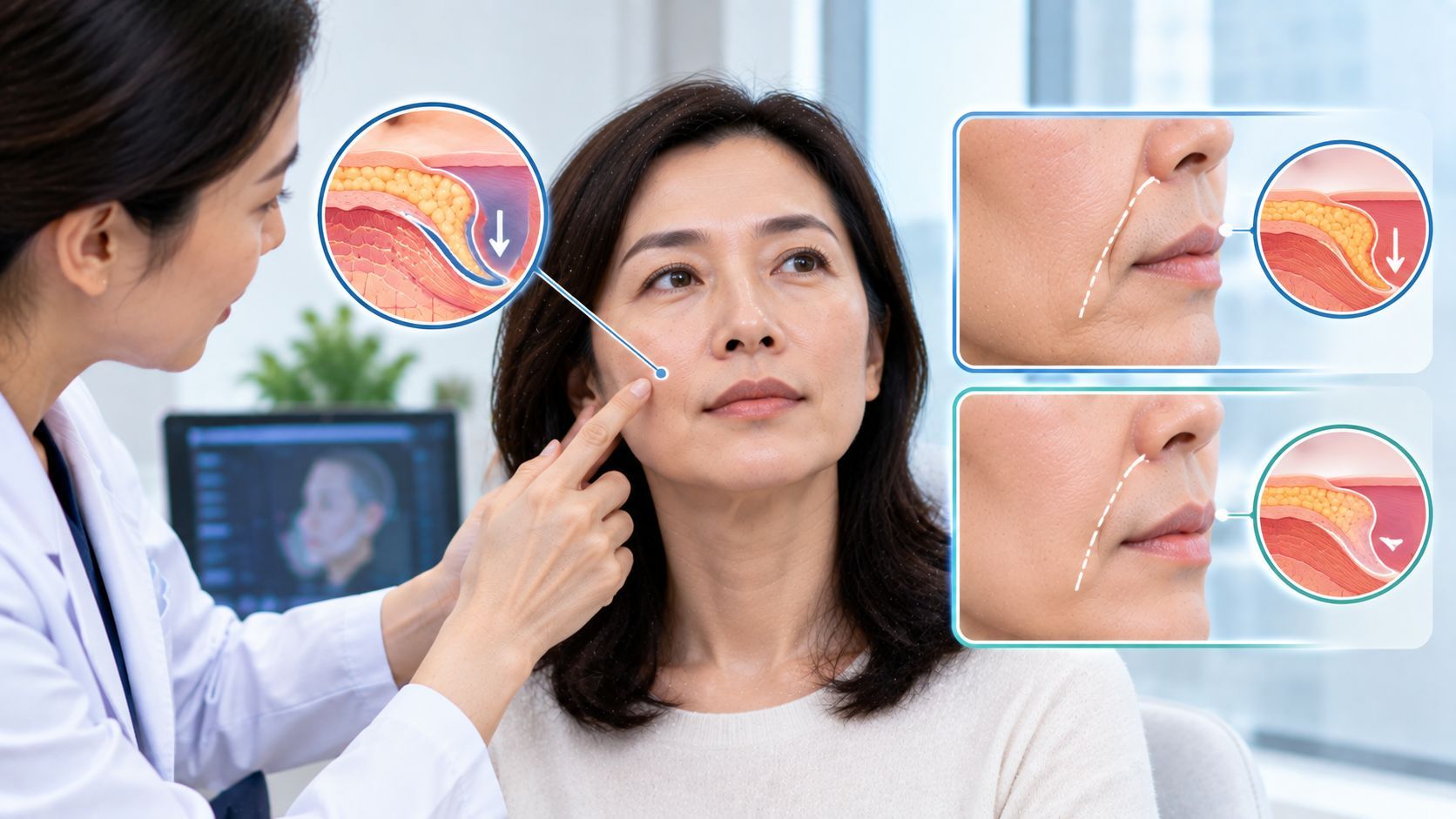
These treatments target the deeper structure of scars rather than surface texture.
Subcision
- Bruising and swelling common
- Gradual improvement in scar depth
- Often combined with fillers or lasers
Subcision physically releases tethered scar tissue beneath the skin, which makes it one of the most effective treatments for rolling scars.
Variable Downtime: Combination Scar Protocols (Most Common in Korea)
Most Korean acne scar treatments are not single procedures but combinations.
A typical plan may include:
- Subcision (initial structural release)
- RF microneedling (collagen remodeling)
- Fractional or Pico laser (surface refinement)
- Skin boosters (Rejuran / Juvelook) for healing
Downtime depends on the strongest procedure included, but usually ranges from 2–7 days total recovery visibility, often staggered across sessions.
Why Korean Clinics Use Layered Scar Treatment Instead of One Strong Session
Korean dermatology generally avoids overly aggressive single-session treatments because:
- Risk of pigmentation increases with intensity
- Skin barrier damage can worsen texture
- Recovery time becomes impractical for patients
- Multiple gentle sessions produce more stable results
This is why even deeper scars are often treated progressively rather than aggressively.
Final Thoughts
Korean acne scar treatments are best understood as a spectrum of downtime-based options, ranging from no-downtime LED therapy to 1–2 week recovery procedures like subcision and CO2 fractional laser. Most Seoul clinics rely on combination treatment plans, layering RF microneedling, lasers, subcision, and regenerative injectables to balance results with recovery time. The overall Korean approach prioritizes gradual collagen remodeling and skin stability, ensuring effective scar improvement without excessive downtime or skin barrier damage.