Can Korean Laser Treatments Help Darker Skin Tones?
Can Korean Laser Treatments Help Darker Skin Tones?
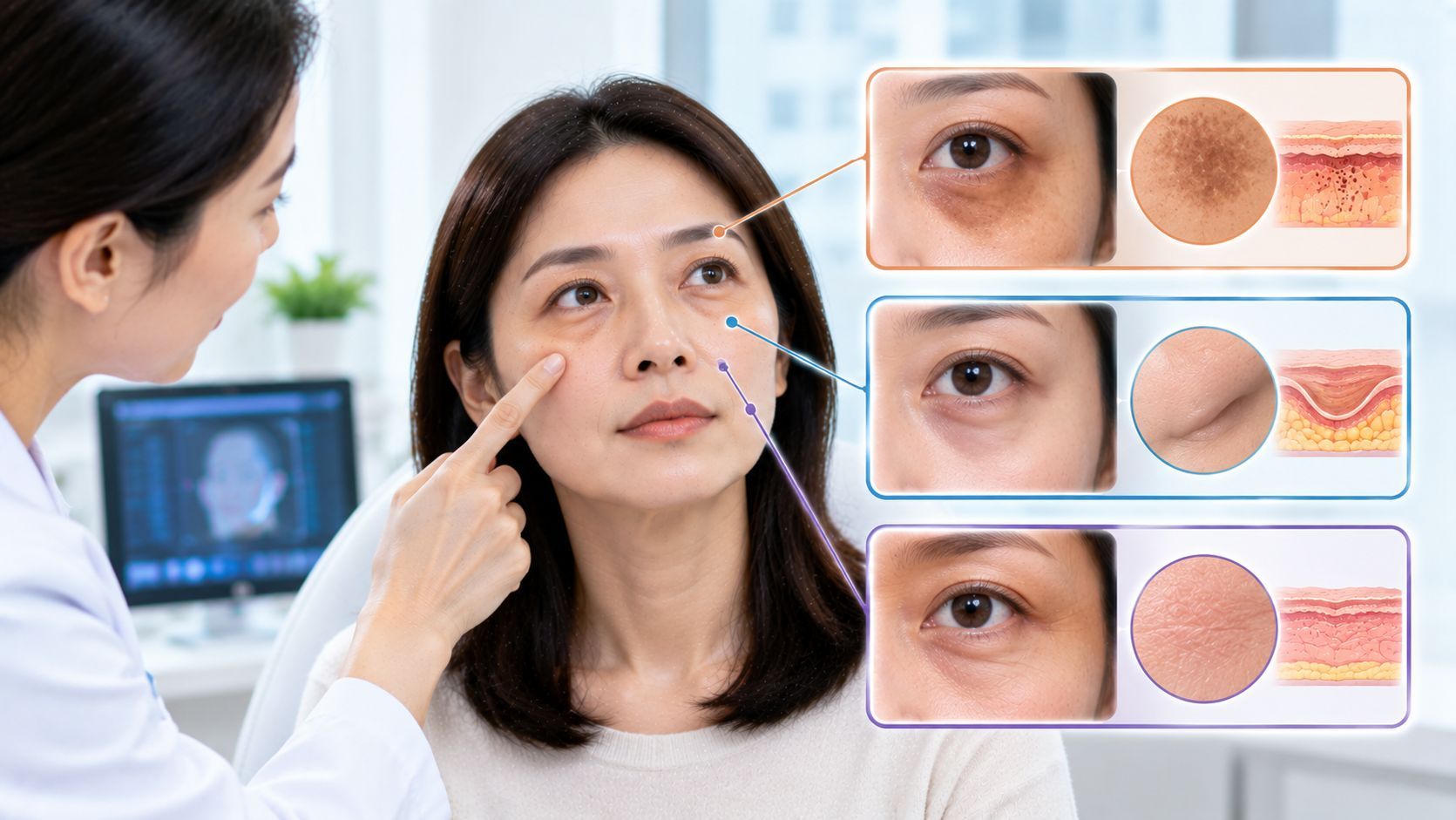
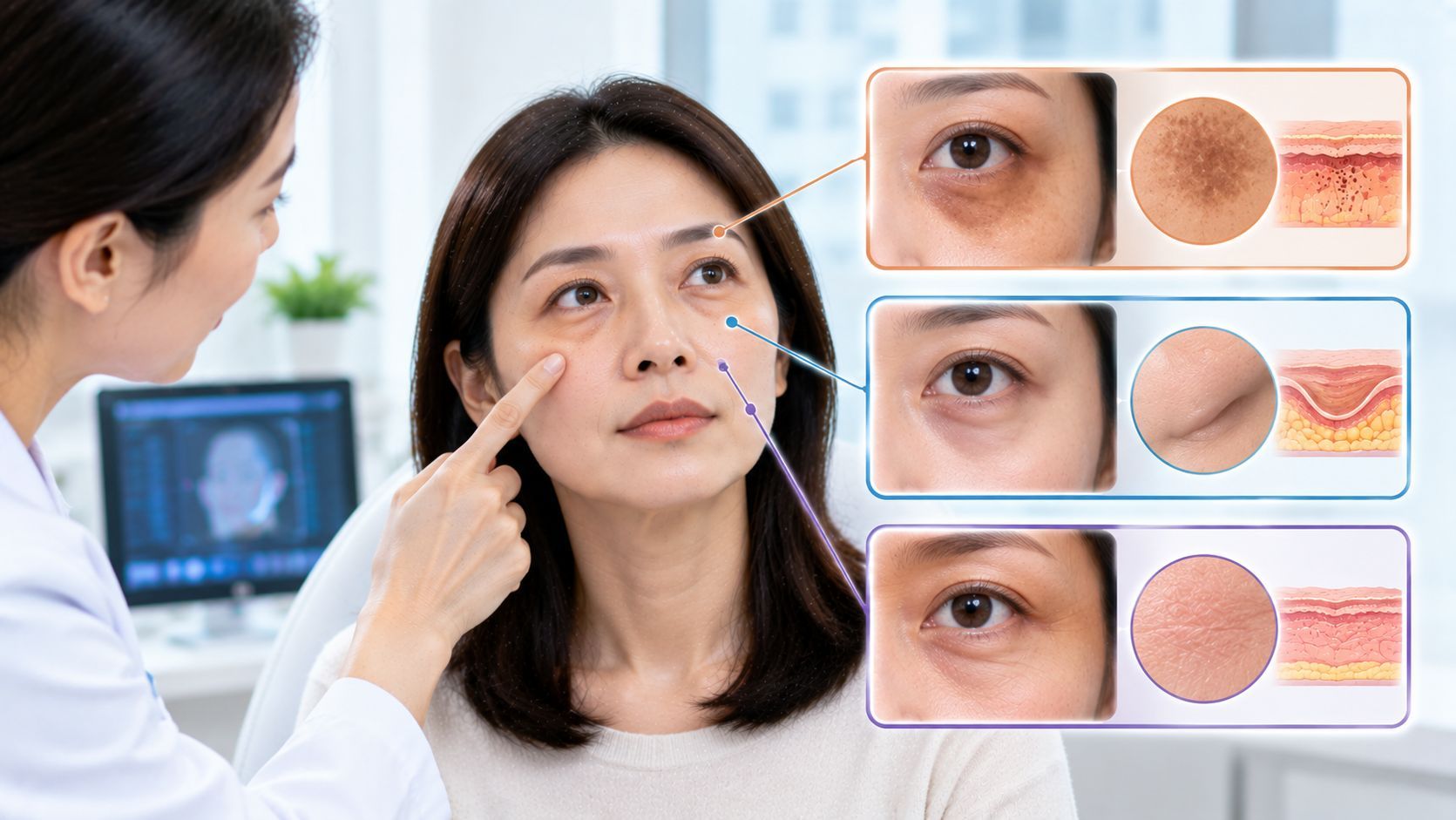
Korean laser treatments can help darker skin tones, but the approach is significantly more cautious compared to lighter skin types. In Korean dermatology, skin type is a major factor in determining laser settings, device selection, and treatment frequency. Because darker skin tones have a higher risk of post-inflammatory hyperpigmentation (PIH) and uneven healing, Seoul clinics typically focus on low-energy, controlled, and multi-session protocols rather than aggressive single-session treatments.
Why Darker Skin Requires a Different Laser Strategy
Darker skin contains more active melanin, which provides natural protection but also increases sensitivity to heat and inflammation.
This means higher risk of:
- Post-inflammatory hyperpigmentation (dark spots after treatment)
- Uneven pigment response
- Prolonged redness or irritation
- Overcorrection or patchiness
Because of this, Korean dermatologists adjust both energy levels and treatment spacing very carefully.
Low-Energy Lasers Are the Standard Approach
In Seoul clinics, darker skin tones are typically treated with gentler laser settings.
Common options include:
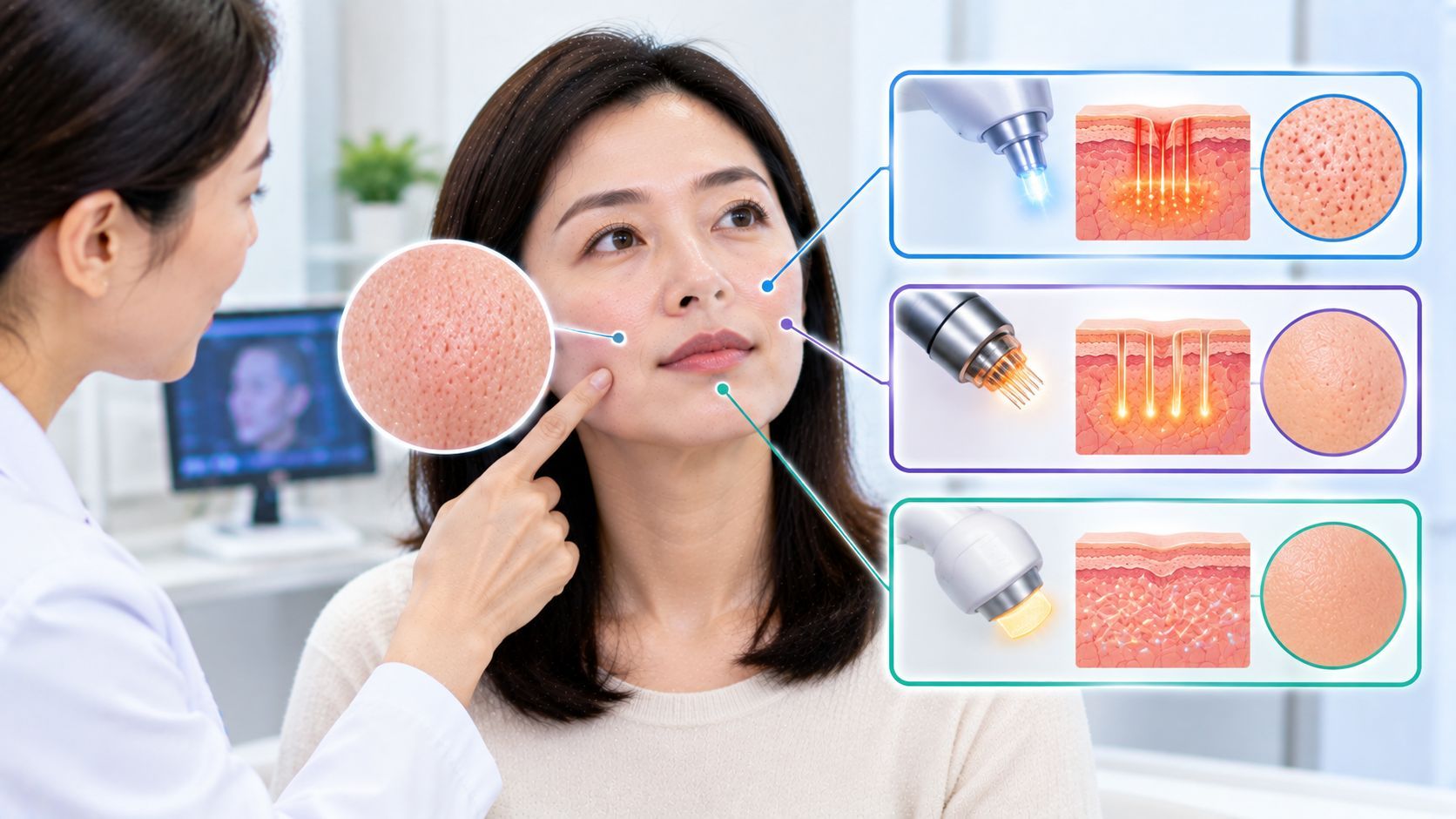
- Low-fluence Pico laser toning
- Gentle Nd:YAG laser
- Controlled laser toning for pigmentation
- Minimal thermal fractional laser settings
These approaches reduce heat buildup while still targeting pigmentation and texture concerns.
Pico Laser Is Often Preferred for Safety
Pico laser is one of the most commonly used devices for darker skin tones in Korea because it uses ultra-short pulses that minimize thermal damage.
It is often chosen for:
- Acne scars
- Pigmentation irregularities
- Sunspots and uneven tone
- Post-inflammatory marks
Its low-heat mechanism makes it more suitable for reducing PIH risk compared to older laser systems.
Gradual Treatment Cycles Are Essential
Instead of quick correction, Korean dermatologists prefer slow, progressive improvement for darker skin tones.
Typical approach includes:
- Multiple low-intensity sessions
- Longer intervals between treatments
- Careful monitoring of skin response
- Adjustment based on pigmentation changes
This helps avoid overstimulation of melanocytes.
Skin Barrier Protection Is a Priority
Strengthening the skin barrier is a key part of safe laser treatment for darker skin tones.
Supportive care may include:
- Rejuran for skin healing
- PDRN-based injections
- Hydration skin boosters
- Exosome therapy for recovery
- Calming LED therapy
A healthy barrier reduces inflammation and improves laser tolerance.
Combination Therapy Is Carefully Balanced
Korean clinics still use combination treatments, but with lower intensity and tighter control.
A typical safe protocol may include:
- Low-energy Pico laser for pigmentation
- Gentle Nd:YAG toning for overall tone
- Skin boosters for recovery
- LED therapy for inflammation control
Aggressive stacking of devices in one session is usually avoided.
Melasma and PIH Require Extra Caution
Darker skin tones are more prone to conditions like melasma and post-acne pigmentation, which require even more conservative treatment.
Korean dermatologists often avoid:
- High-energy resurfacing lasers
- Deep fractional treatments in early stages
- Overlapping aggressive procedures
Instead, they prioritize stability and inflammation control first.
Results Are Possible but Gradual
Korean laser treatments can be effective for darker skin tones, but results typically appear gradually.
Patients can expect:
- Slow improvement in pigmentation
- Gradual evening of skin tone
- Reduction in acne marks over time
- Improved overall clarity
Fast aggressive results are avoided to prevent complications.
Homecare and Sun Protection Are Critical
In Korean dermatology, clinic treatments are always paired with strict skincare guidance.
Key recommendations include:
- High SPF daily sunscreen
- Avoiding excessive sun exposure
- Anti-inflammatory skincare products
- Consistent hydration and barrier repair
Without proper homecare, pigmentation can easily return.
Final Thoughts
Korean laser treatments can be effective for darker skin tones, but they require a careful, low-energy, and highly controlled approach to minimize the risk of pigmentation complications. By using devices like Pico laser and Nd:YAG at conservative settings, combined with skin barrier repair and gradual treatment cycles, Korean dermatology aims to safely improve pigmentation and skin texture over time. The overall philosophy is cautious and preventive, prioritizing long-term skin stability over rapid but risky correction.