Why Pigmentation Returns After Laser Treatments
Why Pigmentation Returns After Laser Treatments
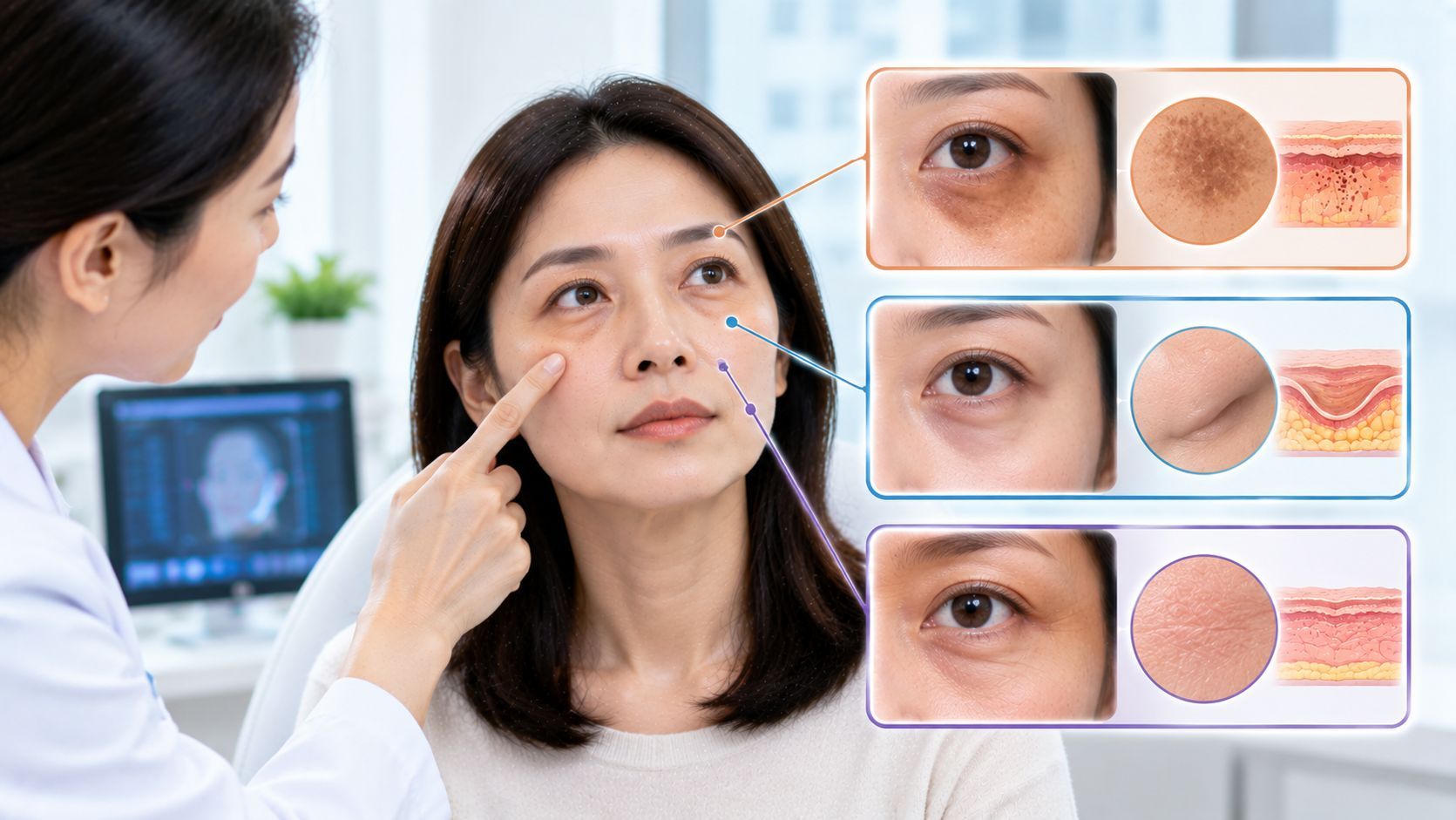
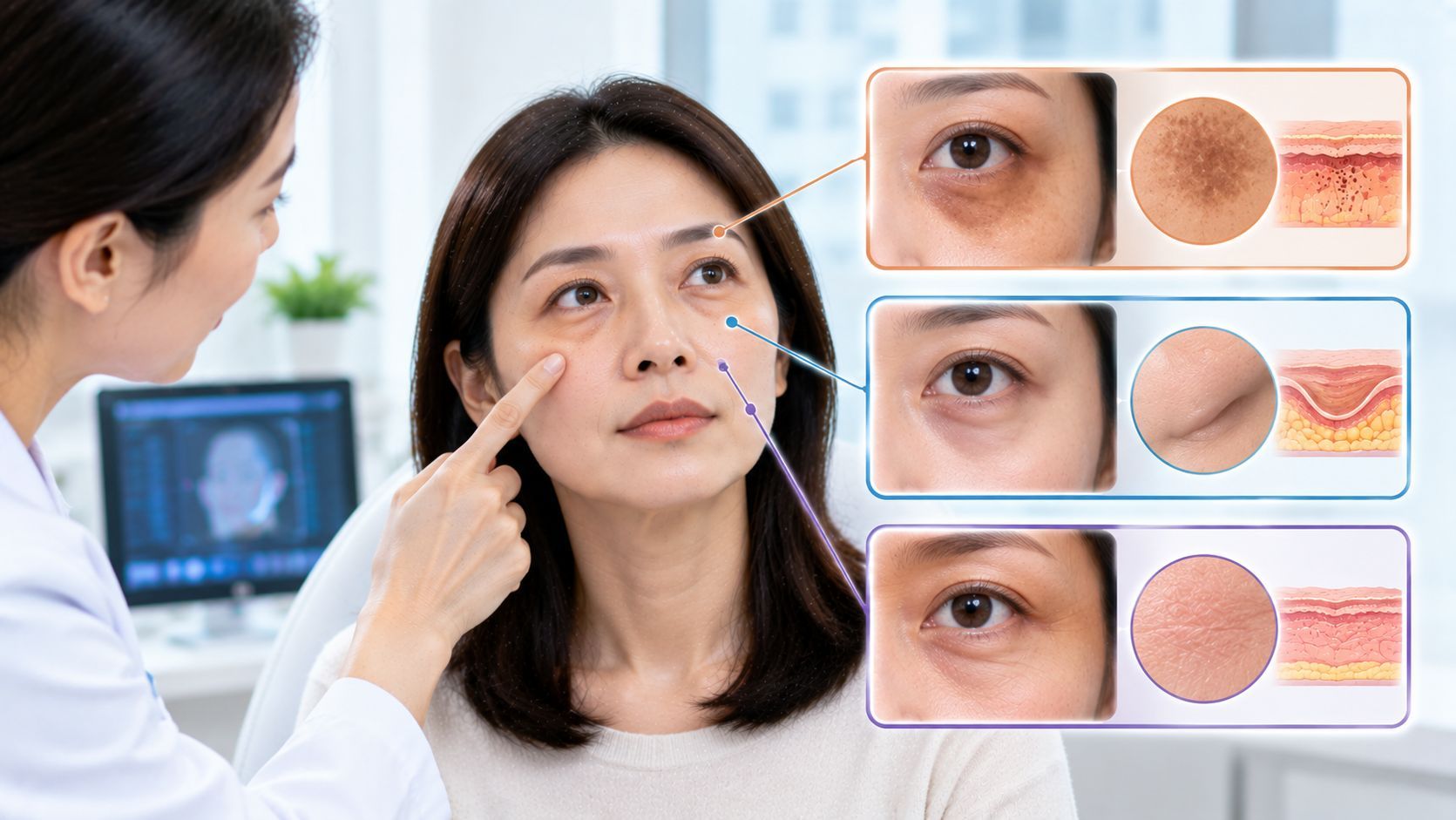
Pigmentation returning after laser treatments is one of the most common concerns in Korean dermatology clinics. In Seoul, dermatologists often explain that lasers can significantly reduce visible pigment, but they do not permanently “turn off” the biological processes that cause pigmentation in the first place. Because of this, recurrence is not unusual—especially in conditions like melasma, post-inflammatory hyperpigmentation (PIH), and sun-induced pigmentation.
Lasers Remove Pigment, Not the Cause
Most pigmentation lasers work by breaking down existing melanin particles in the skin.
However, they do not fully address underlying triggers such as:
- UV exposure
- Hormonal activity
- Chronic inflammation
- Skin barrier weakness
- Genetic pigmentation tendency
This means new pigment can still be produced even after successful treatment.
Melanocytes Can Be Easily Reactivated
Melanocytes (pigment-producing cells) remain in the skin after laser treatment.
They can be reactivated by:
- Sun exposure
- Heat (including sauna or strong energy devices)
- Skin irritation or over-treatment
- Hormonal fluctuations
- Inflammation from acne or trauma
Once activated, they begin producing melanin again, leading to recurrence of pigmentation.
Inflammation After Laser Can Trigger Rebound Pigmentation
In Korean dermatology, one of the most important considerations is post-treatment inflammation.
If a laser is too aggressive, it can cause:
- Skin irritation
- Temporary inflammation
- Barrier disruption
This inflammatory response can paradoxically stimulate melanocytes, resulting in post-inflammatory hyperpigmentation.
Melasma Is Especially Prone to Recurrence
Melasma is one of the most stubborn pigmentation conditions because it is deeply influenced by internal factors.
Even after improvement, it can return due to:
- Hormonal changes
- Heat exposure
- Sunlight (including visible light)
- Chronic low-grade inflammation
This is why Korean clinics treat melasma as a long-term management condition rather than a curable problem.
Improper Aftercare Is a Major Factor
Post-laser care plays a critical role in preventing recurrence.
Common mistakes include:
- Skipping sunscreen
- Inconsistent UV protection
- Using irritating skincare too early
- Over-exfoliation after treatment
- Heat exposure during recovery
Without proper aftercare, pigmentation can return quickly even after successful laser sessions.
Single Treatment Is Rarely Enough
In Korean dermatology, pigmentation is rarely treated in one session.
Reasons include:
- Pigment exists in multiple skin layers
- Different laser wavelengths target different depths
- Skin requires recovery time between sessions
- Over-treatment increases rebound risk
This is why multiple low-energy sessions are preferred over aggressive single treatments.
Skin Barrier Health Affects Recurrence
A weak skin barrier increases the likelihood of pigmentation returning.
When the barrier is compromised:
- Inflammation increases
- Skin becomes more reactive
- Pigment production becomes unstable
This is why Korean clinics often combine lasers with:
- Skin boosters
- Rejuran or PDRN injections
- Exosome therapy
- Hydration and calming treatments
Environmental Factors Continue to Influence Skin
Even after laser treatment, daily environmental exposure continues to affect pigmentation.
Key triggers include:
- UV radiation
- Pollution
- Blue light exposure
- Heat and humidity
- Stress and lifestyle factors
Without consistent protection, pigmentation can gradually reappear.
Maintenance Is Essential in Korean Dermatology
Korean dermatologists often emphasize that pigmentation control is ongoing rather than permanent.
Maintenance plans may include:
- Periodic low-energy laser toning
- Seasonal pigment control sessions
- Daily sunscreen use
- Barrier-support skincare
- Occasional skin booster treatments
This helps keep pigment activity stable over time.
Final Thoughts
Pigmentation often returns after laser treatments because lasers remove existing pigment but do not eliminate the biological triggers that cause it. Factors such as UV exposure, inflammation, hormonal activity, and skin barrier weakness continue to stimulate melanocytes even after treatment. In Korean dermatology, this is why pigmentation is managed through long-term, layered strategies combining gentle lasers, regenerative treatments, and strict aftercare rather than relying on a single corrective procedure.