Why Korean Clinics Use Less Aggressive Lasers
Why Korean Clinics Use Less Aggressive Lasers
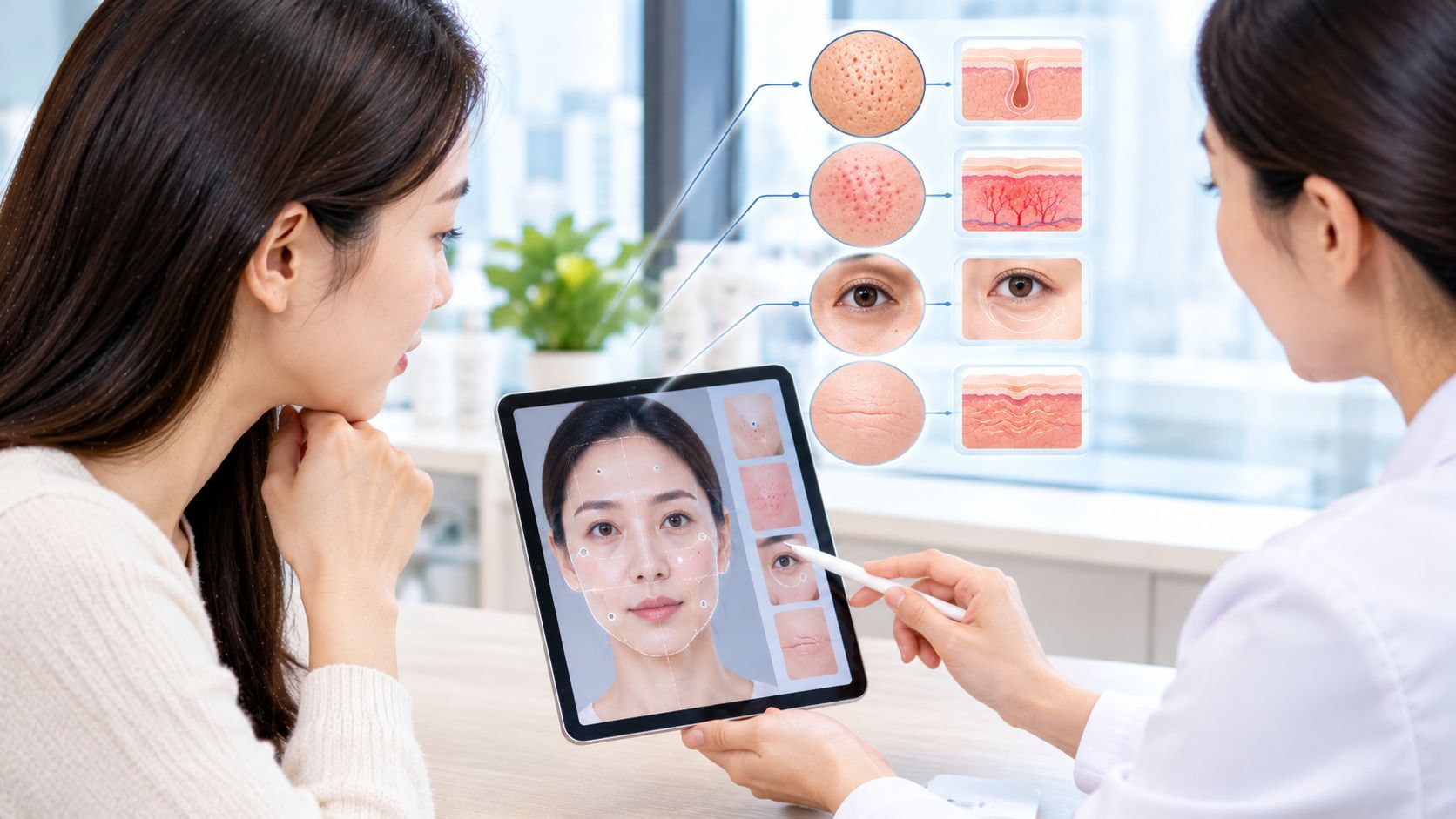
Korean dermatology is known for its highly advanced laser technology, but one of its most distinctive characteristics is the preference for lower-energy, multi-session laser protocols rather than single, highly aggressive treatments. In Seoul—especially in Gangnam clinics—this approach is rooted in both biological understanding of skin behavior and a strong emphasis on minimizing side effects like pigmentation, irritation, and prolonged downtime.
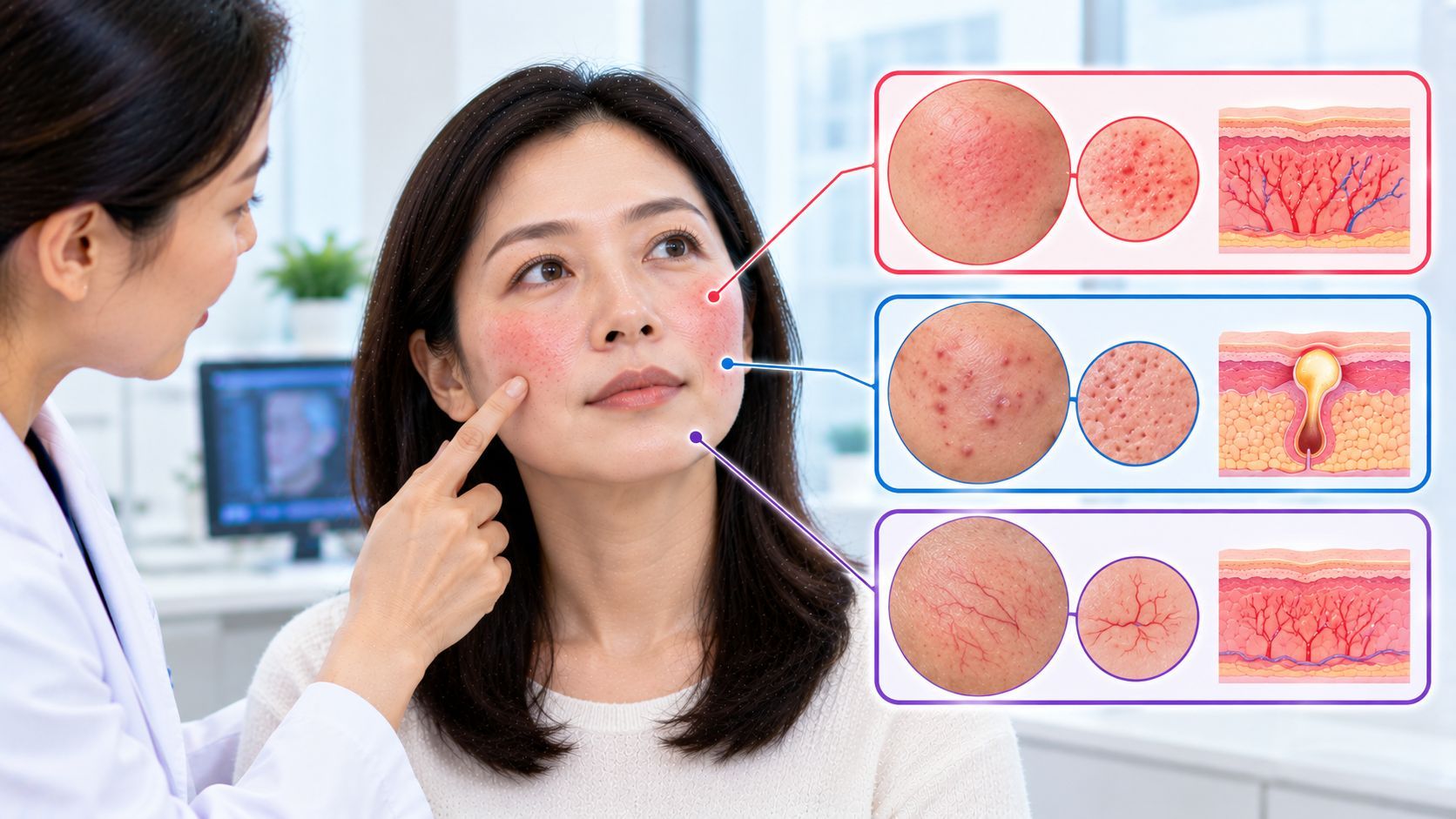
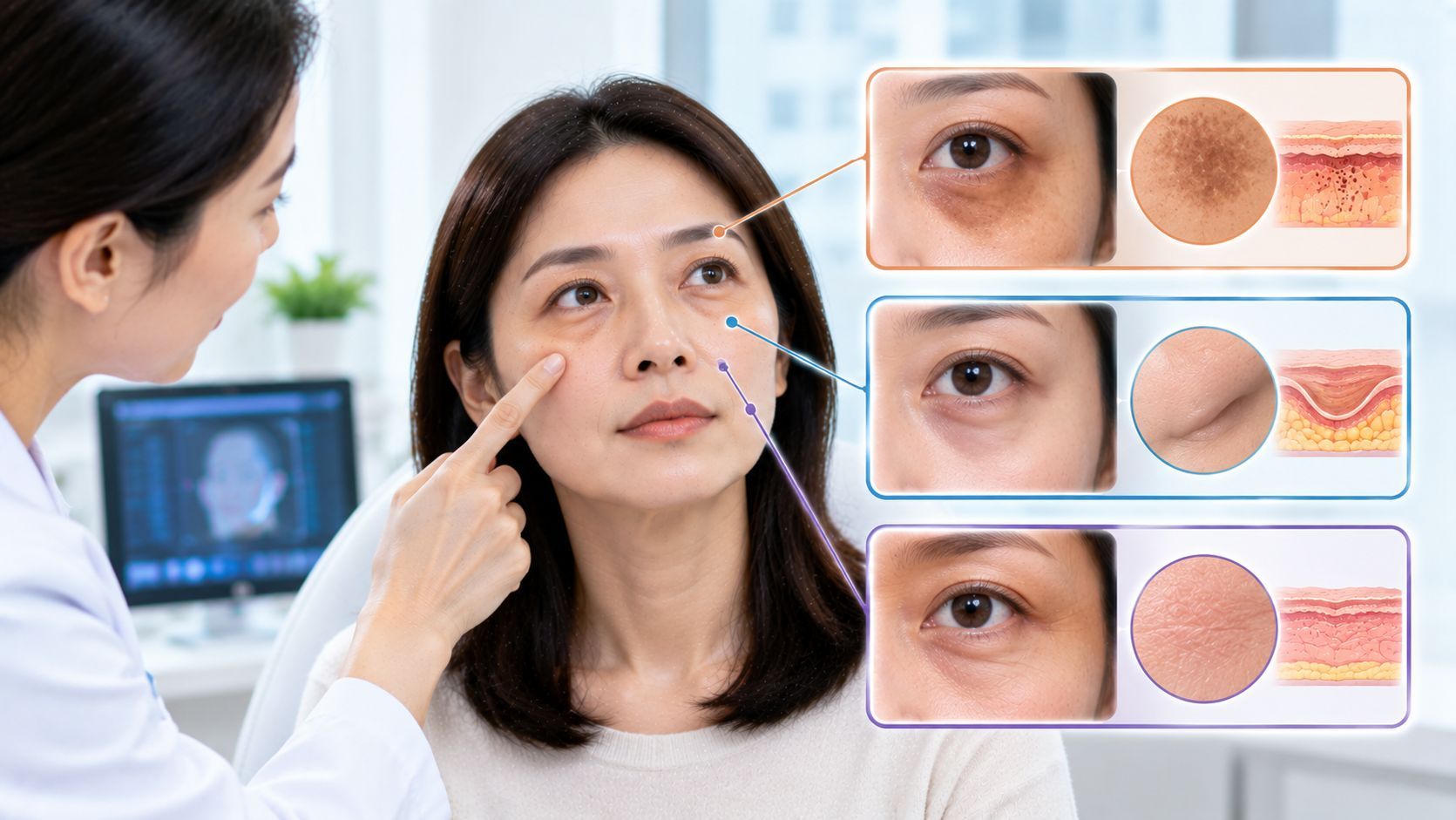
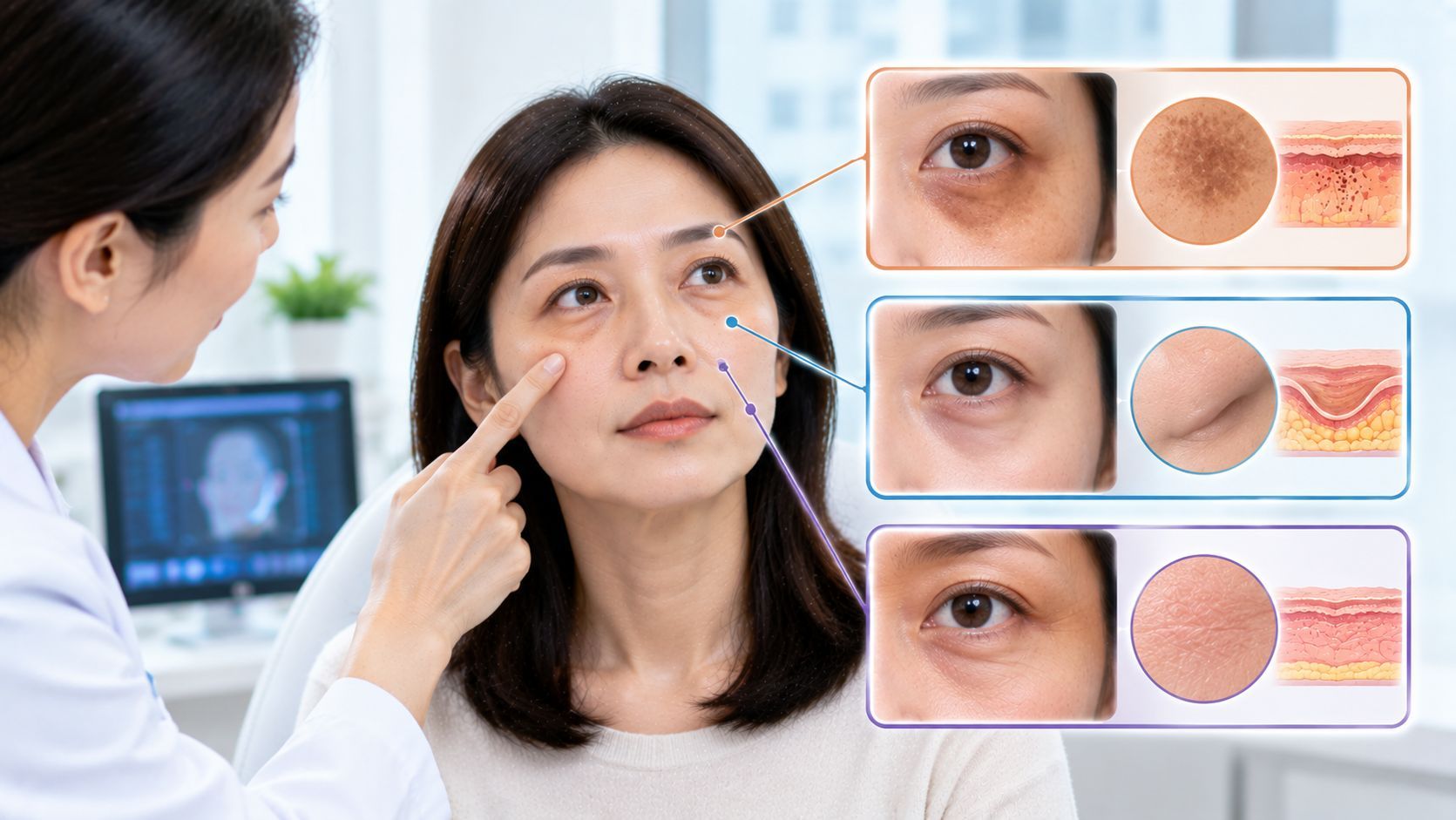
Asian Skin Is More Prone to Post-Inflammatory Pigmentation
One of the key reasons Korean clinics avoid overly aggressive lasers is the higher risk of post-inflammatory hyperpigmentation (PIH) in many Asian skin types.
When skin is over-treated, it may respond with:
- Dark spots after inflammation
- Uneven healing patterns
- Long-lasting pigmentation
- Increased sensitivity
Because of this, dermatologists prefer controlled energy settings that reduce trauma while still stimulating collagen and pigment correction.
Gradual Stimulation Is More Predictable
Korean dermatology tends to prioritize consistency over intensity.
Less aggressive lasers allow:
- More predictable healing response
- Lower risk of complications
- Steady collagen remodeling
- Better long-term skin stability
Instead of forcing rapid change in one session, the skin is guided through gradual improvement over multiple treatments.
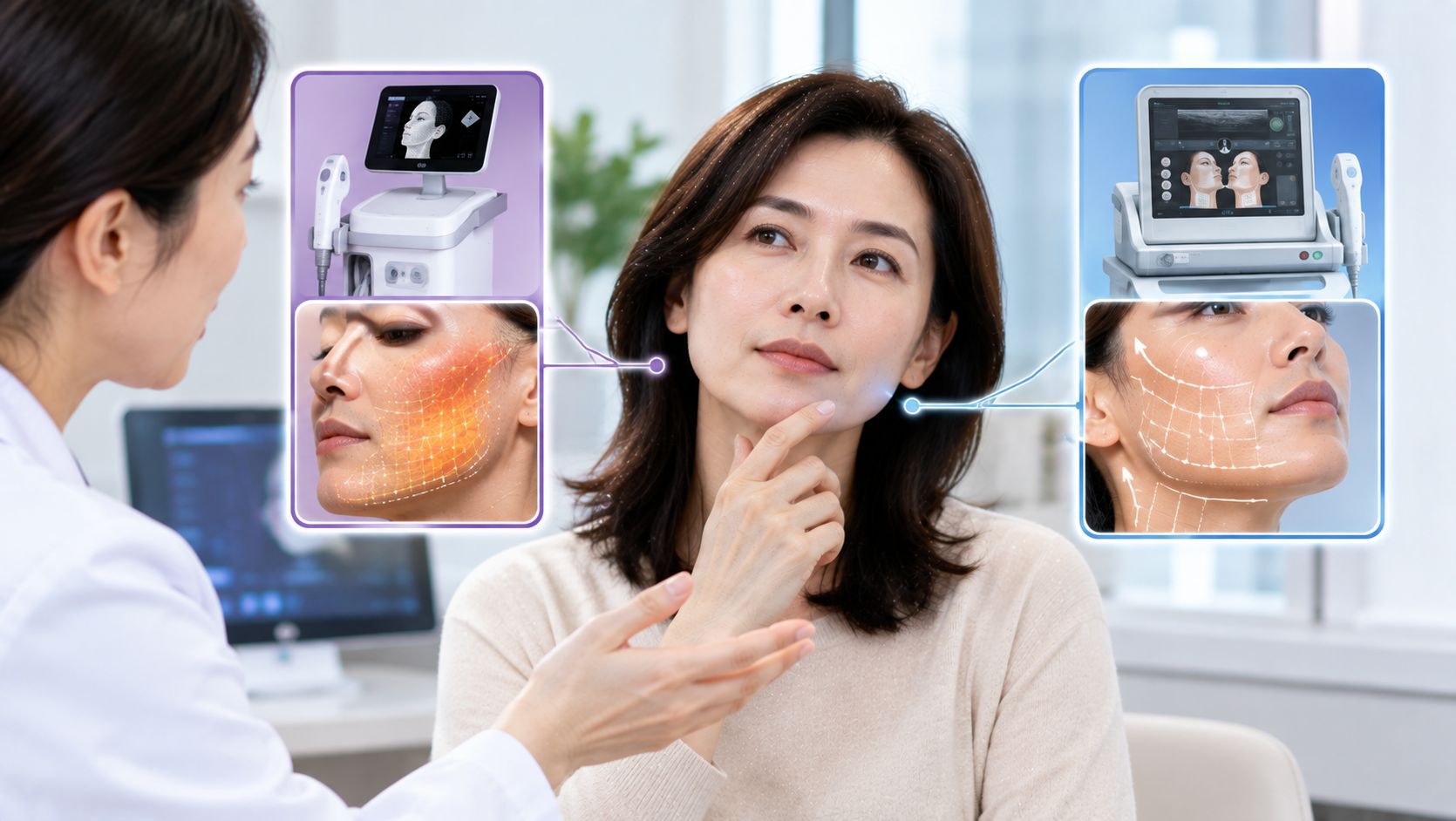
Combination Treatments Replace High-Power Single Sessions
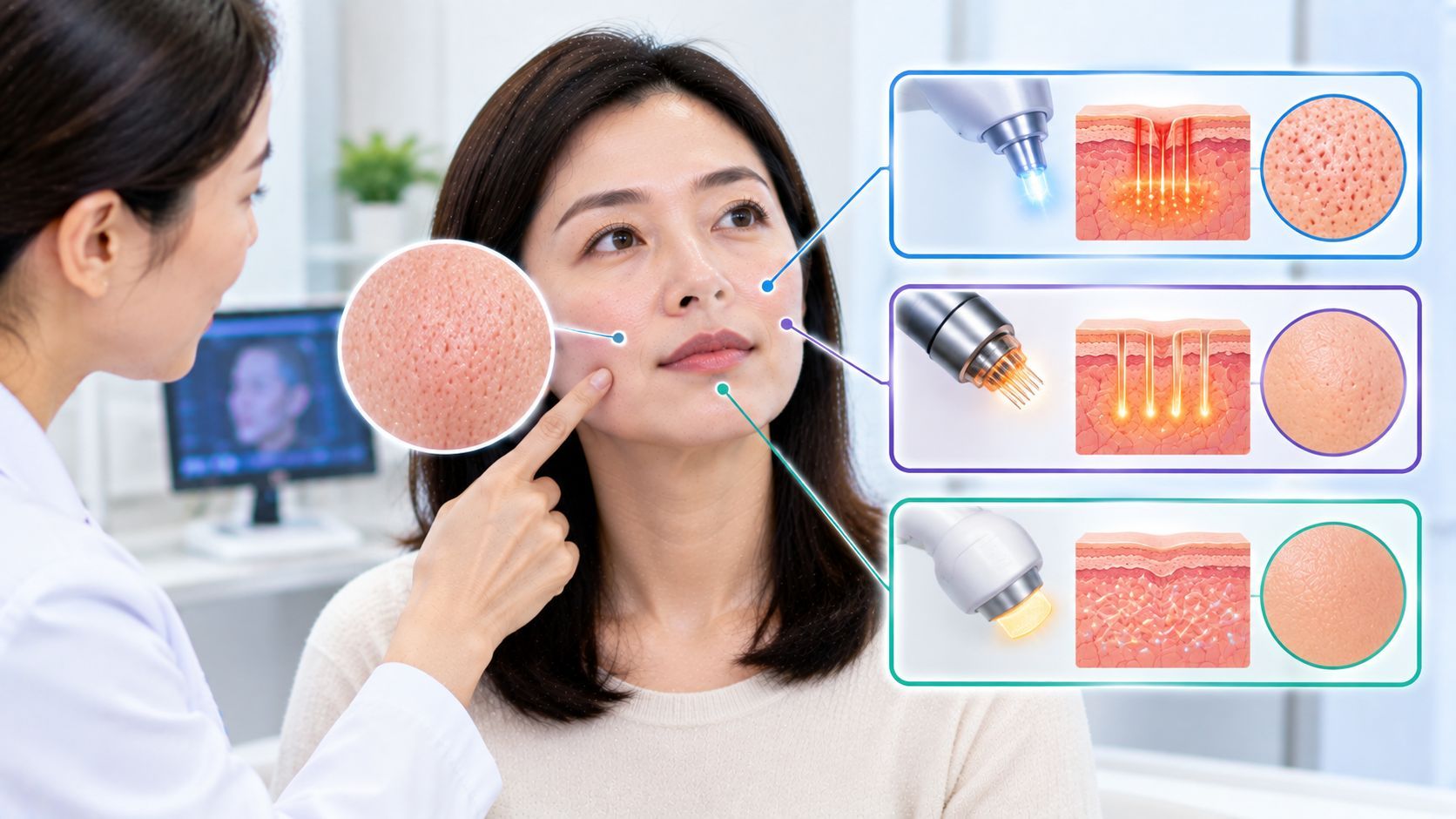
Rather than using one strong laser, Korean clinics often combine multiple milder technologies.
A typical approach may include:
- Low-energy Pico laser for pigmentation
- RF microneedling for texture
- Skin boosters for recovery
- LED therapy for inflammation control
Each device targets a different layer, reducing the need for extreme intensity in any single treatment.
Recovery Time Is a Major Consideration
Korean dermatology is heavily influenced by patient lifestyle and convenience.
Less aggressive lasers are preferred because they:
- Reduce downtime
- Allow faster return to daily life
- Minimize visible peeling or scabbing
- Fit into busy work schedules
This is especially important in Seoul’s fast-paced urban environment where long recovery periods are often impractical.
Focus on Skin Quality Over Shock Results
Aggressive lasers can sometimes produce fast visible change, but they also carry higher risks. Korean clinics prioritize skin quality improvement over dramatic one-time results.
The goal is:
- Smooth texture
- Even tone
- Strong skin barrier
- Natural-looking glow
- Long-term stability
This aligns with Korea’s broader aesthetic preference for subtle, refined results.
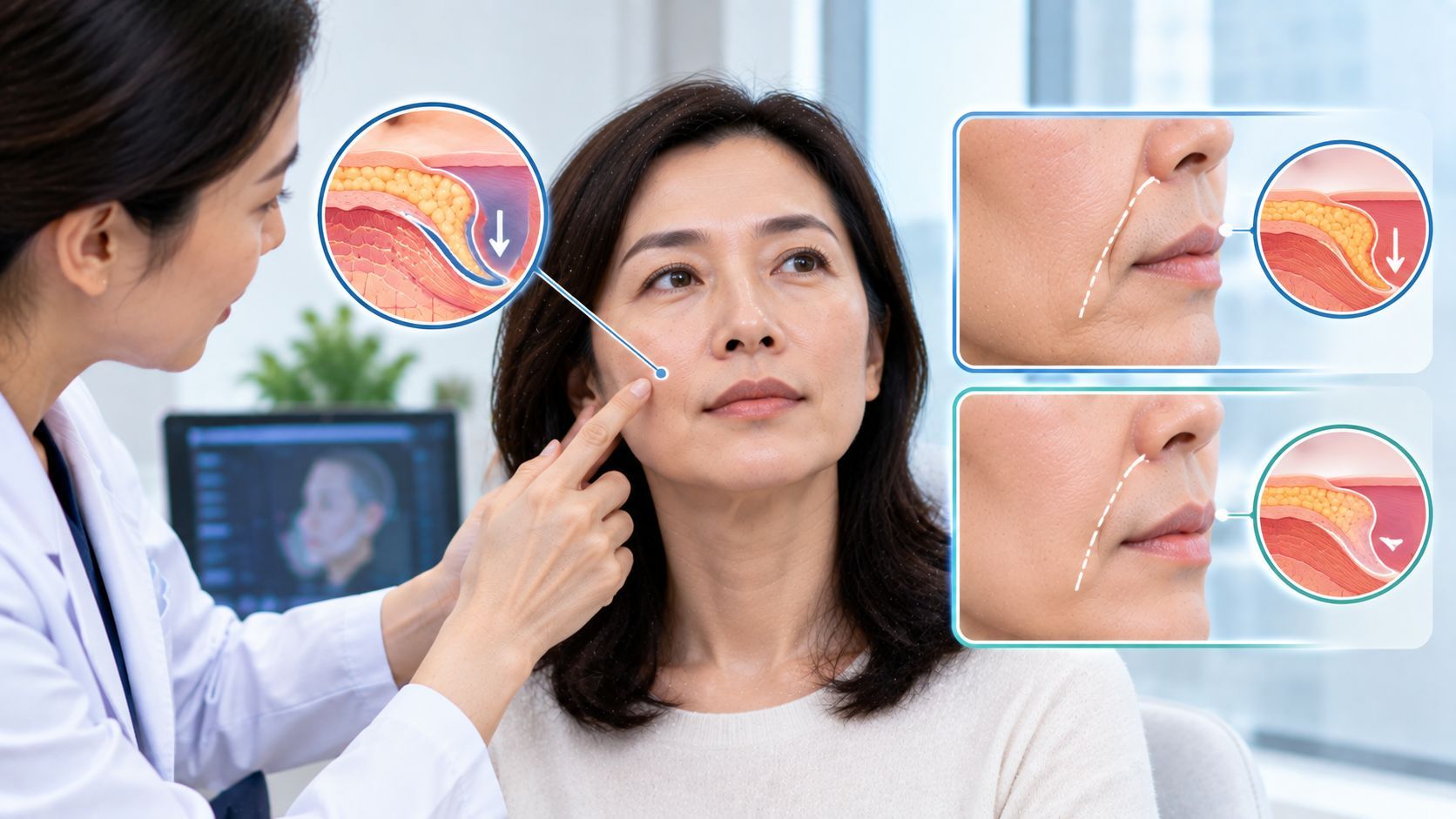
Lower Energy Still Stimulates Collagen Effectively
Modern laser technology allows dermatologists to achieve strong biological effects even at lower energy levels.
Benefits include:
- Controlled dermal heating
- Reduced surface damage
- Gradual collagen activation
- Safer repeat treatments
This makes it possible to achieve significant improvement without aggressive tissue injury.
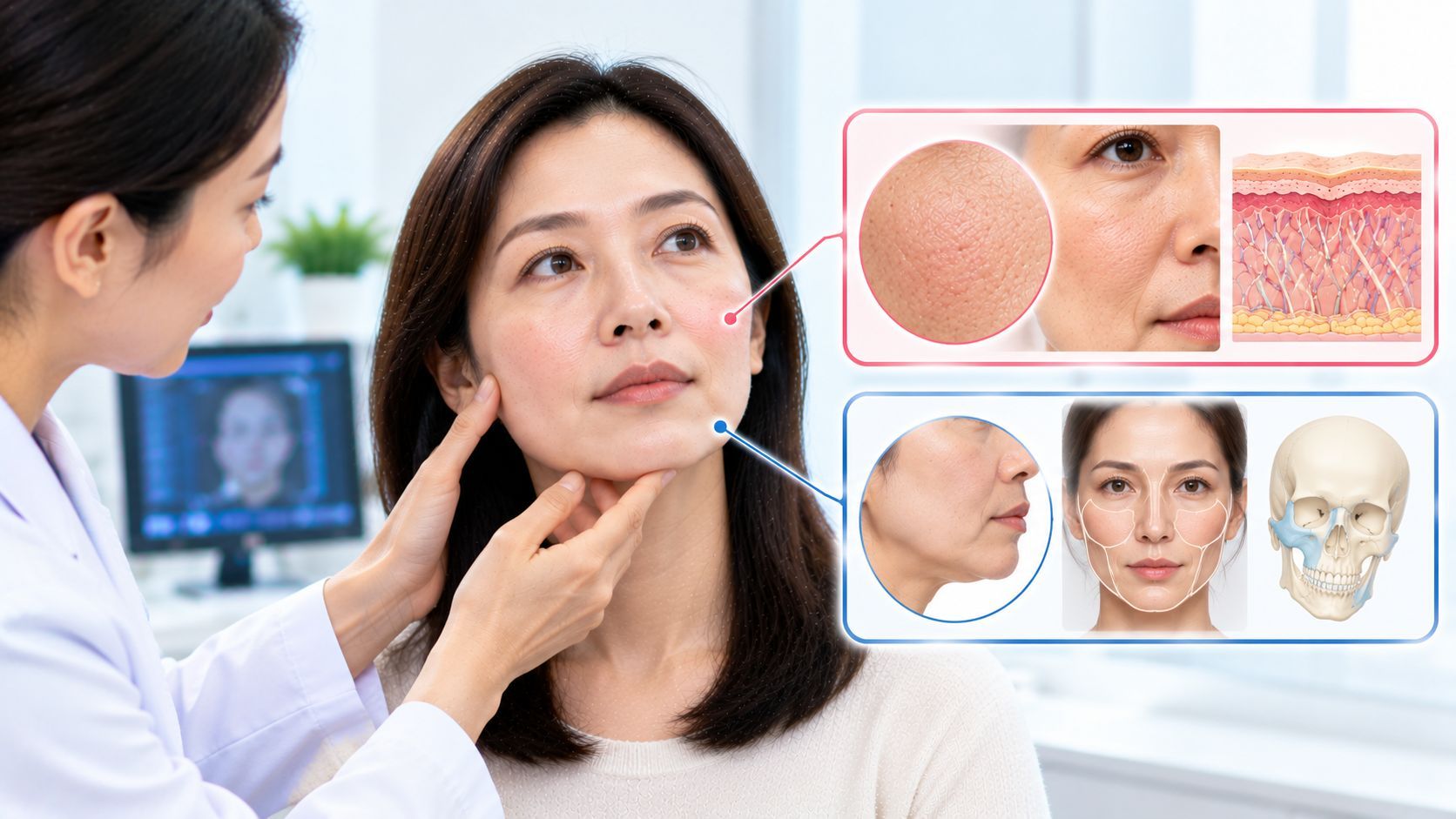
Reduced Risk of Skin Barrier Damage
Overly strong laser treatments can compromise the skin barrier, leading to:
- Dryness
- Sensitivity
- Redness
- Long-term reactivity
Korean dermatologists prioritize maintaining barrier integrity, especially for patients undergoing repeated treatments throughout the year.
Long-Term Treatment Cycles Are the Norm
Instead of one-time correction, Korean laser treatments are designed as part of ongoing skin management.
Typical cycles include:
- Monthly or seasonal maintenance sessions
- Alternating laser types
- Combination with regenerative injectables
- Continuous adjustment based on skin response
This system reduces the need for aggressive intervention.
Better Integration With Regenerative Treatments
Less aggressive lasers pair better with regenerative therapies commonly used in Korea.
These include:
- Rejuran and PN-based injectables
- Skin boosters
- Exosome therapy
- LED recovery treatments
Milder laser settings allow skin to recover faster and respond better to these supportive treatments.
Final Thoughts
Korean clinics prefer less aggressive lasers because they offer a safer, more controlled, and more sustainable way to improve skin over time. By minimizing inflammation, reducing pigmentation risk, and preserving the skin barrier, this approach allows patients to achieve consistent results through combination treatments rather than relying on high-intensity procedures. In Korean dermatology, long-term skin quality and stability are valued more highly than rapid but risky transformation.