Why Korean Clinics Combine 3–5 Devices in One Session
Why Korean Clinics Combine 3–5 Devices in One Session
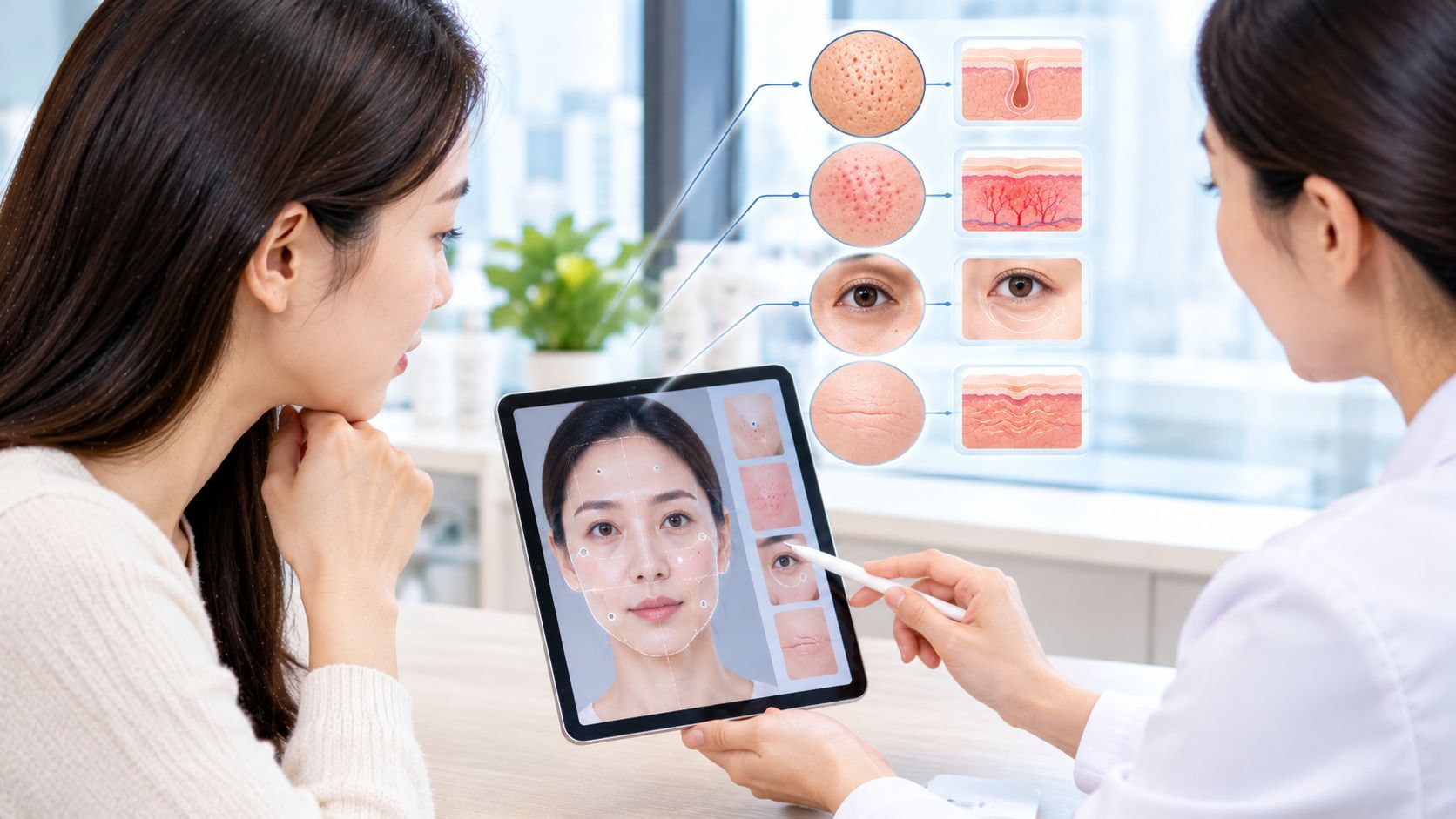
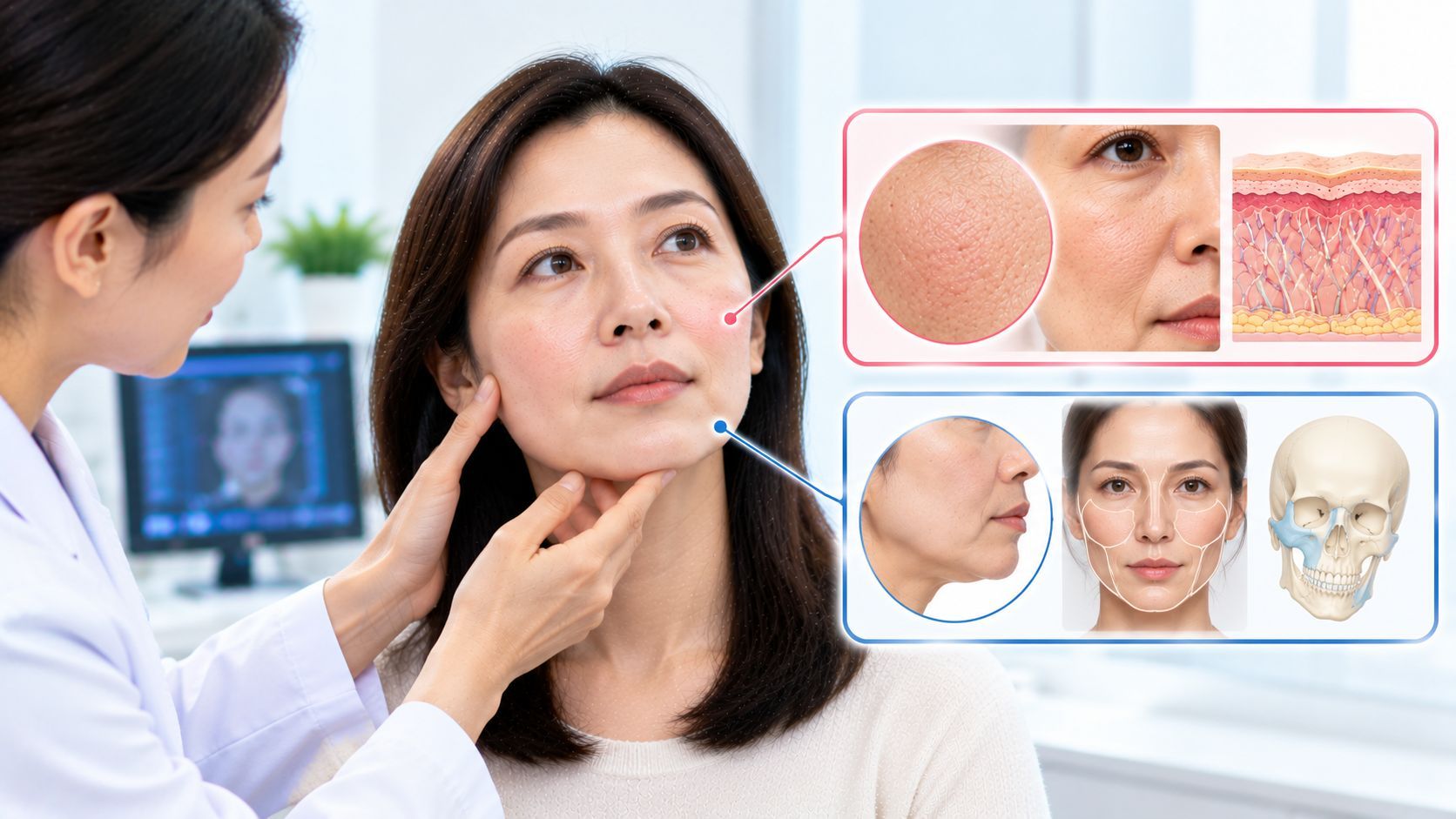
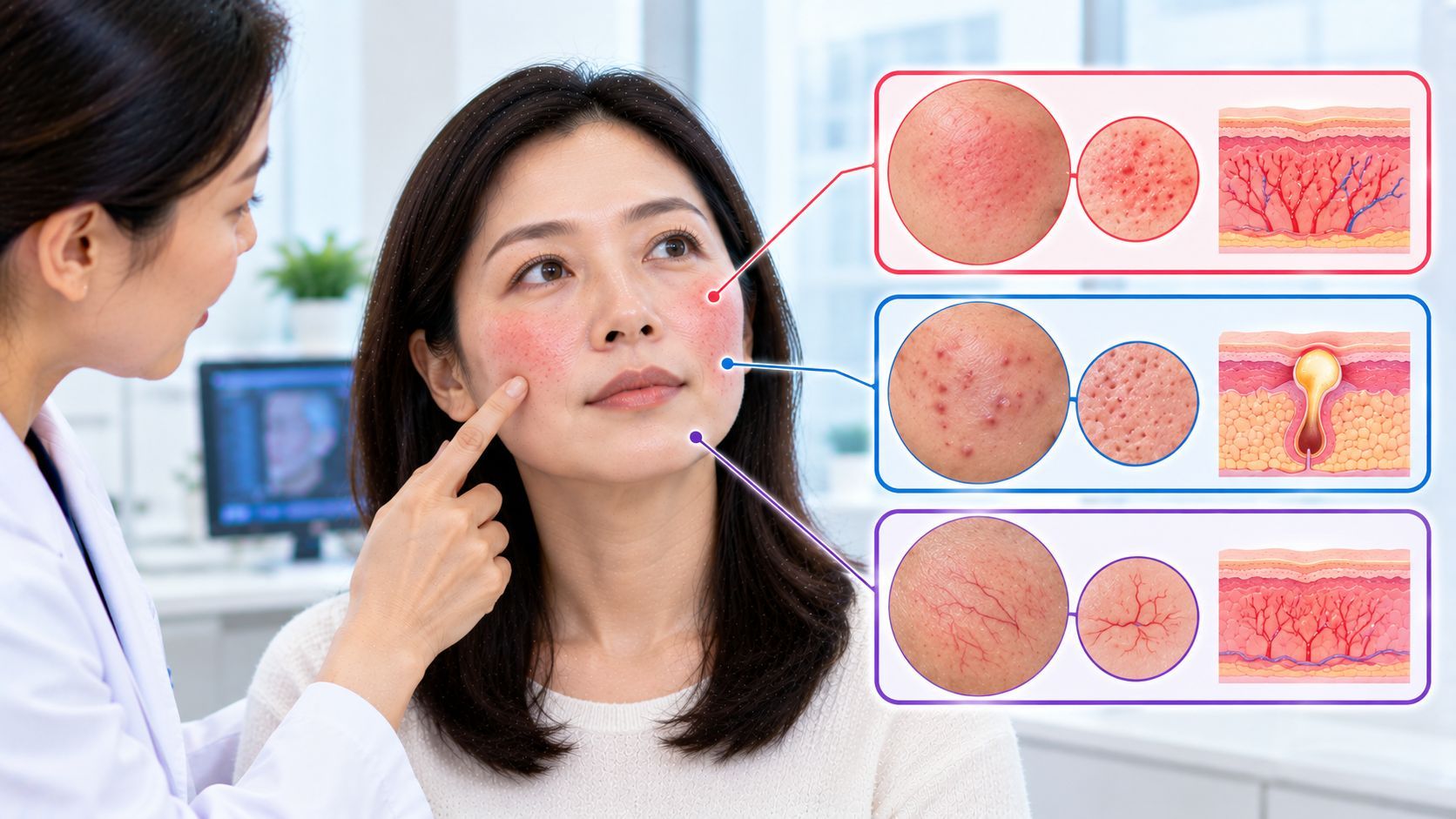
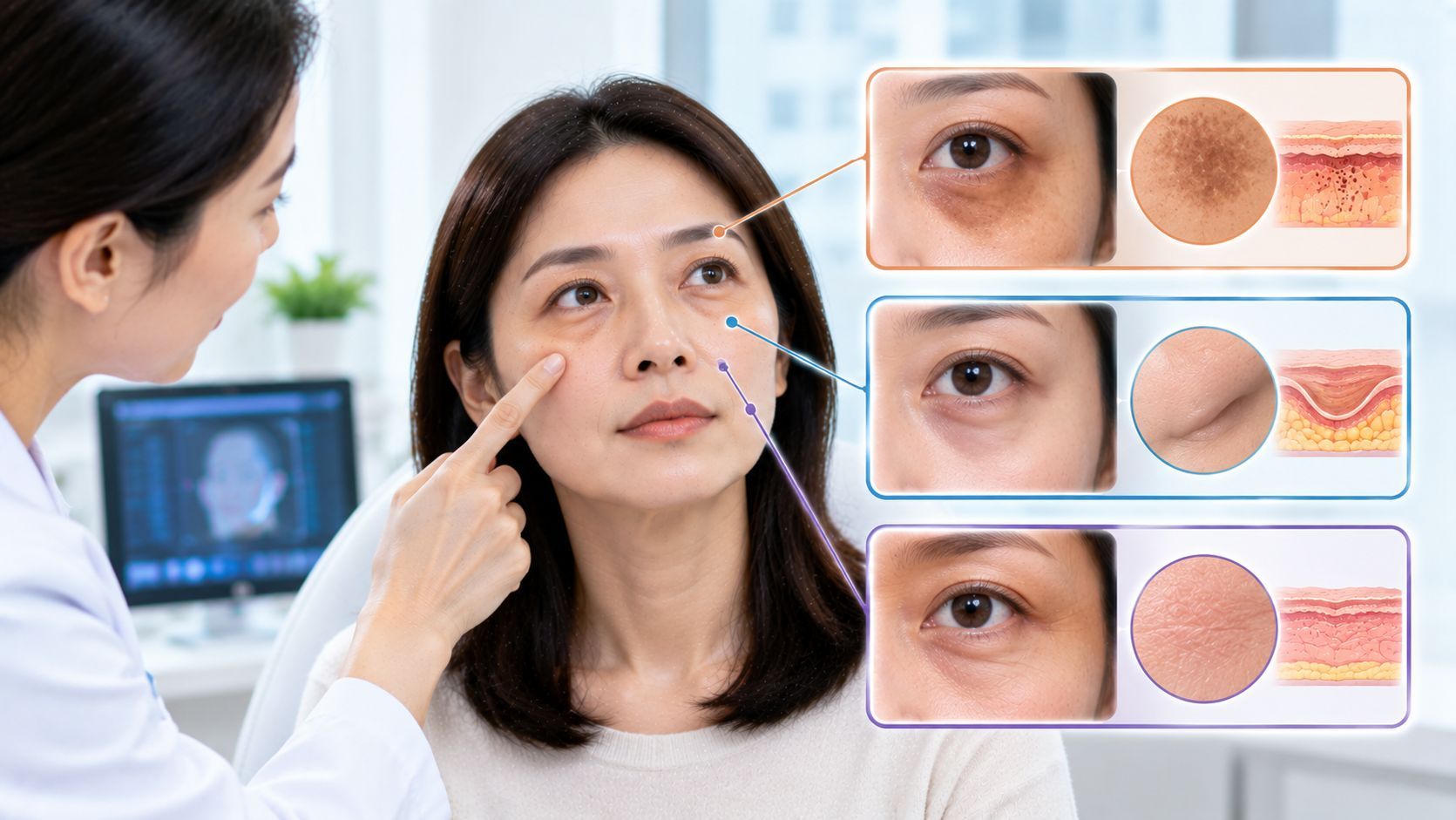
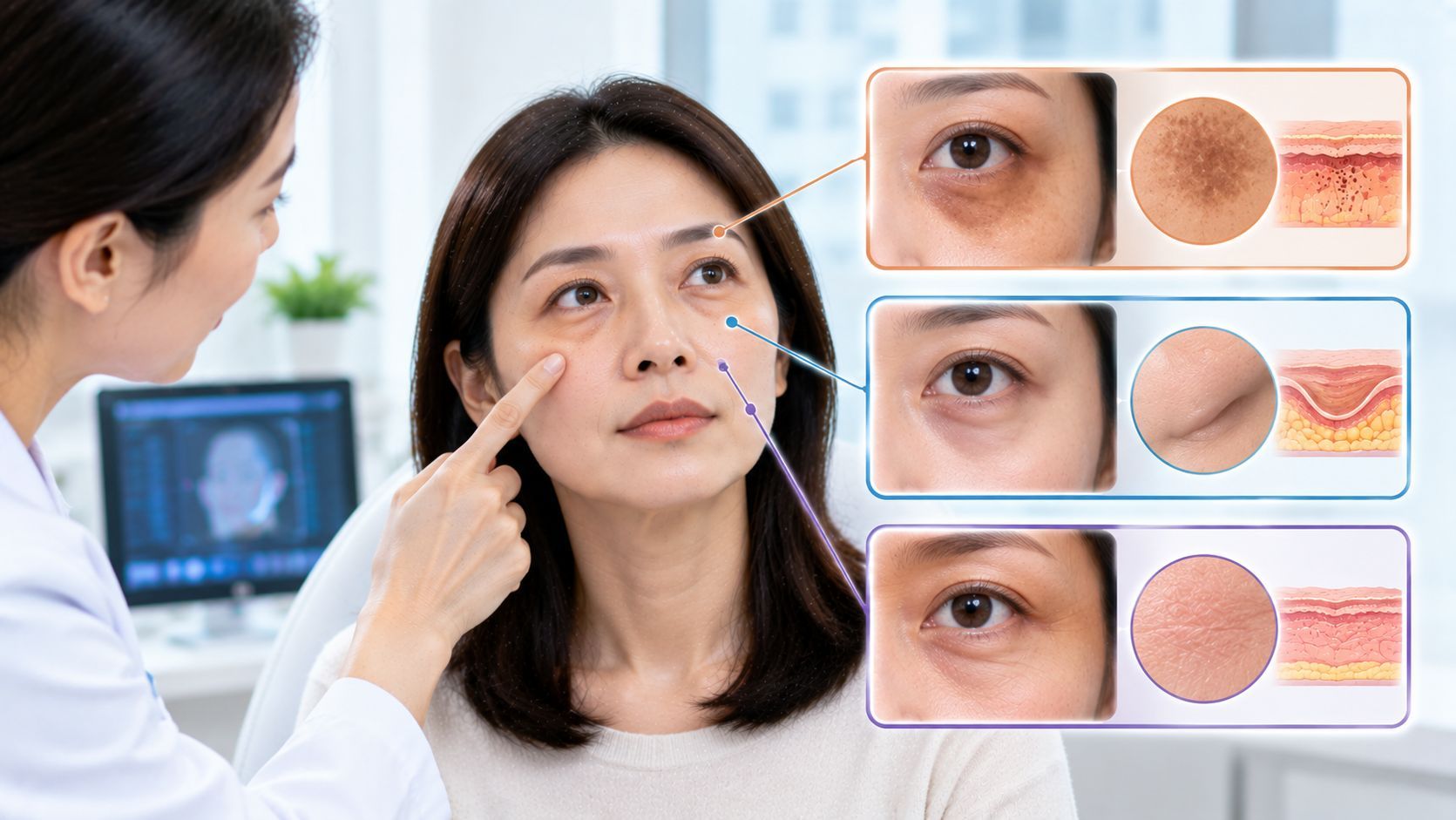
One of the most noticeable trends in Korean dermatology is the frequent use of multi-device treatment sessions. Instead of relying on a single laser or lifting machine, many clinics in Seoul—especially in Gangnam—combine 3 to 5 different technologies in one visit. This approach may seem excessive at first, but it reflects how Korean dermatologists think about skin aging as a multi-layered problem involving texture, pigmentation, elasticity, hydration, and structural support all at once.
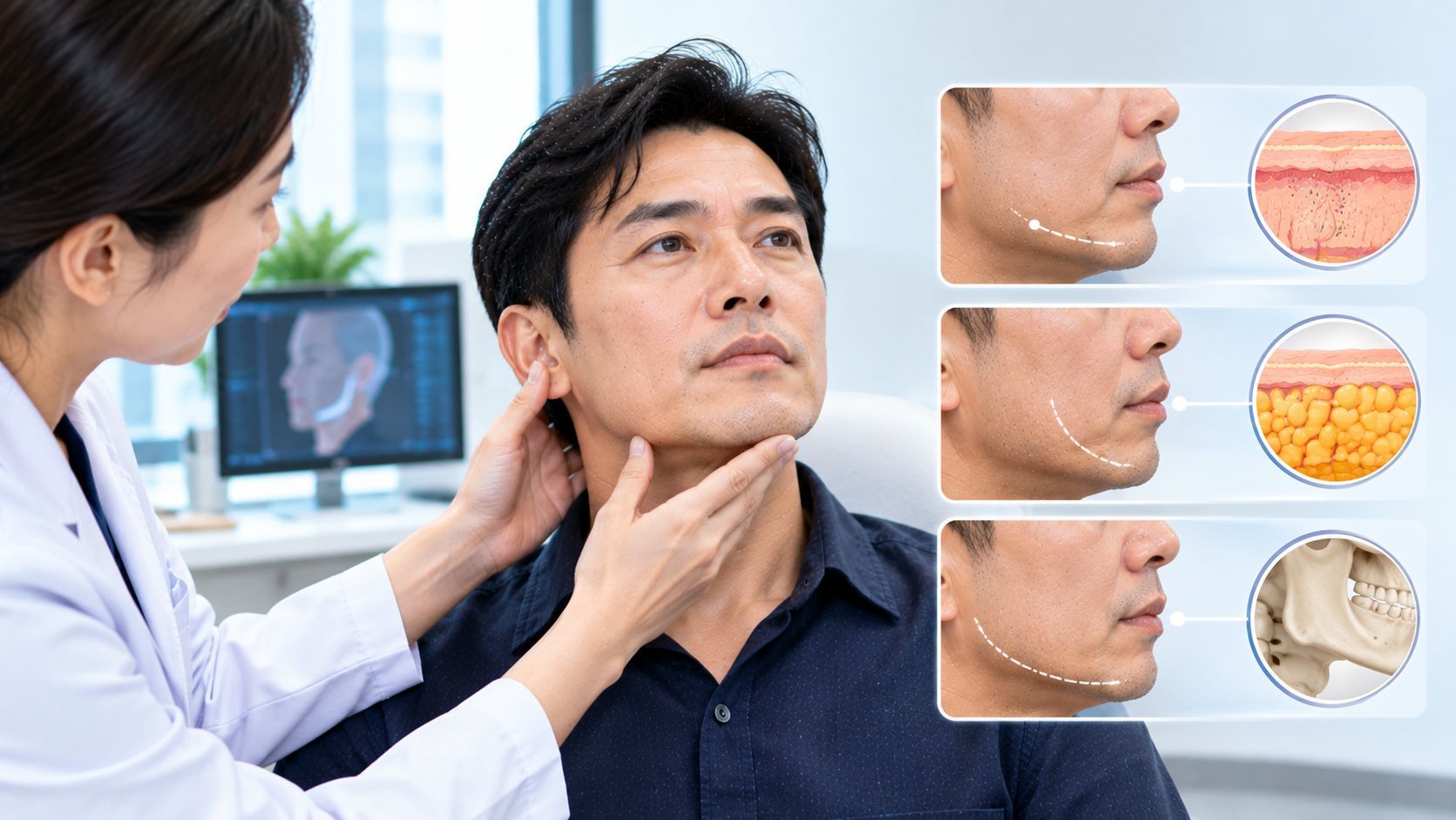
Different Devices Target Different Skin Layers
The main reason for combining devices is that no single technology can fully address all aspects of skin aging.
Common layers include:
- Surface pigmentation and tone
- Dermal texture and pores
- Collagen structure
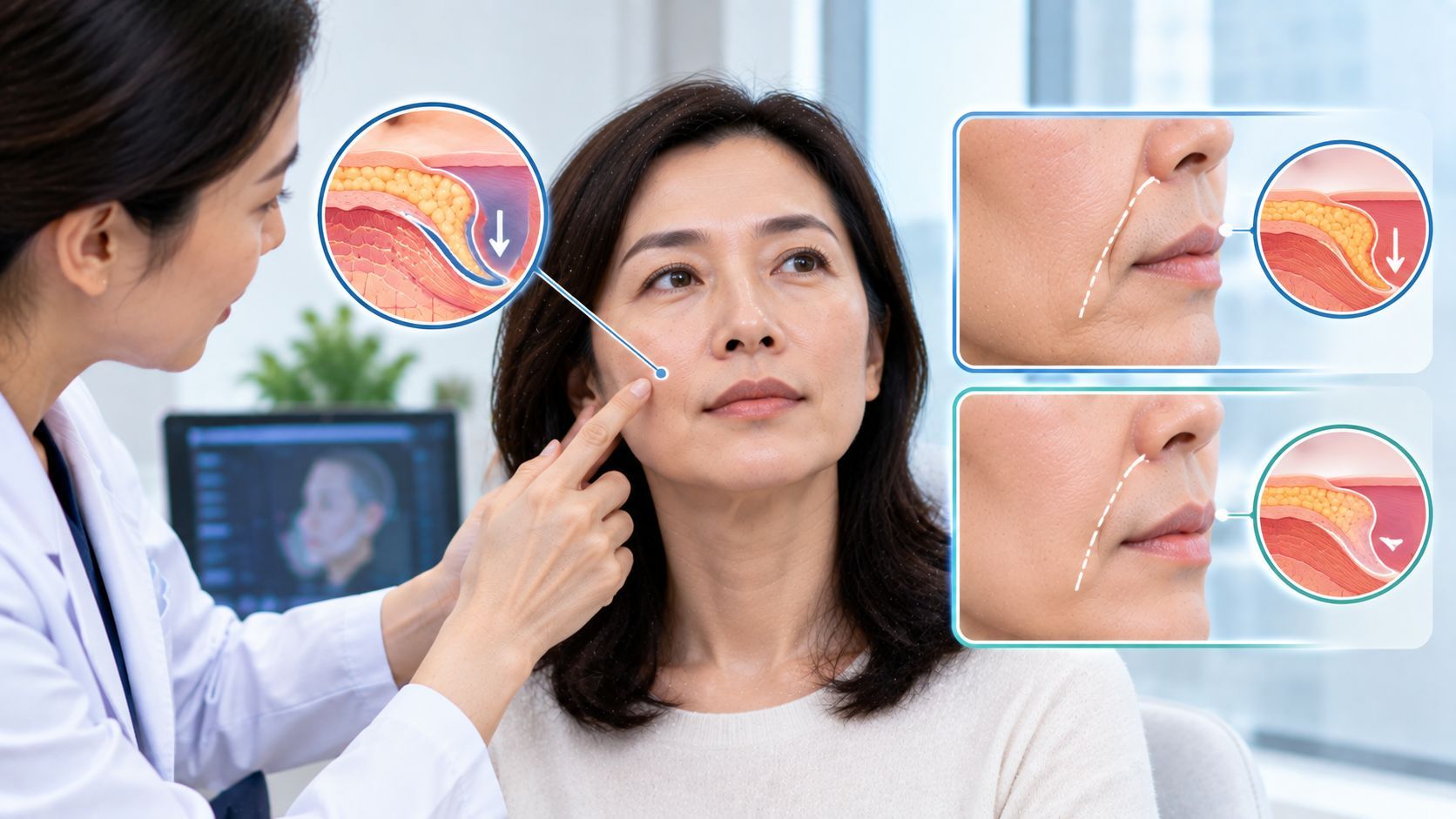
- Subcutaneous fat and laxity
- Skin hydration and barrier health
Each device is designed to target a specific depth or concern, so combining them allows for a more complete treatment outcome.
Typical Multi-Device Treatment Combinations
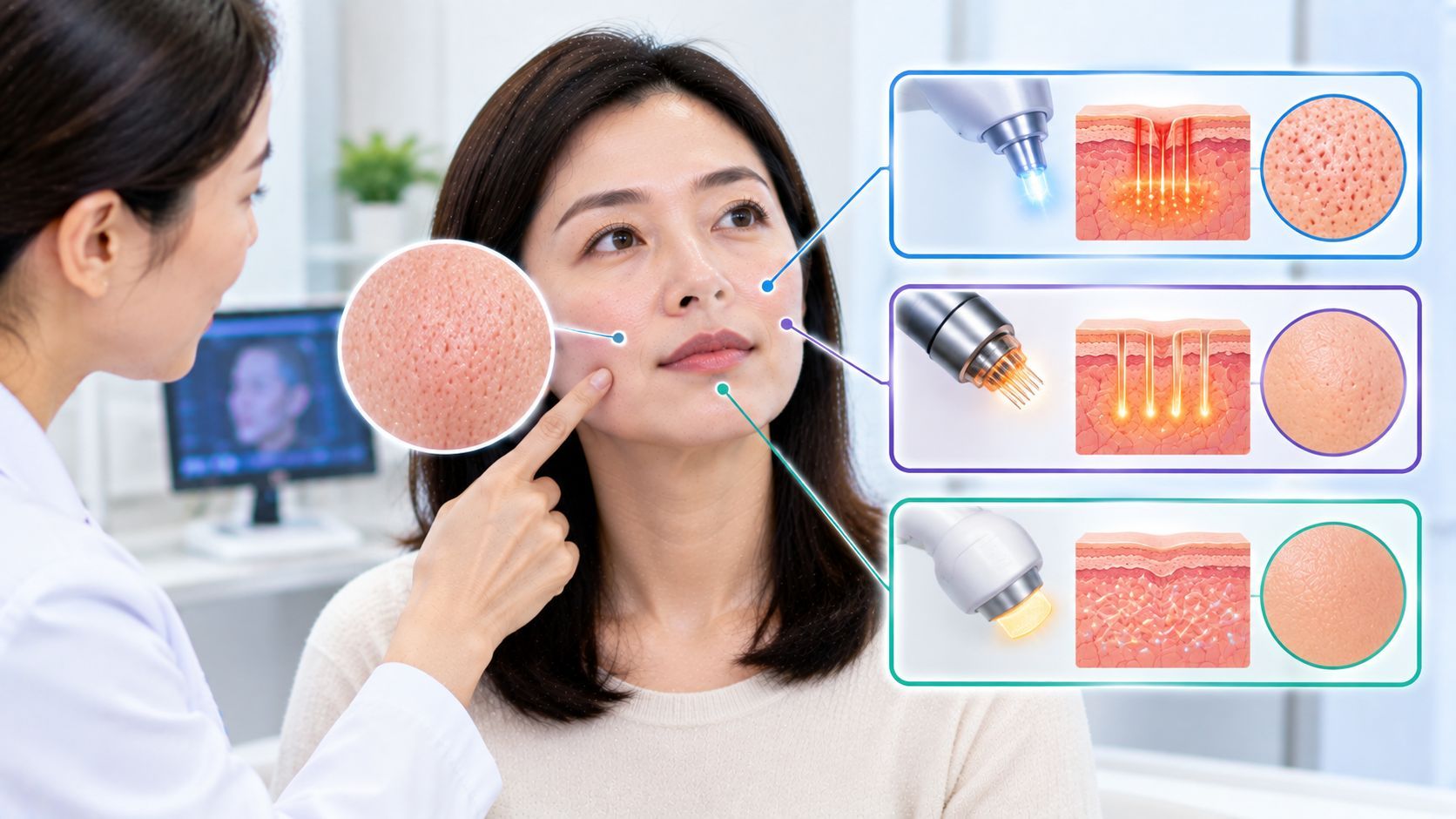
A standard Korean combination session might include:
- Pico laser for pigmentation and tone
- RF microneedling for texture and pores
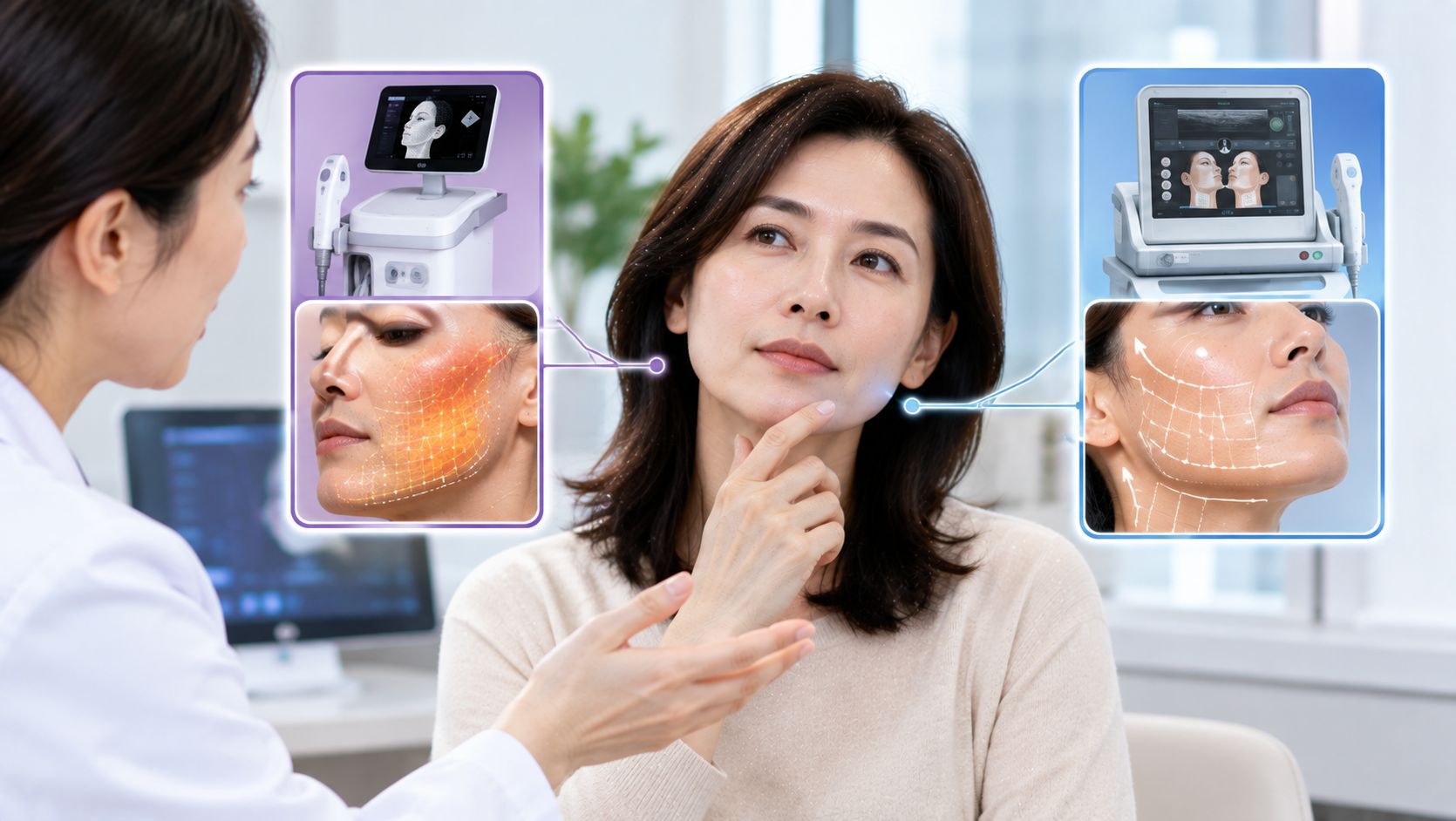
- Ultrasound lifting (Ultherapy/Sofwave) for deep tightening
- Skin booster injection for hydration
- LED or cooling therapy for recovery
These combinations are adjusted depending on the patient’s skin condition and treatment goals.
Efficiency and “One-Day Skin Improvement” Culture
Korean clinics are highly optimized for efficiency, especially in high-volume areas like Gangnam.
Combining devices in one session allows:
- Faster overall treatment cycles
- Fewer clinic visits
- More noticeable short-term improvement
- Coordinated recovery management
Many patients prefer completing multiple concerns in a single appointment rather than spreading treatments over several weeks.
Synergy Between Treatments Matters
Korean dermatologists often design combination protocols based on synergy rather than repetition.
For example:
- Laser treatments prepare the skin for better absorption
- RF microneedling enhances collagen response
- Skin boosters improve recovery and hydration
- Lifting devices provide structural support
When properly combined, these treatments can enhance each other’s effects instead of working independently.
Recovery-Focused Treatment Design
Another reason for combining devices is improved recovery planning.
Instead of performing aggressive single treatments, clinics often use:
- Moderate-intensity settings across multiple devices
- Layered stimulation rather than deep single trauma
- Post-treatment calming care like LED or cooling therapy
This approach reduces downtime while still achieving visible improvement.
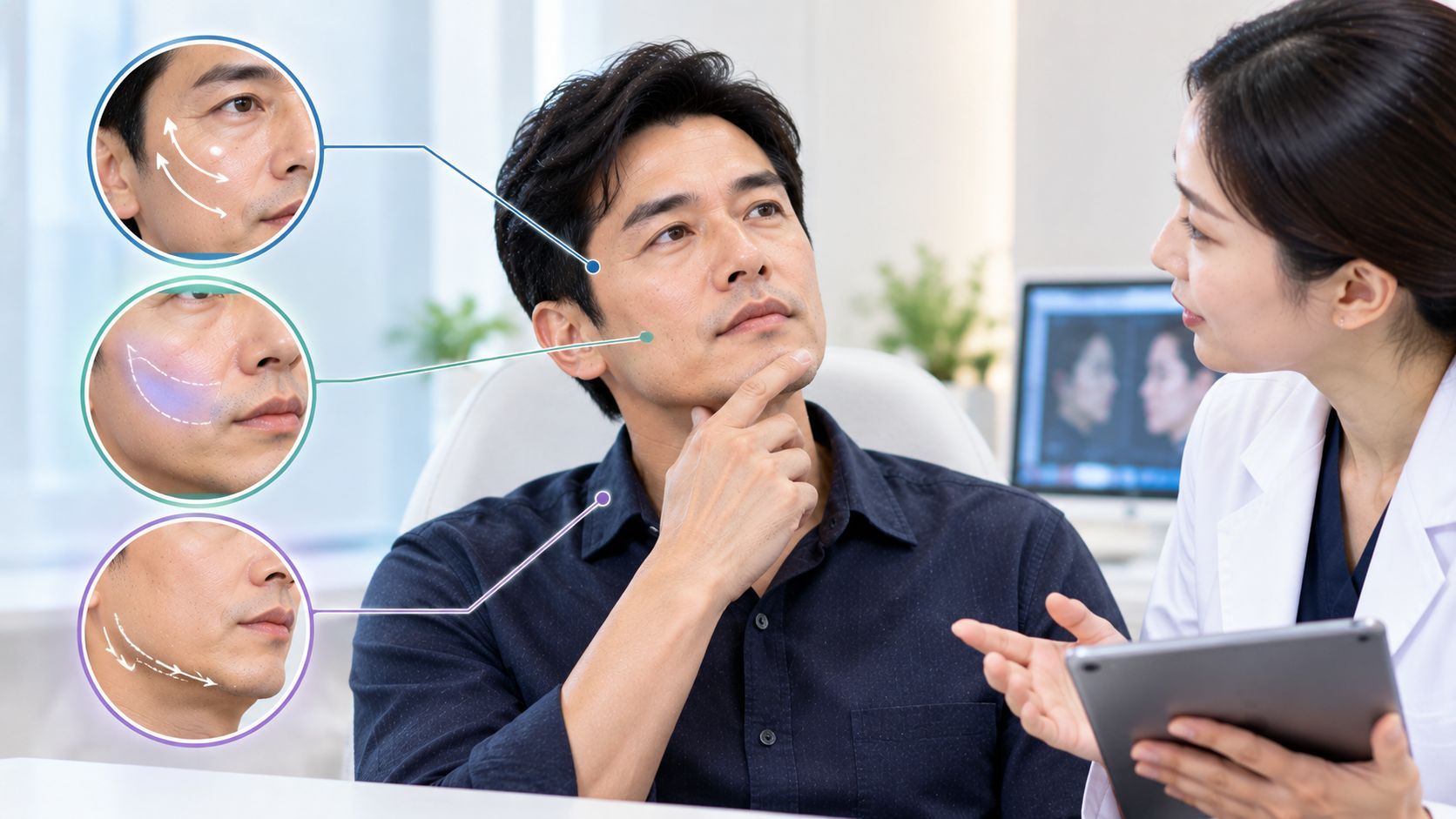
Customization Is a Key Part of Korean Dermatology
Multi-device treatments are rarely standardized. Korean clinics often adjust combinations based on:
- Age and skin thickness
- Sensitivity level
- Pigmentation severity
- Degree of sagging
- Previous treatment history
This customization is one reason why treatment plans vary significantly between clinics.
Why Foreign Patients Notice It More
International patients often find multi-device sessions surprising because clinics in other countries may focus on one device per visit.
In Korea, however:
- Combination therapy is the norm
- Treatment packages are designed holistically
- Skin is treated as a layered system rather than a single issue
This difference in approach can make Korean dermatology feel more intensive or complex.
Cost Efficiency vs Premium Strategy
Combining devices can serve both budget and luxury clinic models.
Budget clinics often use combinations to:
- Offer package deals
- Increase perceived value
- Treat multiple concerns in one session
Premium clinics use combinations to:
- Create highly customized anti-aging plans
- Improve long-term skin quality
- Minimize unnecessary repetition
- Deliver refined aesthetic outcomes
The same concept can therefore serve very different pricing structures.
The Goal Is Balanced, Natural Results
Despite using multiple devices, the goal is usually not aggressive transformation.
Korean dermatologists aim for:
- Even skin tone
- Smooth texture
- Natural firmness
- Subtle lifting
- Healthy glow
The combination approach is designed to avoid over-treating one area while neglecting others.
Final Thoughts
Korean clinics combine 3–5 devices in a single session because modern skin aging involves multiple layers that cannot be effectively treated with one technology alone. By layering lasers, lifting devices, RF systems, and regenerative treatments, dermatologists can target pigmentation, texture, elasticity, and hydration simultaneously while maintaining natural-looking results and manageable downtime. In Korea’s aesthetic medicine system, combination therapy has become the standard approach rather than the exception, reflecting a more holistic view of skin aging and treatment design.