The Truth About Korean Skin Whitening Treatments
The Truth About Korean Skin Whitening Treatments
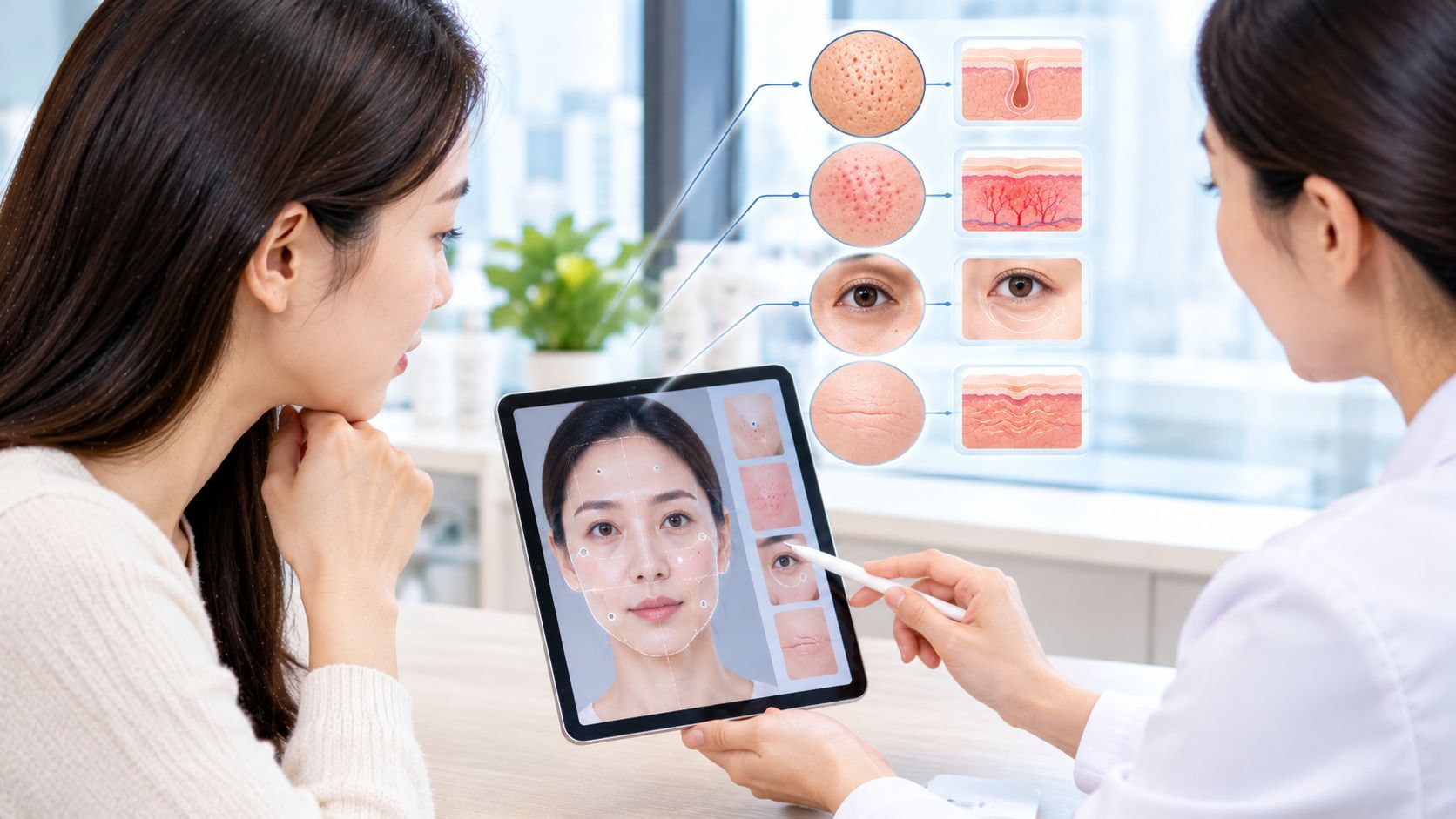
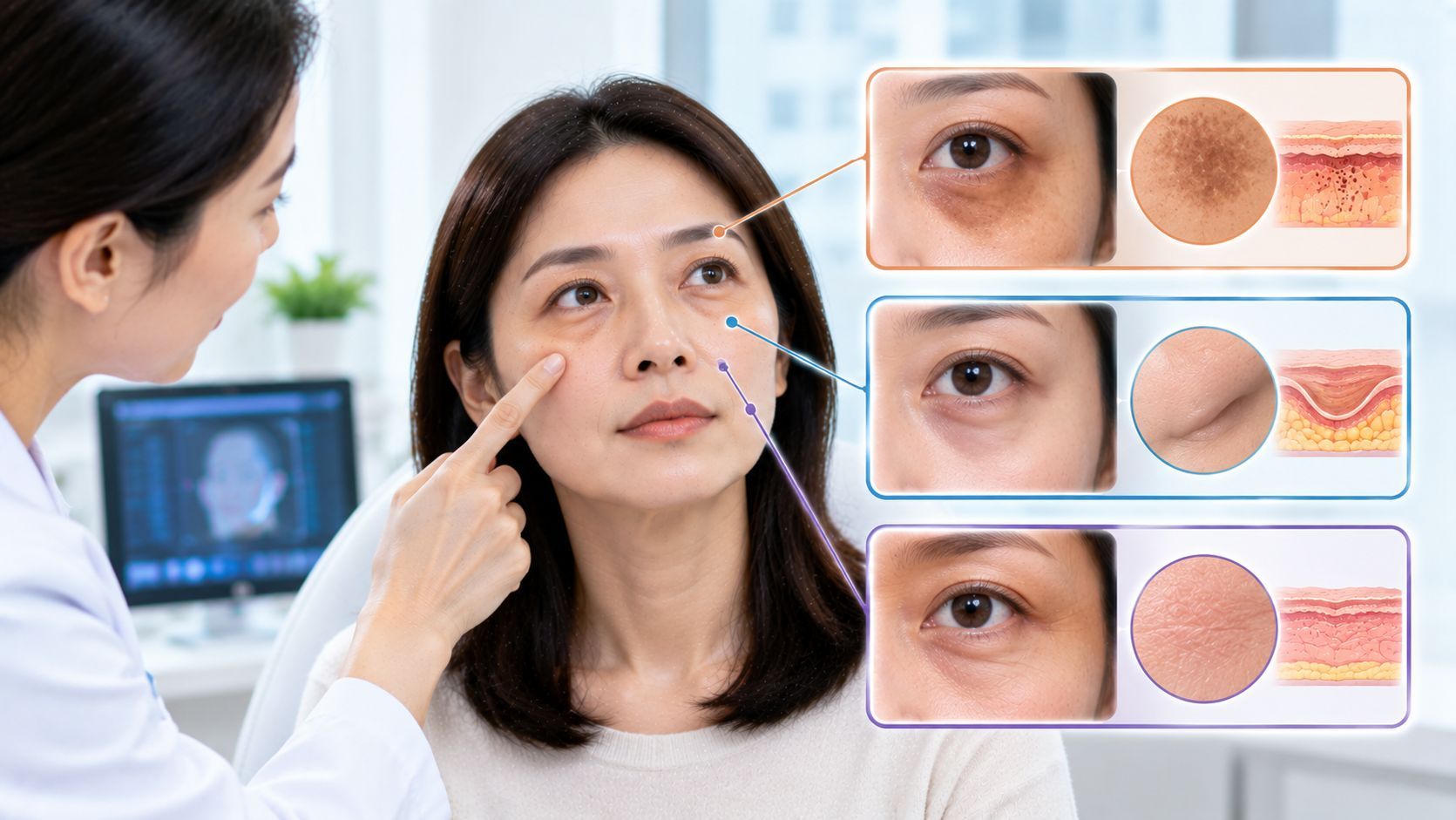
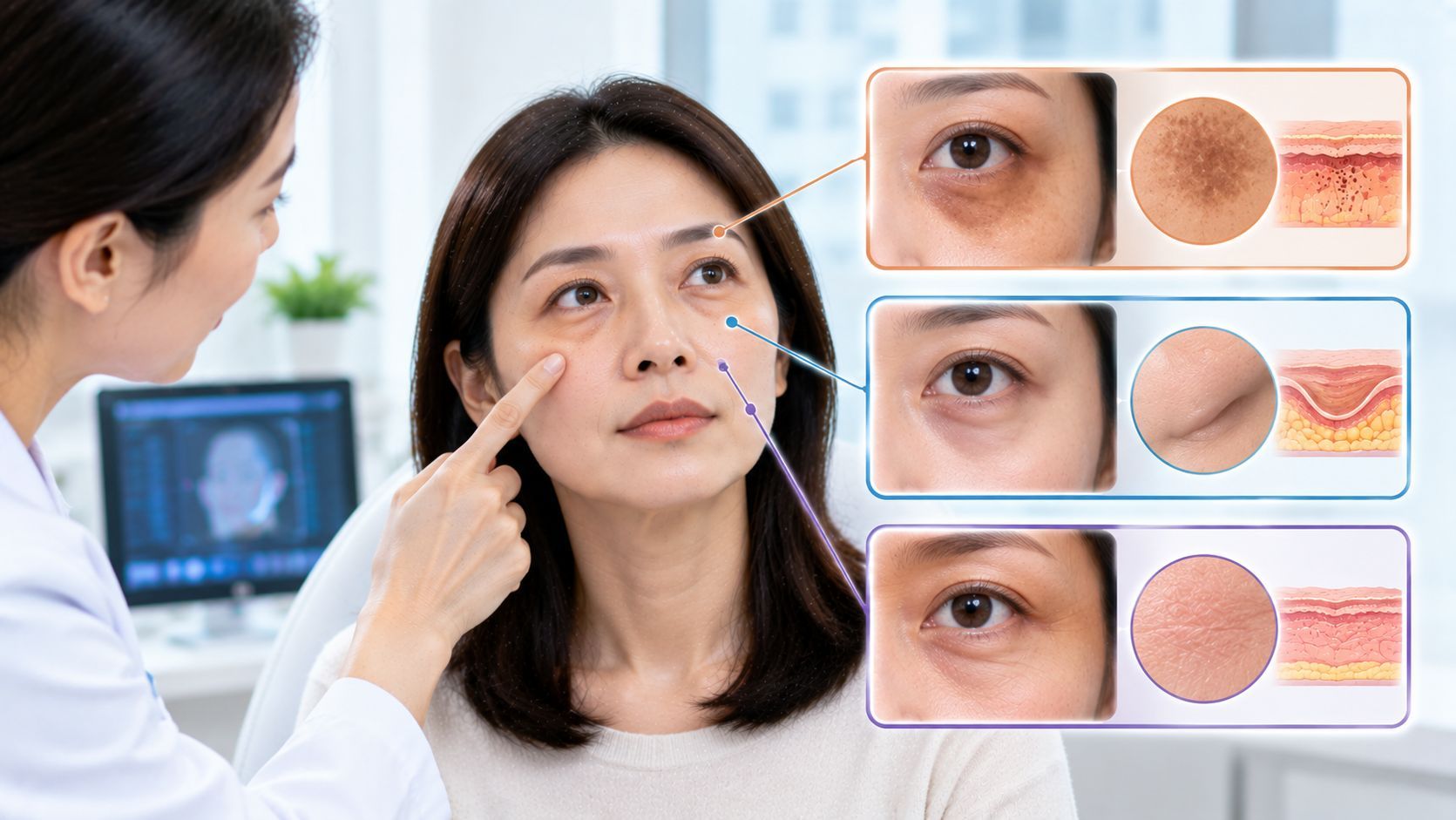
Korean “skin whitening” treatments are often misunderstood outside of Korea. In reality, Korean dermatology does not focus on changing a person’s natural skin color. Instead, the goal is to reduce pigmentation, even out skin tone, and improve overall skin clarity so the skin looks brighter, healthier, and more uniform. In Seoul clinics, especially in Gangnam, “whitening” is essentially a combination of pigmentation control, inflammation reduction, and skin quality improvement rather than true bleaching of skin tone.
Whitening Means Tone Correction, Not Color Change
One of the biggest misconceptions is that whitening treatments dramatically change skin color.
In Korean dermatology, the focus is on:
- Removing sun damage
- Reducing acne marks
- Treating melasma
- Improving dullness
- Evening out uneven tone
The goal is clearer skin, not artificially lighter skin.
Laser Treatments Are the Core Method
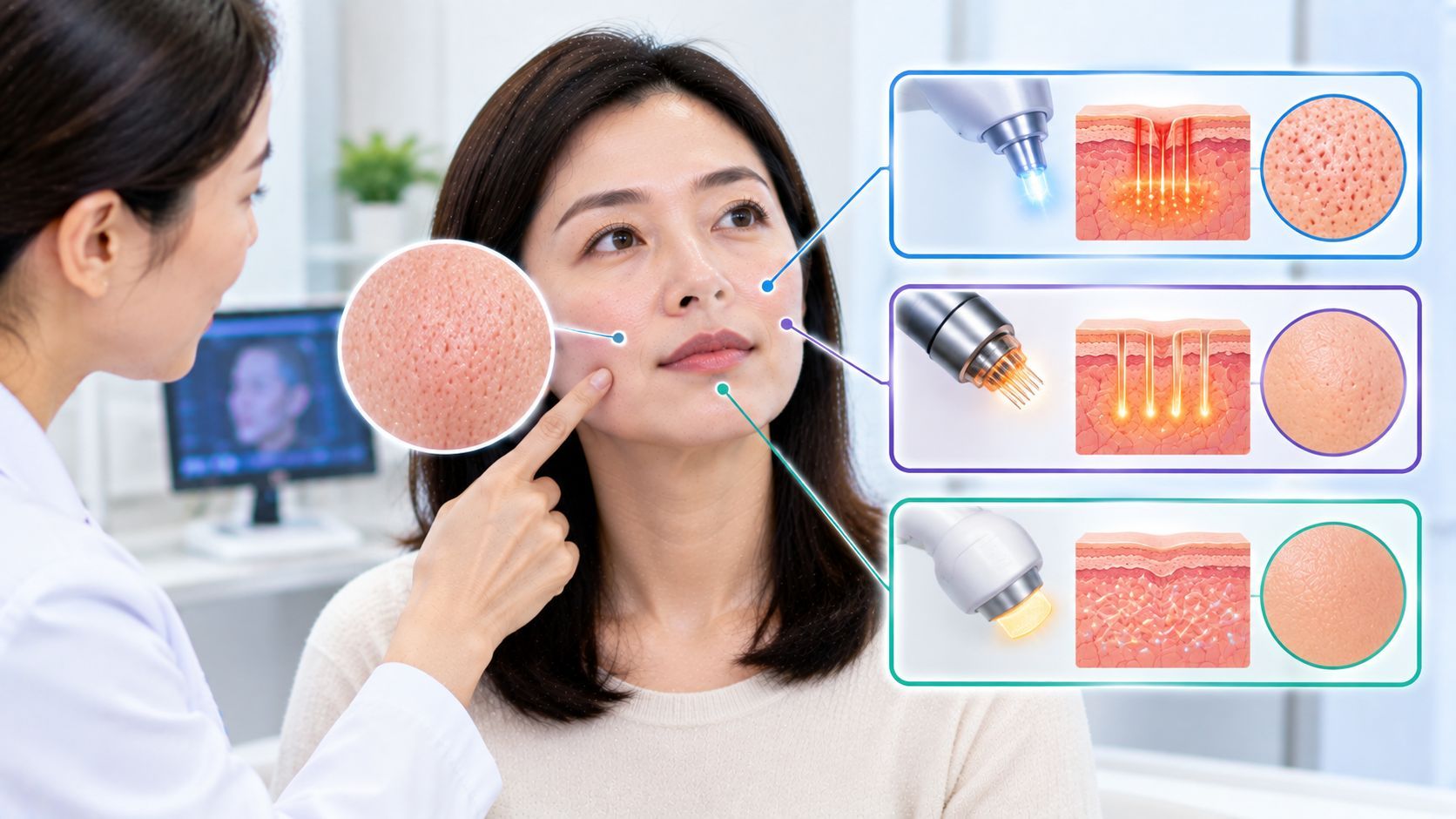
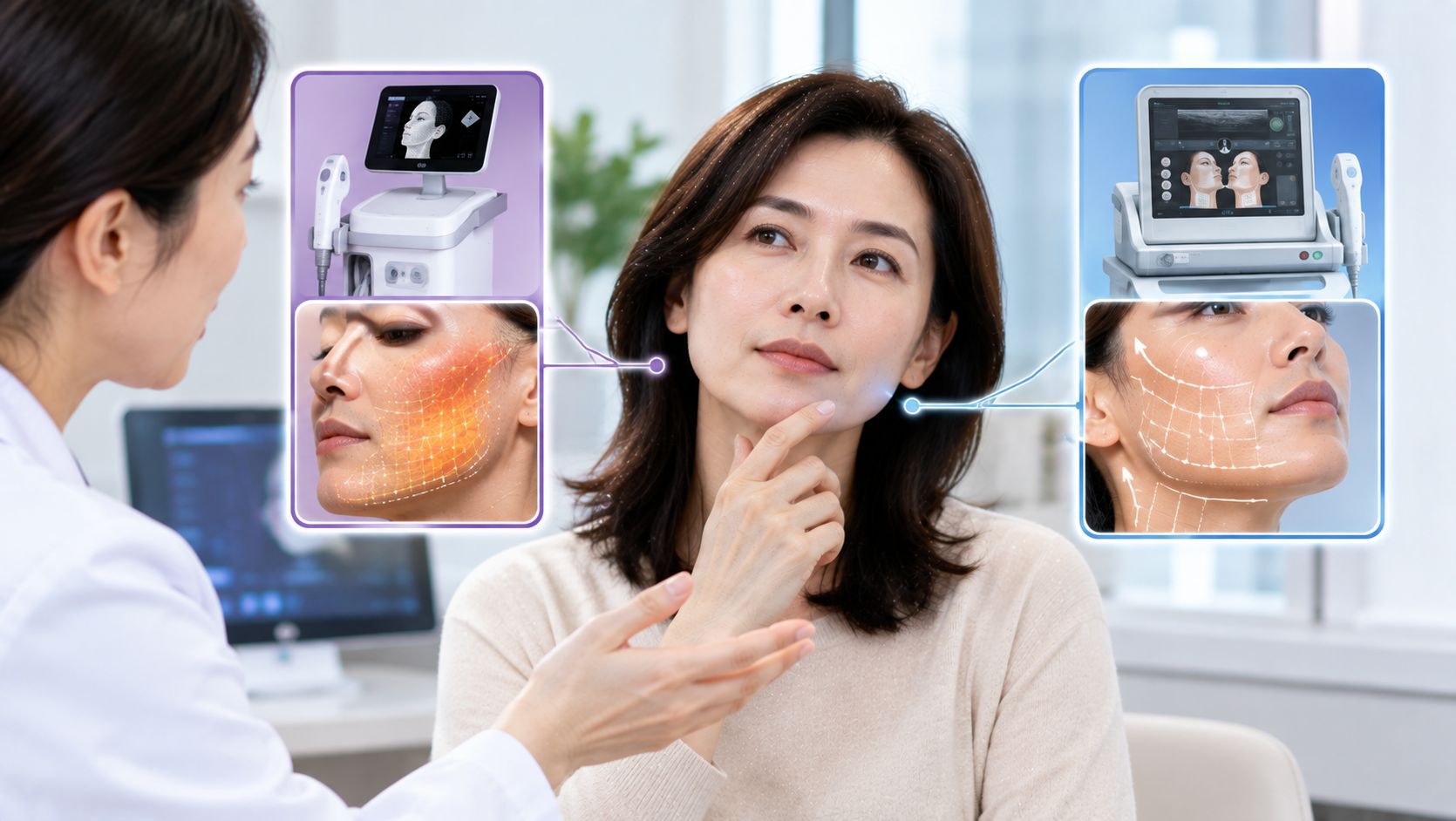
Most skin brightening procedures in Korea are based on controlled laser technology.
Common options include:
- Pico laser for pigment breakdown
- Laser toning for overall brightness
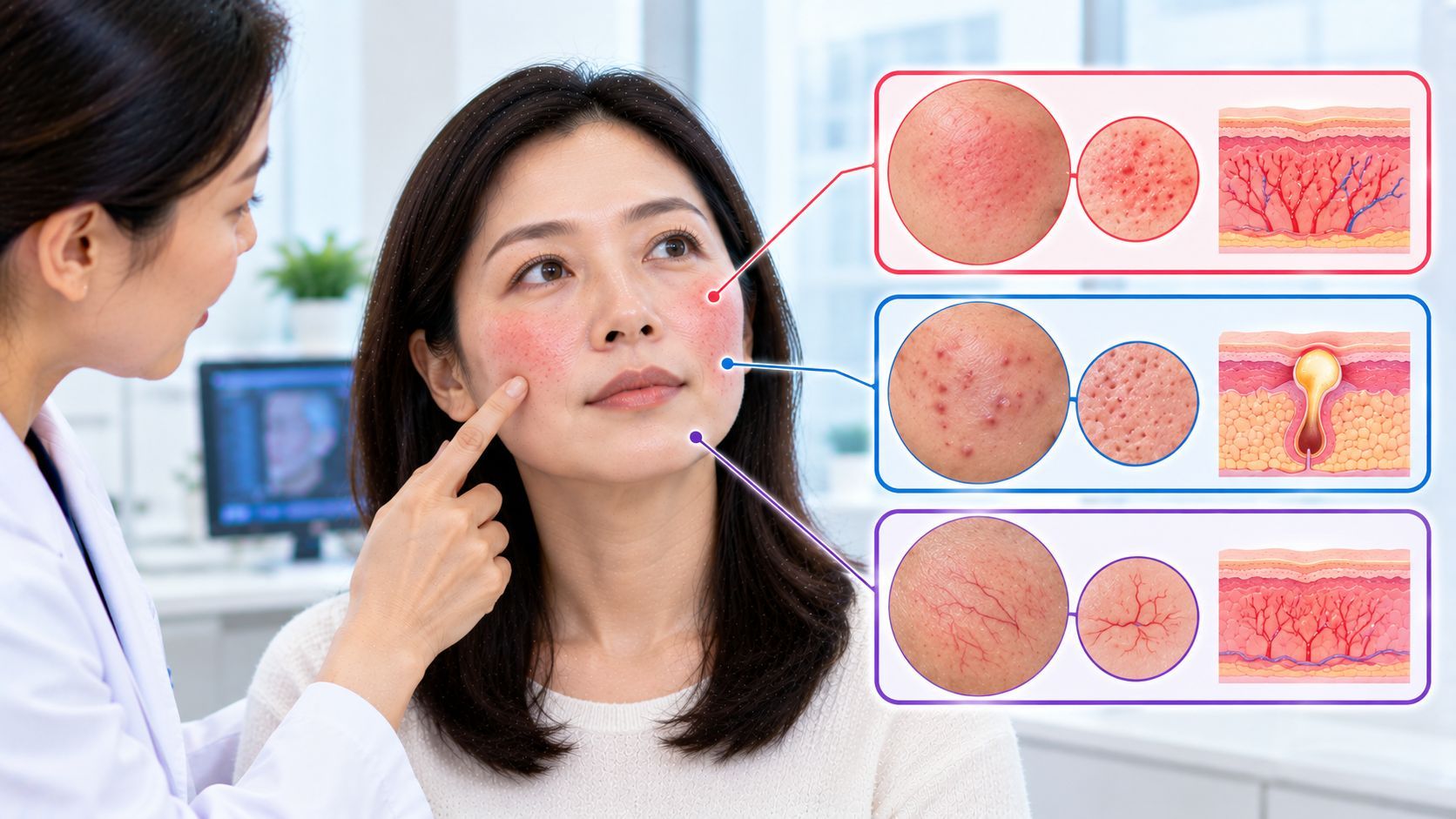
- IPL for mixed redness and pigmentation
- Fractional lasers for texture and clarity
These treatments gradually reduce excess melanin and improve skin reflectivity over time.
Melanin Regulation Is More Important Than Removal
Korean dermatologists emphasize that completely removing melanin is neither realistic nor safe.
Instead, treatments focus on:
- Regulating melanocyte activity
- Preventing overproduction of pigment
- Reducing inflammation triggers
- Stabilizing skin tone long-term
This is why low-energy, repeated sessions are preferred over aggressive whitening procedures.
Skin Boosters Enhance Brightness Indirectly
Injectable treatments are a key part of Korean skin brightening strategies.
Common options include:
- Rejuran for skin repair
- PDRN for regeneration
- Hyaluronic acid boosters for hydration
- Exosome therapy for recovery and glow
These treatments improve skin texture and hydration, which naturally makes skin appear brighter and more even.
Hydration and Barrier Health Play a Major Role
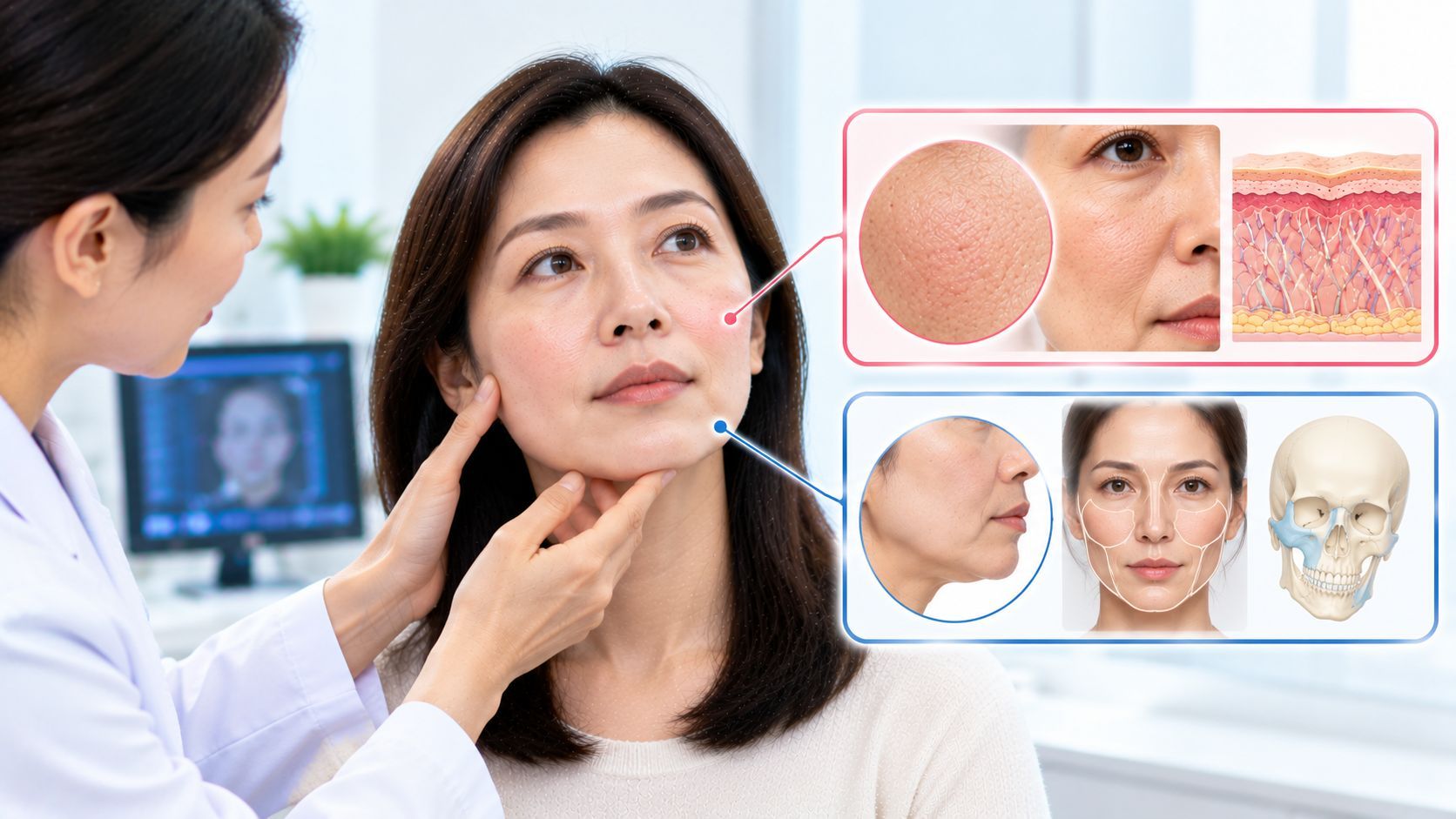
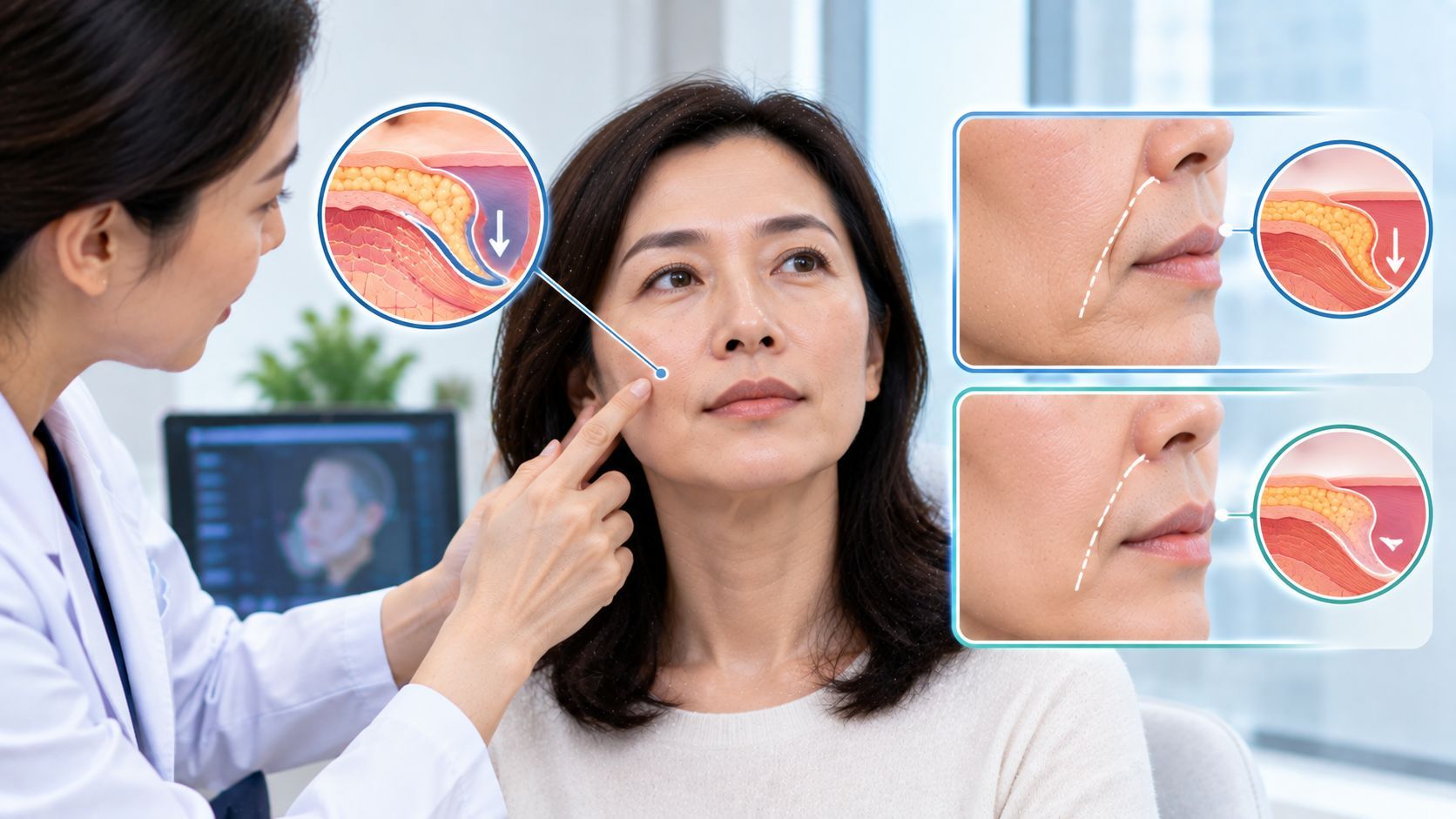
In Korean dermatology, dull skin is often linked to dehydration and barrier damage rather than just pigmentation.
Improving brightness often involves:
- Strengthening the skin barrier
- Reducing inflammation
- Increasing hydration levels
- Restoring skin smoothness
Healthy skin reflects light better, creating a naturally brighter appearance.
Combination Therapy Is the Standard Approach
Skin whitening in Korea is rarely a single procedure.
A typical treatment plan may include:
- Pico laser for pigment correction
- Laser toning for overall brightness
- Skin boosters for hydration and regeneration
- LED therapy for calming inflammation
- Medical skincare for maintenance
This layered approach targets both pigment and skin health simultaneously.
Results Are Gradual and Cumulative
Korean skin brightening treatments are not designed for instant transformation.
Instead, improvements happen gradually:
- First few sessions → reduced redness and dullness
- Mid-stage → improved tone and clarity
- Long-term → more even, refined skin appearance
Consistency is more important than intensity.
Why Over-Whitening Is Avoided in Korea
Modern Korean dermatology avoids overly aggressive whitening because it can:
- Damage the skin barrier
- Trigger rebound pigmentation
- Cause uneven tone
- Increase sensitivity
The focus has shifted toward natural-looking radiance rather than extreme lightening.
Lifestyle and Sun Protection Are Essential
Even the best clinic treatments will not last without proper care.
Key factors include:
- Daily sunscreen use
- Avoiding excessive sun exposure
- Managing inflammation triggers
- Maintaining hydration
- Using gentle skincare products
Korean dermatologists often stress that maintenance is as important as treatment itself.
Final Thoughts
The truth about Korean skin whitening treatments is that they are not about changing natural skin color but about improving clarity, brightness, and evenness of skin tone. Through a combination of lasers, skin boosters, barrier repair, and strict sun protection, Korean dermatology focuses on reducing pigmentation and enhancing overall skin health. The result is not artificially lighter skin, but a more radiant, balanced, and refined complexion achieved through long-term skin management.