How Can I Tell Whether My Double Chin Needs Fat Reduction or Skin Tightening?
Introduction
A double chin can make the lower face and neck look heavier, but the visible fullness does not always come from excess fat. In some people, submental fat is the main issue. In others, loose skin is more important. Many people have a combination of both.
This distinction matters because fat reduction and skin tightening address different problems. Removing or reducing fat will not necessarily tighten significantly loose skin, while tightening loose skin will not remove a substantial amount of excess fat.
Before choosing a Korean aesthetic treatment, the key question is therefore: Is the fullness underneath my chin primarily fat, skin laxity, or both?
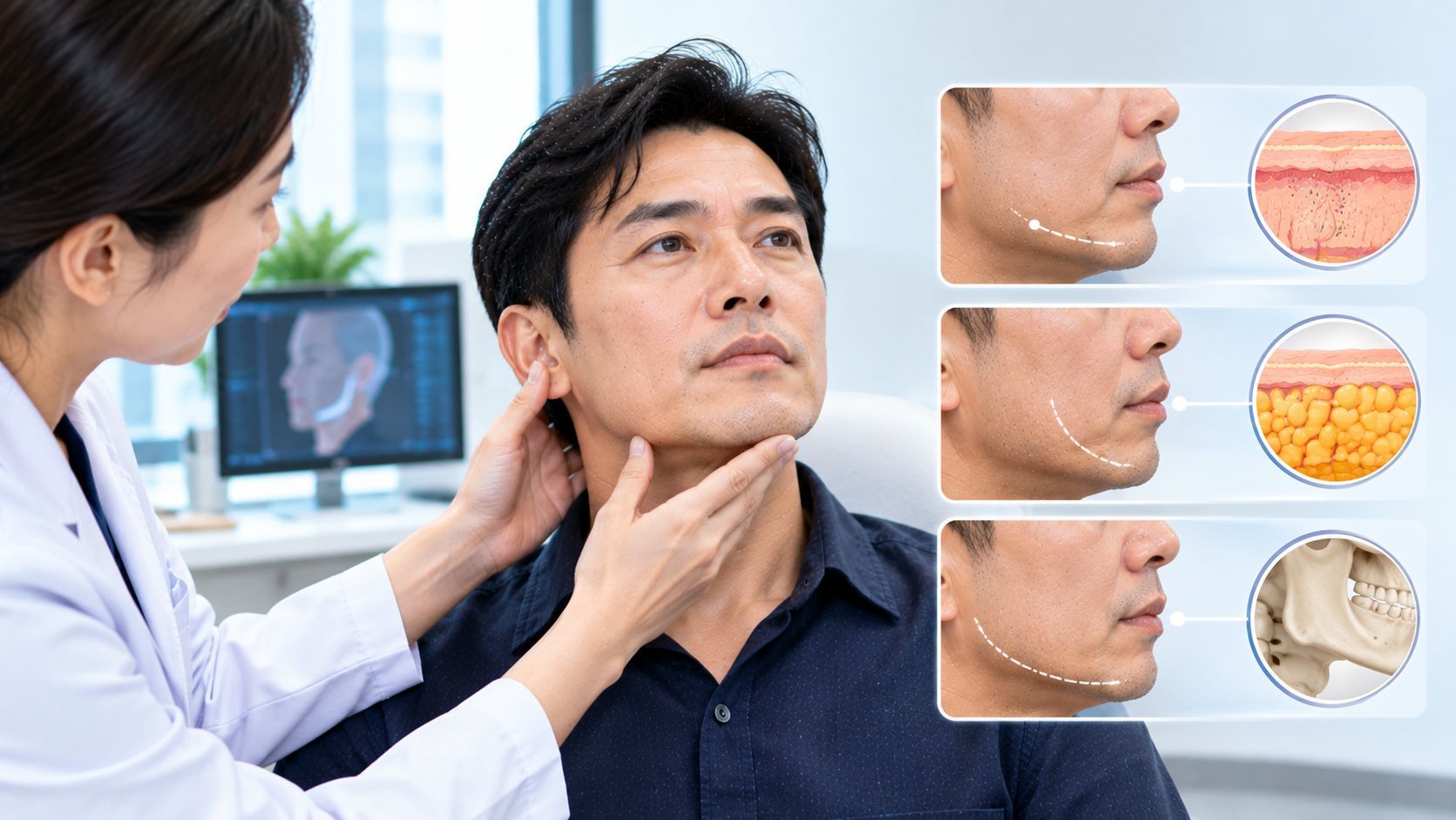
What Causes a Double Chin?
The area beneath the chin can change because of several factors, including:
- Localized submental fat
- Skin laxity
- Aging
- Weight gain or weight loss
- Genetics
- Chin and jaw structure
- Changes in the supporting tissues of the lower face and neck
Submental fullness is therefore not always directly related to overall body weight. Some people naturally store more fat beneath the chin even when they are otherwise relatively lean.
At the same time, aging or significant weight loss can leave excess skin that creates a similar appearance.
Clues That Fat Is the Main Problem
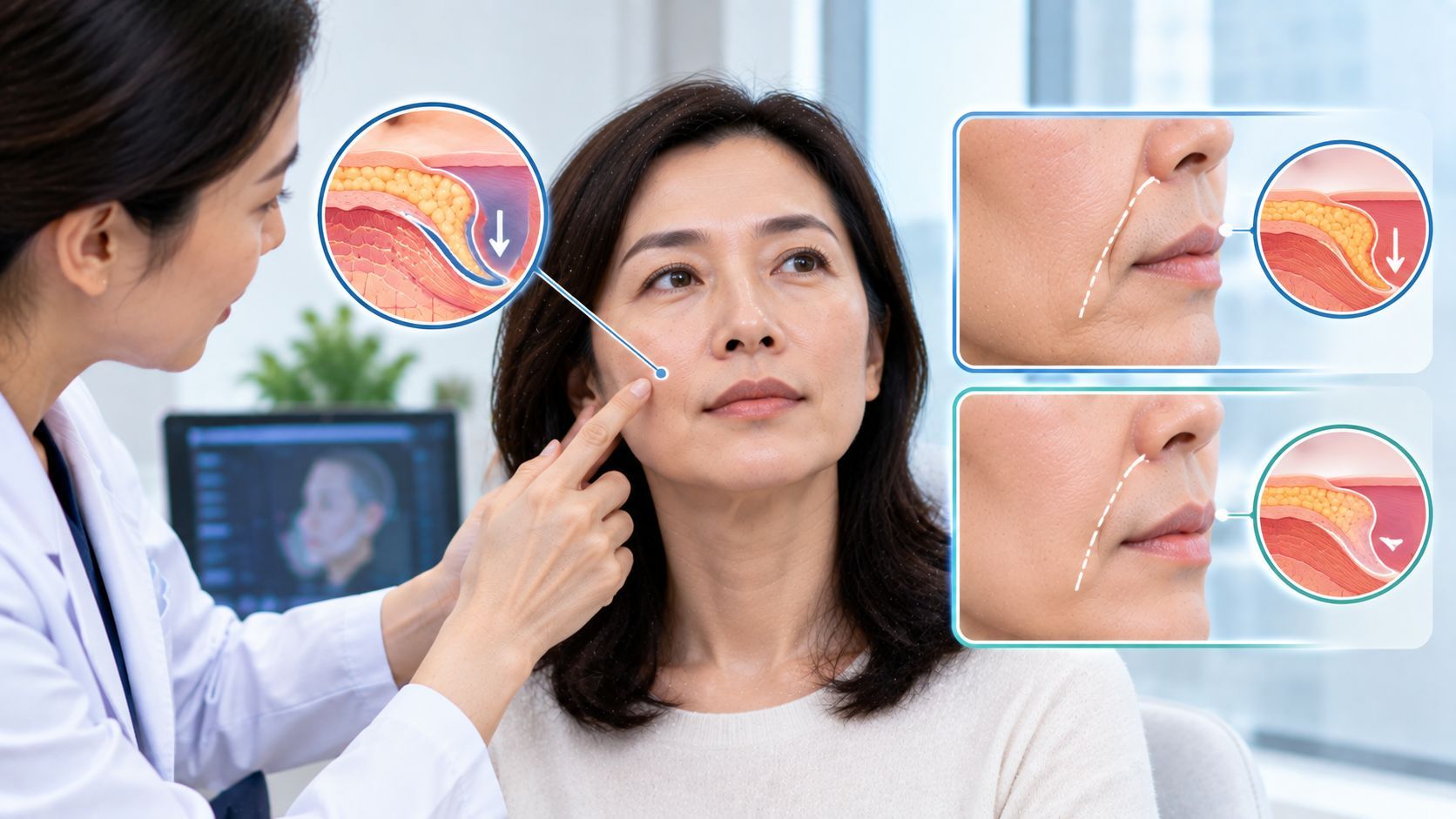
Fat is more likely to be a major contributor when the area feels soft and full beneath the chin.
Possible clues include:
- A noticeable pocket of soft tissue beneath the chin
- Fullness that remains even when the neck is extended
- A relatively firm, elastic skin surface over the fullness
- Increased fullness after weight gain
- A relatively smooth transition between the chin and neck when the skin is gently supported
- Little obvious wrinkling or loose skin
Submental fat can be present even when the rest of the body is not significantly overweight.
One important distinction is that having tissue that can be pinched does not prove that it is excess fat. Normal skin and subcutaneous tissue are also present in the area.
A clinician needs to determine the amount and location of actual subcutaneous fat before recommending a fat-reduction procedure.
Clues That Loose Skin May Be the Main Problem
Skin laxity may be more important when the neck looks loose rather than simply full.
You may notice:
- Wrinkled or crepey skin beneath the chin
- Skin that hangs or drapes when the neck is relaxed
- A thin layer of tissue rather than a clearly defined fat pocket
- More visible laxity after substantial weight loss
- A relatively modest amount of fat beneath the skin
- Loss of definition along the jaw and upper neck
In this situation, reducing additional fat may not solve the problem.
If there is already relatively little fat but considerable loose skin, further fat reduction could potentially leave the skin looking less supported.
What If I Have Both Fat and Loose Skin?
This is very common.
For example, someone may have:
- Localized fat beneath the chin
- Mild-to-moderate skin laxity
- A less prominent chin or jawline
Together, these factors can make the double chin appear much more pronounced.
Another common situation occurs after weight loss. The person may lose some of the original submental fat but still have loose skin remaining.
That is why the question should not always be “How do I remove my double chin?” It may be more useful to ask which component is creating the contour problem.
Look at Your Chin and Jaw Structure Too
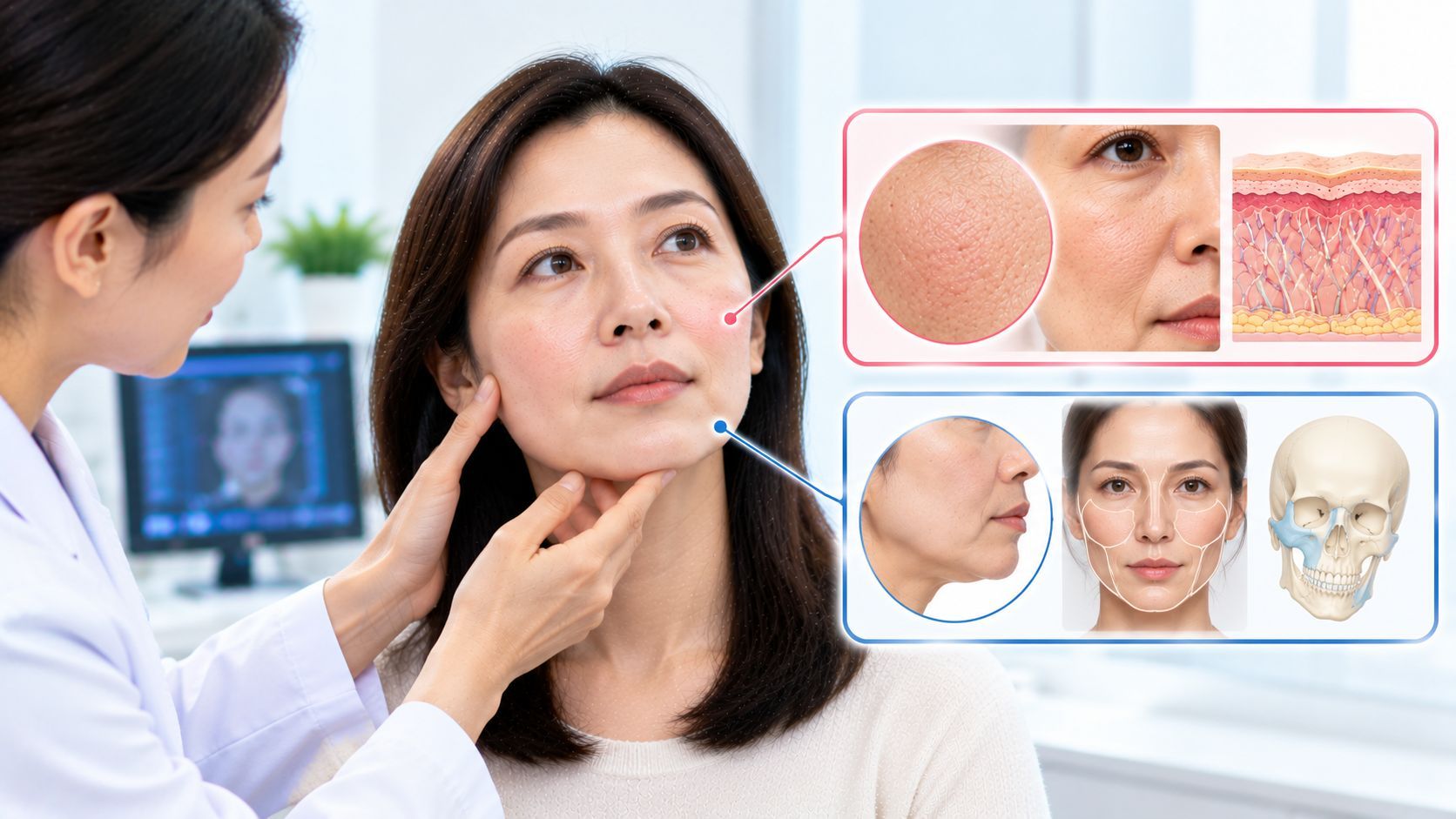
Your underlying facial structure can significantly influence how much submental fullness you see.
A relatively small or recessed chin can make the area underneath the chin appear fuller even without a large amount of excess fat.
Similarly, a less prominent mandibular contour can reduce the visual separation between the lower face and neck.
This means two people with the same amount of submental fat can look very different.
Before choosing fat reduction, a clinician should consider:
- Chin projection
- Jawline definition
- Neck angle
- Submental fat
- Skin elasticity
- Overall facial proportions
Sometimes what appears to be a “double chin problem” is partly a chin-projection or lower-face contour problem.
Try Looking at Your Profile
The side profile can provide useful information that is difficult to see from the front.
Take a neutral photograph with your head in a natural position.
Look at:
- How far the chin projects forward
- Whether there is a visible pocket beneath the chin
- Whether the skin hangs downward
- Whether the jawline transitions smoothly into the neck
- Whether the problem changes significantly when you extend your neck
A weak chin can make submental fullness look greater.
However, photographs cannot determine the precise amount of fat or skin laxity. They are useful for observation, not diagnosis.
What Happens When You Extend Your Neck?
Gently looking upward can temporarily stretch the skin and change the appearance of the area.
If the fullness largely disappears when the neck is extended, that may suggest that skin position and soft-tissue distribution are contributing.
If a distinct pocket of fullness remains, submental fat may be contributing.
But this is not a diagnostic test. Stretching the skin changes the appearance of virtually every neck.
A professional examination is more reliable.
A Useful Comparison
FindingFat may be a major factorSkin laxity may be a major factorSoft fullnessMore prominentMay be limitedSkin textureRelatively firmLoose or crepeyNeck wrinklesUsually less importantOften more noticeableAfter weight lossMay decreaseLoose skin may remainSkin drapingLimitedMore obviousDistinct submental pocketCommonMay be minimalJawline definitionCan be obscured by fatCan be obscured by loose skin
These are general clues rather than a substitute for examination.
What Does Fat Reduction Actually Address?
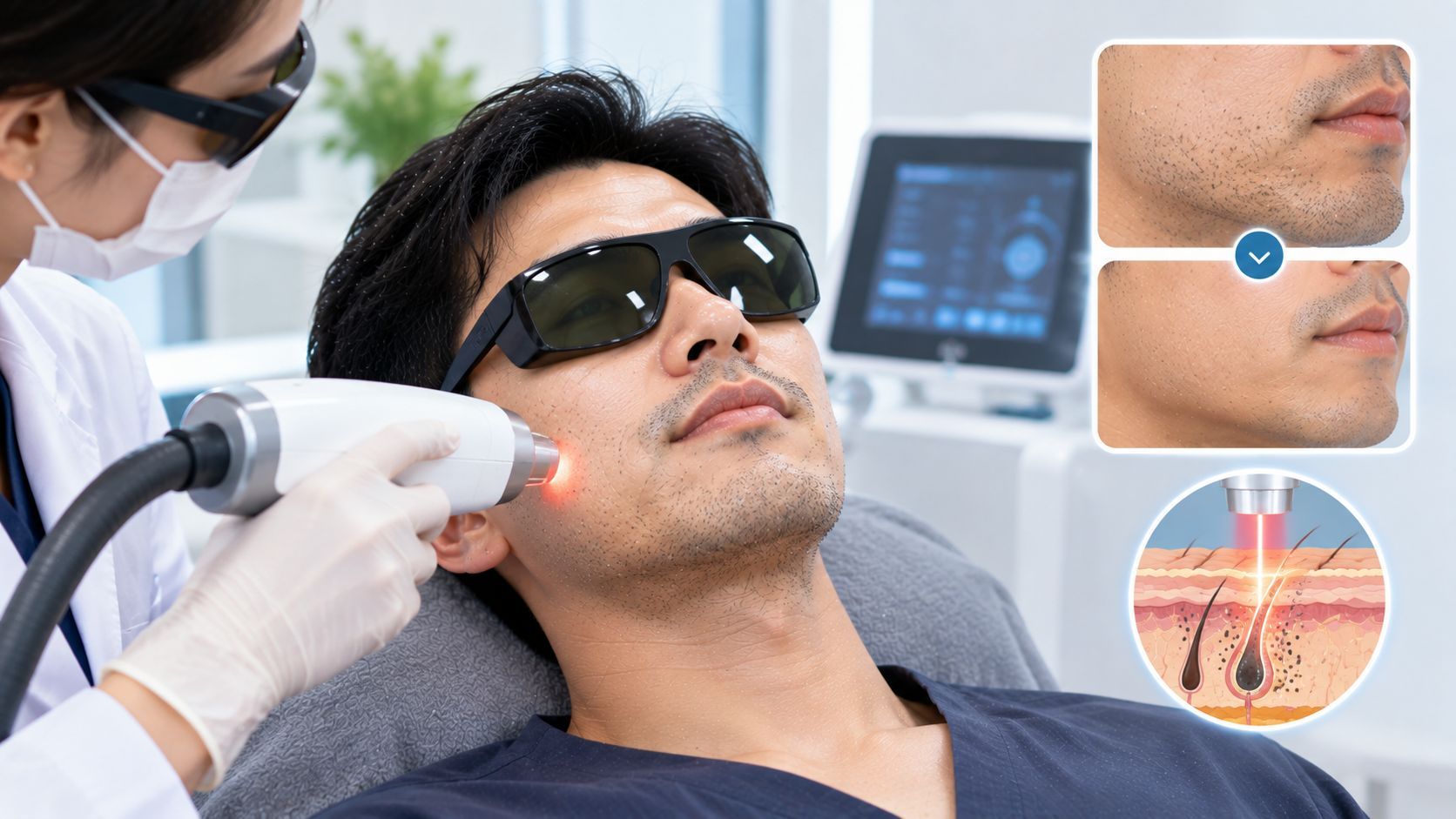
Fat-reduction procedures are designed to reduce localized adipose tissue.
For appropriately selected patients, options may include injectable treatments, energy-based approaches, or other localized fat-reduction procedures. The suitability depends on the amount and distribution of fat, skin quality, anatomy, and the specific technology being used.
The important point is that fat reduction targets fat.
It does not automatically correct significant skin laxity.
If your double chin is primarily caused by loose skin, reducing fat may produce limited improvement.
What Does Skin Tightening Address?
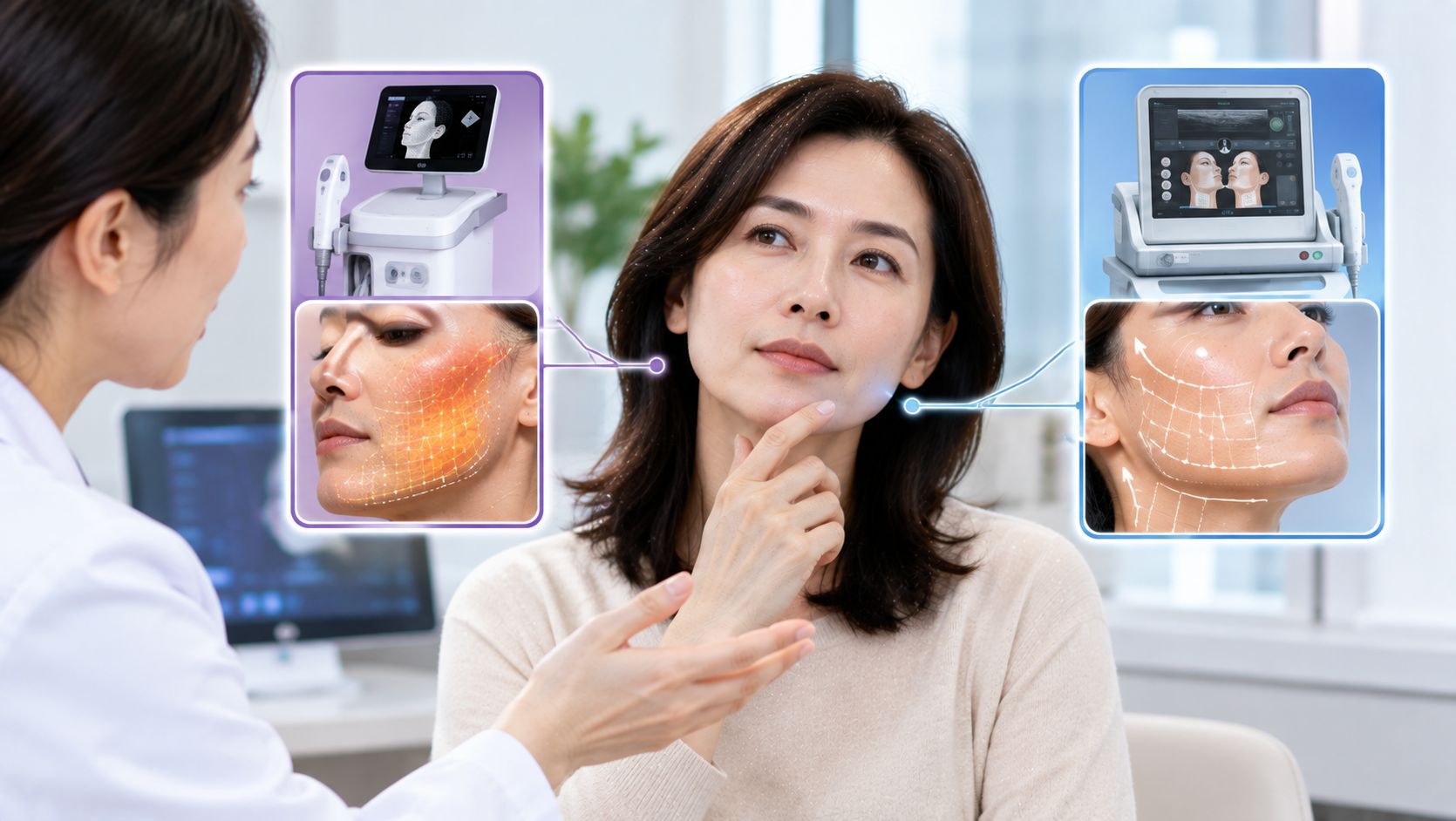
Skin-tightening procedures aim to improve the appearance of lax tissue through controlled energy delivery and tissue remodeling.
Radiofrequency and ultrasound-based treatments are among the non-surgical approaches used for skin tightening. The American Academy of Dermatology notes that non-invasive ultrasound and radiofrequency can produce modest tightening and lifting, particularly in people with relatively limited skin laxity.
These treatments are therefore more relevant when the problem is loose skin rather than a substantial pocket of fat.
But they should not be expected to remove a large amount of excess adipose tissue.
What If I Lost a Lot of Weight?
Significant weight loss changes the assessment.
You may have less submental fat than before but still have loose skin around the jaw and neck.
In that situation, automatically pursuing additional fat reduction may not address the dominant problem.
The clinician should evaluate:
- Remaining submental fat
- Amount of loose skin
- Skin elasticity
- Jaw and chin projection
- Neck contour
People with substantial excess skin may also need to discuss surgical options, because non-surgical tightening has limitations.
What If My Skin Is Tight but My Double Chin Is Still Obvious?
This pattern can point more toward localized fat or facial structure.
If the skin appears relatively firm and there is a distinct soft pocket under the chin, fat may be contributing significantly.
But if the chin is relatively small or recessed, improving chin projection may change the appearance of the lower-face profile more than simply reducing fat.
This is why treating the “double chin” without evaluating the chin itself can sometimes produce an incomplete result.
Can Skin Tightening and Fat Reduction Be Combined?
They can sometimes be considered together when both excess fat and laxity are present.
However, combination treatment should not automatically be assumed to produce a better result.
The sequence and intensity matter.
For example, a patient with substantial fat and mild laxity may be evaluated differently from a patient with mild fat and substantial loose skin.
Your clinician should explain:
- Which tissue is being targeted
- Why that tissue needs treatment
- What happens if only one component is treated
- Whether treatment could change facial proportions
- How much improvement is realistic
What Should I Ask a Korean Dermatologist?
If you are considering treatment in Seoul, ask questions that identify the underlying anatomy:
- Is my double chin mainly fat or loose skin?
- How much submental fat do I actually have?
- Is my skin elastic enough to respond to tightening?
- Is my chin projection contributing to the appearance?
- Would reducing fat leave loose skin behind?
- Would tightening alone address the fullness?
- Would I benefit from treating another part of the lower face instead?
- What happens if I do nothing to the fat and only tighten the skin?
This approach is more useful than choosing a procedure based solely on a clinic's treatment menu.
How Can You Assess It Before Your Appointment?
Take photographs from the:
- Front
- Three-quarter angle
- Side profile
Use the same lighting and a relaxed facial expression.
Then compare your appearance:
- Before and after major weight changes
- With the neck relaxed
- With the neck gently extended
- In older photographs
Look for soft fullness versus skin draping.
Also examine your chin and jawline rather than looking only underneath the chin.
These observations can help you describe your concern clearly, but they cannot determine the correct treatment by themselves.
Conclusion
A double chin does not automatically mean that you need fat reduction.
If the area contains a distinct pocket of excess submental fat and the skin remains relatively firm, fat reduction may be a relevant treatment category. If the main problem is loose, crepey, or hanging skin, skin tightening may be more relevant. If both are present, the treatment plan needs to account for both.
Facial structure matters too. A relatively recessed chin or less prominent jaw can make submental fullness appear more pronounced even when the amount of fat is modest.
The American Academy of Dermatology notes that non-surgical tightening is most useful for selected patients with limited skin laxity, while significant sagging may not respond adequately to these approaches.
For Korean aesthetic treatment, the most useful first step is therefore to determine whether you are primarily dealing with fat, skin, structure, or a combination.
FAQs
How can I tell if my double chin is fat or skin?
A soft, localized pocket beneath relatively firm skin may suggest submental fat. Loose, wrinkled, or hanging tissue with relatively little underlying fullness may suggest skin laxity. Many people have both.
Will losing weight remove my double chin?
It may reduce submental fat if excess body fat contributes to the area, but it cannot guarantee removal of a double chin. Genetics, facial structure, localized fat distribution, and skin laxity also matter.
Can skin tightening remove a double chin?
Skin tightening can improve the appearance of lax skin but does not function primarily as a fat-removal treatment. If substantial fat is present, another treatment category may need to be considered.
Can fat reduction make loose neck skin worse?
If substantial skin laxity is already present, reducing underlying volume can leave the remaining skin more noticeable. This is why skin elasticity should be evaluated before fat-reduction treatment.
Can a weak chin make a double chin look worse?
Yes. Chin projection influences the relationship between the lower face and neck. A relatively recessed chin can make submental fullness appear more prominent.
Is surgery necessary for a double chin?
Not necessarily. The appropriate approach depends on the amount of fat, skin laxity, anatomy, and treatment goals. Significant excess skin may require discussion of surgical options because non-surgical tightening has limitations.