Can Too Much Botox Actually Make Your Face Age Faster?
Introduction
Botox is one of the most widely used non-surgical aesthetic treatments for reducing the appearance of dynamic wrinkles caused by repeated muscle movement. It can be used for areas such as the forehead, glabella, crow's feet, masseter muscles, and other selected facial muscles.
But if Botox is repeated frequently for many years, can it actually make your face age faster?
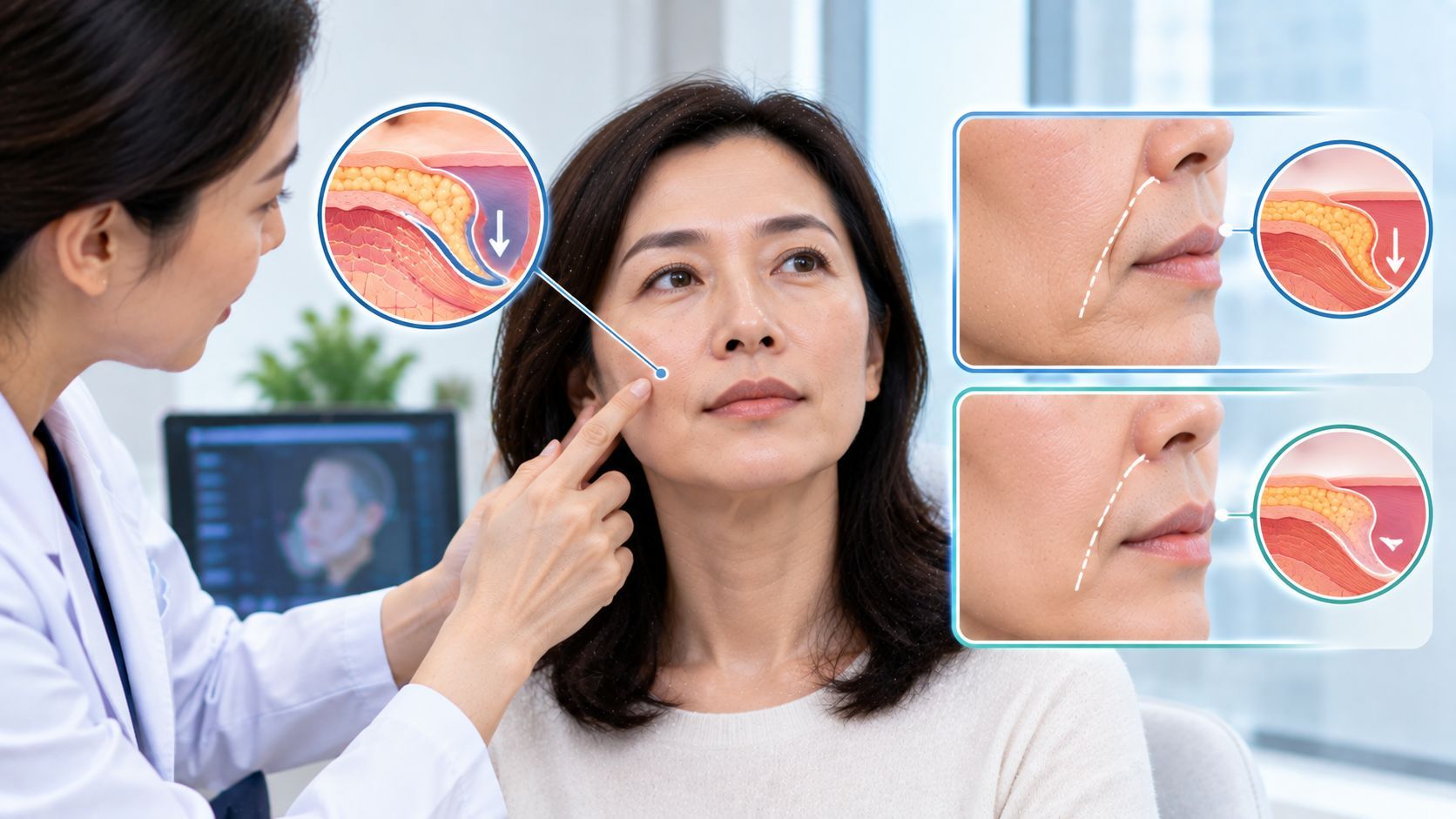
There is no good evidence that properly administered Botox accelerates biological facial aging. However, repeated or excessive muscle weakening can temporarily alter facial movement, expression, and muscle size. In some people, those changes may make the face look different from what they intended.
The bigger issue is therefore not that Botox "speeds up aging," but whether too much treatment, overly frequent treatment, or treatment of the wrong muscles can create an unwanted appearance over time.
How Does Botox Affect Facial Muscles?
Botulinum toxin works by temporarily reducing communication between nerves and muscles. This decreases muscle contraction in the treated area.
For wrinkles, this can reduce repeated folding of the skin.
Over time, repeated treatment can also influence the size and activity of the treated muscle. This is particularly relevant when larger muscles are treated, such as the masseter.
The effects are temporary, but the duration varies depending on the muscle, dose, individual metabolism, and other factors.
Does Botox Make the Face Age Faster?
There is no established evidence that Botox causes the underlying biological aging process to accelerate.
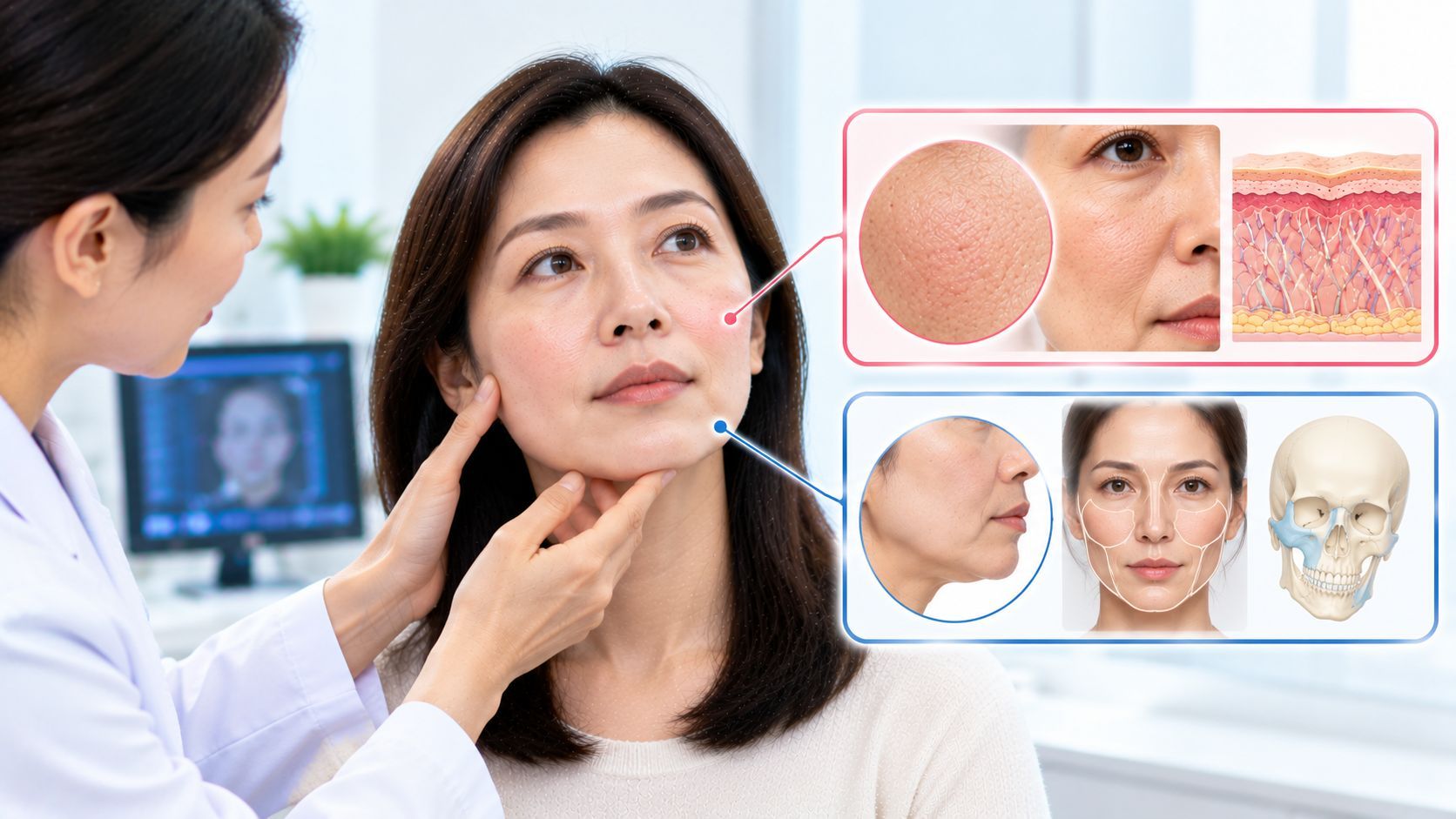
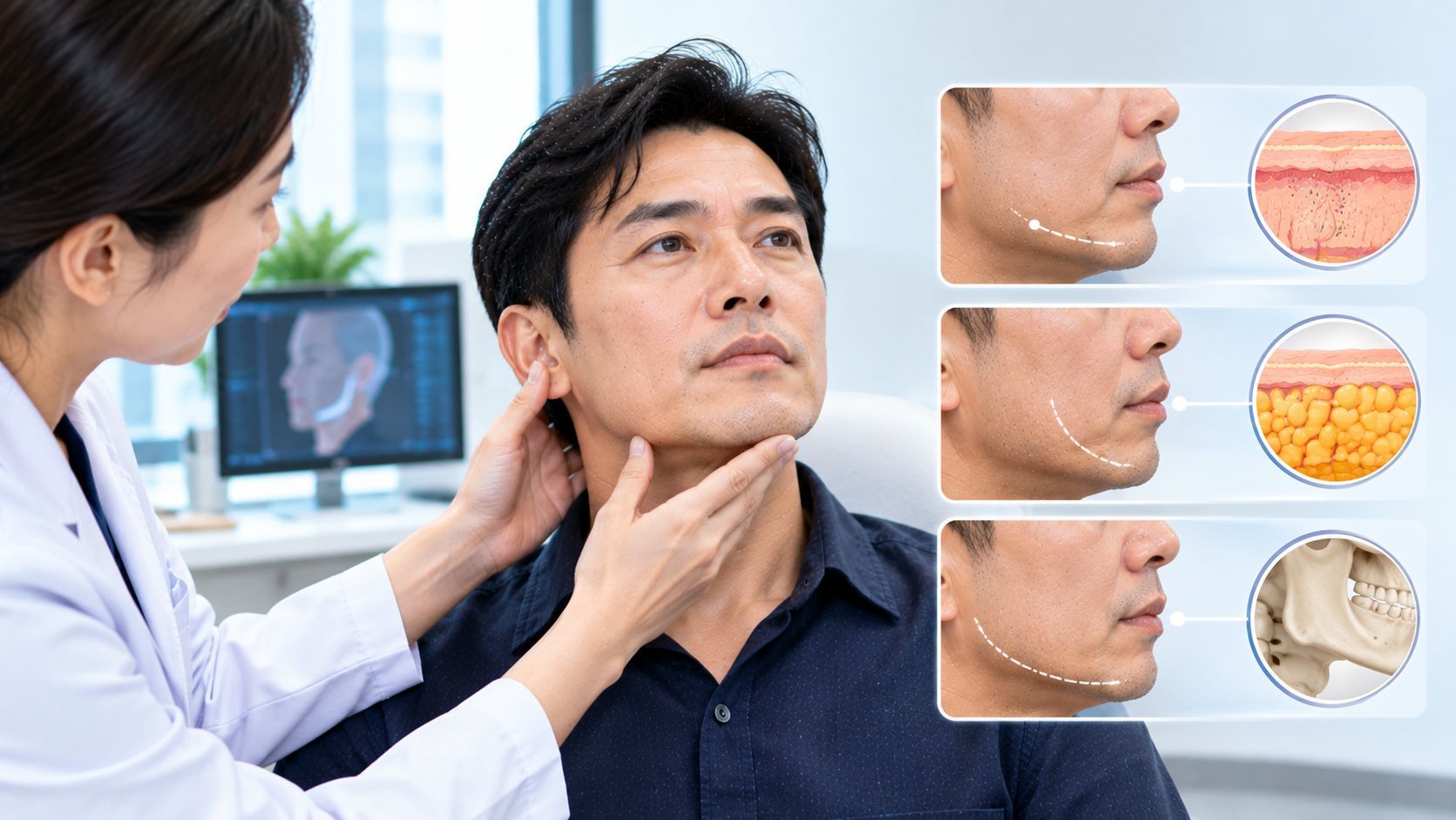
Facial aging involves many processes, including:
- Collagen and elastin changes
- Skin thinning
- Fat redistribution and volume loss
- Bone remodeling
- Muscle changes
- Sun exposure
- Genetics
- Hormonal changes
- Lifestyle factors
Botox addresses primarily muscle activity.
It does not stop these other aging processes.
Therefore, if someone receives Botox for many years, they will still naturally age.
That is different from saying Botox caused the aging.
Why Can Someone Look Older After Long-Term Botox?
Several different things can create this impression.
Natural aging continues
Even if Botox successfully reduces wrinkles, the rest of the face continues to change.
You may eventually develop:
- Volume loss
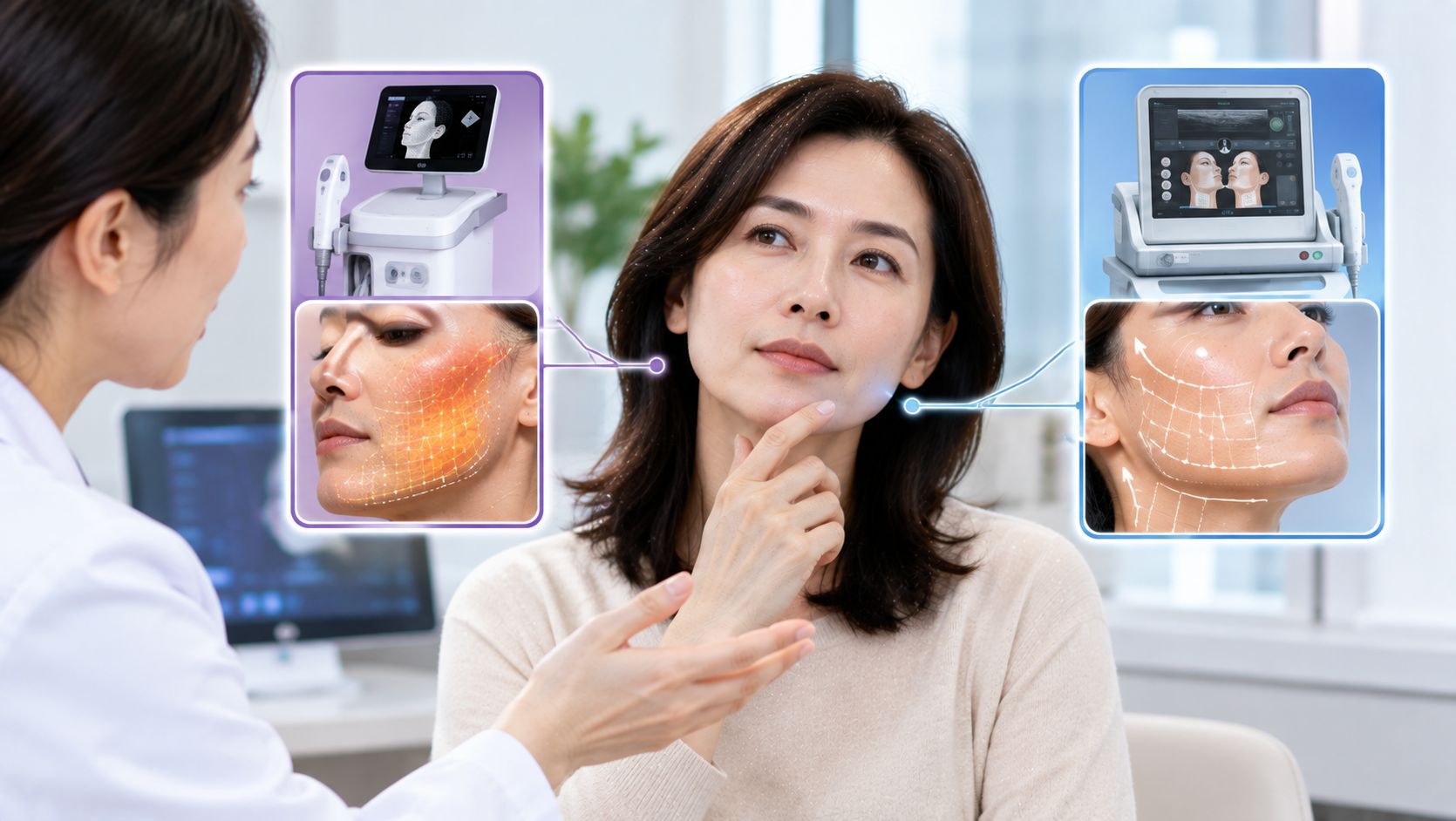
- Skin laxity
- Cheek changes
- Temple hollowing
- Under-eye changes
- Lower-face laxity
Botox cannot prevent all of these changes.
Muscle size may decrease
Repeated weakening of certain muscles can reduce muscle bulk.
This is especially relevant with the masseter.
If a person already has a narrow lower face, significant masseter reduction may make the lower face appear slimmer or more hollow than intended.
Facial expression can change
Excessive treatment may reduce natural movement.
Some people may feel that their face looks:
- Flat
- Heavy
- Stiff
- Less expressive
- Different from their normal appearance
This is not necessarily aging, but it can be perceived as an undesirable change.
Can Too Much Forehead Botox Make the Face Look Older?
Potentially, depending on how the treatment affects eyebrow and forehead movement.
The frontalis muscle helps elevate the eyebrows.
If it is weakened excessively or treated without considering the balance between the forehead and other muscles, the eyebrows may become heavier or lower.
That can create a tired or aged appearance even though the original goal was wrinkle reduction.
This is why Botox treatment should consider facial muscle balance, not simply the number of forehead lines.
Can Botox Cause Permanent Changes?
Botox itself is temporary.
However, repeated treatment can produce longer-term changes in muscle size or movement while the treatment is being maintained.
The degree of muscle reduction varies according to factors such as:
- Dose
- Injection frequency
- Muscle size
- Treatment location
- Individual response
If treatment is stopped, muscle activity generally returns gradually as the effect of botulinum toxin wears off.
That does not mean every long-term effect is guaranteed to reverse at exactly the same rate for every person.
What About Masseter Botox?
Masseter Botox is particularly relevant to the question of long-term facial changes.
The masseter is a large chewing muscle located along the jaw.
Botulinum toxin can reduce its activity and, with repeated treatment, reduce muscle thickness. This is sometimes intentionally used to create a slimmer lower-face contour.
That means masseter Botox is fundamentally different from treating a small forehead wrinkle.
If the masseter becomes substantially smaller, the lower third of the face can become narrower.
For some people this is desirable.
For others, especially those who naturally have a slim face, it may eventually make the face appear overly narrow or hollow.
Can Repeated Masseter Botox Make You Look Older?
It can potentially contribute to an older-looking appearance in certain individuals, but this is not the same as saying that masseter Botox accelerates aging.
For example, if someone naturally has a lean lower face and repeatedly reduces masseter volume, the resulting loss of structural fullness may make the face look more angular.
At the same time, natural aging may already be causing:
- Lower-face laxity
- Cheek volume loss
- Jowls
- Skin thinning
The combination can change facial proportions.
This is why masseter Botox should be periodically reassessed rather than automatically repeated.
Can Too Much Botox Cause Facial Asymmetry?
Yes, temporary asymmetry can occur.
Facial muscles are not perfectly identical from one side to the other, and people can respond differently to the same treatment.
Over-treatment or differences in muscle strength may affect:
- Eyebrow position
- Smile
- Mouth movement
- Facial expression
- Jaw contour
This is one reason experienced injectors assess facial movement before treatment rather than simply injecting the same number of units into every patient.
Does Botox Cause Skin to Become Thinner?
Botox primarily affects muscle activity rather than directly thinning the skin.
However, a face can naturally become thinner over time because of aging, weight loss, or changes in facial fat.
If someone has been receiving Botox for years, they may notice a thinner-looking face and assume Botox caused it.
That conclusion may not be correct.
The dermatologist should consider:
- Age-related volume loss
- Weight changes
- Hormonal changes
- Masseter muscle reduction
- Other aesthetic treatments
- Natural changes in facial structure
What Does "Too Much Botox" Actually Mean?
There is no single dose that defines "too much" for every person.
Too much can mean:
Too much product
A dose larger than necessary for the desired muscle effect.
Too frequent
Repeating treatment before the previous effect has adequately worn off or before there is a clear reason to retreat.
Too many muscles
Treating several facial muscles without considering how they interact.
Wrong muscle selection
Weakening a muscle that is actually compensating for another muscle.
Too much focus on wrinkle elimination
Trying to remove every trace of movement can produce a less natural result.
Is Completely Frozen Skin Better?
Not necessarily.
The goal of aesthetic Botox is not always to eliminate every facial movement.
Many treatment plans aim to reduce excessive muscle activity while preserving some natural expression.
A person's preferred level of movement is individual, but excessively reducing movement can sometimes create an appearance that feels unnatural to the patient.
This is especially important for people who want a subtle result rather than a completely immobile forehead.
What If I Have Been Getting Botox for Years?
Long-term Botox use does not automatically mean you should stop.
Instead, periodically reassess the treatment.
Ask:
- Do I still like the result?
- Are my facial expressions still natural?
- Has my face lost volume since I started?
- Has my eyebrow position changed?
- Has my lower face become too narrow?
- Am I treating the same muscles simply out of habit?
- Has my treatment goal changed as I have aged?
Your treatment needs at 30 may not be the same as your treatment needs at 40 or 50.
Should Botox Treatment Change as You Get Older?
Often, yes.
Facial anatomy changes over time.
A treatment strategy that worked well when someone had a fuller face may become less appropriate after significant volume loss.
For example, someone who previously wanted a slimmer jawline through masseter Botox may later develop lower-face laxity and volume loss.
Continuing to reduce the masseter without reassessing the entire face may not produce the same aesthetic effect.
What If You Think Botox Has Made Your Face Look Older?
Do not immediately add filler or another treatment.
First, determine what changed.
A dermatologist can evaluate:
- Muscle size
- Facial volume
- Skin laxity
- Eyebrow position
- Facial symmetry
- Previous Botox treatment sites
- Other procedures
Sometimes the issue is simply that Botox has worn off unevenly.
In other cases, natural aging or volume loss may be responsible.
What Should You Ask a Korean Dermatologist?
If you receive Botox regularly in Seoul, consider asking:
- Do I still need the same muscles treated?
- Should the dose change as my face has changed?
- Am I losing too much muscle volume?
- Does my forehead still have enough movement?
- Could masseter treatment make my lower face too narrow?
- Would a longer interval between treatments make sense?
- Is my concern actually muscle activity, or is it now volume loss or laxity?
These questions help move the discussion beyond simply asking for another Botox appointment.
How Long Should You Wait Between Botox Treatments?
The exact interval depends on the indication, product, muscle, dose, and individual response.
Botox effects are temporary, and treatment is generally repeated when muscle activity returns sufficiently for the patient to want another treatment.
There is no universal requirement that every person should be treated at exactly the same interval.
Repeated treatment should be based on the clinical result rather than a fixed calendar routine.
Can Botox Prevent Wrinkles From Getting Worse?
Reducing repeated muscle contraction can reduce the appearance of dynamic wrinkles.
That does not mean Botox prevents all forms of skin aging.
Sun damage, collagen loss, volume changes, and skin laxity can continue independently.
Therefore, someone who uses Botox should still consider:
- Sun protection
- Appropriate skincare
- Skin-quality treatments when indicated
- Healthy lifestyle habits
- Periodic reassessment of facial volume
Conclusion
There is no good evidence that Botox makes your face biologically age faster. However, repeated or excessive Botox can alter muscle activity and, in some areas, muscle size. If those changes are not appropriate for your facial anatomy, the result can sometimes look flatter, heavier, narrower, or less expressive.
This is particularly relevant with masseter Botox, where repeated treatment can intentionally reduce muscle size and change the lower-face contour.
The important question is therefore not:
"How many years have I been getting Botox?"
but:
"Does my current Botox plan still match my current facial anatomy and goals?"
As the face naturally changes with age, your treatment strategy may need to change as well.
Frequently Asked Questions
Can Botox make you age faster?
There is no established evidence that Botox accelerates biological aging. However, excessive muscle weakening can alter facial movement or contour and may create an appearance that some people perceive as less youthful.
Can long-term Botox cause permanent facial changes?
Repeated treatment can influence muscle size and activity, particularly in larger muscles such as the masseter. These changes generally relate to ongoing treatment rather than proving accelerated aging.
Can too much forehead Botox make me look older?
Potentially. Excessive weakening of the forehead muscles can affect eyebrow position and facial expression, which may make the face appear heavier or less expressive.
Can repeated masseter Botox make my face too thin?
Yes, repeated masseter treatment can reduce masseter muscle size and narrow the lower face. Whether that is desirable depends on your original facial structure and how much muscle reduction occurs.
Should I stop Botox after using it for many years?
Not necessarily. Long-term use is not automatically a reason to stop. Instead, have your treatment plan reassessed as your facial anatomy and aging pattern change.
Is it better to have less Botox as I get older?
There is no universal rule. The appropriate dose and treatment areas may change as facial volume, muscle size, and skin laxity change.