Is Korean Dermatology Actually Better? Honest Breakdown
Is Korean Dermatology Actually Better? Honest Breakdown
Korean dermatology has built a global reputation for advanced skincare, trendy treatments, and impressive before-and-after results. Social media, beauty influencers, and medical tourists often describe Korean clinics as being years ahead of Western countries. But is Korean dermatology truly “better,” or is the reality more complicated? The answer depends heavily on what kind of treatment, experience, and results a patient is looking for.
Why Korean Dermatology Became Globally Famous
Korea’s beauty industry developed extremely quickly because skincare became deeply integrated into everyday culture. Unlike countries where dermatology is often viewed mainly as medical treatment, Korean clinics frequently combine:
- Cosmetic dermatology
- Preventive skincare
- High-frequency maintenance treatments
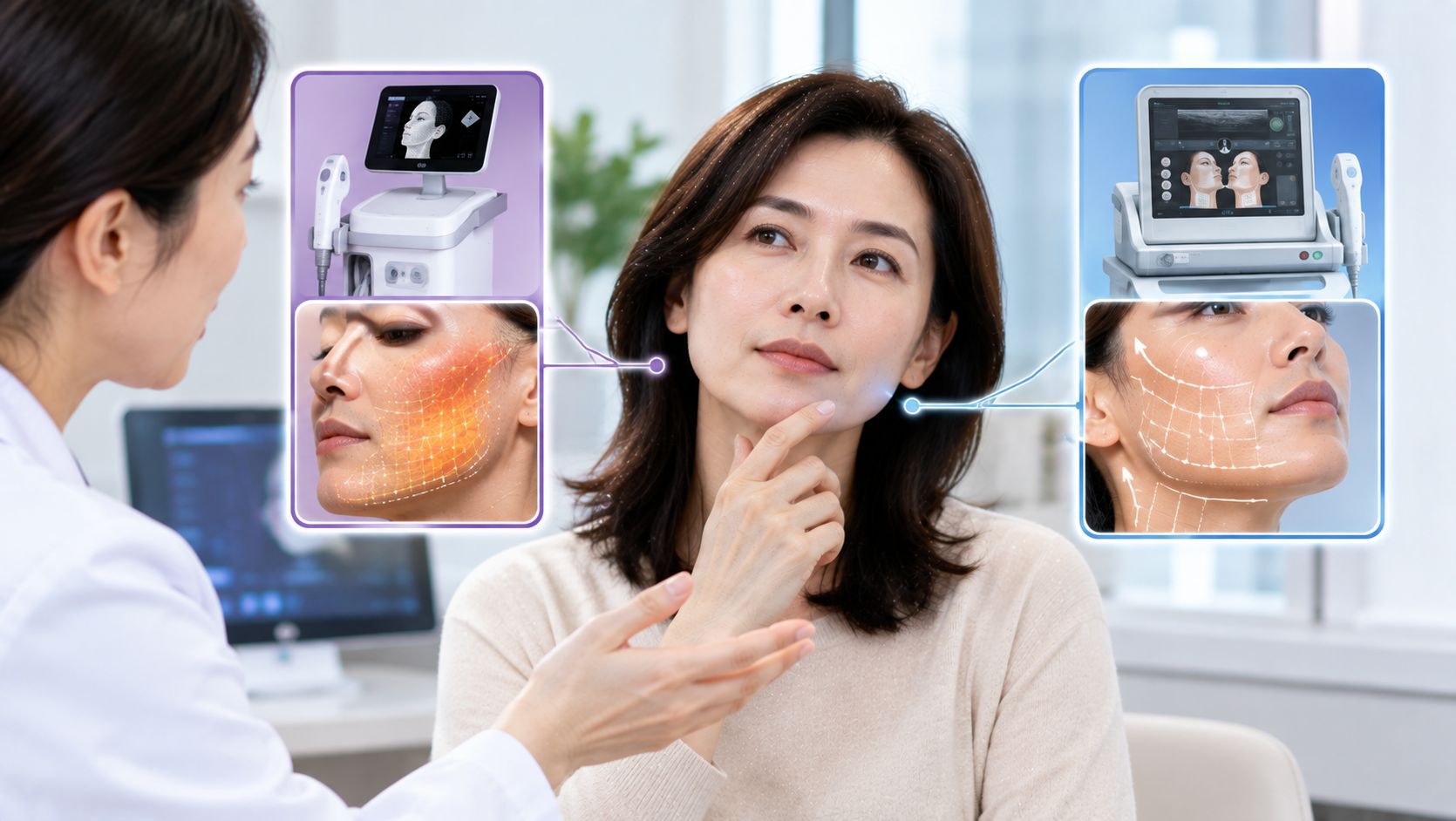
- Technology-focused procedures
- Personalized skin management
This combination helped create a market where clinics continuously compete to offer newer lasers, facials, lifting procedures, and skin-brightening treatments.
Where Korean Clinics Usually Excel
There are several areas where Korean dermatology genuinely stands out internationally.
Advanced Laser Technology
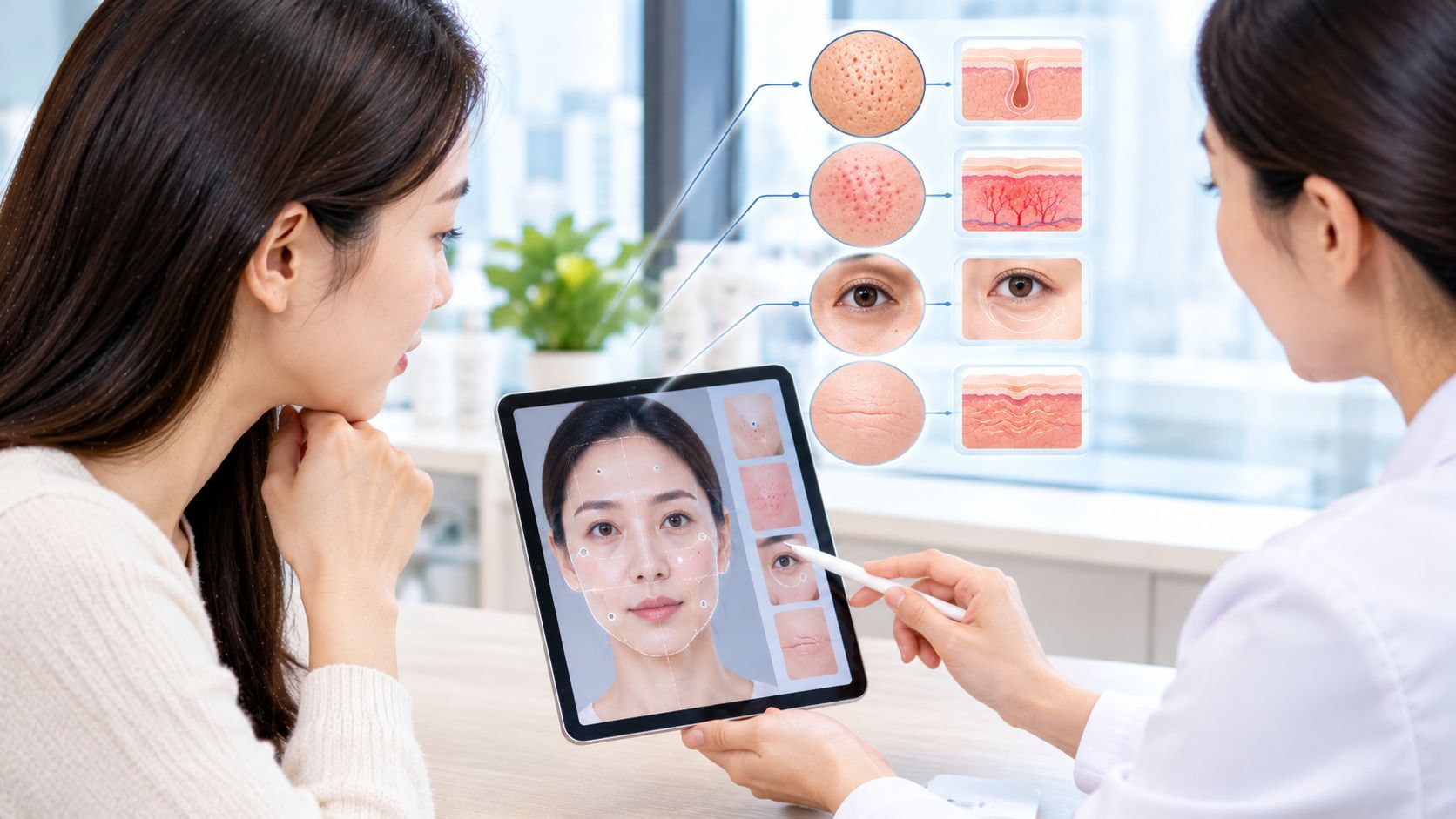
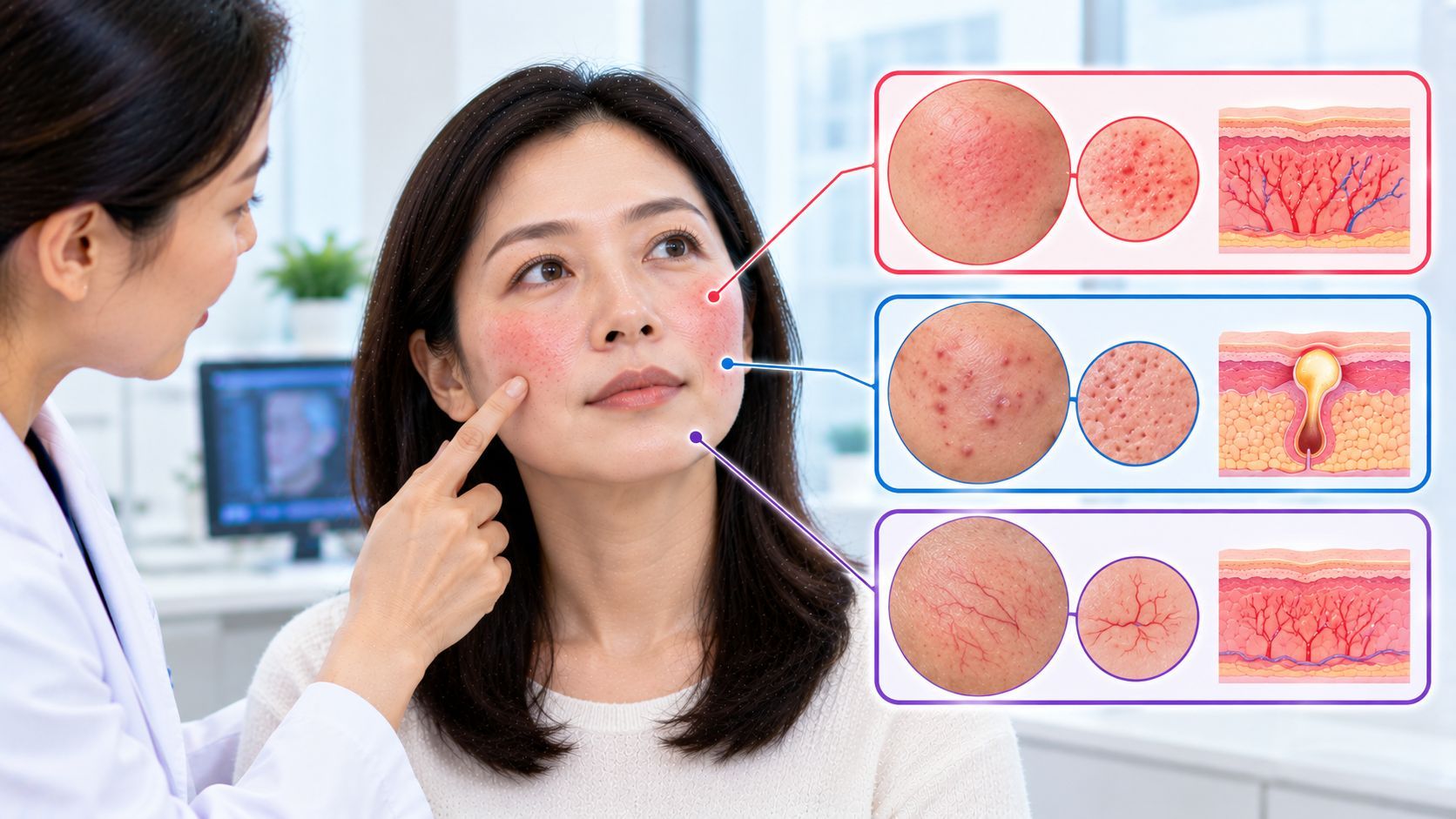
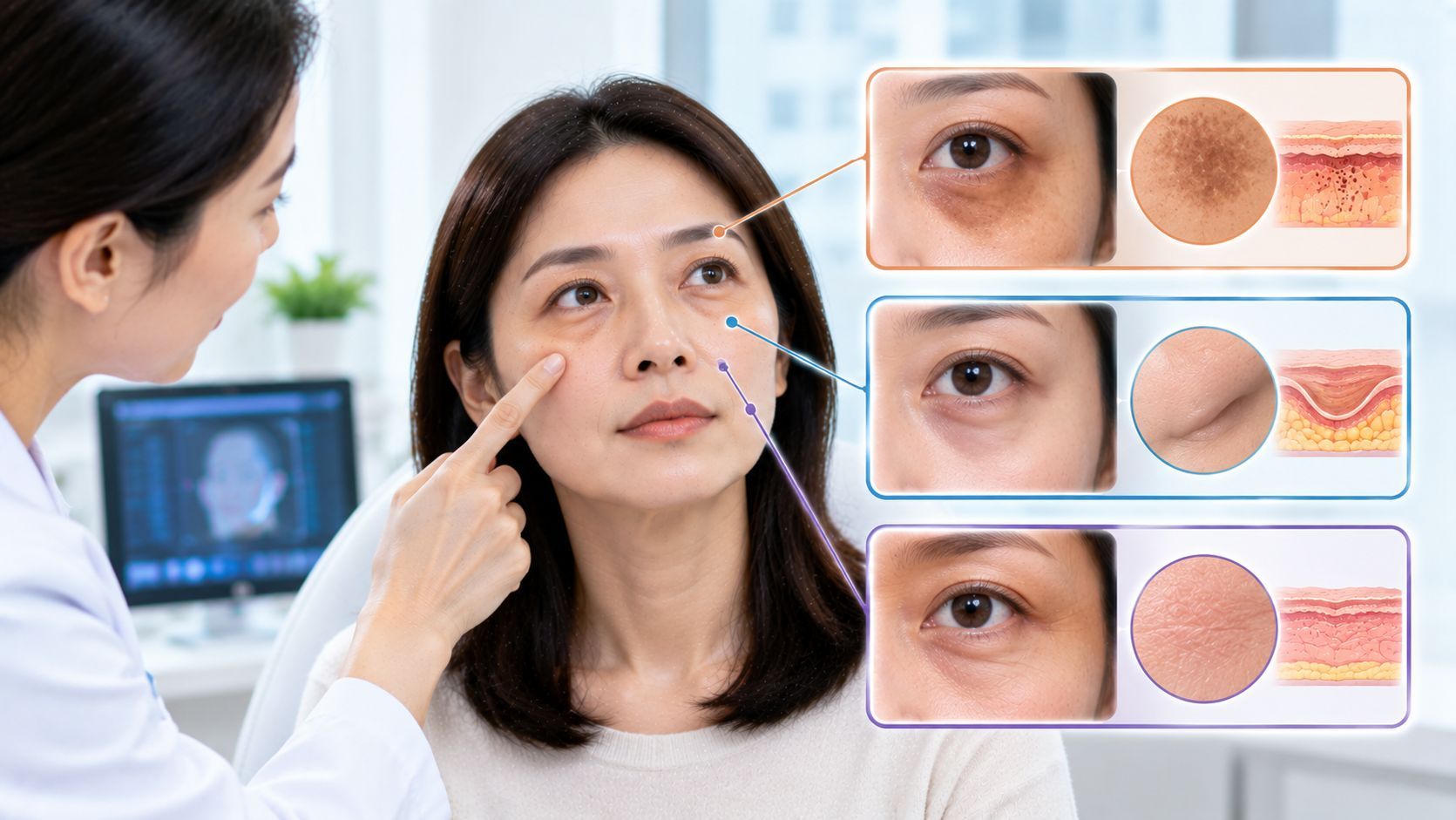
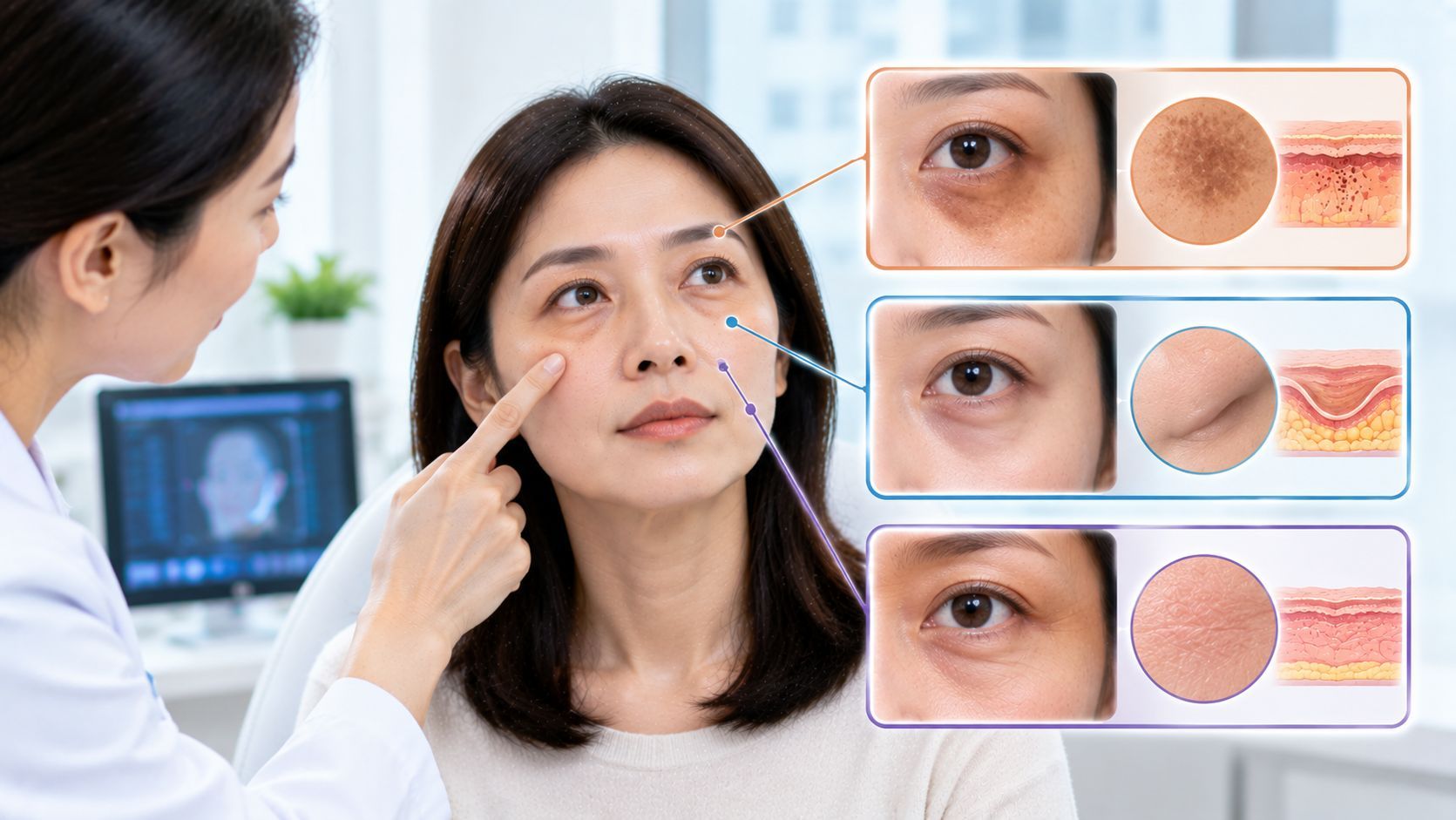
Korean clinics are known for using multiple laser devices for very specific concerns, including:
- Pigmentation
- Acne scars
- Redness
- Pore size
- Skin texture
- Melasma
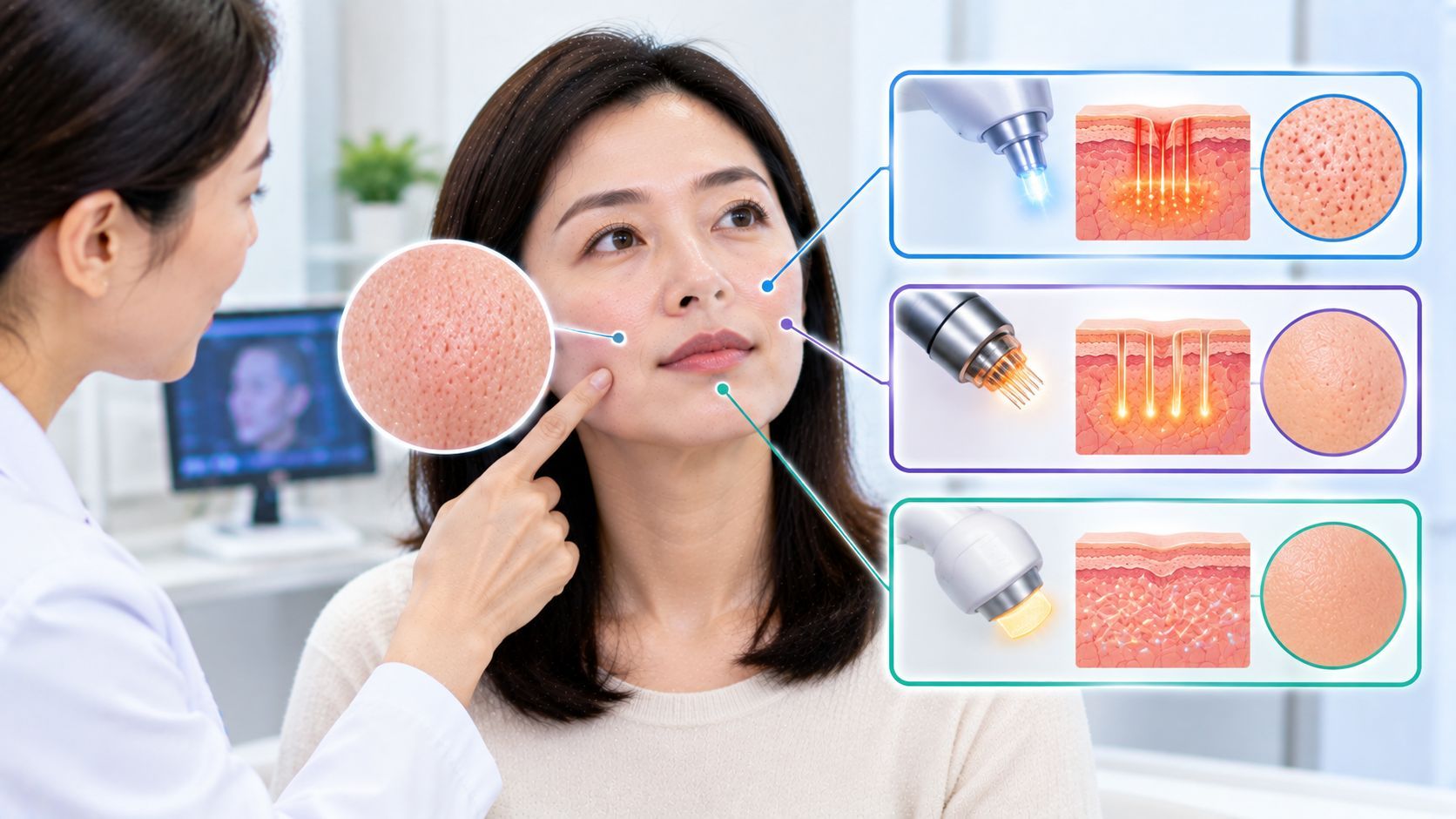
Instead of relying on one aggressive treatment, Korean dermatologists often combine several lower-intensity procedures for gradual improvement.
Customization
Many clinics create highly customized treatment combinations rather than recommending only one procedure.
Focus on Natural Results
Korean cosmetic philosophy usually prioritizes subtle enhancement over dramatic transformation.
Why Treatments Often Feel More Affordable
One major reason foreigners choose Korea is pricing. Cosmetic procedures that may cost extremely high prices in some Western countries are often more accessible in Seoul.
Common reasons include:
- High clinic competition
- Large treatment volume
- Efficient clinic systems
- Strong beauty industry demand
Because cosmetic dermatology is so common in Korea, clinics perform many procedures daily, which can reduce overall operating costs.
The Downsides Foreigners Sometimes Don’t Expect
Despite the strong reputation, Korean dermatology is not automatically perfect.
Some common complaints from foreign patients include:
- Very fast consultation times
- Upselling pressure
- “Factory clinic” environments
- Communication barriers
- Aggressive treatment packages
Popular clinics sometimes prioritize volume over deep one-on-one consultation experiences. Patients expecting long medical discussions may feel surprised by the speed of appointments.
Korean Dermatology vs Western Dermatology Philosophy
One of the biggest differences is treatment philosophy.
Korean Clinics Often Focus On:
- Prevention
- Maintenance
- Frequent low-downtime procedures
- Skin glow and texture
- Combination treatments
Western Clinics Often Focus On:
- Stronger individual procedures
- Medical dermatology
- Long consultation times
- Conservative treatment planning
- Clinical problem-solving
Neither approach is automatically superior. They simply prioritize different patient goals.
Why Korean Clinics Are Especially Popular for Skin Texture
Korean dermatology is particularly respected for improving overall skin quality rather than only treating severe medical issues.
Many clinics specialize in:
- Glass skin treatments
- Pore refinement
- Hydration-focused facials
- Tone-evening lasers
- Acne management
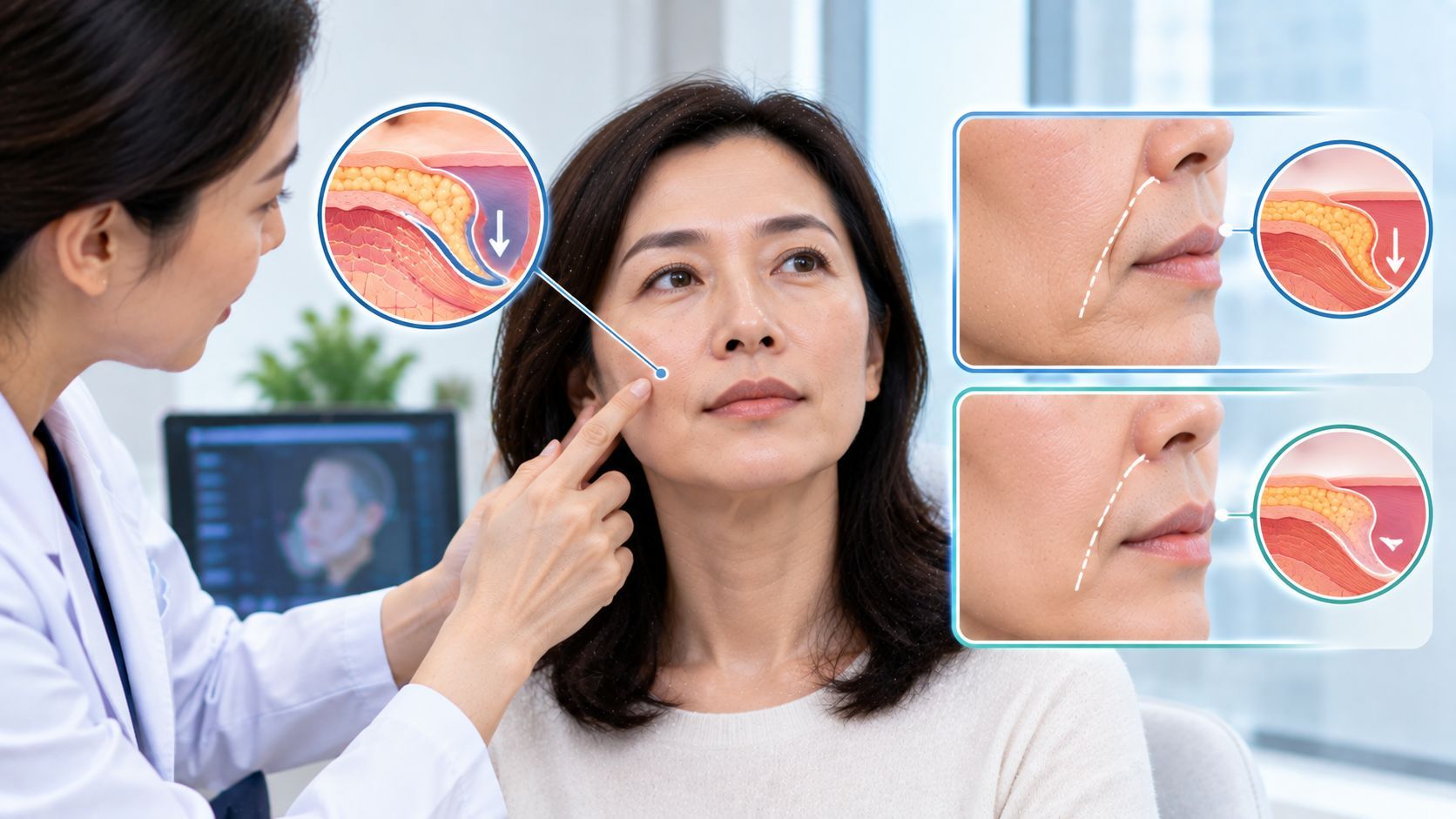
- Collagen stimulation
Patients seeking smoother, brighter, healthier-looking skin often find Korean treatment approaches highly appealing.
Are Korean Dermatologists More Skilled?
Skill varies greatly between individual doctors rather than countries alone. Korea certainly has many highly experienced cosmetic dermatologists because of the extremely competitive market and high patient volume. However:
- Not every clinic has the same quality standards
- Some clinics rely heavily on consultants instead of doctors
- Luxury clinics and budget clinics can differ dramatically
- Marketing can sometimes exaggerate results
Choosing the right clinic matters more than assuming every Korean clinic is automatically superior.
Who Benefits Most From Korean Dermatology
Korean dermatology may be especially attractive for people who want:
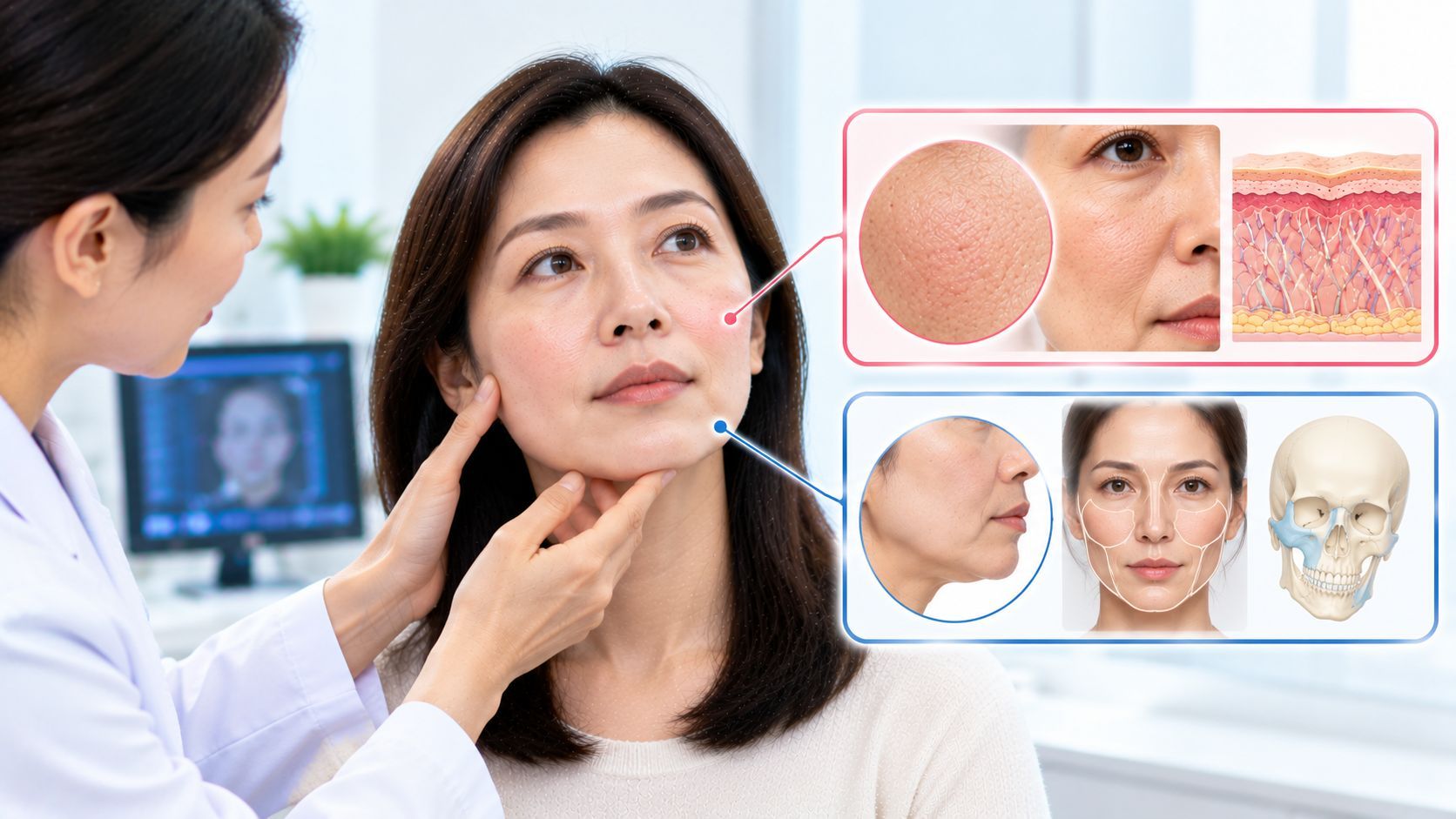
- Preventive anti-aging care
- Non-surgical cosmetic treatments
- Frequent maintenance procedures
- Natural-looking enhancements
- Advanced laser combinations
- Trend-focused skincare treatments
However, patients seeking complex medical dermatology care or very conservative treatment approaches may prefer different systems depending on the country and clinic style.
Final Thoughts
Korean dermatology is genuinely advanced in many areas, especially cosmetic lasers, skin maintenance, and non-invasive treatments. However, the idea that Korean dermatology is universally “better” than every other country is oversimplified. Korea excels in efficiency, innovation, customization, and beauty-focused skin management, but patient experience can vary significantly depending on the clinic. For many foreigners, the best results come from understanding both the strengths and limitations of Korean dermatology before booking treatment.