Korean Beauty Treatments That Actually Have Medical Science Behind Them
Korean Beauty Treatments That Actually Have Medical Science Behind Them
Korean beauty treatments are often associated with viral trends, glowing skin, and luxury clinic experiences. However, behind many popular procedures is real medical science supported by dermatology research, laser technology, and regenerative medicine. While not every trending treatment delivers dramatic results, several Korean aesthetic procedures are genuinely backed by clinical evidence and widely used by dermatologists around the world.
Why Korean Dermatology Focuses on Technology
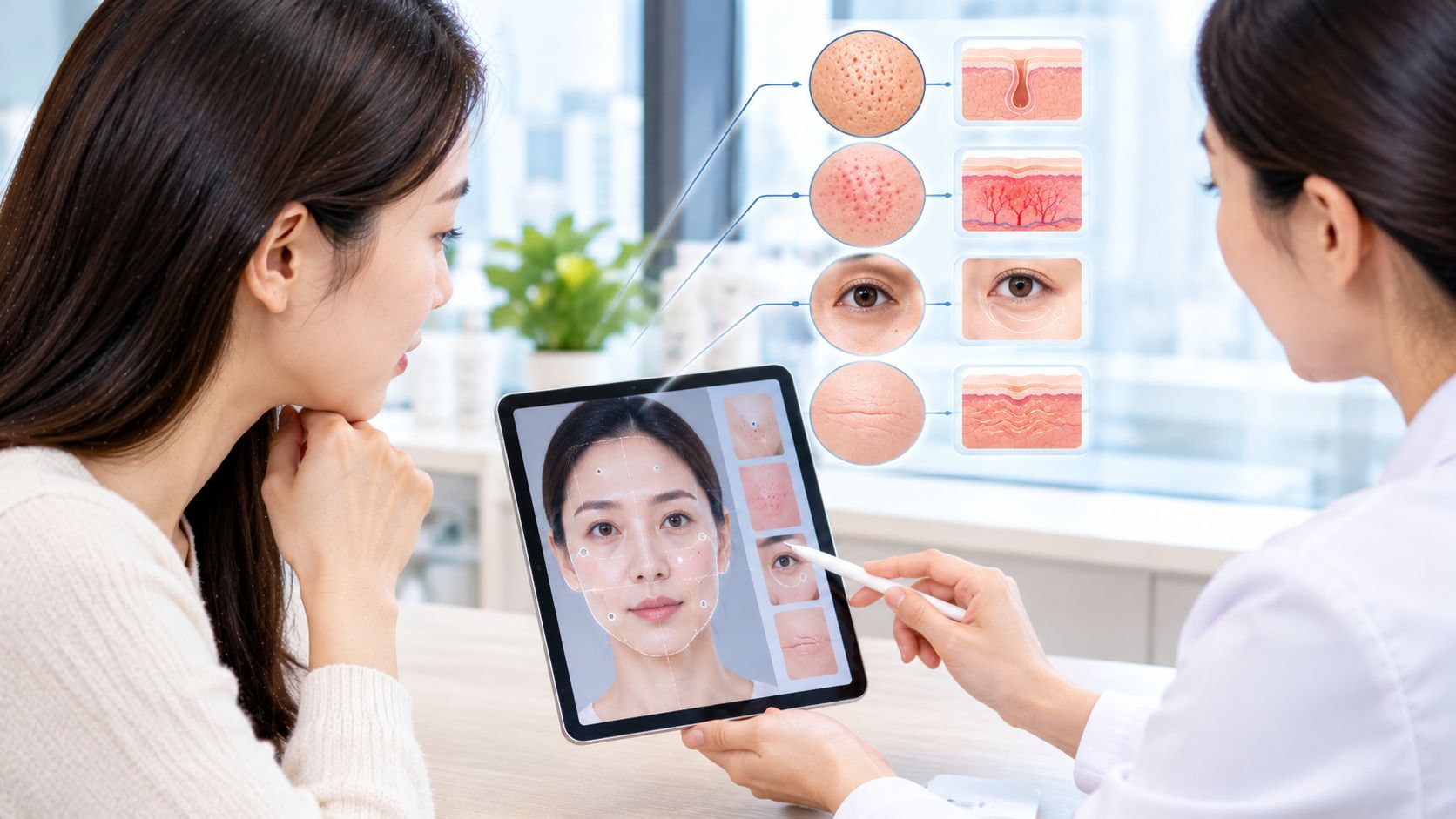
Korean clinics are highly technology-driven because the cosmetic market in Seoul is extremely competitive. Clinics constantly invest in newer devices and treatment combinations designed to improve:
- Skin texture
- Pigmentation
- Collagen production
- Elasticity
- Acne scars
- Redness
Instead of relying only on skincare products, Korean dermatology often combines medical-grade devices with long-term maintenance plans.
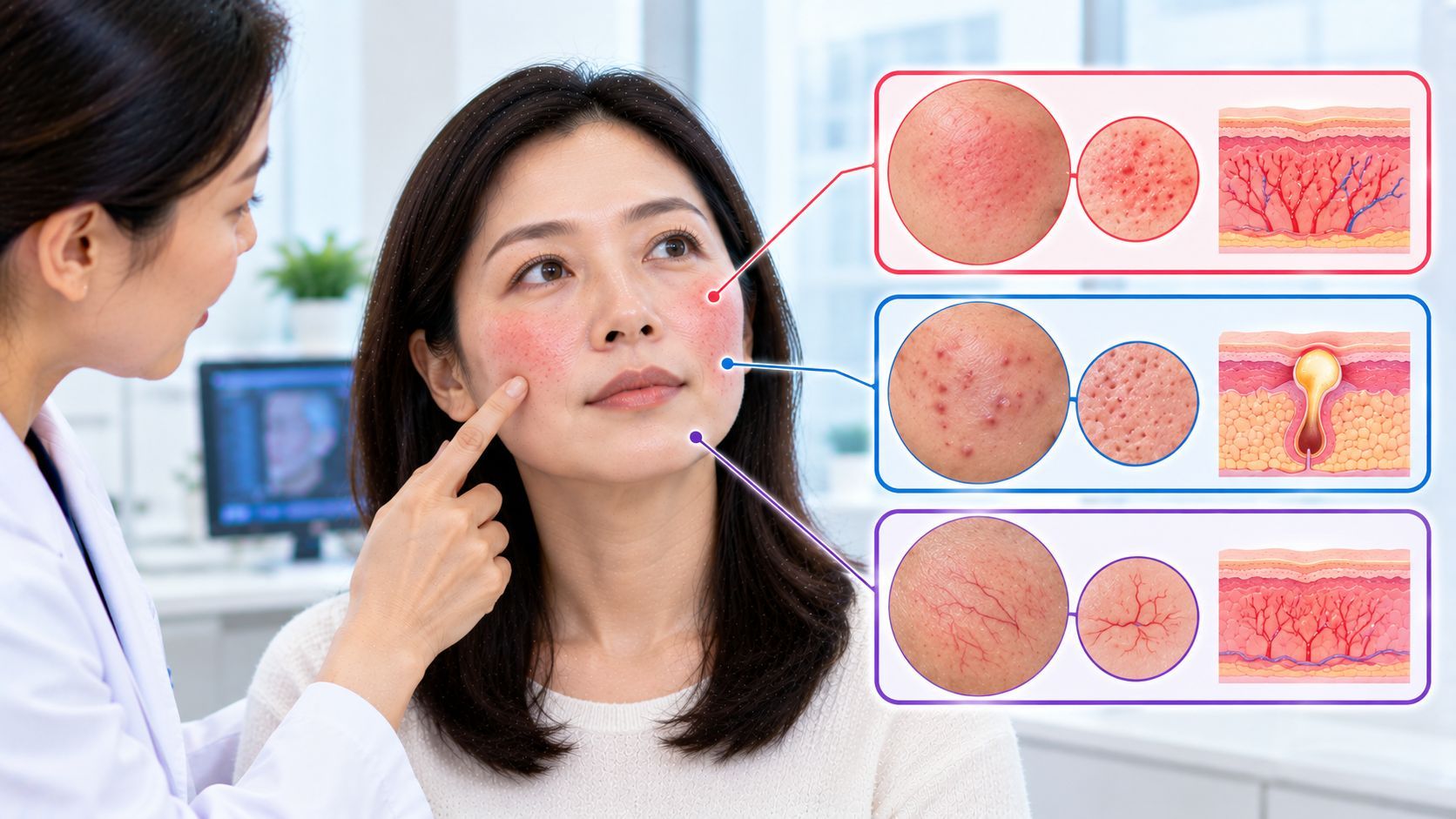
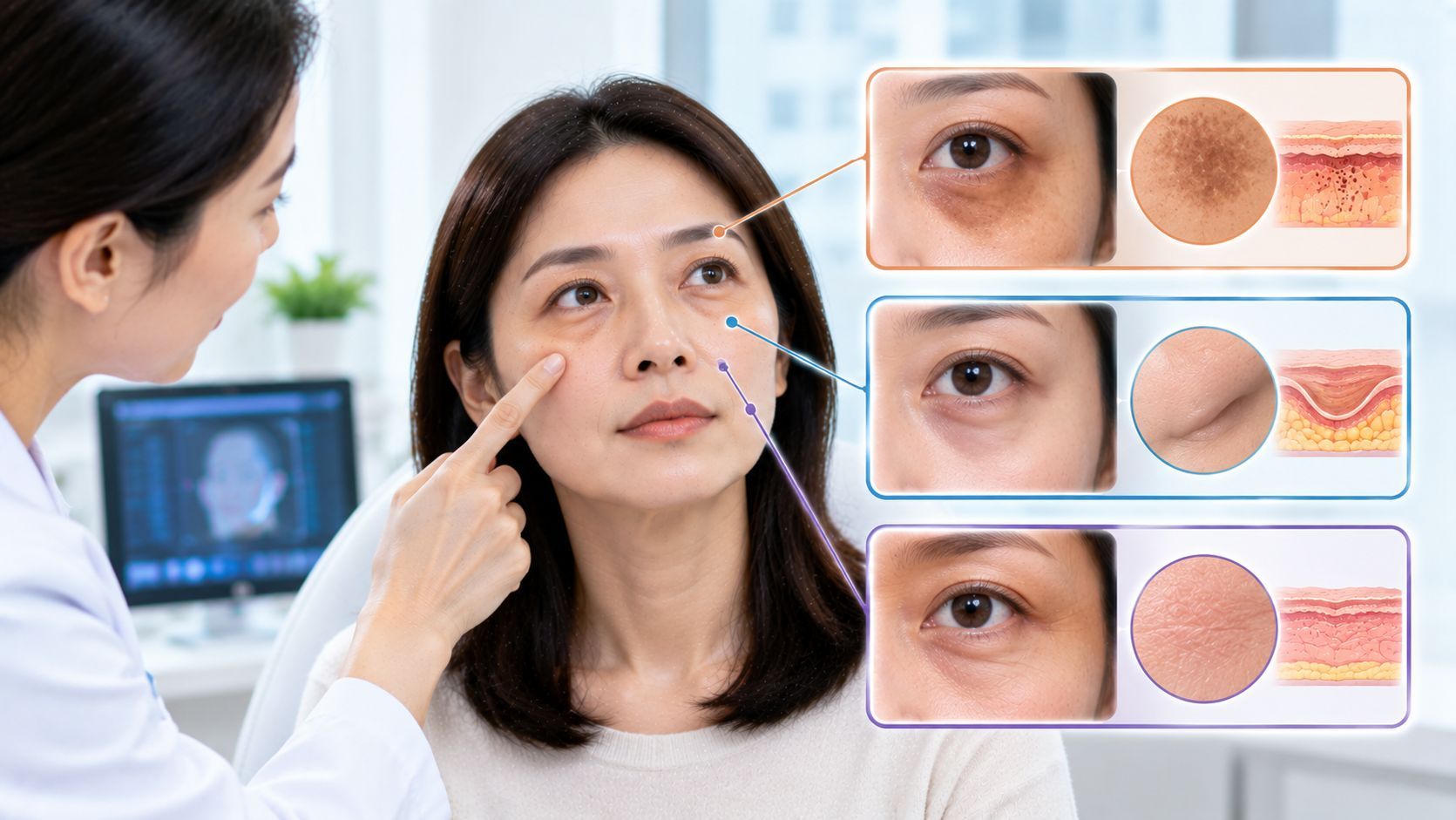
Laser Toning for Pigmentation and Melasma
Laser toning is one of the most scientifically supported Korean treatments for uneven skin tone and pigmentation management. Low-fluence laser technology targets excess melanin while minimizing skin damage and downtime.
Commonly treated concerns include:
- Melasma
- Sun spots
- Post-acne pigmentation
- Uneven tone
- Dull skin
Korean clinics often use repeated gentle sessions instead of one aggressive treatment to reduce the risk of rebound pigmentation.
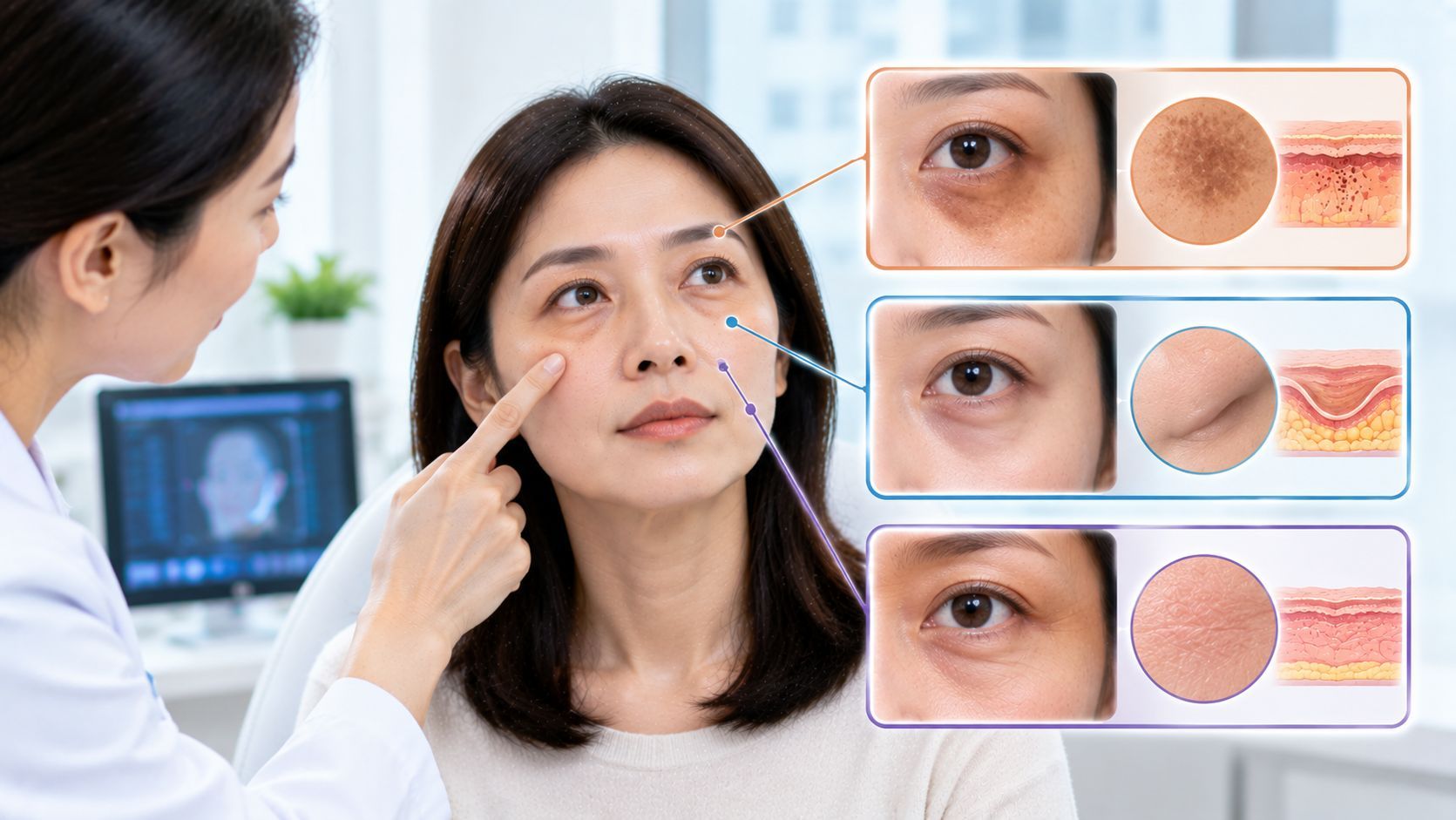
Microneedling and RF Microneedling
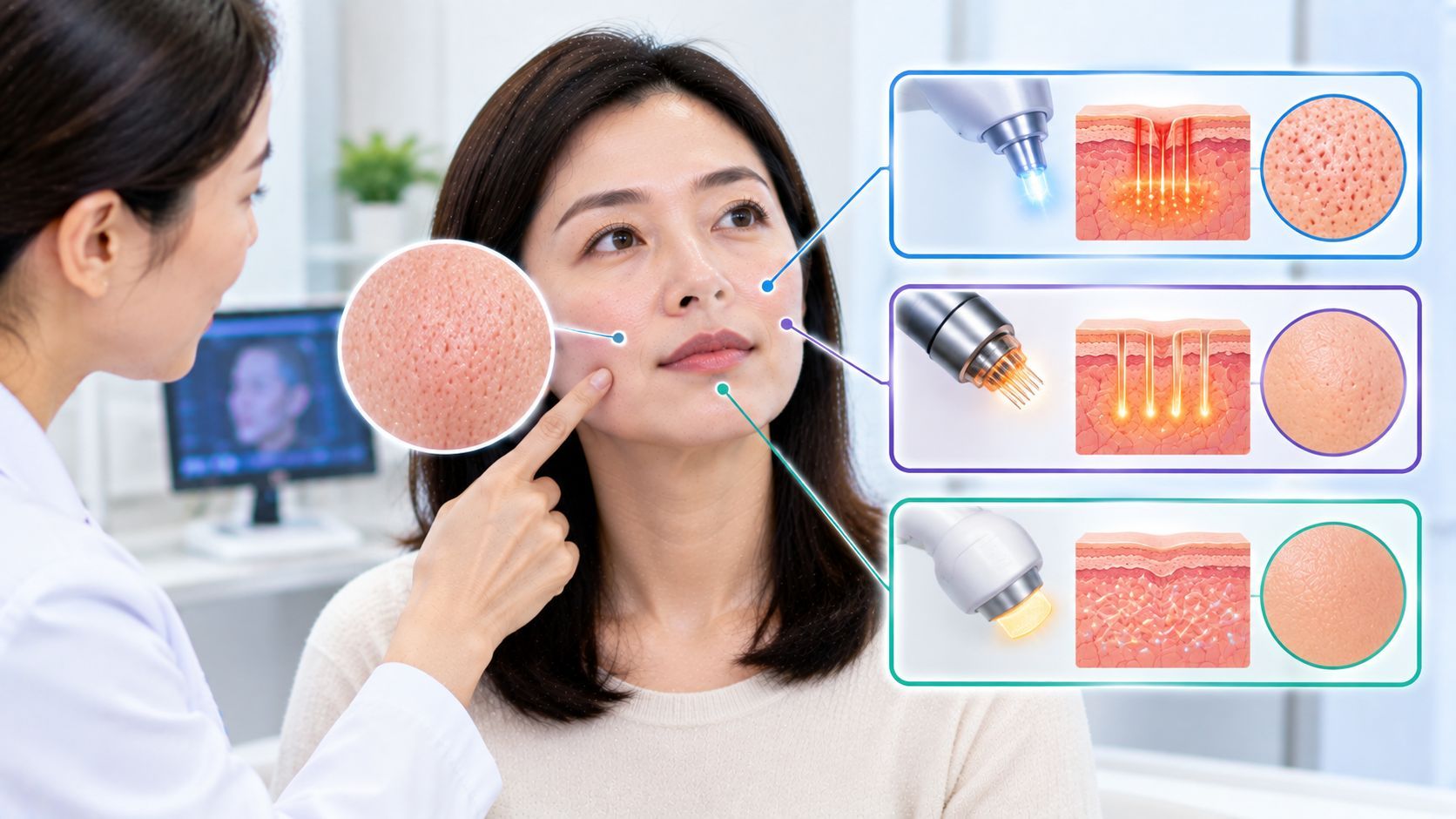
Microneedling has strong scientific support because controlled micro-injuries stimulate natural collagen production. Korean clinics frequently combine traditional microneedling with radiofrequency energy for deeper skin remodeling.
These treatments are commonly used for:
- Acne scars
- Enlarged pores
- Fine lines
- Skin texture
- Mild skin laxity
RF microneedling is especially popular because it combines collagen stimulation with controlled heat delivery for stronger tightening effects.
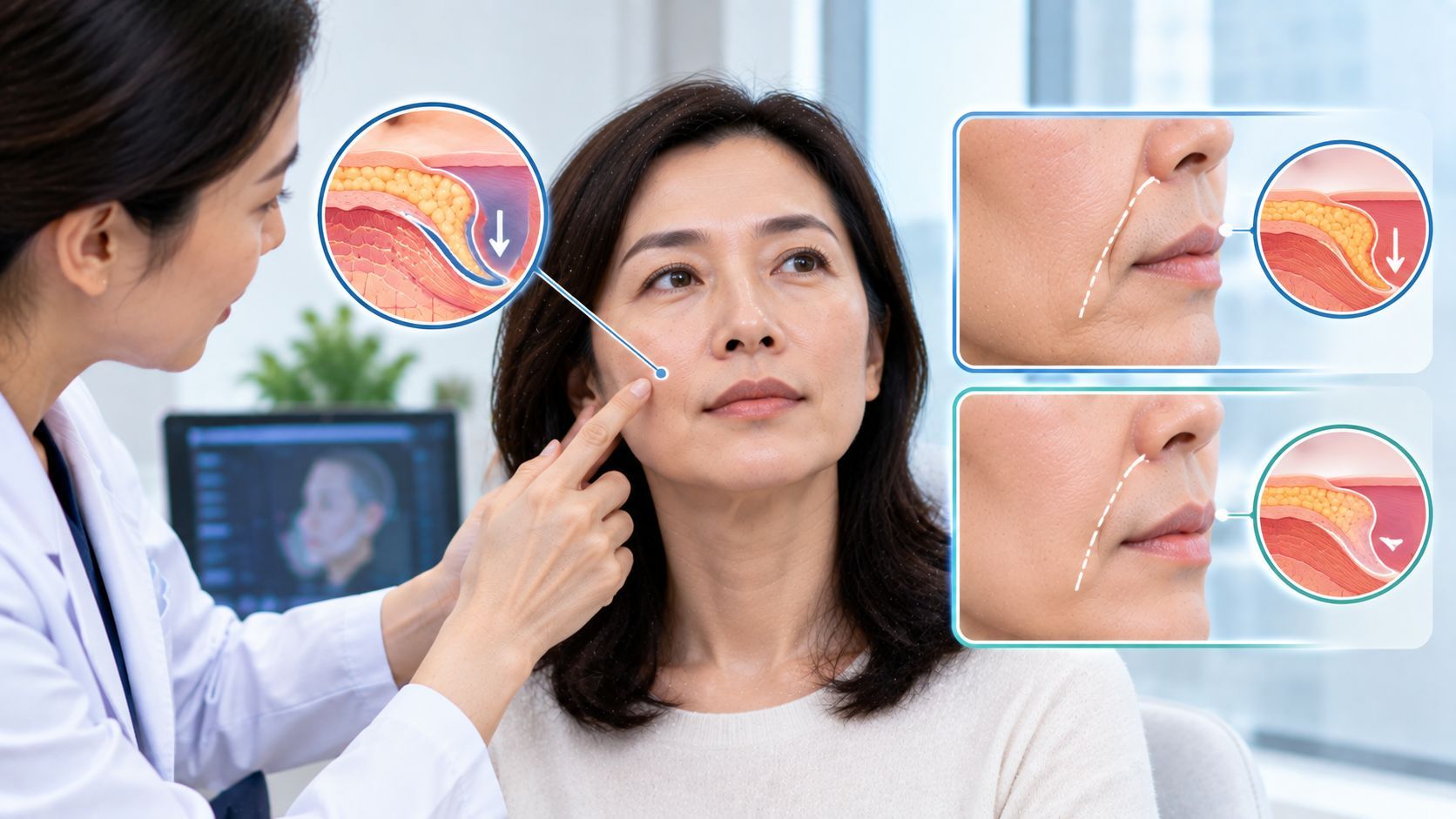
Skin Boosters and Hyaluronic Acid Injections
Skin boosters are widely used in Korea for hydration and skin quality improvement. Unlike traditional fillers designed to add volume, skin boosters deliver small amounts of hyaluronic acid across broader areas of the skin.
Scientific benefits may include:
- Improved hydration
- Better elasticity
- Smoother texture
- Increased glow
- Enhanced skin barrier support
Many Korean clinics use these treatments as preventive anti-aging maintenance rather than dramatic correction procedures.
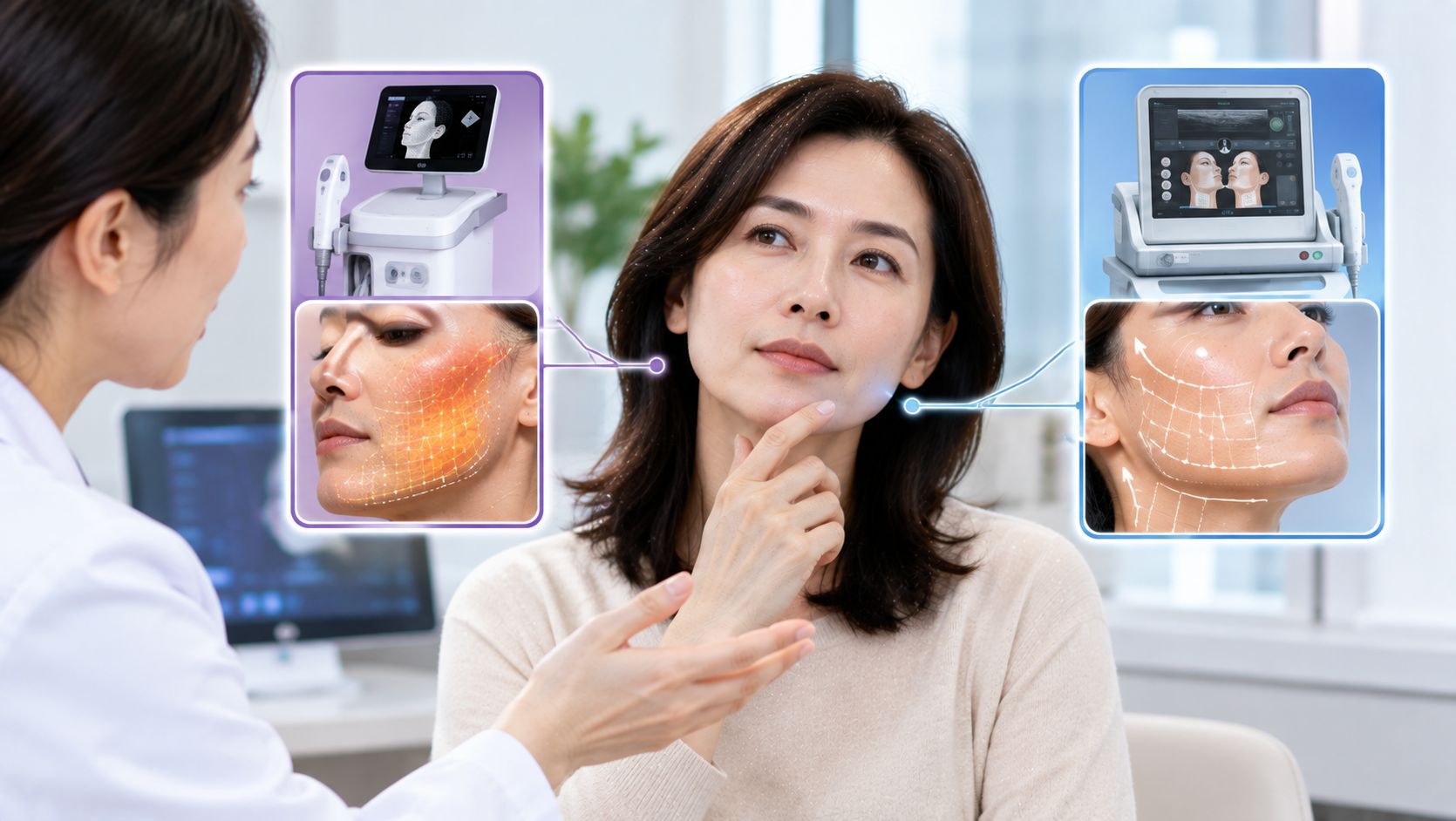
Ultrasound and Radiofrequency Lifting Treatments
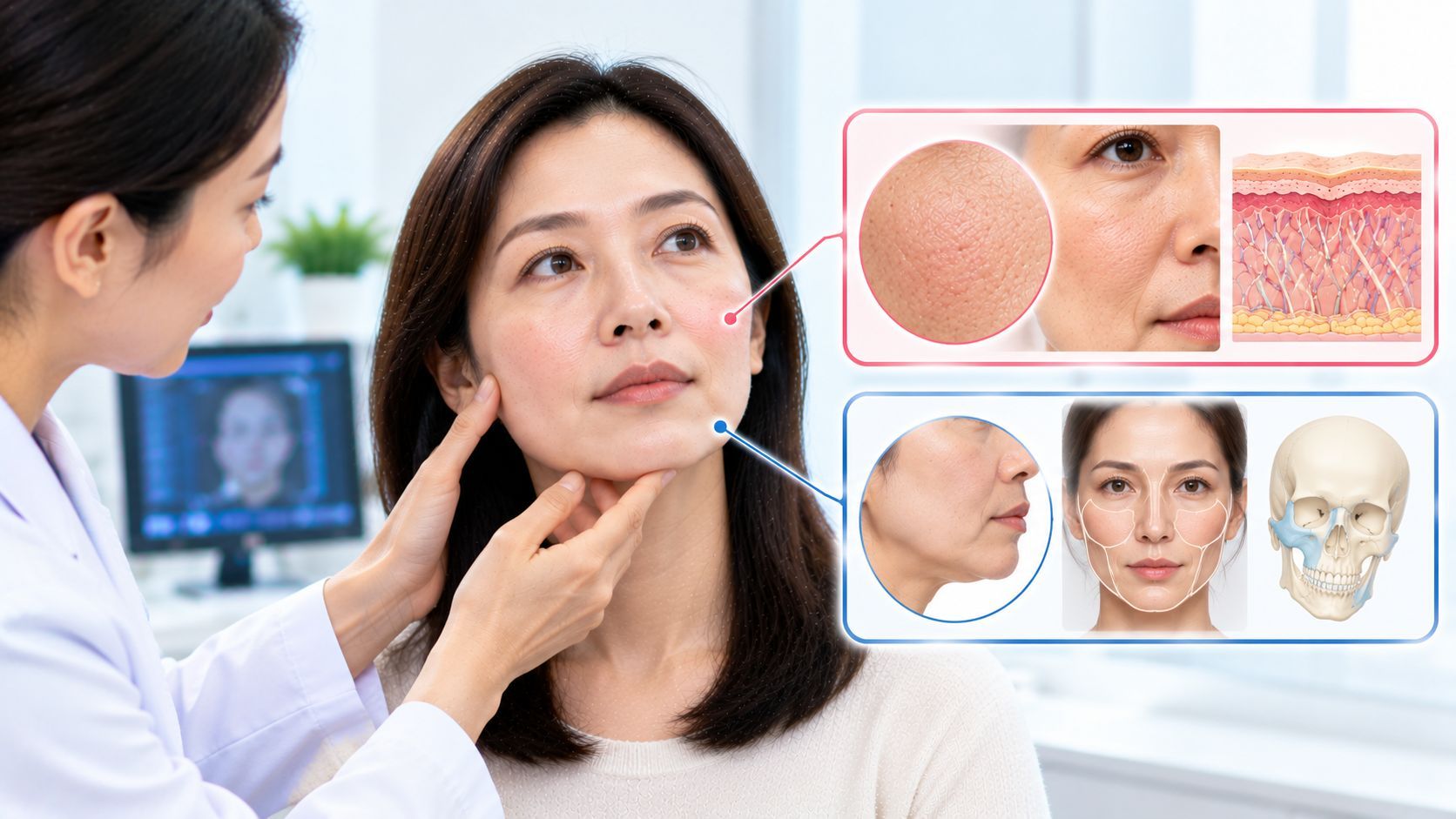
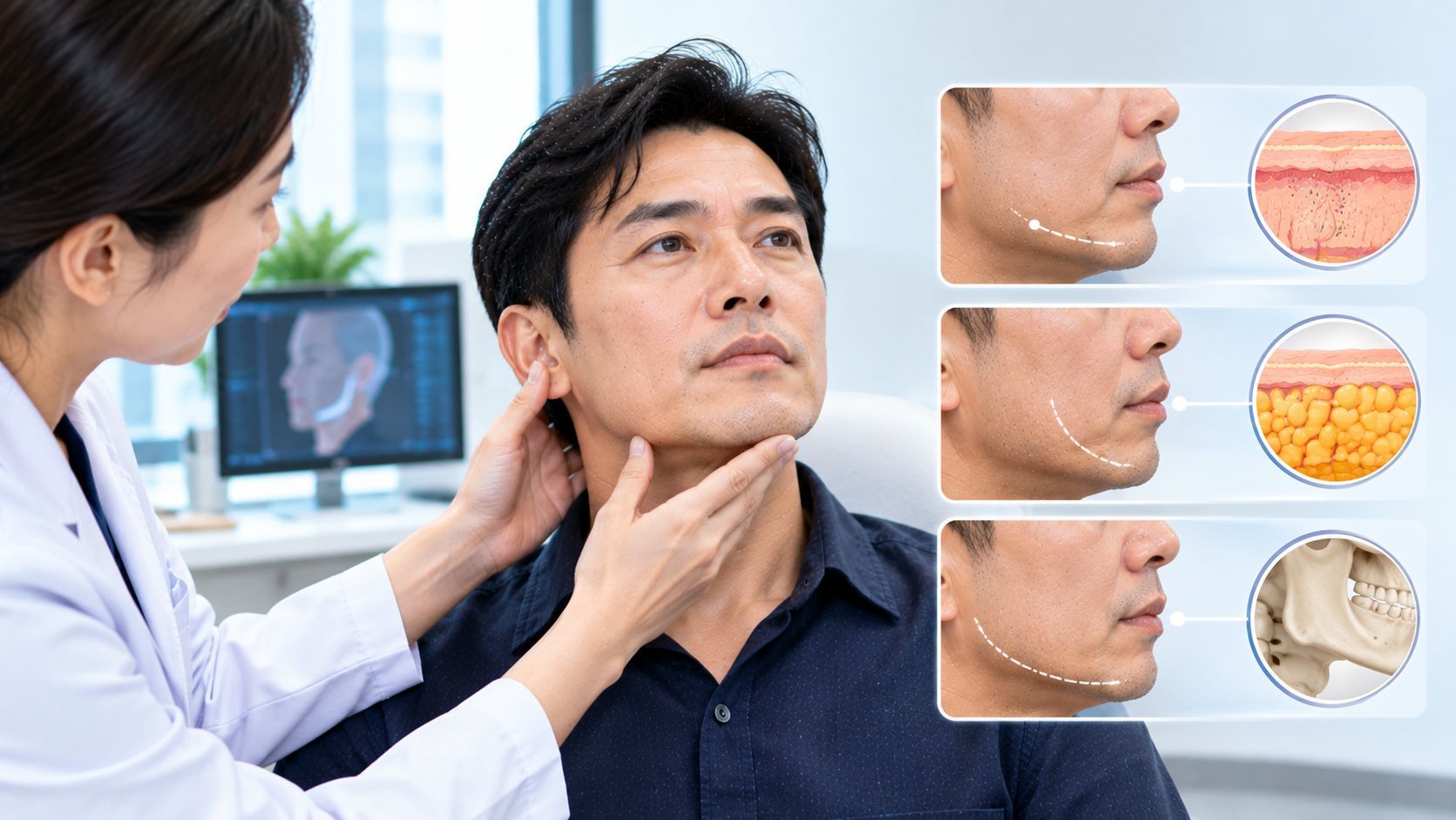
Non-surgical lifting technologies like ultrasound and radiofrequency treatments became extremely popular in Korea because they stimulate collagen without requiring surgery.
These devices work by delivering controlled energy into deeper skin layers to encourage tissue tightening over time.
Popular treatment goals include:
- Jawline definition
- Mild lifting
- Skin firmness
- Neck tightening
- Early anti-aging prevention
Results are typically gradual and subtle compared to surgical procedures, but many patients prefer the lower downtime.
LED Light Therapy Is More Than a Trend
LED therapy may appear simple, but it is actually supported by years of dermatology research. Different wavelengths target different skin concerns.
Common uses include:
- Blue light for acne bacteria
- Red light for inflammation and healing
- Near-infrared light for recovery support
Korean clinics often combine LED therapy with facials, laser recovery programs, and acne management treatments.
PRP and Regenerative Treatments
Platelet-rich plasma (PRP) treatments use components from the patient’s own blood to support tissue repair and collagen stimulation. Korean clinics commonly apply PRP for:
- Acne scars
- Hair restoration
- Skin rejuvenation
- Recovery after laser treatments
Regenerative medicine continues growing rapidly in Korean dermatology because many patients prefer treatments that stimulate natural healing responses rather than relying only on synthetic materials.
Why Combination Treatments Are So Common in Korea
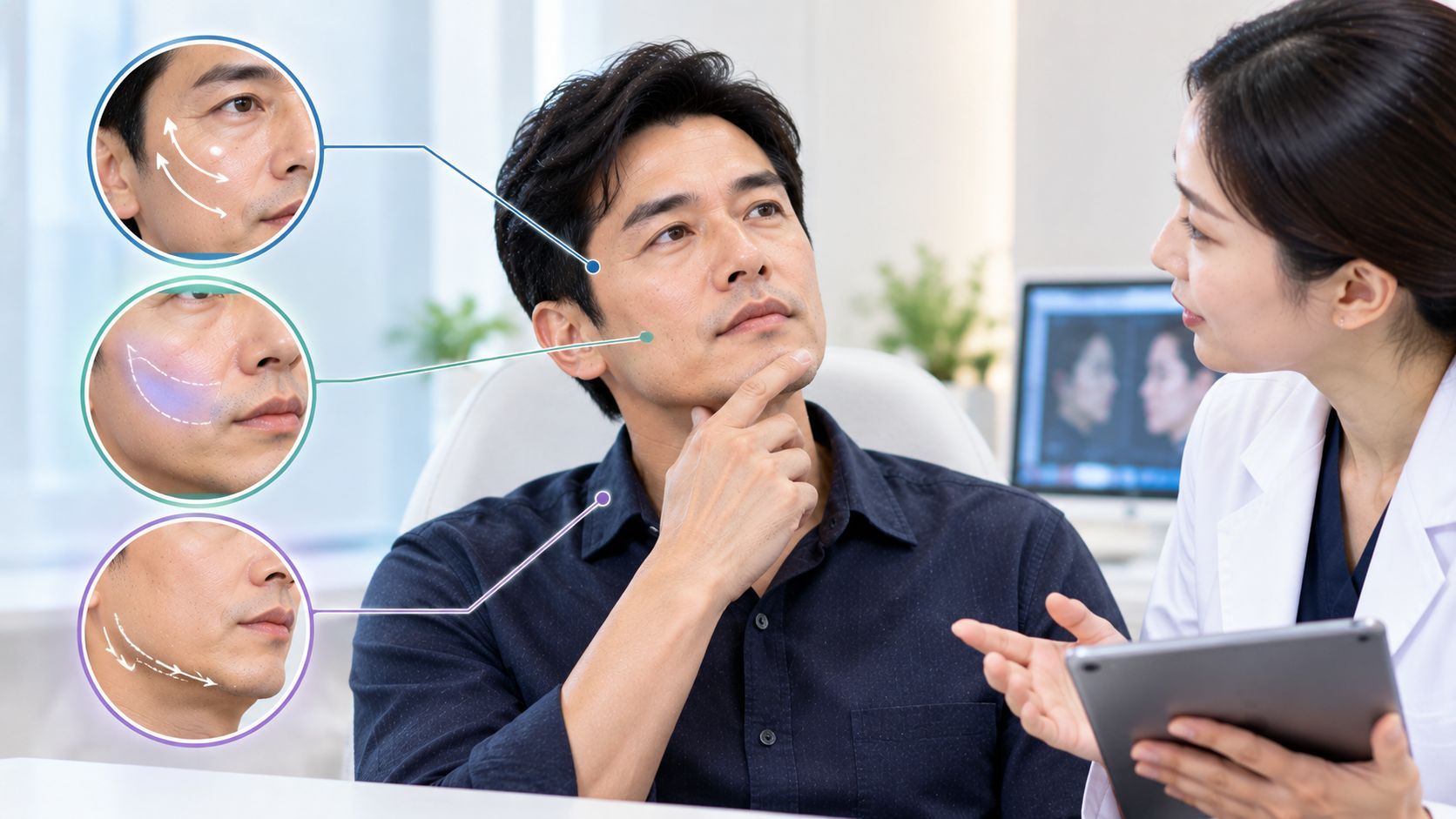
One unique aspect of Korean dermatology is the heavy use of combination therapy. Instead of treating skin concerns with a single procedure, clinics often combine:
- Lasers
- Skin boosters
- LED therapy
- RF treatments
- Chemical exfoliation
- Regenerative treatments
This layered approach aims to improve multiple skin concerns simultaneously while reducing overly aggressive treatment intensity.
Not Every Viral Treatment Is Scientifically Proven
Although many Korean treatments are evidence-based, not every beauty trend has strong scientific support. Some social media treatments become popular mainly because of marketing, celebrity influence, or short-term visual effects.
Patients should still carefully research:
- Device approval status
- Doctor qualifications
- Realistic expectations
- Potential side effects
- Long-term effectiveness
A treatment being trendy does not automatically mean it is medically superior.
Final Thoughts
Many Korean beauty treatments genuinely have strong medical science behind them, particularly in areas like laser technology, collagen stimulation, regenerative medicine, and non-surgical skin rejuvenation. Korea’s dermatology industry combines advanced devices, preventive skincare philosophy, and high treatment volume to create highly refined cosmetic procedures. However, understanding which treatments are scientifically supported — and which are mostly hype — remains important for achieving safe and realistic results.