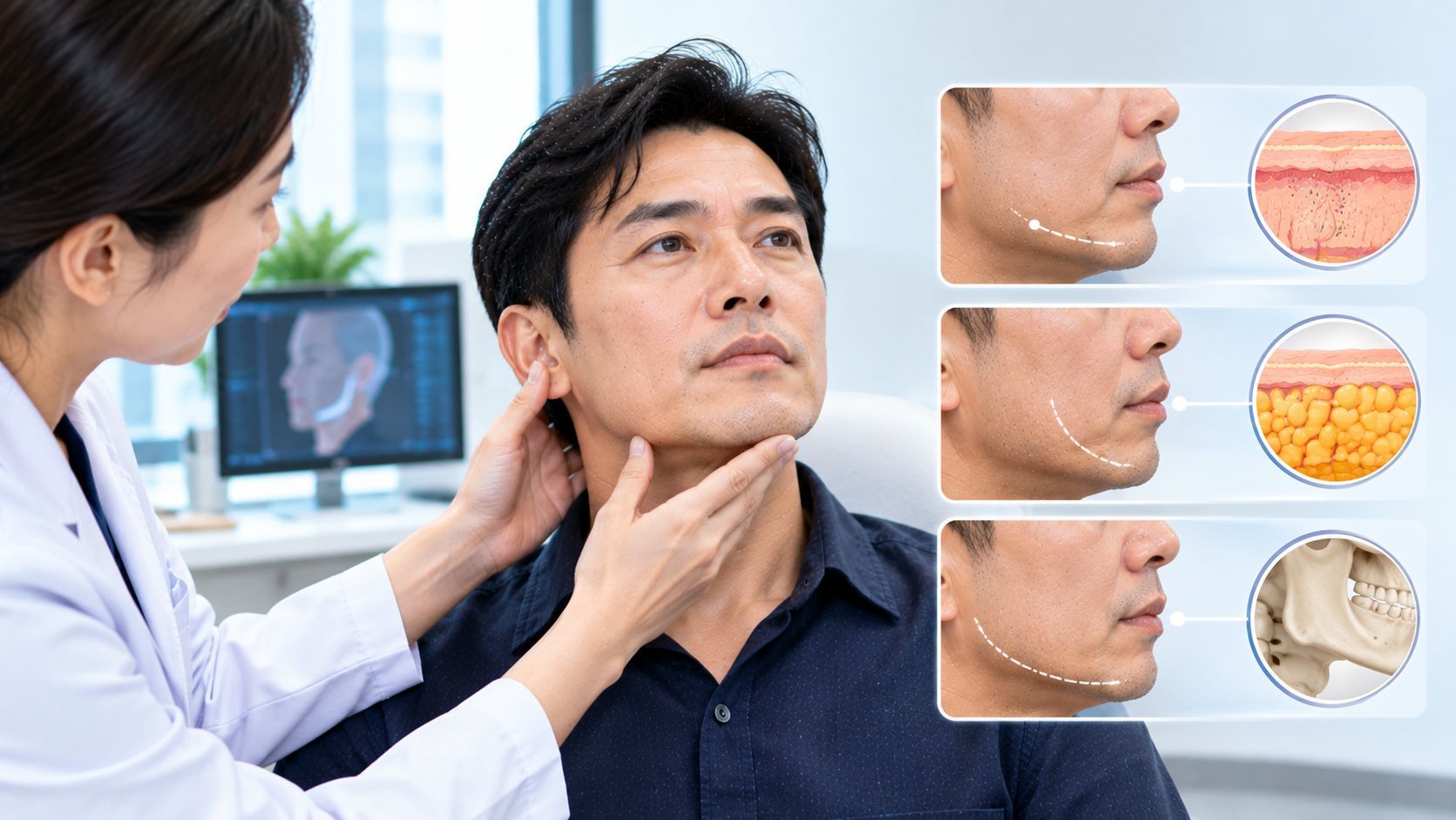
Korean Dermatology for Beard Area Pigmentation
Korean Dermatology for Beard Area Pigmentation
Beard area pigmentation is a very common concern among men visiting Korean dermatology clinics, especially in Gangnam. Many patients experience dark patches, post-shaving marks, redness, or uneven skin tone around the jawline and neck due to repeated irritation, inflammation, ingrown hairs, or past acne. Korean dermatologists typically approach beard pigmentation differently from general facial pigmentation because the beard area has unique challenges related to hair follicles, thicker skin, and chronic mechanical irritation.
Why Beard Area Pigmentation Happens
Pigmentation around the beard is usually caused by chronic inflammation rather than simple sun damage.
Common triggers include:
- Repeated shaving irritation
- Ingrown hairs
- Folliculitis (inflamed hair follicles)
- Acne breakouts around the jawline
- Aggressive exfoliation or friction
Over time, inflammation can lead to post-inflammatory hyperpigmentation (PIH), especially in men with medium to darker skin tones.
Korean Dermatologists Focus on Reducing Inflammation First
One major difference in Korean dermatology is that doctors often treat inflammation before aggressively targeting pigment.
This may include:
- Barrier repair treatments
- Calming laser therapy
- Anti-inflammatory skincare
- Redness reduction protocols
- Treatment for active folliculitis or acne
Without controlling inflammation first, pigmentation often returns repeatedly after laser treatment.
Low-Energy Laser Toning Is Commonly Used
Korean clinics frequently use low-energy laser toning for beard area discoloration because the skin in this area is sensitive and prone to rebound pigmentation.
Popular approaches include:
- Pico laser toning
- Low-fluence Nd:YAG laser
- Gentle pigmentation laser protocols
Experienced dermatologists usually avoid very aggressive settings around the beard because excessive heat can worsen irritation and inflammation.
Redness and Pigmentation Are Treated Separately
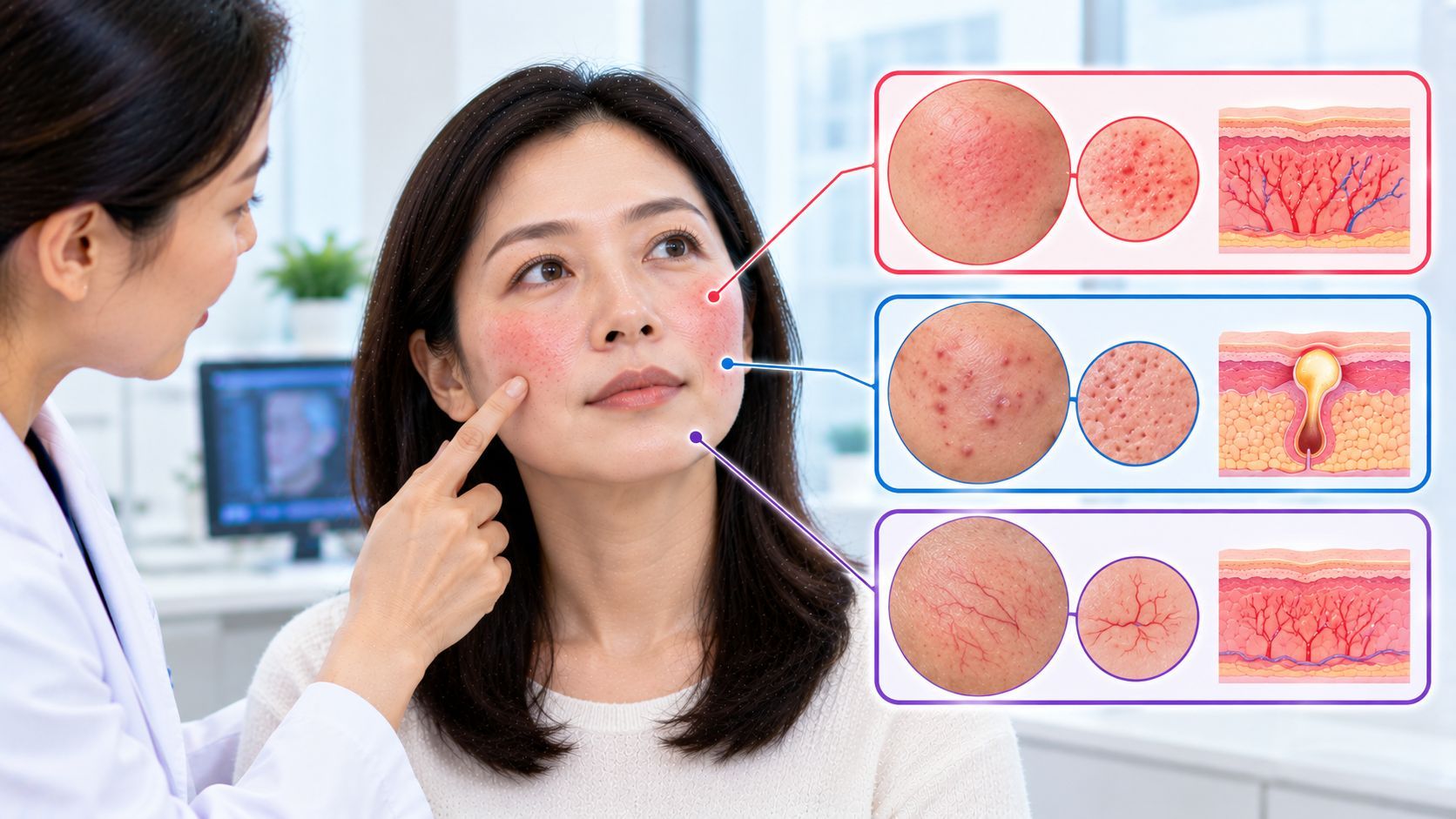
Many men think all beard discoloration is pigmentation, but Korean dermatologists often separate the issue into:
- Red vascular inflammation
- Brown pigmentation
- Active follicular irritation
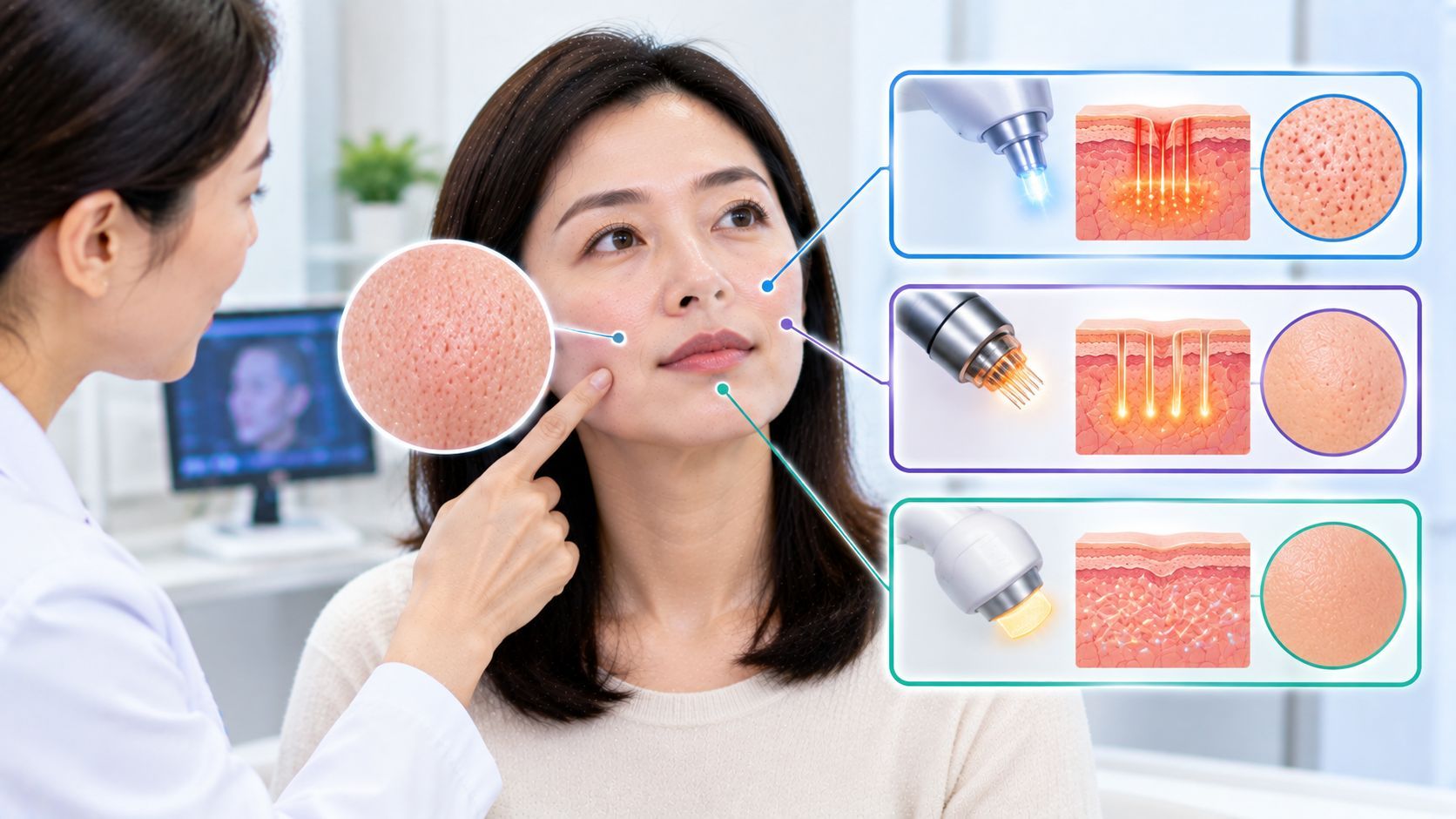
Different lasers may be used depending on the problem. For example:
- Vascular lasers for redness
- Pico or toning lasers for pigmentation
- RF-based treatments for texture and pores
This layered diagnosis is one reason Korean treatments tend to be more customized.
Ingrown Hair Management Is Extremely Important
If ingrown hairs continue, pigmentation often becomes chronic.
Korean clinics may recommend:
- Gentle exfoliation routines
- Hair-growth direction shaving techniques
- Barrier-focused moisturizers
- Laser hair reduction in severe cases
Treating pigmentation without addressing ingrown hairs usually produces temporary improvement only.
Barrier Repair Plays a Major Role
The beard area is constantly exposed to friction from shaving, making barrier damage very common.
Korean dermatologists often combine pigmentation treatment with:
- Rejuran or regenerative skin boosters
- Hydration therapy
- LED calming treatments
- Minimal-irritation skincare routines
This helps stabilize the skin and reduce future inflammatory triggers.
Aggressive Resurfacing Is Usually Avoided
Unlike acne scar treatments, beard pigmentation protocols in Korea are often conservative.
Doctors frequently avoid:
- High-energy ablative lasers
- Strong peeling treatments
- Excessive exfoliation
- Overheating the follicular area
This is because the beard region heals differently and is more prone to irritation-related rebound pigmentation.
Many Men Also Treat Pores and Texture at the Same Time
Pigmentation around the beard often appears together with:
- Enlarged pores
- Oily texture
- Rough skin quality
- Mild acne scarring
Because of this, Korean clinics often combine pigmentation treatment with:
- RF microneedling
- Skin Botox
- Sebum-control laser toning
- Texture-focused collagen stimulation
The goal is usually overall skin refinement rather than only lightening dark areas.
Results Are Usually Gradual
Beard area pigmentation rarely disappears instantly.
Most Korean dermatology protocols involve:
- Multiple low-energy sessions
- Gradual reduction of inflammation
- Long-term barrier stabilization
- Consistent sun protection and shaving care
This slower approach reduces the risk of rebound pigmentation and chronic sensitivity.
Final Thoughts
Korean dermatology for beard area pigmentation focuses heavily on inflammation control, barrier repair, and gradual pigment reduction rather than aggressive whitening treatments. Because beard discoloration is often linked to shaving irritation, ingrown hairs, and chronic follicular inflammation, Korean dermatologists typically use conservative laser toning combined with recovery-focused care to improve skin tone safely over time. The most effective treatments usually address not only pigmentation itself, but also the underlying irritation patterns that continue to trigger discoloration in the beard area.