Korean Dermatology Trends That Will Dominate 2027
Korean Dermatology Trends That Will Dominate 2027
Korean dermatology is heading into 2027 with a clear direction: less aggressive transformation, more biological optimization. Instead of focusing on quick, dramatic changes, Seoul clinics are shifting toward long-term skin health, regenerative science, and highly personalized combination treatments. The core philosophy is evolving from “fixing problems” to “preventing aging before it starts,” with an increasing emphasis on skin longevity, barrier strength, and natural-looking results.
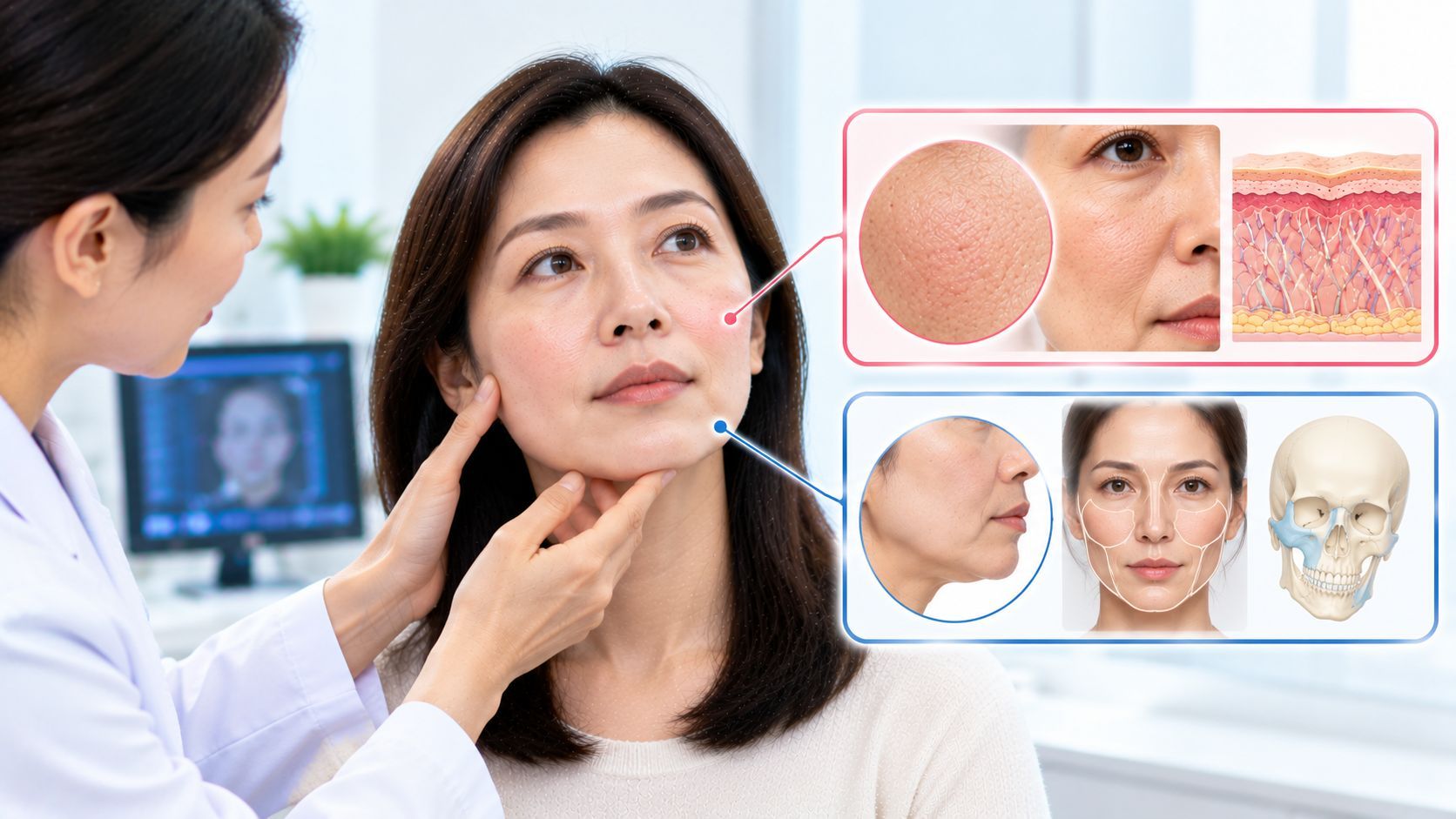
Skin Longevity Will Fully Replace “Anti-Aging”
One of the strongest upcoming shifts is the replacement of traditional anti-aging language with “skin longevity” and “slow aging.”
In 2027, patients will increasingly prioritize:
- Long-term collagen preservation
- Skin barrier strengthening
- Gradual aging prevention
- Sustainable treatment cycles
Rather than chasing instant lifting results, Korean dermatology will focus on keeping skin biologically younger for longer through consistent maintenance and regeneration strategies.
Combination Treatment Protocols Become the Standard
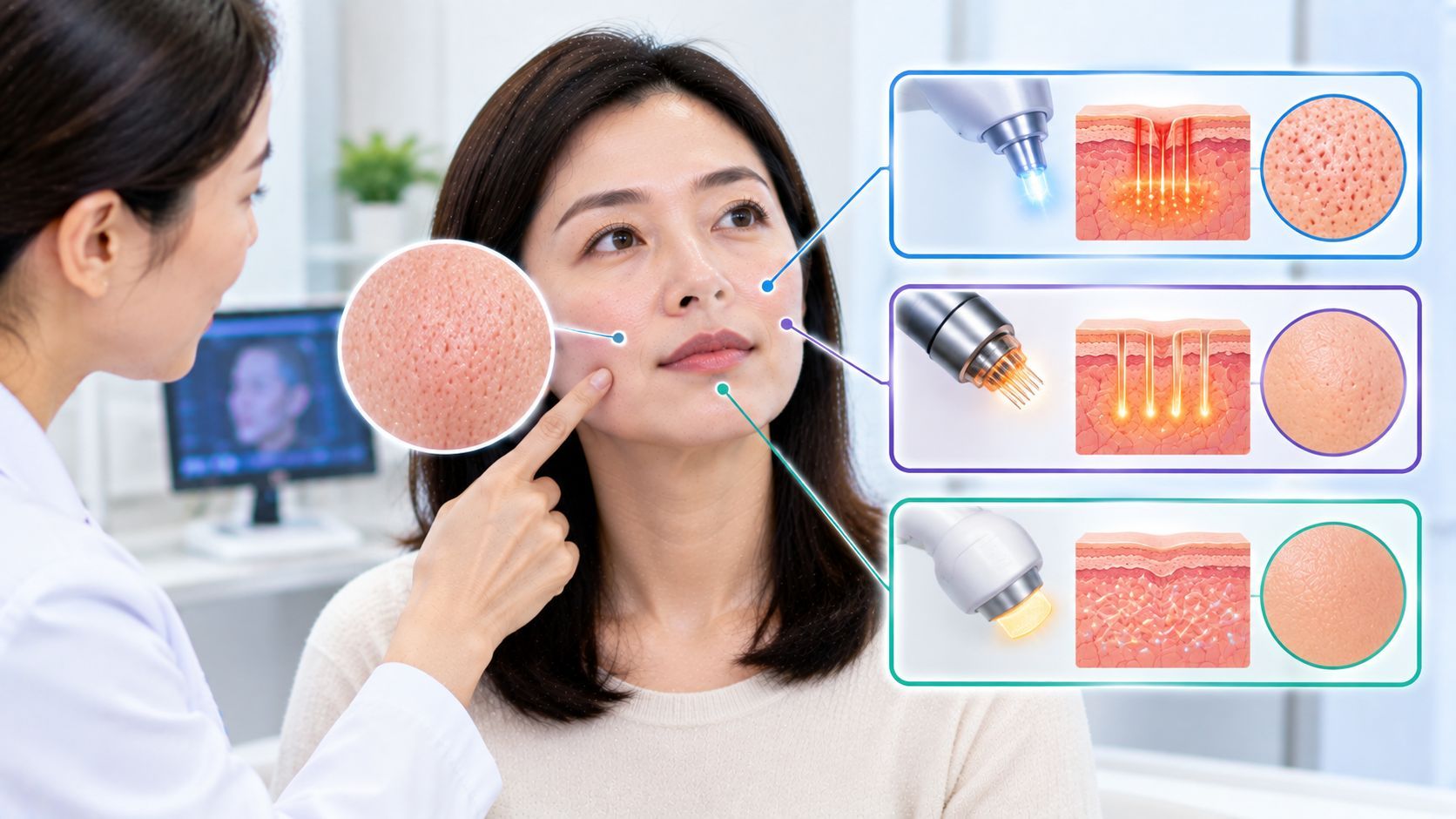
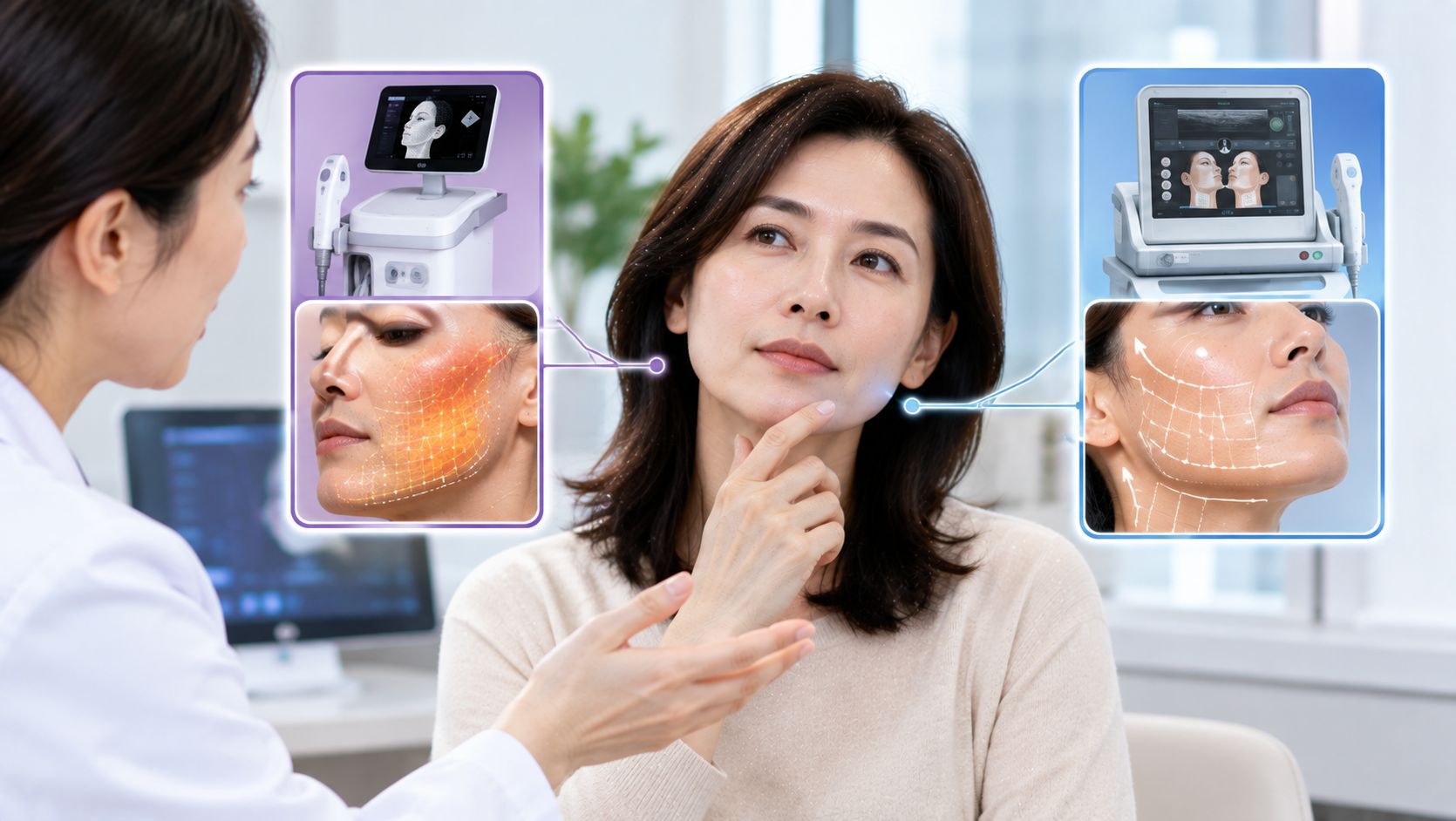
Multi-device, multi-treatment sessions are expected to become even more structured and standardized.
Typical 2027 protocols will likely include:
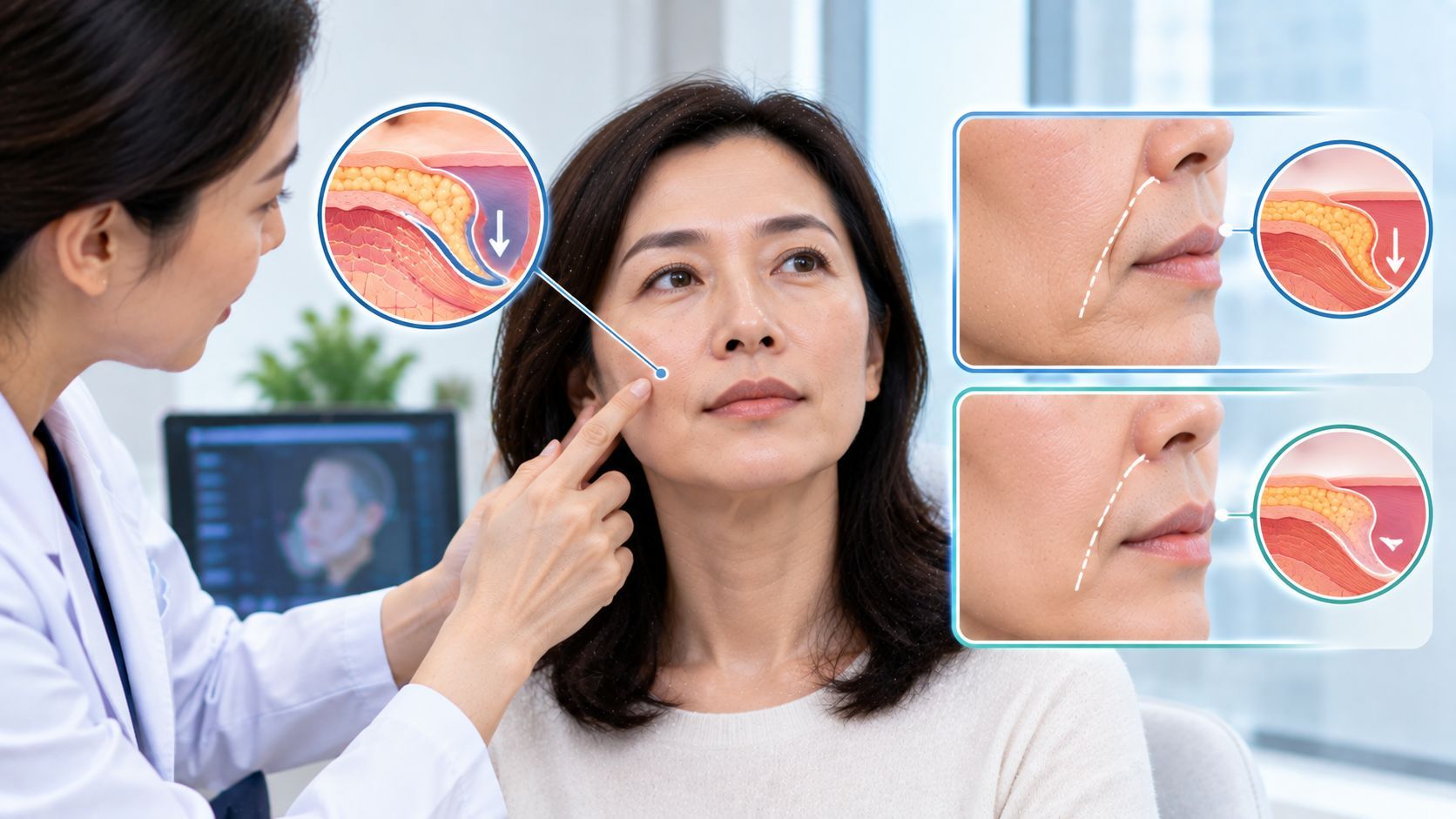
- Deep lifting devices (Ultherapy / HIFU systems)
- RF tightening (Thermage / Oligio-type systems)
- RF microneedling for texture and pores
- Skin boosters or regenerative injections
- LED or recovery therapy
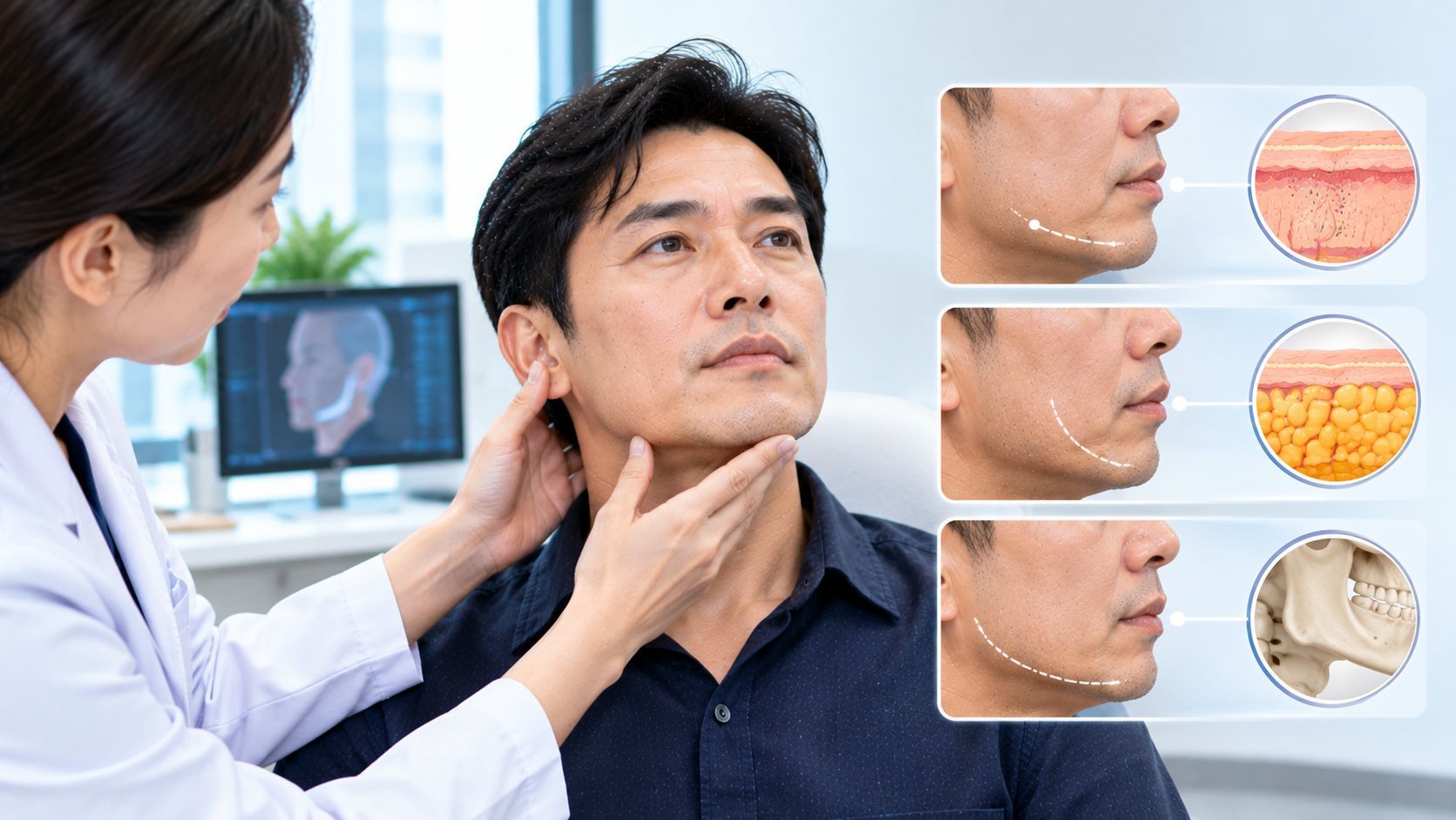
This layered approach reflects the understanding that aging occurs across multiple skin depths simultaneously.
Regenerative Injectables Take Over Traditional Fillers
Regenerative treatments are becoming the core of Korean injectable aesthetics.
The biggest drivers include:
- Rejuran and PN-based injectables
- Juvelook and collagen biostimulators
- Exosome-based therapies
- PDRN evolution treatments
Instead of adding volume, the focus is shifting toward stimulating the skin’s own repair systems, improving elasticity, and rebuilding dermal quality over time.
Exosomes Move From Trend to Core Treatment
Exosome therapy is expected to move from “premium add-on” to mainstream regenerative protocol.
In 2027 clinics, exosomes will likely be used for:
- Post-laser recovery enhancement
- Collagen signaling support
- Inflammation control
- Texture improvement programs
They will increasingly be combined with lasers and RF treatments as part of standard recovery stacks rather than experimental add-ons.
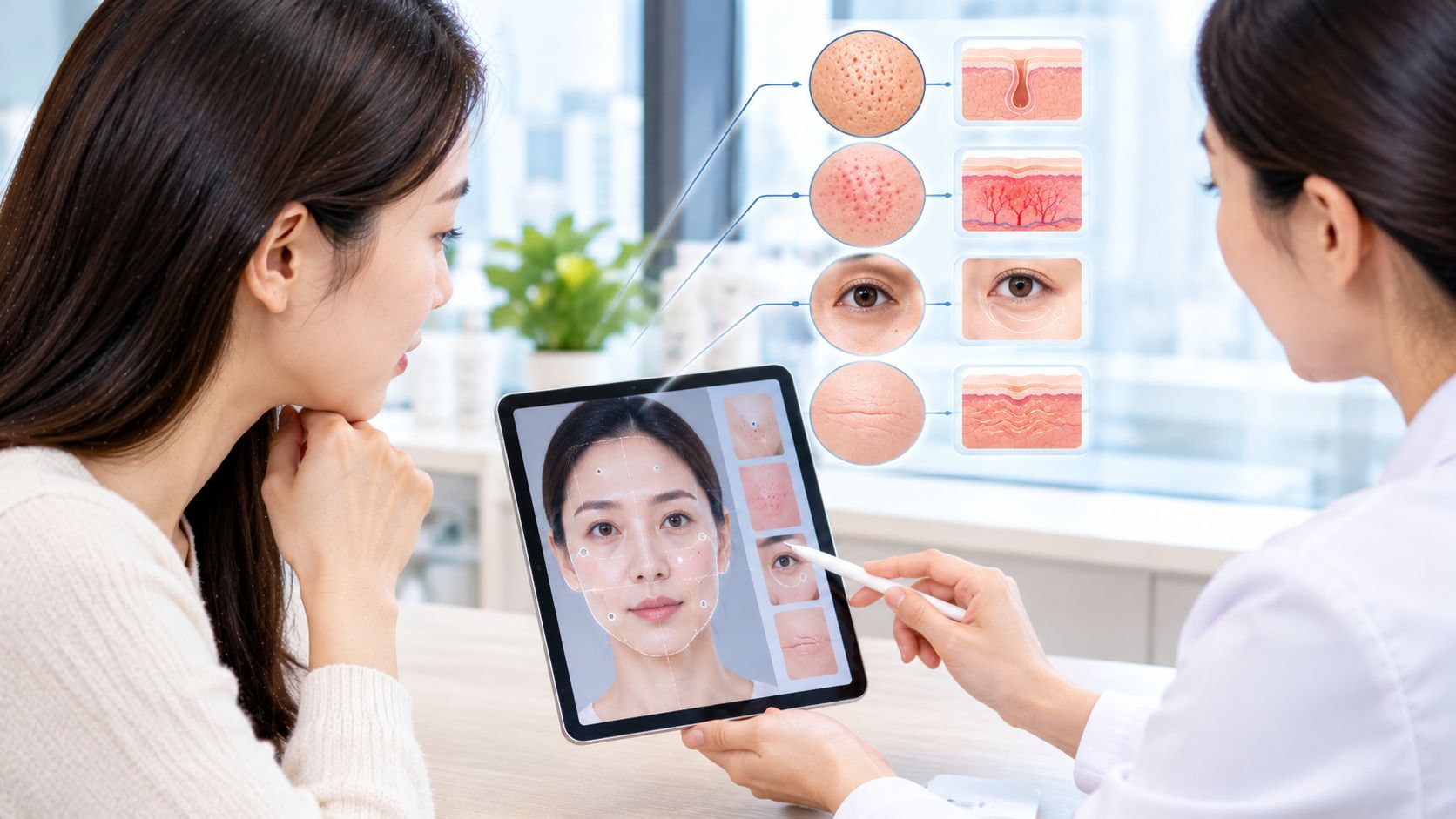
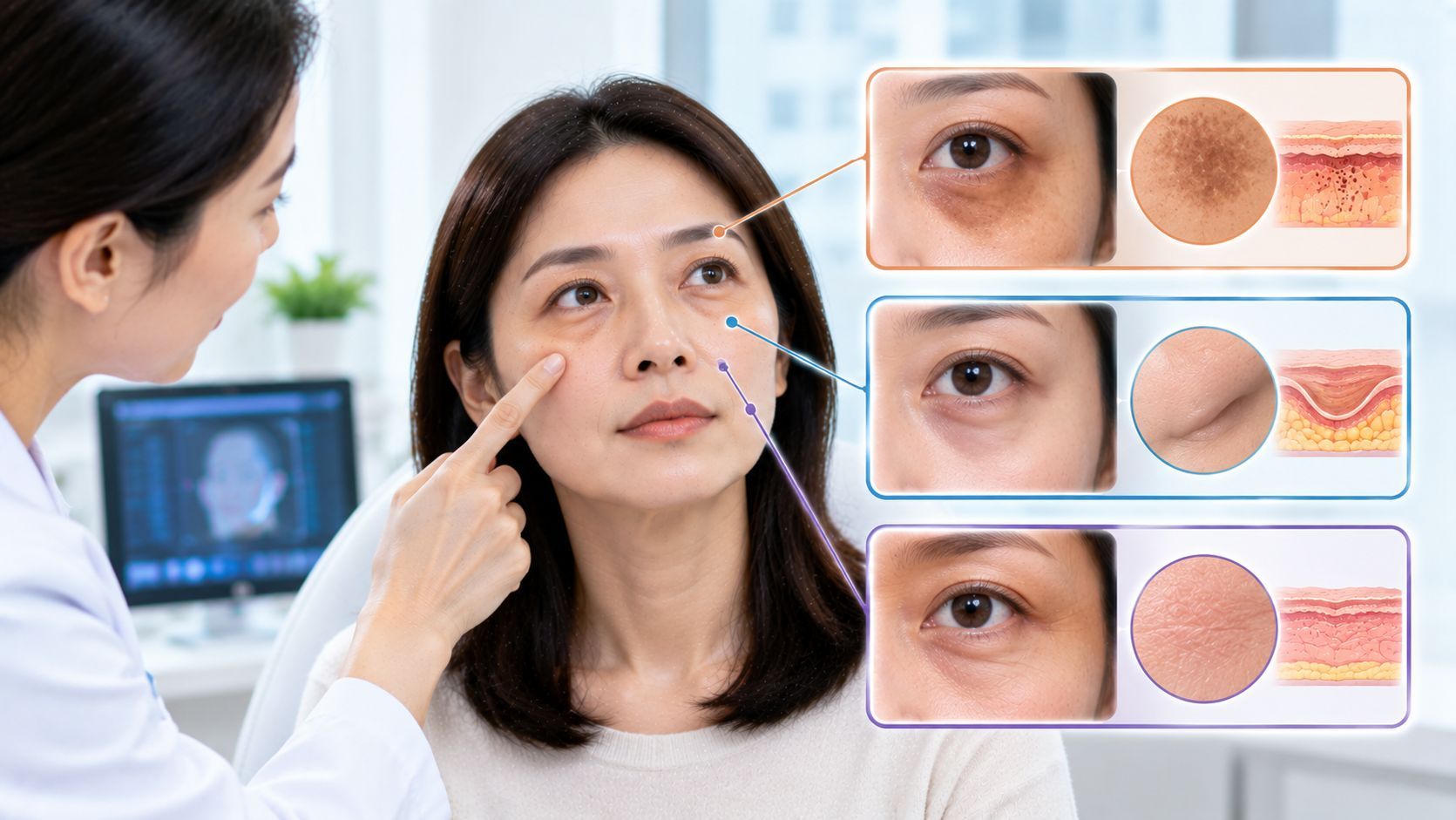
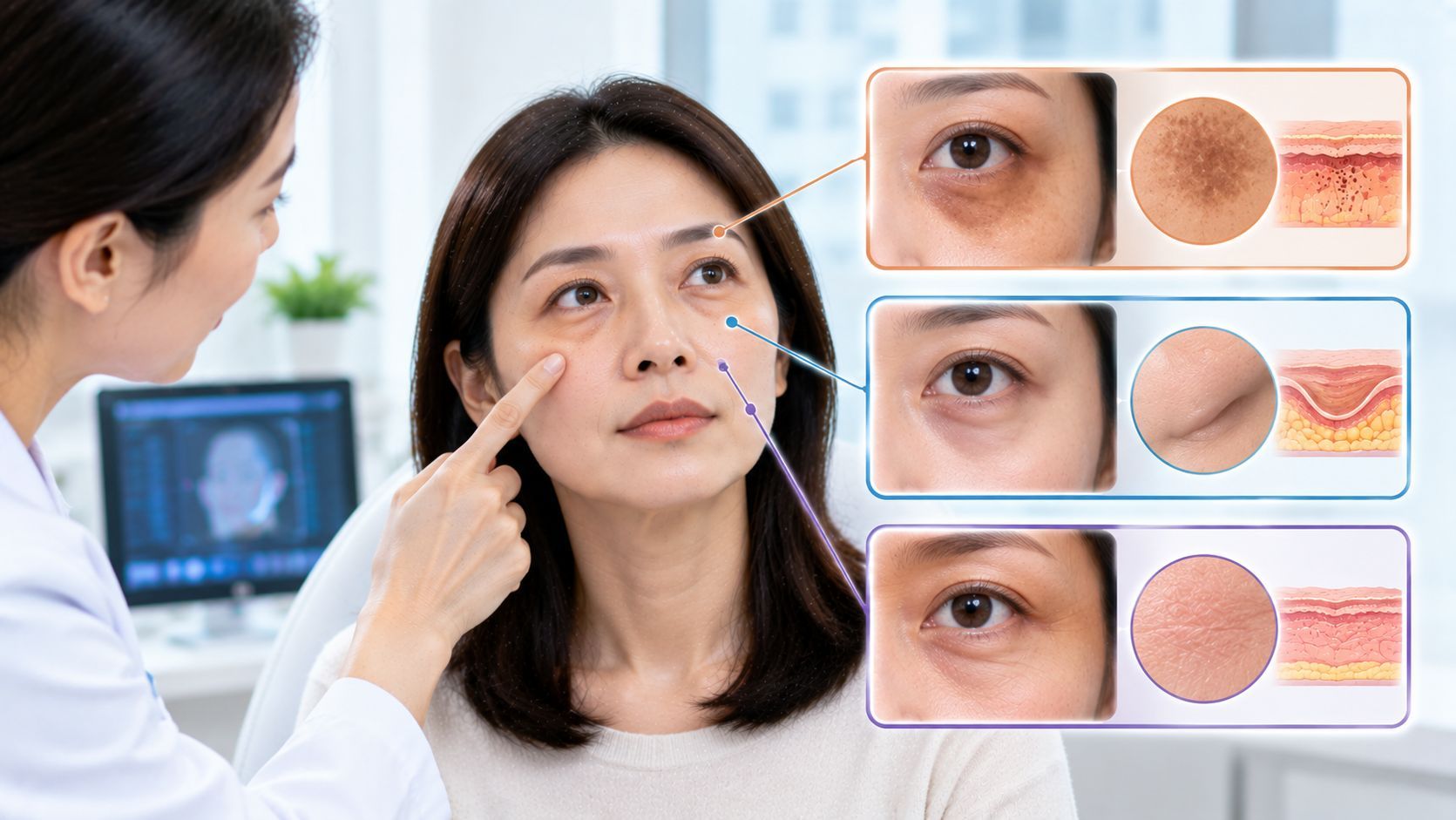
AI Skin Diagnosis Becomes Routine in Clinics
AI-powered skin analysis is expected to become a normal part of consultations rather than a luxury feature.
Korean clinics are already moving toward:
- 3D facial mapping
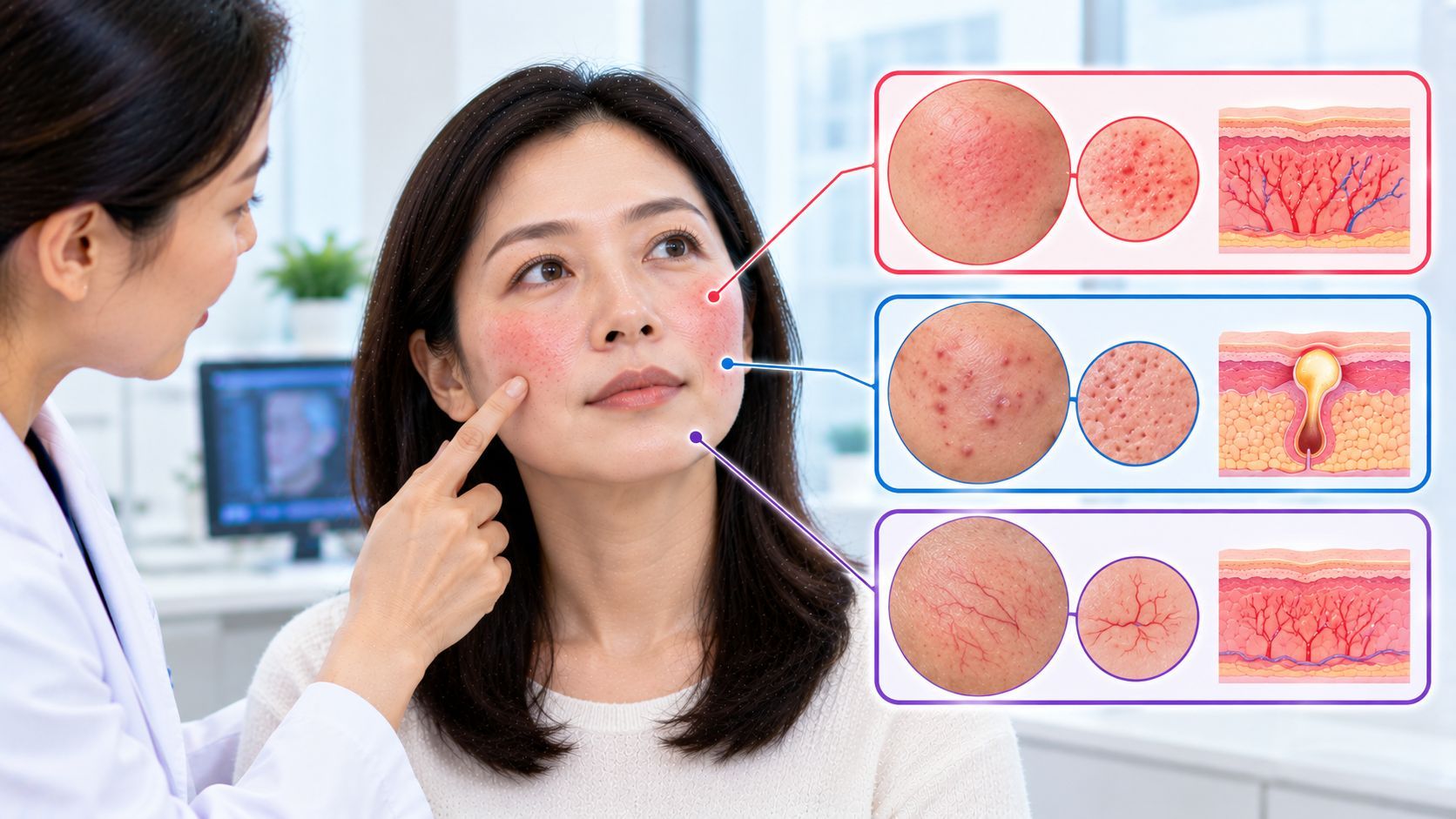
- Pigmentation and pore analysis
- Predictive wrinkle modeling
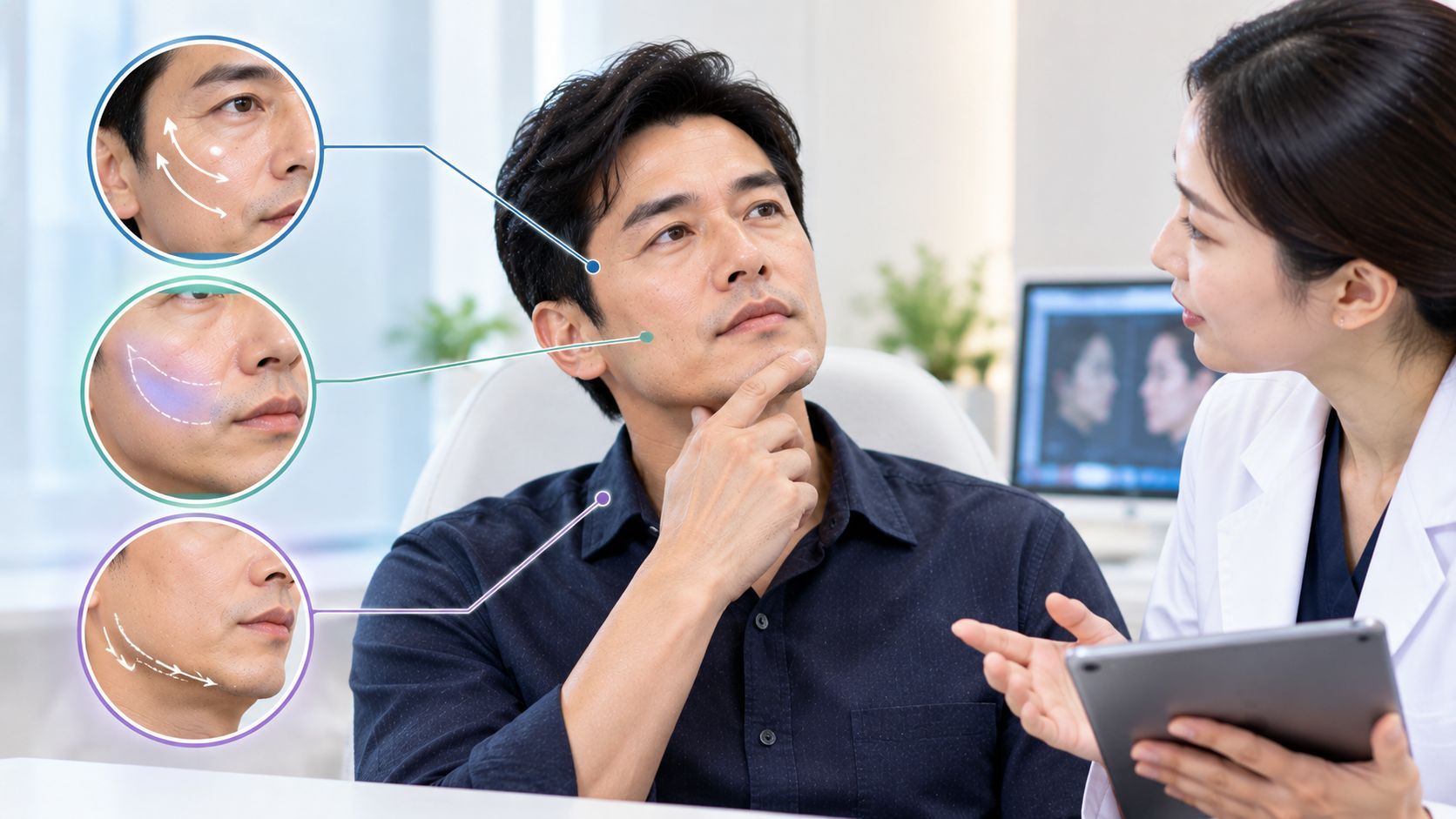
- Personalized treatment simulation
By 2027, treatment plans will be increasingly data-driven, with AI assisting dermatologists in designing highly customized protocols for each patient.
“Cloud Skin” Fully Replaces Glass Skin
The aesthetic ideal is also evolving.
While glass skin focused on high shine and intense glow, 2027 trends will lean toward:
- Soft, diffused luminosity
- Natural texture visibility
- Less reflective finish
- Healthier, more breathable skin appearance
This “cloud skin” direction reflects a broader rejection of overly filtered, artificial-looking aesthetics.
Preventive Treatments Start Earlier Than Ever
Preventive dermatology will continue expanding into younger age groups.
By 2027, it will be common for patients in their:
- Early 20s → skin boosters + basic laser maintenance
- Late 20s → collagen preservation + early lifting
- Early 30s → structured anti-aging programs
The idea of “starting before aging begins” will become the dominant mindset.
Boutique Clinics Gain Even More Popularity
A major structural shift is also happening in clinic preference.
Patients are increasingly choosing:
- Smaller patient-volume clinics
- Doctor-led consultations
- Personalized long-term plans
- Less aggressive treatment styles
This move away from high-volume “factory clinics” reflects growing demand for precision, safety, and consistent results.
Homecare and Clinic Treatments Fully Merge
The boundary between clinic procedures and skincare products continues to blur.
In 2027, patients will likely follow integrated systems such as:
- Post-laser medical skincare kits
- Exosome-infused home products
- Barrier repair regimens prescribed by clinics
- Device-supported home maintenance tools
Skin management becomes a continuous loop rather than separate clinic visits and home routines.
Final Thoughts
Korean dermatology trends heading into 2027 are defined by a strong shift toward longevity, regeneration, and personalization. Instead of dramatic one-time transformations, clinics are focusing on layered combination treatments, AI-driven diagnostics, regenerative injectables, and preventive skin maintenance starting at younger ages. Overall, the future of Korean aesthetics is moving toward subtle, science-driven skin optimization that prioritizes long-term health and natural-looking results over quick cosmetic change.