Rejuran Didn't Do Anything for Me. Does It Just Not Work for Some People?
Introduction
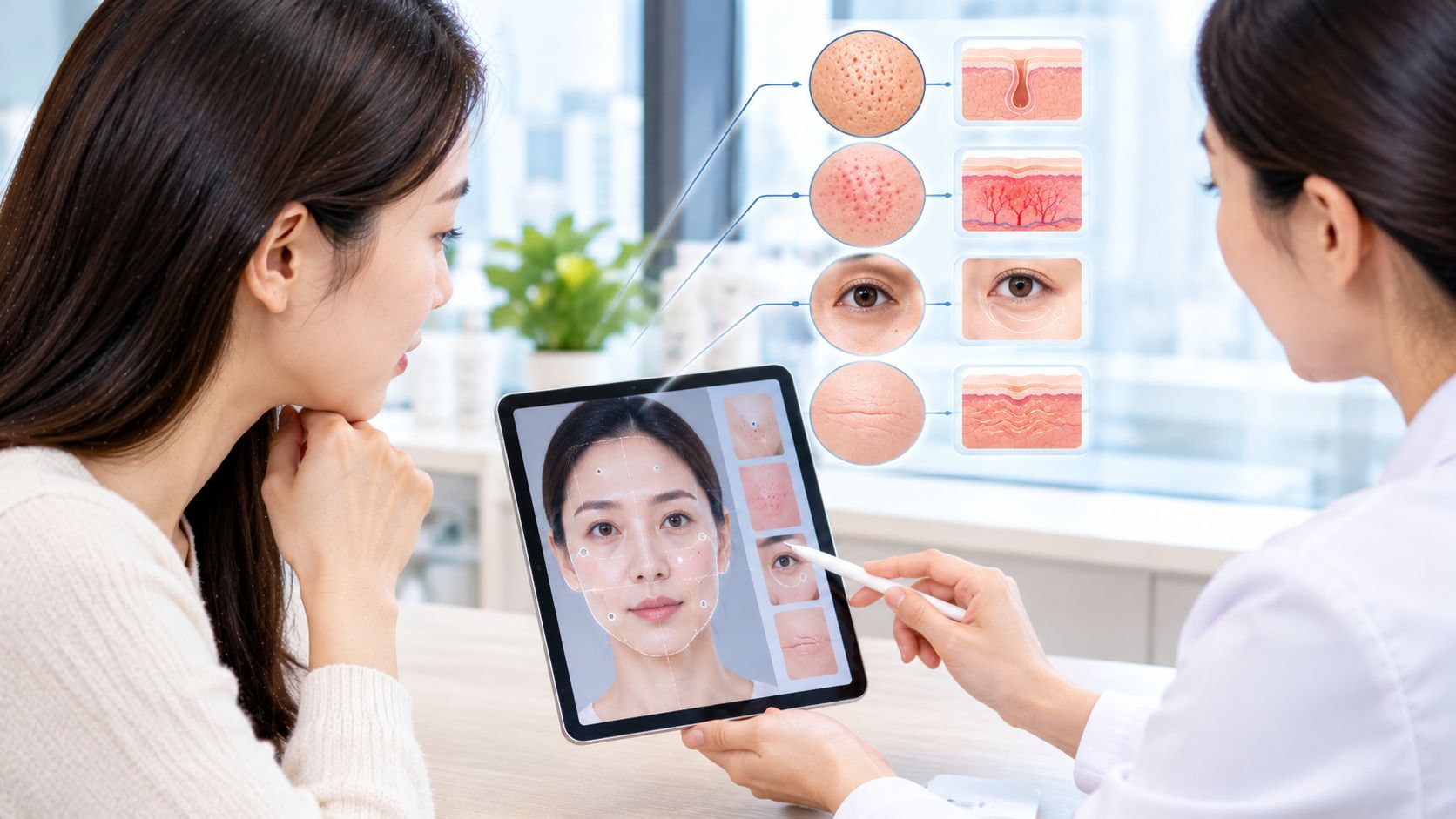
If you had Rejuran and feel like nothing changed, you are not necessarily imagining it—and it does not automatically mean that Rejuran “doesn't work.” Rejuran is intended primarily as a skin-quality treatment, so improvements can be subtle, gradual, and difficult to notice, particularly after only one session. Individual responses also vary.
Rejuran products contain polynucleotides, and research into injectable polynucleotide treatments has reported potential improvements in skin hydration, elasticity, texture, and wrinkles. However, the evidence base remains heterogeneous, with differences between products, injection techniques, treatment schedules, and study designs.
If you expected a dramatic lift, major volume restoration, or instant wrinkle removal, the problem may be less about Rejuran “not working” and more about what Rejuran can realistically change.
What Is Rejuran Actually Designed to Improve?
Rejuran is a polynucleotide-based injectable treatment used in aesthetic medicine to target aspects of skin quality.
Depending on the specific product and treatment plan, goals may include improving:
- Skin texture
- Fine lines
- Hydration
- Elasticity
- Overall skin quality
- Certain signs of photoaging
Polynucleotides have attracted interest because laboratory and clinical research suggests they may influence tissue repair and extracellular-matrix processes. However, clinical evidence is still developing, and results are not identical for every patient or product.
This is important because Rejuran is not primarily a replacement for lost facial volume or a surgical lifting procedure.
Why Might You See Little or No Difference?
You may have evaluated it too early
One of the most common explanations is timing.
Skin-quality changes generally do not need to appear immediately. Early swelling or hydration may temporarily change how your skin looks, while longer-term changes can take more time.
If you judge the treatment only a few days or a couple of weeks afterward, you may be evaluating the temporary recovery period rather than the eventual result.
One session may not produce a dramatic change
Many injectable skin-quality treatments are performed as a series rather than as a single procedure.
Research protocols for polynucleotide treatments have used different numbers of sessions and different intervals, making it difficult to apply one universal schedule to every Rejuran patient.
If your clinic recommended multiple sessions, the expected result may depend on completing an appropriate course rather than judging the entire treatment based on the first session.
Your main concern may not be a Rejuran problem
Consider what you wanted Rejuran to fix.
If the main concern was:
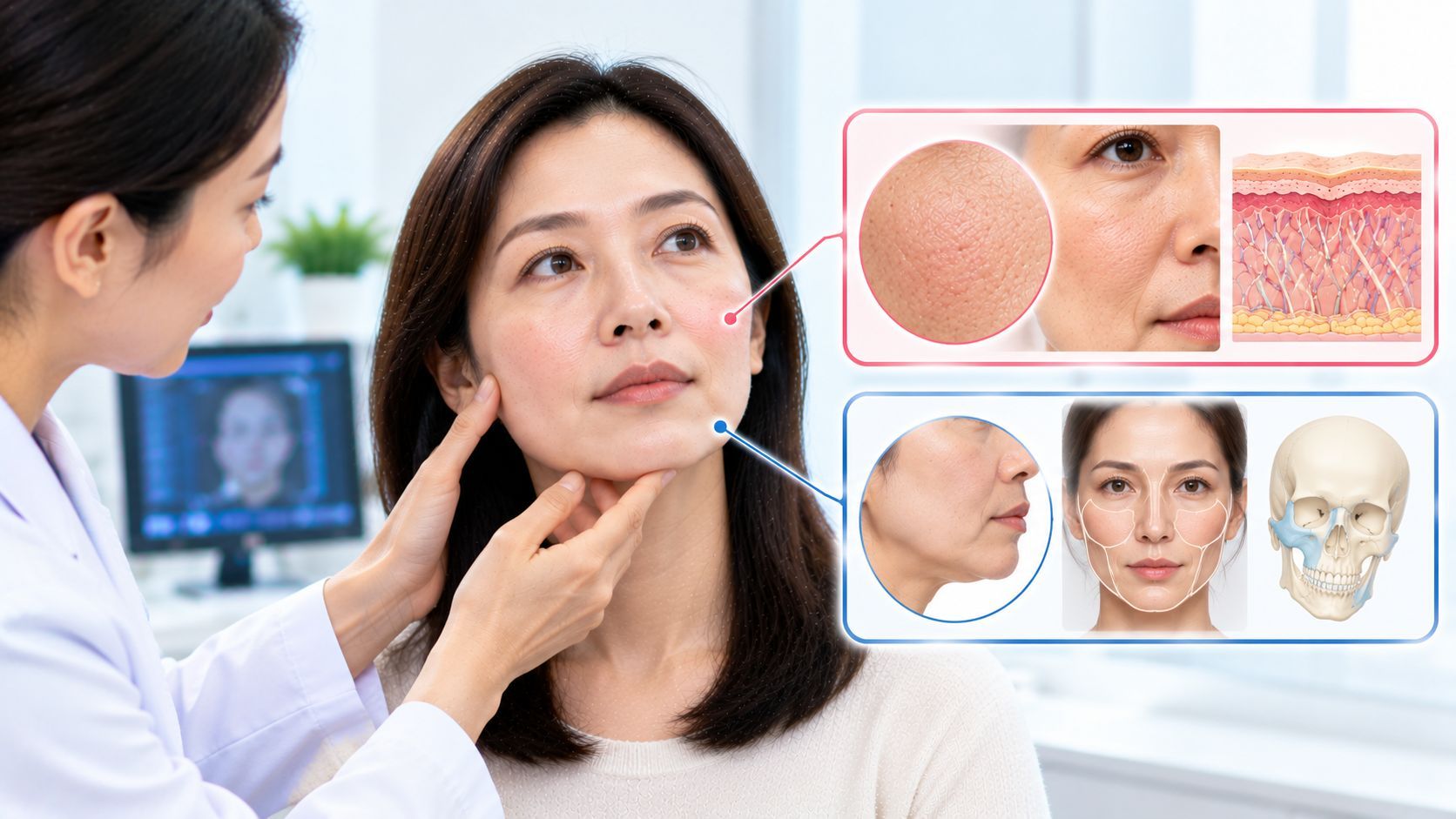
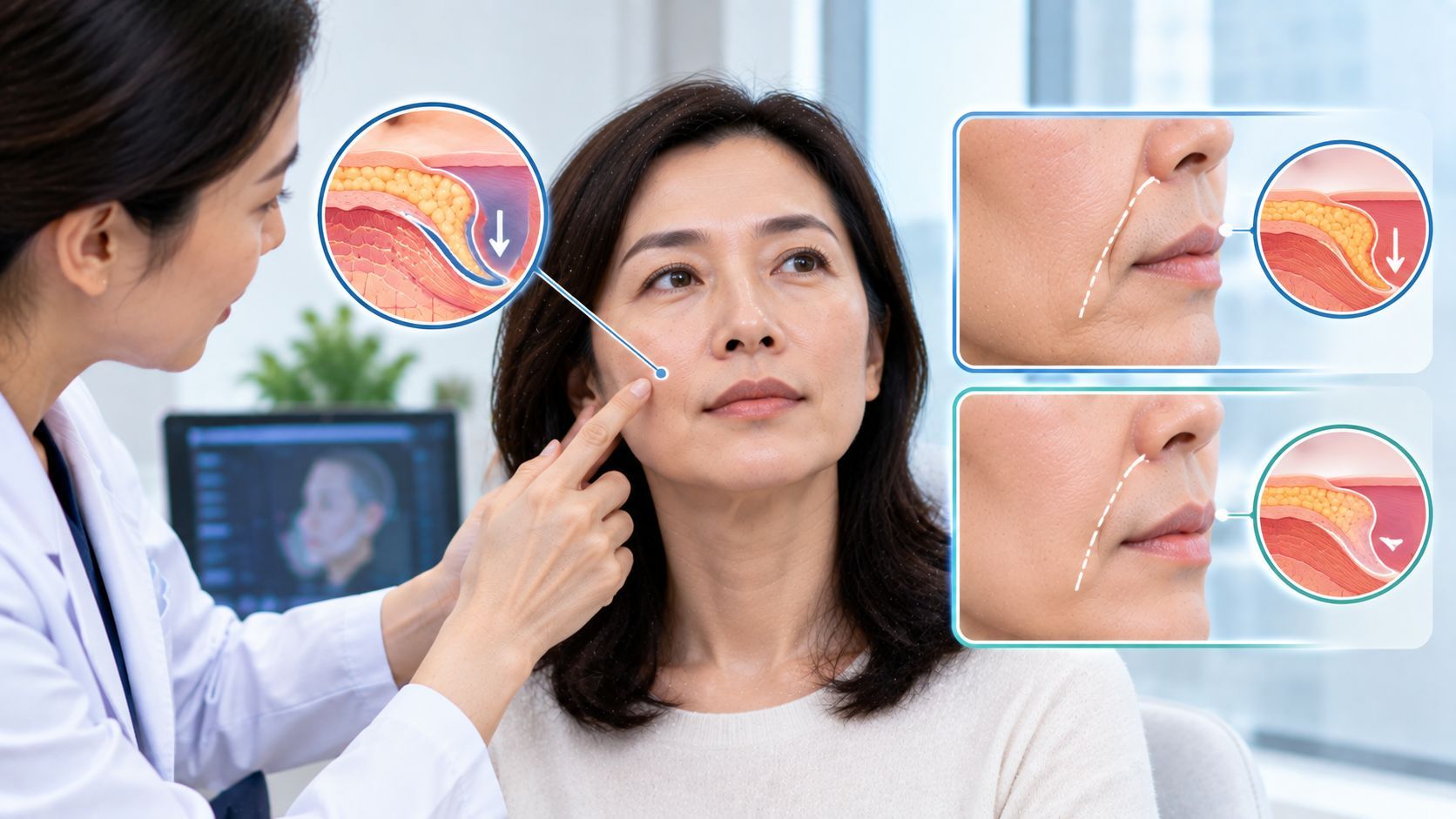
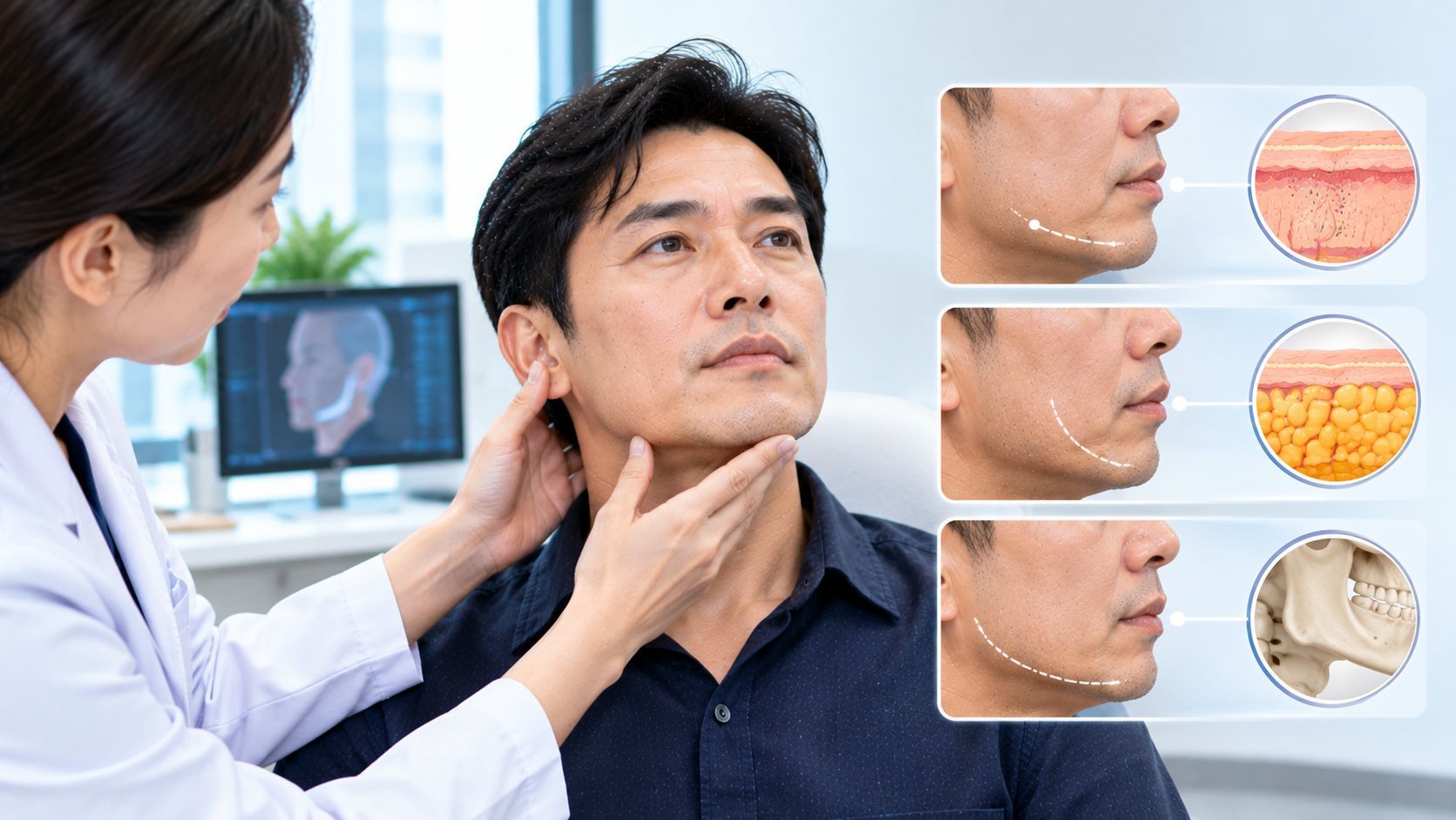
- Significant facial sagging
- Jowls
- Major cheek volume loss
- Deep folds
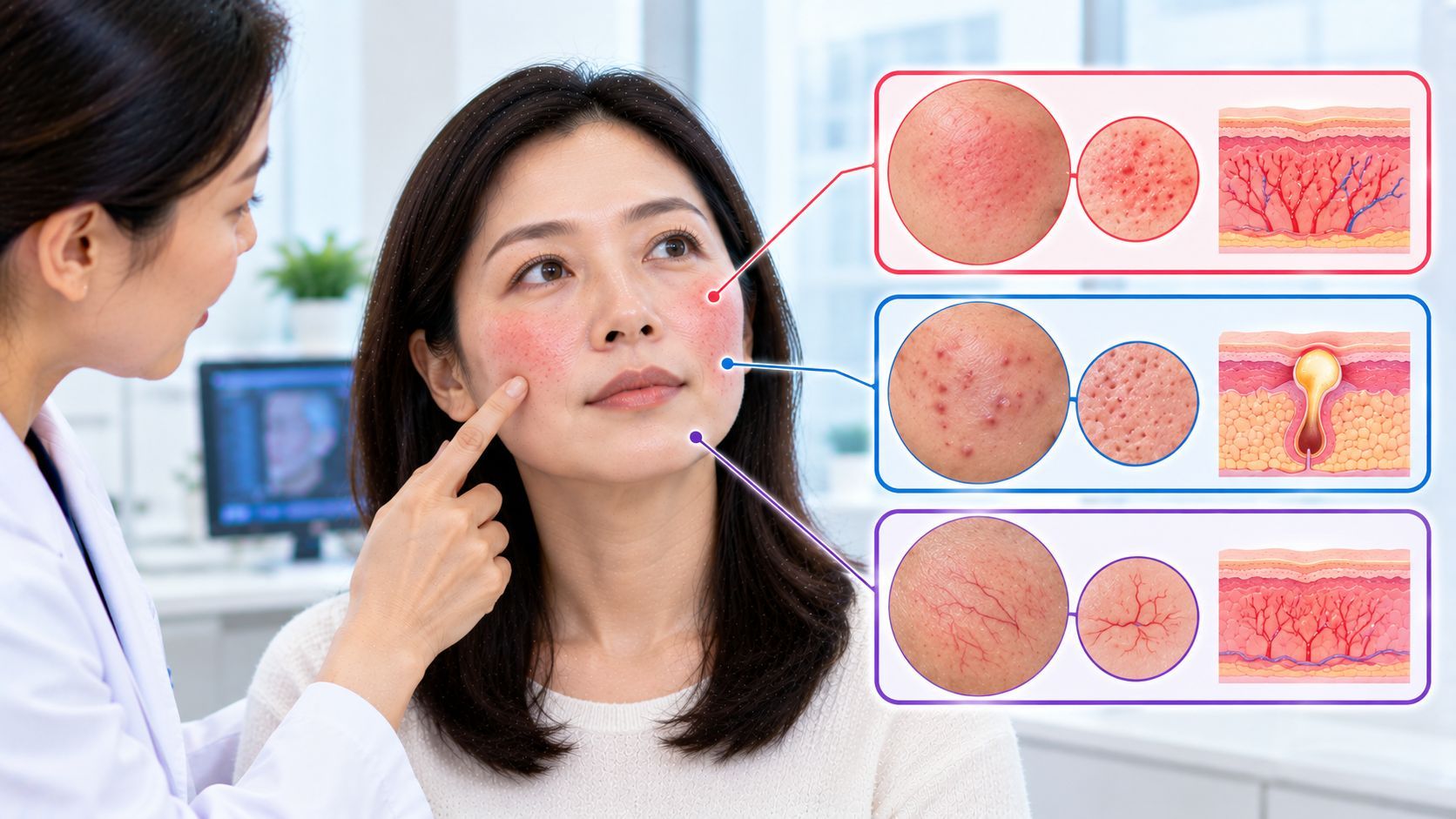
- Substantial acne scarring
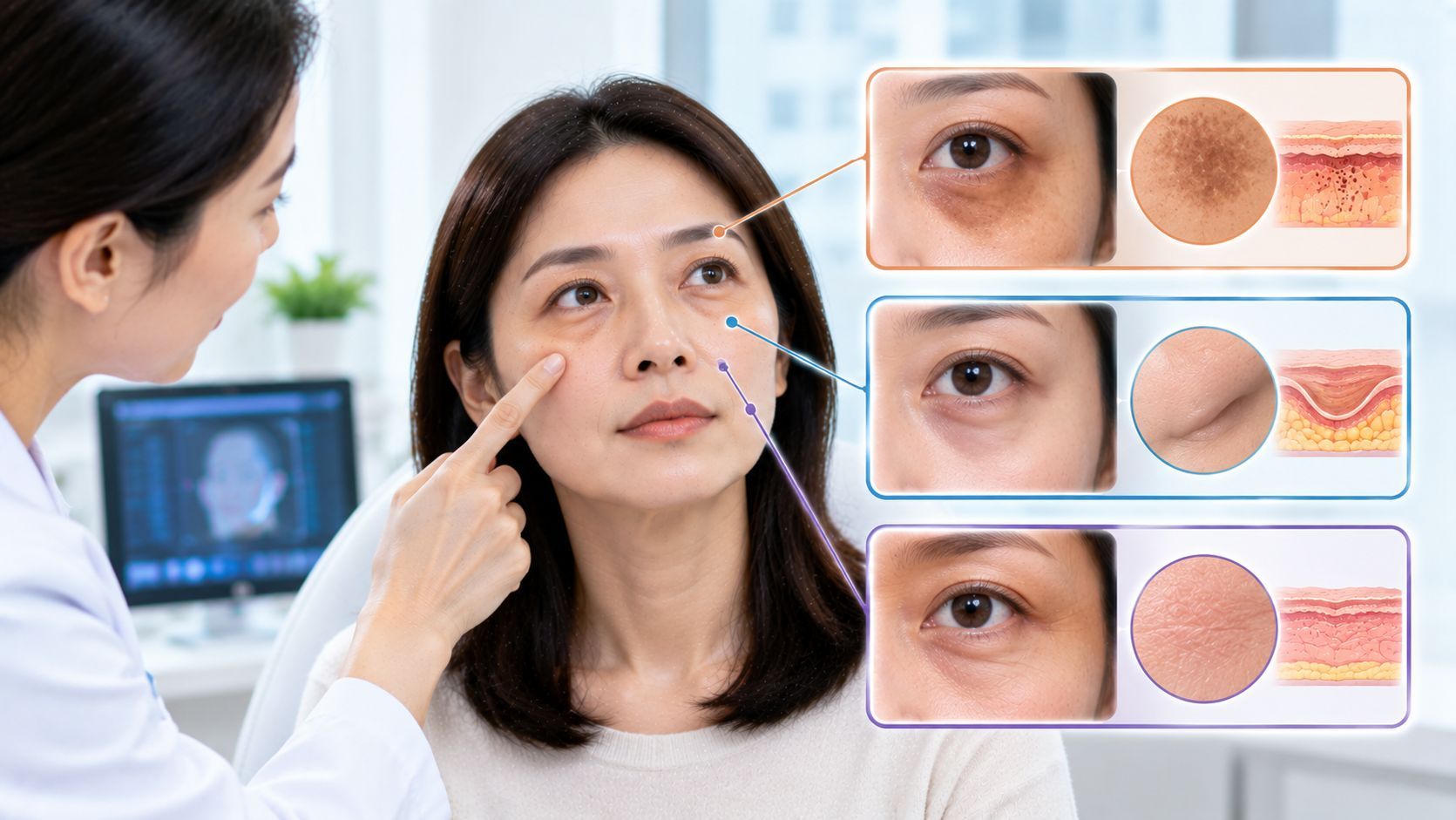
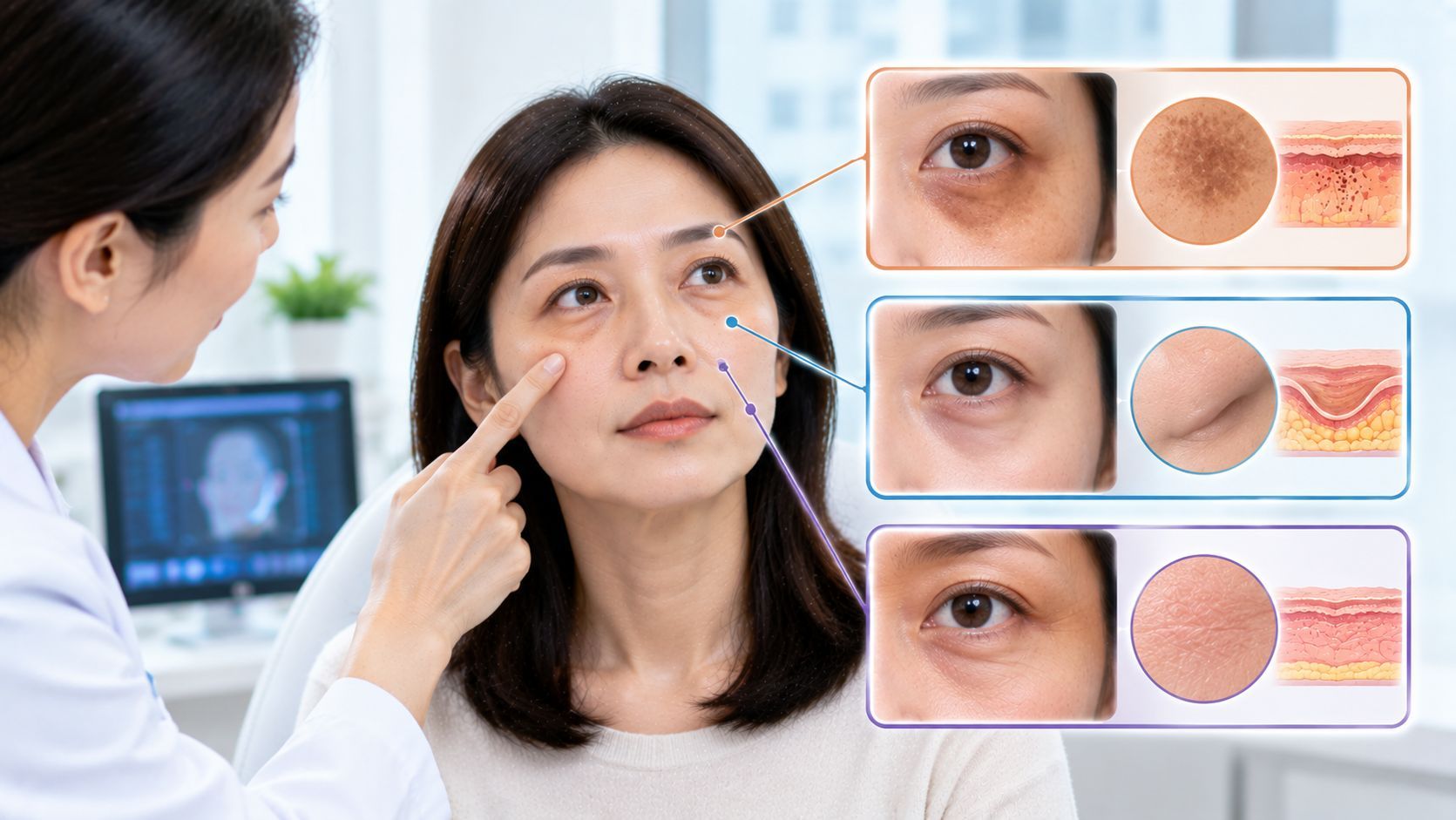
- Pronounced pigmentation
then Rejuran alone may not address the primary structural or pigmentary cause.
A skin-quality treatment cannot necessarily create the same visible change as a lifting procedure, volume restoration, or condition-specific treatment.
Rejuran Is Not the Same as Filler
This distinction is particularly important.
Dermal fillers are generally used to restore or add volume in selected areas. Rejuran is used more as a skin-quality treatment.
If your face looks hollow after weight loss, for example, improving skin quality may not restore the lost structural volume.
Likewise, if your main concern is significant jowl formation caused by tissue laxity, Rejuran may improve skin quality without producing a major lifting effect.
This does not make Rejuran ineffective. It means the treatment needs to match the problem.
Could Your Expectations Be Too High?
Before deciding that Rejuran did nothing, compare your expectations with the intended treatment outcome.
A realistic goal might be:
- Slightly smoother texture
- Improved skin feel
- More hydrated-looking skin
- Subtle improvement in fine lines
- Gradual improvement in overall skin quality
An unrealistic expectation would be that one session will produce a facelift-like lift or completely erase deep wrinkles.
A 2024 review of polynucleotide-based aesthetic treatments concluded that available studies suggest potential benefits for wrinkles, elasticity, hydration, and texture but also emphasized limitations in the current evidence and variation between studies.
Why Are Before-and-After Photos Sometimes Misleading?
Photographs can make small differences appear much larger.
Lighting, camera angle, facial expression, skin hydration, makeup, and image processing can all affect how the skin looks.
For a more useful comparison, take photographs:
- Before treatment
- At the same time of day
- Under similar lighting
- From the same distance
- At the same angle
- With similar facial expressions
- Without makeup when possible
You may discover that the treatment produced a subtle change that was difficult to notice in the mirror.
Alternatively, standardized photographs may confirm that there really has been little visible improvement.
Both outcomes are useful information.
Does Injection Technique Matter?
Yes, treatment technique can influence an injectable procedure's outcome.
Factors can include:
- Injection depth
- Product distribution
- Treatment area
- Amount used
- Injection method
- Product formulation
- Treatment interval
- Individual anatomy
Different studies of polynucleotide products have used different protocols, which makes it inappropriate to assume that every “Rejuran treatment” is identical.
If you received treatment at different clinics, the product, technique, and treatment plan may also have differed.
Could Your Skin Condition Affect the Result?
Yes.
Your baseline skin condition matters.
Someone with mild dehydration and early fine lines may notice a subtle improvement in skin quality, while someone with significant laxity or deep structural changes may see very little visible difference from the same procedure.
Age, skin thickness, elasticity, sun damage, smoking, skincare habits, and other individual factors can influence how noticeable an aesthetic treatment becomes.
That is one reason before-treatment assessment is important.
Should You Have More Rejuran?
Do not automatically add more treatment just because the first session was disappointing.
Instead, ask your clinician:
- What was the original treatment goal?
- Which Rejuran formulation was used?
- How many sessions were recommended?
- When should results be assessed?
- What improvement should reasonably be expected?
- Is the remaining problem actually something Rejuran can address?
- Would another treatment be more appropriate?
If there is little or no improvement after an appropriate evaluation period, the next step should be based on the diagnosis rather than simply increasing the amount of product.
What If Rejuran Is Not Enough?
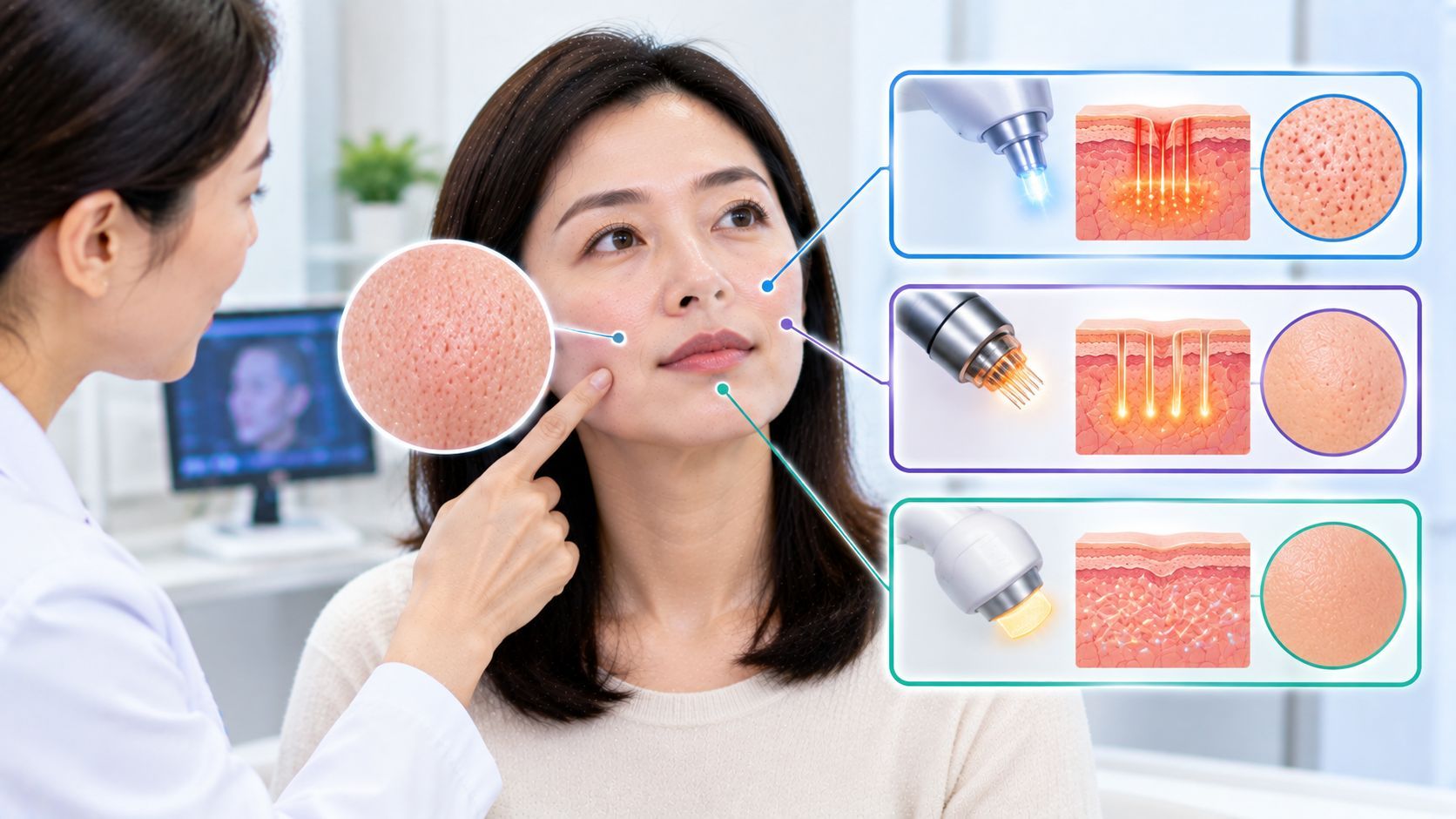
Depending on the concern, your dermatologist may discuss a different or complementary treatment.
For example:
Texture or fine lines: other skin-quality procedures or resurfacing approaches may be considered.
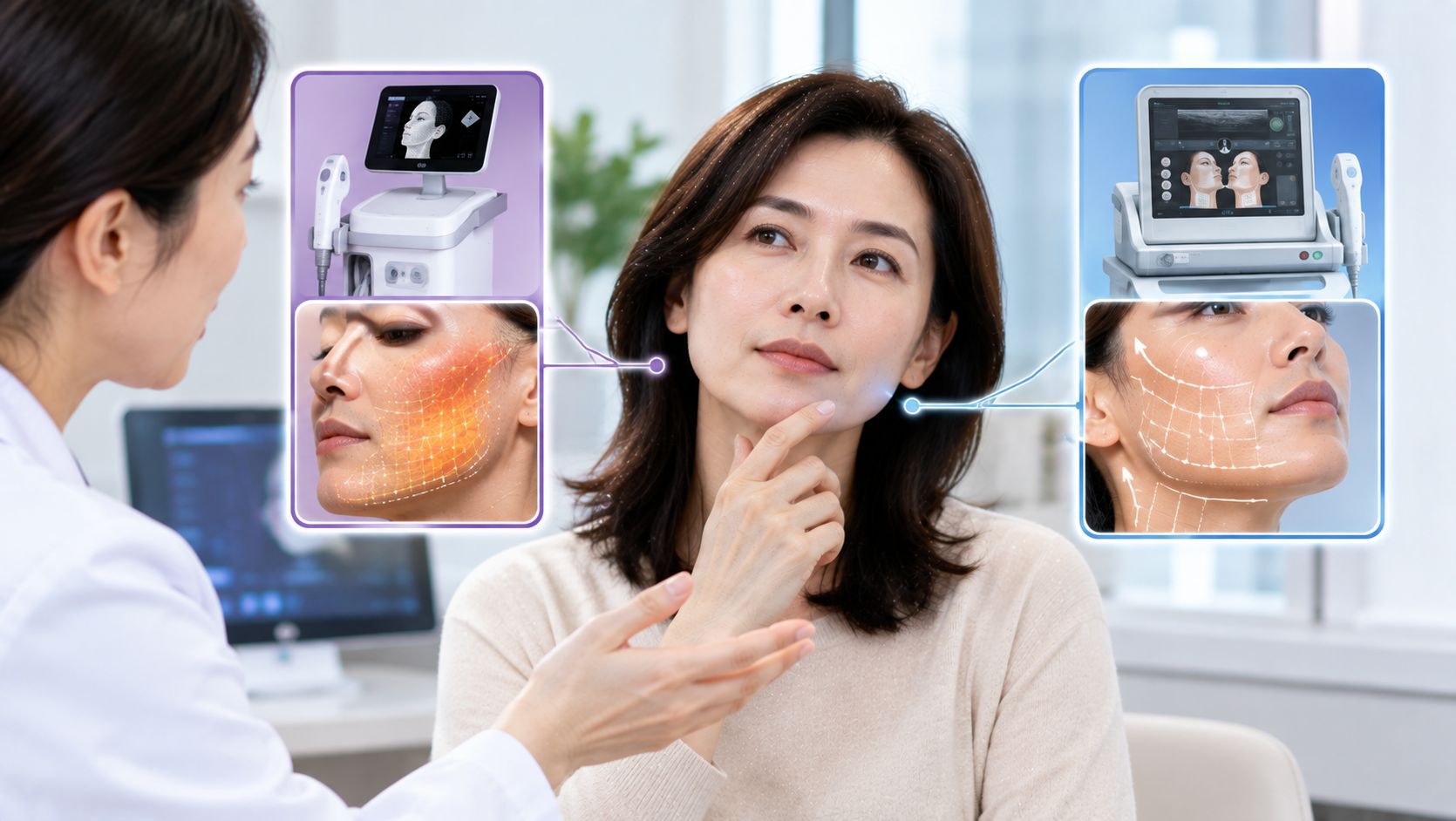
Significant laxity: selected RF or ultrasound-based treatments may be considered depending on the degree of laxity.
Volume loss: carefully selected dermal filler or other volumizing approaches may be more relevant.
Acne scars: scar-specific treatments such as subcision, fractional resurfacing, or other modalities may be considered depending on scar type.
Pigmentation: treatment should be directed at the specific pigment disorder rather than assuming a skin booster will solve it.
The appropriate combination depends on the underlying problem.
What Should International Patients in Seoul Know?
If you are visiting Seoul specifically for Rejuran, ask the clinic to document your treatment.
Keep records of:
- Exact product name
- Product formulation
- Treatment date
- Amount used
- Treatment areas
- Injection technique, if documented
- Before-treatment photographs
- Recommended number of sessions
- Follow-up timing
- Aftercare instructions
This is especially useful if you return home before the final result can be evaluated.
If you later consult another dermatologist, these records can help them understand exactly what was performed.
When Should You Contact the Clinic?
A lack of visible improvement is generally different from a complication.
However, contact your clinic if you develop unexpected or worsening symptoms such as:
- Increasing pain
- Significant swelling
- Severe redness
- Skin discoloration
- Signs of infection
- Persistent lumps
- Significant asymmetry
- Other symptoms that are not improving as expected
Do not assume every persistent reaction is simply part of the normal Rejuran process.
Conclusion
If Rejuran didn't seem to do anything for you, that does not necessarily mean the treatment is ineffective or that something went wrong.
The result may be subtle, you may be evaluating it too early, you may need a treatment series, or your primary concern may simply be outside what Rejuran is designed to change.
Current research on polynucleotide treatments suggests potential improvements in skin quality, but the evidence remains variable and does not support the expectation of dramatic results for every patient.
Before repeating treatment, identify the original goal, assess the result using consistent photographs, confirm which Rejuran product and protocol were used, and determine whether the remaining concern actually requires a different treatment approach.
Frequently Asked Questions
Why did Rejuran not work for me?
Possible explanations include evaluating the result too early, having only one session, expecting a dramatic change from a subtle skin-quality treatment, or having a concern that Rejuran is not specifically designed to address.
How long does it take to see Rejuran results?
The timeline varies between patients and treatment protocols. Early changes should not necessarily be considered the final result, and published studies use different follow-up periods and treatment schedules.
Does Rejuran work after one session?
Some people may notice changes after one session, but treatment protocols often involve multiple sessions. There is no universal number of sessions that guarantees a particular result.
Can Rejuran lift sagging skin?
Rejuran may improve aspects of skin quality, but it should not be expected to produce the same degree of lifting as a dedicated skin-tightening procedure or surgery, particularly when significant tissue laxity is present.
Is Rejuran better than filler?
They serve different purposes. Rejuran is primarily used for skin quality, while dermal fillers are designed to add or restore volume in selected areas. Neither is universally appropriate for every concern.
Should I combine Rejuran with another treatment?
Possibly, but the combination should be based on your specific concern, skin condition, treatment history, and recovery needs. Adding procedures simply because the first treatment produced a subtle result is not necessarily appropriate.