The Best Korean Treatments for Tired-Looking Faces
The Best Korean Treatments for Tired-Looking Faces
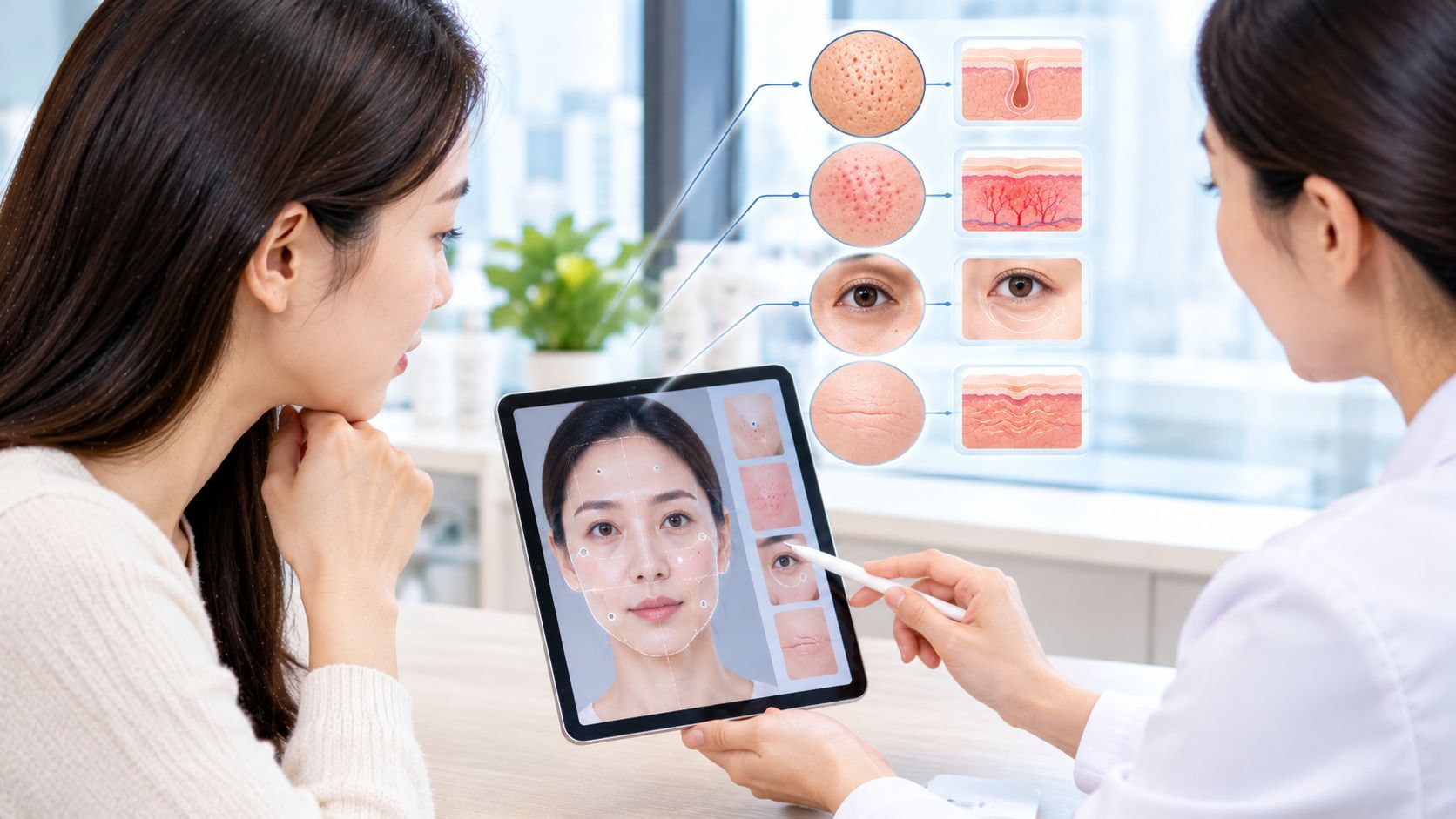
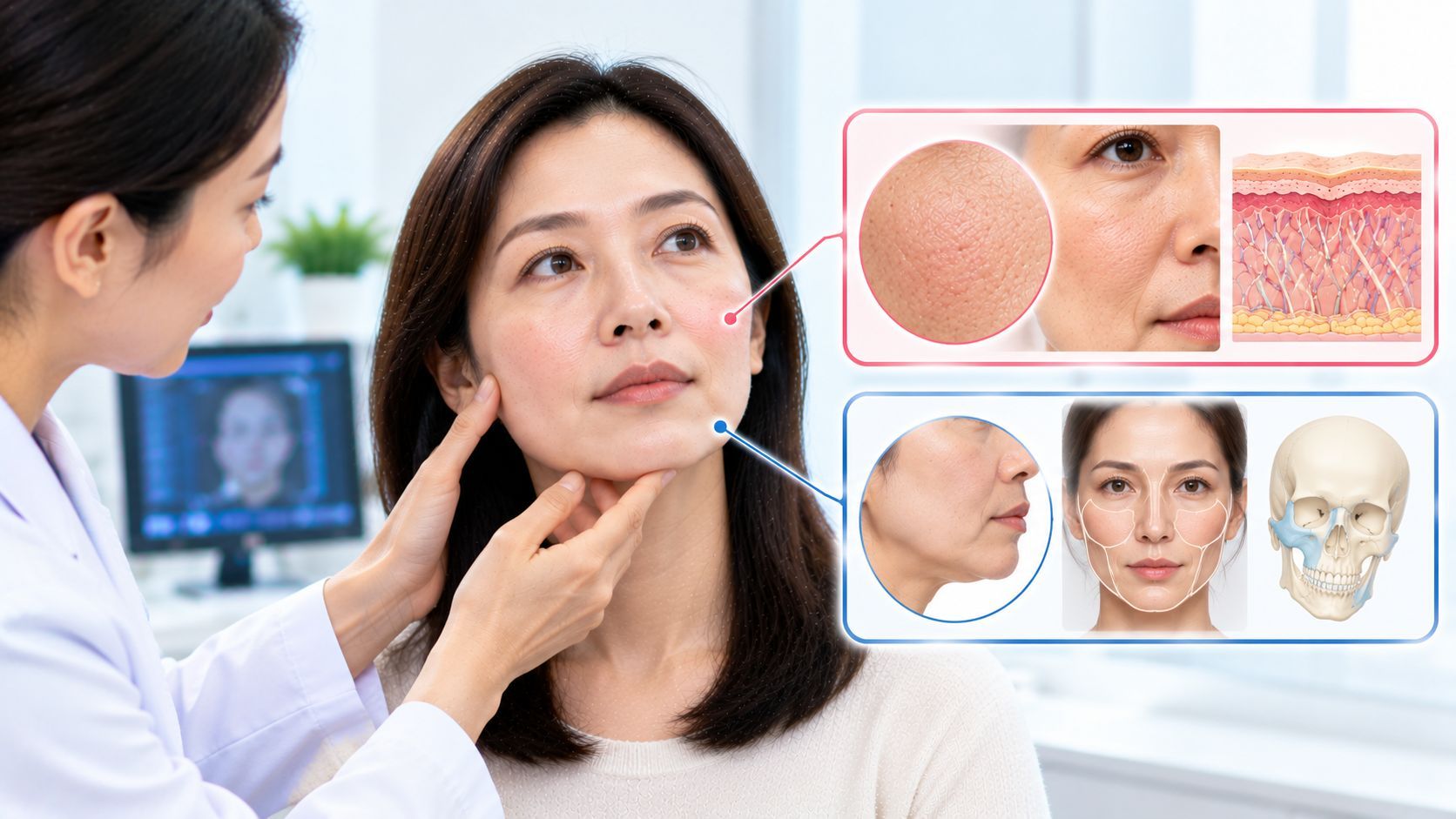
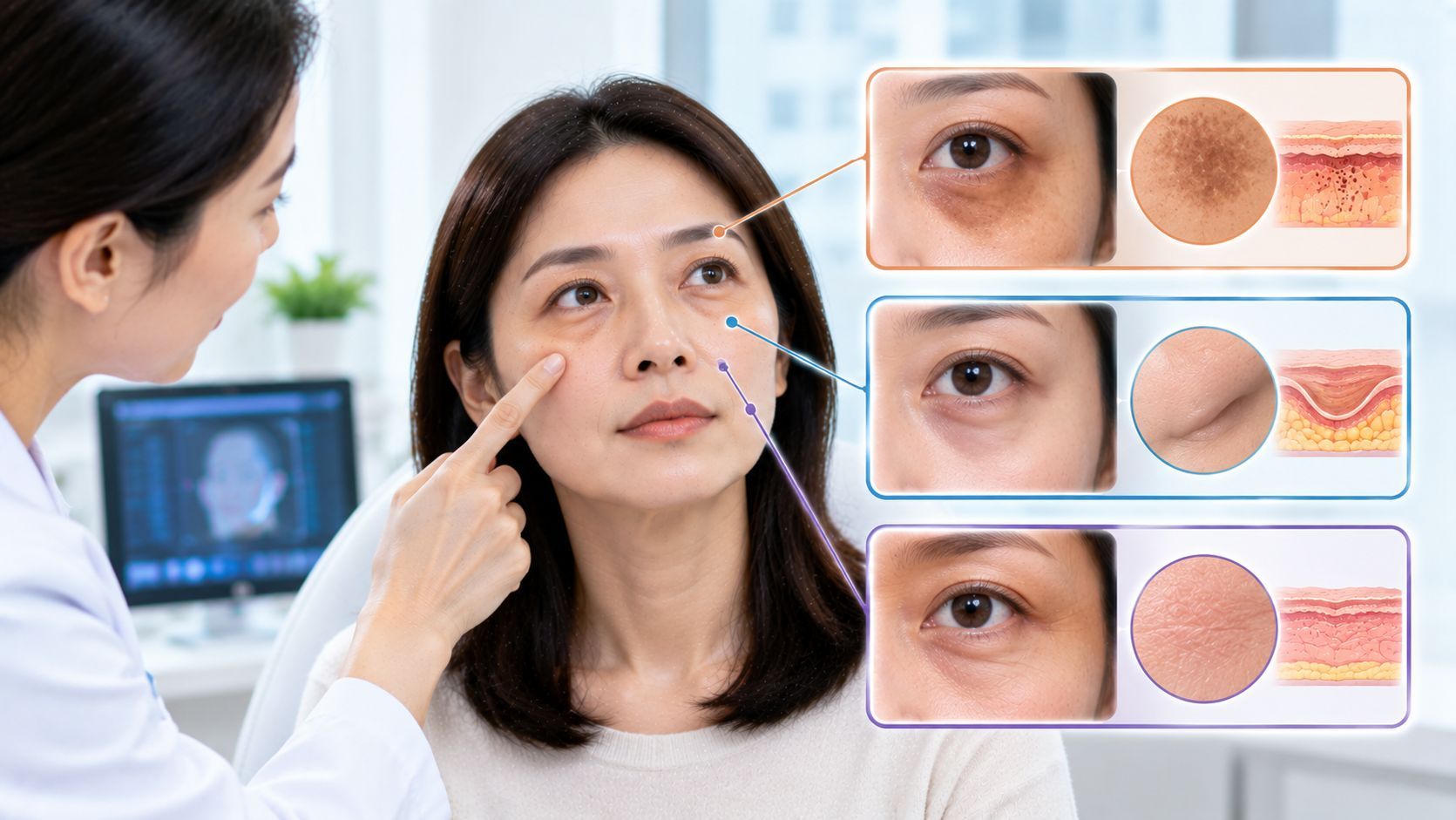
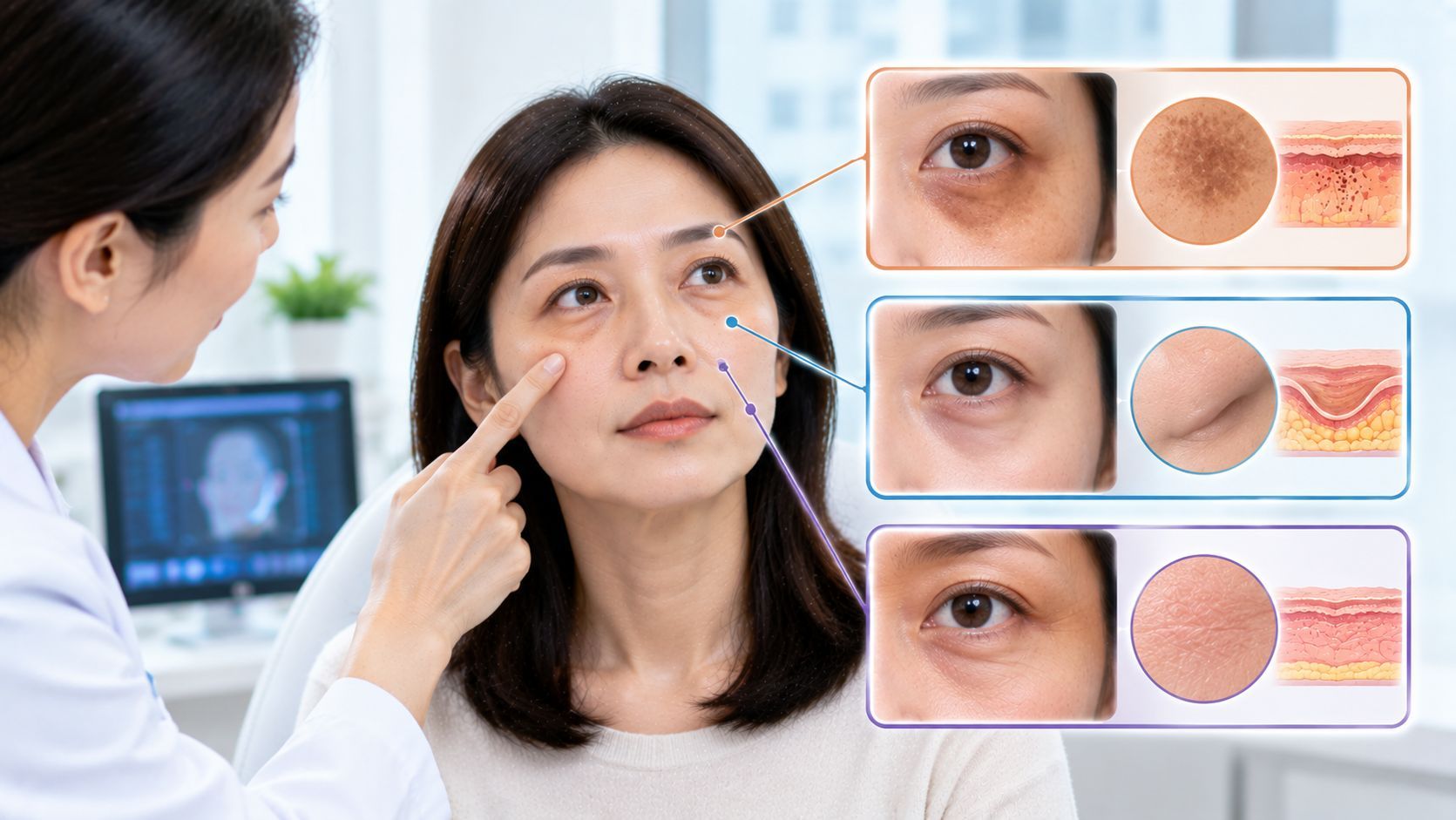
In Korean dermatology, a “tired-looking face” is usually not treated as one single problem. Korean dermatologists often analyze multiple underlying causes at the same time, including collagen loss, dull skin tone, dehydration, early sagging, under-eye hollowness, enlarged pores, and chronic inflammation. Because of this, Korean clinics typically use layered treatment plans designed to restore freshness, brightness, and facial vitality gradually rather than creating dramatic cosmetic changes.
Why Faces Start Looking Tired
A tired appearance is commonly linked to:
- Collagen decline
- Loss of skin elasticity
- Under-eye hollowing
- Dull or dehydrated skin
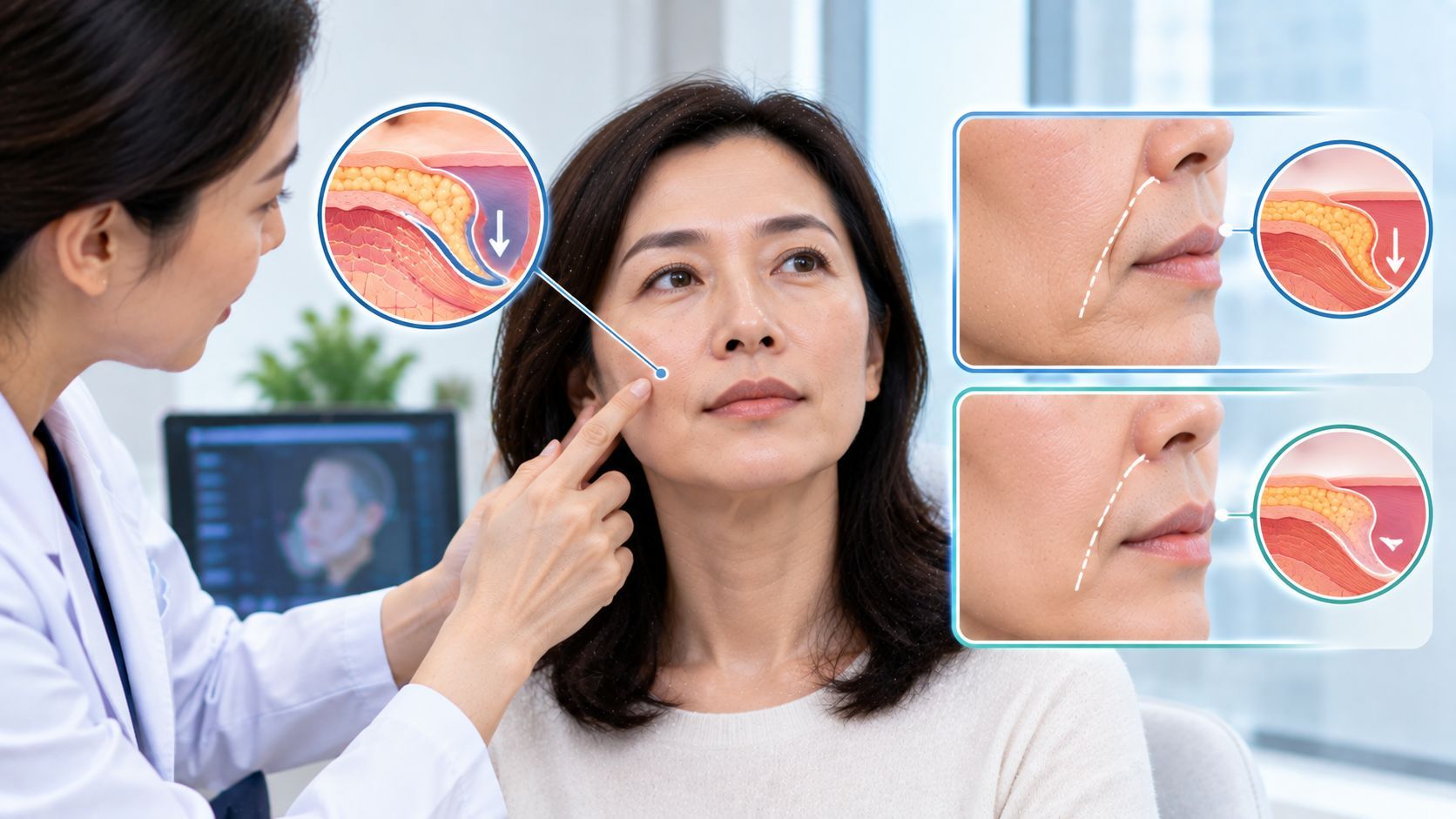
- Early jawline heaviness
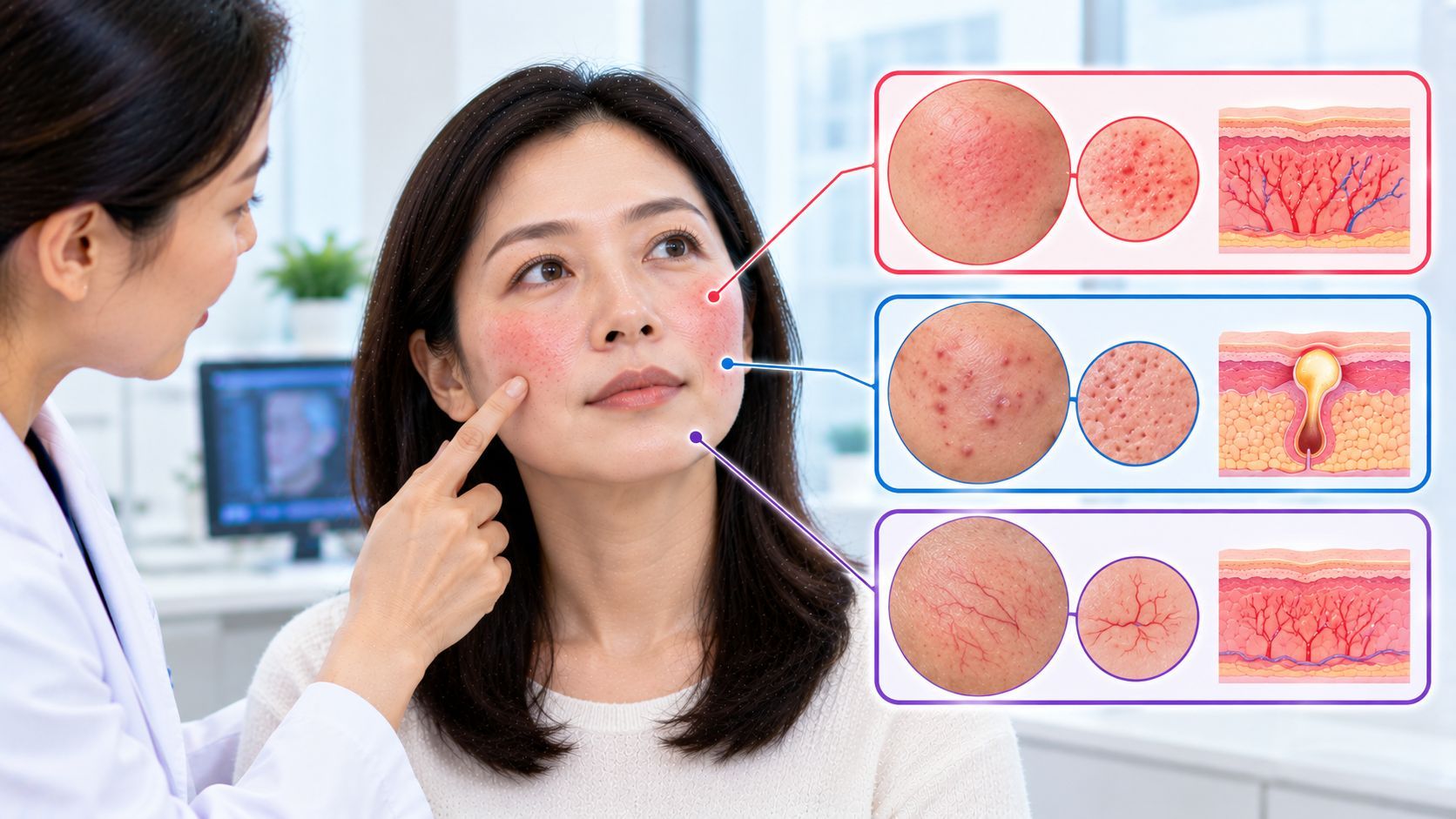
- Stress-related inflammation
- Uneven skin tone and redness
Korean dermatologists usually focus on improving skin quality and facial structure simultaneously instead of treating only wrinkles.
Skin Boosters Are One of the Most Popular Solutions
Skin boosters are extremely common in Korea for restoring a healthier and more refreshed appearance.
Popular options include:
- Rejuran
- Juvelook
- Exosome therapy
- Hyaluronic acid boosters
These treatments aim to improve:
- Skin hydration
- Elasticity
- Fine lines
- Dull texture
- Overall skin vitality
Unlike fillers, skin boosters focus more on skin quality than changing facial shape.
Rejuran for Damaged or Exhausted-Looking Skin
Rejuran is especially popular in Korea for patients whose skin looks fragile, stressed, or chronically tired.
It is commonly used to:
- Strengthen the skin barrier
- Improve elasticity
- Support healing and regeneration
- Smooth fine lines
- Restore healthier skin texture
Korean dermatologists often recommend Rejuran when the skin itself appears weakened rather than simply aged.
Juvelook for Collagen and Subtle Volume Restoration
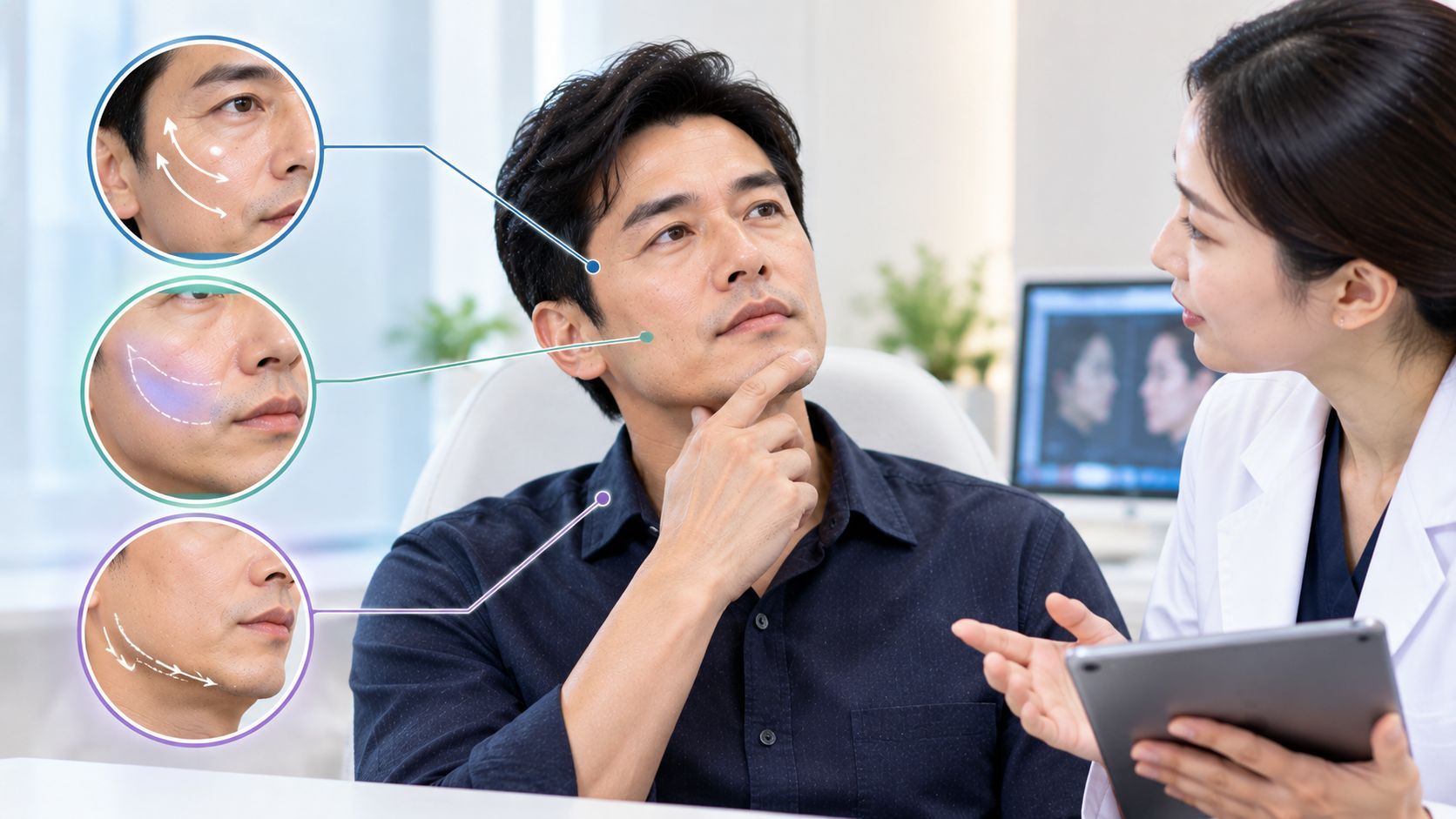
Many tired-looking faces also involve mild volume loss around the cheeks or under-eyes.
Juvelook has become popular because it combines:
- Collagen stimulation
- Hydration support
- Subtle volumizing effects
- Texture refinement
The results usually develop gradually over several weeks, creating a softer and more natural refreshed appearance.
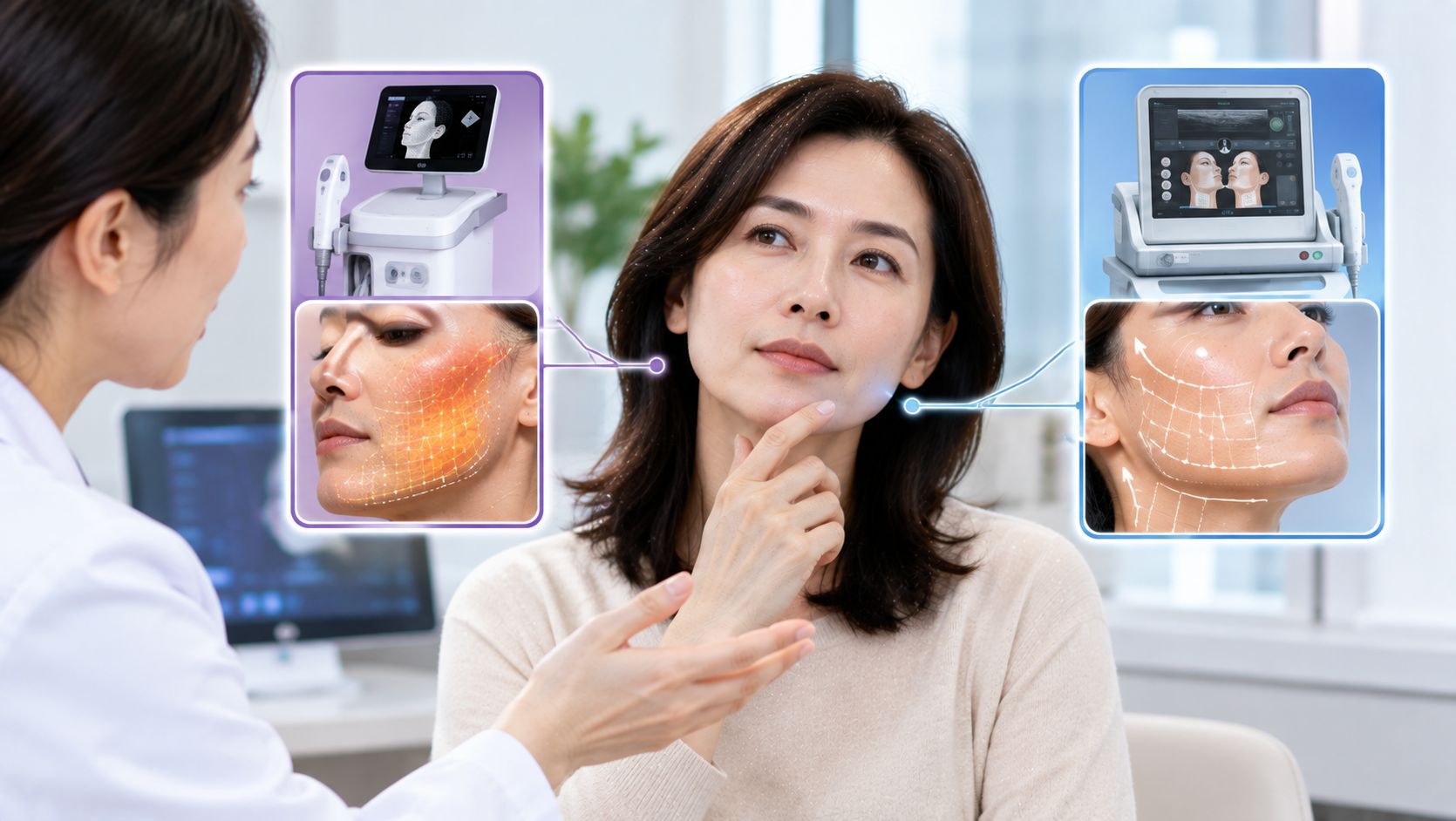
Ultherapy Prime and RF Lifting for Early Sagging
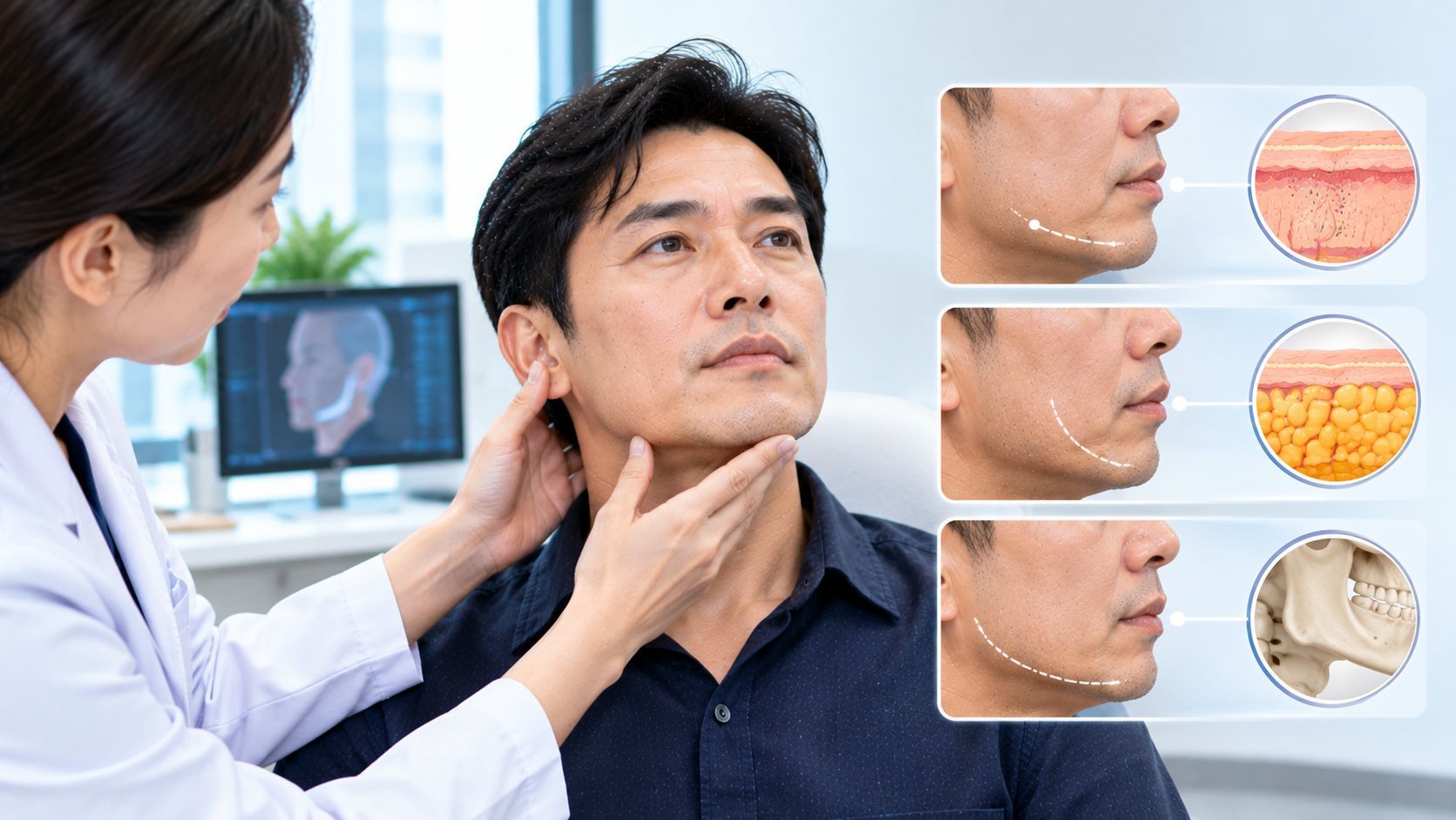
A tired appearance is often linked to early facial heaviness or jawline softening.
Popular lifting treatments include:
- Ultherapy Prime
- Thermage FLX
- Oligio
- Volnewmer RF lifting
These treatments stimulate collagen and tighten deeper skin layers gradually while maintaining natural facial movement. Korean clinics increasingly focus on preventative lifting rather than dramatic tightening.
Laser Toning Helps Restore Brightness
Low-energy laser toning is widely used in Korea for skin that looks dull, uneven, or fatigued.
Common goals include:
- Improving skin clarity
- Reducing mild pigmentation
- Softening redness
- Creating healthier glow
Korean dermatologists usually prefer gentle repeated sessions instead of aggressive resurfacing to avoid inflammation and rebound pigmentation.
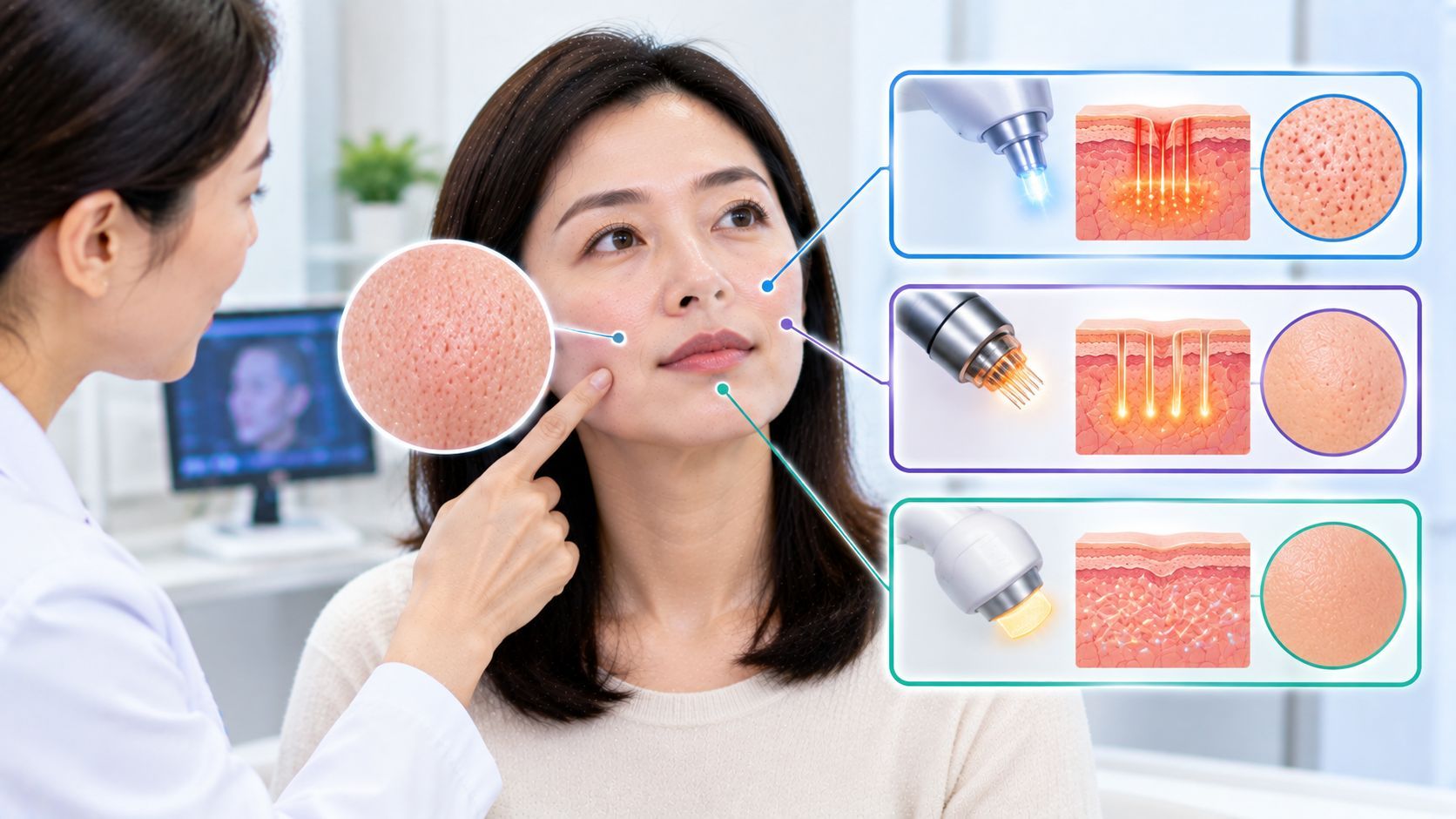
RF Microneedling for Texture + Fatigue-Related Skin Changes
RF microneedling is often recommended when tired-looking skin is combined with:
- Enlarged pores
- Rough texture
- Mild acne scars
- Early collagen loss
Popular Korean devices include:
- Potenza
- Sylfirm X
- Secret RF
These treatments improve texture and firmness simultaneously while preserving a natural appearance.
Under-Eye Treatments Are Extremely Important
The under-eye area strongly affects whether a face looks rested or exhausted.
Korean clinics commonly treat:
- Dark circles
- Fine lines
- Hollow under-eyes
- Thin crepey skin
Treatments may include:
- Rejuran i
- Gentle collagen boosters
- Skin boosters
- Conservative filler placement
- Laser toning for pigmentation or vascular darkness
The Korean approach usually prioritizes subtle correction rather than dramatic volume filling.
Combination Therapy Is the Korean Standard
Most Korean dermatology clinics combine multiple modalities together because tired-looking skin rarely has one cause.
Typical combinations include:
- Skin booster for hydration and regeneration
- RF lifting for collagen tightening
- Laser toning for brightness
- LED therapy for calming and recovery
This layered strategy helps create balanced improvement rather than isolated changes.
Korean Dermatology Focuses on Looking “Refreshed,” Not Overdone
One defining characteristic of Korean anti-aging philosophy is restraint.
Most treatments aim for:
- Healthier skin quality
- Better facial vitality
- Cleaner texture
- Subtle lifting
- Natural-looking rejuvenation
The goal is usually to look more rested and energized rather than obviously cosmetically altered.
Final Thoughts
The best Korean treatments for tired-looking faces typically combine skin boosters, collagen stimulators, lifting devices, laser toning, and regenerative therapies to improve both skin quality and facial structure gradually. Korean dermatologists focus heavily on hydration, collagen preservation, inflammation control, and subtle lifting rather than aggressive transformation. In Seoul’s dermatology culture, making a face look refreshed is usually achieved through layered, preventative maintenance designed to restore healthy skin vitality naturally over time.