The Real Cost of Glass Skin Treatments in Seoul
The Real Cost of Glass Skin Treatments in Seoul
“Glass skin” has become one of the biggest beauty trends associated with Korean skincare and dermatology. The term usually refers to skin that looks smooth, deeply hydrated, bright, and almost reflective under light. While many tourists imagine glass skin comes from a single miracle procedure, the reality is far more complex — and often more expensive. In Seoul, achieving and maintaining glass skin usually involves a combination of treatments, skincare routines, and regular clinic visits rather than one-time procedures.
What “Glass Skin” Actually Means in Korean Dermatology
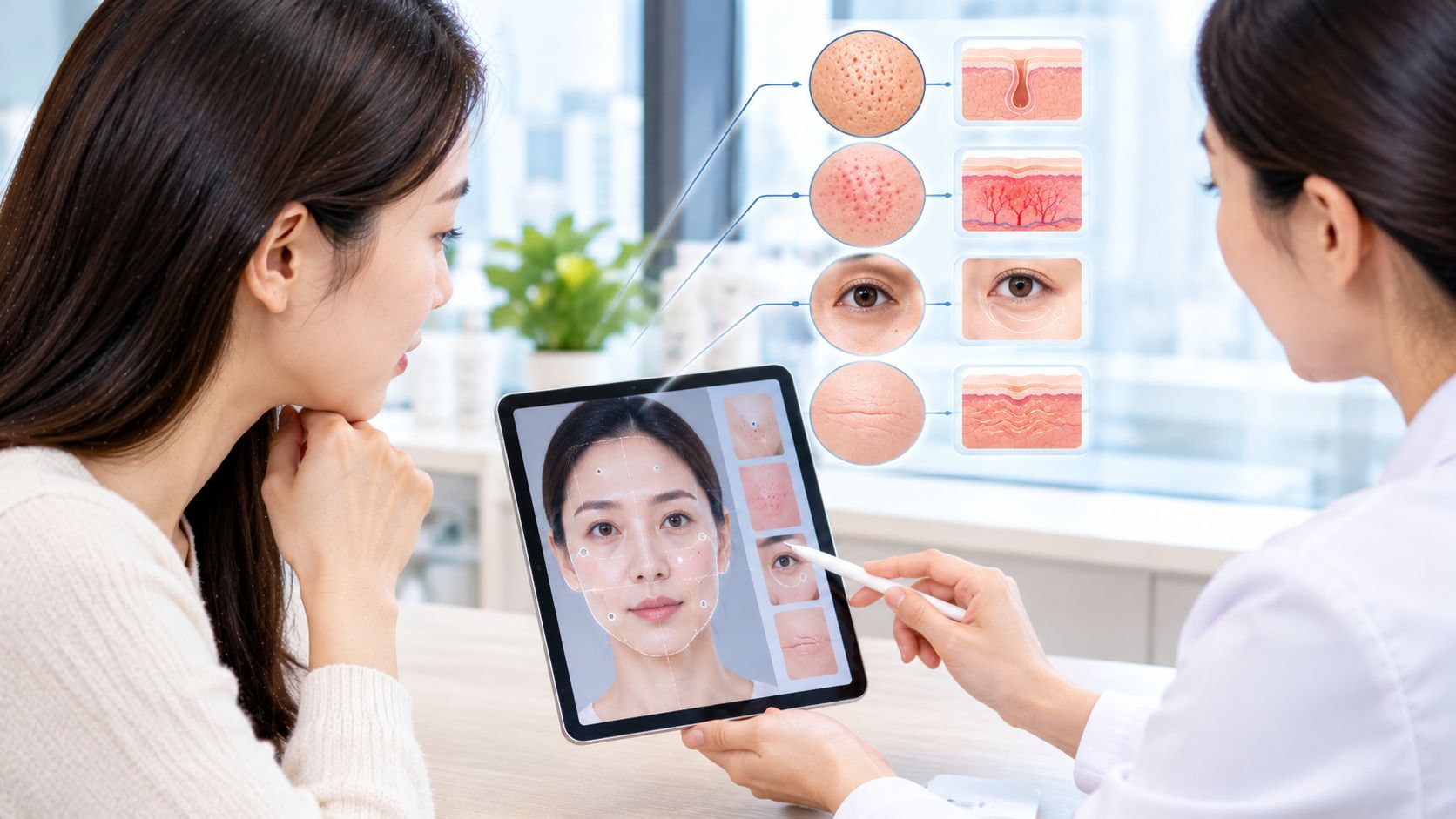
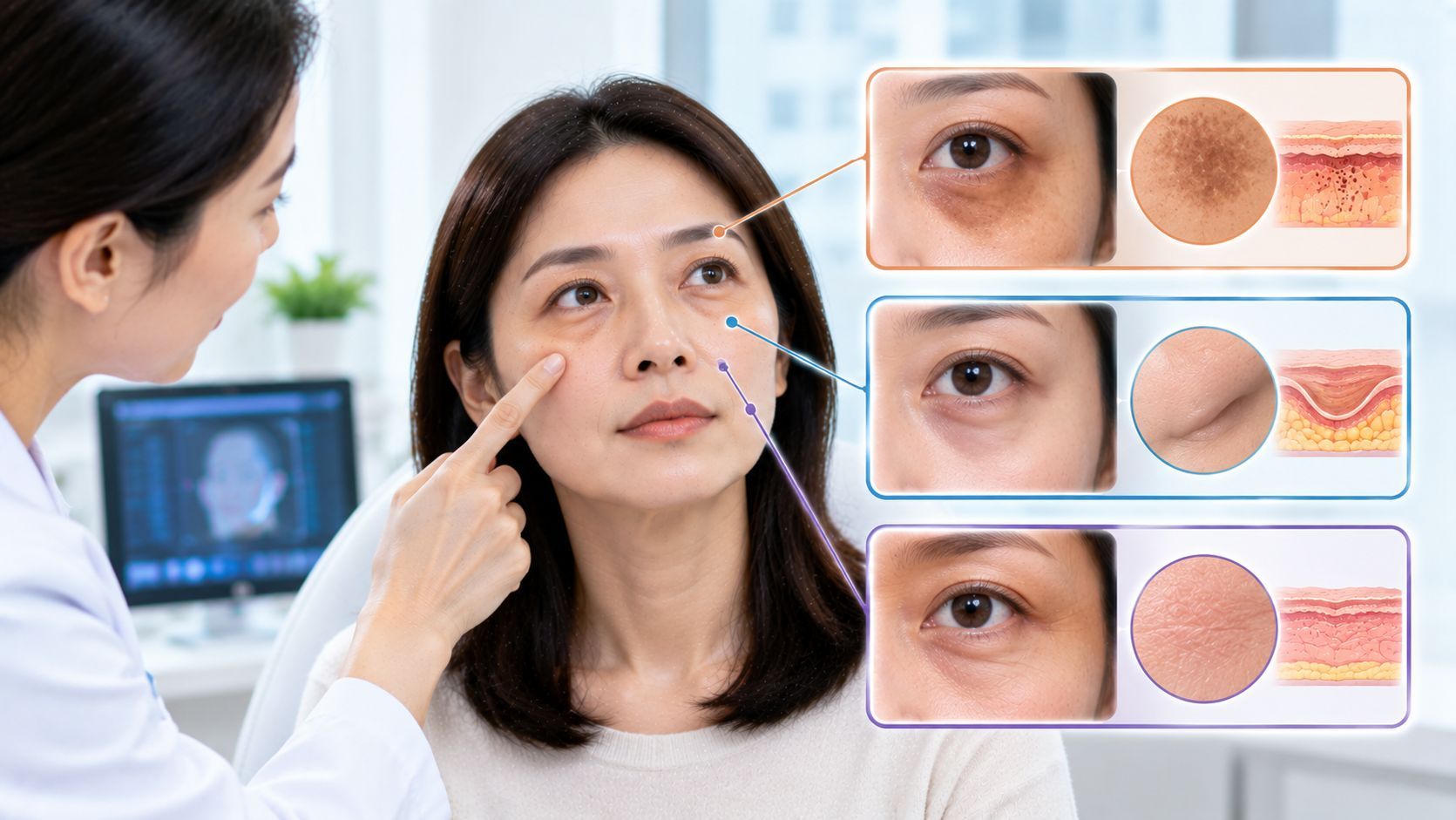
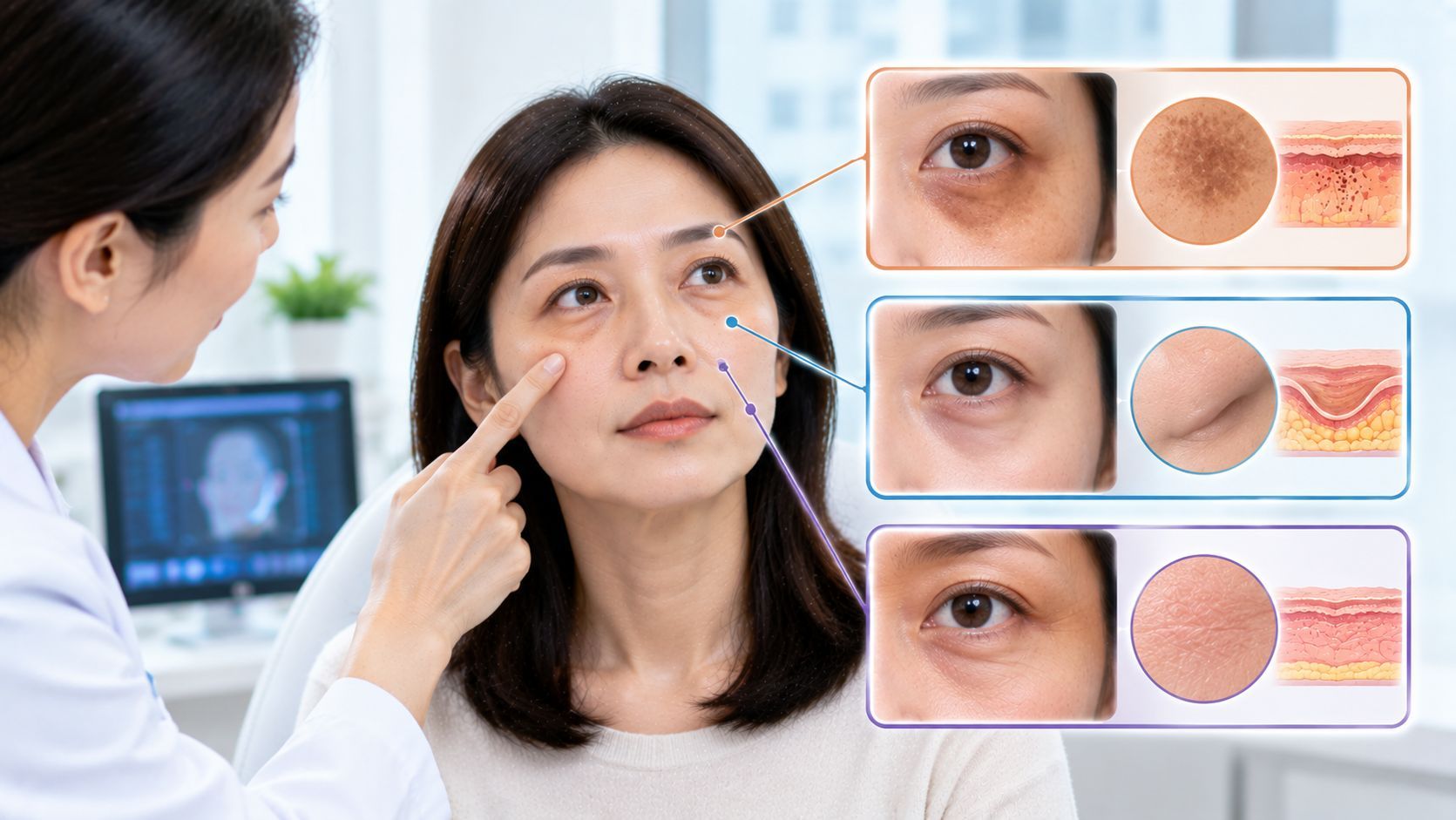
In Korean clinics, glass skin is not considered a specific treatment. Instead, it describes an overall skin condition involving:
- Even skin tone
- Minimal pores
- High hydration
- Smooth texture
- Healthy glow
- Low inflammation
Because multiple skin concerns affect skin clarity, clinics often combine several procedures together to create the final result.
The Cheapest Glass Skin Treatments in Seoul
Budget-friendly clinics in areas like Hongdae and parts of Gangnam often advertise low-cost “glass skin packages” to attract younger patients and tourists.
Entry-level pricing commonly includes:
- Aqua peels: 30,000–80,000 KRW
- Basic laser toning: 20,000–70,000 KRW
- LED facials: 20,000–50,000 KRW
- Hydration facials: 50,000–120,000 KRW
These treatments can temporarily improve brightness and hydration, but they usually provide subtle or short-term effects without consistent maintenance.
Why Premium Glass Skin Treatments Cost Much More
Luxury dermatology clinics often approach glass skin as a long-term skin quality improvement program rather than a simple facial treatment.
Premium treatment plans may include:
- Skin boosters
- Rejuran injections
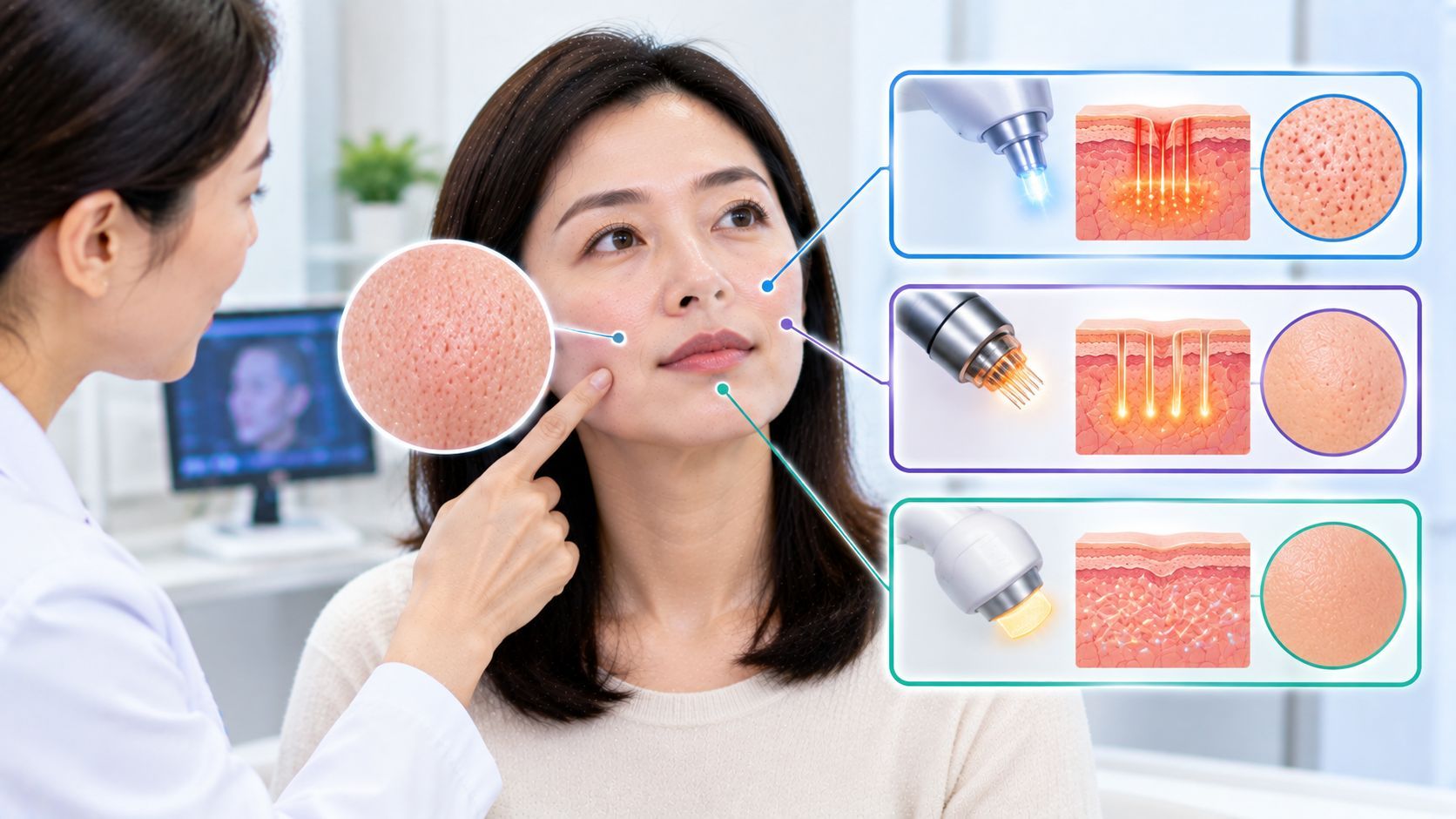
- RF microneedling
- Advanced Pico lasers
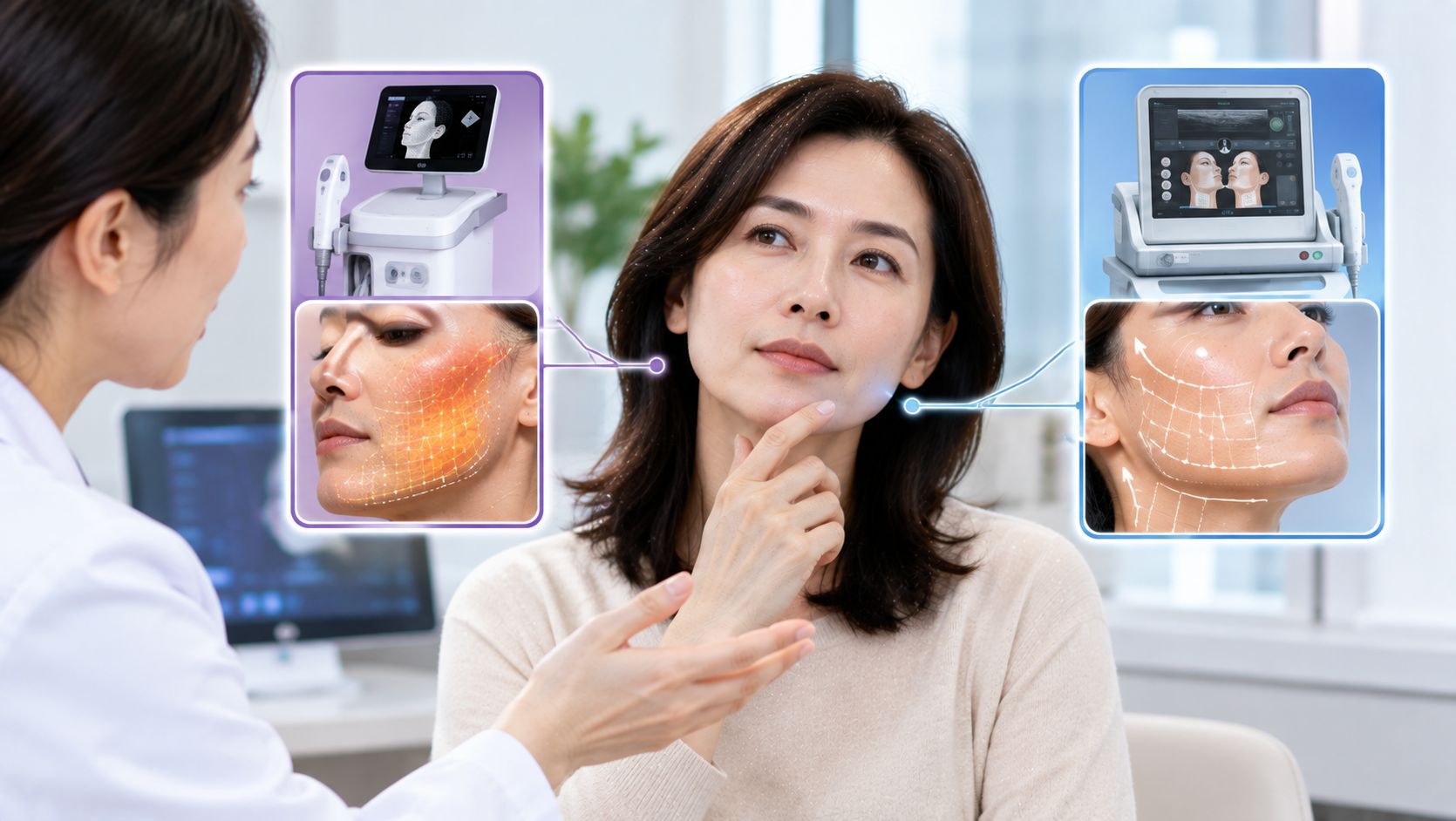
- Ultrasound lifting
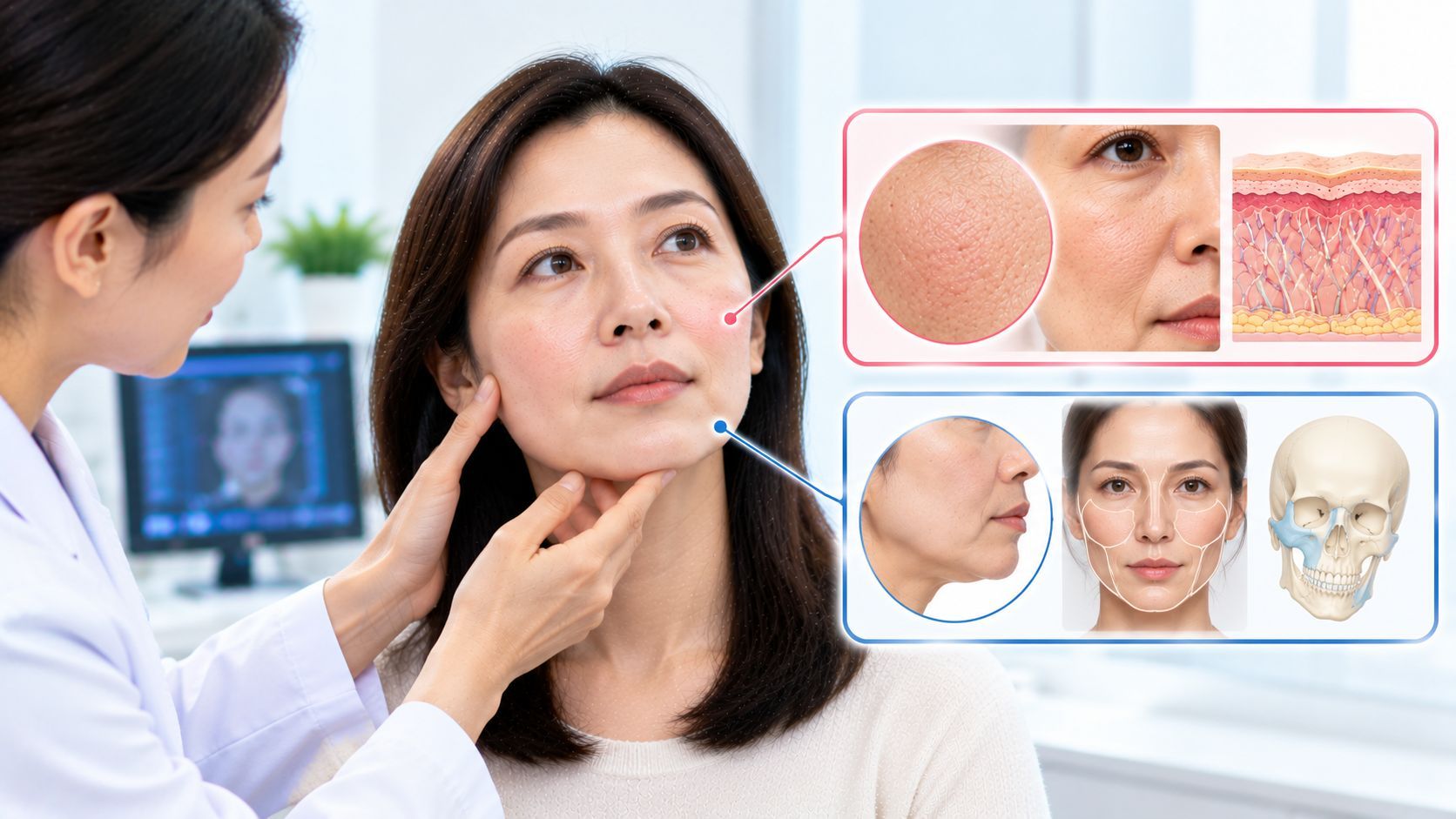
- Collagen stimulation procedures
As a result, premium glass skin programs can easily cost:
- 500,000–1,500,000 KRW per session
- Several million KRW for multi-session plans
The biggest difference is usually the level of customization and the intensity of collagen-focused treatments.
Laser Toning Is Often the Foundation
Laser toning remains one of the most common procedures associated with glass skin in Korea because it helps improve overall skin clarity gradually.
Clinics frequently recommend it for:
- Pigmentation
- Acne marks
- Dullness
- Uneven tone
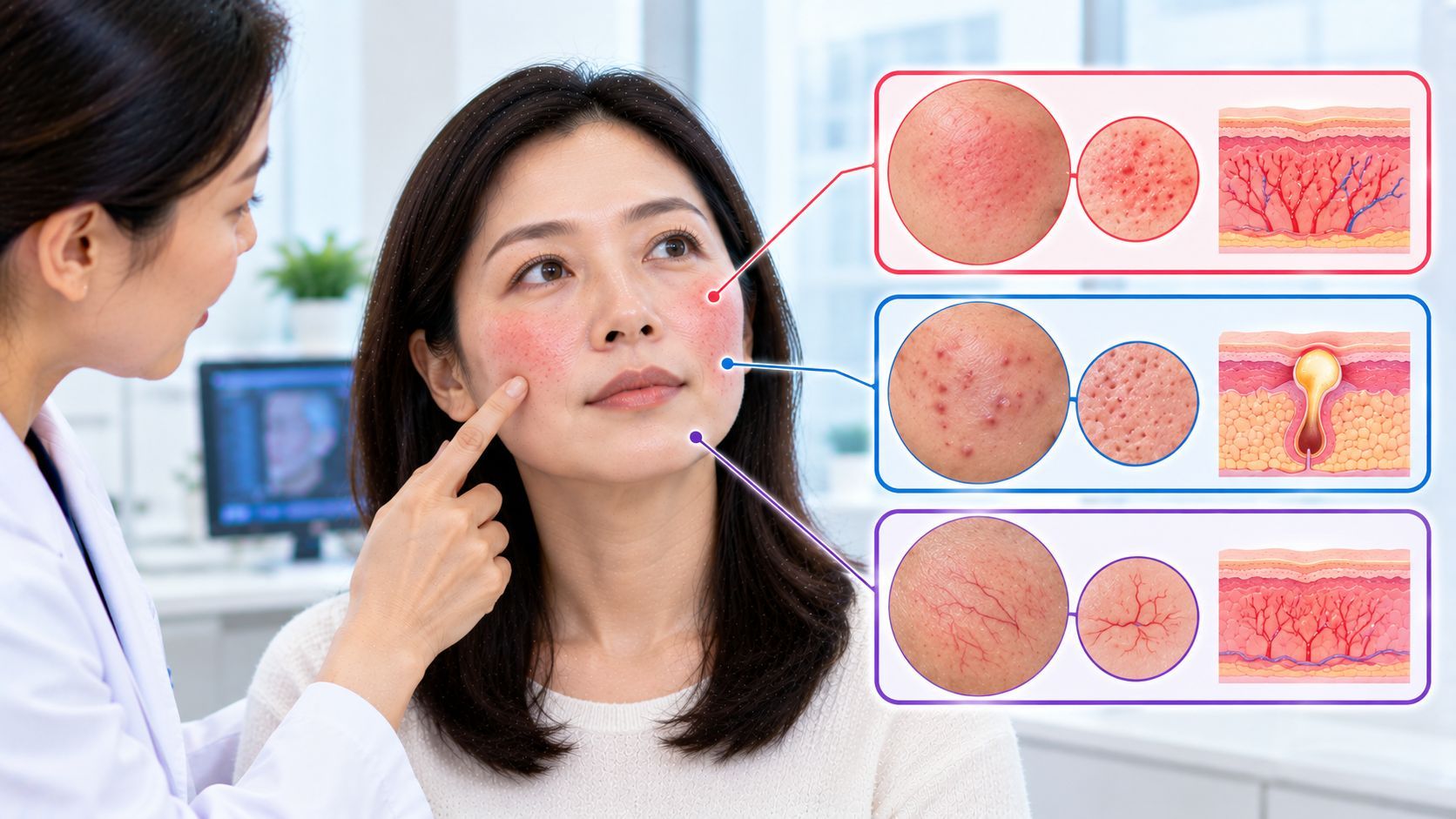
- Mild redness
However, most Korean dermatologists recommend repeated sessions because glass skin results typically develop gradually over time.
Skin Boosters Are Driving Modern Glass Skin Trends
One major reason glass skin treatments became more expensive in recent years is the growing popularity of injectable skin boosters.
Popular treatment goals include:
- Deep hydration
- Elasticity improvement
- Texture refinement
- Glow enhancement
- Collagen stimulation
Many Gangnam clinics now combine skin boosters with lasers to create more noticeable skin-quality improvement than facials alone can achieve.
Foreign Tourists Often Underestimate Maintenance Costs
Many medical tourists expect dramatic glass skin results after only one treatment session. In reality, most Korean patients maintain their skin through consistent monthly or seasonal treatments.
Typical long-term maintenance may involve:
- Monthly laser toning
- Seasonal skin boosters
- Hydration facials
- Preventive anti-aging treatments
- Medical-grade skincare
The cumulative yearly cost can become surprisingly high even if individual sessions initially appear affordable.
Factory Clinics vs Boutique Dermatology Clinics
Glass skin treatments vary dramatically depending on clinic style.
Factory Clinics
Usually focus on:
- Fast appointments
- Lower pricing
- Package promotions
- High patient volume
Boutique Clinics
Often emphasize:
- Personalized skin analysis
- Customized treatment layering
- More detailed consultations
- Longer-term treatment planning
Some foreign patients prefer factory clinics for affordability, while others value the slower and more customized approach of premium clinics.
Why Combination Treatments Are So Common
Glass skin usually requires improving several skin factors simultaneously rather than targeting only one issue.
That is why Korean clinics often combine:
- Lasers
- Skin boosters
- LED therapy
- Exfoliation
- Collagen stimulation
- Calming recovery care
This layered approach helps create the smooth, luminous appearance associated with Korean glass skin trends.
The Most Expensive Part Is Often Prevention
One surprising aspect of Korean dermatology culture is how early preventive treatments begin.
Many patients in their 20s and early 30s regularly invest in:
- Preventive Botox
- Mild lifting procedures
- Collagen maintenance
- Frequent hydration treatments
Rather than waiting for visible aging, many Korean patients focus on maintaining skin quality continuously, which increases long-term spending.
Final Thoughts
The real cost of glass skin treatments in Seoul depends heavily on the type of clinic, treatment intensity, and long-term maintenance approach involved. While budget-friendly facials and laser toning can provide temporary brightness, the polished “glass skin” look often associated with Korean beauty trends usually requires ongoing collagen stimulation, hydration treatments, and personalized skincare programs. For many patients, achieving glass skin is less about one miracle procedure and more about consistent long-term skin management.