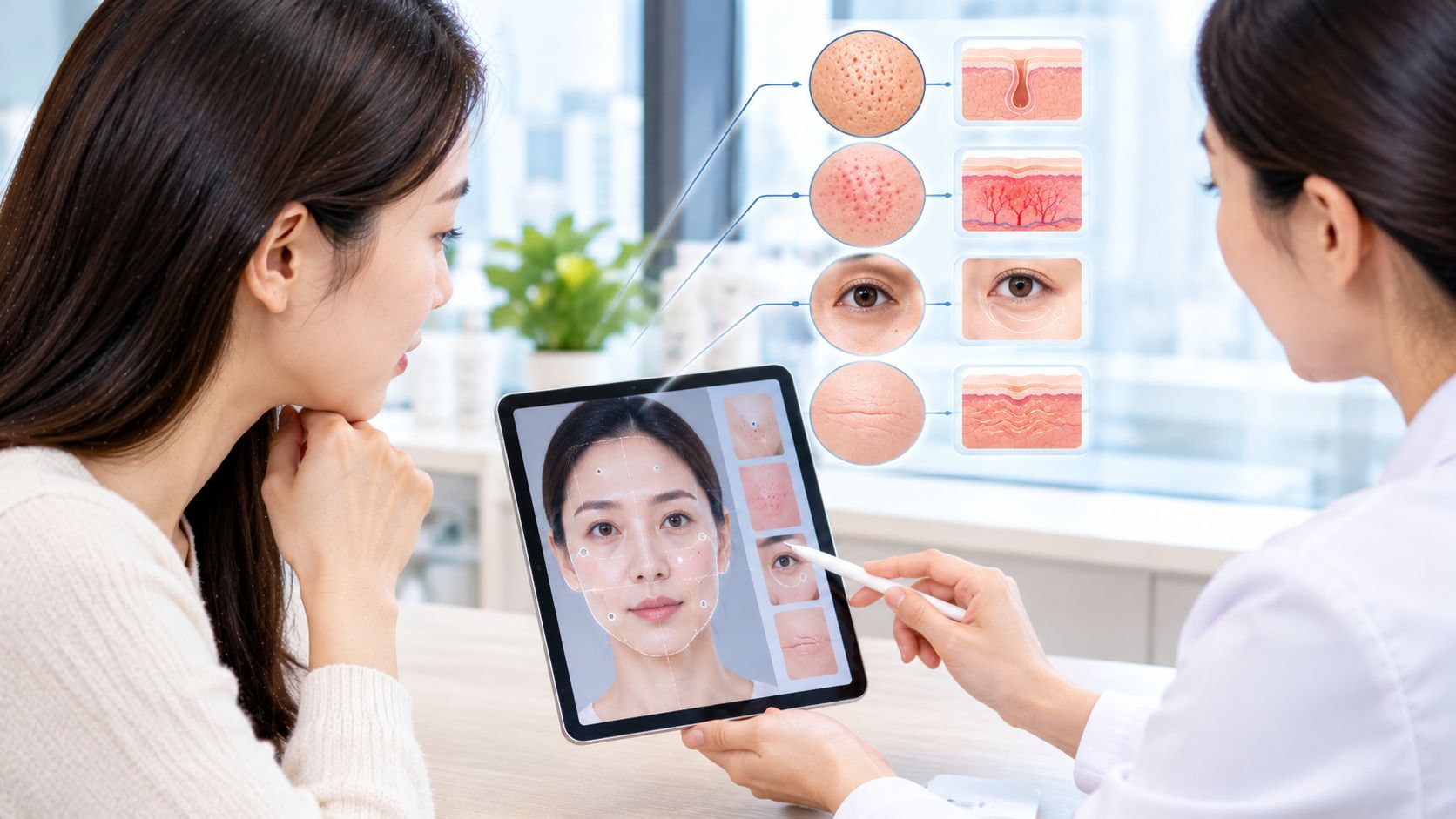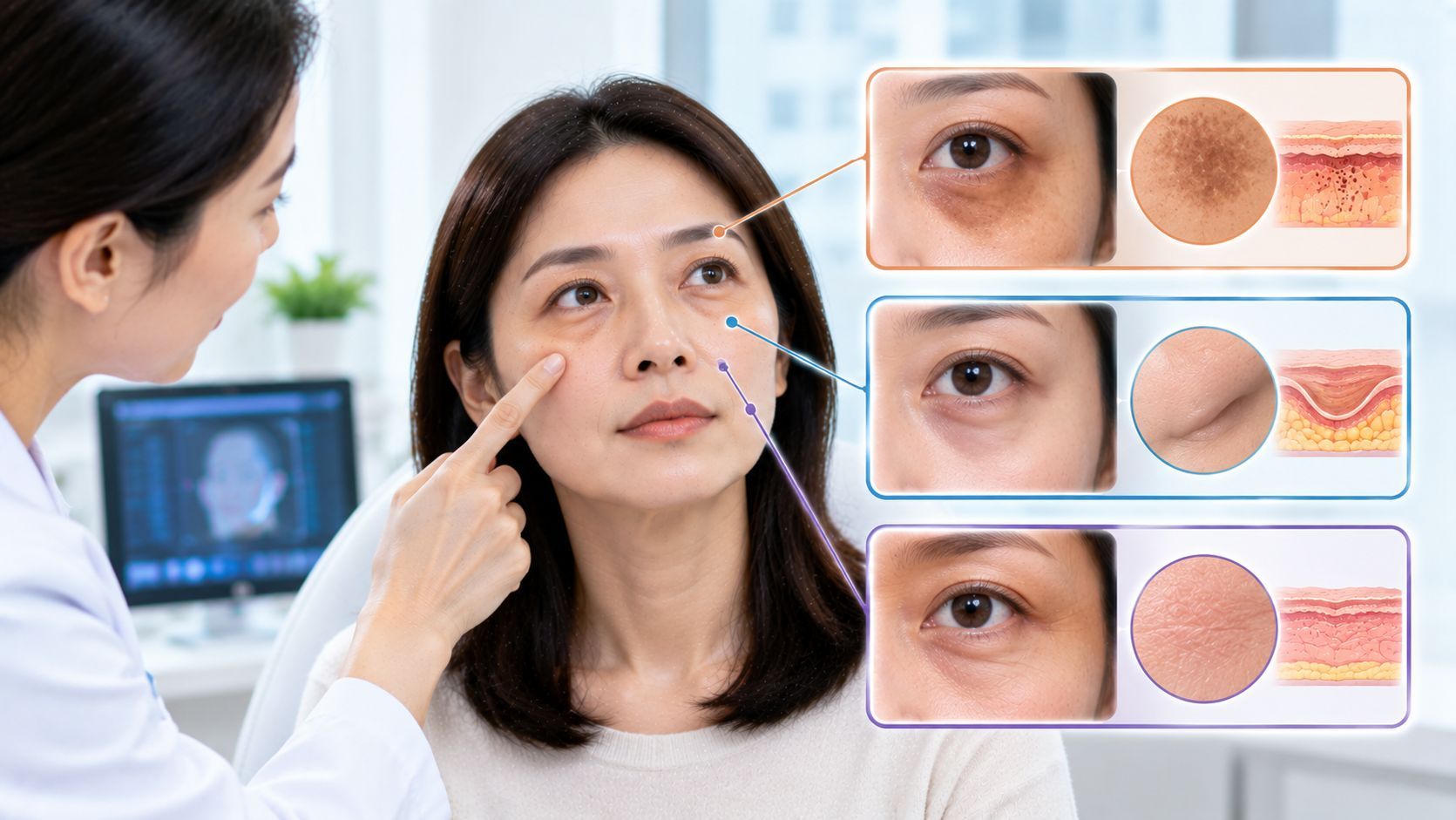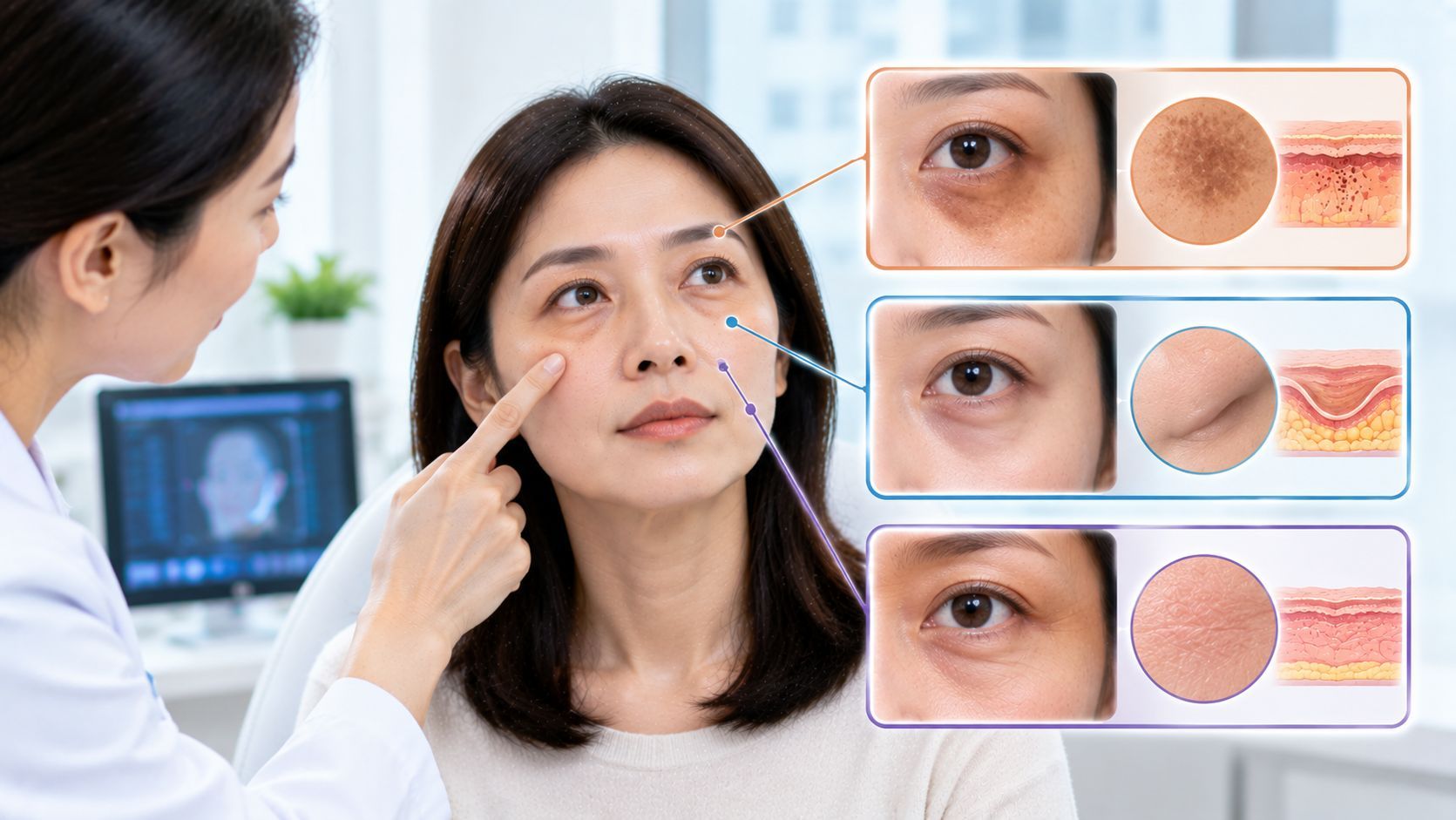
The Real Difference Between Korean vs Western Skin Clinics
The Real Difference Between Korean vs Western Skin Clinics
Korean and Western skin clinics often use similar technologies such as lasers, Botox, fillers, and RF lifting devices, but the overall philosophy, treatment style, and patient experience can feel completely different. Korea’s dermatology industry developed around high-frequency beauty maintenance and skin quality improvement, while many Western clinics traditionally focus more on individual corrective procedures and medical-style consultations.
These differences affect everything from pricing and appointment systems to treatment goals and recovery expectations.
Korean Clinics Focus on Skin Quality First
One of the biggest differences is that Korean clinics usually prioritize:
- Skin tone balance
- Hydration
- Pore refinement
- Brightness and glow
- Long-term collagen maintenance
The goal is often “healthy, naturally flawless skin” rather than dramatic cosmetic transformation.
Western clinics are generally more likely to focus first on:
- Wrinkle correction
- Volume restoration
- Structural anti-aging
- Strong resurfacing procedures
Korean Clinics Use More Combination Treatments
In Korea, it is extremely common to combine multiple procedures in one session.
Typical Korean combinations:
- Laser + facial + LED therapy
- Skin booster + RF lifting
- Botox + laser toning
- Pico laser + hydration treatment
Western clinics more often separate procedures into individual appointments or treatment plans.
This “layered treatment” approach is one reason Korean clinics can produce visible glow improvements very quickly.
Appointment Systems Are Much Faster in Korea
Korean dermatology clinics are designed around efficiency and high patient volume.
In Korea:
- Same-day treatments are common
- Walk-ins are often possible
- Consultation and treatment may happen within one hour
- Clinics may treat hundreds of patients daily
Western clinics often provide:
- Longer consultations
- More detailed medical discussions
- Slower scheduling systems
- More conservative treatment pacing
Some visitors love the speed of Korean clinics, while others prefer the slower, more personalized atmosphere common in Western systems.
Korea Emphasizes Preventive Aesthetic Care
Preventive beauty culture is much stronger in Korea.
Many Korean patients begin:
- Preventive Botox
- Laser toning
- RF lifting
- Hydration boosters
in their 20s or early 30s.
Western patients often start aesthetic treatments later, after visible aging or skin damage becomes more noticeable.
Korean dermatology philosophy generally aims to:
- Delay visible aging gradually
- Maintain skin condition continuously
- Avoid major corrective procedures later
Korean Clinics Usually Have Lower Prices
One of the biggest differences foreigners notice is cost.
Korean clinics are typically cheaper because of:
- High competition between clinics
- Large treatment volume
- Domestic injectables and devices
- Beauty care being normalized culturally
For example:
- Botox in Korea can cost a fraction of U.S. pricing
- Laser toning is often much cheaper
- Combination packages are common
This pricing structure is a major reason Seoul became a medical tourism destination.
Western Clinics Often Spend More Time on Consultation
Western clinics usually provide:
- Longer doctor interaction
- More discussion of risks and alternatives
- Slower decision-making processes
- More individualized scheduling
Korean clinics can sometimes feel more fast-paced and sales-oriented, especially in large “factory clinics.”
Boutique Korean clinics exist as well, but they are generally more expensive and appointment-focused.
Downtime Philosophy Is Different
Korean clinics often prioritize:
- Minimal redness
- Fast healing
- Makeup-friendly recovery
- Treatments that allow same-day activities
This low-downtime philosophy became heavily influenced by Korea’s entertainment and beauty industries.
Western clinics may be more willing to recommend:
- Aggressive resurfacing
- Stronger correction-focused lasers
- Longer recovery procedures
depending on patient goals.
Korean Beauty Standards Influence Treatment Goals
Korean clinics often focus on:
- Bright, even skin tone
- Smaller-looking pores
- Slim jawlines
- Smooth texture
- Natural facial harmony
Western clinics may focus more heavily on:
- Facial contour restoration
- Volume replacement
- Wrinkle correction
- Dramatic anti-aging improvements
Neither system is necessarily “better” — they simply prioritize different beauty ideals.
The Rise of Korean “Glass Skin” Dermatology
The global popularity of K-beauty helped spread Korean dermatology concepts internationally, especially:
- Skin boosters
- Combination laser treatments
- Preventive anti-aging
- Collagen-focused maintenance
Many Western clinics are now adopting Korean-inspired approaches to skin quality and glow-based treatments.
Which System Is Better Depends on the Patient
Korean clinics are often better for:
- Frequent maintenance care
- Fast glow improvements
- Preventive skincare
- Affordable combination treatments
Western clinics may be better for:
- Longer consultations
- Complex medical dermatology
- Conservative treatment planning
- Long-term follow-up within the same healthcare system
The best choice depends on the patient’s priorities, budget, and desired treatment style.
Final thoughts
The real difference between Korean and Western skin clinics comes down to philosophy. Korean dermatology focuses heavily on prevention, skin quality, combination treatments, and fast low-downtime maintenance, while Western clinics often emphasize individualized consultation and correction-based procedures. As Korean beauty culture continues influencing global aesthetics, the gap between the two systems is becoming smaller, but their core approaches to skincare still remain distinctly different.