Which Treatments Should I Absolutely Not Try for the First Time Before My Wedding?
Introduction
Your wedding is one of the worst times to experiment with a cosmetic treatment you have never tried before. Even procedures that are commonly performed and generally well tolerated can produce temporary swelling, bruising, redness, irritation, asymmetry, peeling, or other unexpected effects.
The closer you get to the wedding, the less recovery time you have to manage those effects. The American Academy of Dermatology recommends discussing expected results, risks, alternatives, and recovery time before cosmetic procedures rather than assuming that a treatment will behave the same way for everyone.
If your wedding is approaching, the safest planning principle is simple: do not introduce a major variable when you have no time to correct for it.
Why First-Time Treatments Are Riskier Before a Wedding
“Riskier” does not necessarily mean that the treatment itself is unsafe. The issue is unpredictability for you.
Before your wedding, you may not know:
- How much swelling you personally develop
- How long bruising lasts
- How your skin reacts to a particular laser
- Whether a product causes irritation
- How your face responds to Botox
- How quickly filler settles
- Whether pigmentation changes occur after energy-based treatment
- Whether the final result matches what you expected
A dermatologist can assess your individual risk, but no consultation can completely eliminate the possibility of an unexpected response.
This is why the timing of treatment matters almost as much as the treatment itself.
First-Time Filler: Be Especially Careful
Dermal filler is one of the treatments that deserves particular caution before a major event.
Filler can produce temporary:
- Swelling
- Redness
- Tenderness
- Bruising
- Lumps
- Unevenness
The AAD notes that common injection-site effects often clear within 7–14 days, although recovery varies.
That means a treatment performed several weeks before a wedding may have a reasonable opportunity to settle, while a first-time filler procedure only a few days before the ceremony leaves much less room.
This is especially relevant for areas where even modest swelling can be noticeable, such as the lips or under-eyes.
If you have never had filler before, your dermatologist should also evaluate whether filler is actually the appropriate treatment for the concern you are trying to correct.
First-Time Botox Can Also Be Unpredictable
Botox generally has limited downtime, and many people return to everyday activities immediately. However, temporary bruising can occur, and the cosmetic result depends on the muscles treated, injection placement, dosage, and your individual anatomy.
A first-time Botox treatment shortly before a wedding therefore deserves caution.
For example, treating the forehead may change eyebrow movement. Treating the masseter muscles can alter the lower-face appearance. Treating the neck or lower face can affect muscle activity in ways that are difficult to predict perfectly before treatment.
If you have never received Botox before, having it several months ahead of the wedding gives you more opportunity to understand your response and make adjustments if necessary.
Avoid First-Time Aggressive Laser Treatments
Laser treatment is not one single procedure. Different devices and settings can have dramatically different recovery profiles.
A treatment designed primarily for pigmentation may behave differently from resurfacing treatment for acne scars or wrinkles.
Potential reactions can include:
- Redness
- Swelling
- Peeling
- Crusting
- Sensitivity
- Temporary or persistent pigment changes
The AAD notes that sun protection before and after laser treatment is important and that certain laser procedures may require preparation and a series of treatments rather than a single session.
If you have never had a particular laser before, it is difficult to know exactly how your skin will respond.
This is particularly important for people who are prone to post-inflammatory hyperpigmentation. A treatment that produces a temporary “glow” for one person could produce prolonged discoloration in another.
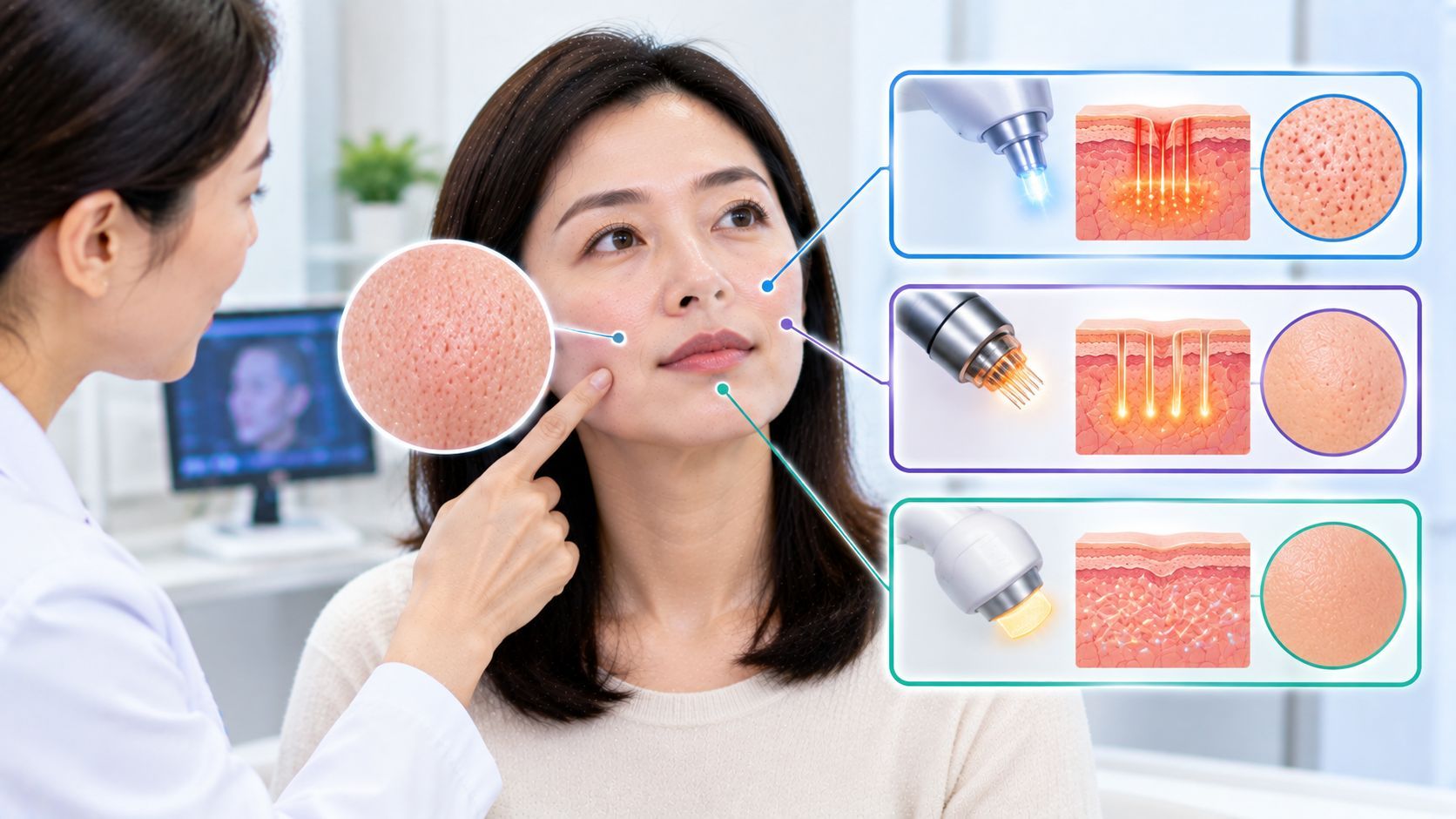
Be Careful With First-Time RF Microneedling
RF microneedling is another treatment that should ideally be planned rather than used as a last-minute experiment.
It combines microneedling with radiofrequency energy and is used for concerns such as:
- Skin texture
- Acne scars
- Fine lines
- Selected laxity
- Overall skin quality
Because it deliberately creates controlled injury and thermal effects in the skin, redness, swelling, tenderness, and other temporary changes can occur.
If you have never had RF microneedling, allow enough time to see how your skin responds before an important event.
The same principle applies to conventional microneedling. A familiar procedure may be easier to schedule than a first session immediately before your wedding.
Avoid Strong Chemical Peels as a Last-Minute Experiment
Chemical peels range from superficial treatments to much deeper procedures, so recovery varies considerably.
A first-time peel can cause:
- Stinging
- Redness
- Dryness
- Peeling
- Increased sensitivity
- Pigment changes
Even if a clinic describes a treatment as a “quick glow peel,” the name alone does not tell you how your individual skin will respond.
If you have a wedding coming up, your dermatologist should consider your skin tone, history of pigmentation, previous reactions, and the exact peel being proposed.
Do Not Experiment With New Skin Boosters Immediately Before the Wedding
Injectable skin boosters and collagen-stimulating treatments can be useful for selected patients, but they are still medical procedures.
Depending on the product and technique, you may experience:
- Small bumps
- Swelling
- Redness
- Bruising
- Tenderness
- Temporary unevenness
If you have already used a particular treatment successfully, your dermatologist has more information about how you respond.
A first-time injectable shortly before a wedding gives you less information and less recovery time.
Be Cautious About New Combination Treatments
One of the most common mistakes before an important event is trying to fix everything at once.
For example, someone might schedule:
- Botox
- Filler
- Laser
- RF treatment
- Skin booster
- Peel
all within a short period because they want maximum improvement.
The problem is that multiple procedures can make recovery harder to predict. Expert consensus on combined aesthetic treatments recommends individualized sequencing, with spacing between consecutive treatments often allowing side effects to resolve and results to be assessed.
More treatment does not automatically mean a better wedding result.
What About a Treatment You Have Had Before?
There is an important distinction between first-time treatment and a treatment you already know your skin tolerates.
If you have previously had:
- The same Botox treatment
- The same type of facial
- A particular laser
- A specific skin treatment
- A familiar peel
without significant problems, your dermatologist has more information when deciding whether to repeat it.
That still does not eliminate risk. Your skin condition, medications, sun exposure, health, and treatment settings may be different this time.
Before treatment, tell your dermatologist about previous cosmetic procedures and medications. The AAD specifically recommends providing this information because it can affect treatment planning and the risk of complications.
What Should You Do Instead?
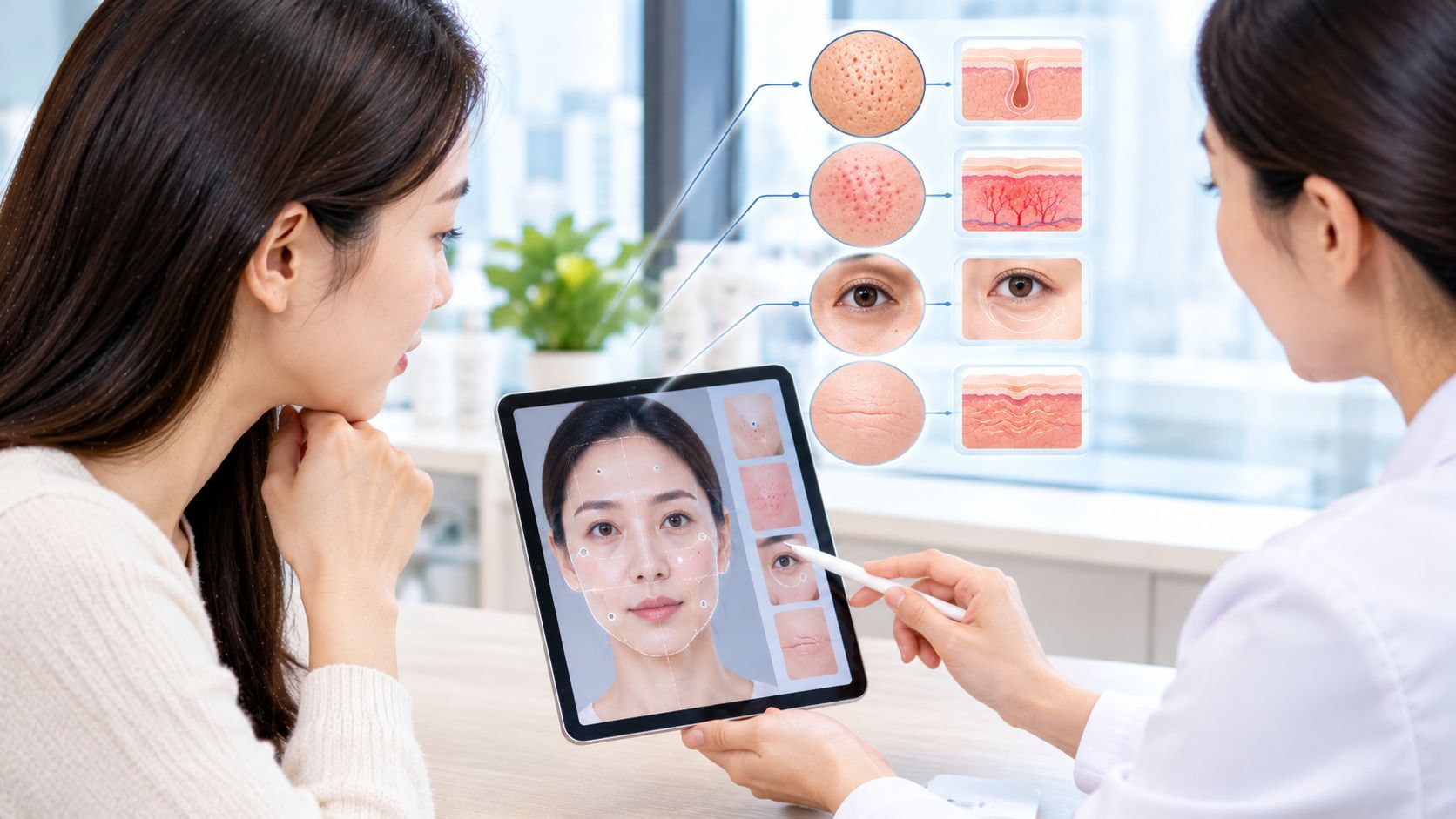
If your wedding is approaching and you have never had cosmetic treatment before, start with a consultation rather than a procedure.
During the consultation, discuss:
Your Main Concern
Choose the issue that bothers you most in photographs rather than trying to correct every perceived imperfection.
Your Deadline
Tell the dermatologist the exact wedding date and when you need to look camera-ready.
Your Previous Treatment History
Include Botox, filler, lasers, peels, microneedling, facials, and other procedures.
Your Skin-Reaction History
Mention previous pigmentation, prolonged redness, swelling, bruising, allergic reactions, or irritation.
Your Tolerance for Downtime
Some people are comfortable with several days of peeling or redness. Others need to look presentable immediately.
The AAD specifically recommends asking how much downtime a procedure requires and when you can safely resume normal activities and social events.
If You Are Traveling to Seoul for Wedding Treatments
International patients should be particularly cautious about first-time procedures immediately before a wedding.
If you are traveling to Seoul for treatment, build enough time for:
- Consultation
- Treatment
- Initial recovery
- Follow-up
- Additional assessment if needed
Do not assume that because a treatment is popular in Korea it will necessarily be appropriate for your individual skin.
A Korean dermatologist should still assess your skin condition, previous procedures, desired outcome, and recovery window before recommending treatment.
Medical expertise matters because cosmetic procedures are medical procedures, not simply beauty services. The AAD emphasizes that proper training and experience are important for reducing complications.
A Practical Wedding Treatment Rule
A useful way to think about timing is:
Three months before: You have room to evaluate and adjust.
One month before: Focus on controlled refinement.
Two weeks before: Be increasingly conservative.
One week before: Avoid unnecessary experimentation.
Three days before: Prioritize calm, familiar skincare.
The day before: Do not gamble with your appearance.
The exact schedule depends on the procedure, but the principle remains the same: the closer the wedding, the more predictable the treatment should be.
The Bottom Line
The treatments you should be most cautious about trying for the first time before your wedding are those that can cause significant or unpredictable swelling, bruising, peeling, irritation, pigmentation changes, or changes in facial movement.
That includes first-time filler, Botox, aggressive laser resurfacing, RF microneedling, strong chemical peels, unfamiliar skin boosters, and complex combination procedures when there is insufficient recovery time.
This does not mean these treatments are inherently inappropriate. It means their timing should be planned around your wedding rather than squeezed into the final days.
If you want cosmetic improvement for your wedding, the best approach is to start early enough that your dermatologist can evaluate your response and make adjustments without pressure.
FAQs
How far before my wedding should I try a new cosmetic treatment?
There is no universal number because recovery varies by treatment and patient. Starting earlier provides more opportunity to observe the response and address unexpected effects.
Should I avoid filler completely before a wedding?
Not necessarily. Filler may be appropriate when there is a clear indication and sufficient time for recovery. The key concern is trying a new filler too close to the event.
Can I try Botox for the first time before my wedding?
It can be considered well in advance, but a first-time treatment immediately before the wedding provides less time to evaluate the cosmetic effect or manage temporary side effects.
Should I avoid laser treatments before my wedding?
Not all laser treatments need to be avoided. The appropriate timing depends on the laser, settings, skin type, treatment goal, and expected recovery.
What if I only have one week left?
Avoid experimenting with major new procedures. A dermatologist can assess whether anything appropriate can be done, but maintaining calm, healthy skin may be more sensible than pursuing an aggressive last-minute treatment.
Conclusion
Your wedding is not the time to discover how your face reacts to a treatment for the first time. The closer the event gets, the more important predictability becomes.
Plan major treatments early, leave sufficient recovery time, and tell your dermatologist exactly when your wedding will take place. If there is not enough time to safely evaluate a new treatment, postponing it can be a reasonable part of a responsible cosmetic plan.
The objective is not to change your face as much as possible before the wedding. It is to arrive looking like your best, settled, comfortable version of yourself.