Why Everyone in Korea Is Getting Skin Boosters
Why Everyone in Korea Is Getting Skin Boosters
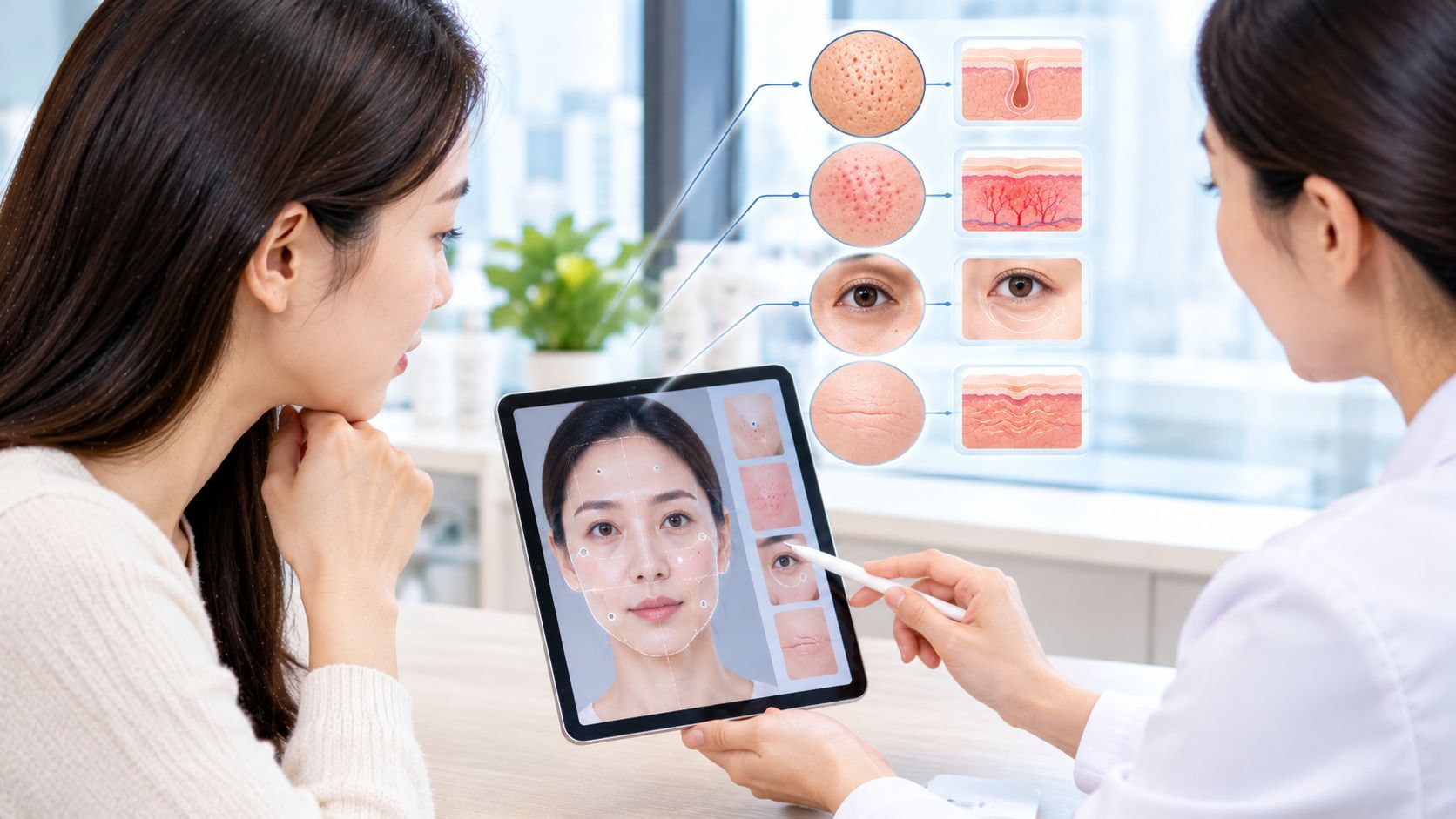
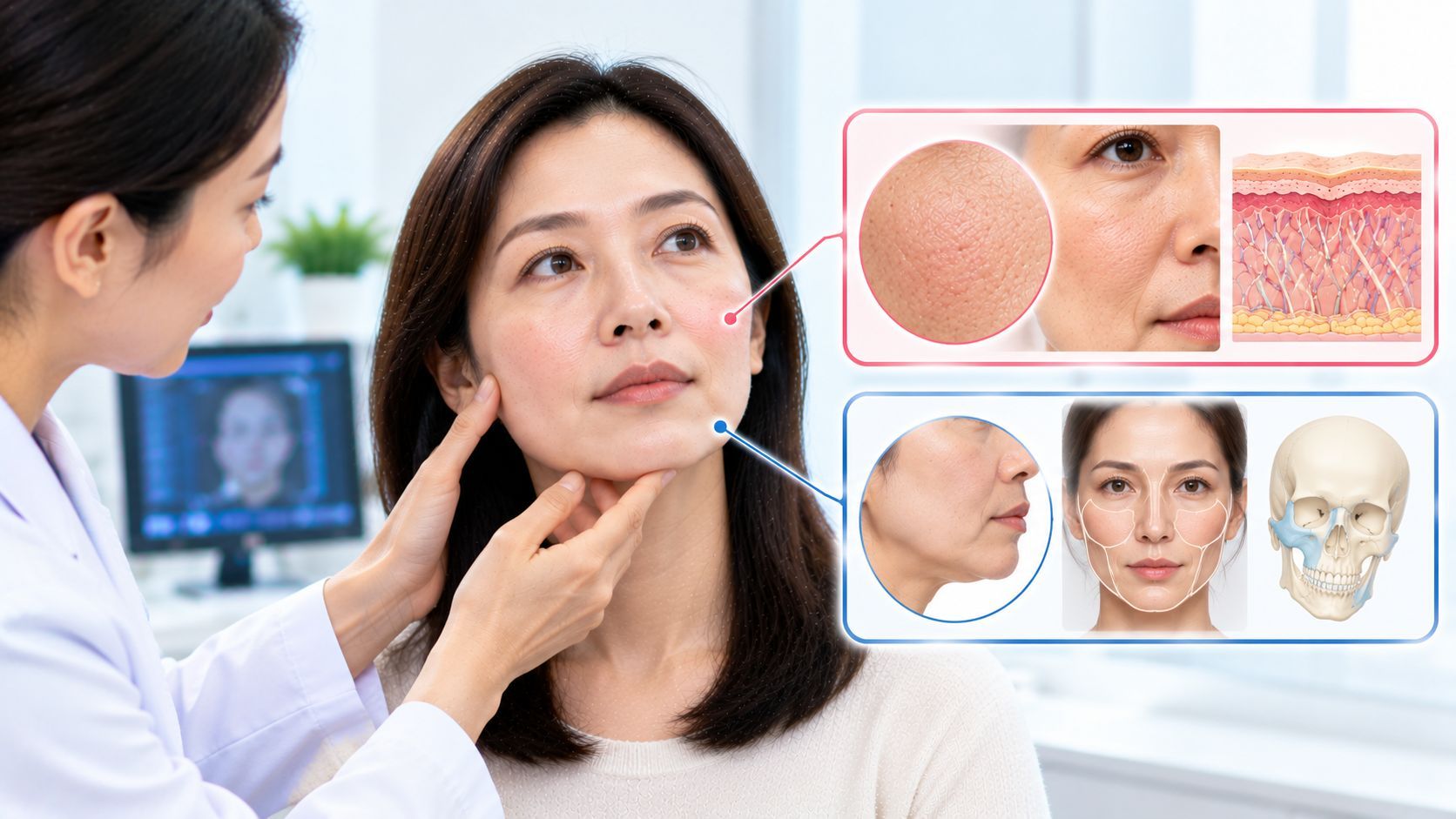
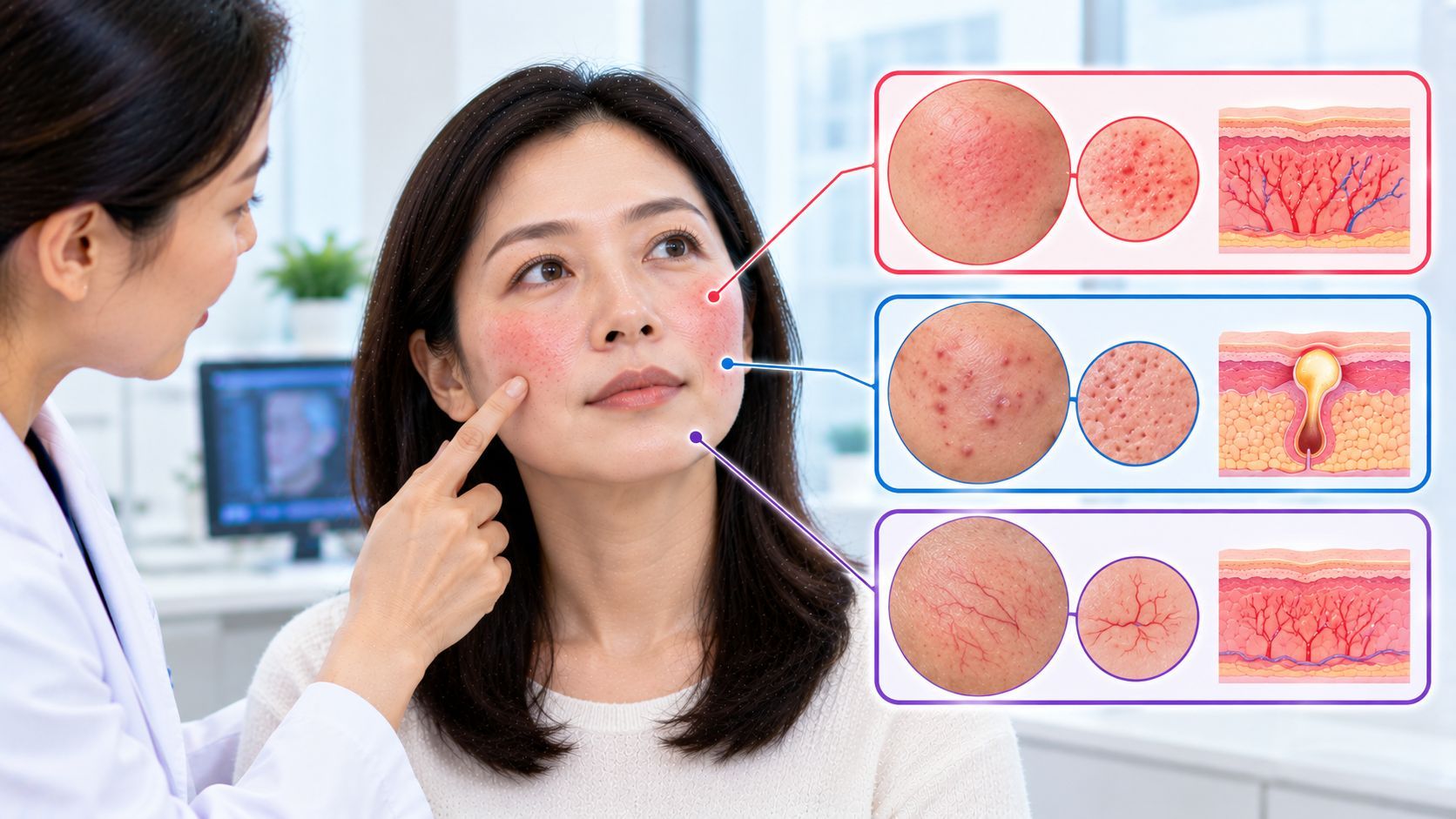
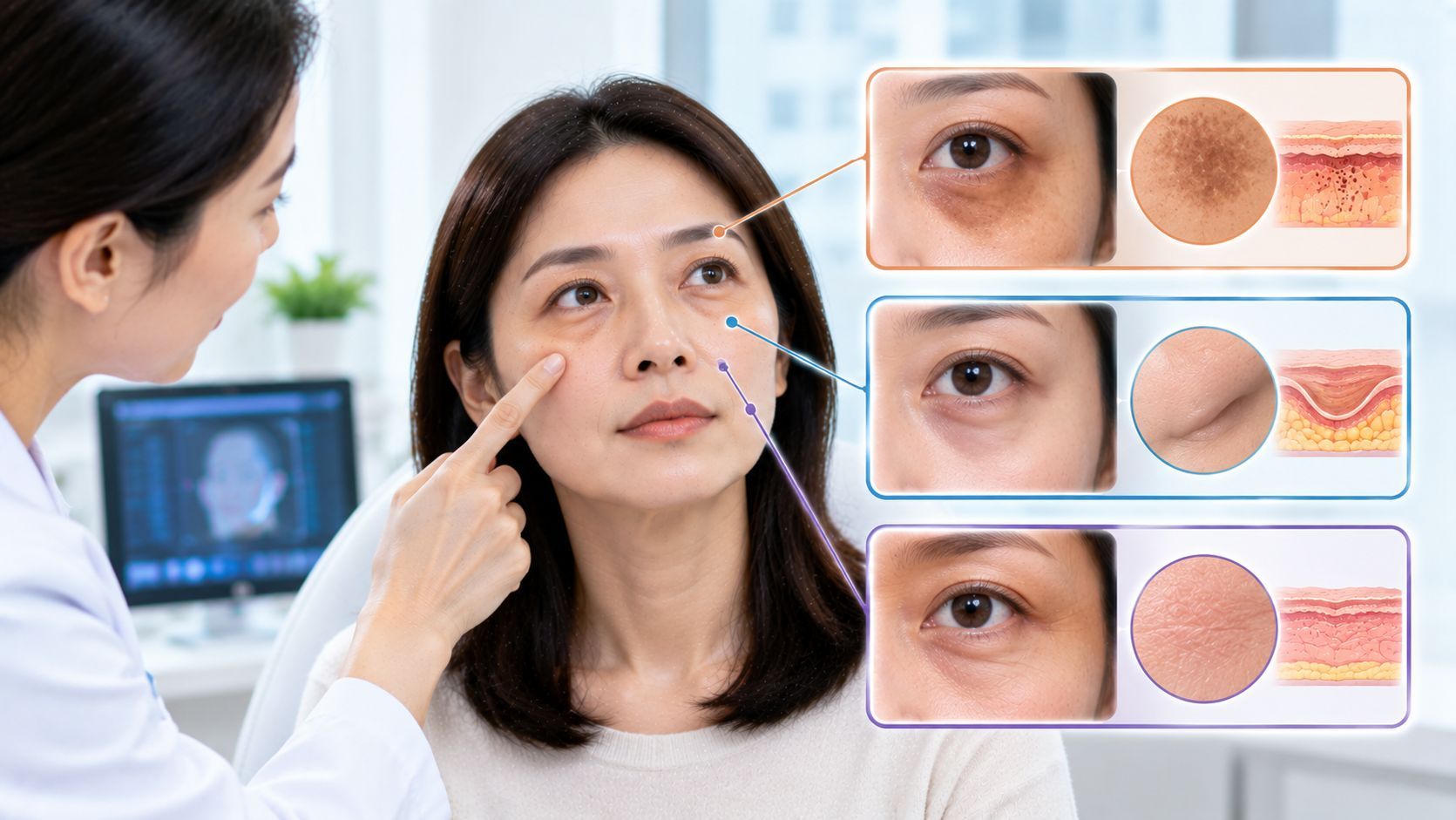
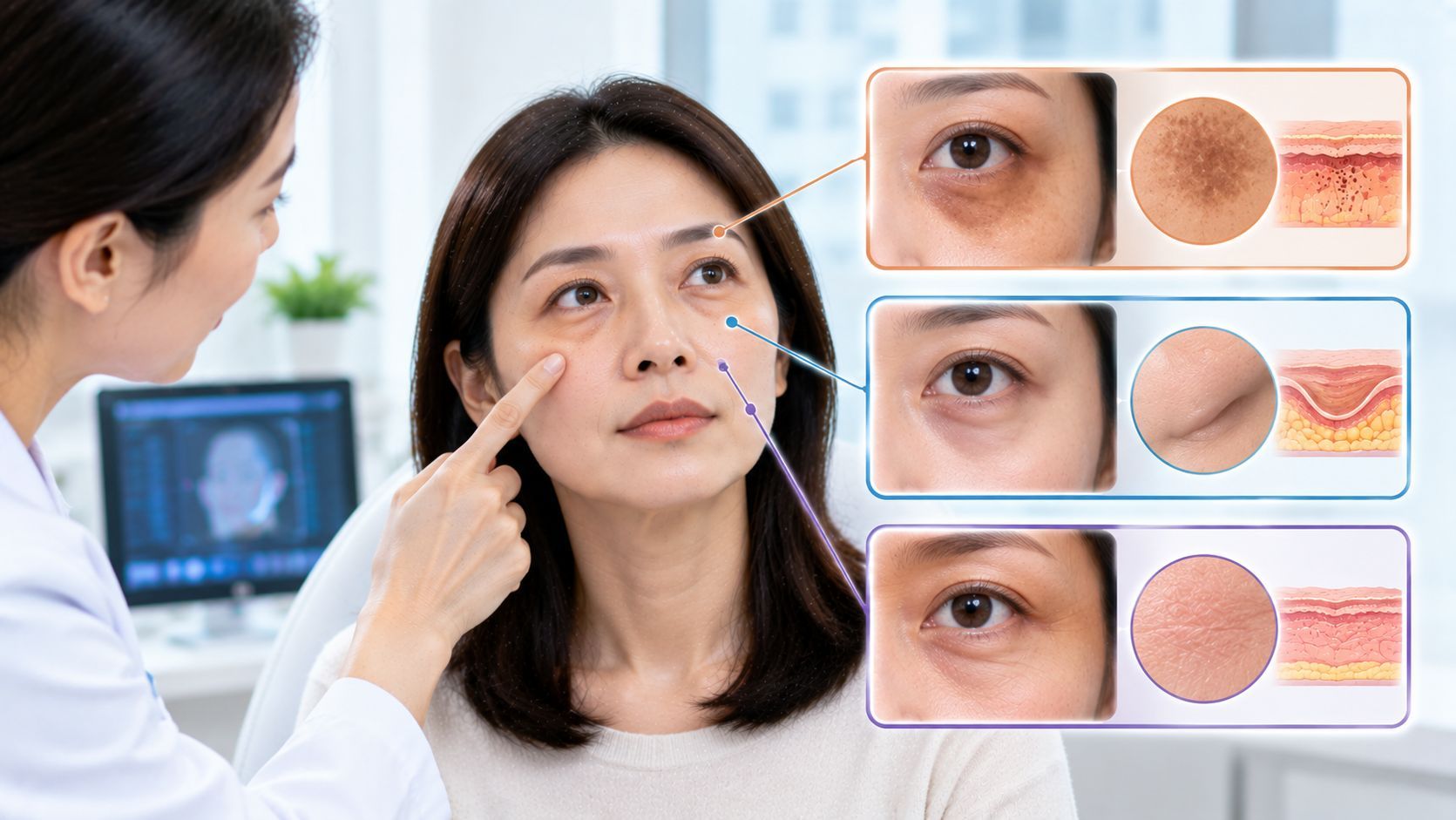
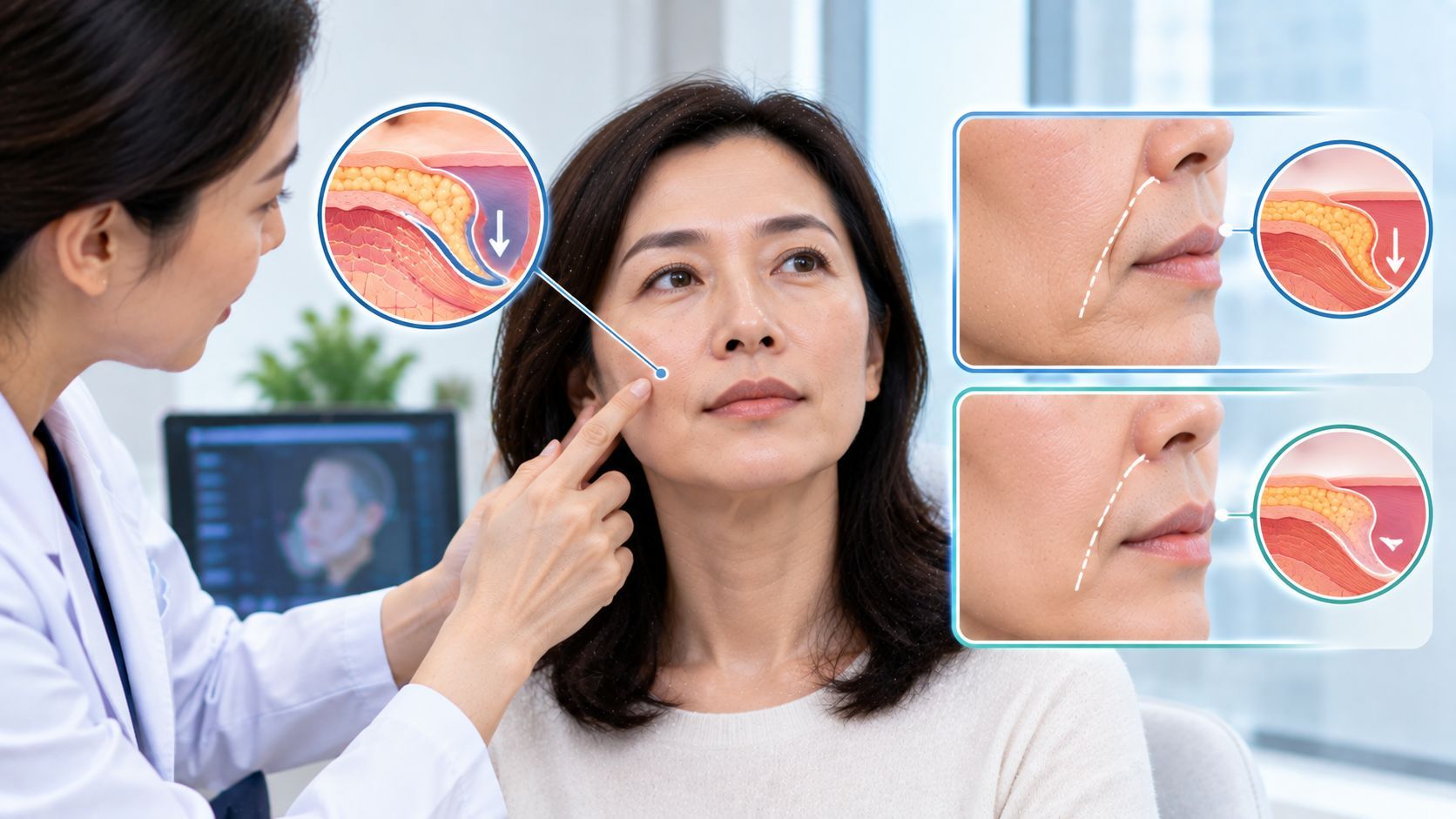
Skin boosters have become one of the biggest trends in Korean dermatology because they focus on improving overall skin quality instead of dramatically changing facial shape. In Seoul, especially in Gangnam, skin boosters are now considered part of regular skin maintenance for many patients. As Korean beauty trends continue shifting toward natural-looking skin, hydration, collagen stimulation, and preventive anti-aging, skin boosters have become one of the most requested treatments across nearly every age group.
Skin Quality Became More Important Than Facial Volume
One of the biggest changes in Korean beauty culture is the move away from overly dramatic cosmetic procedures.
Instead of focusing heavily on:
- Large fillers
- Sharp contouring
- Excessive volume
many patients now prioritize:
- Smooth texture
- Hydration
- Elasticity
- Healthy glow
- Natural-looking skin
Skin boosters fit perfectly into this newer aesthetic philosophy.
What Skin Boosters Actually Do
Unlike traditional fillers, skin boosters are designed to improve the skin itself rather than reshape facial structure.
Common goals include:
- Deep hydration
- Collagen stimulation
- Texture refinement
- Fine line improvement
- Pore reduction
- Skin barrier support
Many Korean dermatologists describe skin boosters as “skin quality treatments” rather than volume-enhancing injections.
Glass Skin Trends Helped Drive Demand
The popularity of “glass skin” beauty trends played a major role in making skin boosters mainstream.
Patients increasingly want skin that looks:
- Smooth
- Bright
- Hydrated
- Reflective
- Healthy under natural light
Because skin boosters improve hydration and texture gradually, they became strongly associated with achieving the polished Korean glass skin look.
Preventive Anti-Aging Became Extremely Popular
Many Korean patients now begin anti-aging care much earlier than previous generations.
People in their late 20s and 30s commonly use skin boosters for:
- Collagen maintenance
- Early elasticity support
- Preventive wrinkle management
- Long-term skin health
Instead of waiting for severe aging, many patients focus on maintaining skin quality consistently over time.
Rejuran Changed the Market
Rejuran became one of the biggest reasons skin boosters exploded in popularity throughout Korea.
Its popularity grew because it focused on:
- Regeneration
- Collagen repair
- Acne scar support
- Texture improvement
- Natural-looking rejuvenation
After Rejuran became successful, many other skin booster products quickly entered the Korean dermatology market.
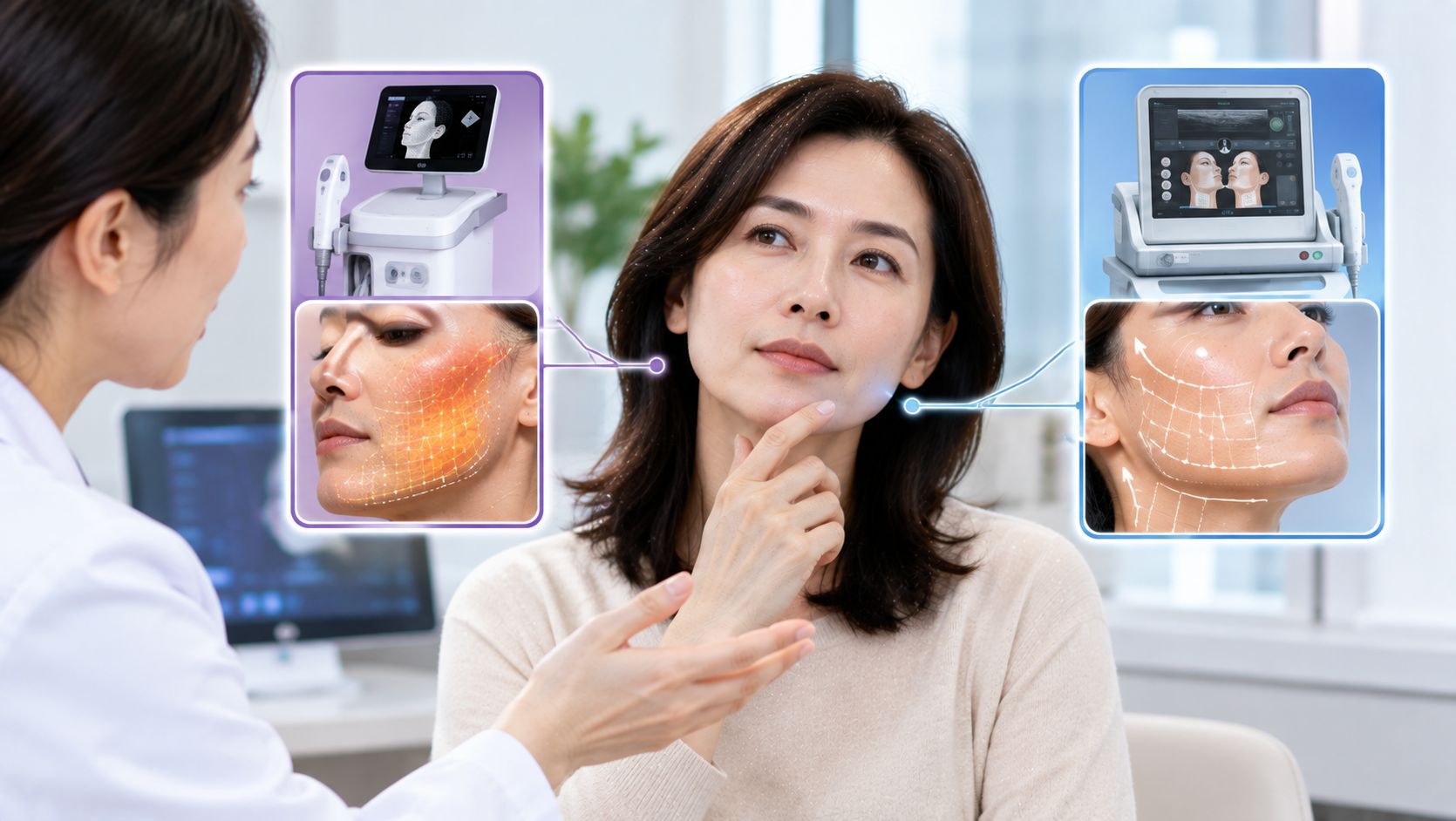
Combination Treatments Became the Standard
Korean clinics rarely perform skin boosters completely alone.
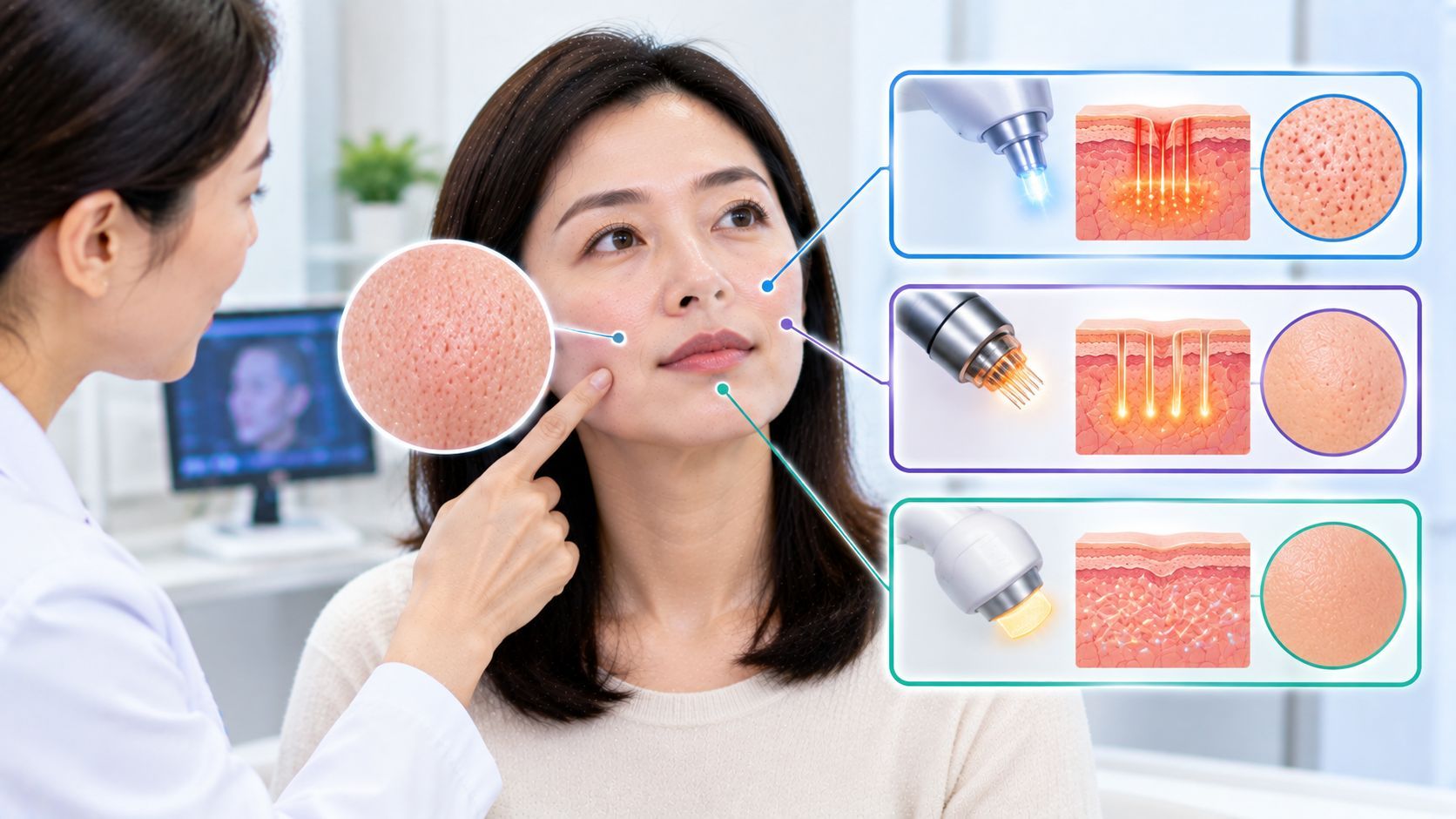
They are commonly combined with:
- Laser toning
- RF microneedling
- Ultherapy
- Thermage FLX
- LED recovery care
- Hydration facials
This layered treatment style became extremely popular because it targets multiple skin concerns simultaneously.
Minimal Downtime Makes Them Easy to Maintain
Another major reason skin boosters became mainstream is that most treatments involve relatively manageable recovery periods.
Common side effects include:
- Temporary redness
- Mild swelling
- Injection bumps
- Light bruising
Compared to surgery or aggressive resurfacing procedures, recovery is usually much easier for working professionals and younger patients.
Social Media and Celebrities Increased Demand
Korean celebrities, influencers, and beauty creators heavily promoted skin-quality-focused aesthetics over the past few years.
Many patients began associating skin boosters with:
- Dewy makeup-free skin
- Natural celebrity beauty
- Healthy texture
- Luxury skincare maintenance
As before-and-after content spread online, demand increased rapidly among both local patients and foreign visitors.
Luxury Clinics and Budget Clinics Both Offer Them
Skin boosters became so common that nearly every type of Korean dermatology clinic now offers them.
Budget Clinics Usually Focus On:
- Affordable event pricing
- Fast treatment sessions
- Maintenance packages
Premium Clinics Usually Focus On:
- Customized injection techniques
- Full-face rejuvenation planning
- Regenerative anti-aging programs
- Personalized consultations
This wide accessibility helped turn skin boosters into a routine treatment category rather than a luxury niche procedure.
Foreign Patients Are Now Traveling to Korea for Them
Many medical tourists specifically visit Seoul for Korean-style skin booster treatments because Korea offers:
- Advanced injection techniques
- Large treatment variety
- Competitive pricing
- Combination anti-aging expertise
- Strong regenerative dermatology trends
Treatments like Rejuran, Juvelook, and exosome boosters became especially popular among international patients seeking natural-looking skin improvement.
Final Thoughts
Skin boosters became one of Korea’s most popular dermatology treatments because they match the country’s growing preference for natural-looking skin quality, preventive anti-aging, and long-term collagen maintenance. Rather than dramatically changing facial structure, these treatments focus on hydration, texture, elasticity, and healthy skin regeneration. As Korean beauty trends continue prioritizing subtle refinement and glass skin aesthetics, skin boosters are likely to remain one of the dominant treatments in Seoul’s dermatology industry.