Why Experienced Dermatologists Use Lower Laser Settings
Why Experienced Dermatologists Use Lower Laser Settings
One of the biggest misconceptions in aesthetic dermatology is that stronger laser settings automatically produce better results. In reality, many experienced Korean dermatologists intentionally use lower, more controlled energy settings, especially for pigmentation, redness, anti-aging, and sensitive skin treatments. In Seoul clinics, particularly those focused on long-term skin quality, conservative laser calibration is often viewed as a sign of expertise rather than weakness.
More Energy Does Not Always Mean Better Results
Lasers work by creating controlled stimulation in the skin, but excessive energy can create unnecessary inflammation.
Overly aggressive settings may lead to:
- Post-inflammatory hyperpigmentation (PIH)
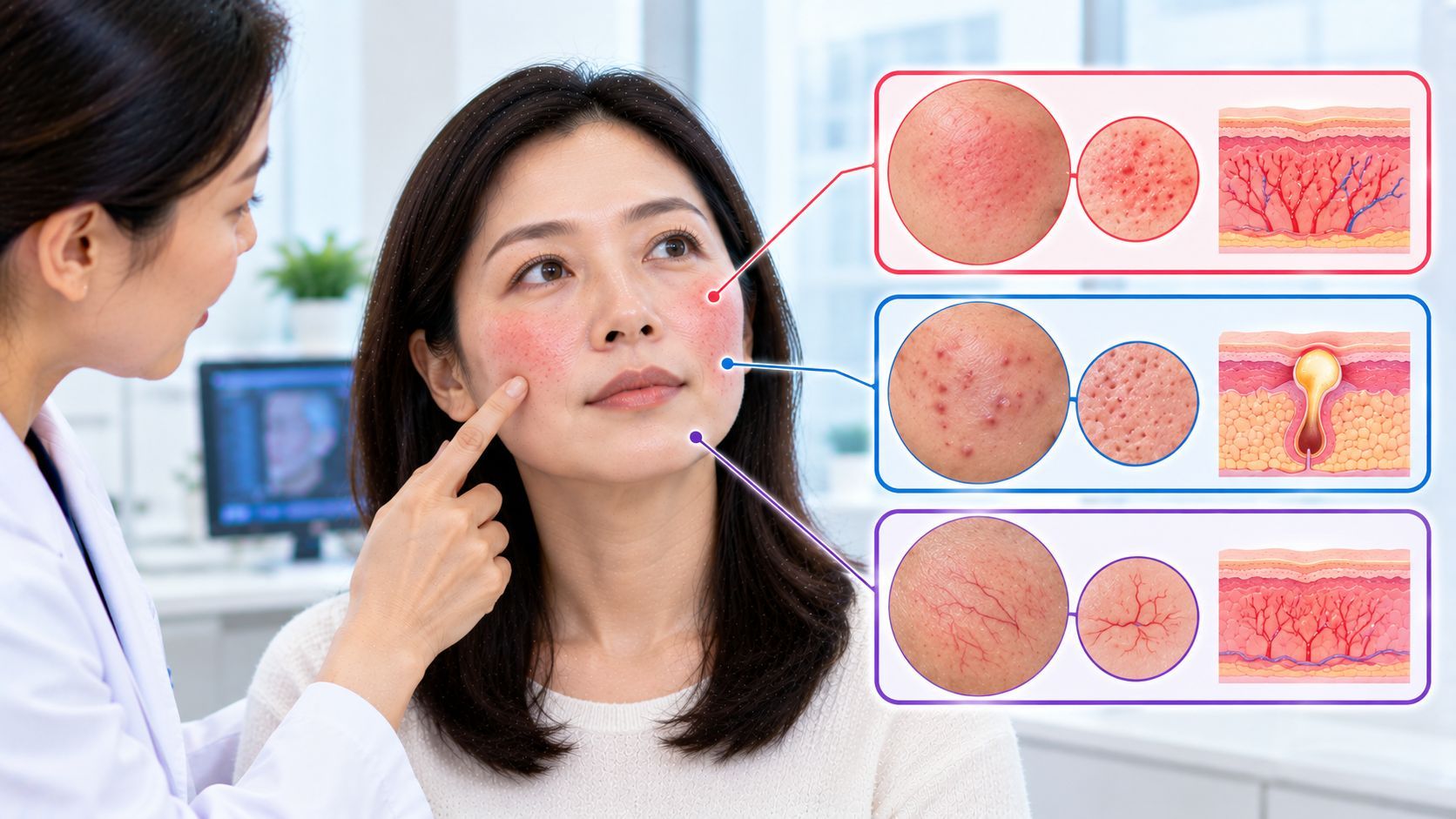
- Persistent redness
- Barrier damage
- Delayed healing
- Uneven texture changes
Experienced dermatologists understand that the goal is controlled biological response, not maximum tissue damage.
Asian Skin Types Are More Pigmentation-Prone
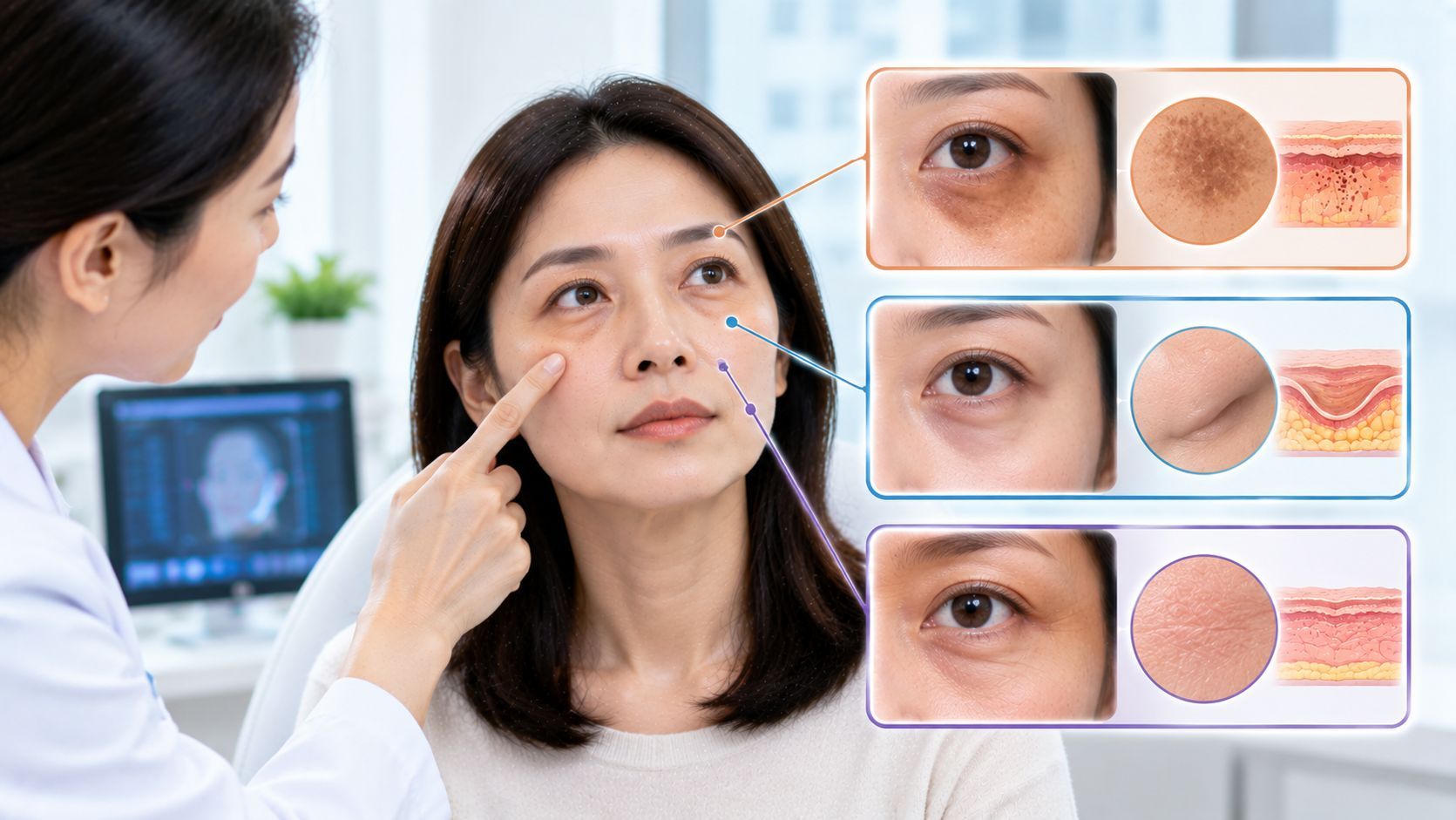
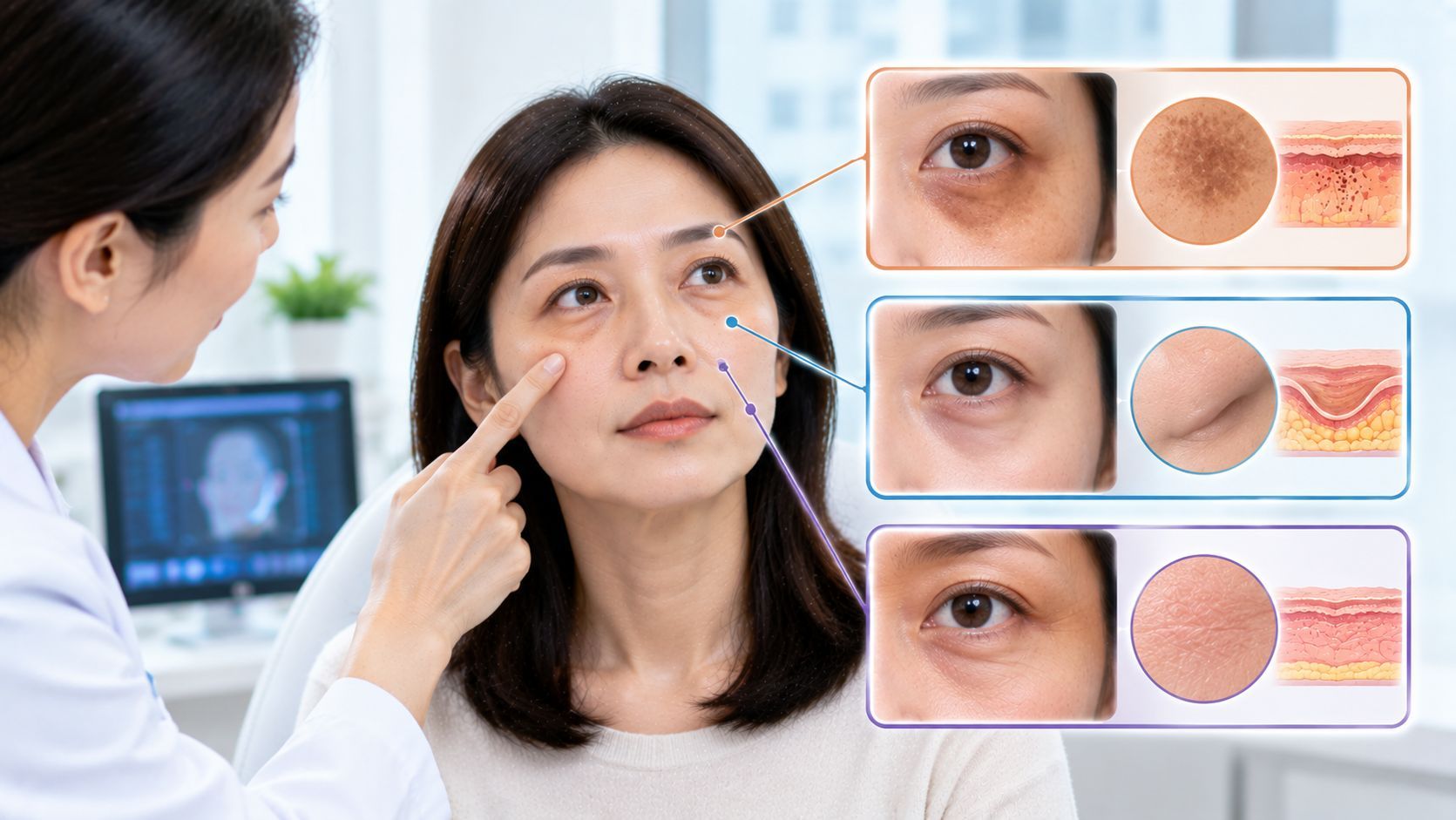
One major reason Korean dermatologists prefer lower settings is the higher risk of pigmentation complications in many Asian skin types.
Aggressive laser treatment can trigger:
- Rebound melasma
- Dark spots after inflammation
- Uneven pigment recovery
- Long-term sensitivity
Lower energy reduces inflammatory stress while still allowing gradual improvement.
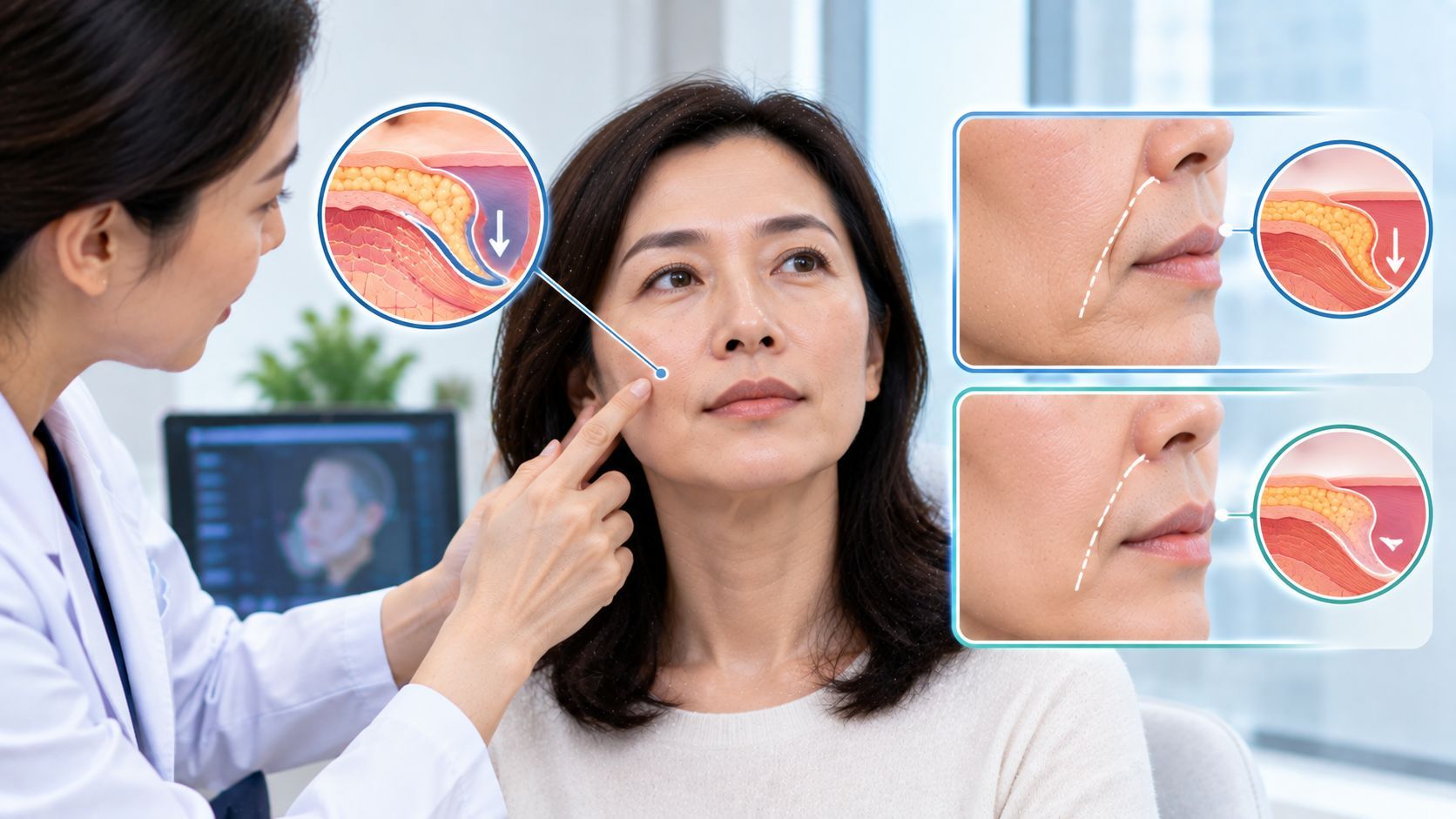
Gradual Collagen Remodeling Is More Stable
Collagen stimulation does not require extreme injury.
Lower-energy protocols can still:
- Activate collagen production
- Improve texture gradually
- Tighten pores over time
- Support long-term anti-aging
Experienced doctors often prioritize steady remodeling over dramatic short-term changes.
Barrier Preservation Is Critical
Korean dermatology places strong emphasis on maintaining skin barrier health.
High laser settings can weaken the barrier by causing:
- Excessive dryness
- Increased reactivity
- Chronic irritation
- Slower recovery between sessions
Lower settings allow skin to heal more predictably and maintain long-term resilience.
Experienced Doctors Think Long-Term, Not Session-by-Session
Less experienced clinics may focus on visible immediate results, while experienced dermatologists often focus on cumulative improvement.
Lower settings support:
- Safer repeated sessions
- More consistent skin stability
- Reduced complication risk
- Better long-term maintenance outcomes
The goal is not to “shock” the skin once, but to improve it progressively over time.
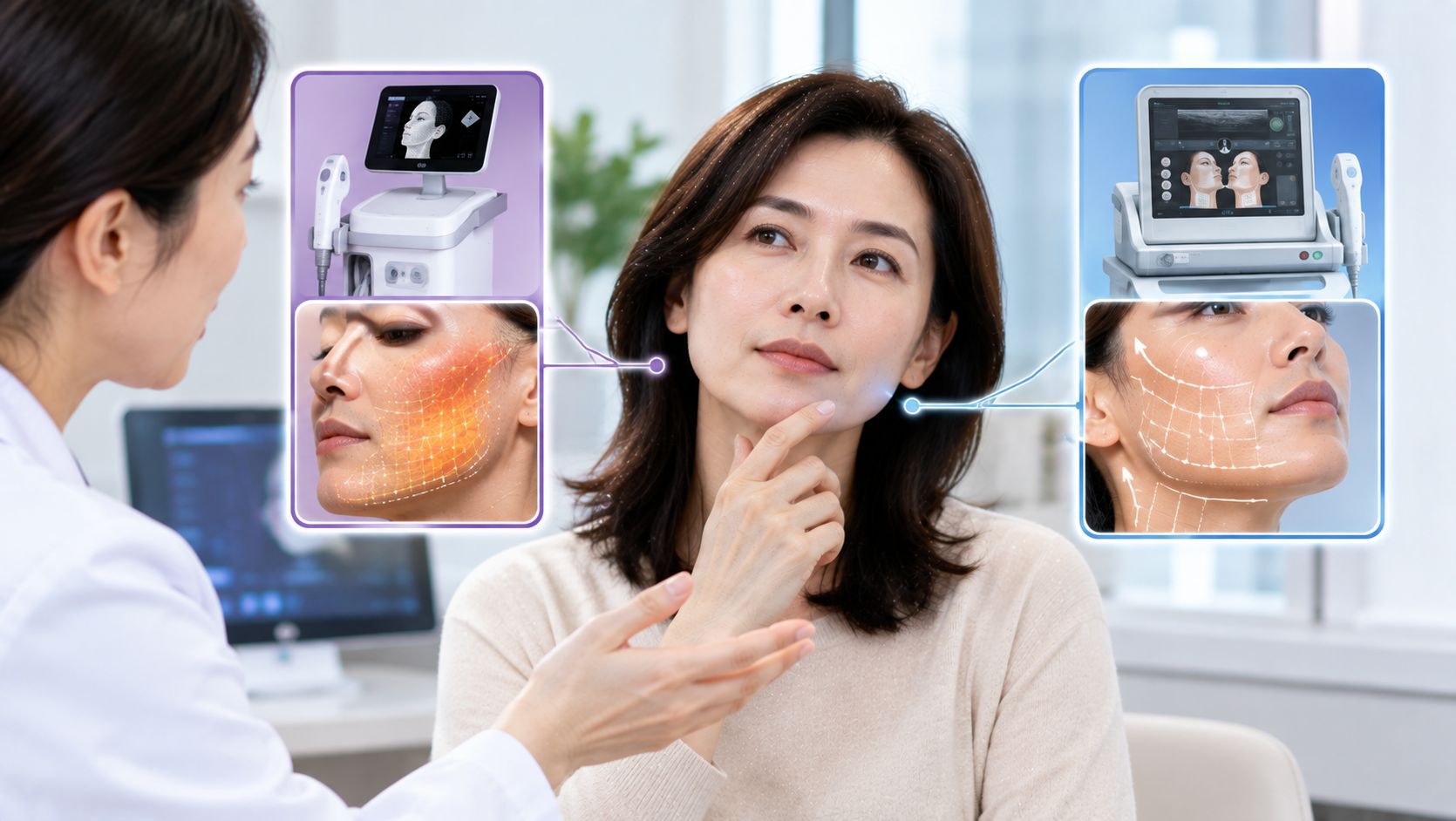
Combination Therapy Reduces the Need for Aggressive Settings
In Korea, treatments are often layered strategically.
For example:
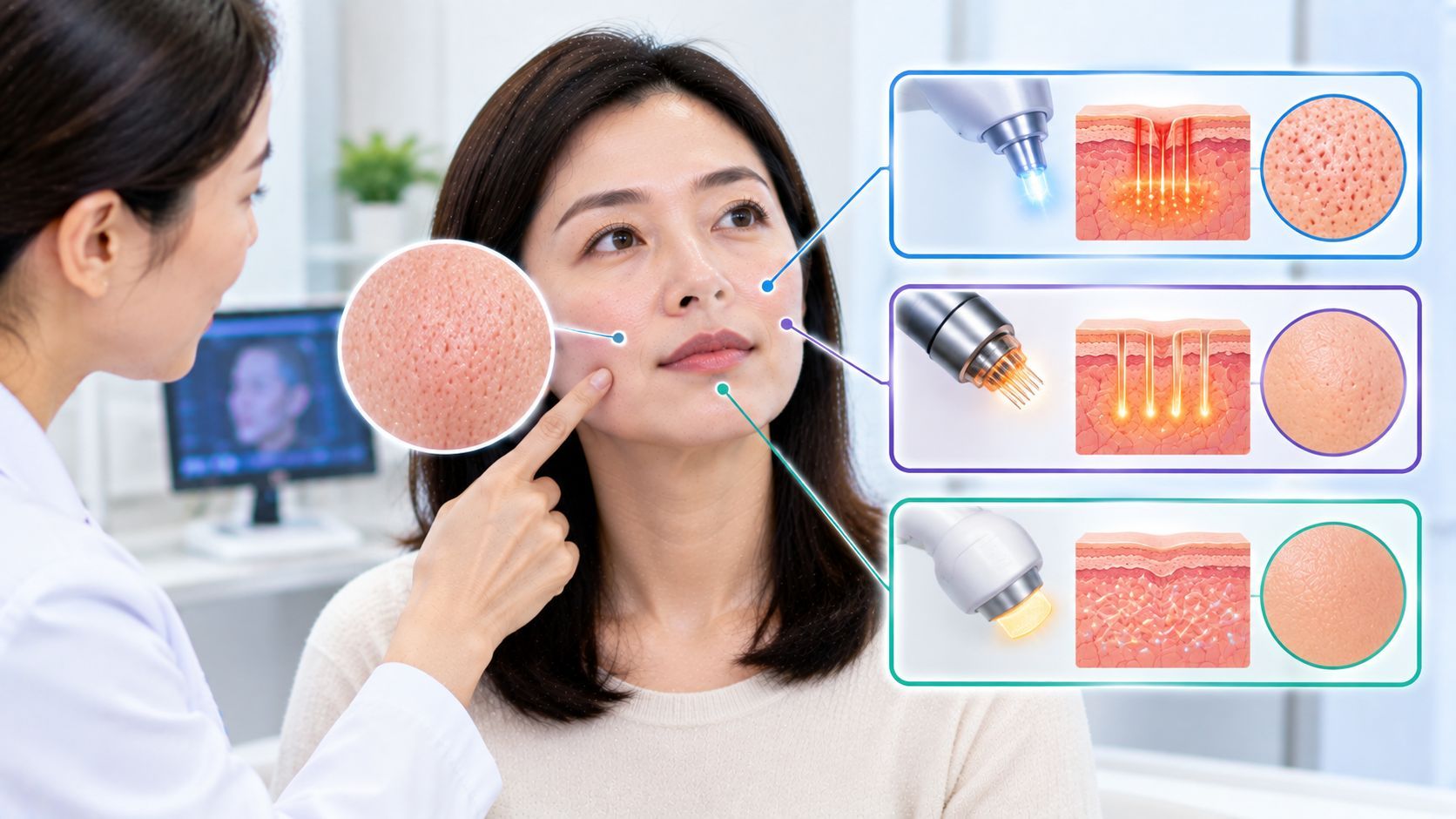
- Low-energy Pico laser for pigmentation
- RF microneedling for collagen support
- Skin boosters for healing
- LED therapy for inflammation control
Because multiple modalities are combined, each treatment can be performed more conservatively.
Inflammation Is the Main Enemy in Dermatology
Many experienced Korean dermatologists believe uncontrolled inflammation causes more long-term problems than slow progress.
Excessive inflammation can lead to:
- Pigmentation recurrence
- Barrier instability
- Increased redness
- Faster skin aging over time
Lower settings help minimize unnecessary inflammatory response.
Patients Often Misinterpret Gentle Treatments as “Weak”
Some patients expect strong redness, peeling, or pain to mean a treatment is effective.
However, in Korean dermatology:
- Minimal downtime is often intentional
- Controlled response is preferred
- Lower visible trauma can still produce strong long-term results
Experienced doctors understand that effective treatment does not always need dramatic recovery signs.
Conservative Settings Allow Better Treatment Adjustment
Lower energy also gives dermatologists more flexibility.
They can:
- Increase gradually if needed
- Monitor skin response safely
- Adjust based on pigmentation or redness changes
- Prevent irreversible complications
Aggressive treatment leaves much less room for safe correction.
Final Thoughts
Experienced dermatologists use lower laser settings because they understand that successful treatment depends on controlled stimulation, inflammation management, and long-term skin stability rather than maximum intensity. Conservative protocols reduce the risk of pigmentation, barrier damage, and prolonged sensitivity while still allowing gradual collagen remodeling and skin improvement. In Korean dermatology, lower settings are often a reflection of clinical experience and precision—not weaker treatment.