Why Korean Skin Clinics Photograph Your Face Before Treatment
Why Korean Skin Clinics Photograph Your Face Before Treatment
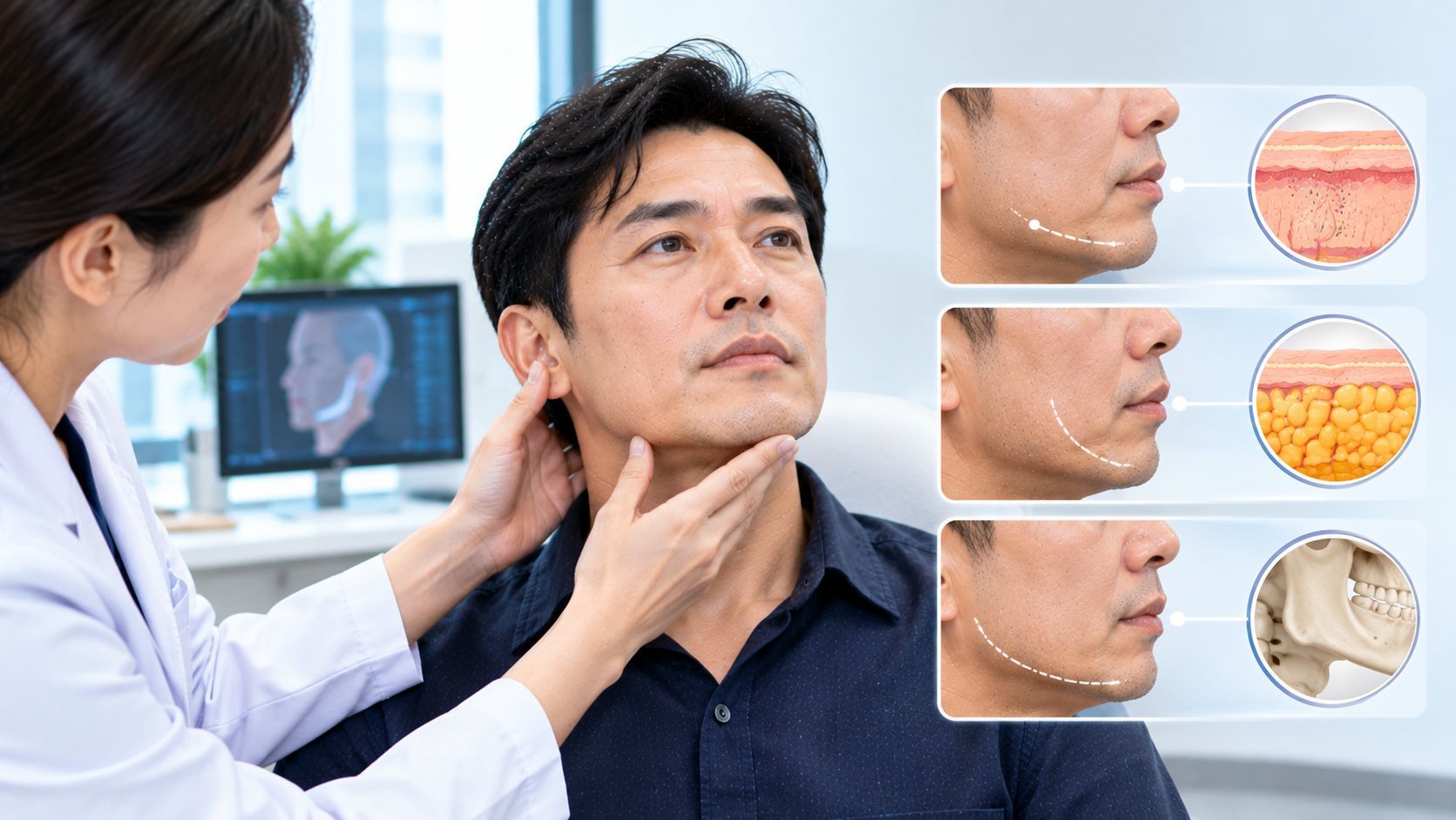
Many first-time visitors to Korean dermatology clinics are surprised when staff immediately begin taking photos of their face before consultation or treatment. In Korea, facial photography is considered a normal and important part of aesthetic medicine, especially in dermatology and cosmetic procedures. Clinics use these images not only for medical documentation, but also for treatment planning, progress tracking, and personalized skin analysis.
In most Korean clinics, pre-treatment photography is treated as a standard part of the consultation process rather than something unusual or optional.
Skin Analysis Technology Relies on Photography
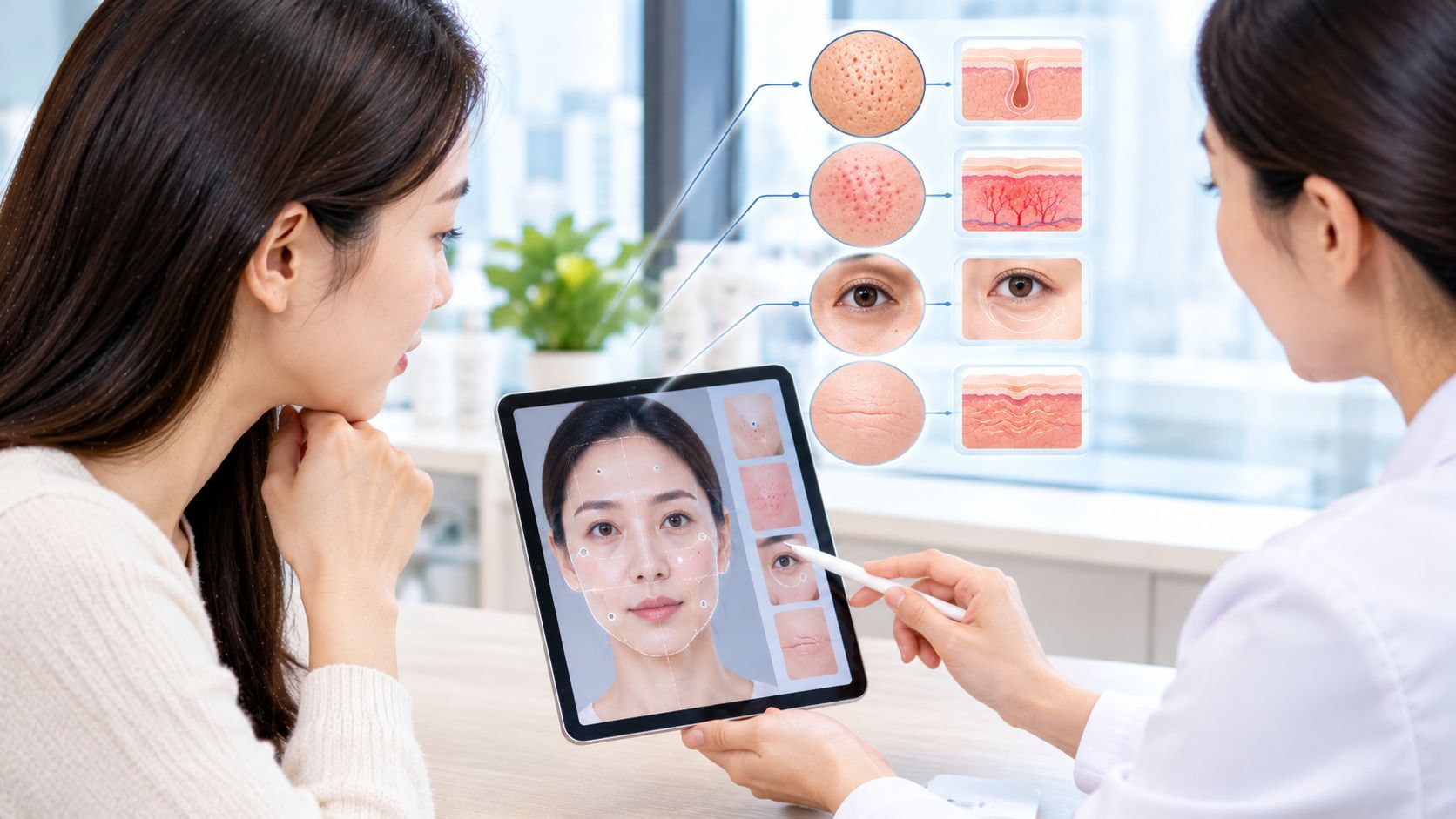
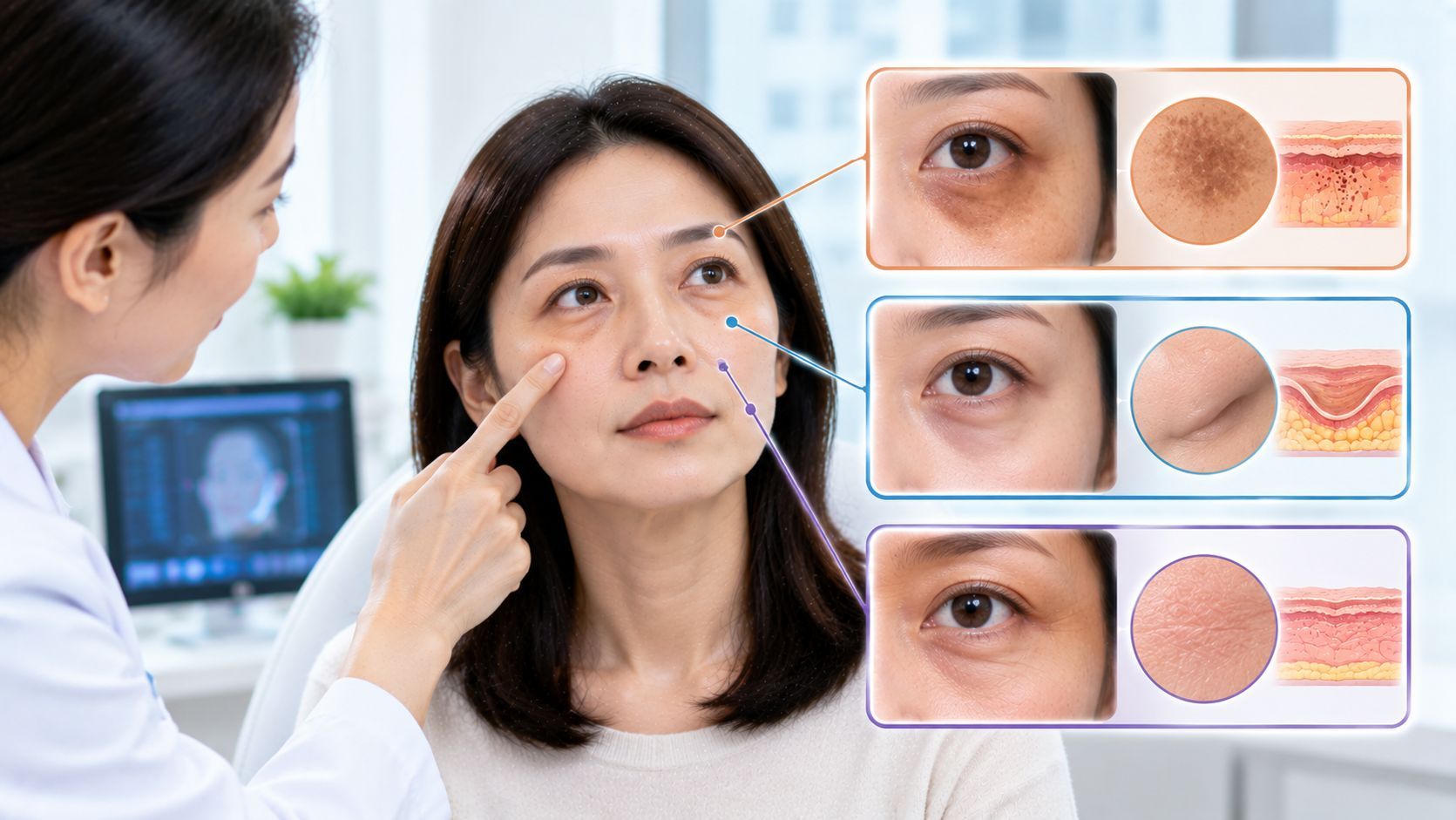
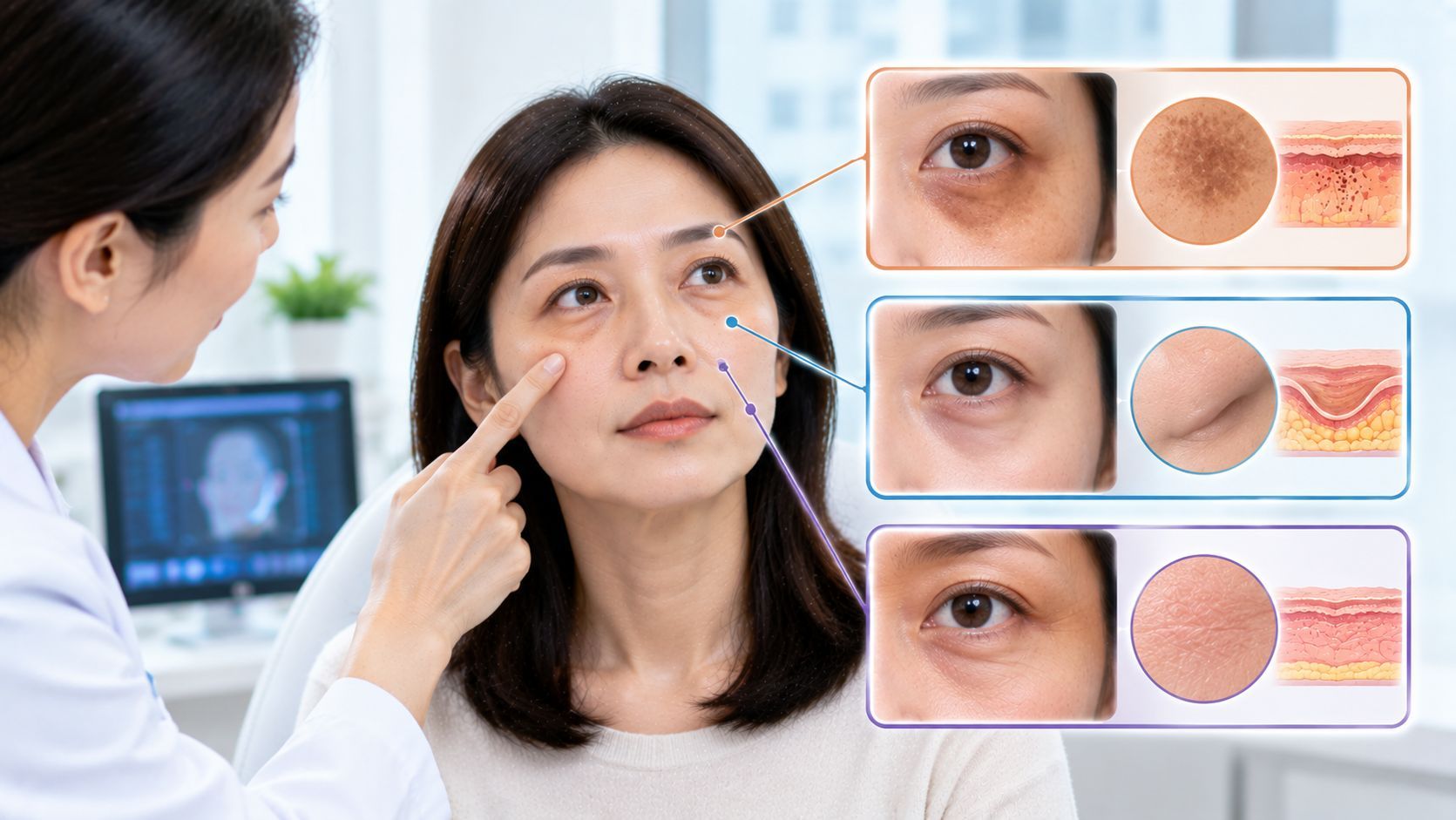
One of the main reasons clinics photograph patients is because many Korean dermatology systems use advanced skin imaging technology.
These systems help evaluate:
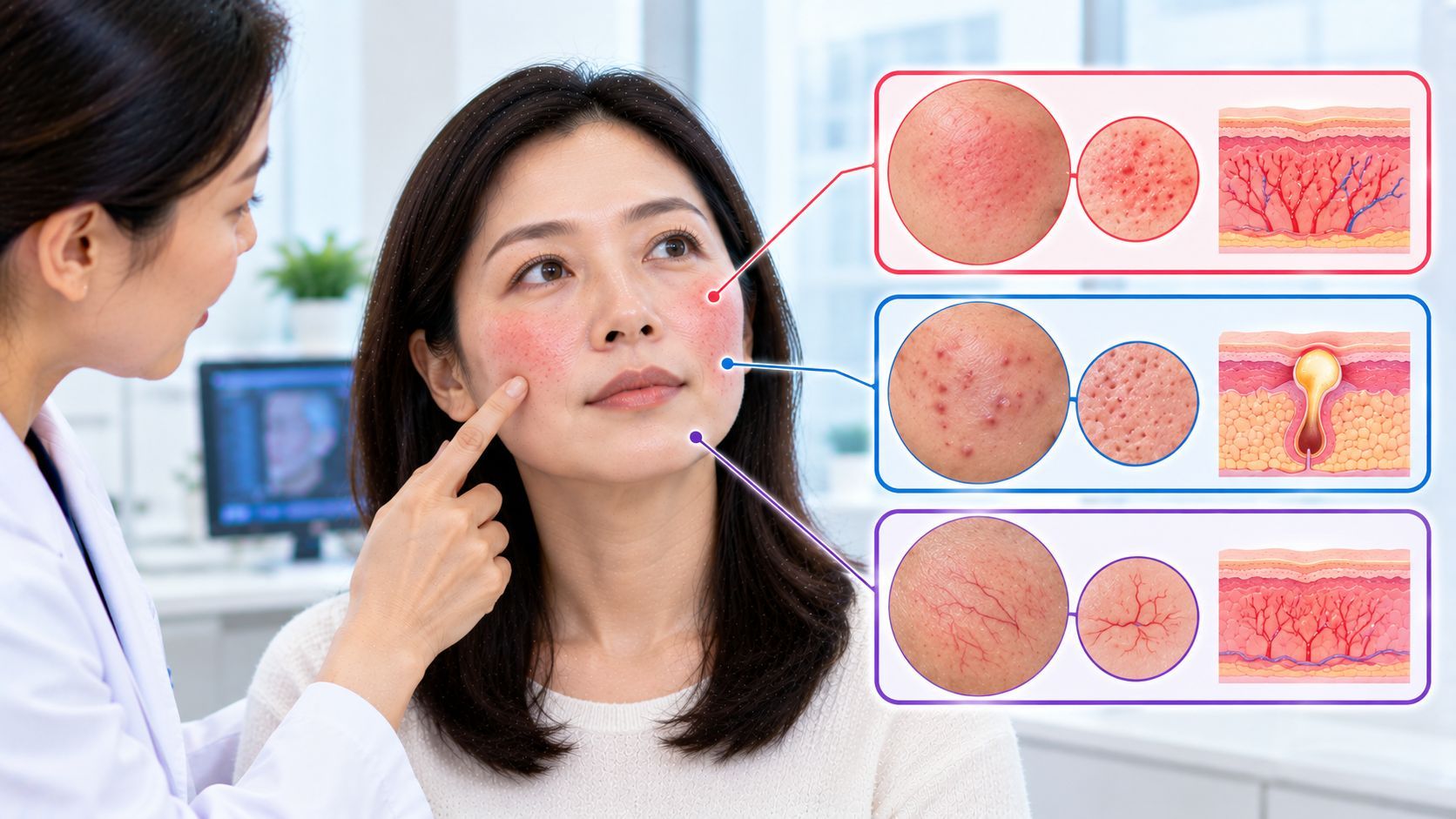
- Pigmentation beneath the surface
- Redness and inflammation
- Pore size and oil balance
- Wrinkles and elasticity
- Acne bacteria and congestion
- UV damage and hidden discoloration
The photos allow doctors to identify concerns that may not be fully visible under normal lighting.
This technology-driven analysis is a major part of Korean skincare culture.
Photos Help Track Progress Over Time
Korean dermatologists often focus heavily on gradual improvement and long-term skin maintenance.
Because many treatments work progressively, photos help clinics compare:
- Before and after results
- Pigmentation changes
- Skin texture improvement
- Pore reduction
- Lifting effects over multiple sessions
Without standardized photos, subtle improvements can be difficult to evaluate accurately.
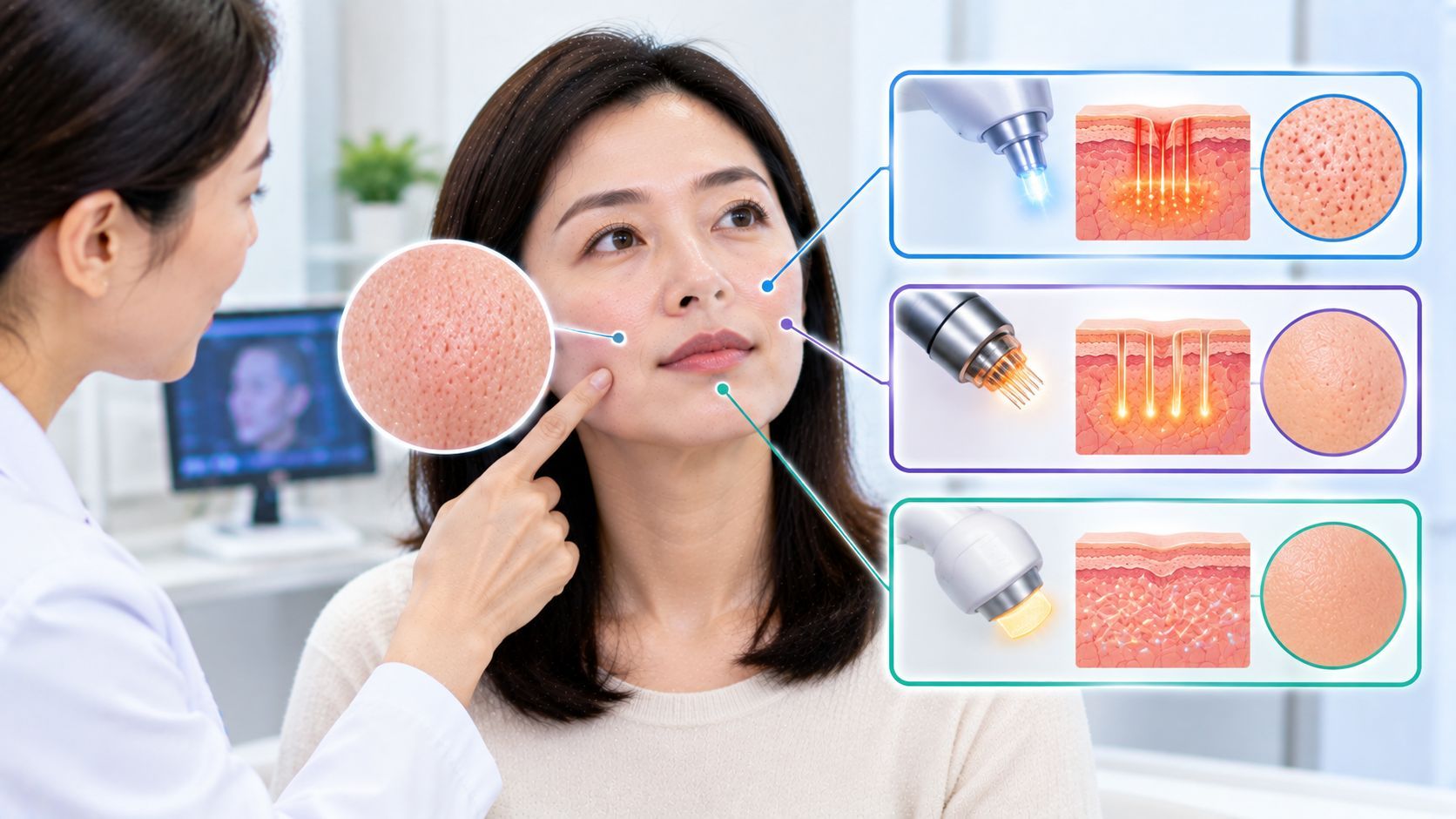
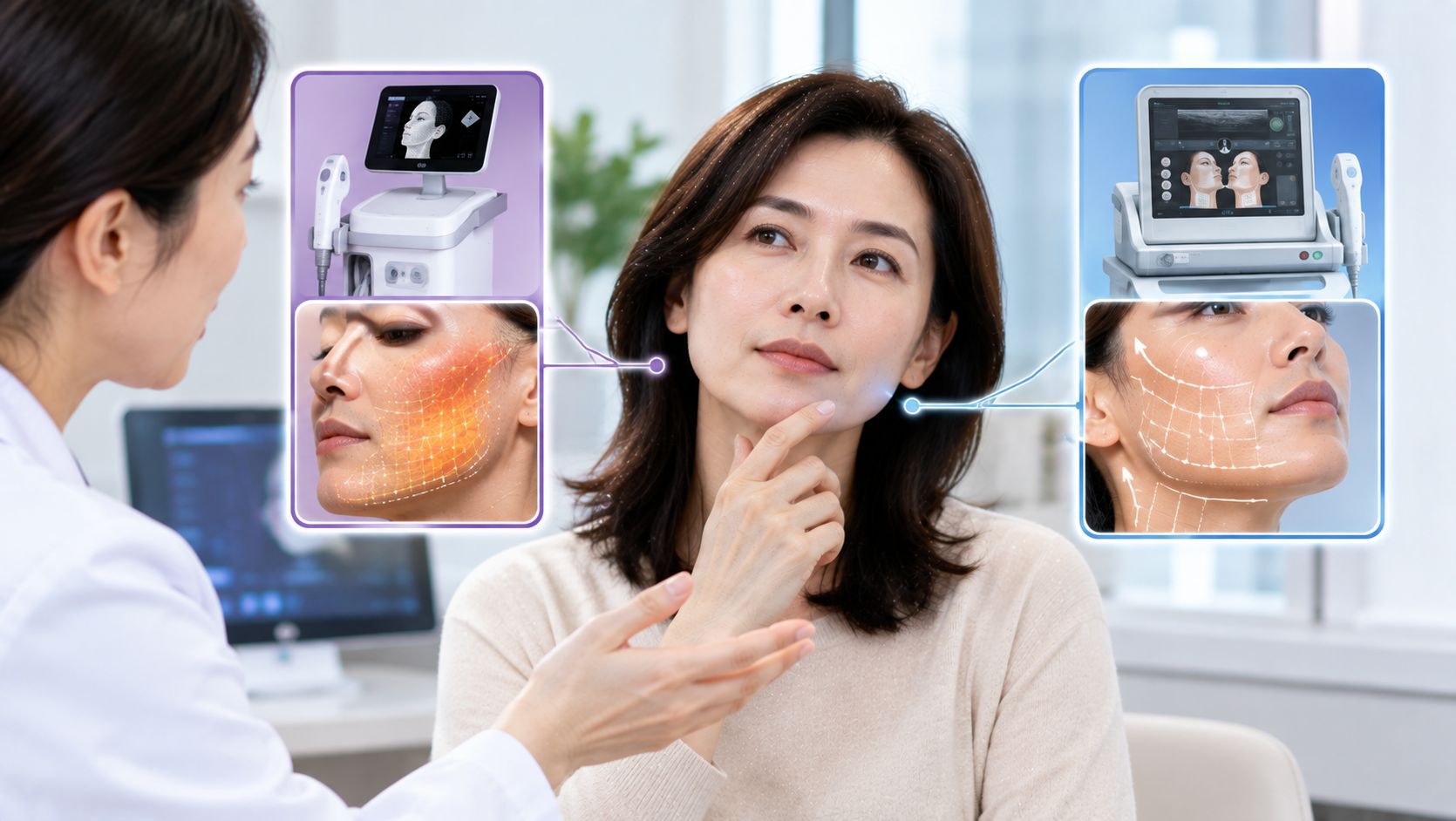
This is especially important for treatments like:
- Laser toning
- RF lifting
- Skin boosters
- Acne scar treatment
where changes happen gradually.
Clinics Use Photos to Customize Treatment Plans
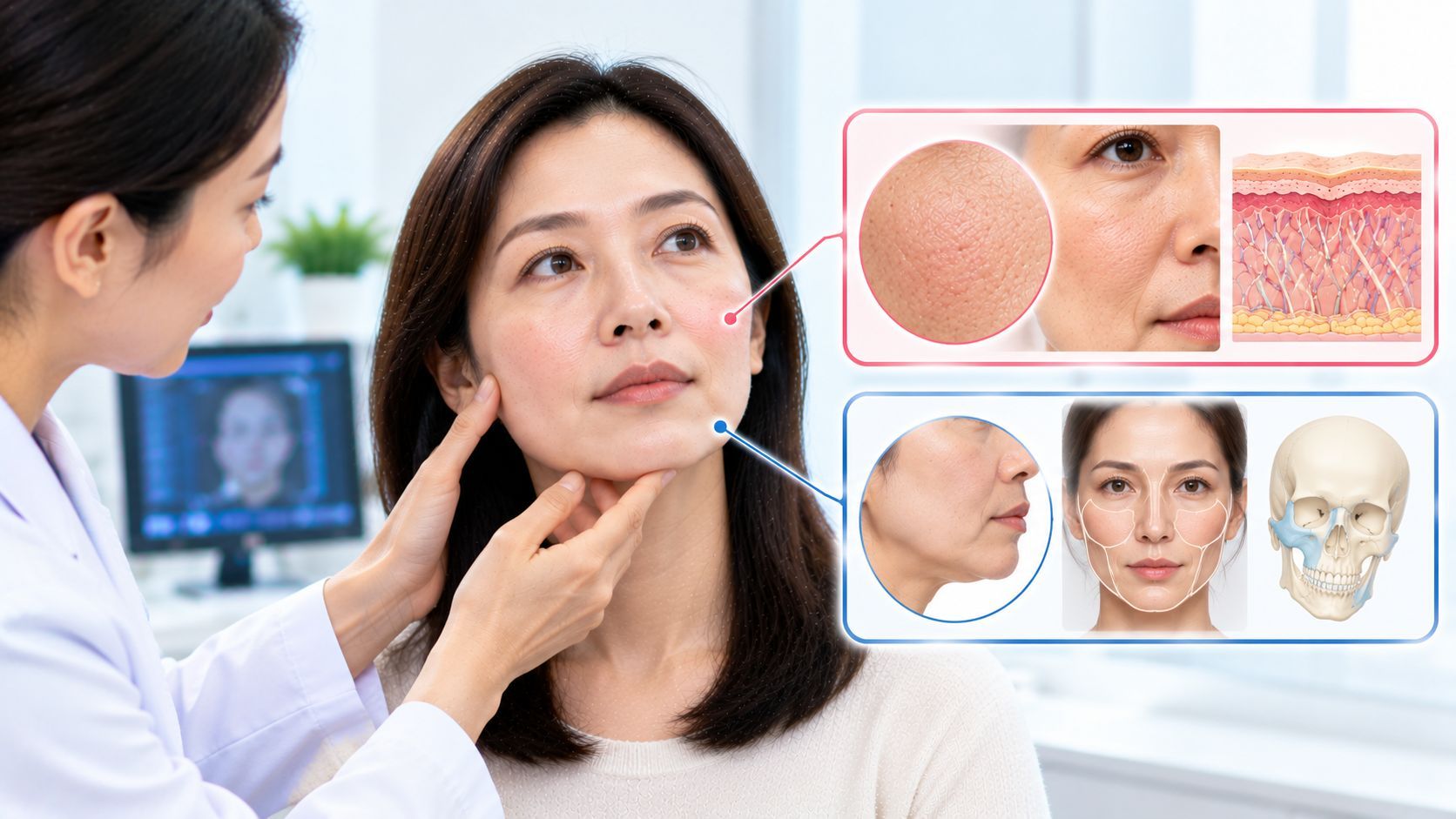
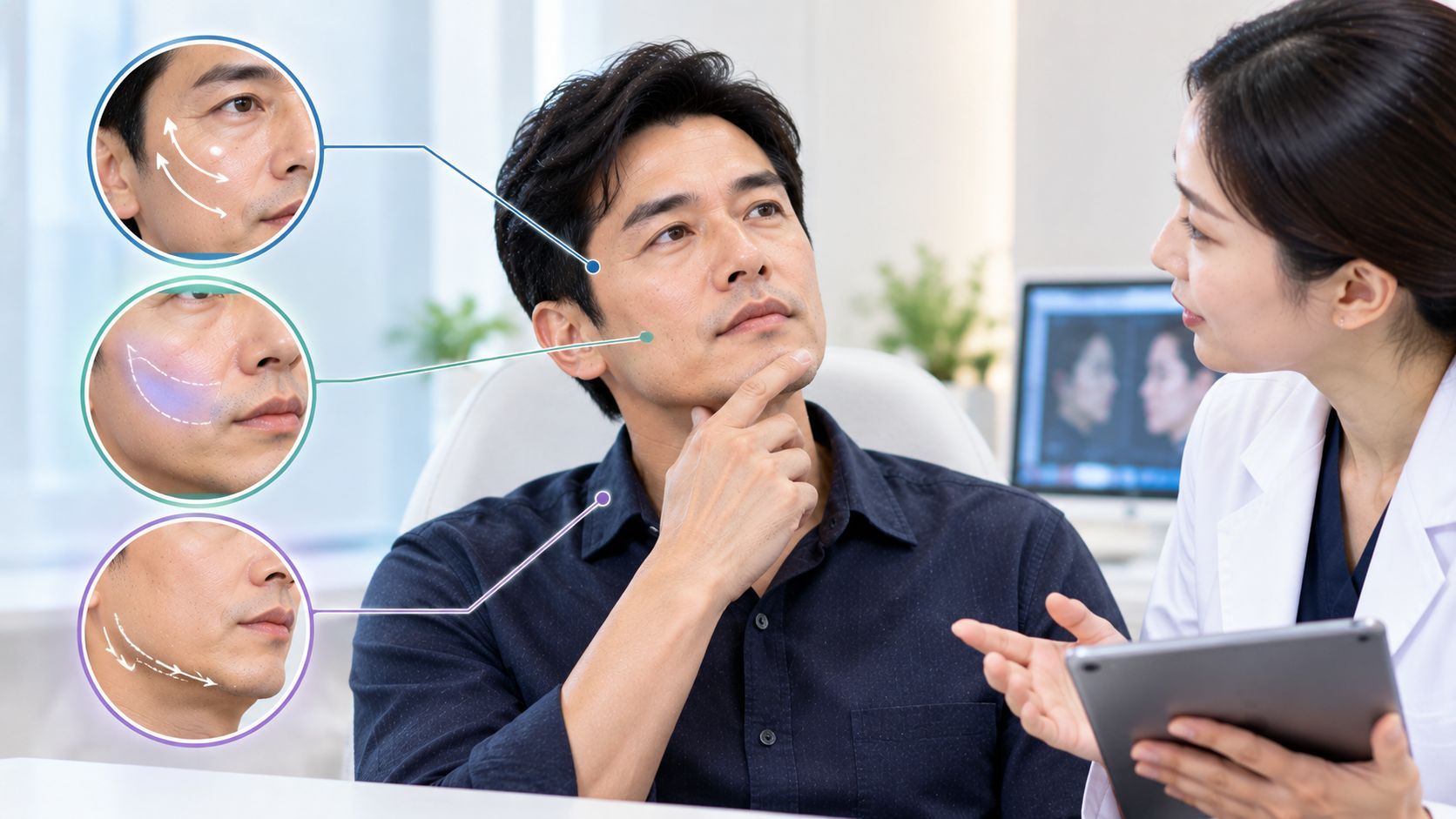
Facial photography also helps dermatologists create more personalized treatment strategies.
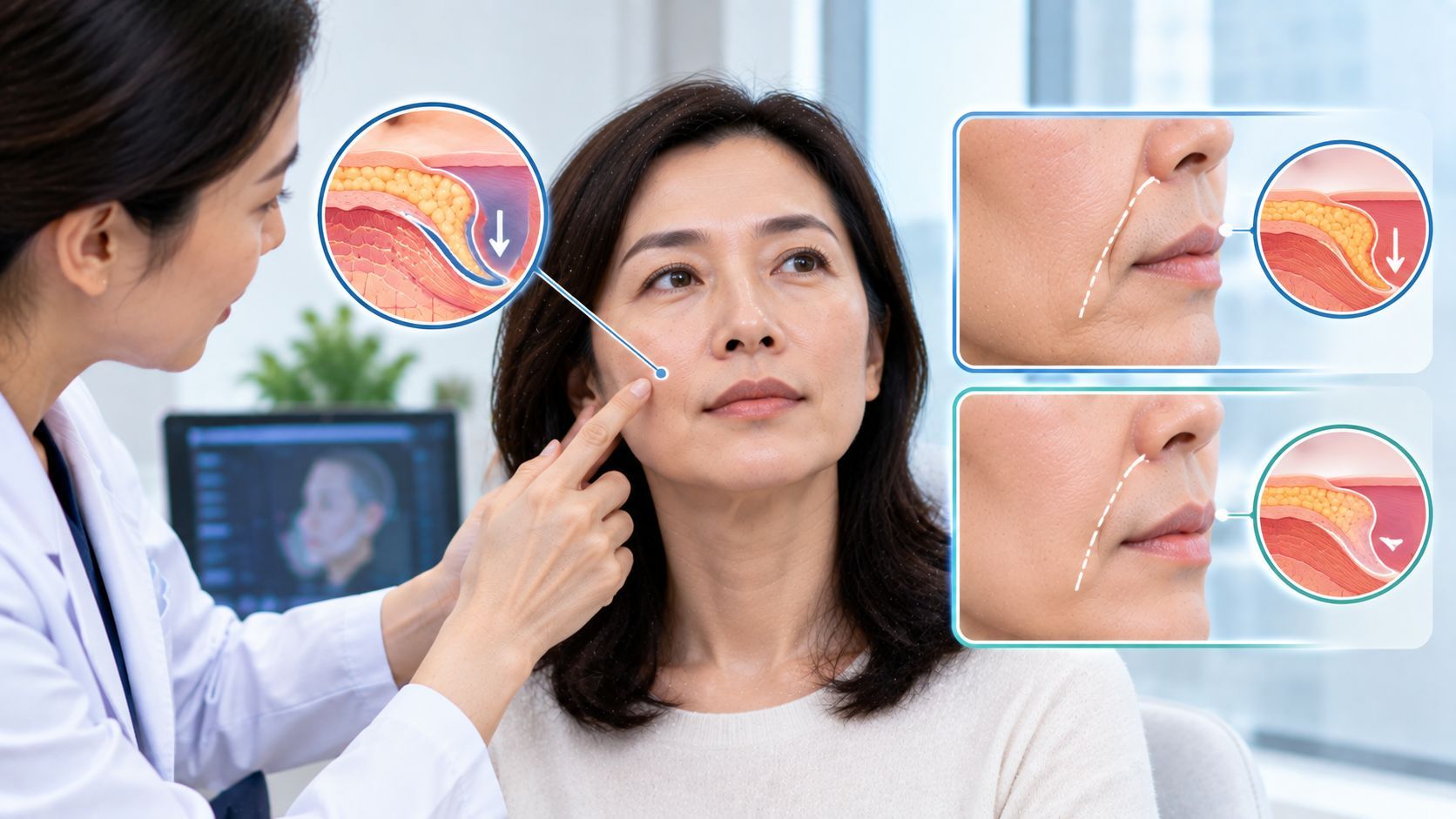
Doctors may analyze:
- Facial symmetry
- Areas of volume loss
- Skin thickness
- Redness distribution
- Jawline balance
- Uneven pigmentation patterns
This information helps determine:
- Laser settings
- Injection placement
- RF lifting intensity
- Combination treatment planning
Korean clinics are known for layered treatment approaches, and photography supports this customization process.
Consistent Lighting Creates More Accurate Comparisons
Most clinics photograph patients under:
- Standardized lighting
- Neutral backgrounds
- Fixed facial angles
This consistency allows clinics to compare results more accurately between appointments.
Even small lighting changes can affect how:
- Pigmentation
- Pores
- Skin texture
- Swelling
appear in photos.
Because Korean dermatology emphasizes visual precision, clinics take standardized imaging seriously.
Before Photos Protect Both the Patient and Clinic
Photography also serves a medical and legal purpose.
Pre-treatment photos help document:
- Existing pigmentation
- Acne scars
- Asymmetry
- Swelling or redness already present before procedures
This protects both:
- Patients from inaccurate expectations
- Clinics from misunderstandings about results or side effects
Especially for injectables and lasers, clinics often use photographs as part of official treatment records.
Korean Beauty Culture Is Extremely Visual
Korean dermatology culture places strong emphasis on:
- Visible skin quality
- Facial balance
- Small aesthetic details
- Progress tracking
Because appearance-based improvement is central to aesthetic treatment, photography became normalized much earlier in Korea than in some Western clinics.
Patients in Korea are generally accustomed to:
- Before-and-after comparisons
- Skin analysis imaging
- Progress documentation during repeat visits
This is considered part of routine skincare maintenance.
Some Clinics Use AI or Digital Skin Mapping
More advanced clinics now use:
- AI-assisted skin analysis
- 3D facial imaging
- Digital pigmentation mapping
- Predictive aging simulations
These technologies help clinics recommend:
- Preventive treatments
- Long-term anti-aging plans
- Personalized skincare programs
Luxury Gangnam clinics especially market these systems as part of premium consultation experiences.
Why Photography Became Central to Korean Dermatology
Korean aesthetic medicine developed around:
- Precision-based treatments
- Preventive maintenance
- Continuous skin monitoring
- Visual outcome optimization
Photography supports all of these goals by allowing clinics to measure subtle changes over time rather than relying only on memory or subjective impressions.
This approach is one reason Korean dermatology became strongly associated with highly detailed skin quality improvement.
Final thoughts
Korean skin clinics photograph patients before treatment because facial imaging plays a central role in skin analysis, personalized treatment planning, progress tracking, and medical documentation. While the process may feel unfamiliar to some international visitors, it reflects Korea’s highly visual and technology-driven approach to dermatology, where subtle skin improvements and long-term maintenance are carefully monitored over time.