I'm 45 and My Face Looks Tired but I Don't Want to Look “Treated.” What Should I Do?
Introduction
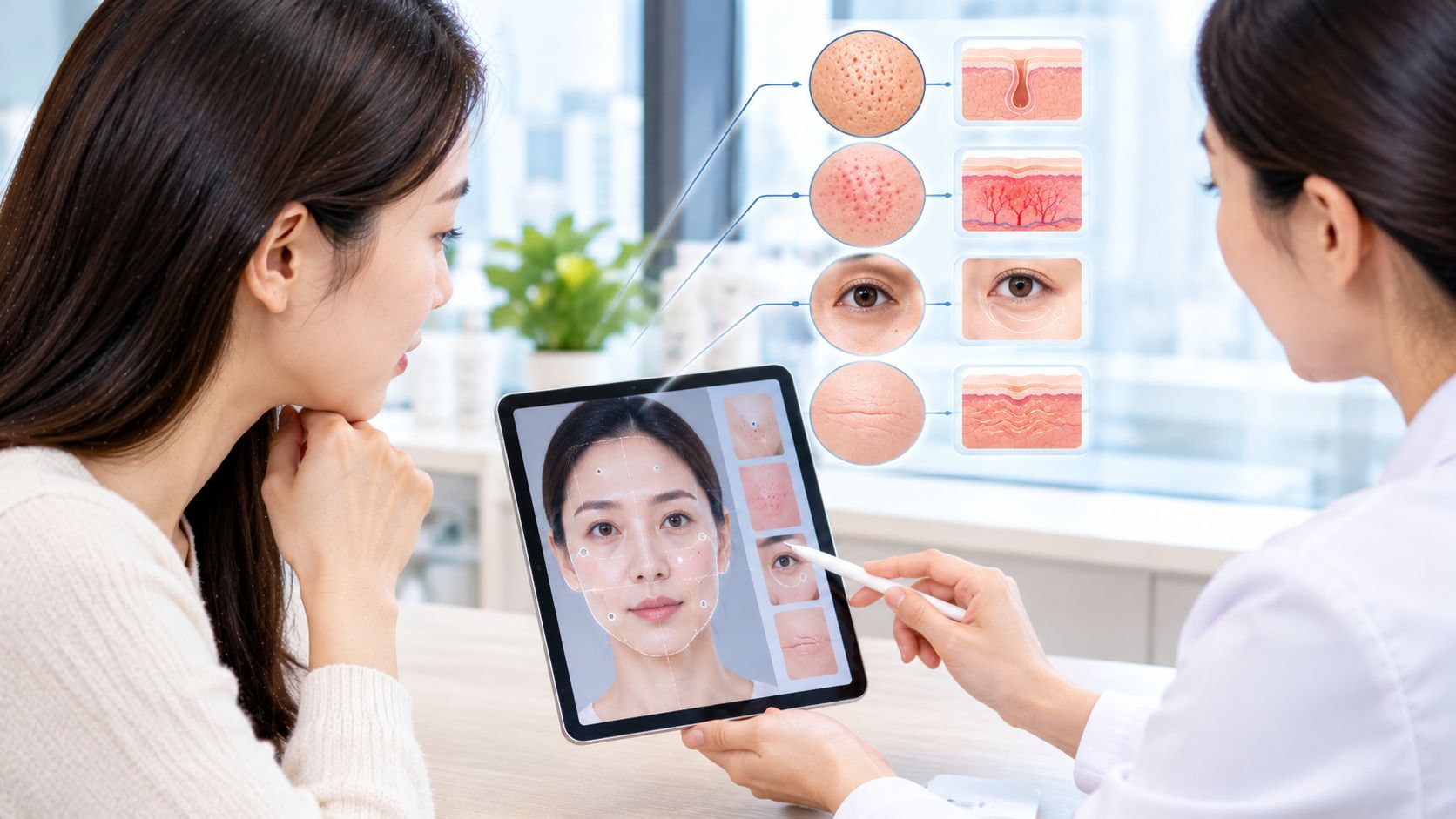
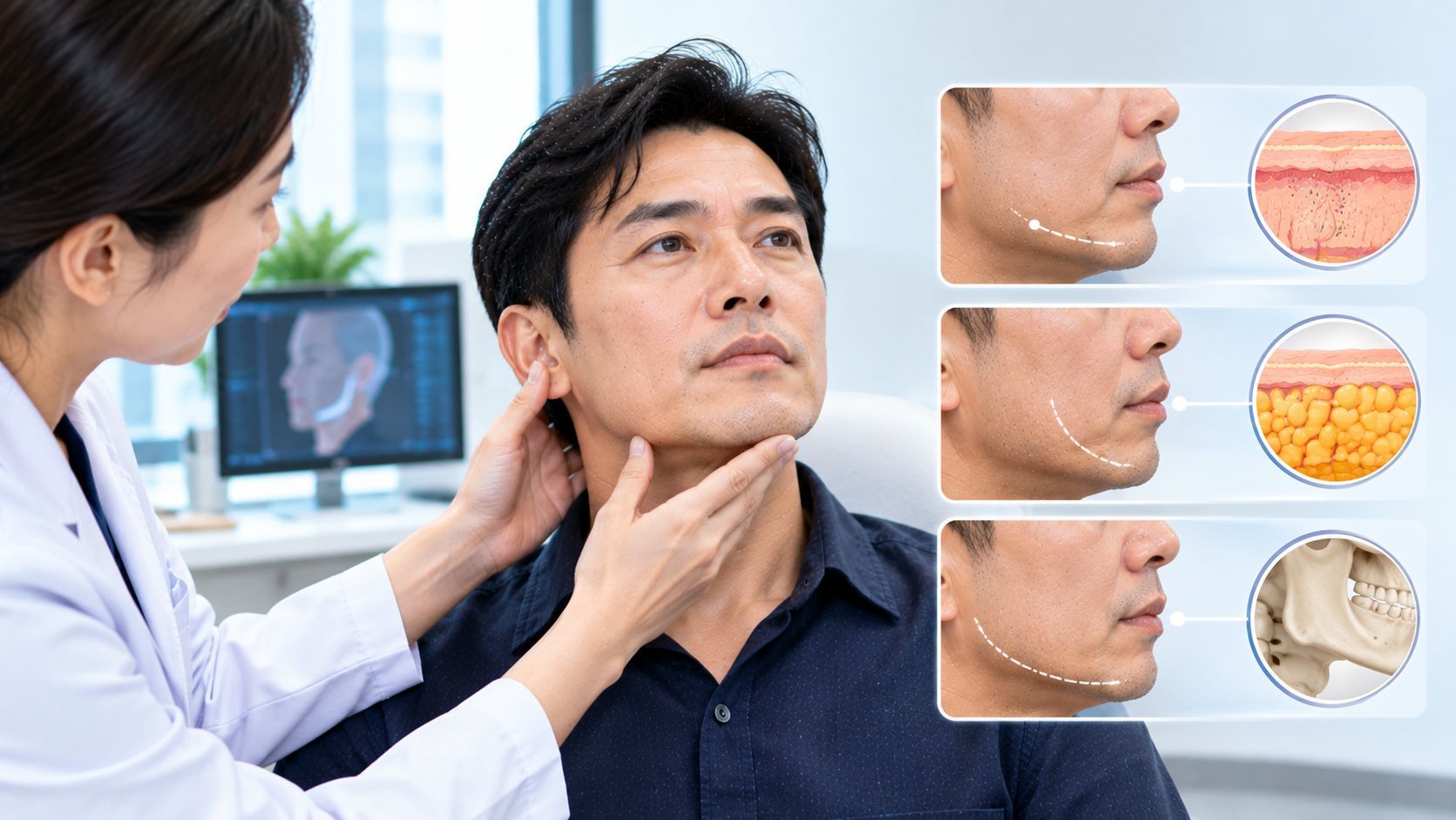
At 45, a tired-looking face is not necessarily caused by wrinkles. You may have relatively smooth skin and still look older or more fatigued because of changes in facial volume, skin firmness, pigmentation, under-eye appearance, jawline definition, or overall skin quality.
If you want to look fresher without looking obviously treated, the most important step is identifying what is creating the tired appearance rather than choosing the strongest anti-aging procedure.
In Korean dermatology, options may include skin-quality treatments, collagen-stimulating procedures, selected tightening treatments, Botox for specific dynamic wrinkles, or carefully planned volume correction. The appropriate choice depends on your facial anatomy and what has changed.
The goal should be subtle improvement that preserves your existing features, rather than dramatically changing your face.
Why Can a 45-Year-Old Face Look Tired?
"Tired" is an appearance, not a diagnosis.
Several different changes can create it.
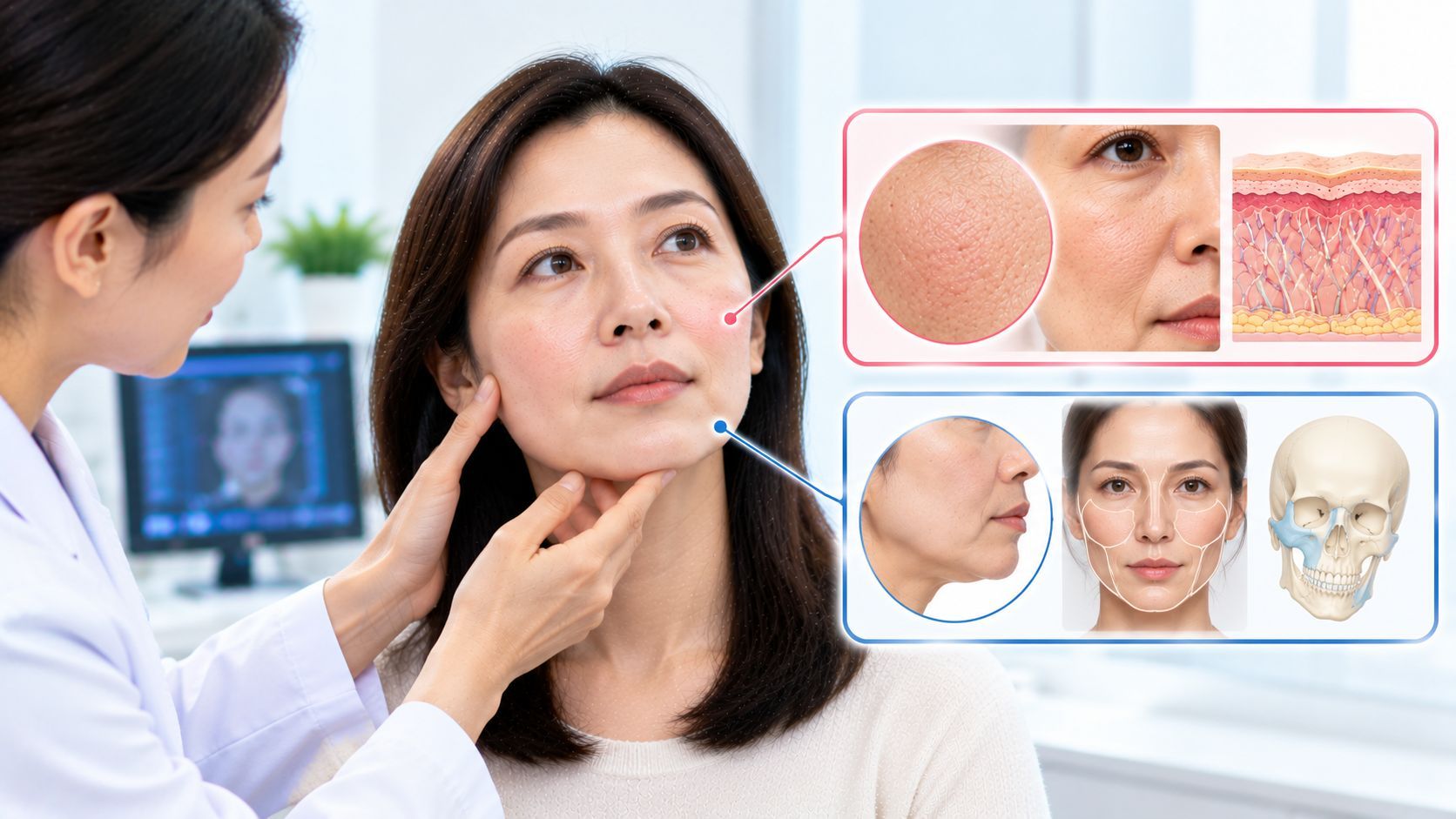
Loss of Skin Firmness
Collagen and elastin change with age. Skin may gradually become less resilient and less firm.
This can contribute to:
- Softer jawline definition
- Early jowling
- Looser cheeks
- Fine lines
- A less refreshed appearance
Facial Volume Changes
Aging does not simply mean losing volume everywhere.
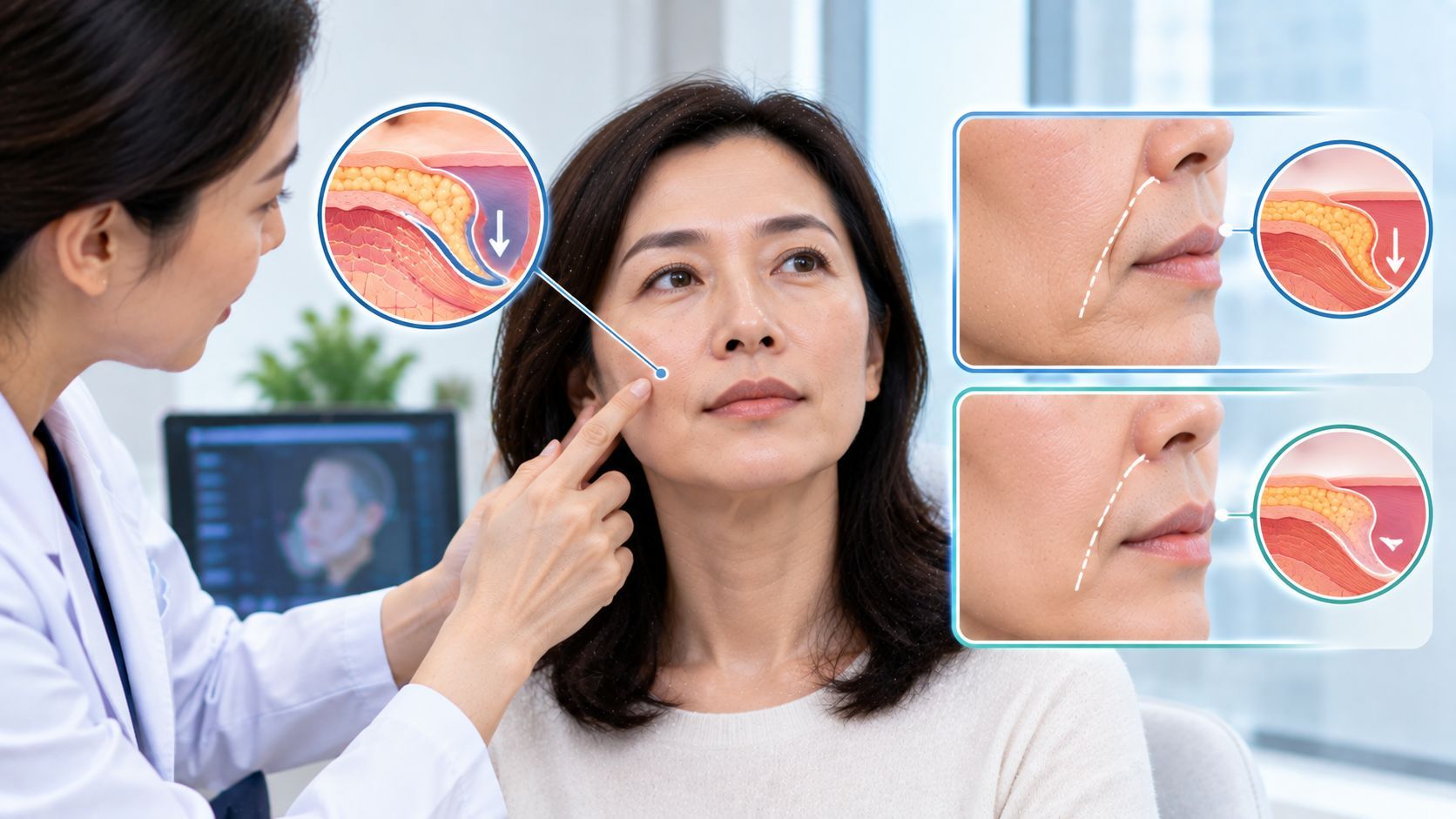
Some areas lose volume while others may become more prominent because of tissue redistribution.
Loss of support around the temples, cheeks, or under-eye area can contribute to a tired appearance.
Under-Eye Changes
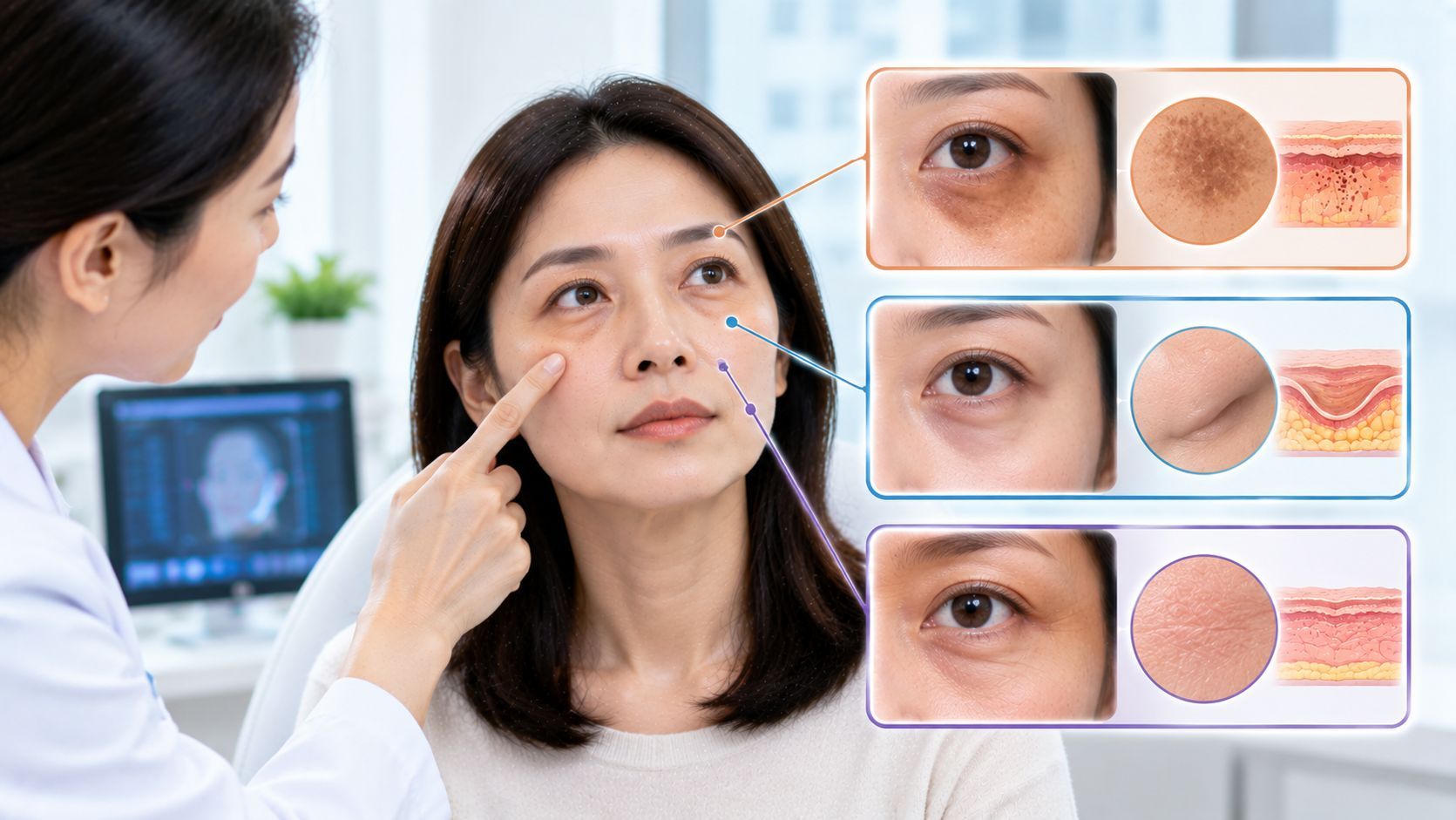
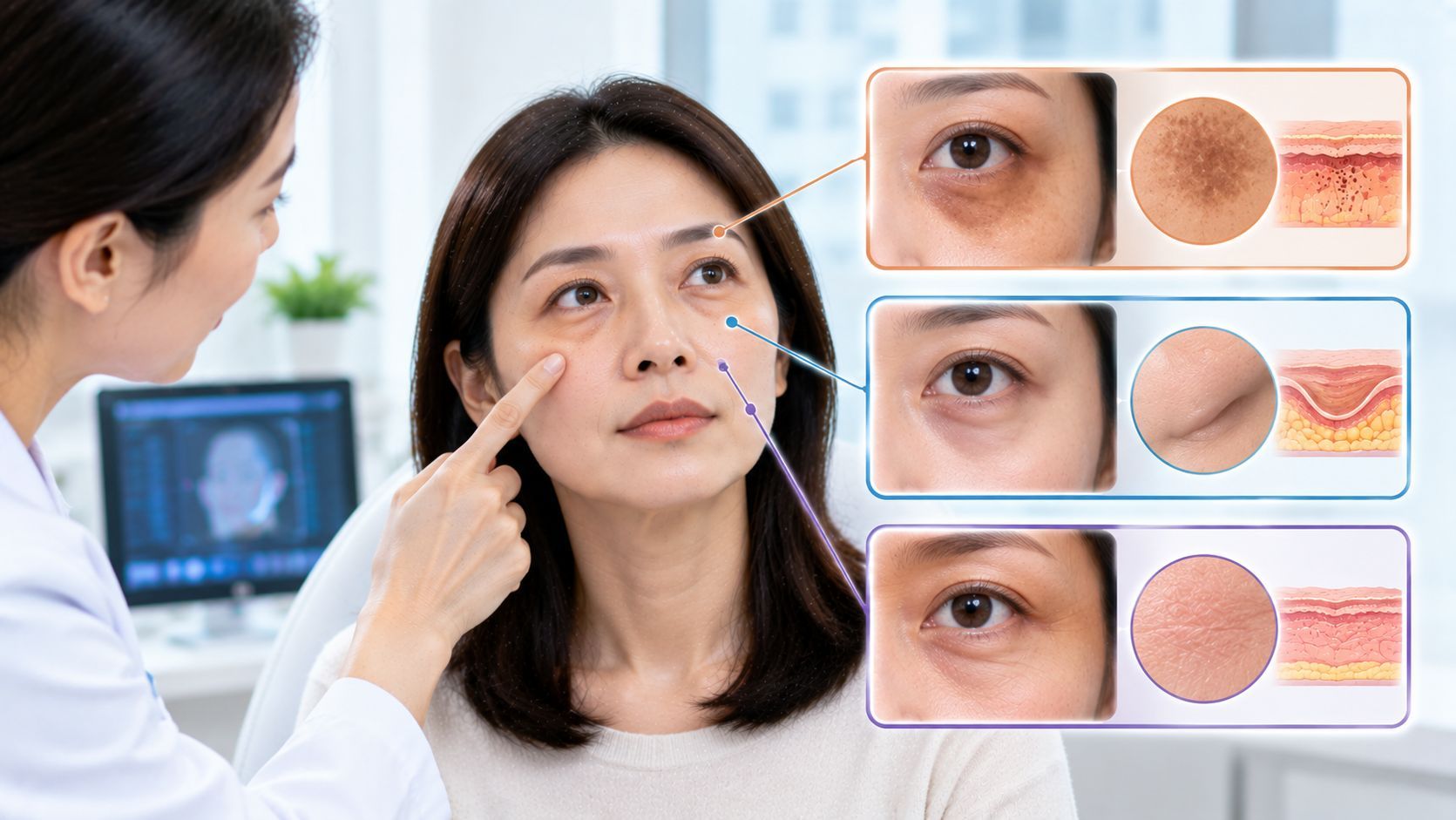
Dark circles, hollowness, puffiness, fine lines, or shadowing can make the entire face look tired even when the rest of the skin looks good.
Skin Quality
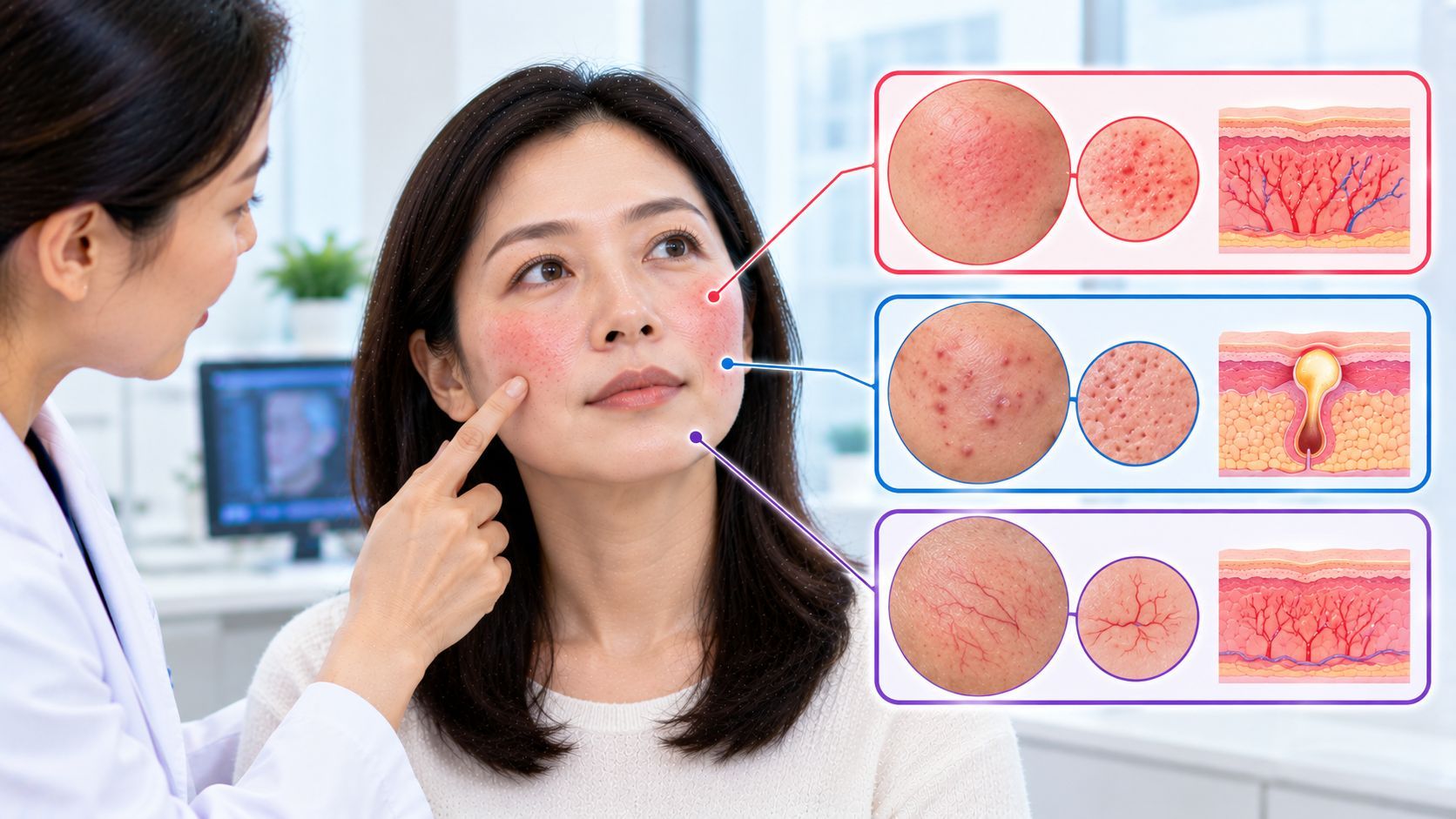
Dullness, uneven texture, enlarged pores, dehydration, and pigmentation can reduce the way light reflects from the skin.
A face with relatively few wrinkles can still look tired if the skin surface lacks evenness and brightness.
What Does "Natural" Treatment Actually Mean?
Natural-looking treatment does not mean avoiding every procedure.
It means that treatment should ideally preserve your recognizable facial characteristics.
You may want:
- Better skin quality
- Slightly improved firmness
- Less tired-looking eyes
- A cleaner jawline
- Softer expression lines
- More even skin tone
without wanting:
- A dramatically different face shape
- Excessive volume
- A frozen expression
- An unnaturally tight appearance
- A noticeably altered jaw
- Obvious signs of cosmetic treatment
This distinction should be communicated clearly during your consultation.
Could Skin Quality Treatment Be Enough?
Sometimes.
If your main problem is dullness, dehydration, fine texture, or early loss of skin quality rather than significant laxity or volume loss, a skin-focused treatment may make more sense than a major structural procedure.
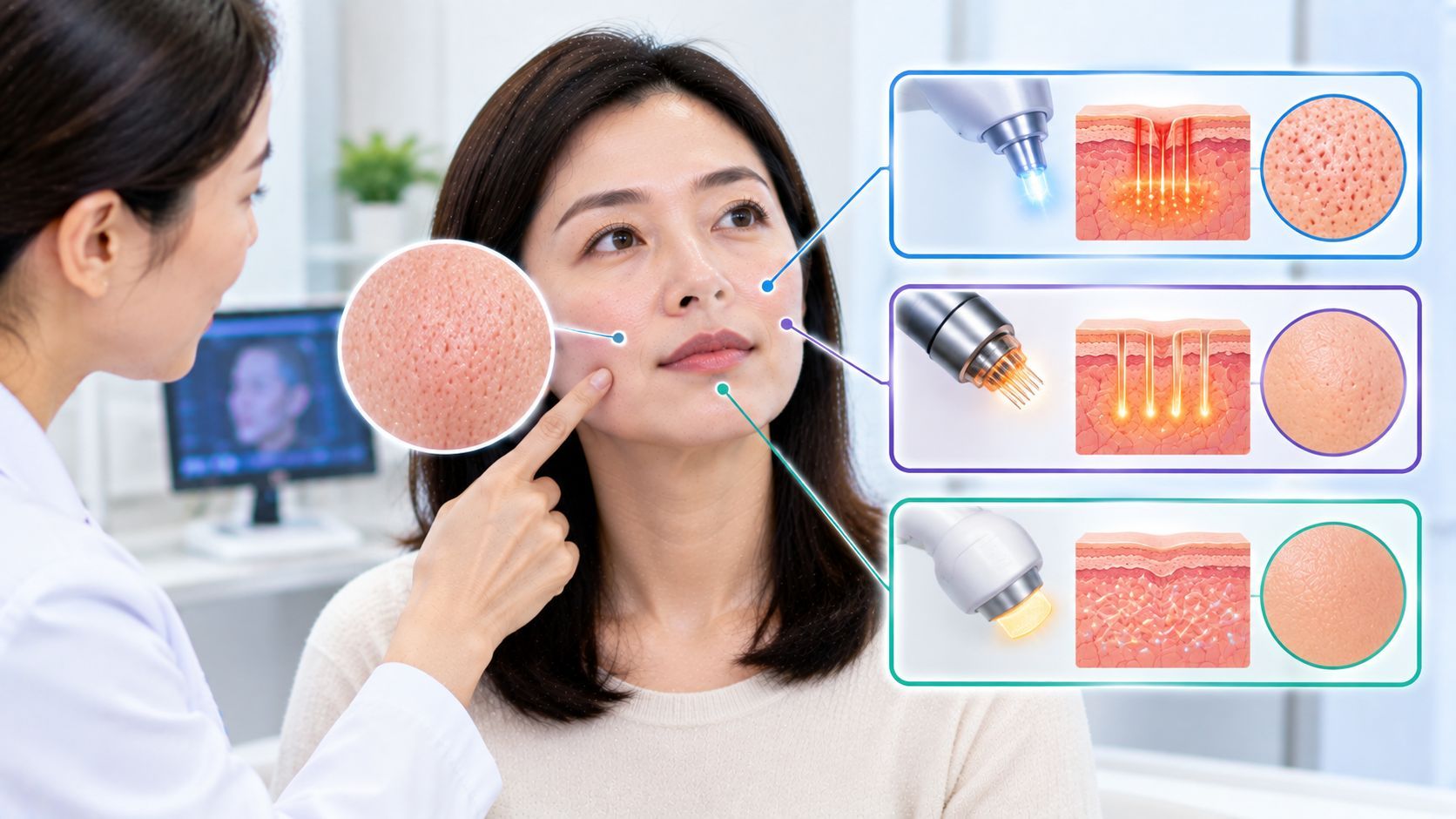
Depending on your skin, a Korean dermatologist may discuss options such as:
- Rejuran
- Skin boosters
- Microneedling
- RF microneedling
- Selected laser treatments
- Other collagen-stimulating treatments
These treatments target different aspects of skin quality and should not be treated as interchangeable.
What About Rejuran?
Rejuran is an injectable treatment used in Korean aesthetic medicine to improve aspects of skin quality.
It may be considered when the concern is related to:
- Fine texture
- Dryness
- Skin quality
- Mild laxity
- Fine lines
It is not primarily a facial-shaping treatment.
That can make the concept appealing to someone who wants improvement without changing recognizable facial features.
However, expectations should remain realistic. A skin-quality treatment is unlikely to correct substantial structural sagging or significant volume loss by itself.
What About Thermage?
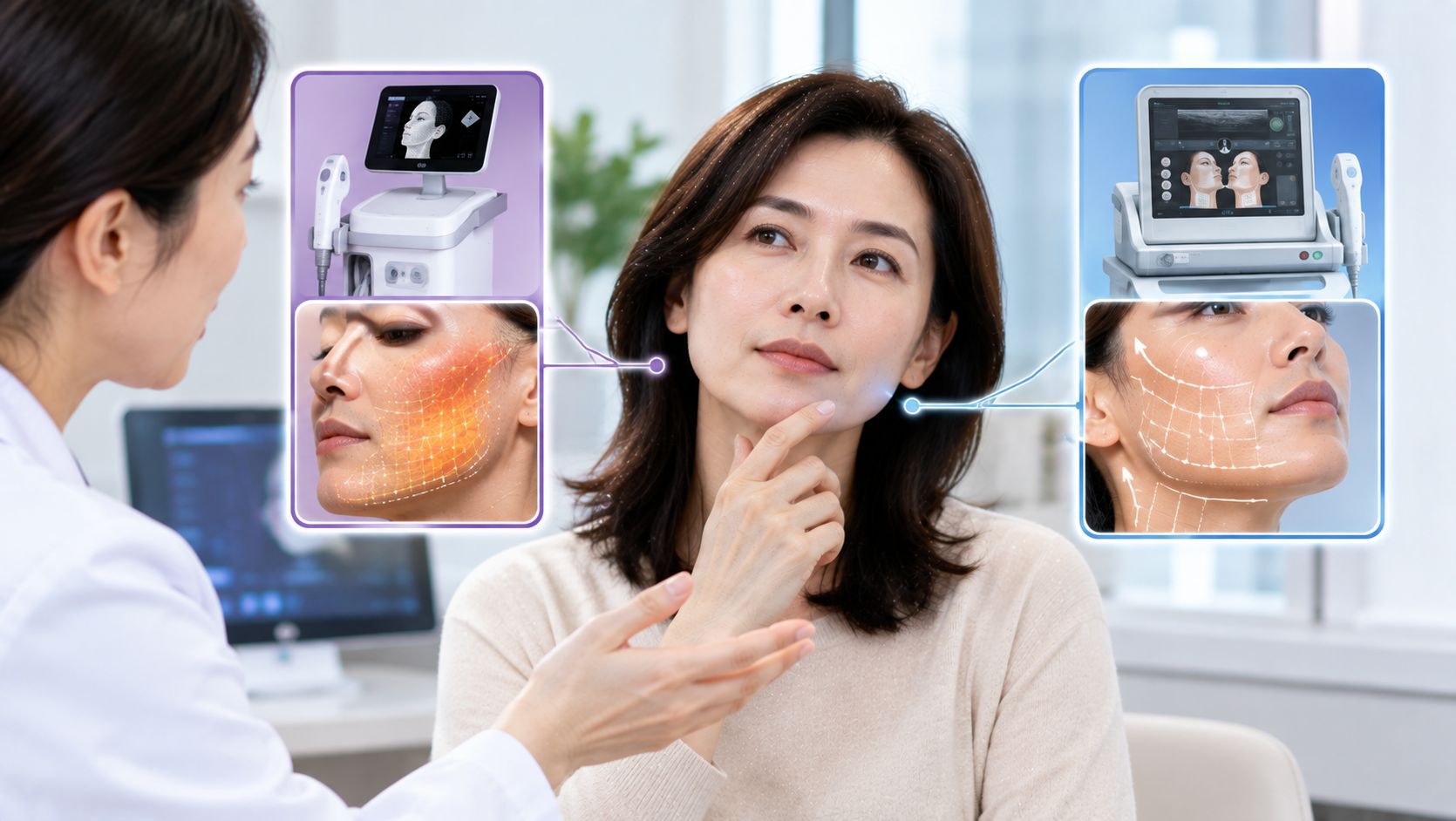
Thermage is a radiofrequency-based treatment designed to heat tissue and stimulate collagen remodeling.
It may be considered when mild-to-moderate laxity or loss of firmness is contributing to an aged or tired appearance.
For a 45-year-old who does not want facial reshaping, a conservative tightening strategy may be worth discussing.
But tightening should not automatically be the answer.
If the face looks tired because of volume loss or under-eye shadowing, simply tightening the skin may not address the underlying issue.
What About Ultherapy or Other HIFU Treatments?
Ultrasound-based lifting treatments can target deeper tissue layers and are used for selected patients with skin laxity.
They may be appropriate when the main problem is:
- Early jowling
- Jawline laxity
- Lower-face looseness
- Mild lifting needs
However, treatment should be individualized.
If you already have a naturally thin face or significant facial-volume loss, the treatment plan needs to account for your overall facial structure rather than focusing solely on creating more tightness.
Can Botox Make a Man Look More Refreshed Without Looking Frozen?
Potentially, when used conservatively for appropriate dynamic wrinkles.
Botox can reduce muscle activity responsible for certain expression lines.
Common treatment areas include:
- Forehead
- Glabella
- Crow's feet
But dosage and placement matter.
Someone who wants a natural result should communicate that they want to retain normal facial movement.
The objective does not necessarily need to be eliminating every line.
A face can look more refreshed while still moving naturally.
What If Your Forehead Is the Main Problem?
Deep forehead lines can make a person appear older or more tired.
But aggressively eliminating every forehead line can potentially create an expression that feels unfamiliar to the patient.
A dermatologist can assess:
- How deeply the lines are etched
- How much movement causes them
- Whether they remain visible when the face is relaxed
- Brow position
- Forehead anatomy
A conservative strategy may be more consistent with a natural appearance.
What If the Jawline Is Making You Look Tired?
A softer jawline can change how the entire lower face is perceived.
At 45, possible contributors include:
- Skin laxity
- Jowls
- Reduced collagen
- Changes in facial fat
- Weight changes
- Muscle anatomy
If laxity is the primary issue, tightening may be relevant.
If the issue is facial volume loss, tightening alone may not produce the desired result.
This is why "jawline treatment" should not automatically mean HIFU or RF.
Do Men Need Different Anti-Aging Treatments?
The basic principles are similar, but facial anatomy and aesthetic goals can differ.
Many men want to preserve:
- A stronger jawline
- Natural facial width
- Brow structure
- Facial movement
- Existing masculine proportions
This means the treatment objective may be different from simply making the face smaller, sharper, or more lifted.
The best plan is based on the individual's anatomy rather than gender alone.
What If You Don't Want Fillers?
That is completely relevant to treatment planning.
You can tell the dermatologist:
"I want to look fresher, but I don't want added facial volume or a change in my facial shape."
That immediately changes the conversation.
Depending on your concerns, the dermatologist may focus more on:
- Skin quality
- Collagen stimulation
- Texture
- Pigmentation
- Conservative tightening
- Dynamic wrinkles
rather than volume replacement.
However, if genuine structural volume loss is the primary cause of the tired appearance, non-volume treatments may have limitations.
What If You Don't Want Botox?
Similarly, you can request a plan that does not rely on Botox.
For example, if your main concern is dull skin and early laxity, the discussion may center on skin quality and collagen remodeling rather than muscle relaxation.
The key is to identify what you actually want to change.
Could Skin Tightening Make Your Face Look More Masculine or Feminine?
A properly planned tightening treatment should not inherently make a face feminine.
The aesthetic outcome depends on:
- Treatment area
- Energy
- Intensity
- Patient anatomy
- Overall facial proportions
For men, the goal may be to improve laxity while preserving natural facial width and structure.
Tell the dermatologist if maintaining your existing facial shape is important.
What If You Have a Thin Face?
This deserves particular attention.
If your face has become thinner with age or weight loss, repeatedly pursuing aggressive tightening may not address the main issue.
A dermatologist should distinguish:
skin laxity
from
loss of facial volume.
They can coexist, but they are not the same problem.
A treatment designed for one cannot necessarily correct the other.
What About Combination Treatments?
Combination treatment can be useful when different problems contribute to the tired appearance.
For example:
Skin quality + mild laxity
may require a different strategy from:
Volume loss + under-eye hollowing.
Likewise:
Forehead wrinkles + dull skin
is different from:
Jowls + facial-volume loss.
Combining treatments should not mean doing everything at once.
A staged plan may be more appropriate.
How Can You Avoid Looking Over-Treated?
Start with the smallest meaningful change
You do not need to correct every age-related change simultaneously.
Preserve facial movement
If expression is important to you, communicate that clearly before Botox.
Avoid unnecessary volume
If you do not want facial enlargement or reshaping, say so.
Treat the actual problem
Don't choose HIFU because your friend had HIFU if your main concern is dull skin.
Allow time to evaluate results
Some treatments continue producing changes after the procedure.
Immediately adding another treatment can make it harder to judge the original result.
What Should You Tell a Korean Dermatologist?
If you're visiting Seoul, you can say:
"I'm 45 and want to look fresher, but I don't want people to notice that I've had cosmetic treatment. I want to preserve my facial features and avoid an overfilled or overly tight appearance."
Then explain your priorities.
Ask:
- What makes my face look tired?
- Is it skin quality, laxity, volume loss, pigmentation, or wrinkles?
- What can improve this without changing my facial shape?
- What would produce the least noticeable treatment effect?
- Do I actually need tightening?
- Would skin-quality treatment be enough?
- If Botox is considered, can I maintain normal movement?
- How much downtime should I expect?
What If You Have an Important Event Coming Up?
Timing becomes particularly important.
A procedure that can produce temporary swelling, redness, or bruising may not be appropriate immediately before an important event.
If you have professional photographs, a wedding, television appearance, or major meeting, tell your clinic before treatment.
Your goal may need to shift from maximum improvement to predictable recovery.
Conclusion
For a 45-year-old man who looks tired but does not want to look "treated," the first step is not choosing a particular Korean procedure.
It is finding out why the face looks tired.
If skin quality is the main issue, treatments such as Rejuran, selected skin boosters, microneedling, or other skin-focused approaches may be discussed. If mild laxity is responsible, conservative tightening treatments such as RF or ultrasound-based procedures may be considered. If dynamic wrinkles are the main issue, carefully dosed Botox may help.
But no single treatment is appropriate for everyone.
The most natural-looking result often comes from doing less, targeting the actual cause, and reassessing before adding another procedure.
At 45, the goal does not have to be looking 25.
It can simply be looking well-rested, healthy, and like yourself.
Frequently Asked Questions
What Korean treatment is best for a tired-looking man's face?
There is no universal best treatment. The cause may be skin quality, laxity, volume loss, pigmentation, under-eye changes, or dynamic wrinkles, and each requires a different approach.
Can men get Thermage without changing their facial appearance?
Thermage is intended to improve firmness rather than specifically feminize the face. Treatment settings and areas should be individualized to preserve the patient's existing facial proportions.
Can I look younger without getting filler?
Potentially. Skin-quality treatments, selected tightening procedures, laser treatments, and conservative wrinkle treatment can address certain signs of aging without adding facial volume. However, significant volume loss cannot necessarily be corrected without addressing volume.
How can I avoid looking over-treated?
Tell your dermatologist that preserving facial movement, shape, and recognizable features is important. A conservative, staged approach can make it easier to evaluate each treatment before deciding whether more is necessary.
Is Rejuran suitable for a 45-year-old man?
Rejuran may be considered for selected skin-quality concerns, but suitability depends on your skin condition and goals. It should not be assumed to be a replacement for treatments addressing significant laxity or volume loss.