Should I Finish My Acne Treatment Before Treating Pigmentation?
Introduction
If you have active acne and pigmentation at the same time, you usually do not need to completely finish acne treatment before addressing pigmentation. In many cases, dermatologists treat both problems together—but the priority is controlling active acne and inflammation so that new dark spots do not keep forming.
This distinction is important because pigmentation left behind after acne is often post-inflammatory hyperpigmentation (PIH) rather than a permanent scar. PIH can remain for months and sometimes longer, particularly in medium-to-dark skin tones.
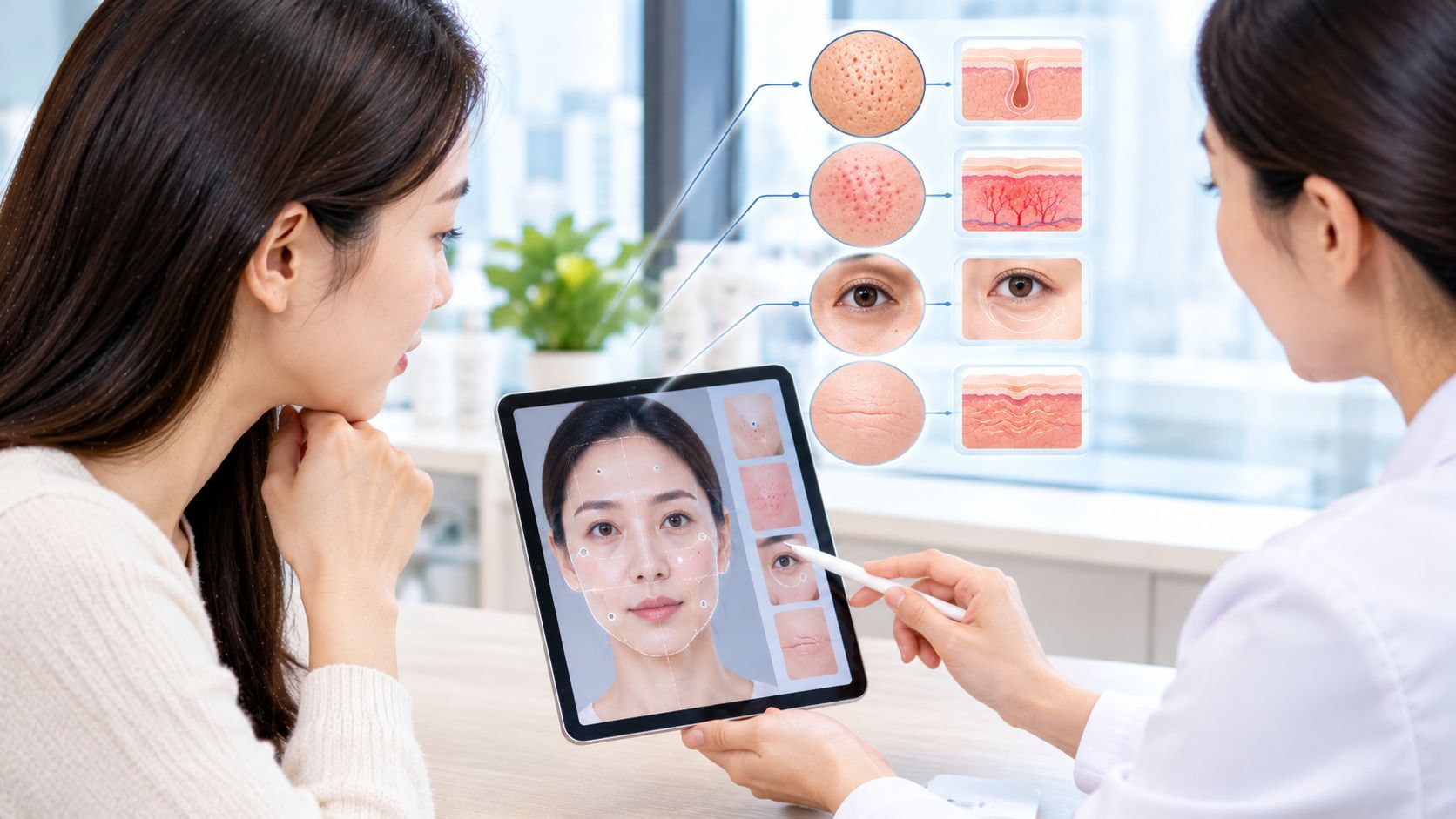
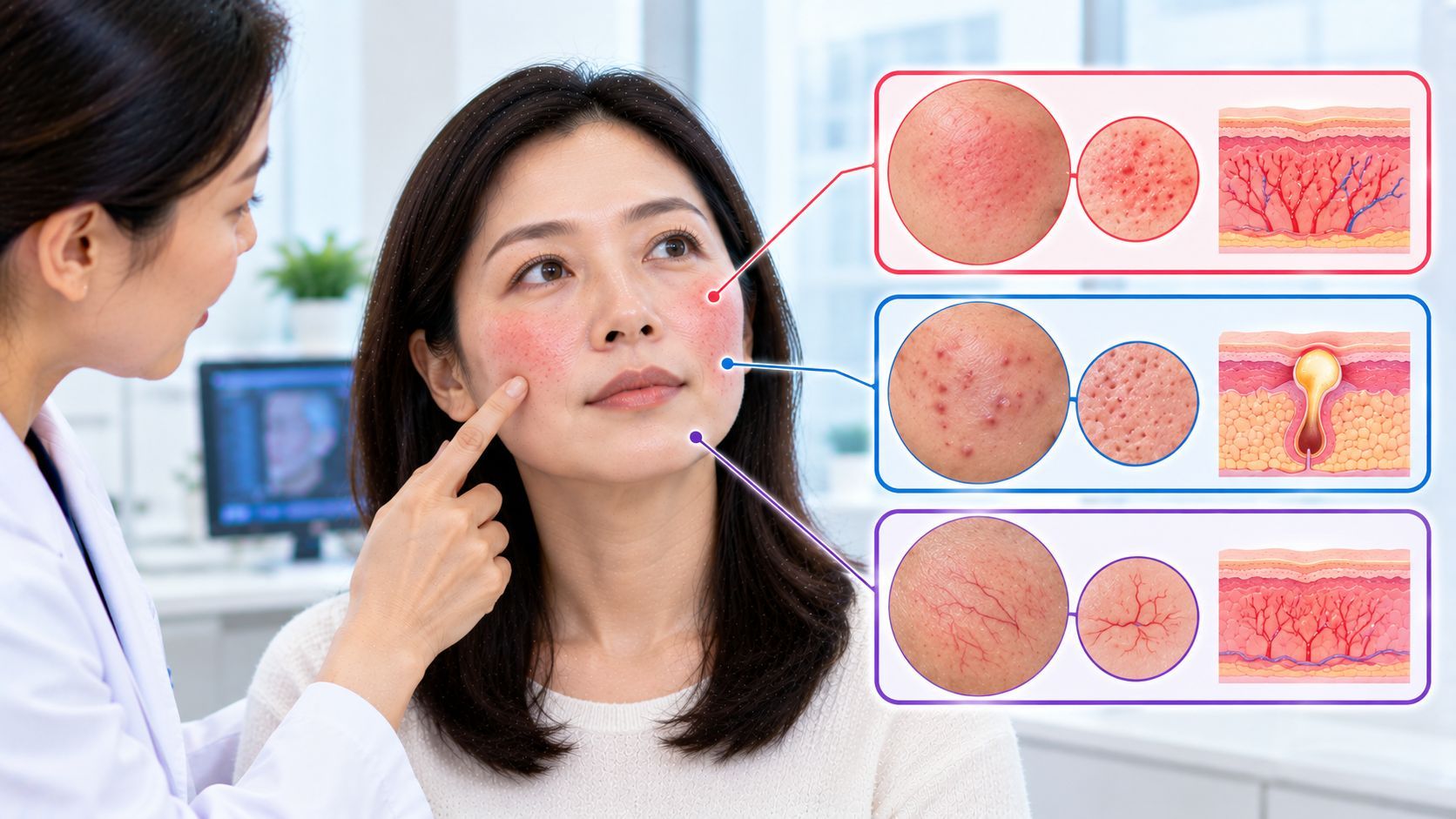
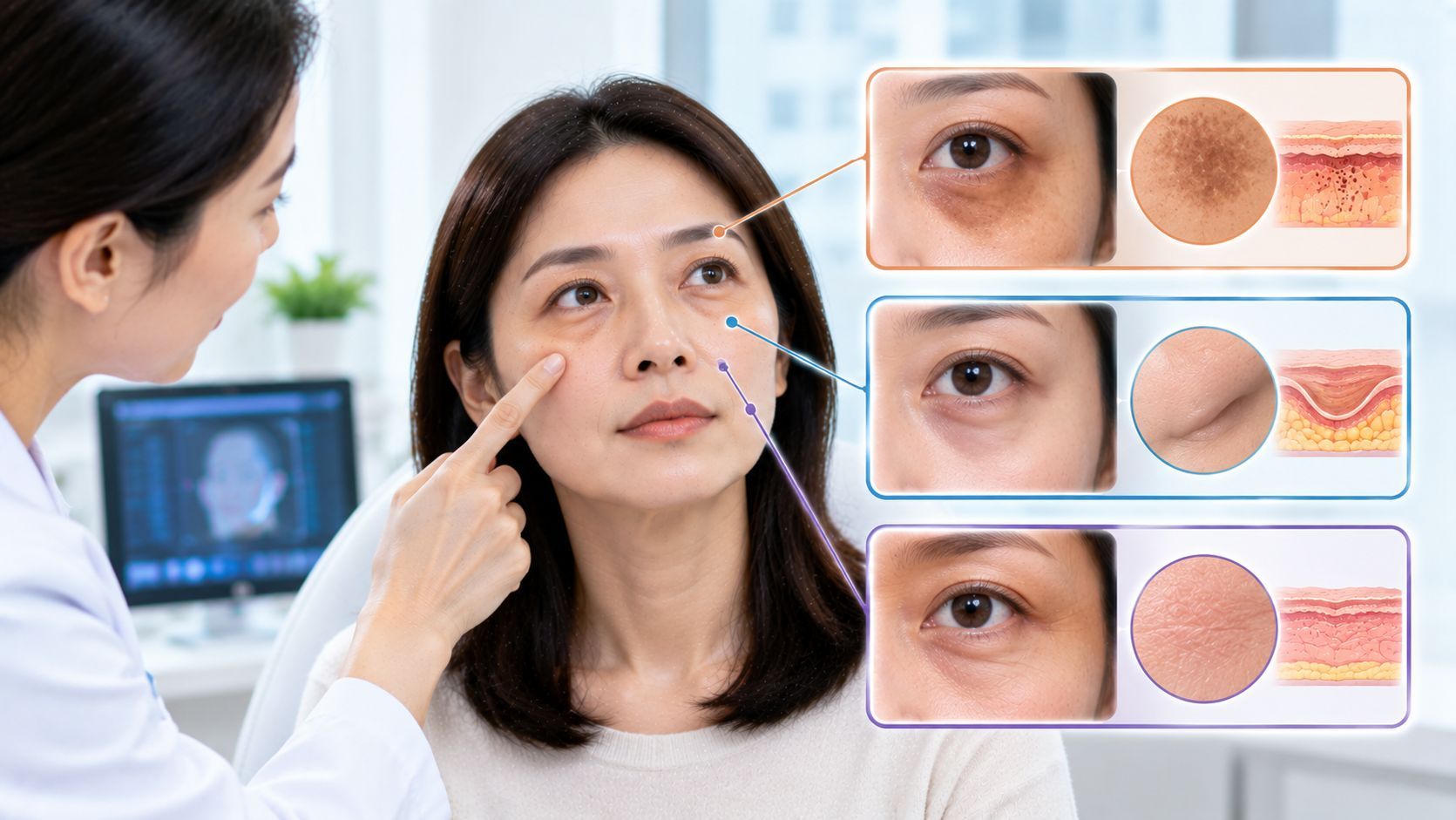
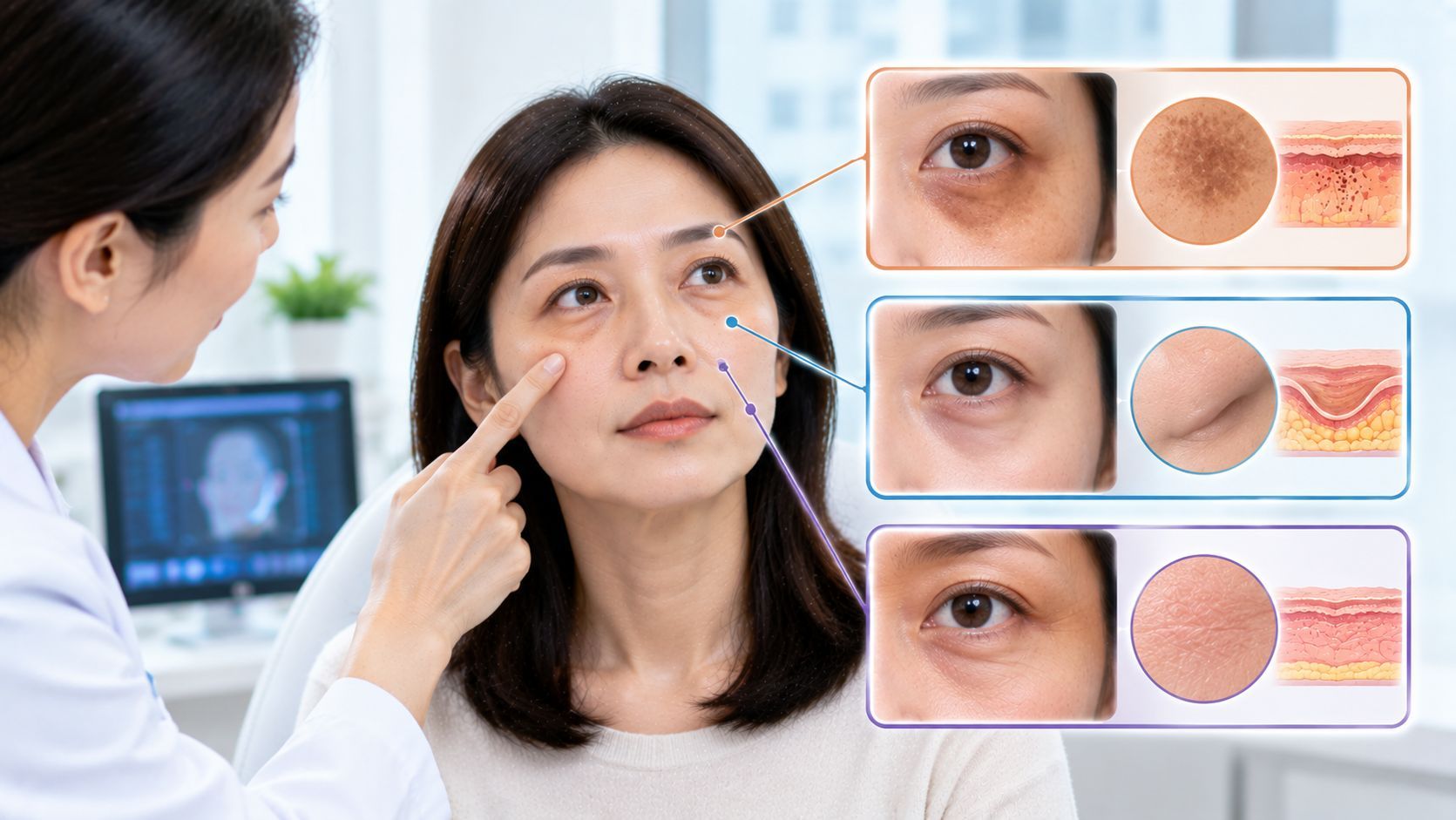
For someone visiting Seoul for dermatology treatment, the most useful approach is generally to have the dermatologist determine whether you have active acne, post-acne pigmentation, acne scars, melasma, or a combination before choosing a procedure.
Do You Need to Clear Acne Completely First?
Not necessarily.
The American Academy of Dermatology specifically notes that people with acne and dark spots can be treated for both acne and pigmentation at the same time. Treating the acne is important because each new inflamed breakout can potentially create another dark mark.
However, there is an important difference between:
- Mild, occasional acne with mostly stable skin
- Frequent inflammatory pimples
- Deep cysts or nodules
- Acne that is irritated from treatment
- Acne that is still rapidly producing new pigmentation
If acne is still very active, aggressive pigmentation procedures may not be the first priority. Your dermatologist may first work on controlling inflammation and establishing a stable skincare or medication routine.
Why Treating the Acne Matters for Pigmentation
Pigmentation treatment cannot prevent a new dark mark from appearing every time an inflamed pimple heals.
Acne itself creates inflammation, and inflammation can stimulate excess pigment production. This is one reason PIH is particularly common in people with darker skin tones.
Think of the treatment process this way:
Active acne → inflammation → new dark marks
If you only treat the existing pigmentation while new acne continues, you may feel as though the pigmentation treatment is "not working" because new spots keep appearing.
Controlling acne therefore becomes part of pigmentation management.
Can Acne and Pigmentation Be Treated at the Same Time?
Yes, depending on your skin and the treatments involved.
Some acne treatments can also help pigmentation. For example, the AAD notes that azelaic acid can treat acne while also helping fade dark spots, while topical retinoids can help keep pores clear and may improve dark spots left after acne.
A dermatologist may therefore build a treatment plan that combines:
Acne control
Depending on the type and severity of acne, this may involve topical retinoids, benzoyl peroxide, salicylic acid, azelaic acid, prescription medications, or other appropriate therapies.
Pigmentation management
Once the cause of the pigmentation is identified, treatment may include topical medication, carefully selected laser or light-based procedures, or other dermatologist-directed treatments.
Daily photoprotection
Sun protection is particularly important because UV exposure can worsen pigmentation. Broad-spectrum SPF 30 or higher is recommended, and tinted sunscreen can provide additional protection against visible light that can worsen some dark spots.
When Should Pigmentation Treatment Wait?
There are situations where your dermatologist may recommend postponing an aggressive pigmentation procedure.
You have widespread active inflammatory acne
If new pimples are appearing continuously, controlling the acne may be more important initially.
Your skin barrier is irritated
Burning, excessive dryness, peeling, or significant redness can make additional procedures harder to tolerate.
AAD guidance emphasizes gentle skincare for acne-prone skin because excessive irritation can make acne and inflammation worse.
You have recently undergone an irritating acne treatment
Your dermatologist may want the skin to recover before adding another procedure.
You have recently tanned or experienced significant sun exposure
This can affect the safety and suitability of certain pigmentation procedures, particularly energy-based treatments.
The "pigmentation" may not actually be acne pigmentation
Brown patches can have different causes, including melasma and other skin conditions. Treatment needs to match the diagnosis rather than simply treating every brown area as PIH.
What If I Only Have a Few Pimples Left?
This is different from having uncontrolled acne.
If you have mostly clear skin with occasional pimples and your main concern is lingering brown or gray marks, a dermatologist may be able to address both concerns during the same overall treatment plan.
The key question is not simply:
"Is there any acne left?"
Instead, ask:
"Is my acne sufficiently controlled that the treatment will not keep creating significant new pigmentation?"
Your dermatologist can assess that during consultation.
What About Laser Treatment for Pigmentation?
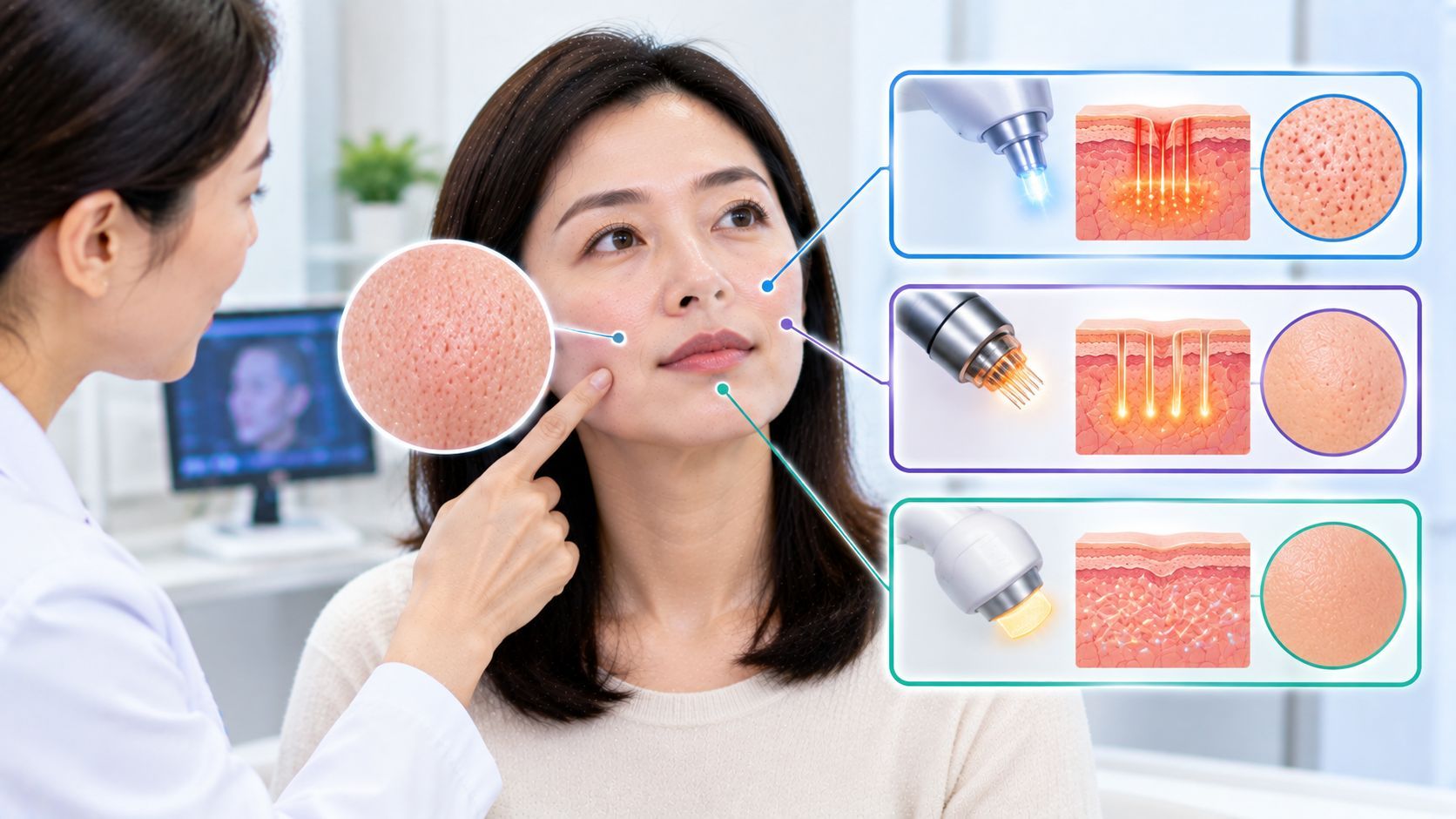
Laser treatment can be useful for selected pigmentation problems, but it is not automatically appropriate for everyone with acne-related dark spots.
This is particularly important for people with darker or melanin-rich skin. The AAD warns that chemical peels, microdermabrasion, and laser procedures can cause unwanted dark or light spots if they are not appropriately selected and performed.
Therefore, if you are considering a pigmentation laser in Seoul, tell the dermatologist:
- How frequently you still break out
- Which acne medications you use
- Whether you develop dark marks after pimples
- Whether you have previously experienced PIH
- Whether you recently had another procedure
- Whether you have recently been exposed to significant sunlight
The treatment settings and choice of procedure should be individualized rather than selected simply because a particular laser is popular.
What About Acne Scars?
Pigmentation and acne scars are not the same thing.
A flat brown or gray mark left after a pimple is often PIH rather than a true scar. Depressed or raised changes in skin texture are different problems and may require different treatments.
This distinction matters because someone may think they need an "acne scar laser" when the main problem is actually pigmentation.
A dermatologist can determine whether you need treatment for:
- Active acne
- PIH
- Red post-acne marks
- Atrophic acne scars
- Raised scars
- Uneven texture
- More than one of these conditions
A Practical Seoul Treatment Sequence
If you are traveling to Seoul specifically for acne and pigmentation treatment, a sensible sequence may look like this:
1. Dermatology consultation
Have the dermatologist identify exactly what is causing the discoloration.
2. Control active acne
Reduce inflammation and prevent new breakouts.
3. Begin pigmentation management
This may happen simultaneously if your skin is stable enough.
4. Consider procedures when appropriate
Laser, peeling, or other treatments should be selected according to your pigmentation type, skin tone, acne activity, and recovery needs.
5. Maintain the results
Continue acne control, gentle skincare, and consistent sun protection.
This approach can be more useful than scheduling an aggressive pigmentation procedure immediately simply because the dark spots are your most visible concern.
What Should You Avoid?
Trying to attack pigmentation aggressively while your skin is inflamed can backfire.
Avoid repeatedly scrubbing dark spots, picking pimples, or layering numerous strong exfoliating products. Picking and squeezing acne can increase the risk of scarring and PIH.
Likewise, don't assume that a stronger laser or stronger peeling treatment will necessarily produce faster improvement. For pigmentation-prone skin, excessive irritation can create additional discoloration.
Conclusion
You generally do not have to wait until every last pimple disappears before treating pigmentation. Acne and pigmentation can often be managed together.
However, controlling active acne should remain a major part of the plan, because ongoing inflammation can continually create new dark marks. Some treatments, such as azelaic acid and retinoids, can potentially address both acne and post-acne pigmentation.
If you are considering pigmentation laser or another procedure in Seoul, the best starting point is a dermatologist consultation to determine whether your discoloration is actually PIH, melasma, acne-related redness, scarring, or another condition. Your skin tone, acne activity, previous reactions, medications, and recent sun exposure should all influence the treatment plan.
Frequently Asked Questions
Can I treat acne and pigmentation at the same time?
Yes. Dermatologists may treat both simultaneously, particularly when acne is reasonably controlled and the skin can tolerate the selected treatment.
Should I wait until my acne is completely gone before getting a pigmentation laser?
Not necessarily. The decision depends on how active your acne is, the type of pigmentation, your skin tone, and the specific procedure being considered.
Does treating acne help prevent pigmentation?
Yes. Controlling acne reduces the inflammation that can lead to new post-inflammatory hyperpigmentation.
Can acne medication also improve dark spots?
Some can. Azelaic acid can treat acne and dark spots, while topical retinoids can help acne and may improve post-acne pigmentation.
Is laser always the best treatment for acne pigmentation?
No. The appropriate treatment depends on the diagnosis and your individual skin characteristics. In darker skin, procedure selection and settings require particular care because irritation can cause unwanted pigmentation changes.
What is the most important thing after pigmentation treatment?
Follow the dermatologist's aftercare instructions and protect your skin from the sun. Consistent broad-spectrum SPF 30+ protection helps reduce the risk of pigmentation becoming darker or recurring.