Can Too Many Lasers Make Your Skin Thinner?
Introduction
Laser treatments are used for a wide range of skin concerns, including pigmentation, acne scars, wrinkles, redness, enlarged pores, and uneven texture. In Korea, patients may have access to many different laser technologies, sometimes making it tempting to combine several treatments or repeat them frequently.
But can having too many lasers actually make your skin thinner?
Not necessarily. Properly selected and appropriately performed laser treatments do not automatically make skin permanently thinner. In fact, some controlled laser treatments stimulate collagen remodeling and can improve skin texture and firmness. However, excessive treatment, overly aggressive settings, insufficient recovery, or inappropriate treatment for a person's skin can damage the skin barrier and cause prolonged inflammation or other complications.
The key issue is therefore not simply how many laser sessions you have had, but which lasers, how aggressively they were performed, how frequently they were repeated, and whether your skin had recovered between treatments.
What Does "Thinner Skin" Actually Mean?
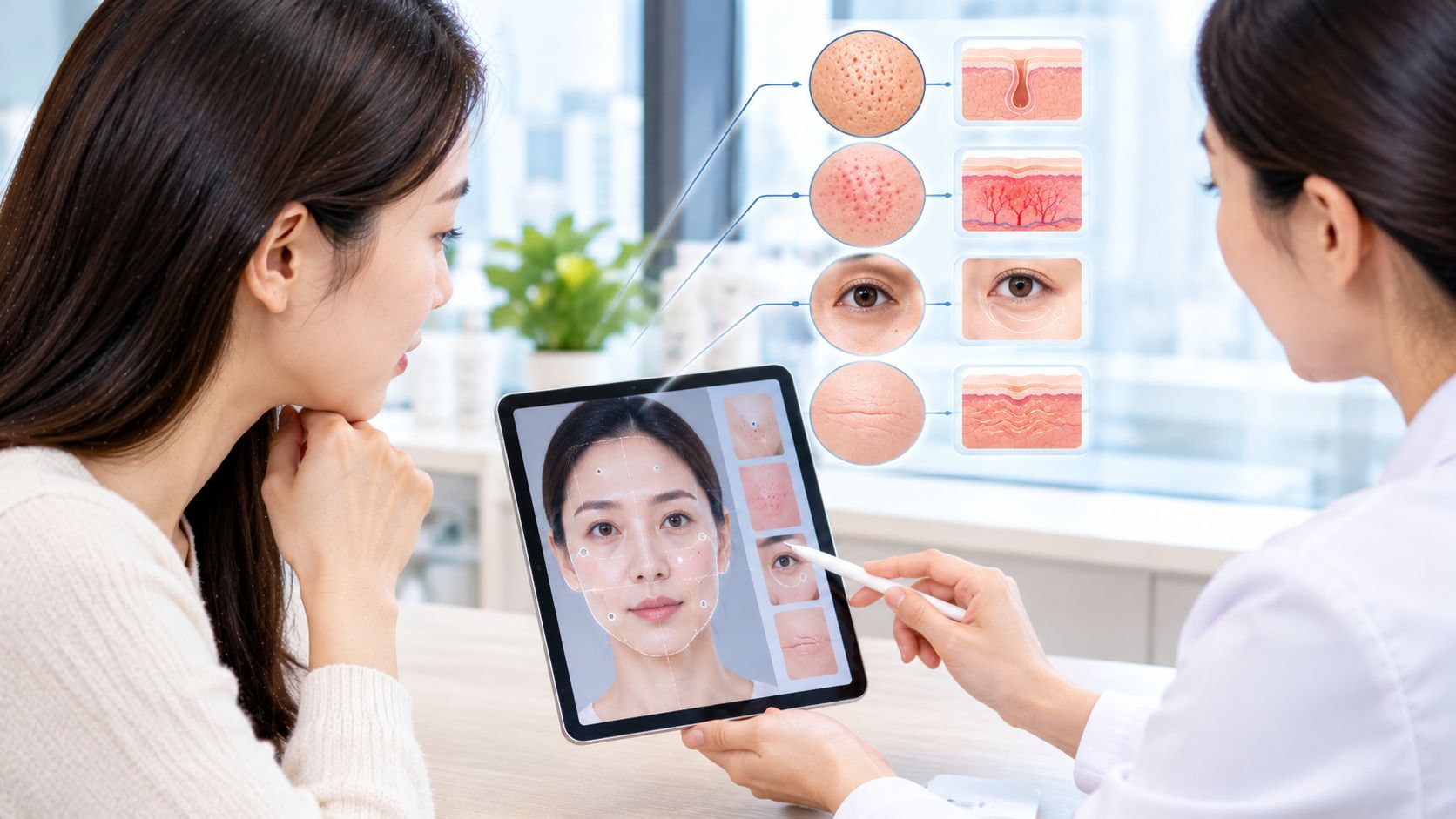
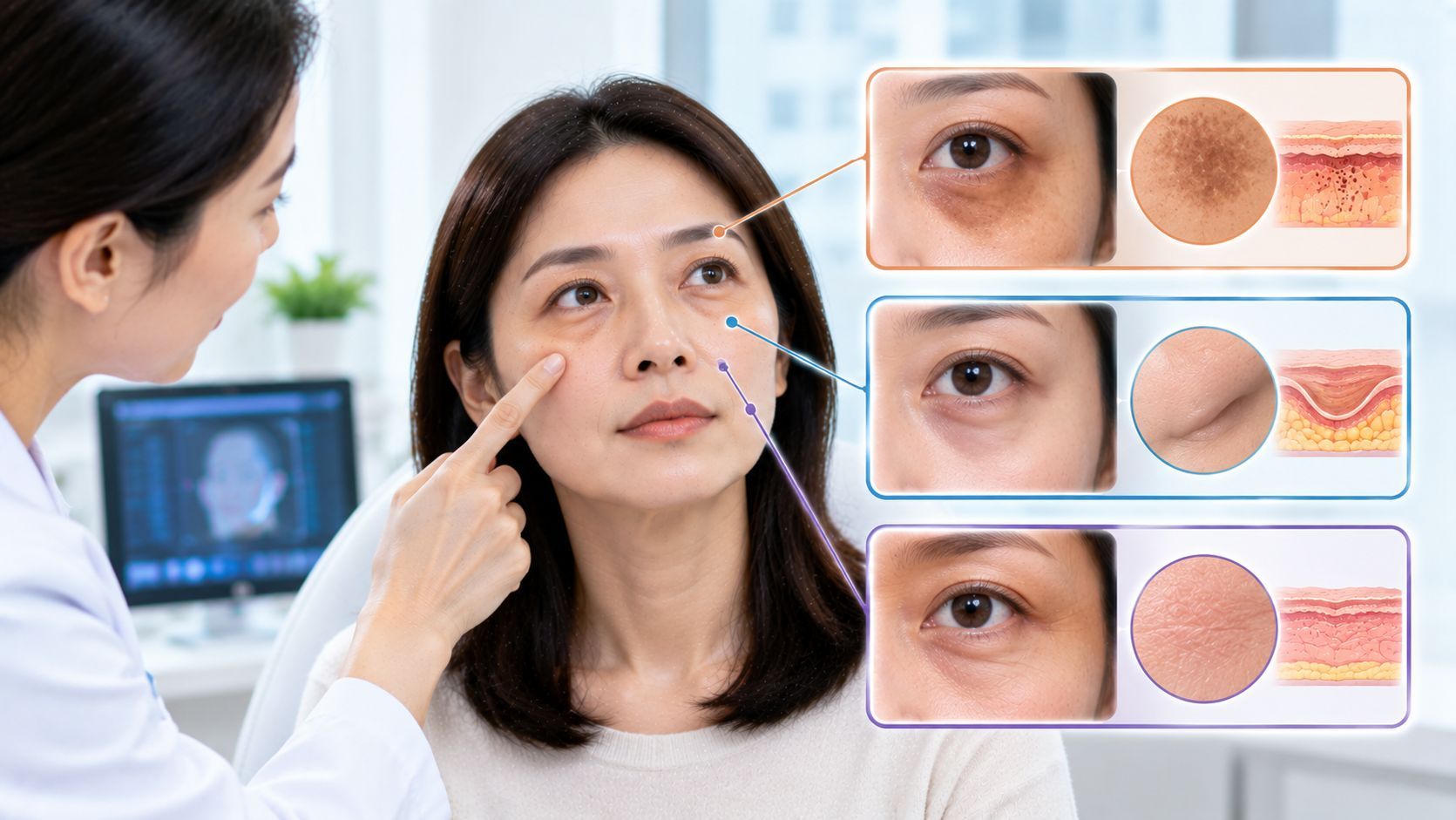
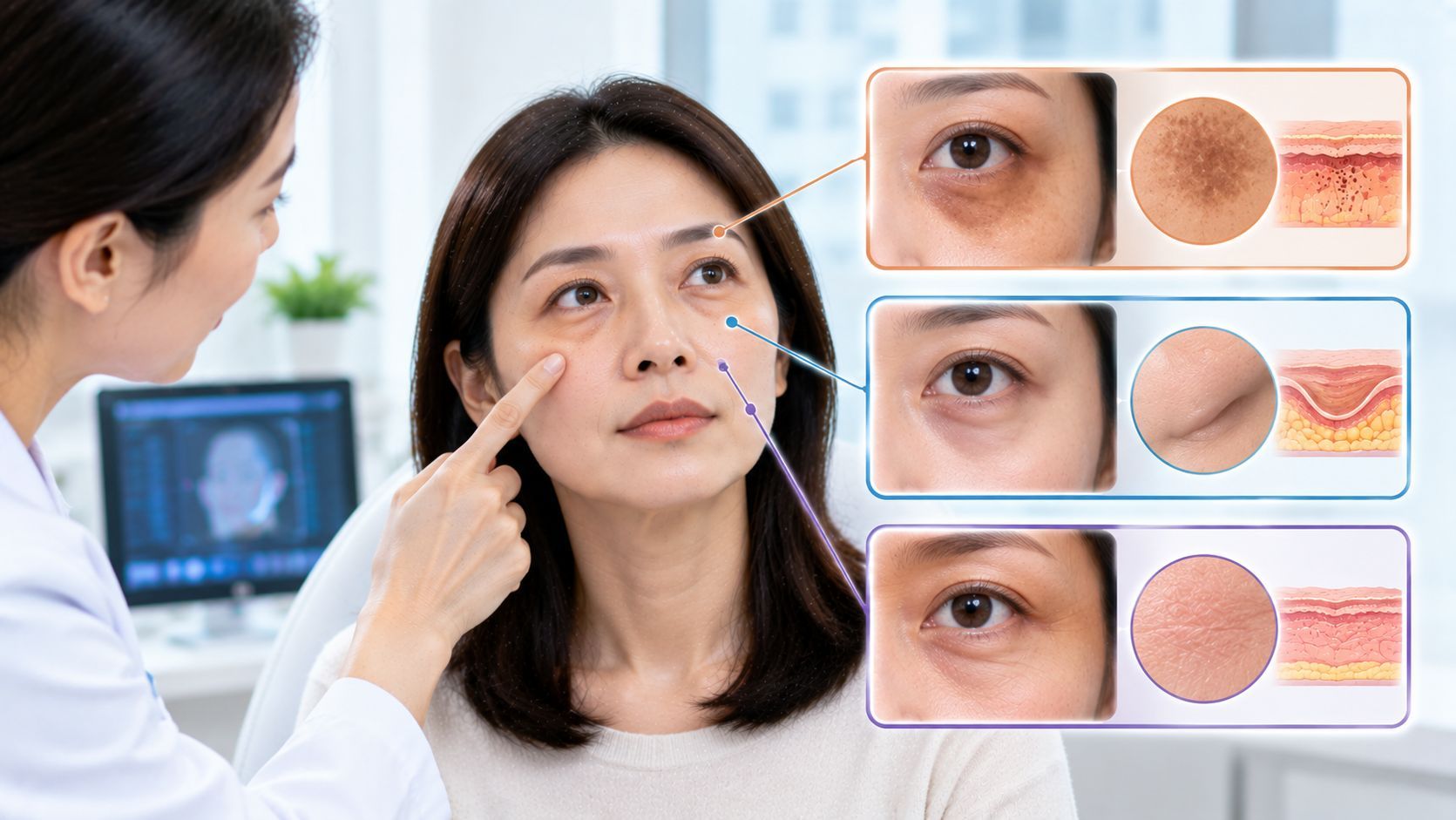
Patients often use "thin skin" to describe several different things.
They may mean:
- Skin feels fragile
- Skin looks translucent
- Fine lines are more visible
- Veins are more noticeable
- Skin feels dry or tight
- The face looks less plump
- Skin has become more sensitive
- The surface looks shiny or overly smooth
- The skin barrier feels easily irritated
These symptoms do not necessarily mean that the laser has physically reduced the thickness of the skin.
For example, dehydration can temporarily make fine lines more noticeable and make the skin feel thinner even when there has been no meaningful loss of dermal tissue.
How Can Lasers Affect Skin?
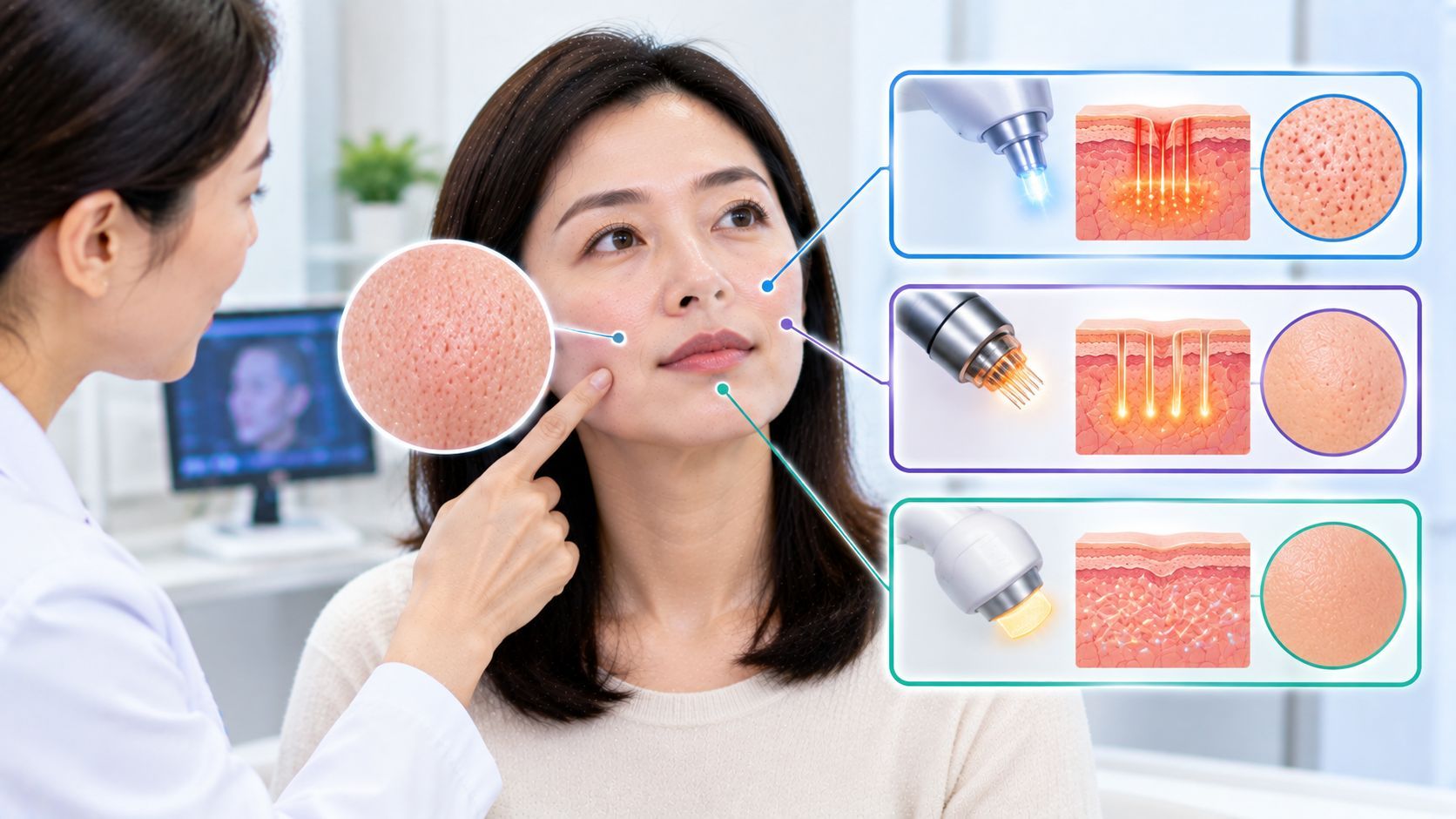
Different lasers affect the skin in different ways.
Some lasers primarily target:
- Pigment
- Blood vessels
- Water
- Tattoo ink
- Specific chromophores
Others intentionally create controlled thermal injury to stimulate remodeling.
Fractional lasers, for example, create microscopic treatment zones while leaving surrounding tissue untreated. This allows the skin to heal and remodel.
The intended result can include new collagen formation and improved skin texture, rather than progressive thinning.
Can Laser Treatment Actually Thin the Skin?
Some laser treatments can cause tissue injury if used too aggressively.
However, the idea that normal laser treatment simply "uses up" the skin is misleading.
Laser treatment is based on controlled energy delivery.
When appropriately performed, the goal is to create a therapeutic effect while minimizing unnecessary damage.
Problems become more likely when treatment is:
- Too aggressive
- Repeated too frequently
- Performed over already damaged skin
- Combined with other aggressive procedures without adequate recovery
- Poorly matched to the patient's skin type
- Performed without appropriate adjustment for pigmentation risk
Can Ablative Lasers Make Skin Thinner?
Ablative lasers intentionally remove or vaporize portions of the superficial skin.
Examples include certain CO2 and Er:YAG laser treatments.
These treatments can produce significant remodeling and can be highly effective for selected concerns.
They also require more recovery than many non-ablative treatments.
The important distinction is that ablative resurfacing is designed to remove controlled portions of tissue and stimulate subsequent healing and remodeling.
It should therefore not be repeated casually.
When properly selected and performed, ablative resurfacing can improve the appearance of aged or damaged skin rather than simply leaving it permanently thinner.
What About Non-Ablative Lasers?
Non-ablative lasers generally heat tissue without removing the entire treated surface.
They may be used for:
- Pigmentation
- Redness
- Fine lines
- Texture
- Collagen remodeling
They typically involve less downtime than ablative resurfacing, but they are not risk-free.
Repeated treatment still needs to be appropriate for the patient's skin and the specific problem being addressed.
Can Too Many Laser Treatments Damage the Skin Barrier?
Yes.
The skin barrier can become temporarily compromised after procedures that create significant thermal or mechanical stress.
Possible symptoms include:
- Dryness
- Tightness
- Stinging
- Redness
- Flaking
- Increased sensitivity
This does not necessarily mean permanent skin thinning.
The barrier often recovers as the skin heals.
However, repeatedly treating skin before it has adequately recovered can increase irritation and make it harder to distinguish normal recovery from a complication.
What Happens If You Laser Too Frequently?
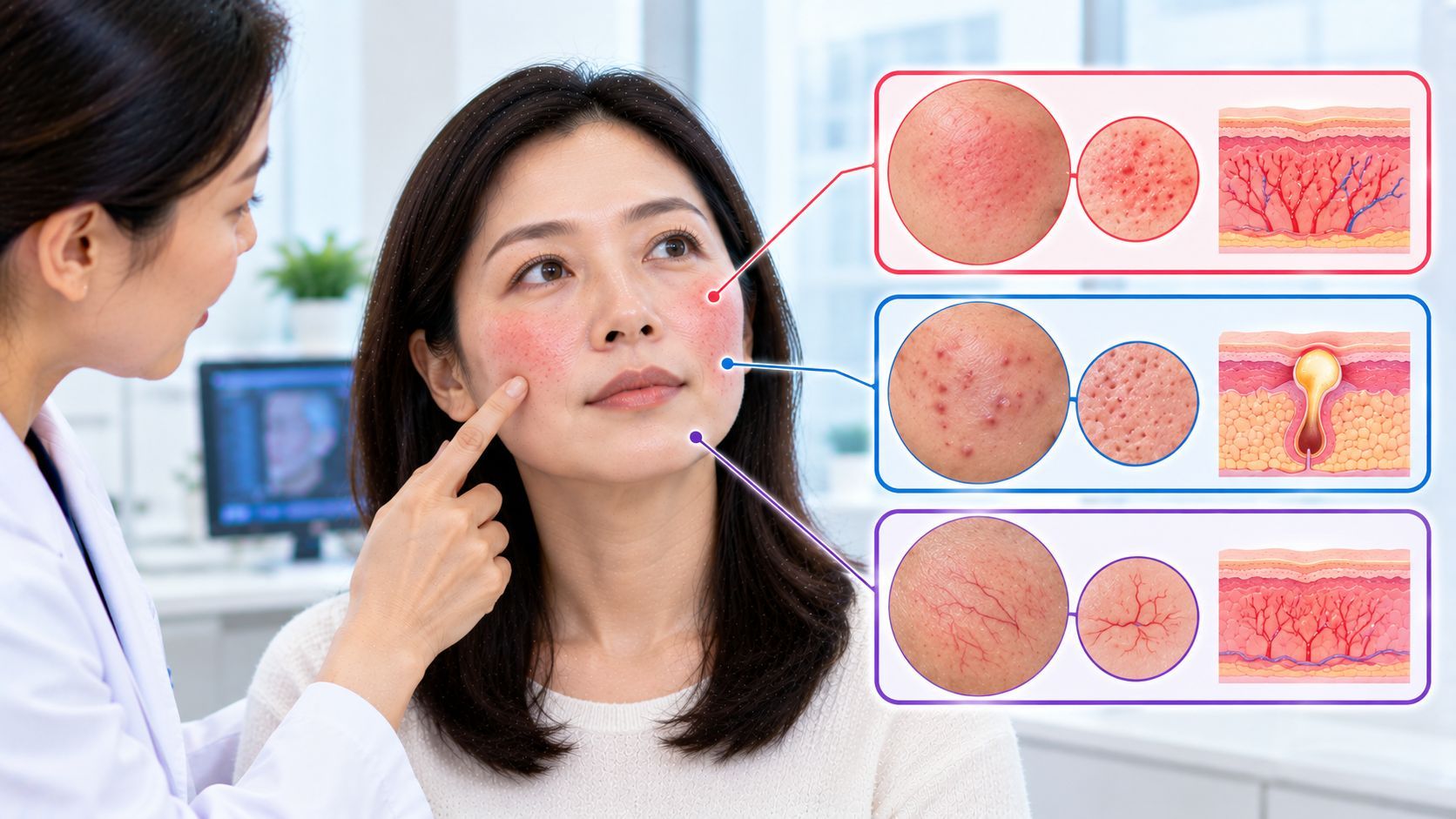
If treatments are performed too close together, you may experience prolonged inflammation or irritation.
Potential problems include:
Persistent redness
The skin may remain red longer than expected.
Dryness and sensitivity
Products that previously felt comfortable may begin to sting.
Post-inflammatory hyperpigmentation
This is particularly important for patients with melanin-rich skin or a history of pigmentation after inflammation.
Uneven texture
Poorly controlled inflammation or inappropriate treatment can produce unwanted texture changes.
Delayed healing
The skin may need more time to recover between treatments.
These outcomes do not prove that the skin has permanently become thinner, but they are reasons to pause and reassess.
Can Repeated CO2 Laser Make Skin Thin?
CO2 laser is a powerful resurfacing technology.
It can be highly effective for:
- Acne scars
- Wrinkles
- Photodamage
- Uneven texture
- Certain scars
But treatment intensity matters.
Aggressive resurfacing requires appropriate patient selection and recovery.
Repeated high-intensity treatments without adequate healing may increase the risk of complications.
This is especially important when treating areas with naturally delicate skin.
Can Pico Laser Thin the Skin?
Pico lasers are commonly used for pigmentation and certain other indications.
They generally work through extremely short laser pulses rather than the same ablative mechanism used by traditional resurfacing lasers.
They should not automatically be considered equivalent to aggressive resurfacing lasers.
However, inappropriate settings or excessive treatment can still cause unwanted inflammation or pigmentation changes.
The fact that a laser is marketed as "gentle" does not mean that unlimited sessions are appropriate.
What About Fractional Laser?
Fractional laser treatment can create controlled microscopic treatment zones.
Depending on the technology, fractional treatments may be ablative or non-ablative.
The advantage is that untreated surrounding tissue can help support healing.
But fractional treatment still requires recovery.
Repeatedly treating skin that remains irritated from the previous session is not necessarily better.
Can Lasers Remove Collagen?
This is a common misunderstanding.
Many rejuvenation lasers are specifically used because they can stimulate collagen remodeling.
The treatment creates a controlled injury or thermal effect that can trigger a healing response.
Over time, this may lead to:
- New collagen formation
- Remodeling of existing collagen
- Improved texture
- Improved firmness
Therefore, the statement "laser removes collagen and makes skin thinner" is an oversimplification.
The effect depends on the specific laser and treatment protocol.
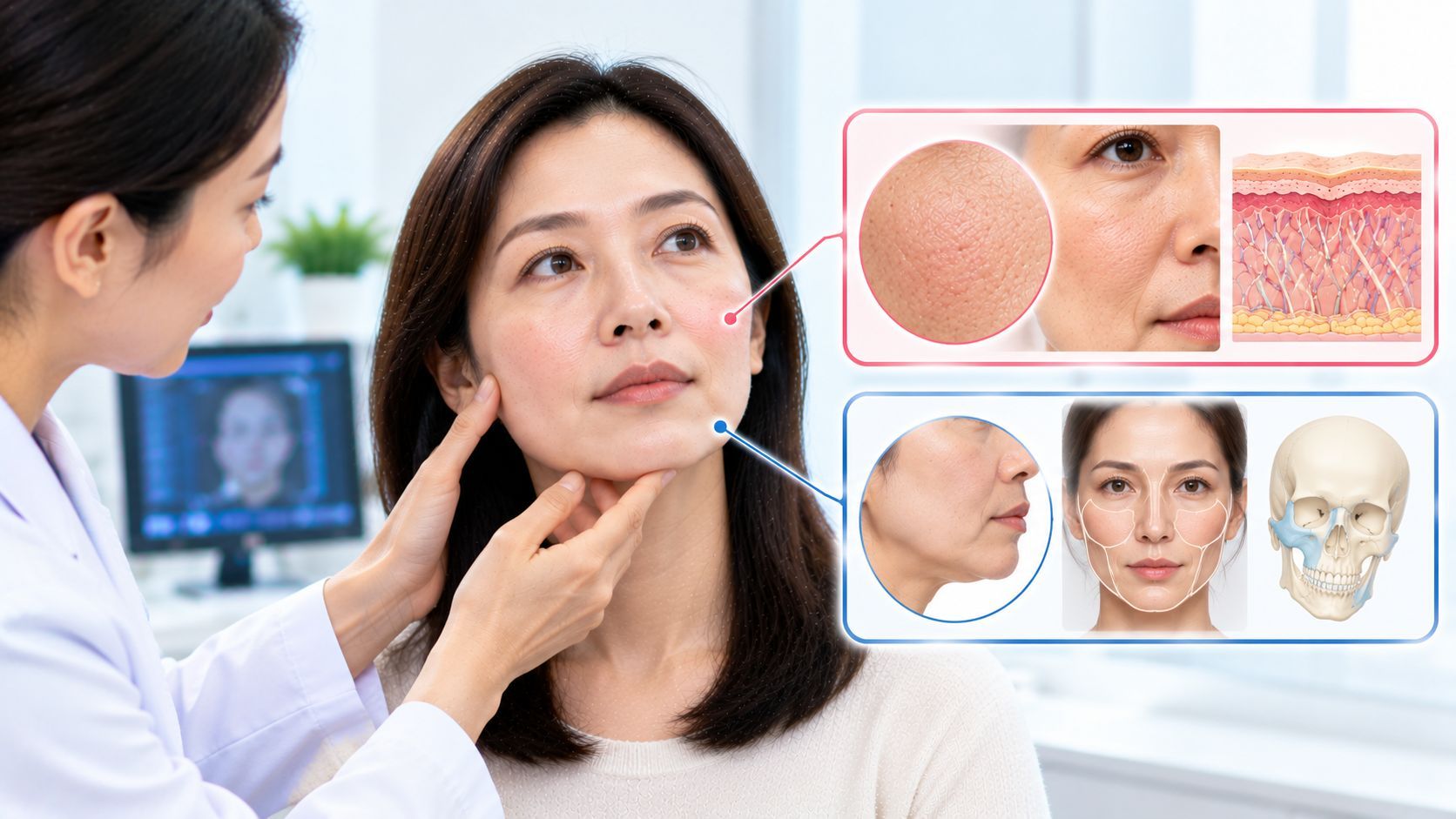
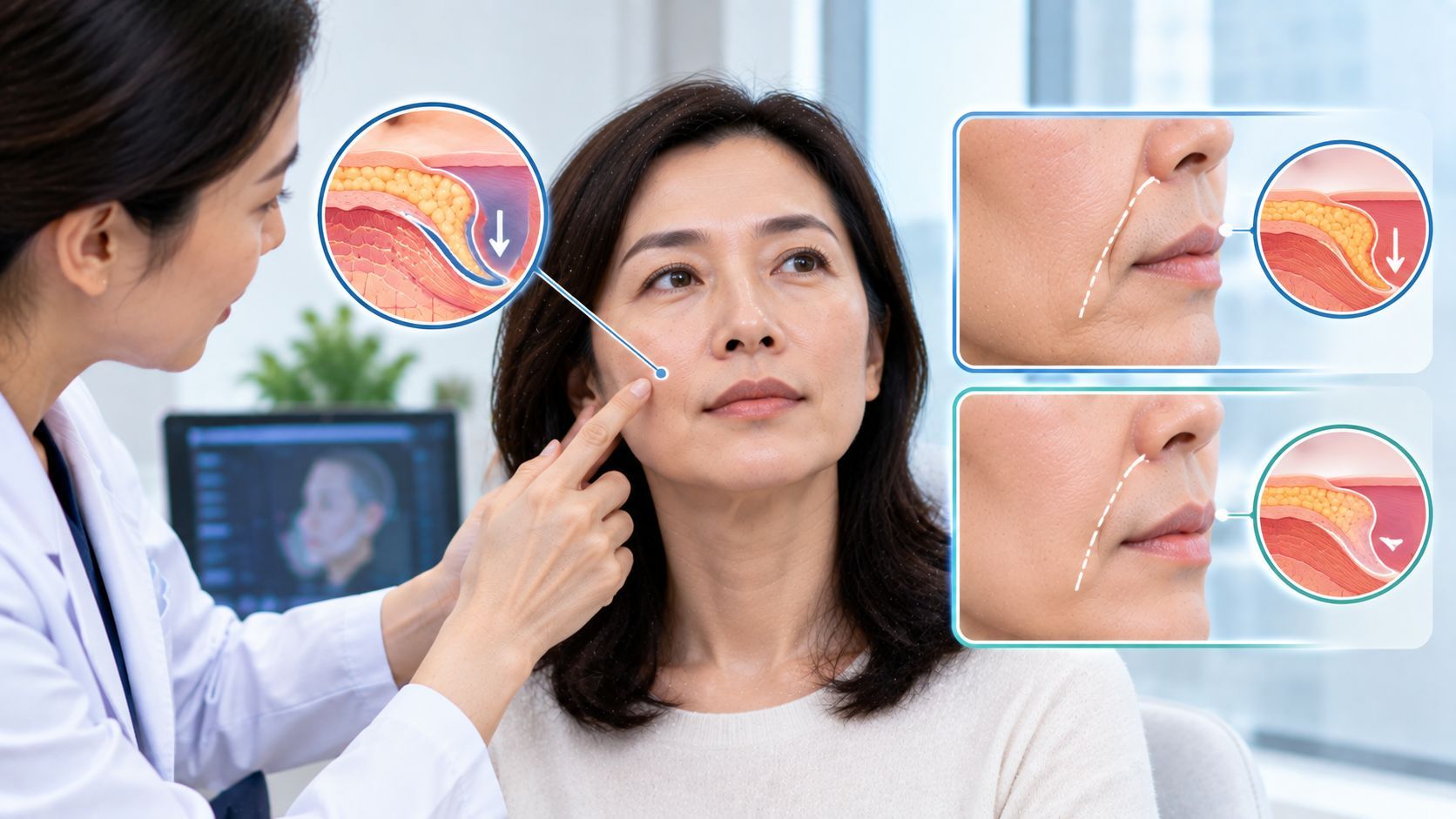
Why Can Skin Sometimes Look Thinner After Laser?
Several explanations are possible.
Temporary dehydration
Immediately after treatment, the skin may be dry and tight.
Inflammation
Swelling can temporarily change the way the skin reflects light.
Reduced surface roughness
After healing, the skin may look smoother and more reflective, which some people interpret as thinner.
Natural aging
If someone has undergone repeated laser treatments over several years, they may also have experienced normal age-related skin changes.
Weight loss
Loss of facial fat can make the skin look more delicate even when the laser did not thin the skin.
Over-treatment
In some circumstances, excessive treatment can contribute to tissue damage or unwanted changes.
A dermatologist needs to distinguish these possibilities.
Who Should Be Especially Careful With Repeated Laser Treatment?
Extra caution may be appropriate if you have:
- Very sensitive skin
- A history of rosacea
- Frequent flushing
- A weak or easily irritated skin barrier
- Melasma
- A history of post-inflammatory hyperpigmentation
- Darker skin
- Recent sun exposure
- Active dermatitis
- Poor wound healing
- Multiple recent procedures
This does not mean that laser treatment is prohibited.
It means that treatment selection and settings should be individualized.
What About Darker Skin?
Skin with more melanin can be more vulnerable to pigmentary complications after certain laser treatments.
The concern is not necessarily that darker skin is "too sensitive" for lasers.
Rather, the dermatologist needs to consider:
- Wavelength
- Fluence
- Pulse duration
- Cooling
- Treatment density
- Skin condition
- Current tanning
- Previous PIH
A history of developing dark marks after acne or procedures should always be mentioned during consultation.
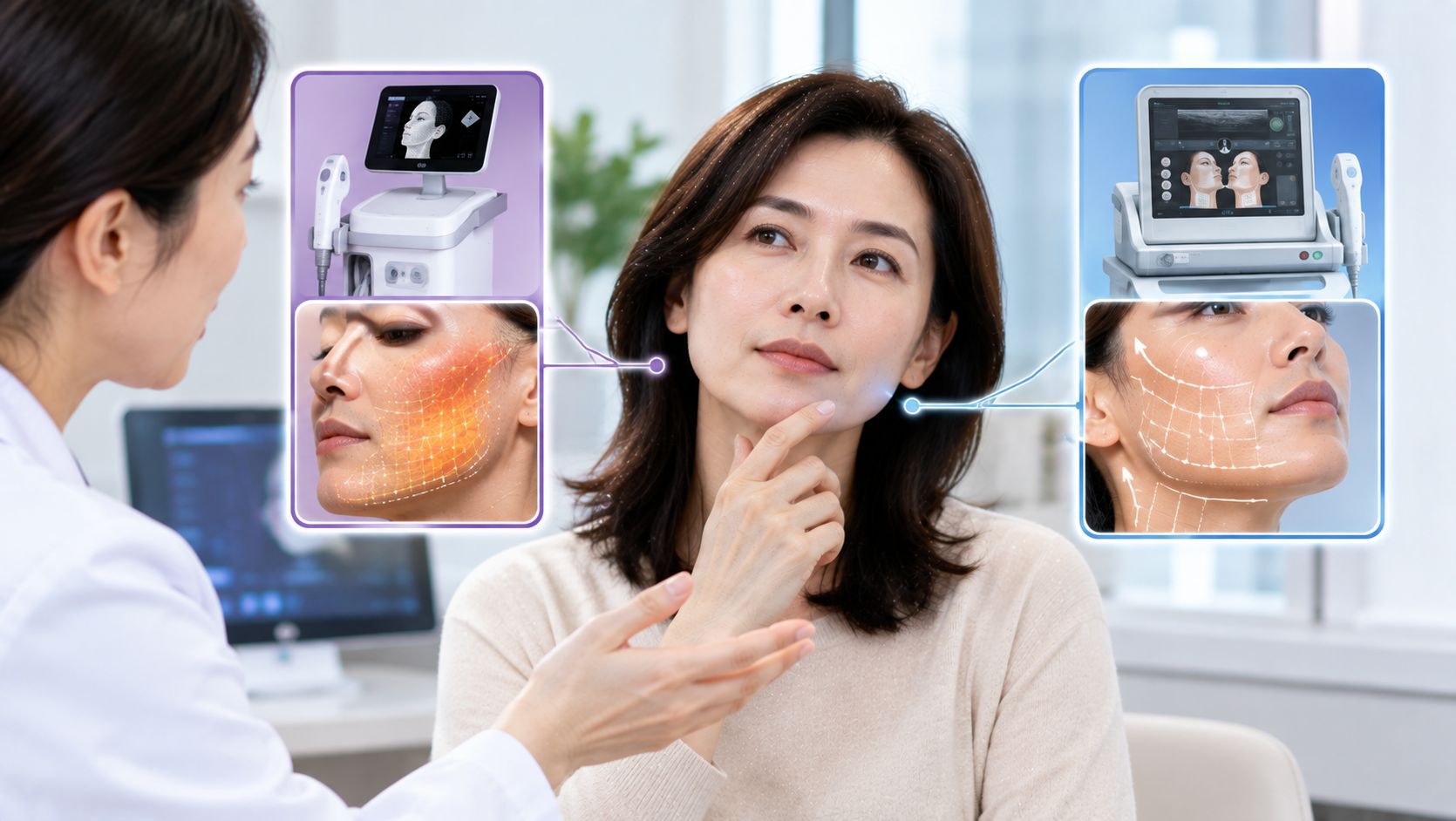
Can Combining Lasers Make Things Worse?
Potentially.
Combining procedures can be useful when each treatment targets a different problem.
But stacking multiple energy-based procedures too close together can increase the overall inflammatory burden.
For example, a patient might combine:
- Pigment laser
- Fractional laser
- RF microneedling
- Chemical peel
- HIFU
within a short period.
The fact that each procedure can be appropriate individually does not mean that performing all of them together is appropriate.
How Do You Know Your Skin Needs Recovery?
Watch for signs such as:
- Persistent redness
- Burning or stinging
- Unusual dryness
- Flaking that does not resolve
- Increased sensitivity to skincare
- New pigmentation
- Persistent swelling
- Skin that feels unusually tight or fragile
These symptoms suggest that another aggressive treatment should not automatically be scheduled.
The skin may need time to recover.
Should You Stop Laser Treatments Completely?
Usually, not necessarily.
If a laser has been effective and your skin is tolerating it well, continuing treatment according to an appropriate protocol may be reasonable.
The goal is to avoid unnecessary treatment, not all treatment.
A good plan may involve:
Treatment → healing → assessment → maintenance
rather than:
Treatment → treatment → treatment → treatment
without evaluating the skin between sessions.
What Should You Ask a Korean Dermatologist?
If you have already undergone multiple laser treatments, ask:
- What exact problem are we treating now?
- What laser was used during my previous session?
- Has my skin fully recovered?
- Do I need another treatment now?
- Could a lower-energy approach achieve the same goal?
- What is my risk of PIH?
- Would another type of treatment be more appropriate?
- How long should I wait before the next session?
For international patients, keep a record of every treatment and bring it to your Korean clinic.
What If Your Skin Already Feels Thin?
Do not assume that another laser will solve the problem.
First determine what you mean by "thin."
If the issue is:
- Dryness → barrier support may be more important.
- Pigmentation → the underlying pigment condition should be assessed.
- Facial volume loss → a laser may not address the primary issue.
- Fine lines → skin quality and volume should be evaluated.
- Sensitivity → additional energy treatment may need to be postponed.
- True tissue damage → professional assessment is important.
Treatment should address the underlying problem rather than the description alone.
Conclusion
Too many laser treatments can contribute to irritation, prolonged inflammation, pigmentary problems, and other complications, but properly performed laser treatment does not automatically make the skin permanently thinner.
Many laser treatments are actually designed to stimulate collagen remodeling and improve the quality of the skin.
The risk comes from inappropriate treatment selection, excessive intensity, overly frequent sessions, inadequate recovery, or treating skin that is already compromised.
If your skin is increasingly sensitive, red, dry, or fragile after repeated treatments, another laser session may not be the answer.
Sometimes the most effective treatment is simply allowing the skin to recover and reassessing what it actually needs.
Frequently Asked Questions
Can laser treatments permanently thin the skin?
Appropriately performed laser treatment is not expected to simply make skin progressively thinner. However, overly aggressive or inappropriate treatment can cause tissue injury and complications.
Can CO2 laser make skin thinner?
CO2 laser is an ablative resurfacing treatment that intentionally removes controlled portions of tissue and stimulates healing and remodeling. It can improve skin quality when appropriately performed, but aggressive treatment requires careful patient selection and recovery.
Can Pico laser thin facial skin?
Pico laser does not work in the same way as aggressive ablative resurfacing. However, inappropriate settings or excessive treatment can still cause unwanted inflammation or pigmentation problems.
How often can I safely get laser treatment?
There is no universal interval. It depends on the specific laser, treatment intensity, skin condition, indication, and recovery time.
Can too many lasers cause a weak skin barrier?
Repeated procedures can contribute to prolonged irritation and temporary barrier disruption, especially when treatments are performed before the skin has recovered.
Should I stop laser treatment if my skin feels thinner?
Do not automatically schedule another treatment. Have the skin evaluated first to determine whether the sensation is caused by dryness, inflammation, facial-volume loss, natural aging, or an actual treatment-related complication.