How Do I Know If My Skin Needs Recovery Rather Than Another Treatment?
Introduction
With so many options available at Korean dermatology clinics, it can be tempting to keep treating your skin whenever you see a new concern. Laser, RF microneedling, skin boosters, Rejuran, Botox, peels, HIFU, and other procedures can all have useful roles—but more treatment is not automatically better treatment.
So how do you know when your skin needs another procedure and when it actually needs time to recover?
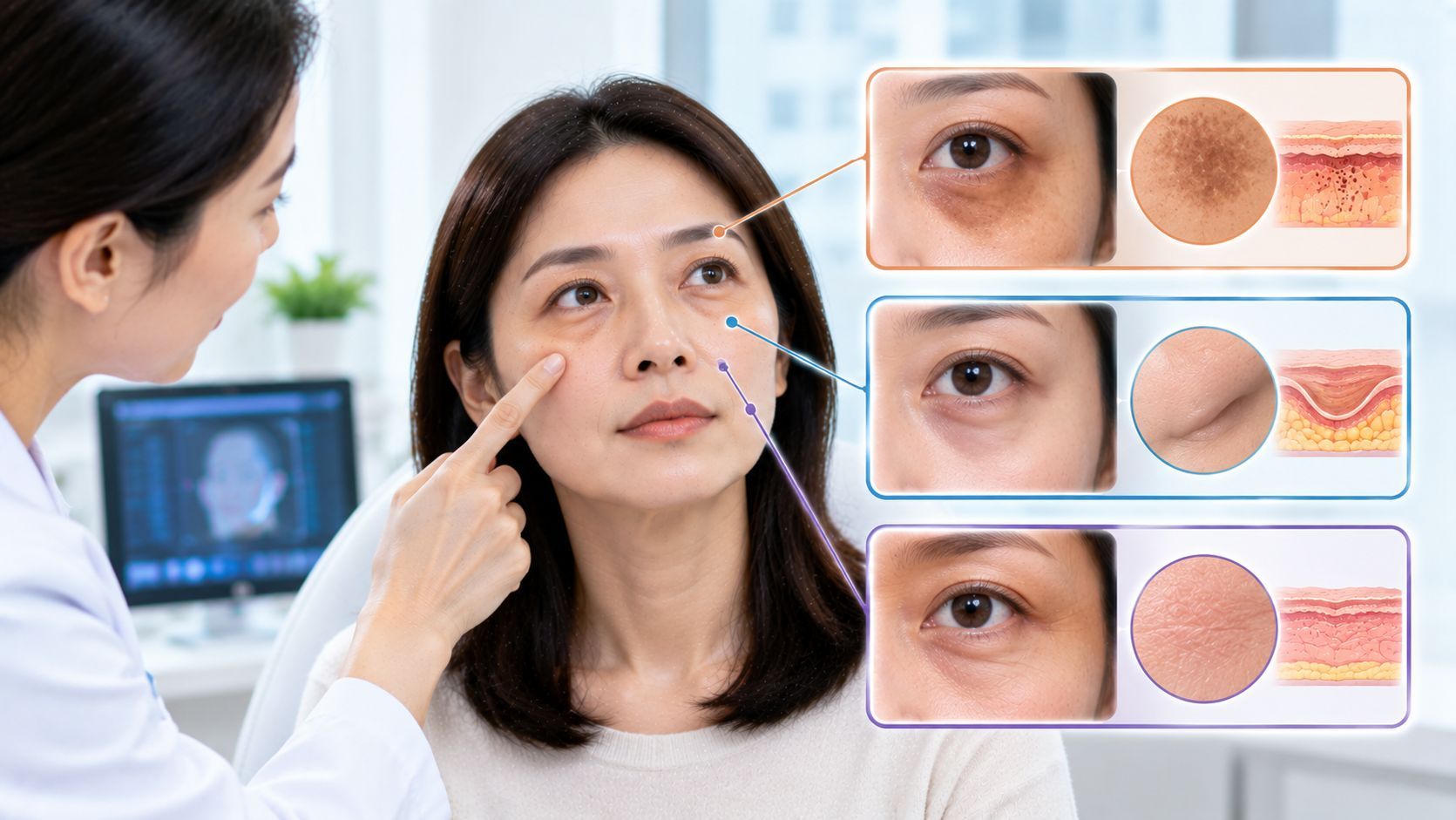
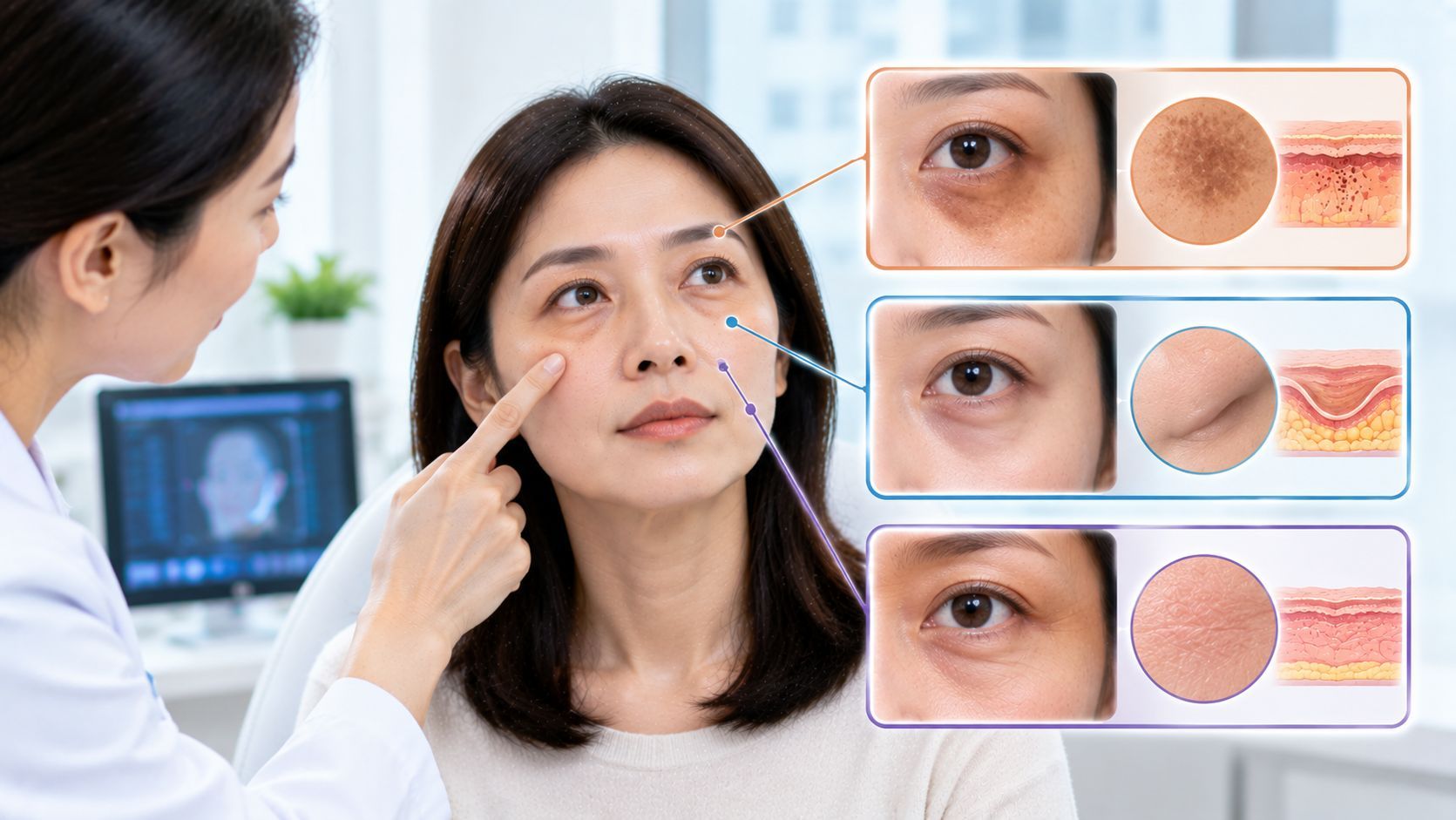
If your skin is still red, burning, unusually sensitive, swollen, peeling, dry, or reacting to products that normally do not bother you, recovery may be more appropriate than another treatment. These signs do not necessarily mean that your previous procedure caused permanent damage, but they can indicate that your skin has not fully settled.
A dermatologist should evaluate persistent or unusual symptoms before another procedure rather than assuming that another treatment will fix them.
What Does Skin Recovery Actually Mean?
After an aesthetic procedure, the skin may temporarily experience inflammation, redness, swelling, dryness, peeling, or sensitivity.
The recovery period depends heavily on the procedure.
For example, a superficial treatment may require little downtime, while more aggressive resurfacing can require substantially longer healing.
The American Academy of Dermatology recommends discussing expected recovery time, preparation, aftercare, and the number of treatments needed with the treating dermatologist before undergoing cosmetic procedures.
Recovery therefore does not simply mean "waiting a few days."
It means allowing the skin to return toward its normal condition before exposing it to additional stress.
Why Can Another Treatment Be a Bad Idea?
Every procedure creates some degree of biological stress.
Depending on the treatment, this can involve:
- Thermal energy
- Mechanical injury
- Needle injections
- Controlled skin injury
- Chemical exfoliation
- Muscle relaxation
- Temporary inflammation
If your skin is already irritated, adding another procedure can make it harder to determine what is causing your symptoms.
It may also increase the overall burden of inflammation or prolong recovery.
This is especially important when several different procedures are being combined.
Seven Signs Your Skin May Need Recovery
1. Your Skin Burns or Stings
If moisturizer, cleanser, sunscreen, or previously tolerated skincare suddenly causes significant stinging, your skin may be unusually sensitive.
That does not automatically mean your skin barrier is permanently damaged.
However, it is a reason to simplify your routine and discuss the symptoms before undergoing another aggressive procedure.
2. Redness Is Not Settling
Some redness is expected after certain treatments.
The important question is whether the redness is improving as expected.
Persistent, worsening, or increasingly uncomfortable redness deserves evaluation rather than automatically scheduling another session.
3. Your Skin Is Extremely Dry or Tight
Temporary dryness can occur after procedures.
But if your skin feels persistently tight, flaky, or uncomfortable, adding another exfoliating or energy-based treatment may not be the logical next step.
4. You Are Still Peeling
Peeling can be part of the expected recovery from some resurfacing procedures and chemical peels.
If peeling is still occurring, ask the treating clinic whether the skin has recovered sufficiently before another procedure.
5. Your Skin Suddenly Reacts to Everything
If products that were previously comfortable suddenly cause:
- Burning
- Stinging
- Redness
- Itching
- Tightness
your skin may need a period of simplified care.
This is particularly relevant after repeated laser or resurfacing procedures.
6. You Have Persistent Swelling
Swelling can be normal after injectable treatments and certain procedures.
But persistent or increasing swelling should be evaluated.
Do not assume that another treatment will make it disappear.
7. Your Skin Looks Worse Than Before and You Are Tempted to "Fix It" Immediately
This is one of the most important warning signs.
A temporary post-treatment appearance can be misleading.
Swelling, redness, dryness, and inflammation can make skin look worse before it looks better.
Trying to correct that temporary appearance with another procedure can potentially complicate the situation.
Recovery Does Not Mean the Treatment Failed
This is an important distinction.
After treatment, you may temporarily notice:
- Redness
- Swelling
- Dryness
- Uneven texture
- Small bumps
- Flaking
- Sensitivity
These findings do not automatically mean the treatment was unsuccessful.
Some procedures are specifically designed to trigger a controlled healing response.
For example, laser treatments can be used for wrinkles, scars, pigmentation, and other conditions, but treatment choice and settings need to be individualized. The AAD notes that darker skin can have a higher risk of burns and dark marks after some laser treatments, making appropriate treatment selection particularly important.
How Long Should You Wait?
There is no universal recovery period for every aesthetic treatment.
The appropriate interval depends on:
- Treatment type
- Energy intensity
- Treatment depth
- Treatment area
- Skin condition
- Individual healing
- Previous procedures
- Any complications
A low-intensity procedure and an aggressive resurfacing treatment should not be given the same recovery schedule.
The clinic that performed your treatment should tell you what recovery to expect.
If your recovery is taking longer than expected, that is a reason for reassessment.
What About Repeated Laser Treatments?
Lasers can be highly useful for pigmentation, scars, wrinkles, redness, and other concerns. But the treatment needs to match the patient's skin and condition.
If you repeatedly experience:
- Burning
- Persistent redness
- Excessive dryness
- New pigmentation
- Prolonged sensitivity
after laser sessions, another laser appointment should not automatically be the next step.
The AAD recommends discussing the treatment, risks, expected results, recovery, and aftercare with an appropriately trained dermatologist.
What About RF and HIFU?
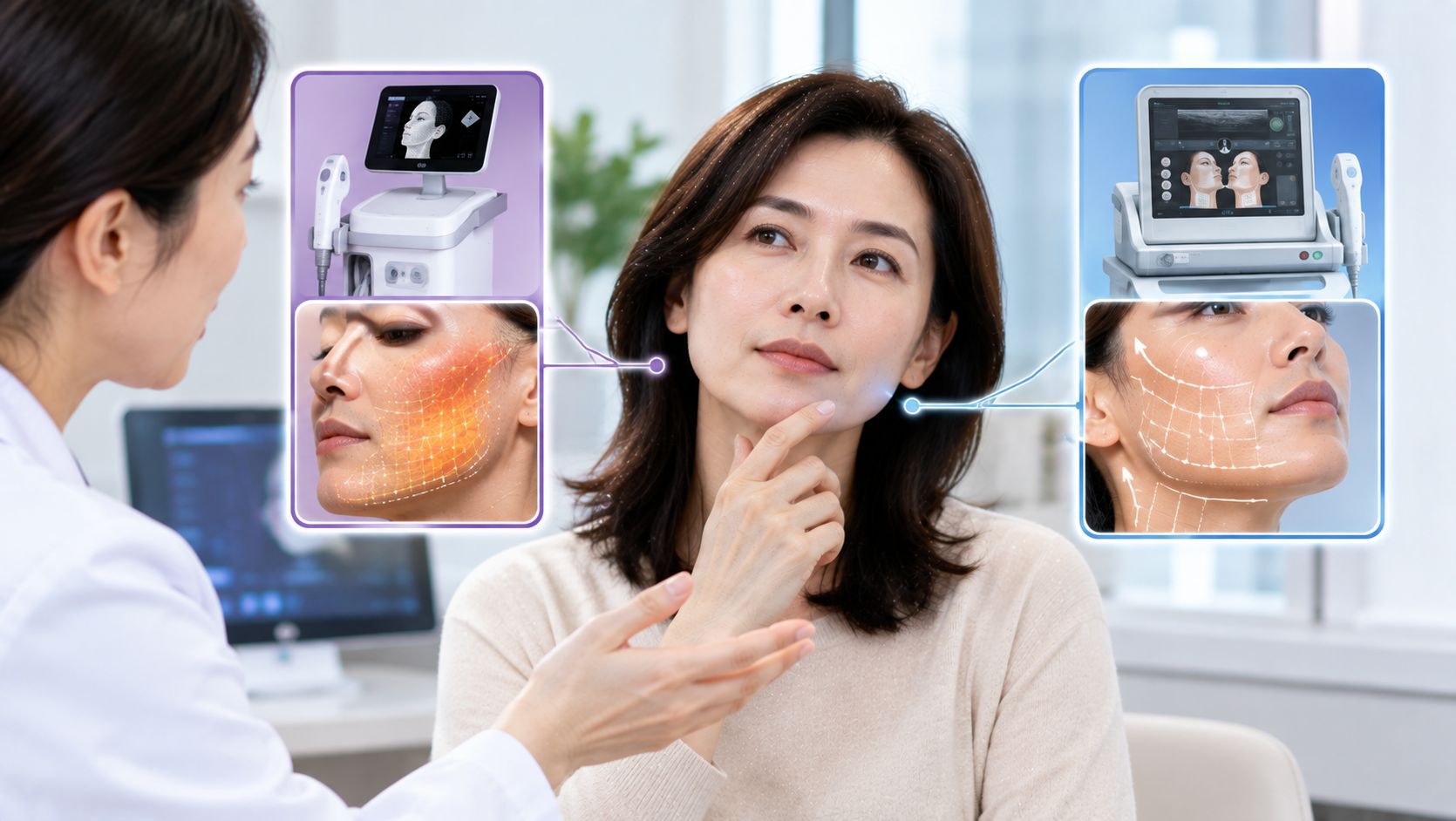
Energy-based tightening procedures can also require individualized treatment planning.
If you recently had RF, RF microneedling, HIFU, Ultherapy, Thermage, or another energy-based procedure, do not assume that adding another energy treatment immediately will produce a better result.
First determine:
- What tissue was treated?
- What was the intended effect?
- Has the expected response developed?
- Is the skin still irritated?
- Is another procedure actually necessary?
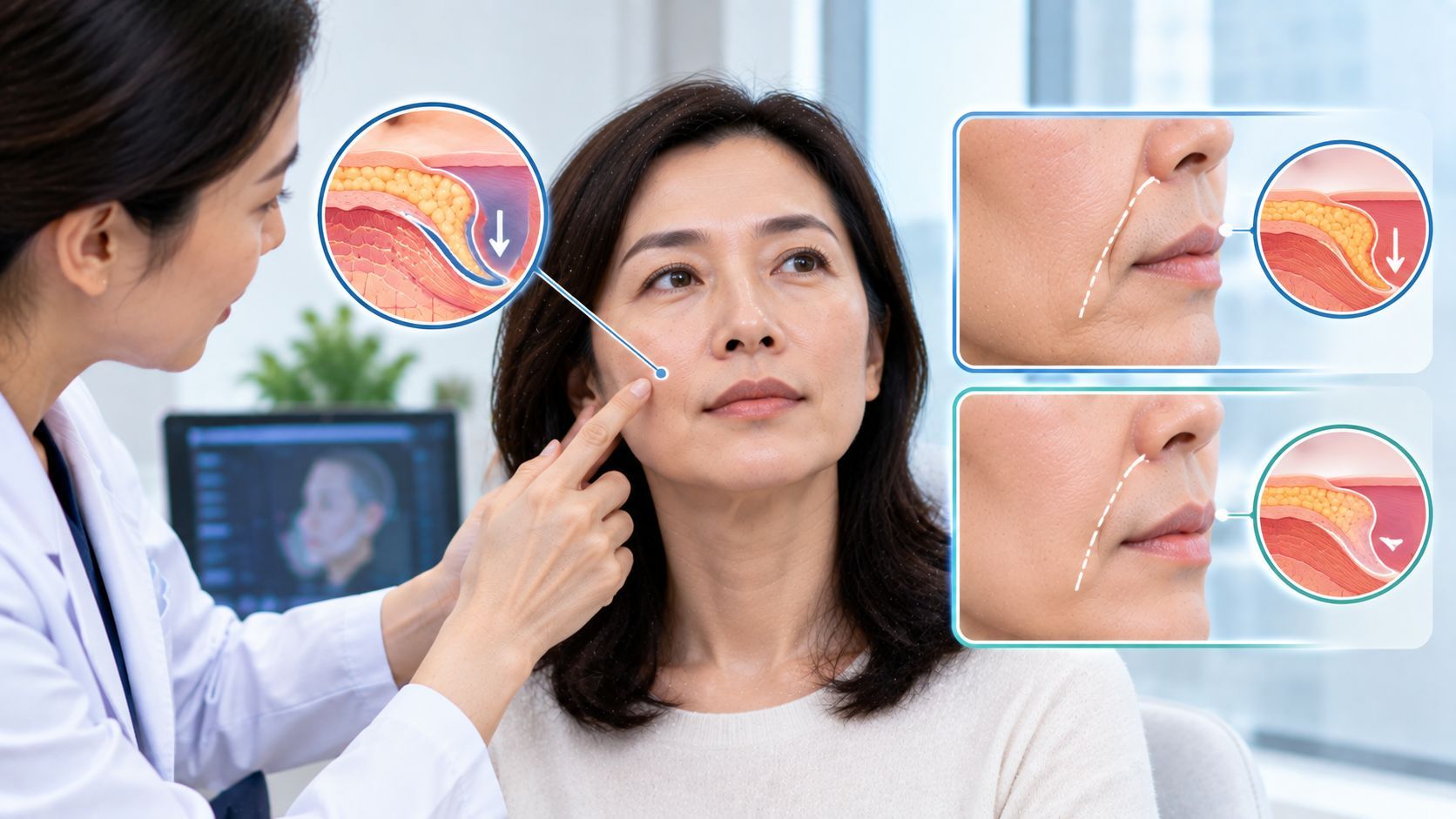
This is especially important if your face already looks thinner, more sensitive, or unusually dry after multiple treatments.
What About Skin Boosters and Rejuran?
Injectable treatments create a different type of recovery.
Small bumps, redness, swelling, or bruising may occur depending on the product and technique.
If these have not settled, another injection session should be discussed with your dermatologist first.
This is particularly important if you have received several different injectable products.
For example, if you recently had:
- Rejuran
- Juvelook
- Another skin booster
- Filler
- Botox
it can become difficult to identify the source of a new swelling or lump if additional injections are performed immediately.
Can Your Skin Need Recovery Even If It Looks Fine?
Yes.
Not every recovery issue is dramatic.
Your skin may appear relatively normal but still be undergoing post-treatment changes.
This is why treatment schedules should not be based solely on whether you can see an obvious problem.
The recommended interval depends on the treatment protocol and your response.
Sometimes the best plan is simply to wait until the intended treatment effect can be evaluated.
Signs That Another Treatment May Actually Be Reasonable
Recovery does not mean you should avoid treatment indefinitely.
Another procedure may be reasonable when:
- Your skin has returned to its normal baseline
- Previous redness or irritation has resolved
- There is no unexplained swelling
- The previous treatment has had enough time to show its effect
- Your dermatologist has identified a remaining concern
- The next treatment has a specific purpose
- Your skin is appropriate for the proposed procedure
The key is having a reason for the next treatment.
What Does "Treatment Creep" Look Like?
Treatment creep happens when one procedure gradually leads to another without a clearly defined overall plan.
For example:
Laser → skin booster → RF → peel → another laser → HIFU
Each treatment may sound reasonable individually.
But the combined schedule may become excessive if there is no adequate recovery or reassessment.
This can happen particularly easily in Seoul because international patients may want to accomplish several procedures during one trip.
Why International Patients Need to Be Especially Careful
A short medical-tourism trip can create pressure to fit multiple treatments into a few days.
For example, you might arrive in Seoul with a list of:
- Pigmentation treatment
- Acne-scar treatment
- Skin booster
- Botox
- Tightening
- Facial treatment
But your skin may not be able to undergo all of them safely within the same timeframe.
A better consultation question is:
"Which treatment should we prioritize, and which treatments should wait?"
This allows the dermatologist to consider recovery rather than simply maximizing the number of procedures during your trip.
What Should You Do During a Recovery Period?
Follow the specific aftercare instructions provided for your procedure.
Depending on the treatment, your dermatologist may recommend:
- Gentle cleansing
- Appropriate moisturization
- Sun protection
- Avoiding unnecessary exfoliation
- Temporarily stopping certain active skincare products
- Avoiding heat or strenuous activity for a specified period
- Avoiding picking or scratching treated areas
Do not automatically add strong skincare products because you think they will speed up healing.
Your post-treatment routine should be appropriate for the procedure you actually received.
When Should You Contact Your Clinic?
Contact your treating clinic or seek medical evaluation if you develop symptoms such as:
- Increasing rather than improving pain
- Significant or worsening swelling
- Blistering
- Increasing warmth or redness
- Pus or drainage
- Fever
- Rapidly worsening skin changes
- Significant color changes
- Other symptoms that concern you
These symptoms should not be treated as ordinary recovery without assessment.
How Can You Decide Between Treatment and Recovery?
Before booking another procedure, ask yourself five questions:
- Has my skin returned to its normal baseline?
- Has the previous treatment had enough time to work?
- Do I have any unresolved redness, swelling, burning, or irritation?
- What specific problem will the next treatment address?
- Has a dermatologist confirmed that my skin is ready?
If you cannot clearly answer these questions, another treatment may not be the immediate priority.
What Should You Ask a Korean Dermatologist?
Before another procedure in Seoul, ask:
"Has my skin fully recovered?"
Do not judge this only by appearance.
"What are we treating now?"
There should be a specific target.
"Has my previous treatment reached its full expected effect?"
Some treatments require time before their results can be properly evaluated.
"Could another treatment make my current irritation worse?"
This is particularly important after laser, RF, peels, and microneedling.
"Would waiting produce a better result?"
Sometimes the most useful treatment decision is postponement.
The AAD similarly recommends asking about risks, expected results, number of treatments, recovery time, preparation, and aftercare before undergoing cosmetic treatment.
Conclusion
Your skin may need recovery rather than another treatment when it remains unusually red, dry, sensitive, swollen, painful, peeling, or reactive—or when the previous treatment has not had enough time to show its full effect.
That does not automatically mean something has gone wrong.
Recovery is a normal part of many cosmetic procedures.
The bigger concern is continuing to add treatments without allowing the skin to settle or without identifying what problem you are actually trying to correct.
For international patients visiting Seoul, resisting the temptation to "do everything in one trip" can be particularly important. A carefully staged treatment plan may be more useful than a long list of procedures.
Sometimes the most appropriate next step is not another laser, injection, or tightening treatment.
Sometimes it is simply giving your skin enough time to recover.
Frequently Asked Questions
How do I know if my skin barrier needs recovery?
Persistent dryness, burning, stinging, redness, flaking, tightness, or increased sensitivity to normally tolerated products can indicate that your skin needs a period of recovery and reassessment.
Can I get another treatment if my skin is still red?
It depends on the procedure and why the skin is red. If redness is persistent, worsening, or accompanied by burning or swelling, it is better to have the skin assessed before another procedure.
How long should I wait between aesthetic treatments?
There is no universal waiting period. The appropriate interval depends on the procedure, intensity, treatment area, recovery, and individual response.
Is it bad to combine several skin treatments during one Seoul trip?
Not necessarily, but combining multiple procedures requires careful planning. Treatments should be compatible and spaced appropriately according to the dermatologist's assessment.
Can I treat irritated skin with another procedure?
Usually, the underlying irritation should be assessed first. Adding another procedure without understanding why the skin is irritated may complicate recovery.
When should I contact my clinic after treatment?
Contact the clinic if symptoms are worsening rather than improving, or if you develop significant pain, swelling, blistering, drainage, fever, or other concerning changes.