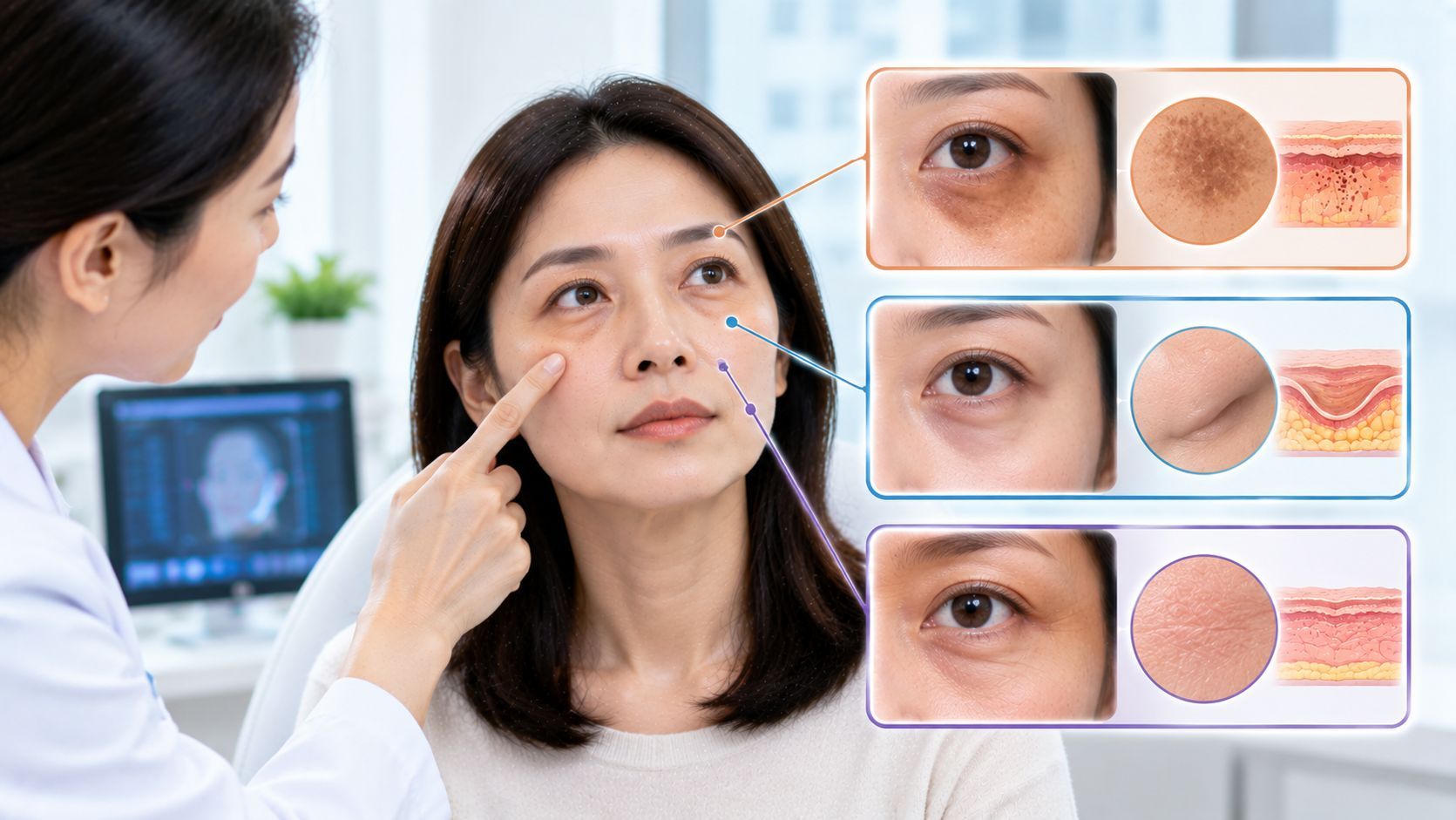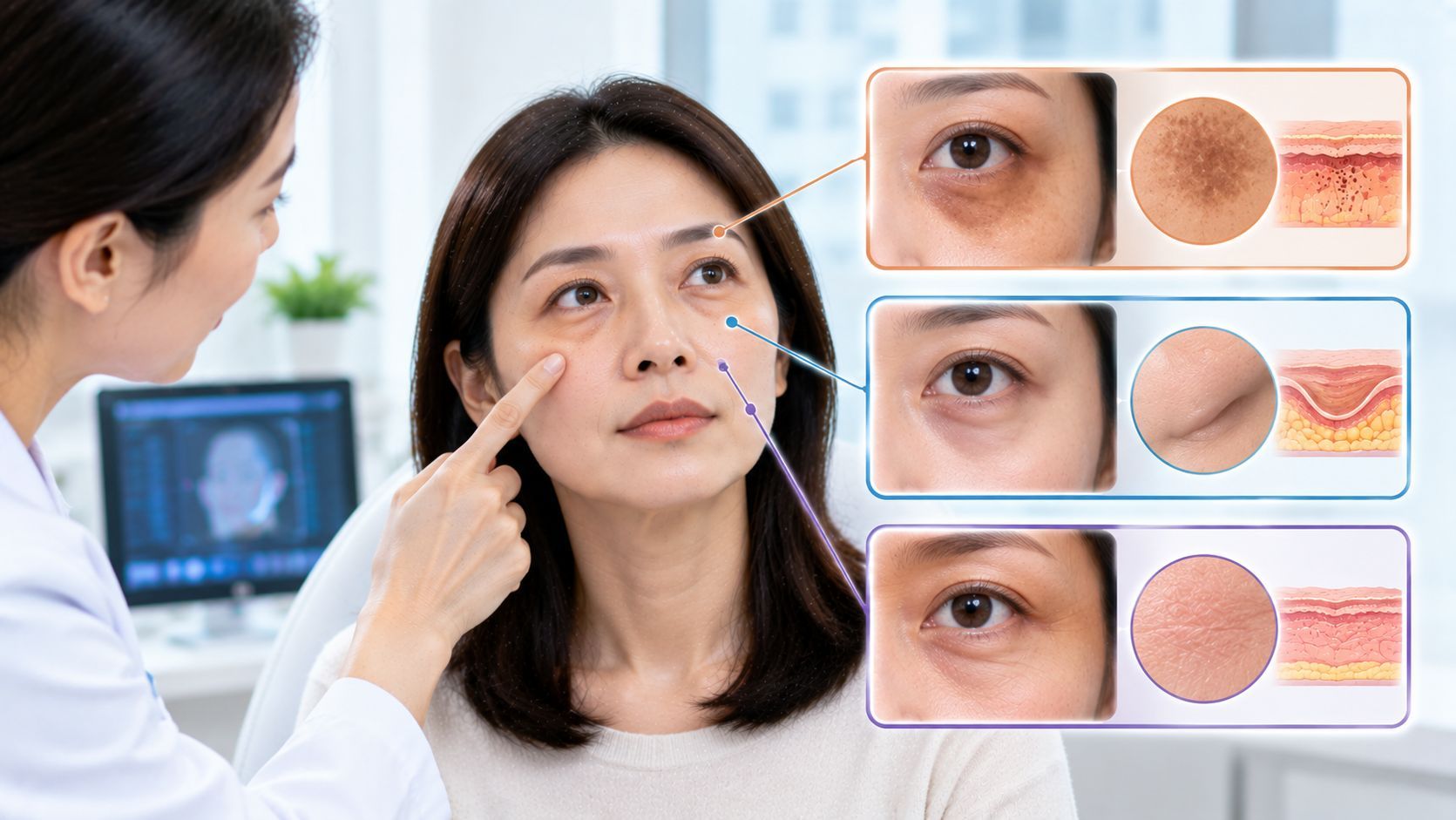
Can Too Much HIFU Permanently Make Your Face Thinner?
Introduction
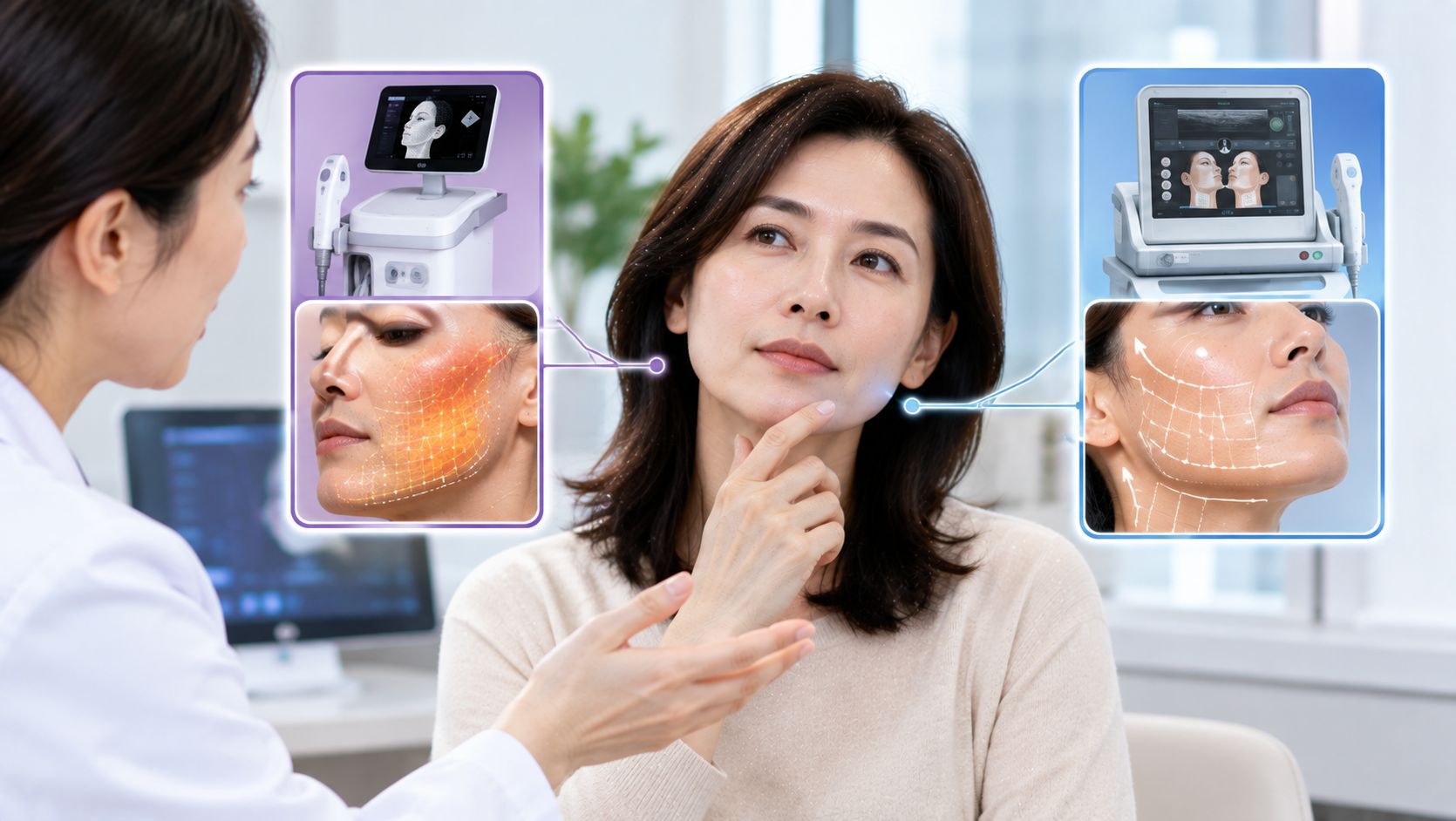
HIFU, or high-intensity focused ultrasound, is widely used for non-surgical facial tightening and lifting. It delivers focused ultrasound energy into specific tissue depths to create controlled thermal effects that can stimulate tissue remodeling and tightening.
But if your face is already naturally thin, you may have an important concern: Can repeated or overly aggressive HIFU permanently make the face thinner?
The answer is potentially, but the risk needs to be understood carefully. HIFU is not designed primarily as a facial-fat-removal treatment in every application, but ultrasound energy can affect subcutaneous tissue when the treatment parameters and depth target fat. Published medical literature has reported cases of subcutaneous atrophy and lipoatrophy after microfocused ultrasound, although these complications appear uncommon.
This is why repeated HIFU should not be approached as a routine "more is better" treatment, particularly for people with naturally lean faces or existing facial volume loss.
How HIFU Can Affect Facial Tissue
HIFU uses focused ultrasound energy at specific depths beneath the skin.
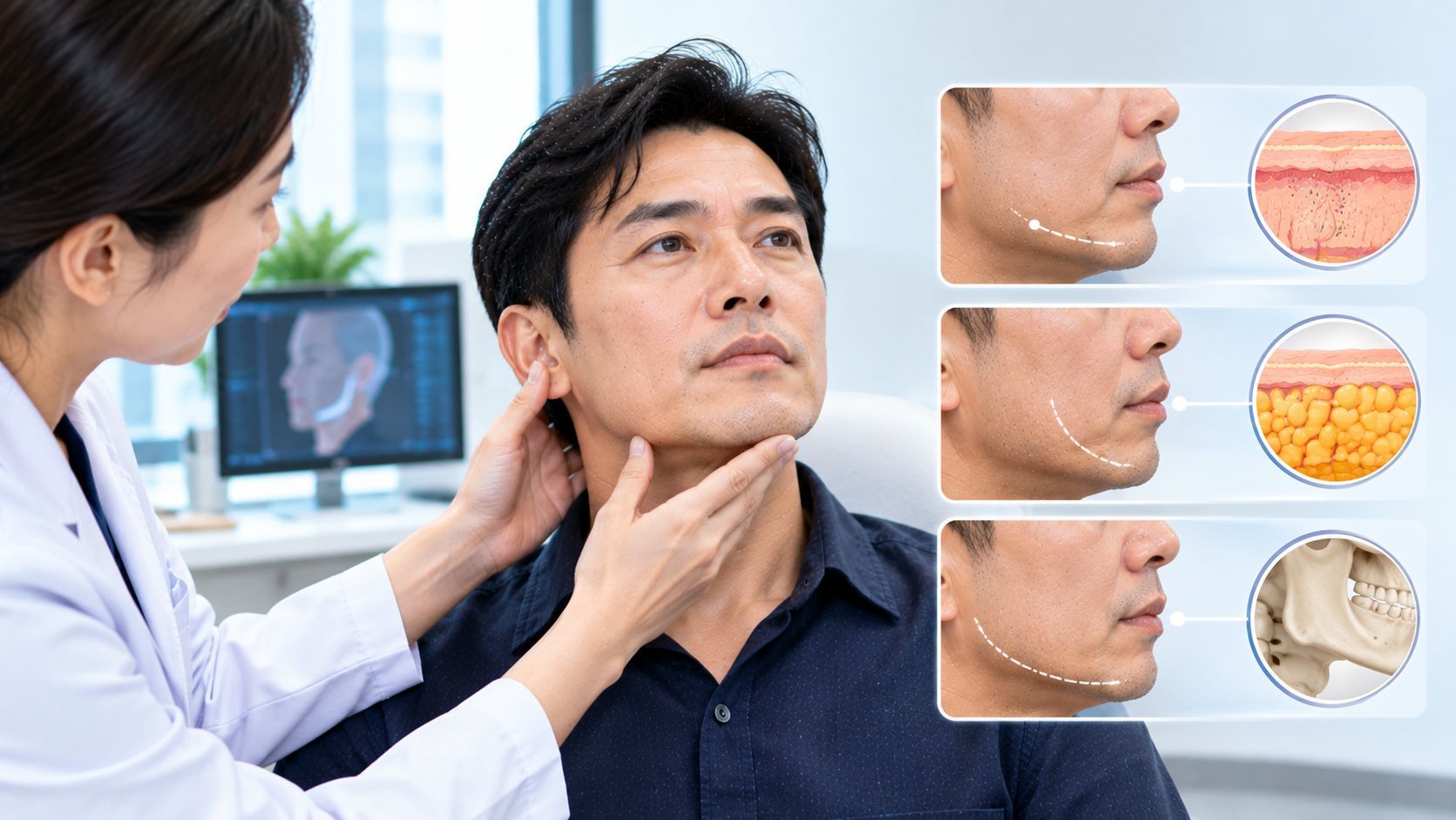
Depending on the device, cartridge, treatment depth, energy level, and treatment objective, the energy can target different tissue layers.
For facial tightening, the intended effect is controlled thermal injury that encourages tissue remodeling. A systematic review found that microfocused ultrasound can improve mild-to-moderate facial laxity, with improvements continuing over several months.
However, the deeper tissue layers also contain subcutaneous fat.
That means where the energy is delivered matters.
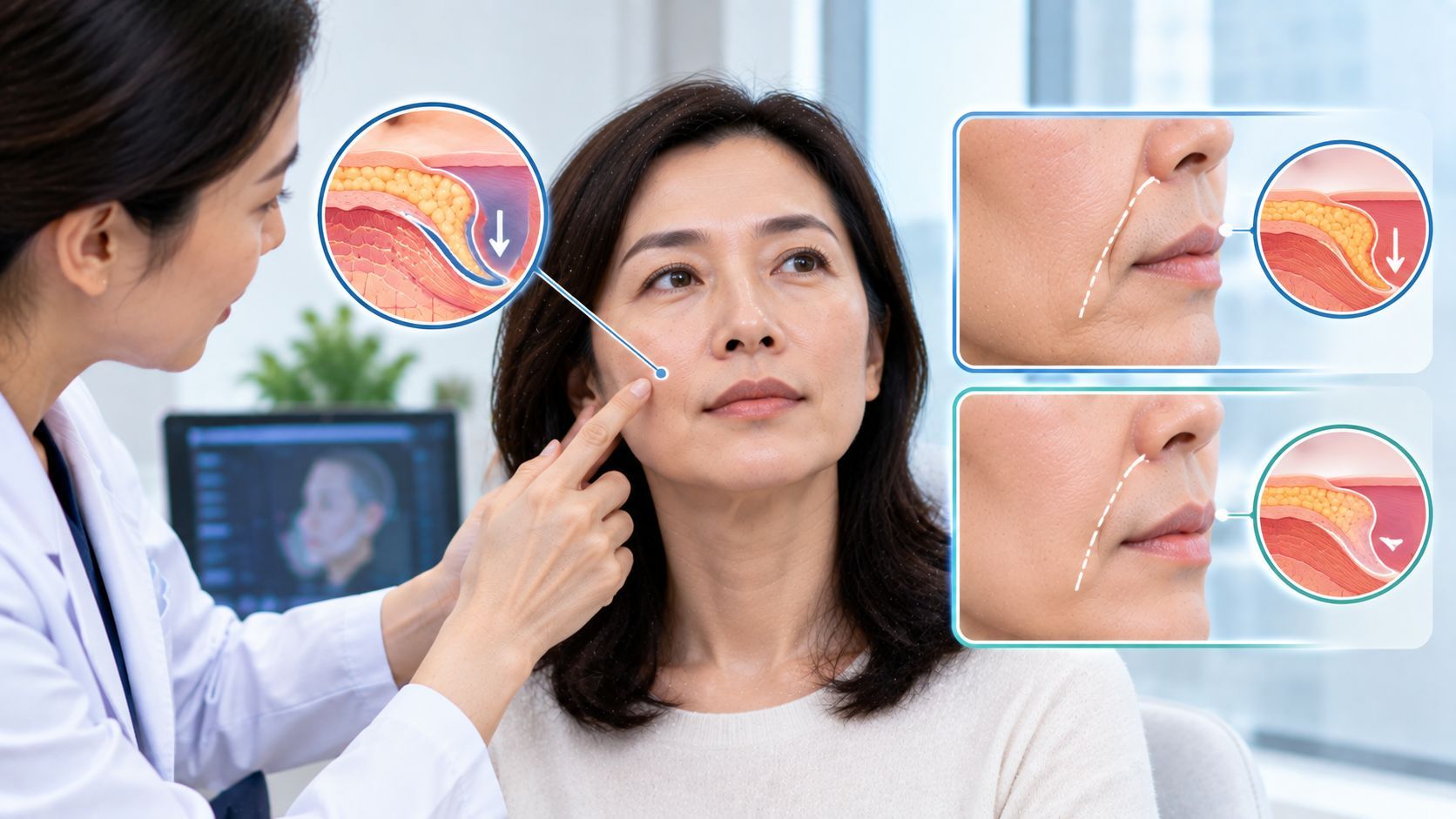
If energy is inadvertently or intentionally delivered into fat-containing tissue at inappropriate settings, tissue atrophy can potentially occur.
Does HIFU Actually Remove Facial Fat?
It depends on the device and treatment protocol.
HIFU technology can be deliberately used to reduce subcutaneous fat in certain body-contouring applications. Research has also specifically examined HIFU for reducing submental fat under the chin.
Facial skin-tightening HIFU, however, is not automatically equivalent to a fat-reduction procedure.
The concern arises when treatment is performed:
- On a very thin face
- At inappropriate depths
- With excessive energy
- With excessive treatment density
- Repeatedly before the previous treatment has been adequately assessed
- Over areas that already have little facial fat
A Korean study discussing focused ultrasound specifically noted that significant fat atrophy can limit the use of this technology in patients with lean faces.
Can HIFU Permanently Make the Face Thinner?
It can potentially cause localized fat or soft-tissue atrophy, and some reported cases have been persistent. However, this does not mean that normal HIFU treatment inevitably causes permanent facial fat loss.
The distinction is important.
A 2025 systematic review of microfocused ultrasound with visualization found that most published adverse events were transient, such as swelling, redness, and pain. The scientific literature contained limited reports of significant adverse events, including one case of subcutaneous atrophy. The same review found reports of lipoatrophy in post-market safety data, although the authors emphasized that some of those reports were anecdotal or unverified.
An earlier case series also documented rare serious complications, including subcutaneous tissue atrophy after MFU treatment.
So the medically accurate answer is not "HIFU always melts facial fat."
It is:
HIFU can affect subcutaneous tissue, and inappropriate treatment may cause localized atrophy, but significant permanent facial thinning appears to be an uncommon complication rather than the expected outcome.
Why Thin Faces Require More Caution
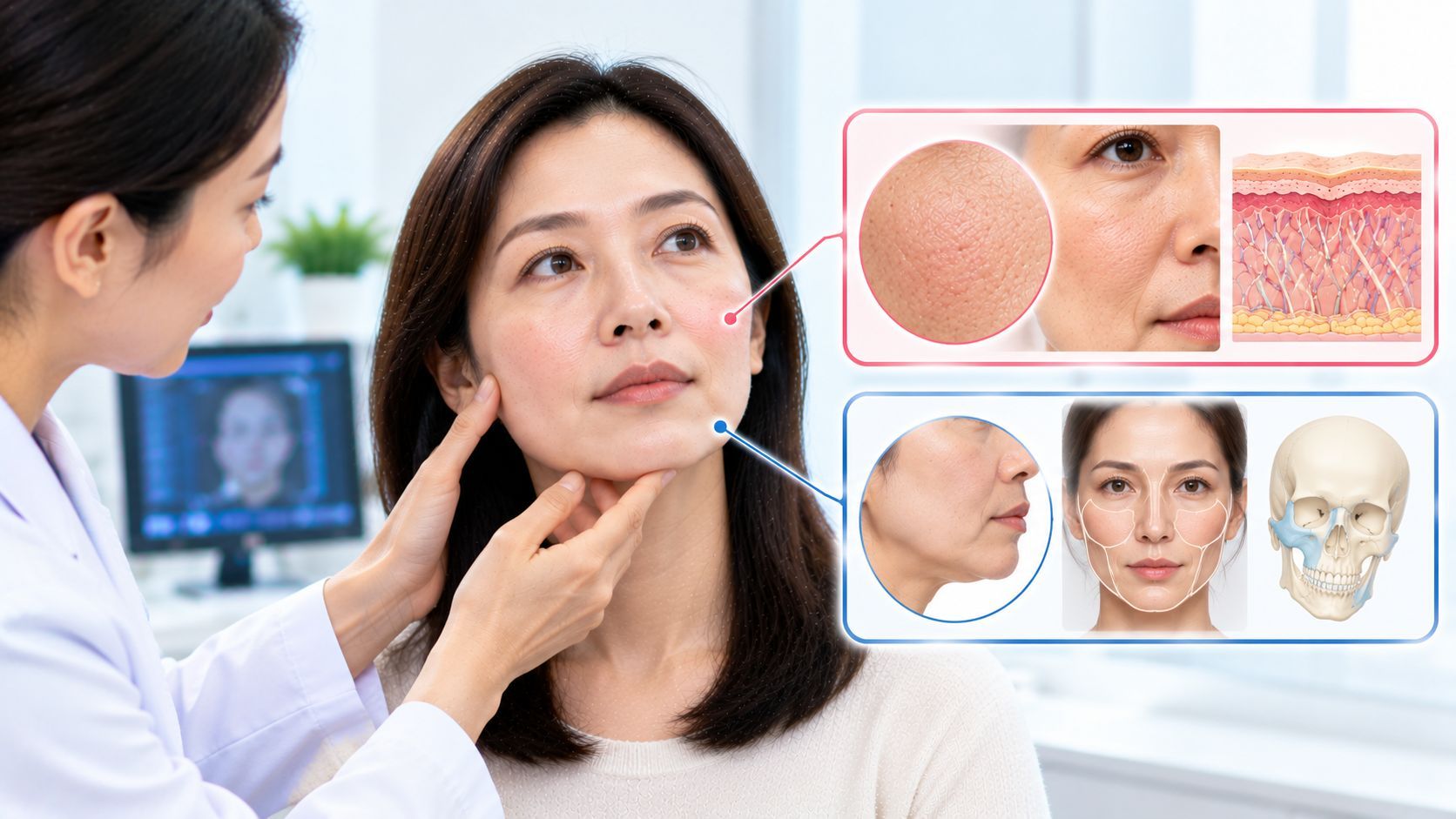
Someone with a fuller lower face may have more tissue between the skin and deeper structures.
A naturally lean face has less room for error.
If you already have:
- Hollow cheeks
- Visible temples
- Prominent cheekbones
- A narrow lower face
- Little subcutaneous facial fat
- Recent weight loss
- Post-menopausal facial volume loss
- Previous fat-reducing treatments
then further reduction in soft-tissue volume may make the face appear older or more skeletal.
This does not necessarily mean you cannot have HIFU.
It means the treatment objective and energy delivery need to be carefully considered.
What Does HIFU Over-Treatment Look Like?
There is no single appearance that proves HIFU caused facial fat loss.
However, changes that deserve professional evaluation include:
New hollow areas
If the cheeks or temples become visibly more concave after treatment, this should be assessed rather than automatically treated with another tightening session.
A more skeletal appearance
Some people describe prominent cheekbones or a more angular lower face after losing facial volume.
This may have multiple causes, including weight loss, aging, natural fat redistribution, or previous treatments.
Uneven depressions
Localized changes can be particularly important because they may indicate an area-specific tissue effect.
A face that looks smaller rather than tighter
A tightening treatment should not automatically be assumed to have worked simply because the face looks more angular.
Could Repeated HIFU Increase the Risk?
There is not enough evidence to establish a universal number of HIFU sessions after which facial fat loss becomes inevitable.
This is important because online recommendations sometimes suggest rigid schedules such as repeating HIFU every few months regardless of facial anatomy.
The available evidence does not support one universal frequency that is appropriate for every patient.
A systematic review of microfocused ultrasound found that treatment protocols and energy settings varied substantially among studies, and long-term follow-up data remain limited.
Therefore, repeating HIFU simply because a certain amount of time has passed may not be appropriate.
The more useful question is:
Does the face still have a treatment target that justifies another session?
What If You Already Had Several HIFU Treatments?
Do not assume that you need filler or another treatment immediately.
First, determine what actually changed.
A dermatologist may compare:
- Current photographs with older photographs
- Cheek volume
- Temple volume
- Lower-face contour
- Skin laxity
- Weight changes
- Previous treatment areas
- HIFU device and cartridge depths
- Treatment settings, if available
This is particularly important if you received HIFU from multiple clinics.
If you can obtain your previous treatment records, bring them to your consultation.
What If Your Face Looks Thinner After HIFU?
The first step is assessment rather than automatic correction.
A thinner-looking face does not necessarily mean HIFU caused permanent fat loss.
Possible explanations include:
- Temporary swelling resolving
- Weight loss
- Normal facial aging
- Changes in lighting or photography
- Reduced facial puffiness
- Natural fat redistribution
- Previous filler or swelling resolving
- Actual localized tissue atrophy
A dermatologist or qualified aesthetic physician can help determine which explanation is most plausible.
Should You Add Filler After HIFU Makes Your Face Look Thin?
Not automatically.
Filler can restore volume in appropriately selected areas, but injecting filler without understanding why the face changed can create another problem.
For example, if the issue is localized tissue atrophy, the correction may need to be carefully planned rather than simply adding large amounts of filler throughout the face.
If the face is already structurally lean, excessive filler can also make the result look heavy or unnatural.
This is why treatment planning should consider volume, laxity, and tissue quality separately.
What About Thermage or RF Instead?
Switching from HIFU to another energy-based treatment is not automatically safer for every thin face.
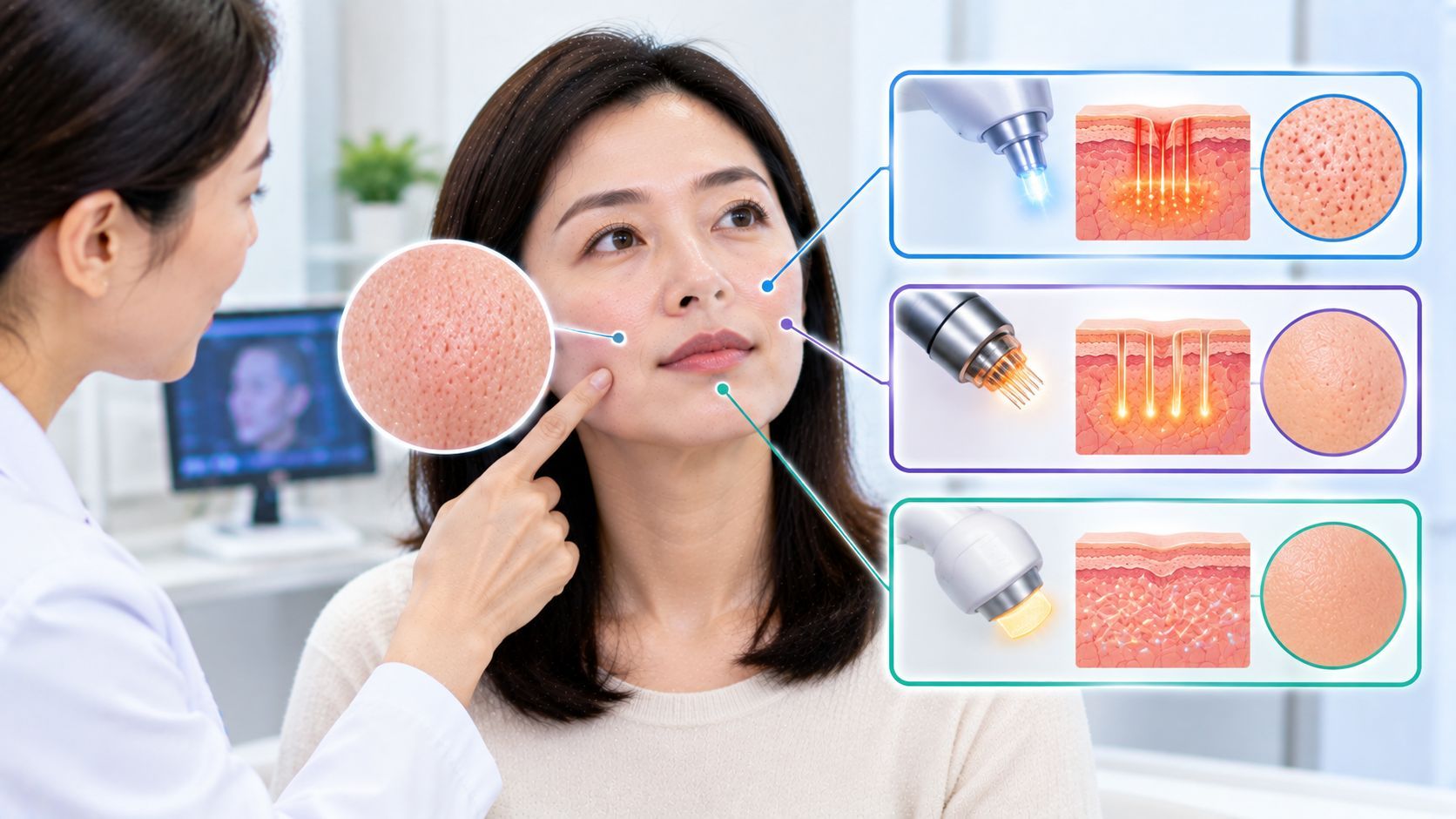
Radiofrequency and ultrasound devices have different mechanisms, treatment depths, and tissue effects. The appropriate choice depends on the device and the patient's anatomy.
The important principle is not simply:
"HIFU is bad; RF is better."
Instead:
The treatment should match the tissue problem and the amount of facial volume available.
If the dominant issue is facial volume loss rather than skin laxity, repeatedly applying tightening energy may not address the underlying problem.
Who Should Be Especially Careful With HIFU?
Extra caution may be appropriate for someone with:
- A naturally thin face
- Recent significant weight loss
- Existing cheek or temple hollowness
- Very low facial fat
- Previous facial fat reduction
- Multiple previous energy-based treatments
- A history of noticeable volume loss after tightening procedures
A consultation should determine whether there is enough laxity to justify treatment and which areas should actually be treated.
Questions to Ask a Seoul Dermatology Clinic Before HIFU
If you are considering HIFU in Seoul, ask:
- Which tissue layer are you targeting?
- Which cartridge depth will be used?
- Do I have enough facial volume for this treatment?
- Which areas would you avoid on my face?
- Have I had enough time to see the result of my previous treatment?
- Could my current concern be volume loss rather than skin laxity?
- How will you adjust the treatment for my facial anatomy?
- What will you do if I develop an unexpected hollow area?
A consultation that focuses only on the number of lines or shots may not provide enough information for someone with a lean face.
Conclusion
Can too much HIFU permanently make your face thinner?
It is possible for HIFU or microfocused ultrasound to cause localized subcutaneous tissue atrophy, including reported cases of lipoatrophy, but significant permanent facial thinning is not the expected result of properly performed treatment.
The greatest concern is not simply the number of treatments. It is the combination of facial anatomy, treatment depth, energy, treatment density, target area, and repeated exposure.
If your face is already thin or has lost volume after weight loss or aging, the decision to undergo another HIFU treatment deserves careful assessment. Sometimes the most appropriate anti-aging strategy is not more tightening but recognizing that volume preservation is part of facial rejuvenation.
Frequently Asked Questions
Can one HIFU treatment permanently remove facial fat?
Significant permanent fat loss is not the expected outcome of facial tightening HIFU, but localized subcutaneous atrophy has been reported as a rare complication.
Is HIFU safe for a very thin face?
It may be appropriate for some thin-faced patients, but the treatment requires careful assessment because there is less facial fat to preserve. A Korean study specifically noted concern about fat atrophy limiting use in lean faces.
Can repeated HIFU make cheeks hollow?
Potentially, particularly if treatment affects subcutaneous tissue. However, cheek hollowing after treatment can have other causes, so it should be evaluated rather than automatically attributed to HIFU.
Should I stop HIFU if my face became thinner?
Before scheduling another session, have the change assessed. Comparing photographs and reviewing your previous treatment settings can help determine whether additional tightening is appropriate.
Can lost facial volume after HIFU be restored?
Depending on the cause, options may include observation, skin-quality treatments, carefully planned volume restoration, or other approaches. The appropriate treatment depends on whether the problem is actually fat loss, swelling resolution, aging, or another change.