Is Doing Thermage Every Year Too Much?
Introduction
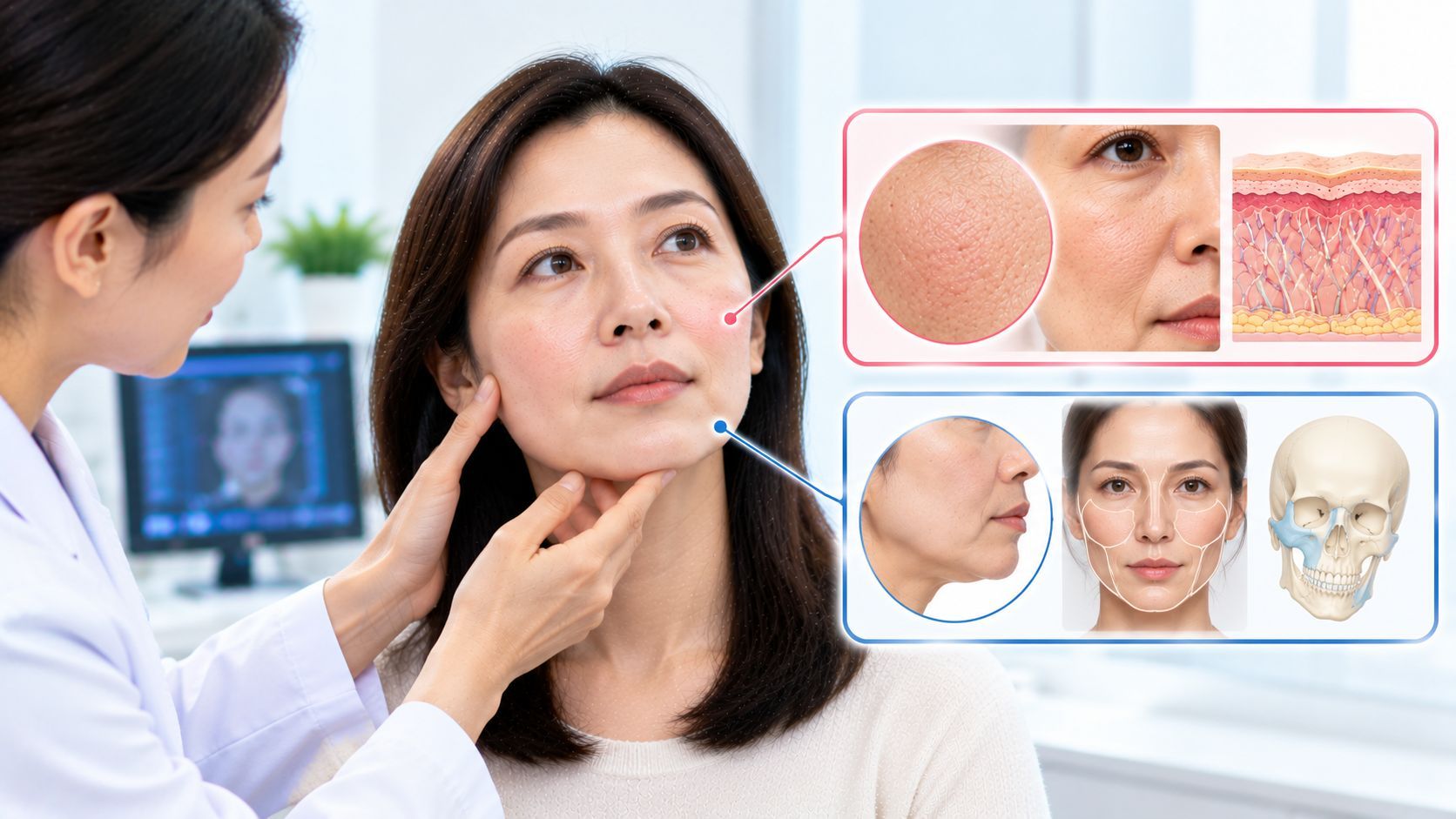
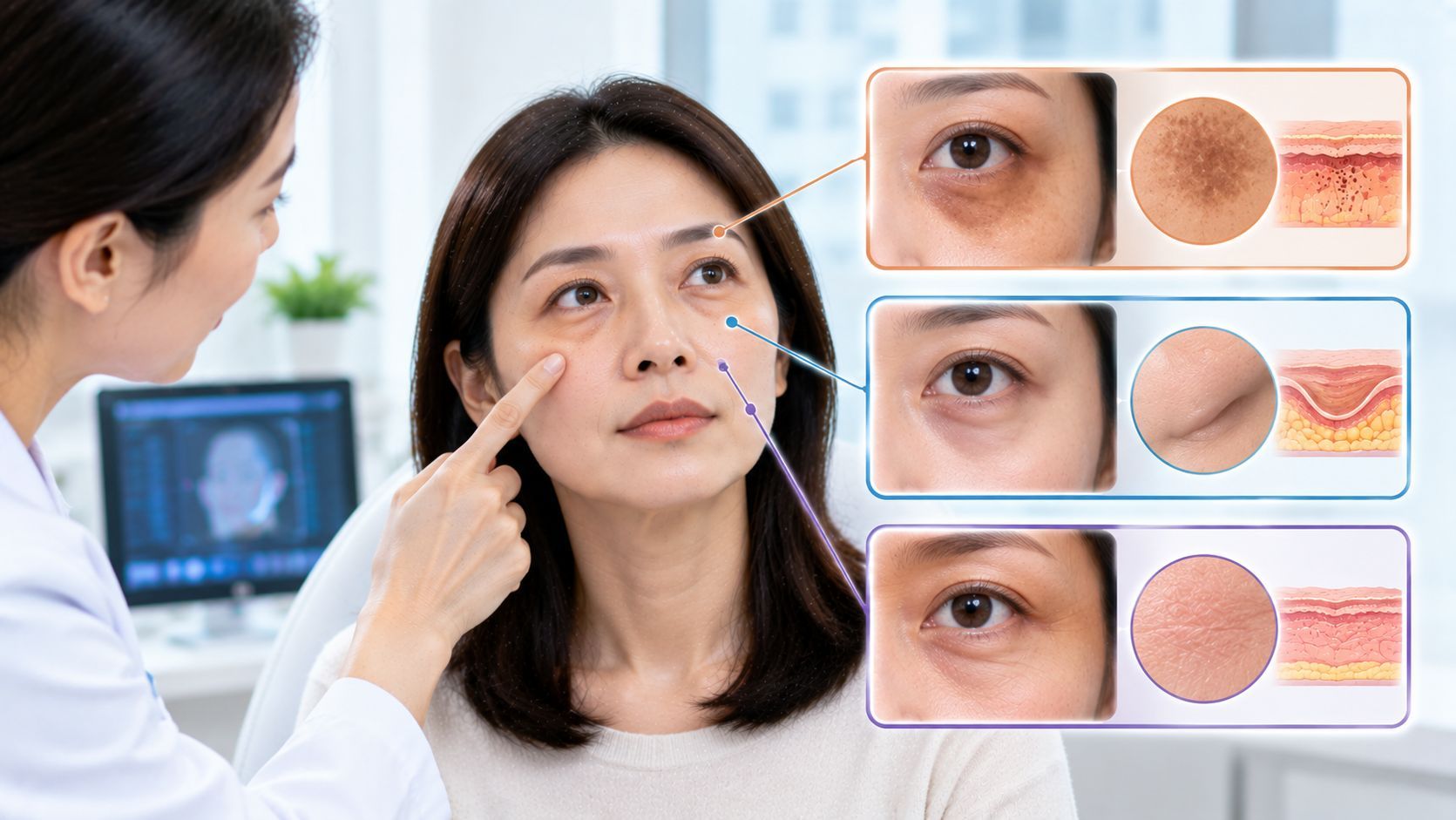
Thermage is a non-invasive radiofrequency treatment designed to heat deeper skin layers and stimulate remodeling associated with collagen production and skin tightening. Because results develop gradually and can last for an extended period, many people wonder whether having Thermage every year is too frequent.
For many patients, an annual Thermage treatment is not automatically considered excessive. The manufacturer describes annual treatments as one possible maintenance approach, with results from Thermage FLX generally developing over two to six months and potentially lasting one to two years depending on the individual.
However, "once a year" should not be treated as a rule that everyone needs to follow. Whether yearly Thermage makes sense depends on your facial anatomy, skin laxity, previous treatment response, energy settings, age-related changes, and whether you actually still have a problem that needs treating.
What Does Thermage Actually Do?
Thermage uses radiofrequency energy to heat tissue beneath the skin. The goal is controlled heating that can encourage collagen remodeling and improve the appearance of skin laxity and wrinkles.
Unlike treatments that are designed primarily to remove fat, Thermage is generally positioned as a skin-tightening and rejuvenation treatment.
The evidence for radiofrequency facial rejuvenation overall is encouraging, although studies use different devices, protocols, treatment parameters, and outcome measurements. A systematic review found improvements in skin laxity, elasticity, wrinkles, and overall aesthetic appearance across RF studies, while also noting substantial variation between treatment protocols.
This variation is one reason you should not assume that every RF treatment—or every Thermage session—has exactly the same effect.
Is Annual Thermage Too Frequent?
Not necessarily.
In fact, the Thermage manufacturer specifically states that many patients use annual treatments as part of a maintenance program. It also reports that results generally become more apparent over two to six months and may last one to two years depending on the person's skin and aging process.
Therefore, having Thermage once a year is not inherently an excessive schedule.
But there is an important distinction between:
"Annual Thermage is an established maintenance option."
and
"Everyone should have Thermage every year."
The second statement is not supported by the available evidence.
Why You May Not Need Thermage Every Year
Aging does not happen at exactly the same rate every year.
You might have:
- Minimal new skin laxity
- Good collagen response from your previous treatment
- Stable facial volume
- Little change in your jawline
- No significant new wrinkles
- A result that still looks satisfactory
In that situation, automatically repeating the procedure simply because twelve months have passed may not provide much additional benefit.
A maintenance treatment should have a reason.
The better question is:
"What has changed since my last Thermage treatment?"
If the answer is "almost nothing," another treatment may not be necessary yet.
Can Repeated Thermage Damage Facial Fat?
This question is particularly relevant if you already have a thin face.
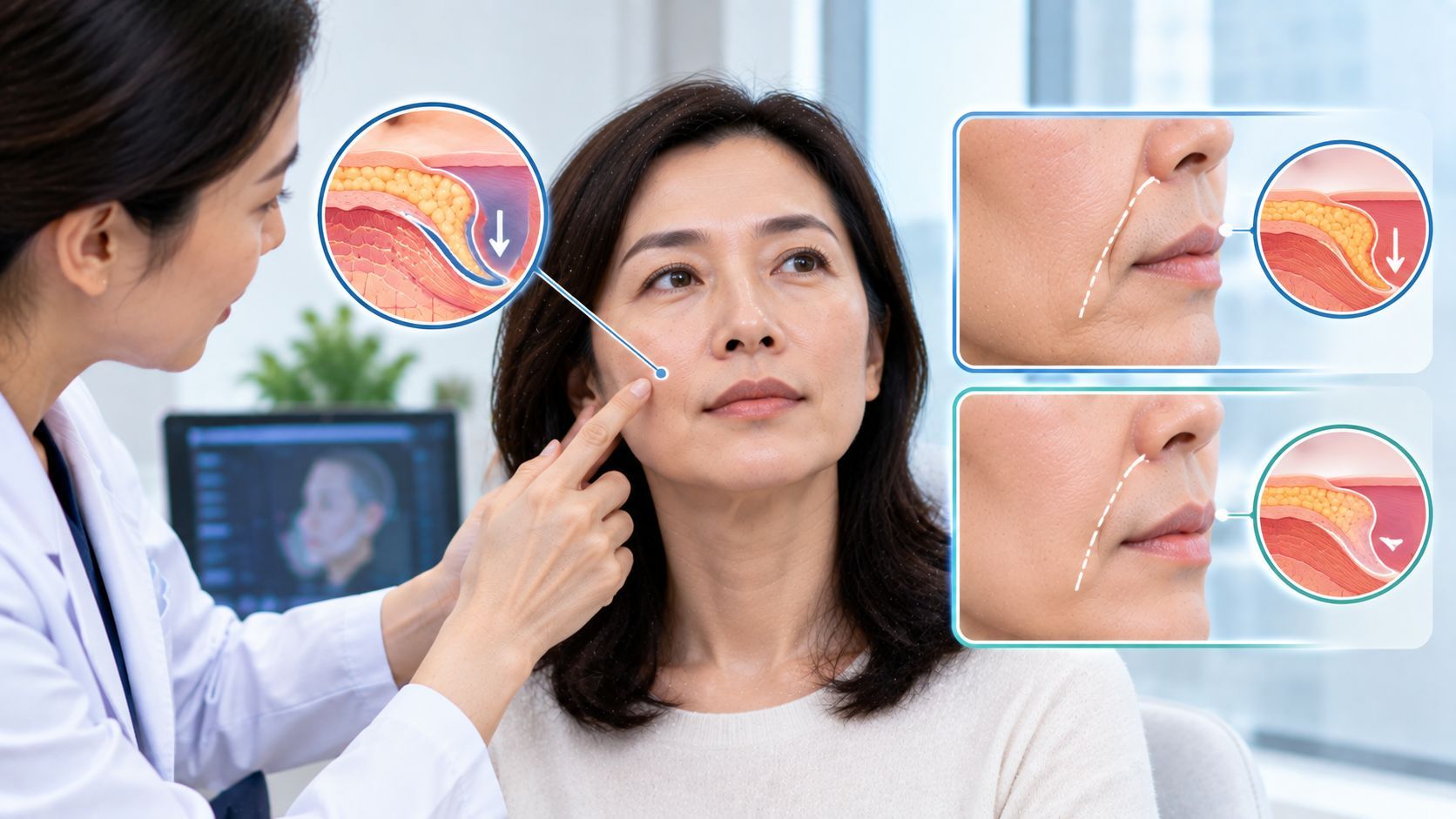
RF technology can affect adipose tissue under some circumstances. A systematic review of RF for facial rejuvenation found evidence of volumetric changes in facial fat in some studies, alongside improvements in skin laxity and elasticity.
Older clinical literature has also reported fat atrophy among uncommon adverse reactions following non-ablative monopolar RF treatments.
However, these findings do not establish that routine annual Thermage inevitably causes facial fat loss.
The effect depends on the specific device, treatment parameters, tissue depth, technique, treatment area, and individual anatomy.
This distinction is especially important because Thermage is not simply interchangeable with every other RF device.
What About Someone With a Naturally Thin Face?
A thin face deserves a more individualized treatment plan.
If you have:
- Naturally low facial fat
- Hollow cheeks
- Prominent cheekbones
- Temple hollowness
- Recent major weight loss
- Facial volume loss associated with aging
- Previous fat-reducing procedures
- A history of looking thinner after energy-based treatments
then the dermatologist should consider volume preservation as well as skin tightening.
A person may have loose skin but still have very little facial fat.
In that situation, aggressively pursuing tighter skin without considering volume can potentially produce an appearance that is more angular or hollow rather than simply more youthful.
What Are Signs That You Should Not Automatically Repeat Thermage?
Your face already looks thinner
If you notice new hollowness or reduced facial fullness, discuss it before another energy-based treatment.
Your previous result was minimal
If you barely noticed an improvement, repeating the same procedure without determining why may not be the best strategy.
The dermatologist may need to reassess the treatment area, energy delivery, skin laxity, or even whether RF was the appropriate treatment for your concern.
Your main concern is volume loss
Thermage is not primarily a facial-volume restoration treatment.
If your cheeks or temples have become hollow, another tightening session may not address the underlying issue.
Your skin is already relatively firm
If there is little laxity to treat, additional tightening may have limited visible benefit.
Your facial appearance has changed after weight loss
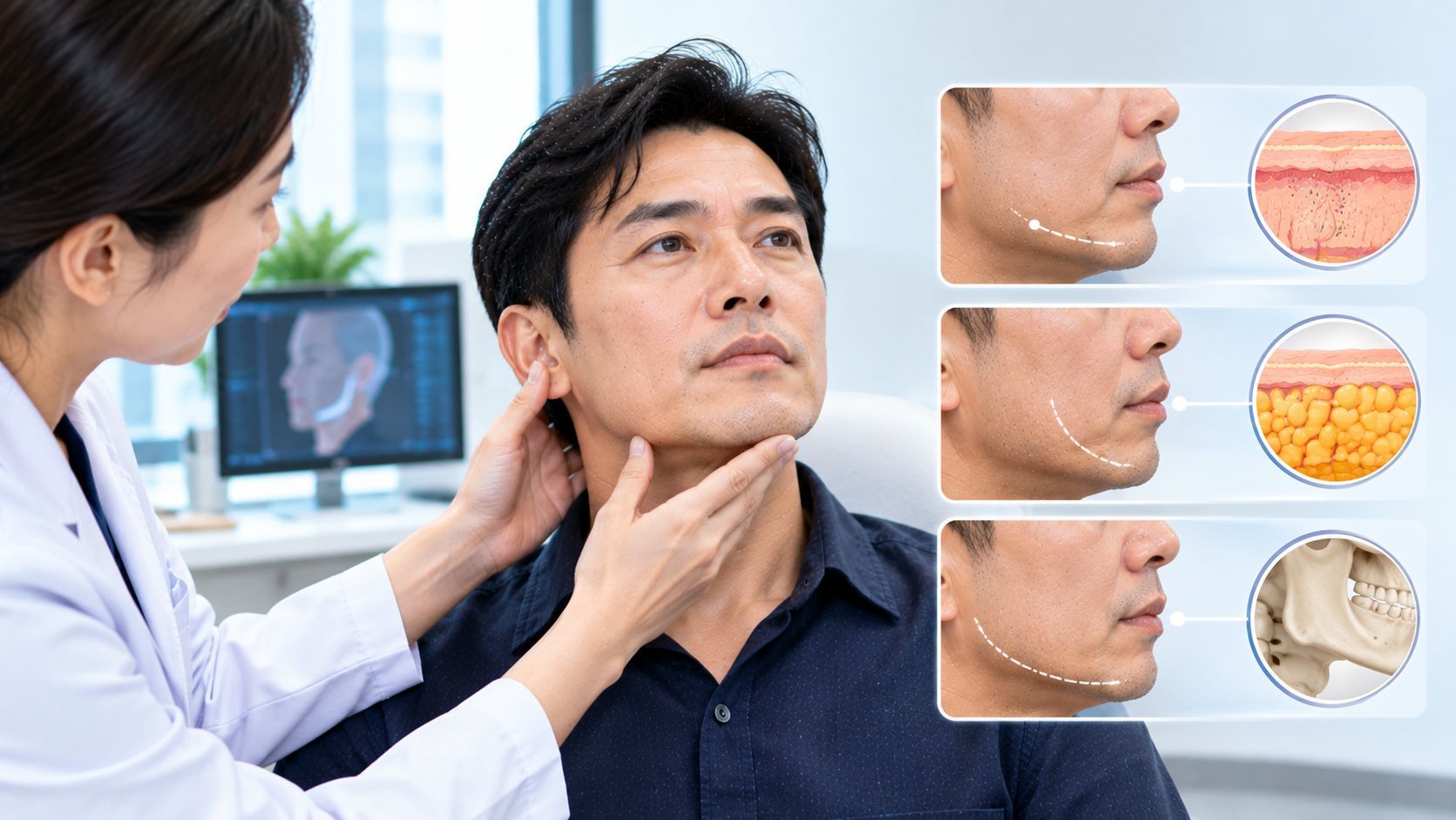
Weight loss can alter facial volume independently of skin laxity. In that situation, it is important to distinguish loose skin from lost volume.
Does More Thermage Produce More Collagen?
Not necessarily in a straightforward way.
The body responds to controlled thermal injury through a complex remodeling process. The objective is not to repeatedly heat tissue as much as possible.
Higher intensity or more frequent treatment does not automatically translate into proportionally better cosmetic results.
In fact, radiofrequency studies have used substantially different treatment parameters, making it difficult to establish a universal "ideal" amount of RF exposure for every patient.
This is why treatment planning should focus on the appropriate dose for the individual, rather than trying to maximize energy delivery.
What Is the Difference Between Thermage and Other RF Treatments?
"RF treatment" is a broad category.
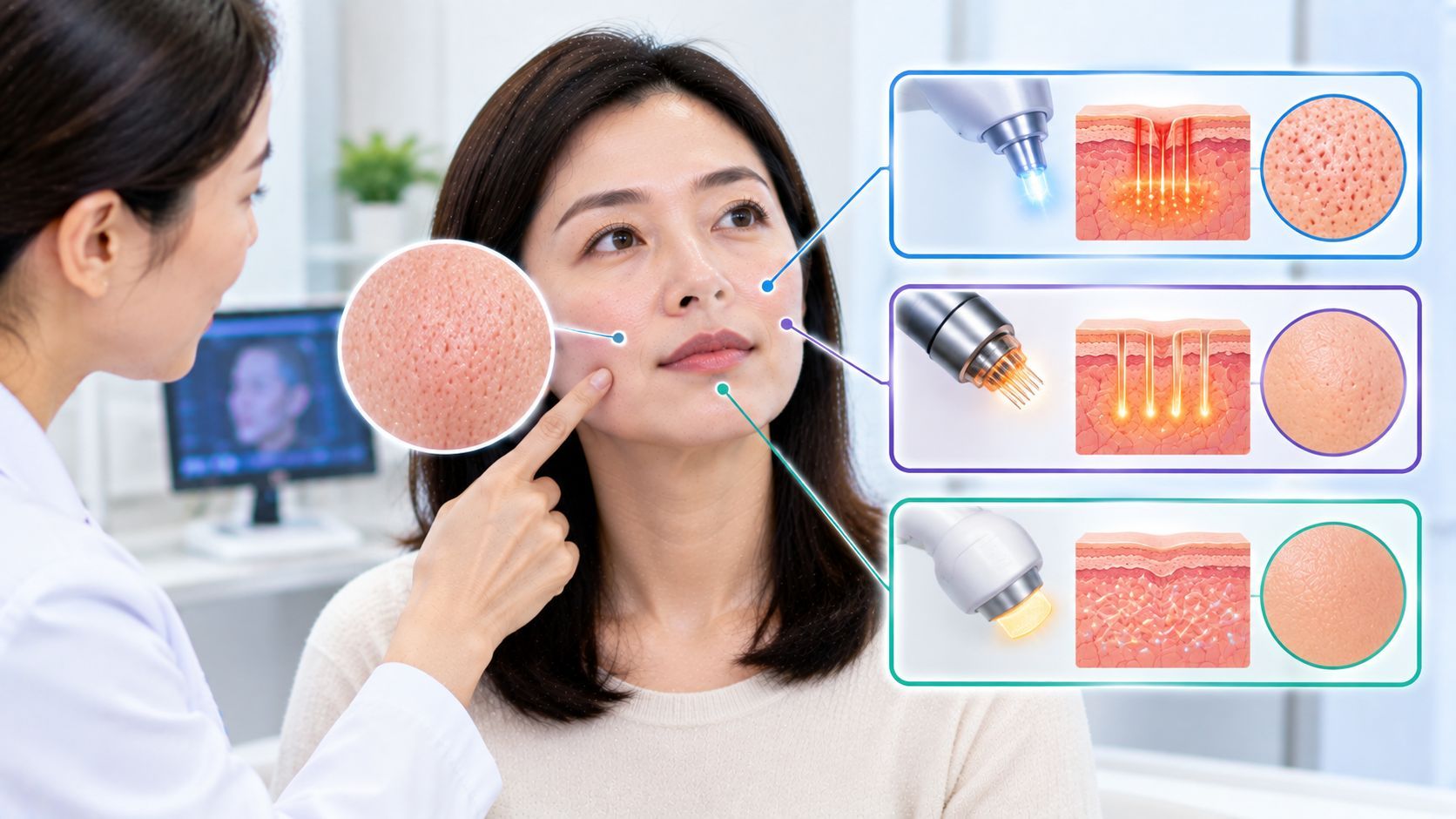
It includes different technologies such as:
- Monopolar RF
- Bipolar RF
- Multipolar RF
- Fractional RF
- RF microneedling
- Subdermal RF
These treatments do not deliver energy in exactly the same way.
RF microneedling, for example, uses needles to deliver RF energy into specific tissue depths. A 2026 systematic review found generally favorable outcomes for facial rejuvenation with RF microneedling, with most reported adverse events being mild and transient in the studies included.
That does not mean RF microneedling and Thermage can be treated as equivalent procedures.
If you have undergone several different RF treatments, your dermatologist should consider your cumulative treatment history rather than evaluating each session in isolation.
Can You Combine Thermage With Other Treatments Every Year?
Potentially, but this is where treatment planning becomes especially important.
Someone might combine Thermage with:
- Botox
- Fillers
- Rejuran
- Juvelook
- Skin boosters
- Laser treatments
- RF microneedling
- Other lifting procedures
Combining treatments does not automatically make the plan better.
If several procedures have overlapping effects on tissue remodeling or facial contour, the dermatologist should determine whether they are addressing separate problems or repeatedly treating the same problem.
For someone who has already undergone substantial aesthetic treatment, a treatment audit may be more useful than adding another procedure.
How Should You Decide Whether to Repeat Thermage?
Before scheduling another session, ask yourself:
1. Do I still have skin laxity?
If the skin is still noticeably loose, another treatment may have a logical target.
2. Did my previous treatment actually help?
Consider photographs taken under similar lighting and facial position rather than relying entirely on memory.
3. Has my facial volume changed?
Volume loss can make the face look older even when the skin itself is not particularly loose.
4. Am I treating a new problem or repeating an old routine?
This is one of the most important questions.
5. Have I had other energy-based treatments?
Your dermatologist should know about recent HIFU, Ultherapy, RF microneedling, laser, or other procedures.
What Should International Patients Ask a Seoul Clinic?
If you are visiting Seoul for Thermage, ask the clinic:
- Why do you recommend another Thermage treatment now?
- What specific area are you treating?
- Do I have enough skin laxity to justify it?
- Do you see any facial-volume loss?
- What other energy treatments have I had recently?
- Could another treatment be more appropriate for my concern?
- How will you adjust the treatment for my facial anatomy?
- What changes should I realistically expect?
If you have had Thermage or other RF treatments abroad, bring your previous treatment records if possible.
What If You Had Thermage Last Year and Still Like the Result?
You do not necessarily need another session immediately.
If your skin still looks satisfactory and you have no significant new laxity, you can discuss observation with your dermatologist.
The manufacturer's information itself describes results that can last one to two years depending on individual skin condition and aging, even though annual maintenance is also an option.
Therefore, annual treatment should be considered a possible maintenance strategy—not a mandatory appointment.
Conclusion
Doing Thermage every year is not automatically too much. Annual treatment is specifically described by the manufacturer as one possible maintenance approach, and results can continue developing for several months after treatment.
However, repeating Thermage every year simply because the calendar says it is time may not be appropriate for everyone.
The decision should consider your skin laxity, facial volume, previous response, treatment settings, other procedures, and current anatomy. RF research also shows that radiofrequency can influence facial fat in some settings, so people with naturally thin or volume-depleted faces deserve particularly careful assessment.
The goal should not be to have as many tightening treatments as possible. It should be to use enough treatment to address a genuine problem while preserving the facial volume and proportions that make your appearance look natural.
Frequently Asked Questions
Is Thermage every year safe?
Annual Thermage is an established maintenance approach, but suitability varies by patient. The manufacturer's information states that many patients choose annual treatments, while results can last one to two years depending on individual factors.
Can yearly Thermage make my face thinner?
Facial fat changes have been reported with some RF treatments, but this does not establish that annual Thermage routinely causes facial fat loss. Treatment parameters, device type, technique, and anatomy all matter.
Should I skip Thermage if my face is already thin?
Not necessarily. A thin face does not automatically rule out treatment, but the dermatologist should assess whether you have enough laxity to justify RF treatment and consider your existing facial volume.
What if Thermage worked well last year?
You can discuss maintenance treatment, but you do not necessarily need another session exactly one year later. If your result remains satisfactory, waiting longer may be reasonable.
Is more RF always better for collagen?
No. RF studies use different devices and treatment parameters, and there is no universal evidence that maximizing treatment intensity or frequency produces proportionally better results.
Should I have Thermage every year with HIFU too?
Combining multiple tightening technologies should be individualized. Your dermatologist should consider the cumulative treatment history and whether each procedure is addressing a distinct problem rather than automatically stacking treatments.