Can You Have Too Many Skin Boosters?
Introduction
Skin boosters are popular in Korean dermatology clinics because they can target skin hydration, texture, elasticity, fine lines, and overall skin quality without necessarily creating the same type of structural volume as traditional dermal fillers.
But because many skin boosters are marketed as treatments for "glow," hydration, or collagen support, it can be tempting to repeat them frequently or combine several products.
Yes, skin booster treatments can be overdone. The issue is not simply the number of injections. It is whether repeated treatments are medically justified, whether the products are appropriate for the skin, and whether the skin has had enough time to recover and show the effects of previous treatment.
For international patients visiting Seoul, this is particularly important because it can be easy to schedule multiple treatments during a short trip.
What Exactly Is a Skin Booster?
"Skin booster" is a broad aesthetic term rather than the name of one single treatment.
Depending on the clinic and product, a skin booster may contain or use substances such as:
- Hyaluronic acid
- Polynucleotides
- Rejuran-type polynucleotide products
- Amino acids
- Other injectable skin-quality formulations
- Some collagen-stimulating materials
These products can have different mechanisms, injection depths, treatment schedules, and evidence.
Therefore, asking "How many skin boosters can I have?" is similar to asking how many medications you can take without specifying which medication.
The answer depends on the product.
Can Too Many Skin Boosters Damage the Skin?
Repeated injectable treatments can produce complications, particularly when they are performed unnecessarily or without adequate assessment.
Depending on the product and technique, potential complications may include:
- Swelling
- Bruising
- Redness
- Tenderness
- Infection
- Persistent bumps
- Nodules
- Inflammatory reactions
- Allergic or hypersensitivity reactions
- Vascular complications with injectable products
The risks vary substantially between products.
For example, hyaluronic-acid-based injectables can cause swelling and other injection-related complications, while polynucleotide products have their own safety considerations.
The fact that a treatment is marketed as a "skin booster" does not mean it is risk-free.
Why Can Repeated Treatments Become a Problem?
The first issue is cumulative exposure.
If you receive treatment before the previous session has fully settled, it can become difficult to determine:
- Whether the previous treatment actually worked
- Whether swelling is still present
- Whether a persistent bump is temporary
- Whether you need another session
- Whether a new reaction is related to the latest product
- Whether your skin is actually improving
This is especially relevant for patients who receive several treatments during a short Seoul trip.
Is Monthly Skin Booster Treatment Too Much?
There is no universal answer.
Some skin-booster protocols are intentionally structured as a series of treatments performed at specific intervals.
For example, certain injectable products may be administered in multiple sessions during an initial treatment course, followed by less frequent maintenance.
However, the schedule for one product should not automatically be applied to another product.
A monthly schedule may be appropriate for a particular treatment protocol but inappropriate for another.
Your dermatologist should consider:
- Exact product
- Dose
- Injection technique
- Treatment area
- Skin condition
- Previous response
- Other injectable treatments
- Any complications
What Happens If You Keep Adding Treatments?
Imagine someone receives a skin booster every month because they believe their skin always needs more hydration.
After several months, they may notice:
- Persistent puffiness
- Small bumps
- Repeated bruising
- Increasing sensitivity
- Difficulty determining what actually improved
- More complicated treatment history
At that point, the answer may not be another skin booster.
A dermatologist may recommend pausing treatment and assessing the skin.
Can Skin Boosters Make the Face Look Puffy?
Yes, depending on the product, injection technique, treatment area, and individual response.
Some injectable treatments temporarily attract or retain water, particularly products containing hyaluronic acid.
Temporary swelling is common with many injectable procedures.
However, persistent or excessive puffiness should not simply be interpreted as evidence that the treatment is working.
If your face remains swollen for longer than expected, or if swelling repeatedly returns after treatments, discuss it with your treating clinician before receiving another session.
Can Too Many Skin Boosters Change Facial Shape?
Some products are primarily intended to improve skin quality rather than create significant structural volume.
Nevertheless, repeated injections can potentially alter the appearance of treated areas depending on the product and amount used.
This is why the distinction between:
skin-quality treatment
and
volume enhancement
is important.
If your goal is better texture or hydration, repeatedly adding injectable material to areas that already look full may not be appropriate.
What About Rejuran?
Rejuran is a commonly requested treatment in Korean dermatology and is based on polynucleotide technology.
It is often marketed for skin quality, elasticity, and rejuvenation rather than conventional facial volumization.
However, that does not mean that Rejuran can be administered indefinitely without considering timing and response.
If you are receiving repeated Rejuran treatments, your dermatologist should assess:
- Your response to previous sessions
- Remaining bumps or swelling
- Skin quality
- Treatment areas
- Other injectable treatments
- Your actual treatment objective
If the original concern has improved, continuing treatment solely because it is part of a routine may not be necessary.
Can You Combine Rejuran With Other Skin Boosters?
Sometimes, but combining several injectable products should have a clear purpose.
For example, a clinic might recommend different treatments for:
- Hydration
- Texture
- Fine lines
- Elasticity
- Pigmentation
- Acne scars
But simply combining multiple "skin boosters" because each is popular can make the overall treatment plan unnecessarily complicated.
If several injectable products are used, ask the dermatologist why each one is needed and what specific problem it is intended to address.
What About Skin Boosters and Fillers?
Skin boosters and traditional fillers are not interchangeable.
Traditional dermal fillers are generally used to restore or enhance volume or contour, while some skin boosters are primarily intended to improve skin quality.
However, certain products can have overlapping effects.
If you already have filler in your face, tell your dermatologist before receiving another injectable treatment.
This is particularly important for international patients who may have received fillers in another country and then visit Korea for skin boosters.
Can Skin Boosters Cause Nodules?
Yes, depending on the product.
Injection-site lumps and nodules can occur with injectable aesthetic treatments.
A persistent bump should be assessed before another injection is placed into the same area.
Do not assume that every lump is simply "product settling."
The cause could include:
- Temporary swelling
- Product placement
- Inflammation
- Infection
- A nodule
- Another type of tissue reaction
The appropriate treatment depends on the cause.
When Should You Take a Break?
Consider discussing a pause with your dermatologist if:
Your skin already looks good
If the original concern has been adequately addressed, there may be no reason to continue immediately.
You still have swelling or bumps
Wait for assessment rather than automatically adding more product.
Your skin feels increasingly irritated
Repeated injections may not be appropriate while the skin is inflamed.
You have undergone several injectable treatments
A complete treatment review may be more useful than another appointment.
You no longer know which product was injected
This is particularly important when receiving treatments at different clinics.
You are chasing increasingly subtle improvements
At some point, the potential benefit may become smaller while cumulative treatment exposure continues.
How Long Should You Wait Between Skin Boosters?
There is no single evidence-based interval for all skin boosters.
The appropriate schedule depends on the specific product and its clinical protocol.
Some treatments are administered as an initial series, while others may be performed less frequently for maintenance.
Your dermatologist should determine the interval based on the product's intended use and your response.
Avoid assuming that:
"If monthly treatment is recommended for one booster, monthly treatment is safe for every booster."
Different products should not be treated as interchangeable.
What If You Are Visiting Seoul for Only a Few Days?
This is where over-treatment becomes particularly easy.
A patient may arrive in Seoul thinking:
"I only have five days, so I should get everything while I'm here."
That can result in stacking:
- Skin boosters
- Botox
- Filler
- Laser
- RF
- HIFU
- Peels
- Facials
into a short period.
But more procedures do not necessarily produce better skin.
A better approach is to prioritize the main concern and ask the dermatologist which treatments are actually compatible.
If you have a limited travel schedule, consider asking:
"If I can only safely do one or two treatments during this trip, which problems should we address first?"
That encourages prioritization rather than treatment stacking.
How Can You Tell Whether Your Skin Needs Another Booster?
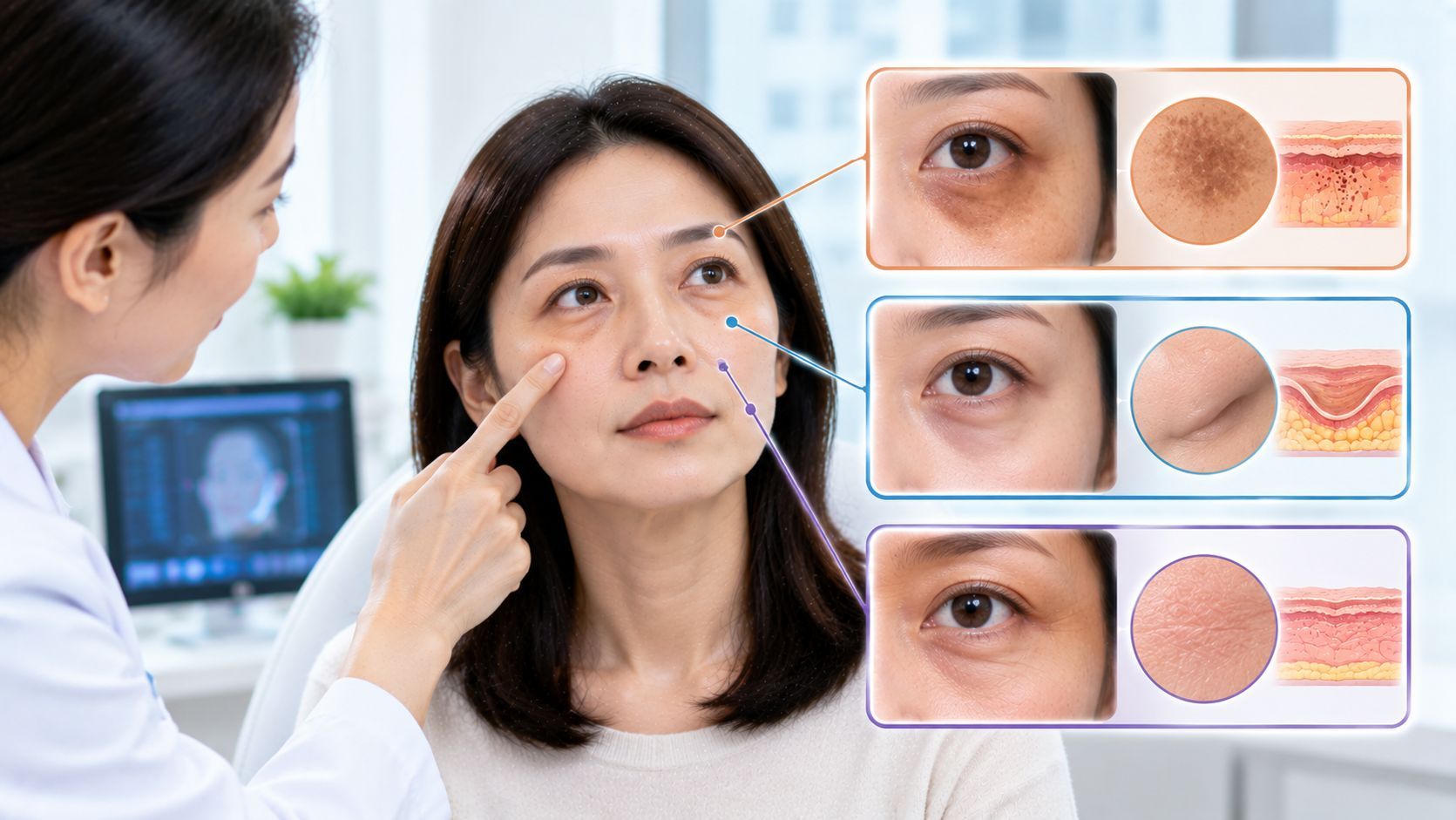
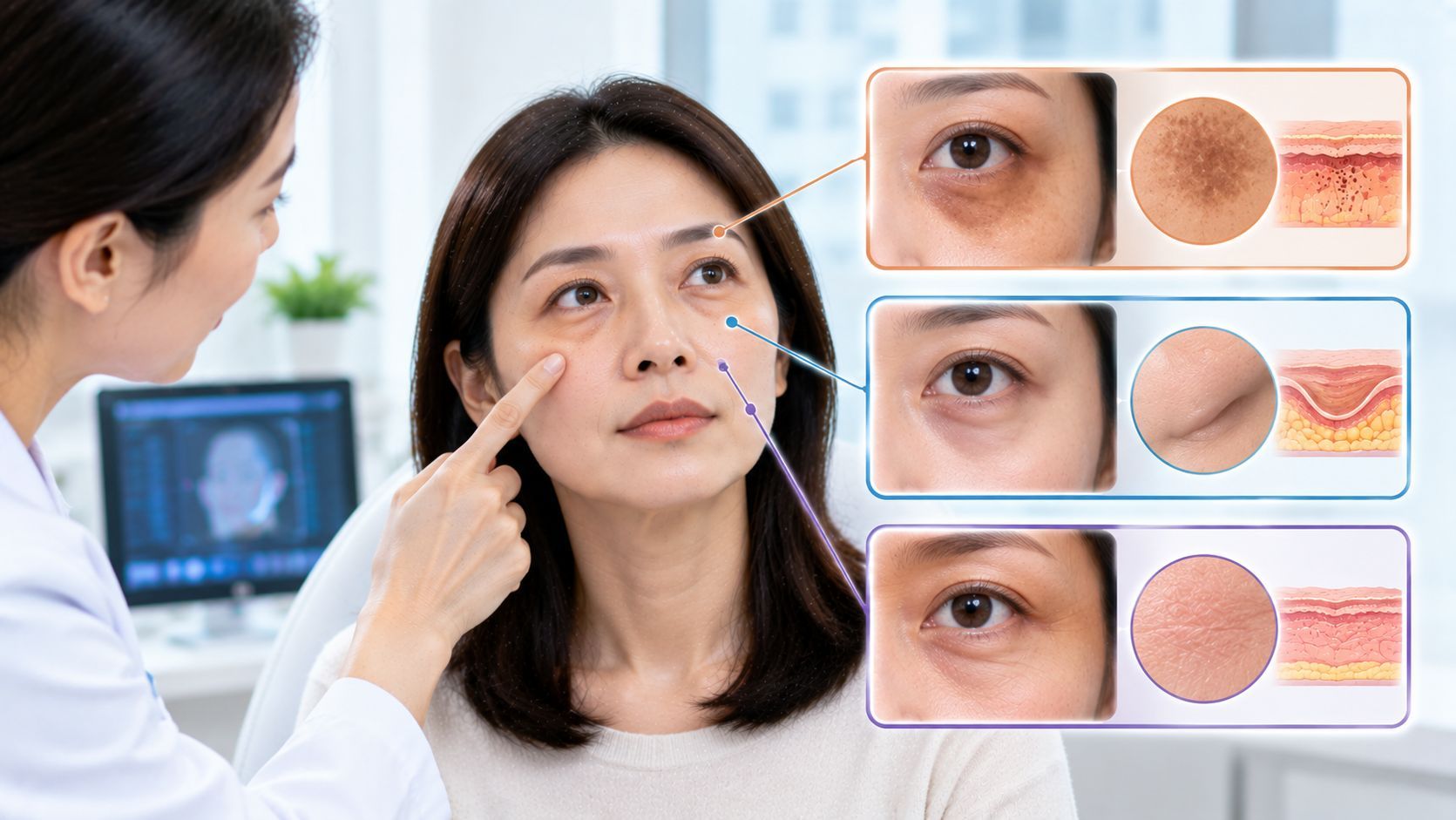
Look at the actual problem.
Dryness
Could be related to barrier dysfunction, environment, skincare, or another underlying condition.
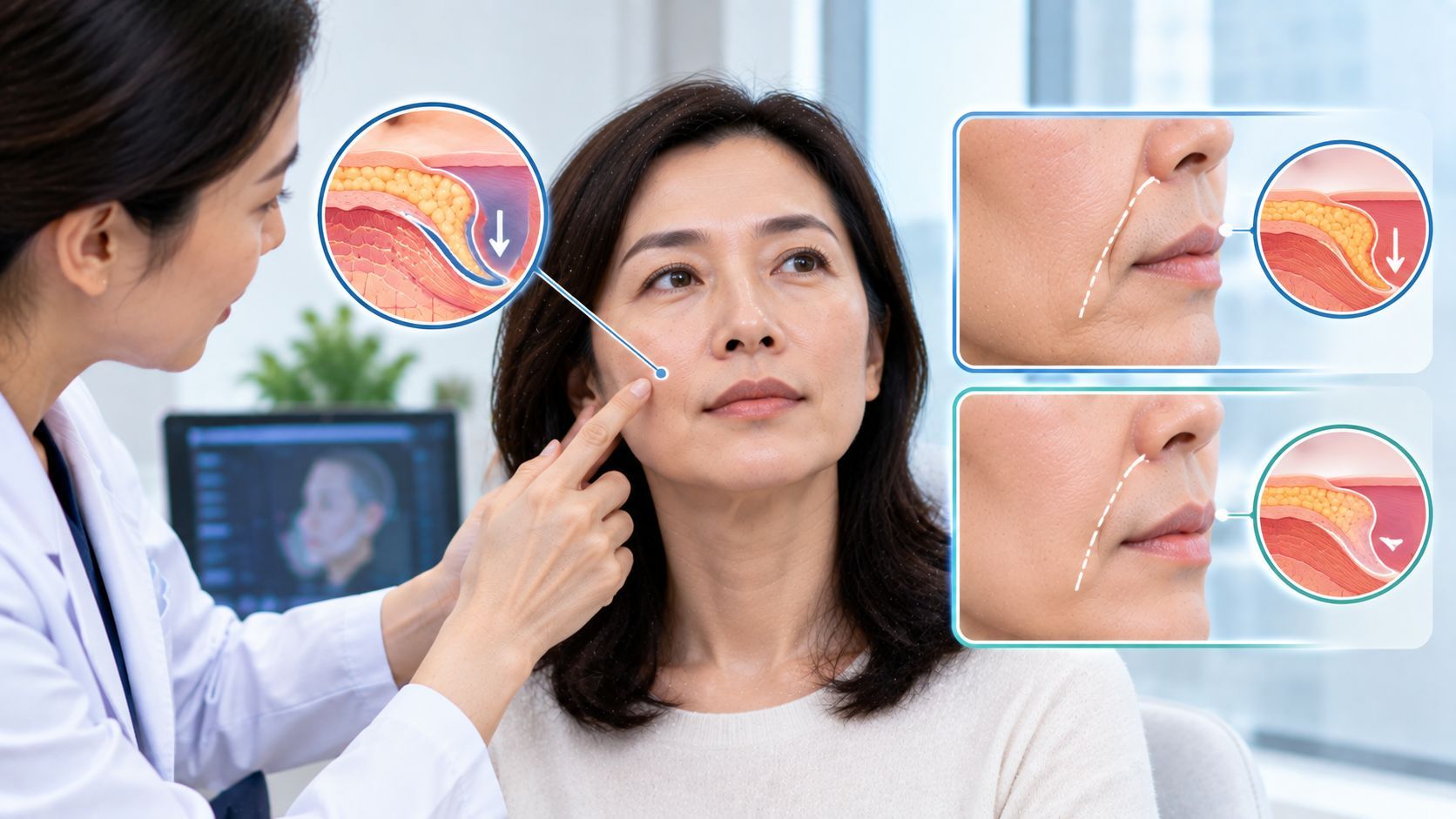
Fine lines
May require a different approach depending on whether they are caused by dehydration, skin quality, muscle activity, or volume changes.
Texture
May respond better to a procedure specifically targeting texture rather than another injectable.
Pigmentation
A skin booster may not be the most direct treatment for the underlying pigment disorder.
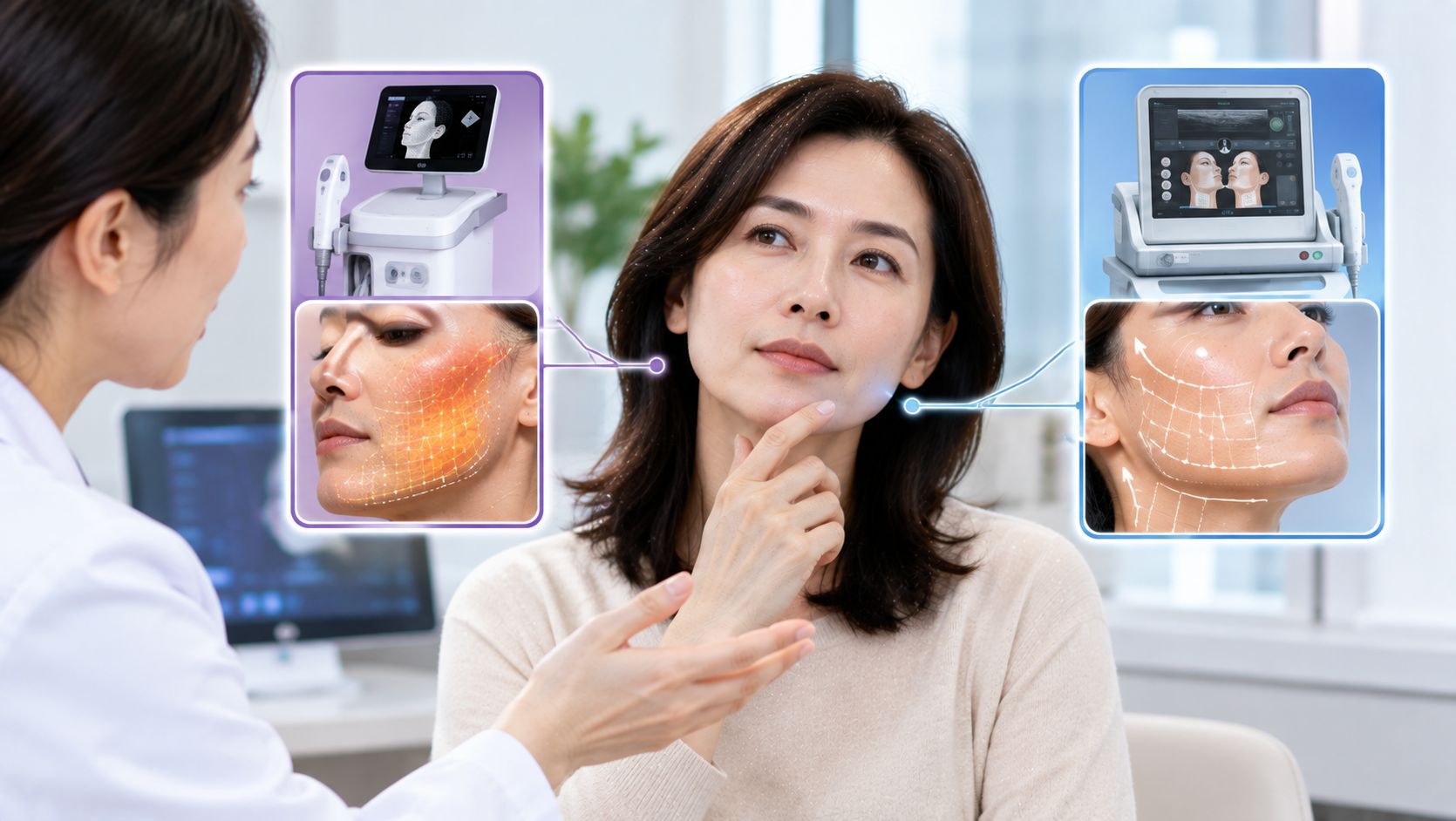
Skin laxity
A booster is not necessarily a substitute for a tightening procedure.
This is why "my skin doesn't look perfect yet" is not enough reason to automatically repeat an injectable treatment.
What Should You Ask a Korean Dermatologist?
Before another skin booster, ask:
- What specific problem are we treating?
- Has my previous treatment fully taken effect?
- Do I actually need another session now?
- What product was used previously?
- How much was injected?
- Are there any remaining bumps or swelling?
- Could another treatment address my concern better?
- What is the maintenance plan if I stop after this session?
These questions can help prevent a routine from becoming automatic.
What If You Have Already Had Many Skin Boosters?
Do not panic.
Having several skin boosters does not automatically mean that your skin has been damaged.
Instead, have your treatment history reviewed.
Bring:
- Product names
- Treatment dates
- Injection areas
- Amounts used
- Photographs
- Records from previous clinics
- Any history of unusual swelling or reactions
If you do not know the exact product, tell your dermatologist rather than guessing.
A proper assessment can help determine whether you should continue, pause, or change your treatment strategy.
Conclusion
Yes, you can have too many skin boosters, but there is no universal number that defines "too many."
The appropriate frequency depends on the exact injectable product, dose, treatment area, treatment objective, response, and other procedures you have received.
The main warning sign is not simply that you have had several treatments. It is when treatments become automatic rather than medically purposeful.
If you are still swollen, developing bumps, experiencing irritation, or repeatedly adding treatments without knowing whether the previous session has finished producing its effect, it may be time for reassessment rather than another injection.
For international patients visiting Seoul, especially those planning several aesthetic procedures during one trip, a conservative and coordinated treatment plan can make it easier to understand what each treatment is actually doing.
Frequently Asked Questions
Can skin boosters be overdone?
Yes. Repeated injectable treatments can lead to cumulative swelling, bumps, inflammation, or other complications depending on the product and technique. There is no universal number that applies to every skin booster.
Is monthly skin booster treatment safe?
Some treatment protocols involve multiple sessions at relatively short intervals, but the schedule depends on the specific product. Monthly treatment should not automatically be applied to every skin booster.
Can too many skin boosters make my face puffy?
They can contribute to temporary or, depending on the product and circumstances, more persistent swelling or fullness. Persistent swelling should be evaluated before another treatment.
Can I combine Rejuran with other skin boosters?
Sometimes. However, the combination should have a specific rationale. Your dermatologist should consider previous injections and the exact products used.
Should I stop skin boosters if my skin looks good?
You may not need another session immediately. Maintenance should be based on your current skin condition and the specific treatment protocol rather than an automatic schedule.
What should I do if I have bumps after a skin booster?
Have them assessed before receiving another injection into the same area. Persistent lumps can have several causes and should not automatically be assumed to be normal product settling.