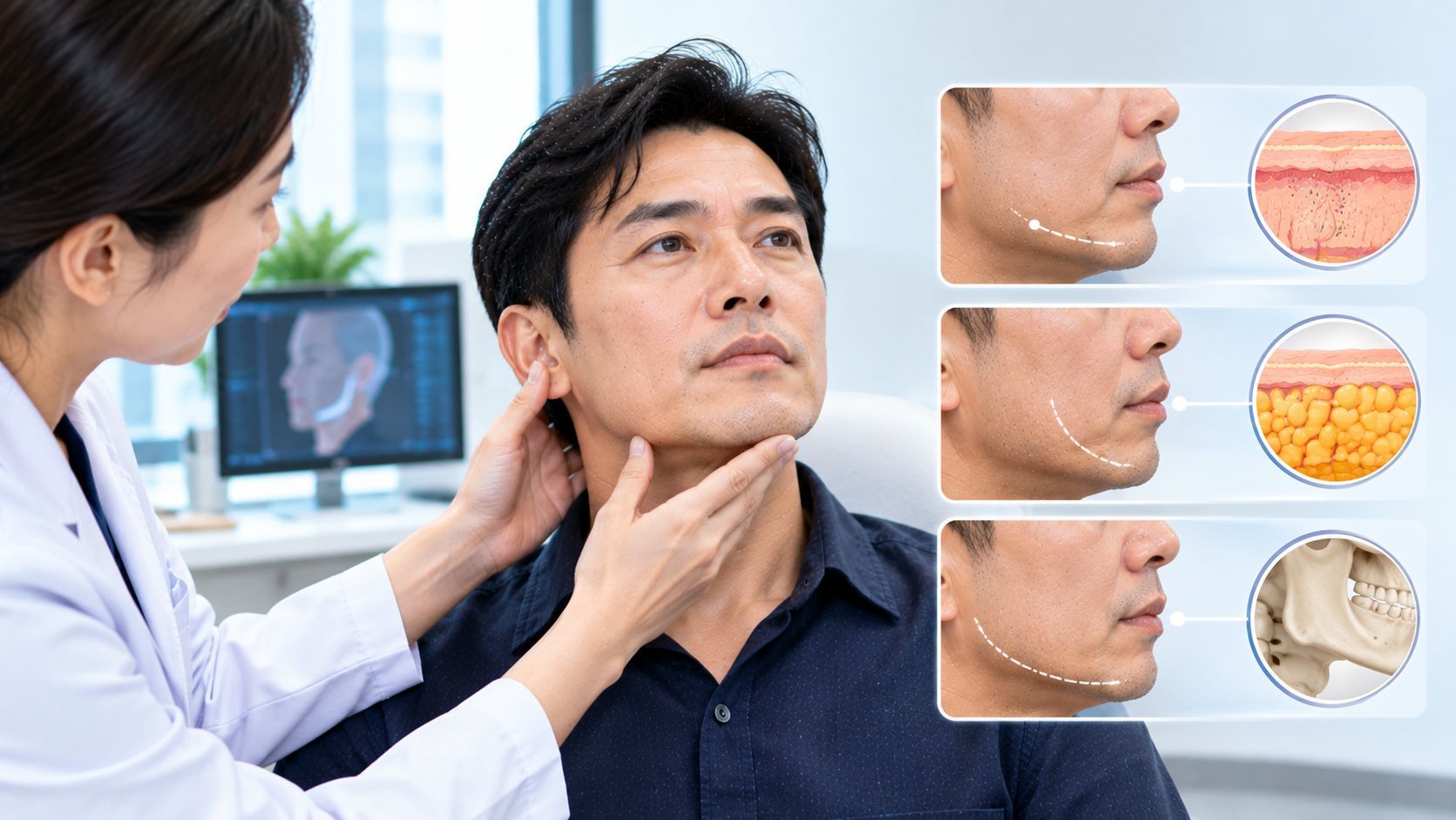
Can I Exercise After Korean Lifting Treatments?
Introduction
Exercise is an important part of everyday life, but after a Korean lifting treatment such as Thermage, Ultherapy, HIFU, or another energy-based procedure, you may need to modify your workout schedule temporarily.
The answer depends on the treatment, intensity, treated area, and how your skin responds. Some non-invasive lifting procedures have little to no downtime. For example, the manufacturer of Thermage FLX says most patients can return to normal activities immediately, although temporary redness or minor swelling can occur. Ultherapy can also produce temporary redness, swelling, pain, tenderness, or sensory changes after treatment.
That does not necessarily mean every type of exercise is appropriate immediately after treatment. Intense workouts, excessive heat, sweating, and activities that put pressure or friction on treated areas may be better postponed until your clinic confirms they are appropriate.
Can You Exercise After Thermage or Ultherapy?
For many patients, light everyday activity is possible after non-invasive lifting treatments. However, vigorous exercise should be discussed with your treating clinic, particularly if you have noticeable redness, swelling, tenderness, or discomfort.
Thermage FLX is specifically described as having little to no downtime, with most patients returning to normal activities shortly afterward.
Ultherapy is also non-invasive, but its manufacturer reports temporary reactions including redness, swelling, pain, tenderness, tingling, and other sensory effects.
Therefore, “no downtime” should not automatically be interpreted as “do every activity immediately.”
Why Can Intense Exercise Be Uncomfortable After Treatment?
A hard workout increases body temperature, circulation, and sweating. If your face or neck is already warm, tender, or swollen after treatment, these effects can make you feel more uncomfortable.
Exercise can also involve:
- Heavy sweating
- Increased facial flushing
- Heat exposure
- Tight clothing or equipment
- Friction from towels
- Touching the treated area
- Pressure on the face
- Outdoor sun exposure
These factors do not necessarily mean exercise will damage the treatment, but they can complicate the immediate recovery period.
The important distinction is between normal activity and strenuous exercise.
Walking around Seoul at a comfortable pace is very different from running, hot yoga, intense cycling, or a high-intensity gym session.
What Exercise Is Usually Easier to Resume?
If your clinic has cleared normal activity, gentle movement is generally easier to incorporate than intense training.
For example:
- Easy walking
- Gentle sightseeing
- Light stretching
- Normal daily activities
- Relaxed mobility exercises
If you feel comfortable and your clinic has not given you restrictions, these may be easier to tolerate than vigorous exercise.
However, do not use this as a universal post-treatment prescription. Your dermatologist may give different instructions based on your procedure and individual circumstances.
What About Running or HIIT?
High-intensity interval training, running, CrossFit-style workouts, spinning, and other vigorous activities produce much more heat and sweating than ordinary walking.
If your face is still:
- Red
- Warm
- Swollen
- Tender
- Sensitive
- Tingling
- Painful
it makes sense to postpone intense exercise and contact your clinic if the symptoms are unusual.
For Ultherapy, the manufacturer's safety information specifically identifies redness, swelling, pain, and transient nerve effects among reported adverse events.
If you experience a noticeable treatment reaction, returning to intense exercise simply because your normal schedule says you should may not be the best approach.
What About Weight Training?
Weight training is not automatically prohibited after a non-invasive lifting treatment, but heavy lifting can be strenuous and increase circulation and body temperature.
If you are planning a gym session shortly after treatment, ask your Korean clinic whether they want you to:
- Skip the workout completely
- Perform only light exercise
- Avoid heavy lifting temporarily
- Wait until redness or swelling resolves
The answer may also change if you had other procedures during the same appointment.
What If I Had More Than One Treatment?
This is particularly important for international patients visiting Seoul.
A clinic may combine a lifting procedure with:
- Botox
- Dermal filler
- Rejuran
- Juvelook
- Skin boosters
- Pico laser
- RF microneedling
- Microneedling
- Chemical peels
In that situation, you should not assume the aftercare for Thermage or Ultherapy applies to the entire treatment.
For example, Thermage itself is described as requiring little to no downtime, but another procedure performed on the same day may have more significant recovery requirements.
Your clinic should give you one combined aftercare plan.
Can I Exercise After Thermage?
Thermage FLX is designed as a non-invasive RF treatment with minimal downtime. The manufacturer states that most patients can return to regular activities immediately after treatment. Some people experience mild temporary redness or swelling, usually resolving within about 24 hours.
That means a blanket rule saying “you cannot exercise after Thermage” would be misleading.
Instead, consider your actual response.
If your skin looks and feels normal, your provider may allow normal activities. If you have noticeable warmth, redness, swelling, or tenderness, a more conservative approach may be appropriate.
Ask your clinic specifically about strenuous exercise rather than simply asking whether there is “downtime.”
Can I Exercise After Ultherapy?
Ultherapy can have a similarly convenient recovery profile, but temporary reactions can occur.
The manufacturer's information reports redness, swelling, pain, tenderness, tingling, itching, and temporary sensory effects among possible post-treatment reactions.
Therefore, your exercise decision should take your symptoms into account.
A gentle walk may feel completely different from an intense workout. If exercise causes your treated area to become increasingly uncomfortable, stop and contact your clinic if necessary.
What About HIFU and Other Korean Lifting Treatments?
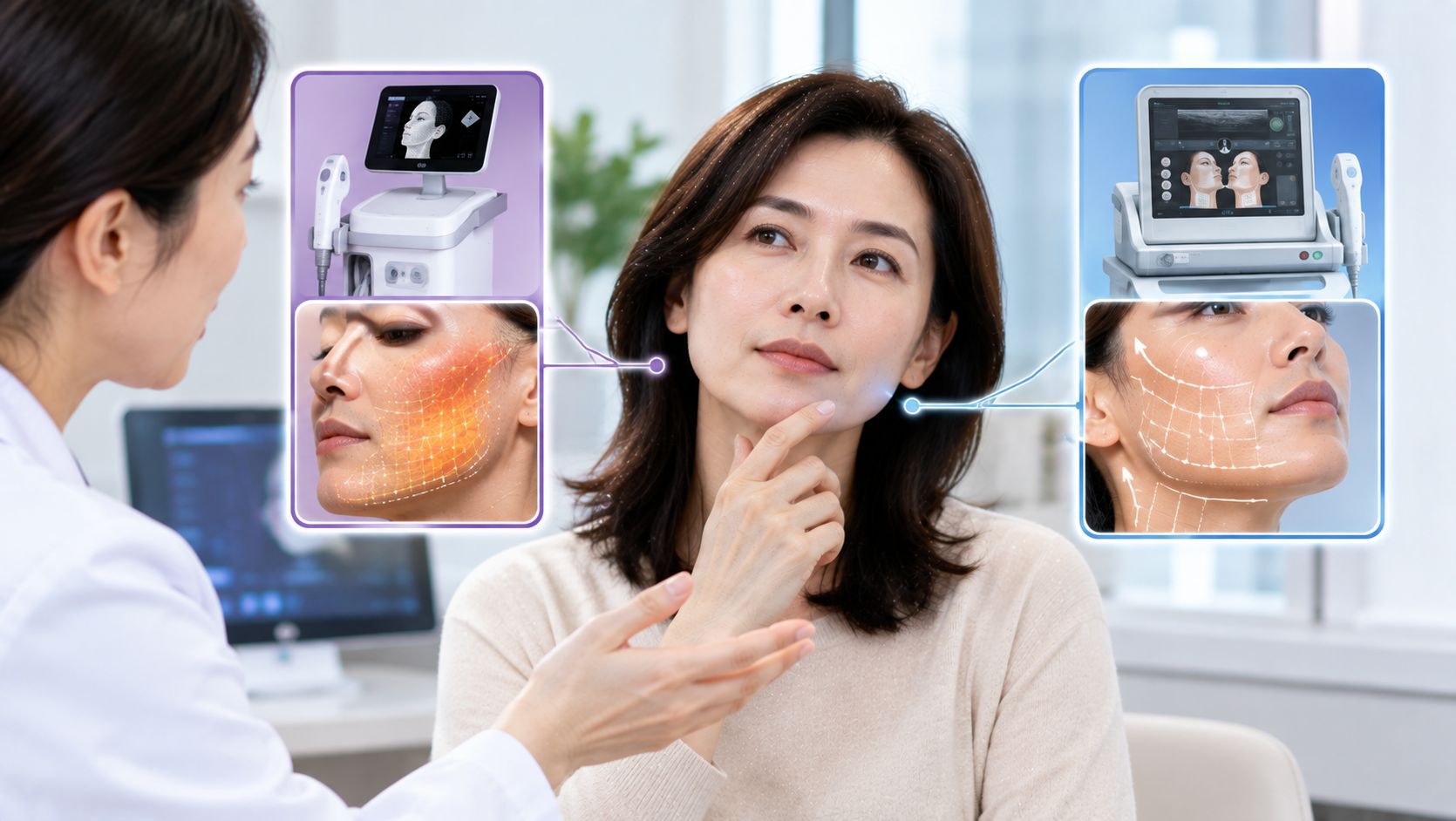
“Korean lifting treatment” is a broad term. Clinics may use HIFU, microfocused ultrasound, monopolar RF, bipolar RF, or other energy-based technologies.
The recovery instructions are device- and treatment-specific.
Do not assume that instructions for Thermage apply automatically to:
- Ultherapy
- Shurink
- Oligio
- Volnewmer
- Sofwave
- Other HIFU devices
- Other RF systems
The treatment settings, treatment depth, treated area, and your skin response can all influence aftercare.
Before leaving the clinic, ask for written instructions specific to the device you received.
What About Outdoor Exercise in Seoul?
Outdoor exercise presents another issue: sun exposure.
If you are recovering from a dermatology procedure, protecting treated skin from excessive sun exposure is an important part of aftercare. Thermage's manufacturer specifically recommends broad-spectrum sunscreen as part of basic skin maintenance following treatment.
This matters even more when you are visiting Seoul and walking outside for several hours.
If you want to exercise after treatment, an indoor, temperature-controlled environment may be easier to manage than a long outdoor run, particularly during hot weather.
What About Swimming?
Swimming introduces additional considerations because it combines physical activity with prolonged water exposure and, depending on the facility, chemicals, heat, or communal environments.
If you had only a non-invasive lifting treatment and your skin is intact, your provider may have different instructions than if you underwent a procedure that disrupted the skin surface.
Always ask your clinic before swimming if you had multiple procedures during the same appointment.
How Should Medical Tourists Plan Exercise in Seoul?
If exercise is important to you, tell the clinic before treatment.
A practical itinerary could look like:
Day 1: Arrival and light sightseeing
Day 2: Exercise or gym session
Day 3: Dermatology consultation and lifting treatment
Day 4: Gentle activities and recovery
Day 5: Resume more demanding exercise if your clinic approves
This approach gives you flexibility rather than forcing a strenuous workout into the immediate post-treatment period.
It is also useful to remember that walking around Seoul can itself be exercise. A full day of climbing stairs, walking between subway stations, shopping, and sightseeing may be much more physically demanding than expected.
When Should You Stop Exercising and Contact Your Clinic?
Do not push through symptoms that seem abnormal.
Contact your treatment provider if you experience:
- Increasing rather than improving pain
- Significant swelling
- Blistering
- Severe redness
- Unusual skin discoloration
- Persistent or worsening numbness
- Unexpected weakness or other concerning neurological symptoms
- Any symptom your clinic specifically instructed you to report
Ultherapy's official safety information notes that transient nerve-related effects can occur, so unusual sensory symptoms should be discussed with the treating practitioner rather than simply attributed to exercise.
Conclusion
You may not need to stop all physical activity after a Korean lifting treatment. Thermage, for example, is designed with minimal downtime, and most patients can return to normal activities shortly afterward.
However, strenuous exercise can increase heat, sweating, flushing, and discomfort. Ultherapy can also produce temporary swelling, tenderness, pain, and sensory effects, making individual recovery important.
For international patients, the simplest strategy is to schedule demanding workouts before treatment and keep the immediate post-treatment period flexible. Once your dermatologist confirms that your specific treatment and recovery allow you to resume intense exercise, you can gradually return to your normal routine.
FAQs
Can I walk after Ultherapy?
Many patients can perform normal activities after Ultherapy, but your clinic's instructions should take priority. If you have significant pain, swelling, or tenderness, keep activity lighter.
Can I go to the gym after Thermage?
Thermage FLX generally has little downtime, and the manufacturer states that most patients can return to normal activities immediately. However, ask your provider specifically about strenuous exercise if you have noticeable treatment-related symptoms.
Can exercise ruin my Ultherapy results?
There is no good basis for saying that ordinary exercise automatically cancels Ultherapy results. The concern immediately after treatment is primarily appropriate recovery and managing temporary reactions.
Should I exercise before or after my Seoul lifting treatment?
If your schedule allows, doing your demanding workout before treatment can make the recovery period easier to manage. After treatment, follow your clinic's specific instructions.
Can I do hot yoga after Thermage or Ultherapy?
Hot yoga combines strenuous exercise with substantial heat. If your clinic has advised avoiding heat or strenuous activity, wait until the recommended recovery period has passed.
What should I ask my Korean dermatologist?
Ask: “When can I resume running, weight training, swimming, sauna, and other intense exercise after this exact treatment?” If you are receiving several procedures, ask for combined aftercare instructions.