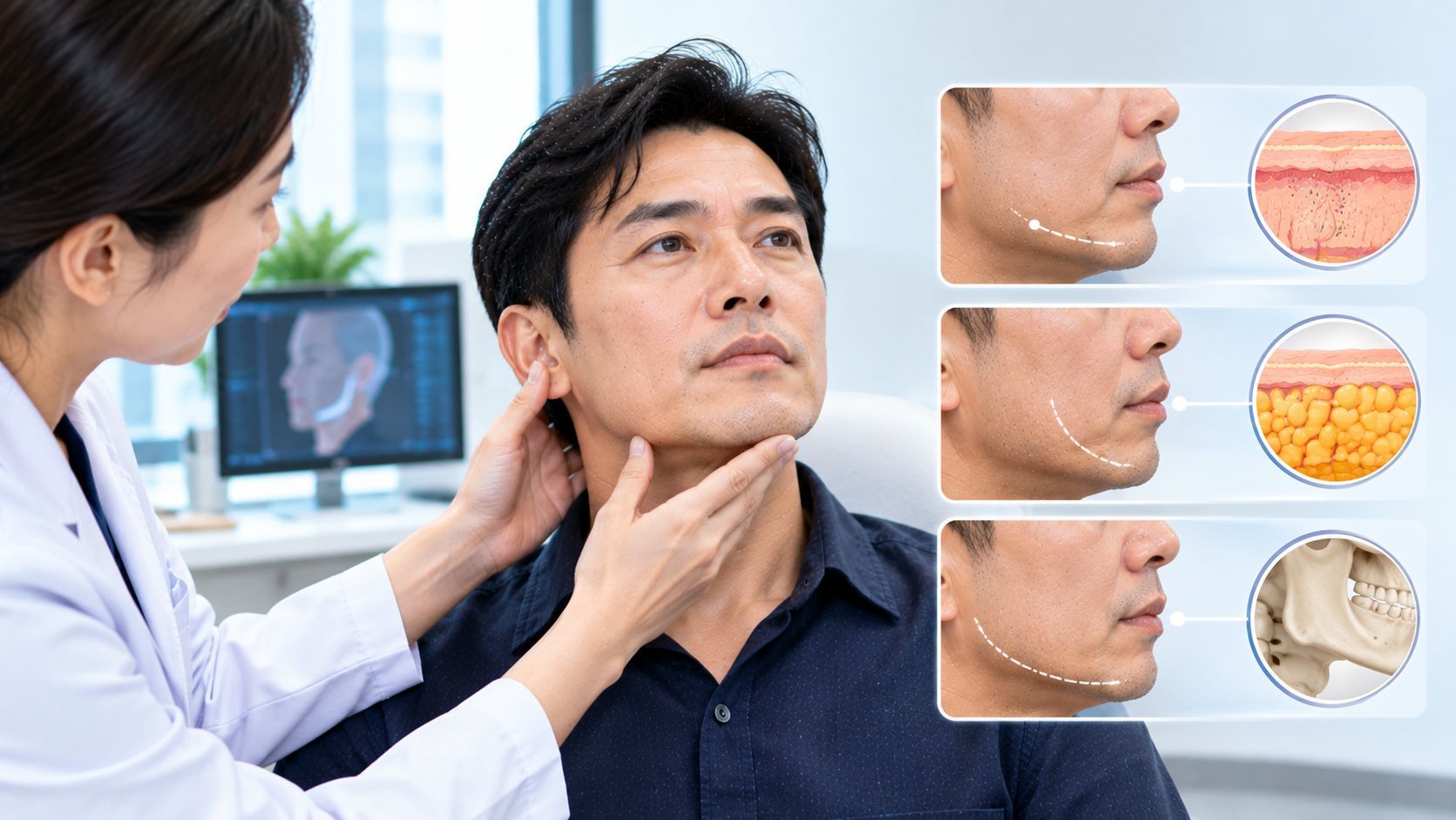
Can I Get Facial Treatment After Spending a Day in the Sun?
Introduction
If you have spent a full day at the beach, walking outdoors, sightseeing, or simply sitting in strong sunlight, you may wonder whether you can still go ahead with a facial or dermatology treatment that evening.
The answer is: sometimes, but not if your skin is sunburned, significantly tanned, hot, irritated, or unusually sensitive. The type of treatment also matters. Laser and certain resurfacing procedures require particular caution because recent UV exposure can increase the risk of burns or unwanted pigmentation.
The American Academy of Dermatology specifically advises that patients should not undergo laser treatment when they have a tan or sunburn because laser energy can cause burns or discoloration.
For international patients visiting Seoul, this makes the order of your activities important. A long outdoor sightseeing day immediately before a dermatology appointment may not be ideal.
Can You Have a Facial After Sun Exposure?
A simple, gentle facial may sometimes be possible if your skin looks and feels completely normal.
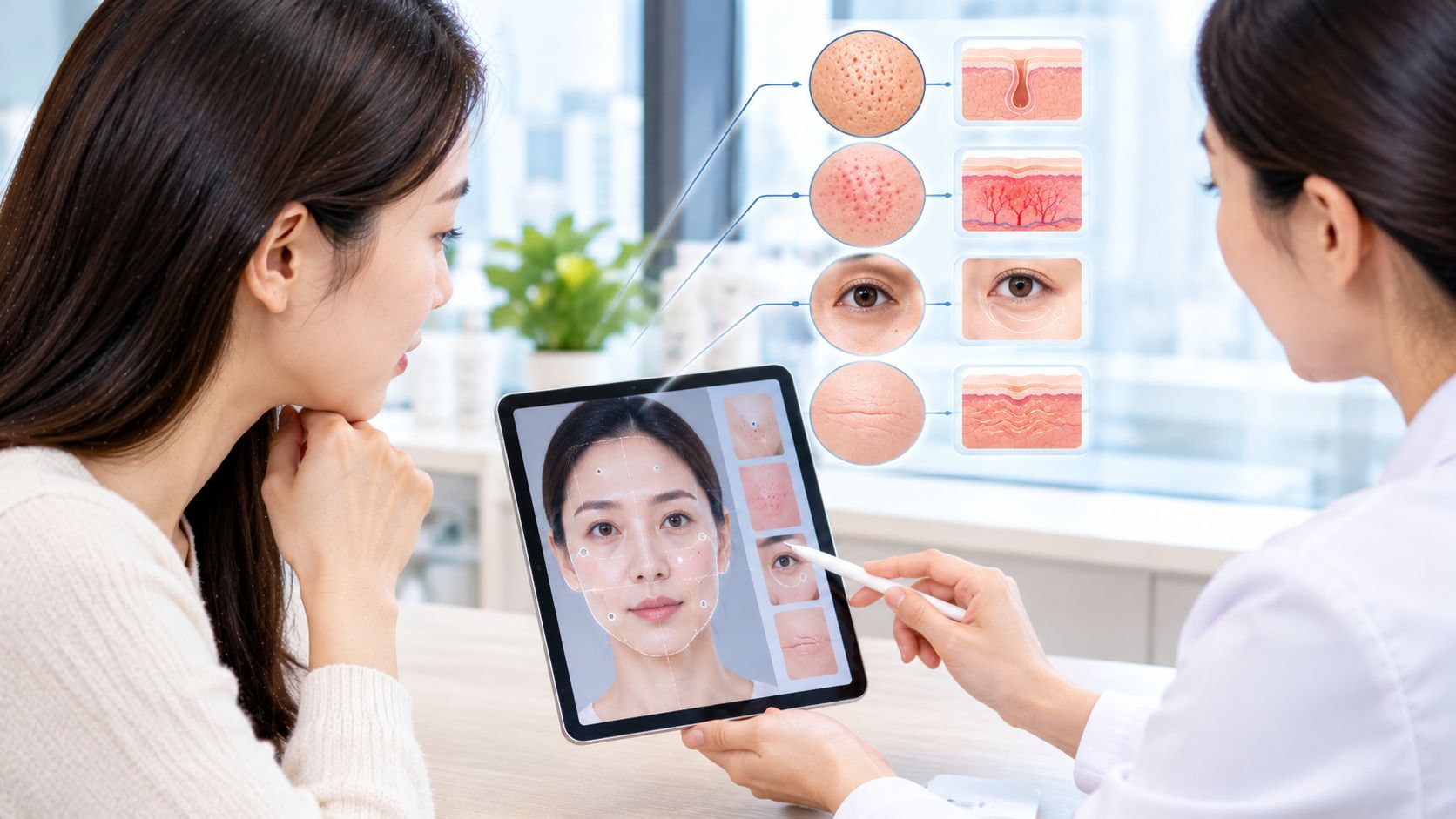
However, you should tell the provider that you spent significant time in the sun. They should examine your skin before deciding whether to proceed.
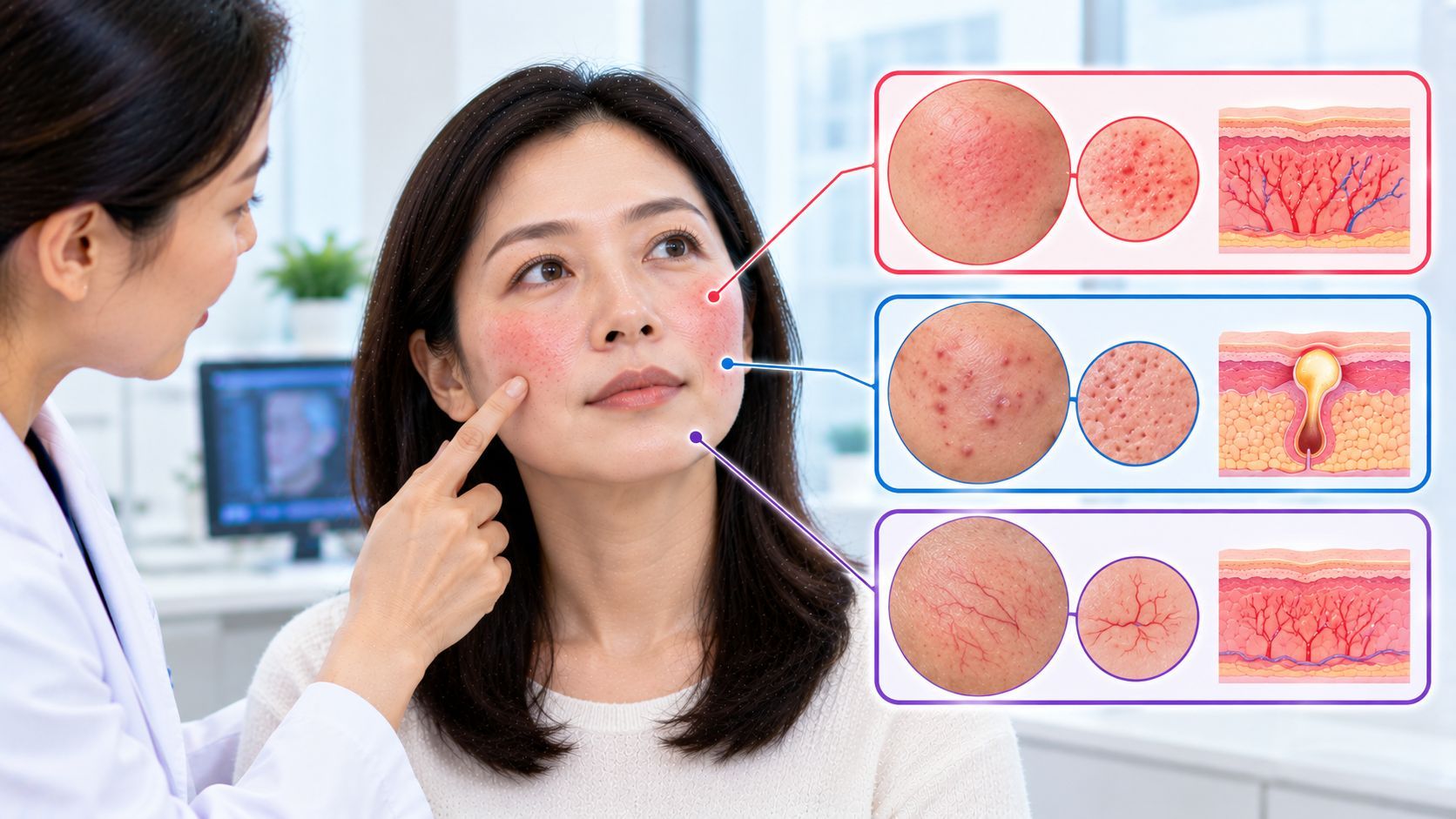
Postpone treatment if your skin is:
- Red or visibly sunburned
- Hot to the touch
- Painful or stinging
- Peeling
- Swollen
- Extremely dry
- Blistered
- More sensitive than usual
A sunburn is a sign that the skin has been injured by UV radiation. The AAD recommends getting out of the sun and using cooling and moisturizing measures rather than continuing to expose damaged skin to additional stress.
Why Does Recent Sun Exposure Matter Before Treatment?
Sun exposure can temporarily change how your skin responds to cosmetic procedures.
This is particularly important for treatments involving controlled injury, heat, exfoliation, or light energy.
For example, the AAD states that patients with a tan or sunburn should not undergo laser treatment because laser energy can cause a serious burn or discoloration.
Recent UV exposure can therefore affect whether your dermatologist considers a treatment appropriate on that particular day.
This does not mean that every facial or cosmetic procedure must be canceled after spending time outdoors. It means the treatment should be selected based on the actual condition of your skin.
What If My Skin Isn't Burned but I Got Very Tanned?
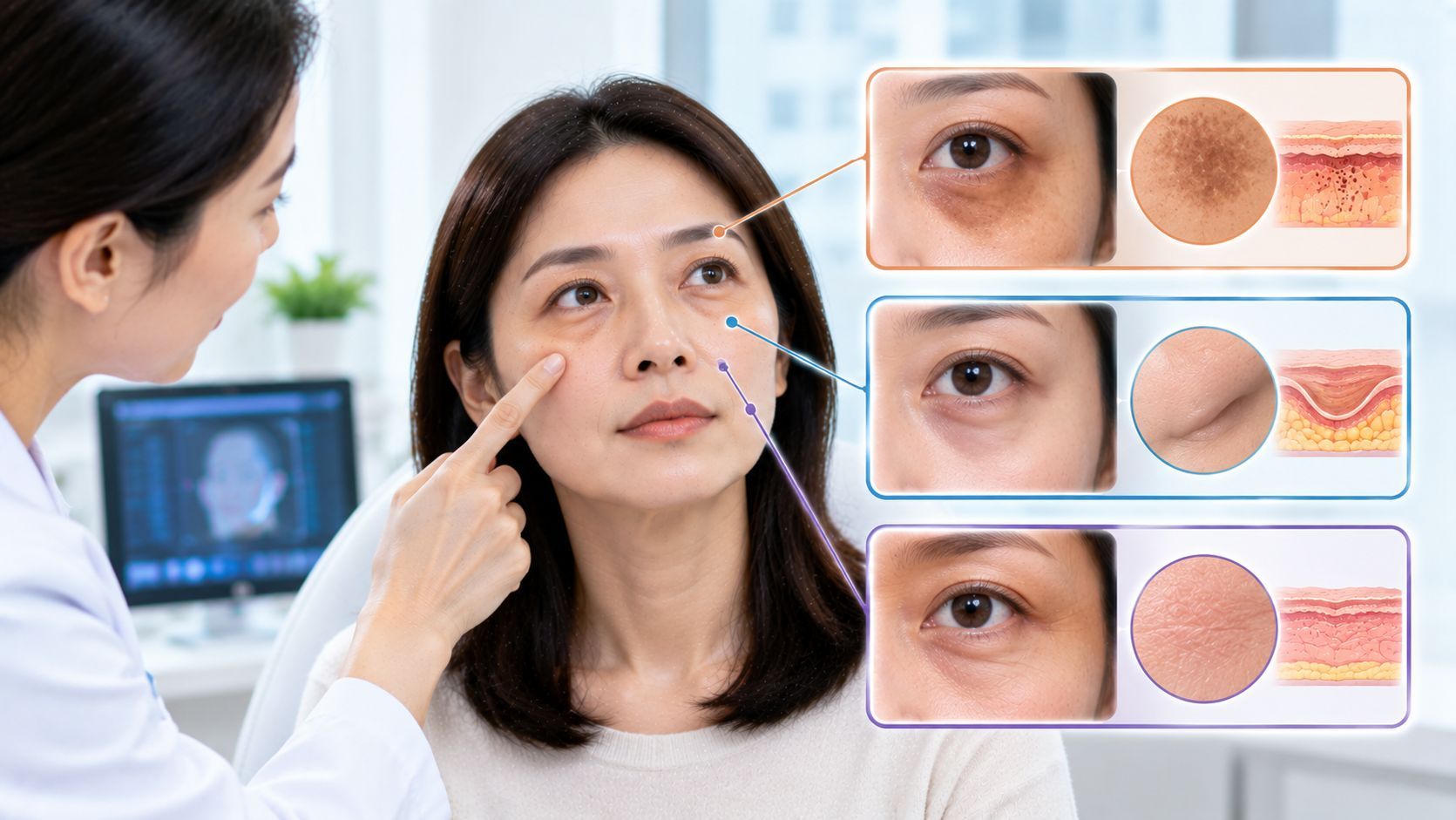
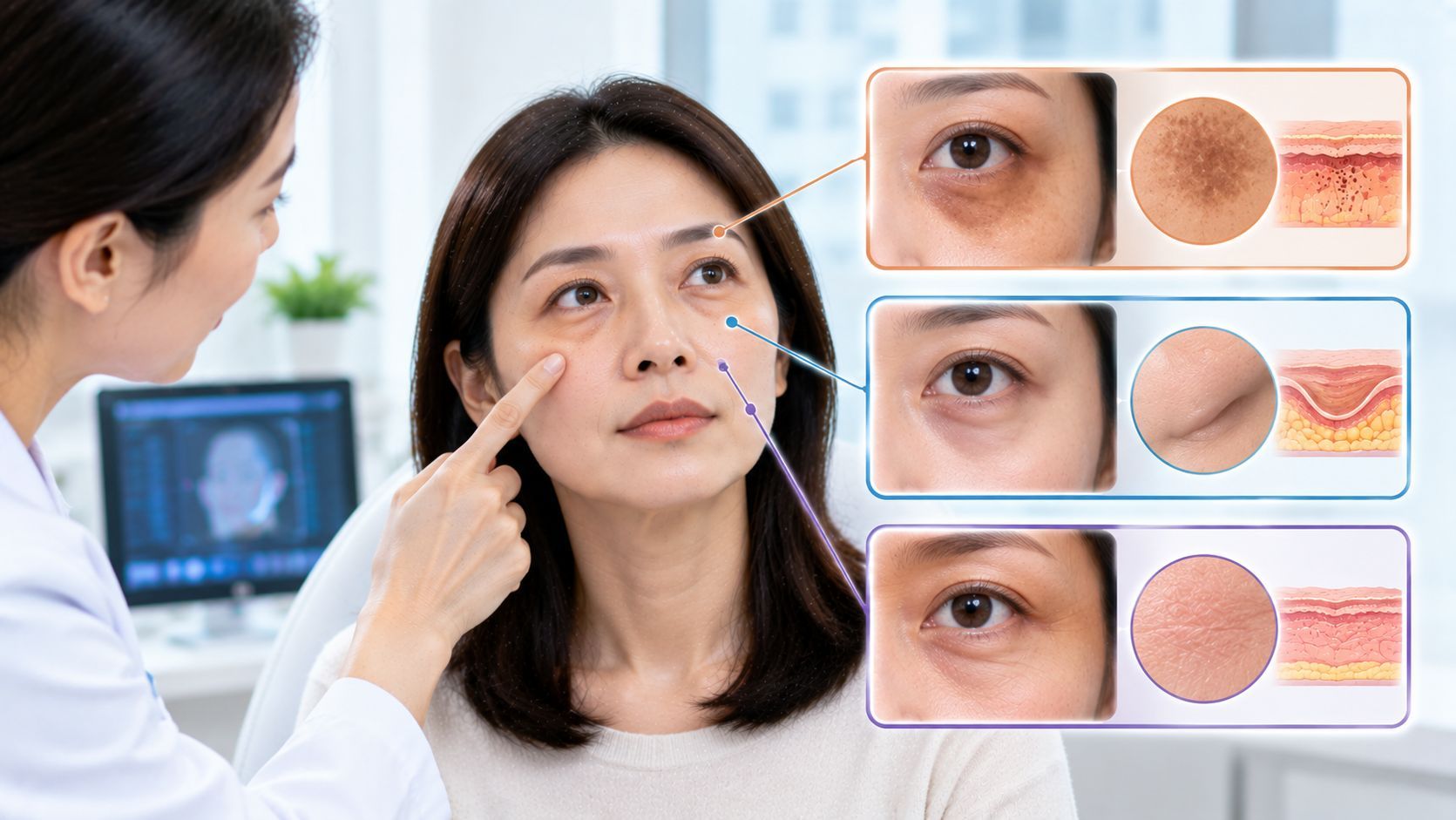
A tan is different from a sunburn, but it still matters for some treatments.
Your dermatologist should know if you recently developed a tan, particularly before:
- Laser treatment
- IPL or light-based procedures
- Pigmentation treatments
- Chemical peels
- Resurfacing procedures
- Some acne-scar treatments
The AAD recommends avoiding tanning and protecting the skin before laser treatment.
This is especially important if you normally have a lighter complexion but have recently developed significant tanning. The treatment parameters may need to be reconsidered, or the procedure may need to be postponed.
What About Laser Treatment After a Day in the Sun?
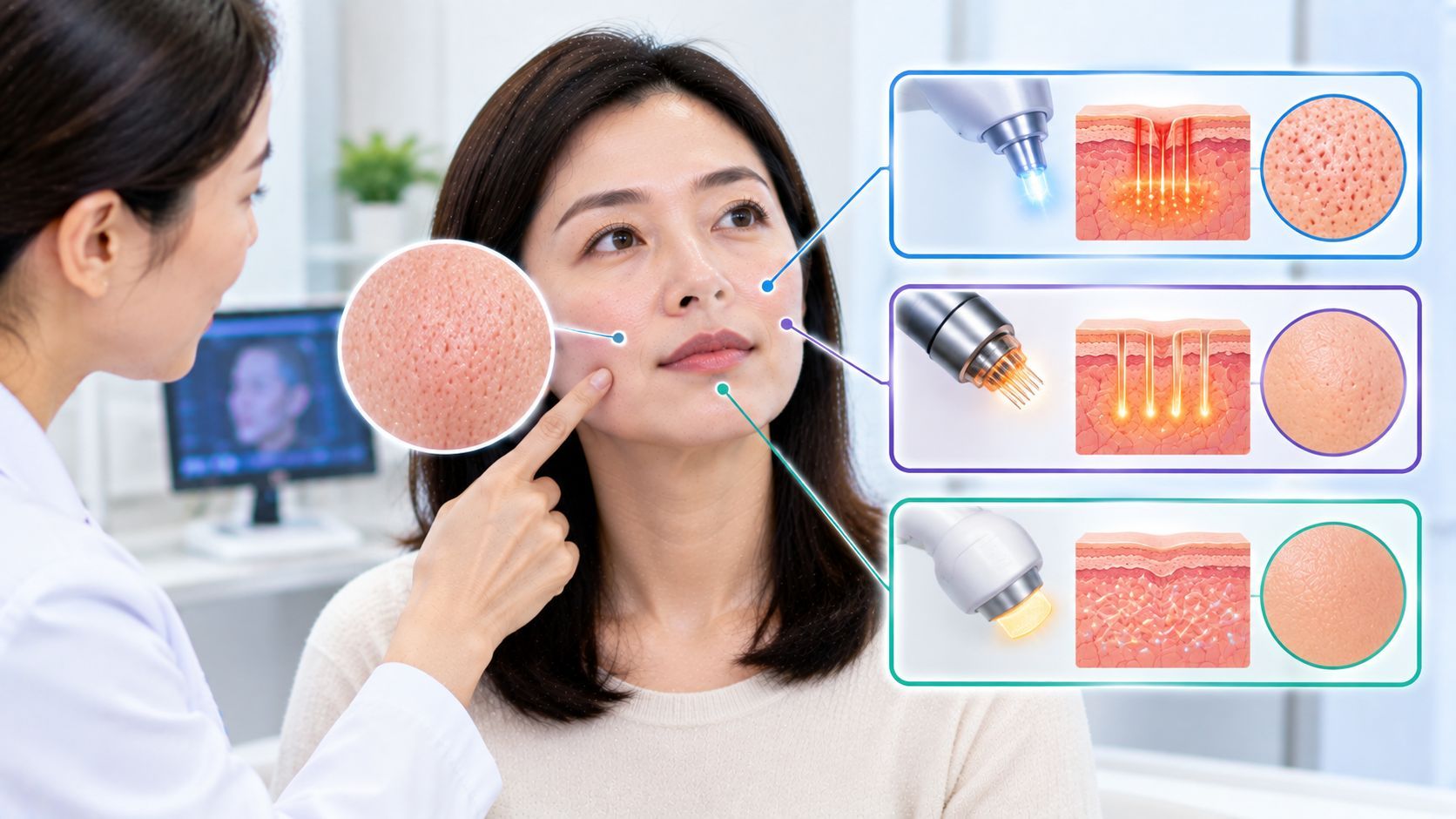
Laser treatment deserves the greatest caution.
If you have visible sunburn or a fresh tan, do not assume that a clinic can simply reduce the laser setting and proceed.
The AAD states that patients with a tan or sunburn cannot be treated with laser because of the risk of burns or discoloration.
Laser procedures can also make treated skin more sensitive to subsequent UV exposure. After laser treatment, sun protection becomes an important part of recovery.
If your Seoul itinerary includes substantial outdoor sightseeing, it may therefore make more sense to schedule laser treatment before a recovery-focused period, rather than immediately after a day outside.
What About Chemical Peels?
Chemical peels also require caution after recent sun exposure.
Dermatologists may recommend sun protection before a peel because UV exposure can increase the risk of unwanted discoloration after treatment.
The recovery period varies substantially by peel strength.
A refreshing or superficial peel may involve several days of redness and scaling, while medium and deep peels can involve considerably longer healing periods. The AAD notes that medium peels may take around 7–14 days to heal, while deep peels can require 14–21 days or more.
If you arrive at a Seoul clinic after spending the day outdoors with irritated skin, the dermatologist may decide that a peel should be postponed.
Can I Get Rejuran or a Skin Booster After Sun Exposure?
Injectable treatments such as Rejuran and other skin boosters are different from laser procedures because they do not rely on laser energy being absorbed by the skin.
However, that does not mean you should ignore significant sun exposure.
If your skin is already:
- Burning
- Red
- Inflamed
- Tender
- Dehydrated
- Peeling
the dermatologist may recommend allowing it to recover before performing injections.
The key issue is your current skin condition, rather than simply the number of hours you spent outside.
If you spent the day sightseeing but wore appropriate sun protection and your skin remains comfortable and normal, the situation may be very different from spending six hours in direct sun and developing a visible sunburn.
What About Botox or Filler?
Botox and dermal filler have different considerations from laser or chemical resurfacing.
Recent sun exposure does not automatically mean that every Botox or filler appointment must be canceled. However, your provider should examine the skin first, particularly if you have redness, swelling, irritation, or sunburn.
If your skin is burned or significantly inflamed, treating the skin immediately may be inappropriate regardless of whether the planned procedure is an injection.
For filler in particular, temporary redness, swelling, tenderness, and bruising can occur, so it is sensible to avoid adding treatment when the skin is already uncomfortable.
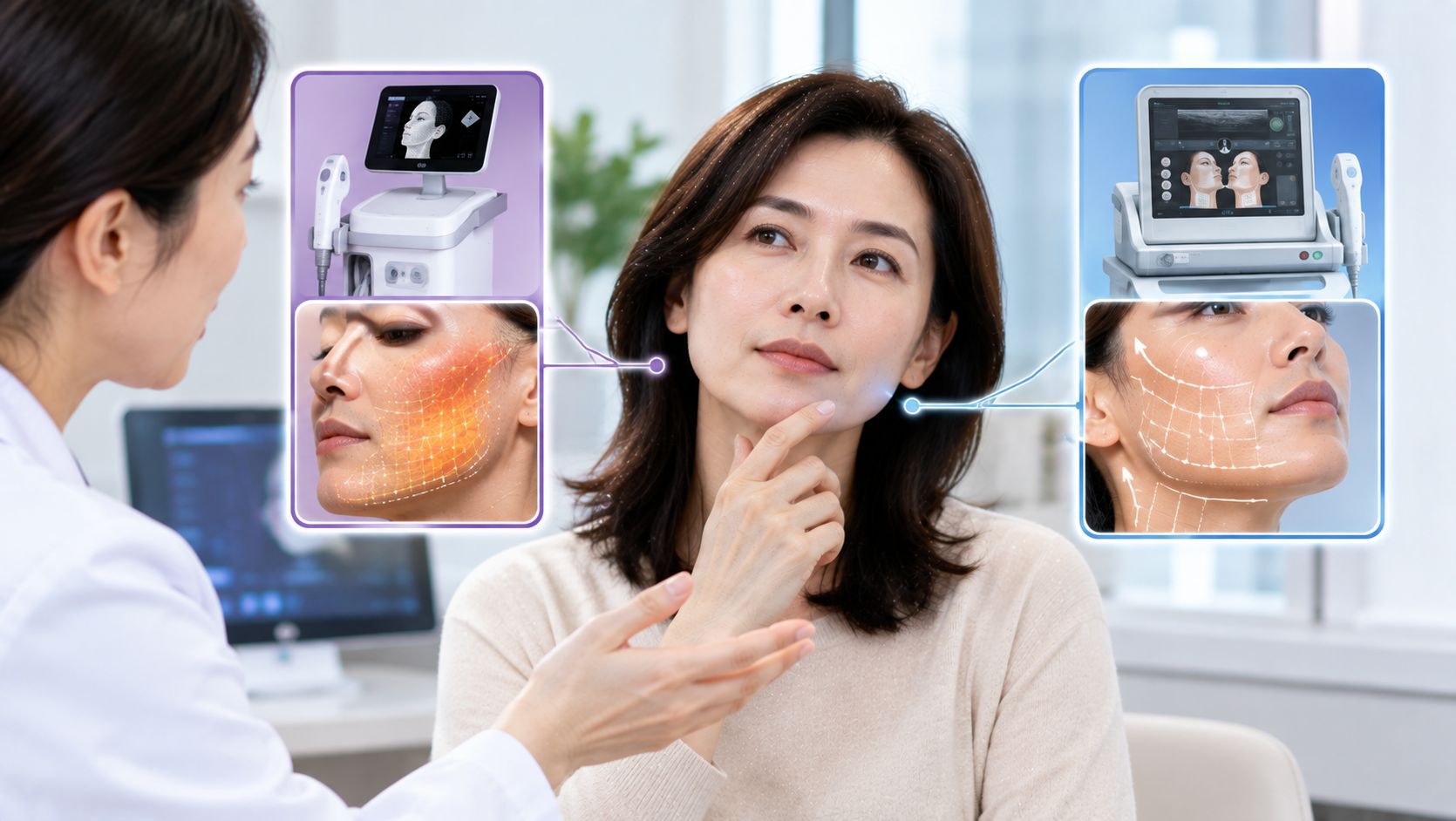
What About Thermage, Ultherapy, HIFU, or RF Treatments?
Energy-based lifting treatments require an individualized assessment.
Thermage, Ultherapy, HIFU, and RF treatments work differently from one another, and the appropriate settings depend on the device, treatment area, skin characteristics, and treatment goals.
A recent tan or sunburn may change how a dermatologist approaches certain energy-based procedures.
If you spent the day outdoors before your appointment, tell the clinic exactly what happened:
“I was outside for six hours today and my face became noticeably darker.”
or
“I was in direct sun and now my cheeks feel warm and sensitive.”
That information is more useful than simply saying that you were “outside.”
What If I Only Went Sightseeing in Seoul?
Normal sightseeing does not necessarily mean you need to cancel your appointment.
Walking through Myeongdong, visiting palaces, shopping in Gangnam, or spending several hours outdoors does not automatically create a treatment contraindication.
The important questions are:
- How strong was the sun?
- How long were you outdoors?
- Did you use sunscreen?
- Did you reapply it?
- Did you wear a hat or protective clothing?
- Did your skin become red?
- Does your skin feel hot or painful?
- Did you develop a noticeable tan?
If your skin remains normal, your dermatologist can make an informed decision after examining it.
What Should You Do If You Are Sunburned?
If you are clearly sunburned, postpone elective cosmetic treatment and focus on recovery.
The AAD recommends getting out of the sun, using cool baths or showers, applying a soothing moisturizer, and drinking enough fluids. If blisters develop, they should not be popped because this can increase the risk of infection.
Do not try to hide sunburn with makeup before a treatment consultation. Your dermatologist needs to see the actual condition of your skin.
You should also avoid deliberately exposing the area to additional sunlight while it heals.
How Should Medical Tourists Plan Their Seoul Itinerary?
If you are visiting Seoul specifically for dermatology treatment, consider separating major outdoor activities from your procedure.
A practical itinerary might be:
Day 1: Arrival and light activities
Day 2: Outdoor sightseeing
Day 3: Dermatology consultation and treatment
Day 4: Recovery-focused activities
Day 5: Shopping or gentle sightseeing with sun protection
This is not a universal schedule. Some treatments require much longer recovery, while others allow normal activities quickly.
The main principle is to avoid putting a demanding outdoor day immediately before a treatment when possible.
How Can You Protect Your Skin Before a Seoul Treatment?
If you know you have a dermatology appointment coming up:
- Seek shade when practical.
- Wear a hat and protective clothing.
- Use broad-spectrum sunscreen.
- Reapply sunscreen as directed, especially after sweating or swimming.
- Avoid tanning deliberately.
- Tell the clinic about recent sun exposure.
- Do not conceal unusual redness before your appointment.
The AAD recommends broad-spectrum, water-resistant SPF 30 or higher and emphasizes that sun protection is important for all skin tones.
When Should You Definitely Postpone Treatment?
You should tell the clinic and expect that elective treatment may need to be delayed if you have:
- Active sunburn
- Blistering
- Significant peeling
- Severe redness
- Painful or hot skin
- Marked swelling
- Significant new sensitivity
- An unexplained rash
A dermatologist should determine whether treatment can safely proceed.
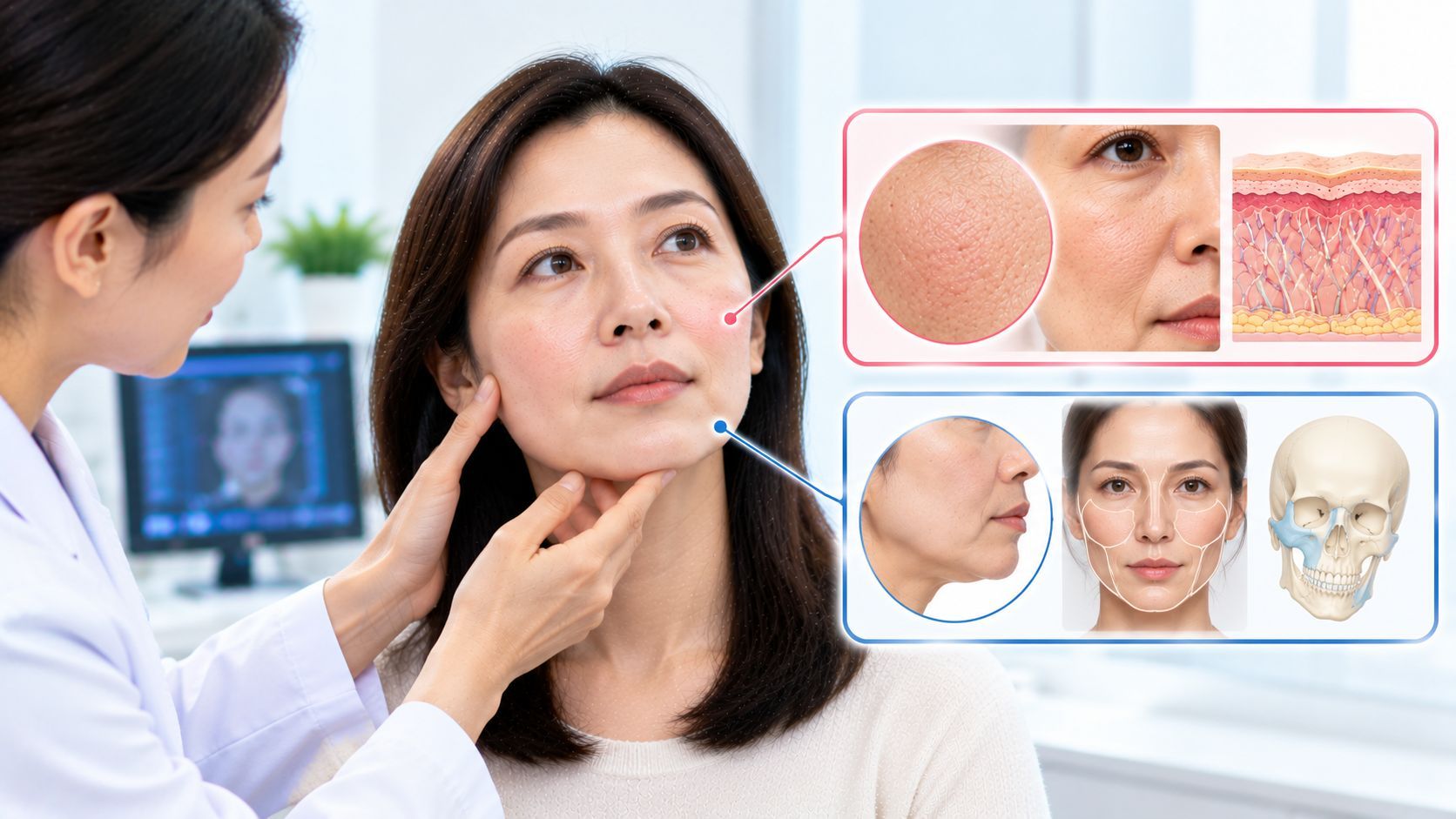
This is particularly important for patients with darker skin tones or anyone prone to post-inflammatory hyperpigmentation. Laser and peel treatments can cause pigmentary complications when performed inappropriately, making professional assessment especially important.
Conclusion
You do not necessarily have to cancel every facial treatment after spending a day in the sun. However, recent significant sun exposure should always be disclosed to your dermatologist before treatment.
If your skin is tanned, sunburned, hot, painful, peeling, or unusually sensitive, treatments such as laser and chemical peels may need to be postponed. The AAD specifically warns against laser treatment on tanned or sunburned skin because of the risk of burns and discoloration.
For a Seoul medical trip, consider doing extensive outdoor sightseeing before your treatment only if your skin remains healthy and your clinic approves. Otherwise, schedule treatment first and give yourself a recovery period with strong sun protection.
FAQs
Can I get a facial after being in the sun all day?
Possibly, if your skin is completely normal. If you have redness, heat, pain, peeling, or sensitivity, tell the provider and consider postponing treatment.
Can I get laser treatment after getting a tan?
You may need to postpone it. The AAD advises against laser treatment when you have a tan or sunburn because of the risk of burns and discoloration.
Can I get Botox after sun exposure?
Recent sun exposure does not automatically prohibit Botox, but your provider should assess your skin first. Significant sunburn or inflammation may warrant postponement.
Can I get Rejuran after being in the sun?
If your skin is healthy and not irritated, the dermatologist may determine that treatment is appropriate. If you have sunburn, significant redness, or sensitivity, treatment may need to wait until your skin recovers.
Should I avoid sun before a Korean dermatology appointment?
Yes, especially before laser, peel, and other treatments where recent tanning or sunburn can affect treatment safety. Follow the preparation instructions provided by your clinic.
What should I do if I get sunburned during my Seoul trip?
Get out of the sun, cool the skin, moisturize, stay hydrated, and contact your clinic before proceeding with an elective treatment. Significant blistering or worsening symptoms warrant medical evaluation.