How to Verify Real Korean Dermatologists Online
How to Verify Real Korean Dermatologists Online
In Seoul’s competitive aesthetic market, many clinics advertise “dermatology treatments,” but not all are led by board-certified dermatologists. Because cosmetic procedures like lasers, injectables, and lifting devices are widely available, verifying a doctor’s actual medical qualification is an important step before booking any treatment. Korean dermatology does have strict certification standards, but transparency varies across clinics—especially in high-traffic areas like Gangnam.
Check for “Dermatology Specialist” Status
In Korea, a true dermatologist is a physician who has completed medical training plus dermatology residency and certification.
Reliable titles include:
- Board-certified dermatologist
- Dermatology specialist
- Dermatology resident-trained physician
Be cautious of vague titles such as:
- Skin expert
- Aesthetic doctor
- Cosmetic specialist (without medical clarification)
These may not indicate formal dermatology training.
Review the Doctor’s Official Clinic Profile
Most legitimate Korean dermatologists will have a detailed profile on the clinic website.
Look for:
- Medical school information
- Hospital residency training
- Dermatology board certification
- Years of clinical experience
- Areas of specialization (acne, lasers, pigmentation, etc.)
If a clinic provides very limited or generic information, it may be worth investigating further.
Look for Hospital or University Training Background
Strong indicators of a real dermatologist include training at:
- University hospitals
- Teaching hospitals
- Large general medical centers
In Korea, dermatology specialization is typically completed through structured hospital residency programs before entering private practice.
Check Professional Society Memberships
Many board-certified dermatologists in Korea are affiliated with professional organizations such as:
- Korean Dermatological Association
- Korean Society for Dermatologic Surgery
- Korean Acne Research Society
While membership alone does not guarantee certification, it is a strong supporting indicator of professional involvement in dermatology.
Verify Through Korean-Language Credentials
Korean clinics often display credentials in Korean that may not be fully translated.
Look for terms like:
- 피부과 전문의 (dermatology specialist)
- 전문의 (specialist physician)
- 의학박사 (medical doctorate, when applicable)
These designations are commonly used in official certification contexts.
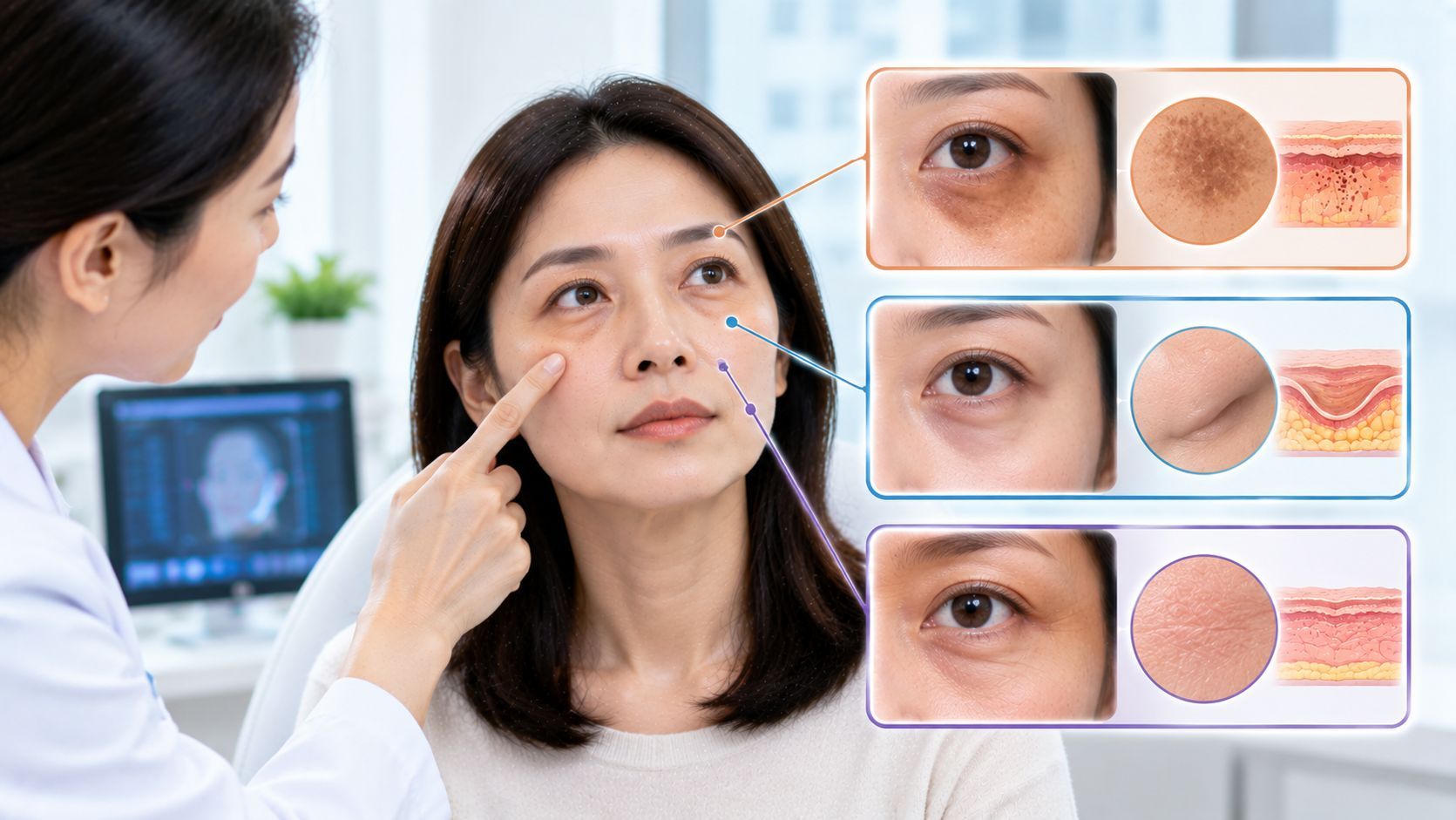
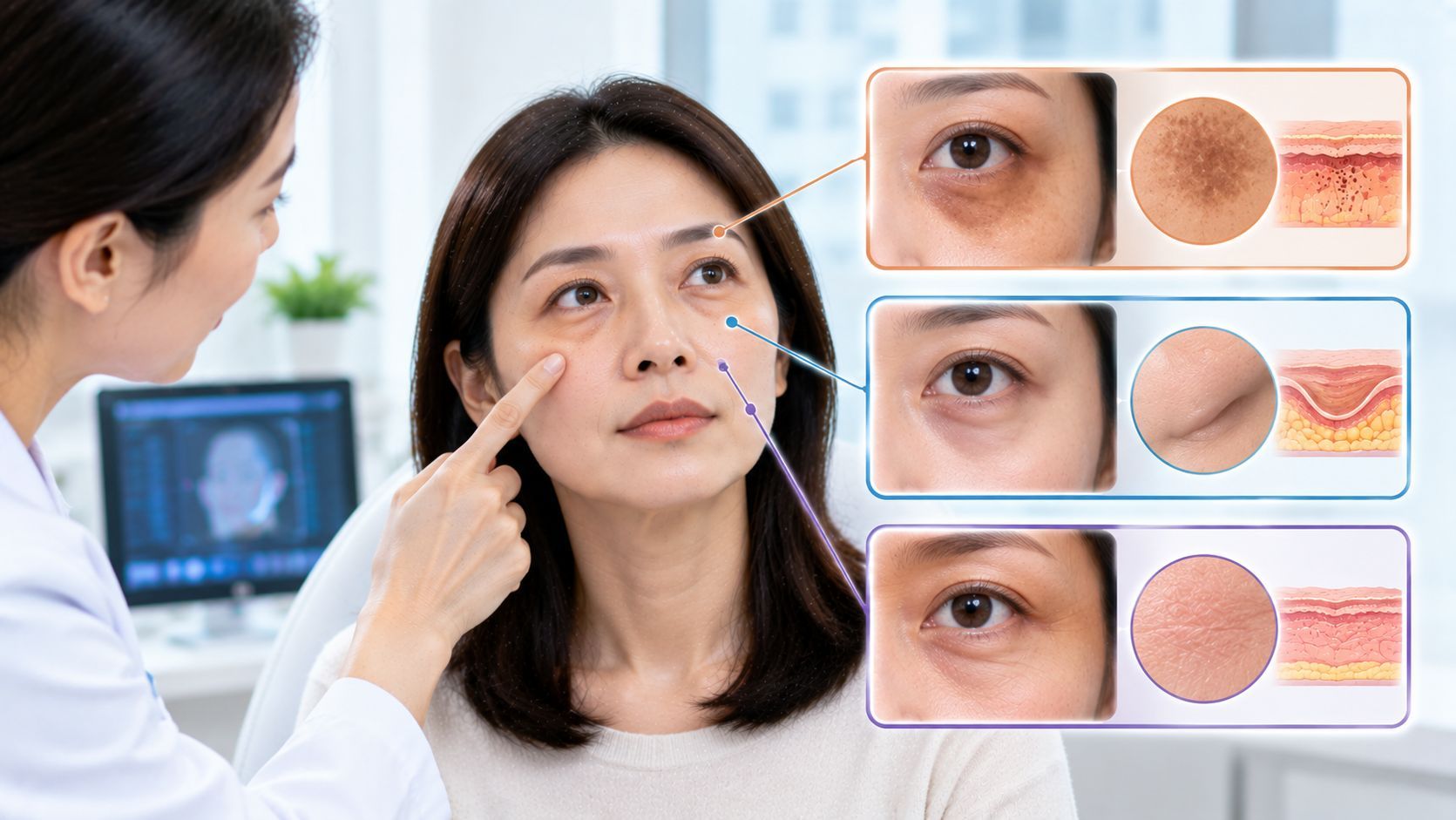
Check Whether the Doctor Is Actually Performing Consultations
In reputable dermatology clinics:
- The doctor conducts the main consultation
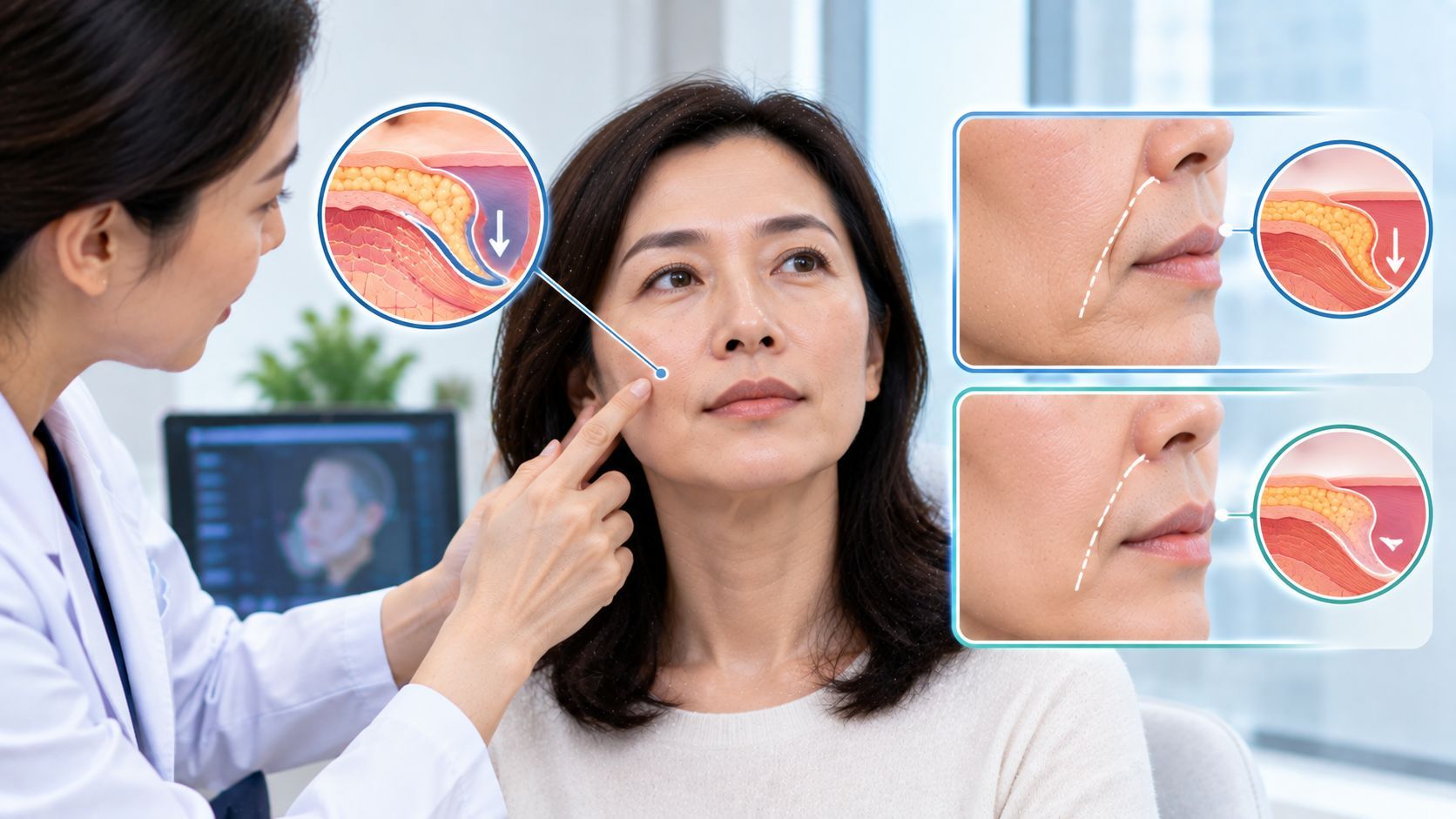
- Treatment plans are explained medically
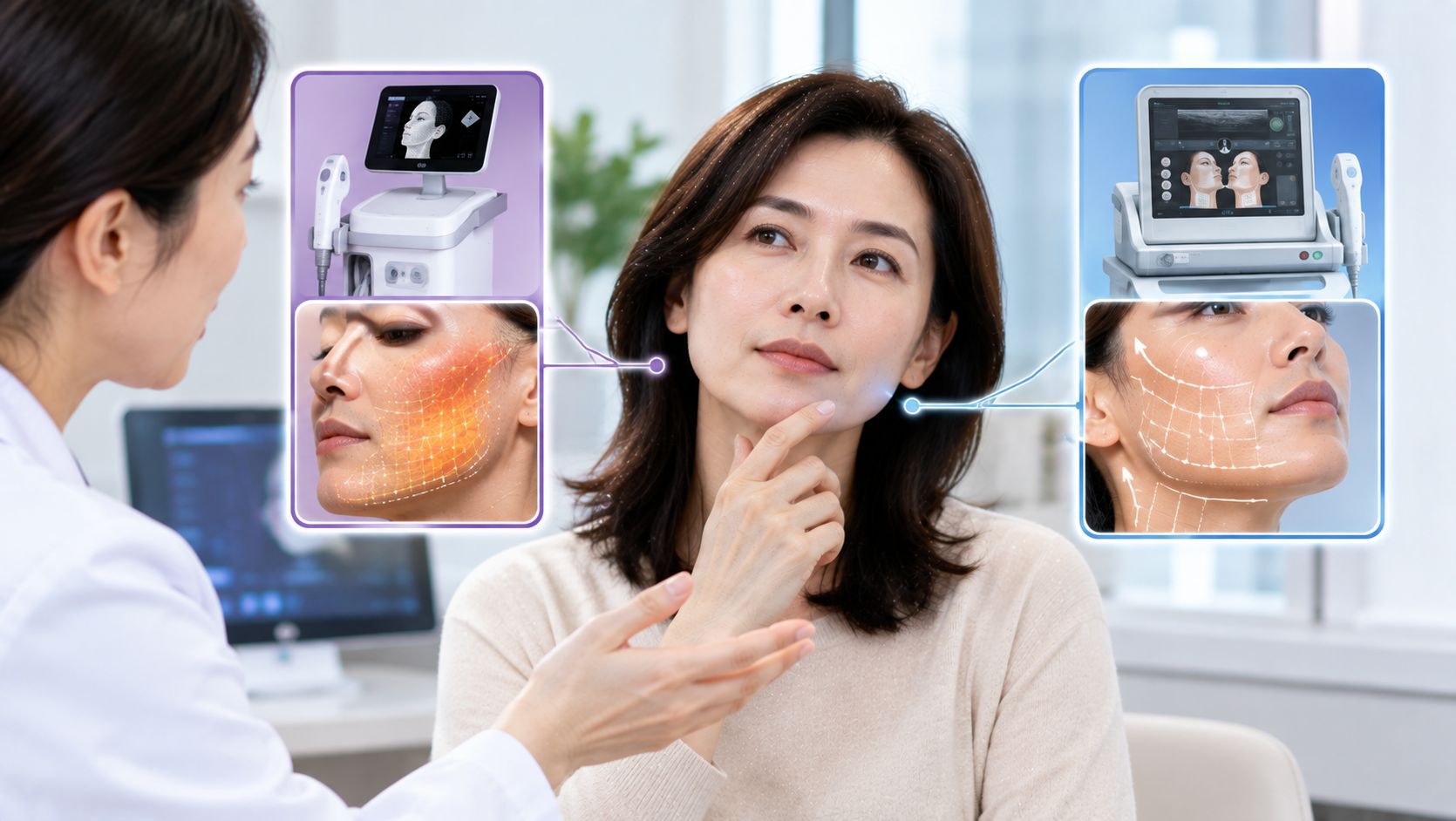
- Device choices are justified based on diagnosis
- Risks and alternatives are discussed
If most interaction is handled by coordinators or staff, it may indicate a less medically centered structure.
Look for Academic or Clinical Publications
Some dermatologists in Korea are involved in research or academic work.
Indicators include:
- Published dermatology papers
- Conference participation
- Teaching hospital affiliations
- Clinical trial involvement
While not required, this often signals deeper medical specialization.
Be Careful With Marketing-Heavy Profiles
Some clinics prioritize branding over medical transparency.
Red flags include:
- Heavy influencer-style marketing
- Minimal mention of medical training
- Focus on “celebrity skin” messaging only
- Before/after images without clinical context
Real dermatology-led clinics usually balance marketing with clear medical information.
Use Consultation Quality as the Final Test
Even if online information looks correct, consultation is the most reliable verification step.
A real dermatologist will:
- Ask detailed questions about skin history
- Explain treatment mechanisms clearly
- Adjust plans based on skin condition
- Avoid one-size-fits-all packages
If consultation feels rushed or sales-driven, it may not be a dermatologist-led environment.
Final Thoughts
Verifying real Korean dermatologists online requires checking official credentials, hospital training background, professional affiliations, and the level of transparency provided in clinic profiles. In Korea’s highly developed aesthetic industry, many clinics offer advanced treatments, but true dermatology-led care is defined by medical training, diagnostic consultation, and individualized treatment planning. Taking time to verify these factors helps ensure safer procedures and more reliable long-term skin results.