Why Cheap Korean Skin Clinics Can Backfire
Why Cheap Korean Skin Clinics Can Backfire
Korea is known for affordable and high-quality dermatology compared to many Western countries, but extremely low-cost skin clinics—especially in high-traffic areas like Gangnam or tourist districts—can sometimes lead to disappointing or even negative outcomes. The issue is not price itself, but what the price often reflects: speed, standardization, and reduced medical personalization.
High Volume Often Means Less Personalization
Very cheap clinics usually operate on a high-throughput model.
This can lead to:
- Very short consultations
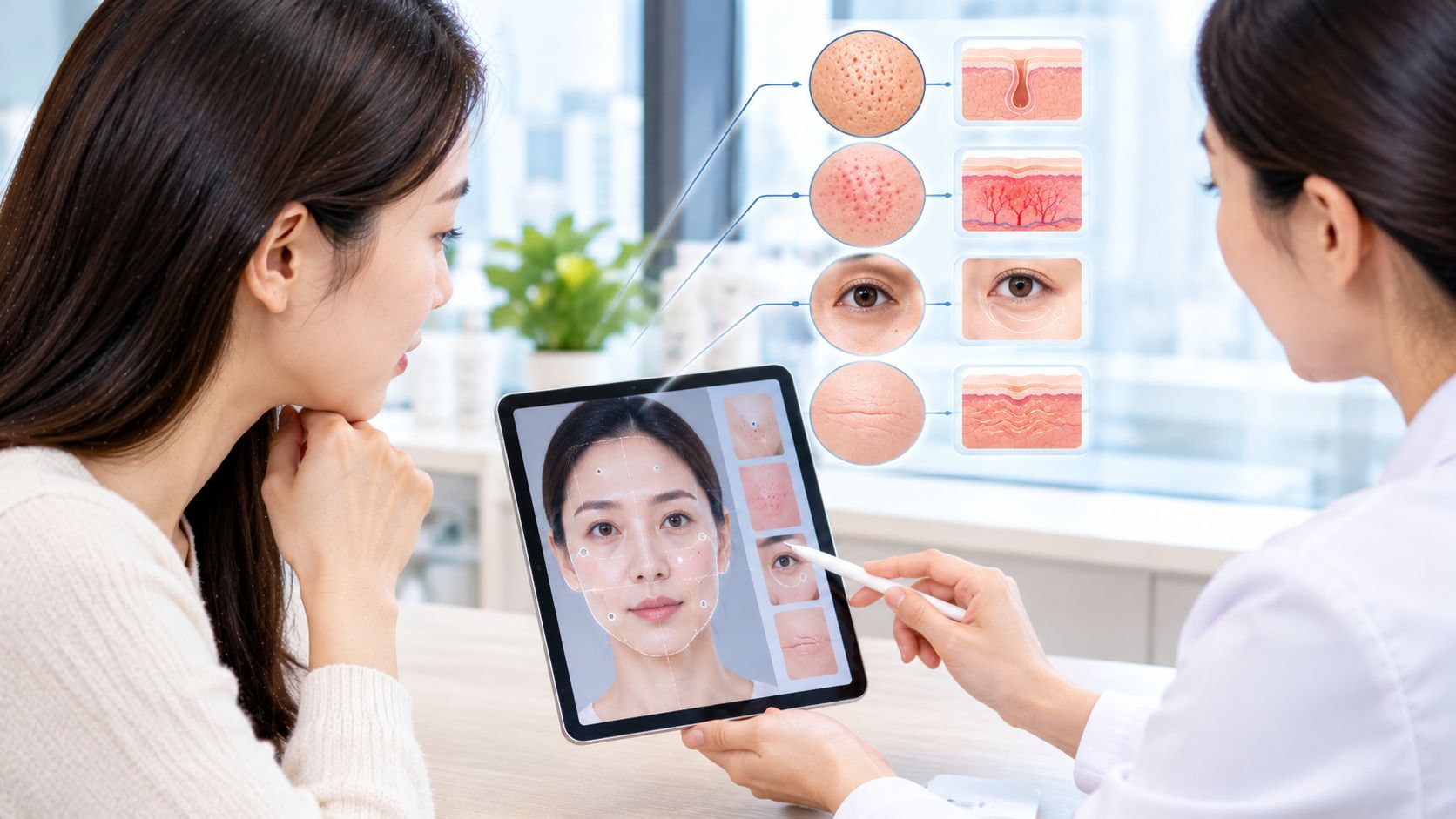
- Limited skin analysis
- Standardized treatment plans
- Minimal adjustment for skin type or sensitivity
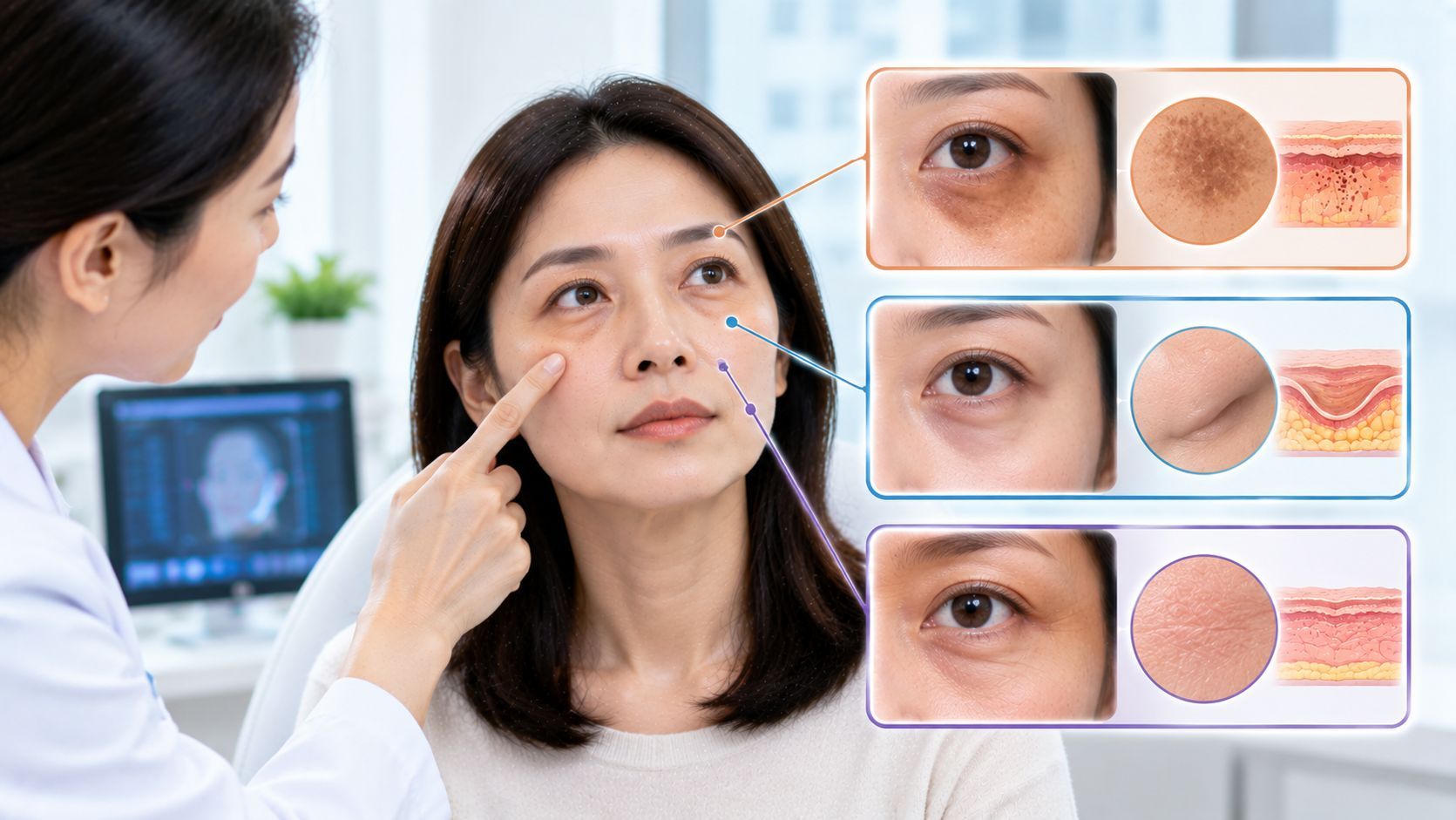
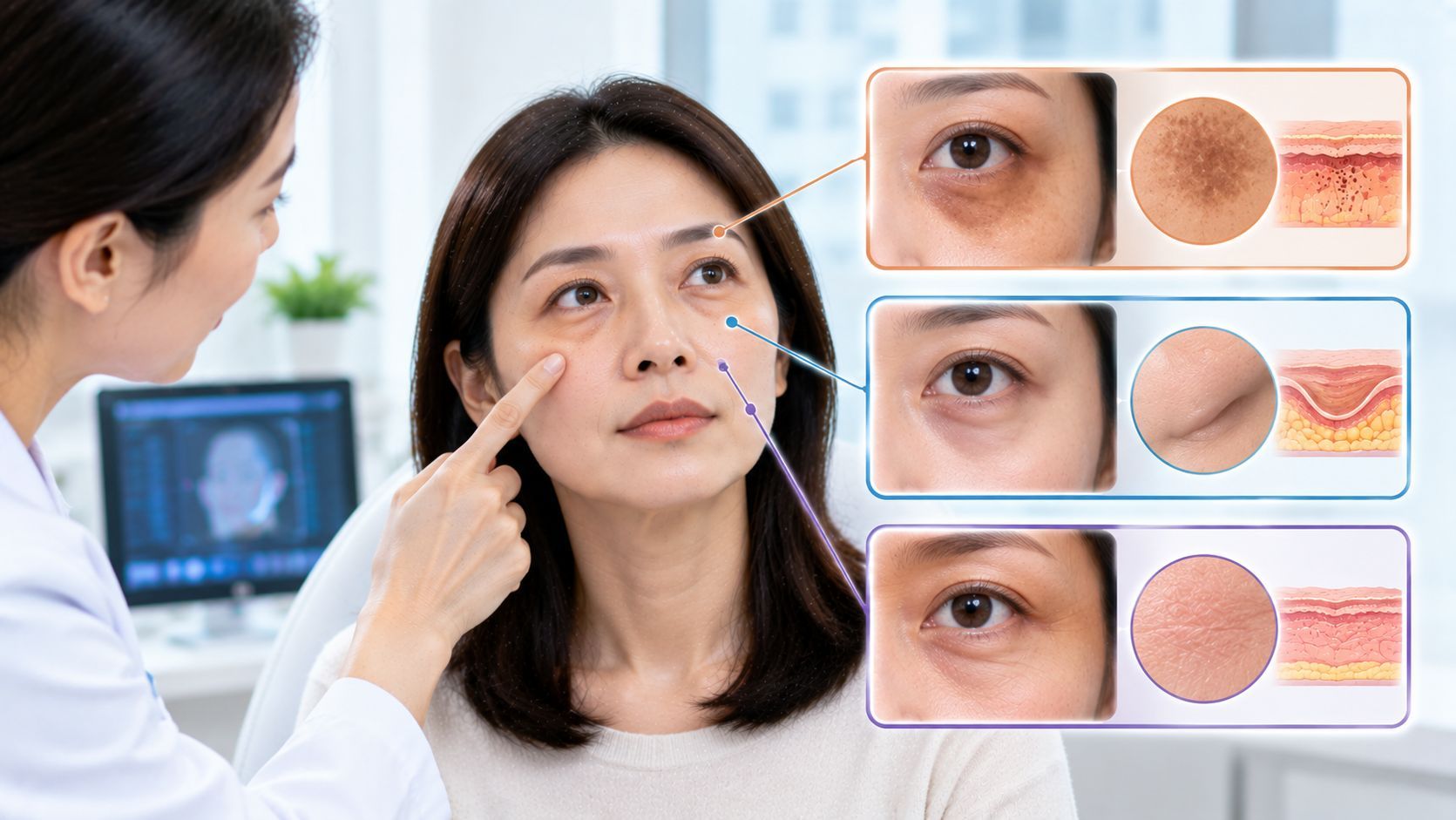
In dermatology, lack of personalization increases the risk of overtreatment or ineffective results, especially for complex conditions like pigmentation or acne scars.
Overuse of Standard “Package Treatments”
Budget clinics often rely on preset packages to keep costs low.
Common issues include:
- Same laser settings for different skin types
- Bundled treatments that may not be necessary
- Repeated procedures without reassessment
- Limited flexibility in changing protocols
While convenient, this approach may not address the root cause of individual skin concerns.
Higher Risk of Over-Treatment
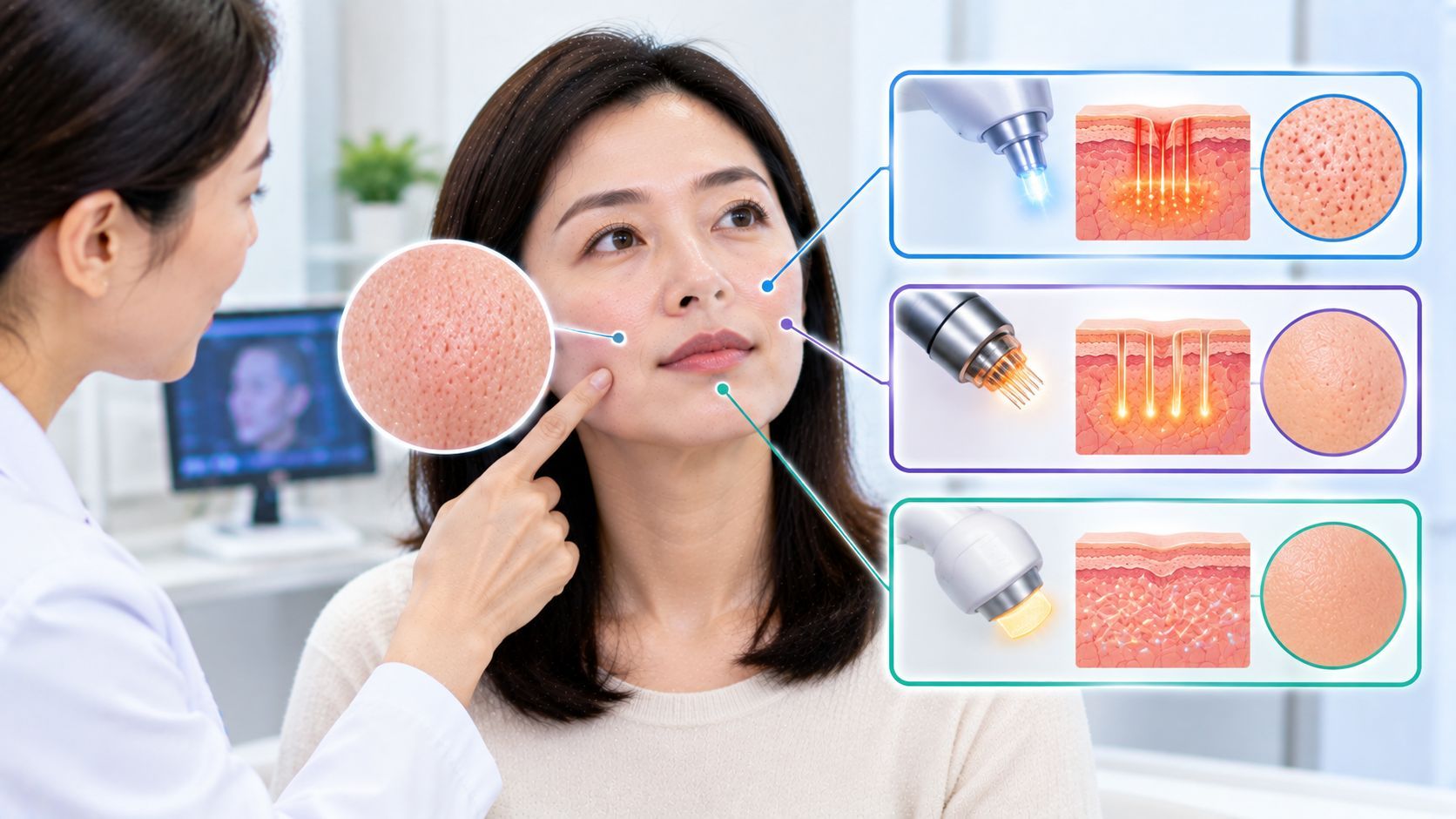
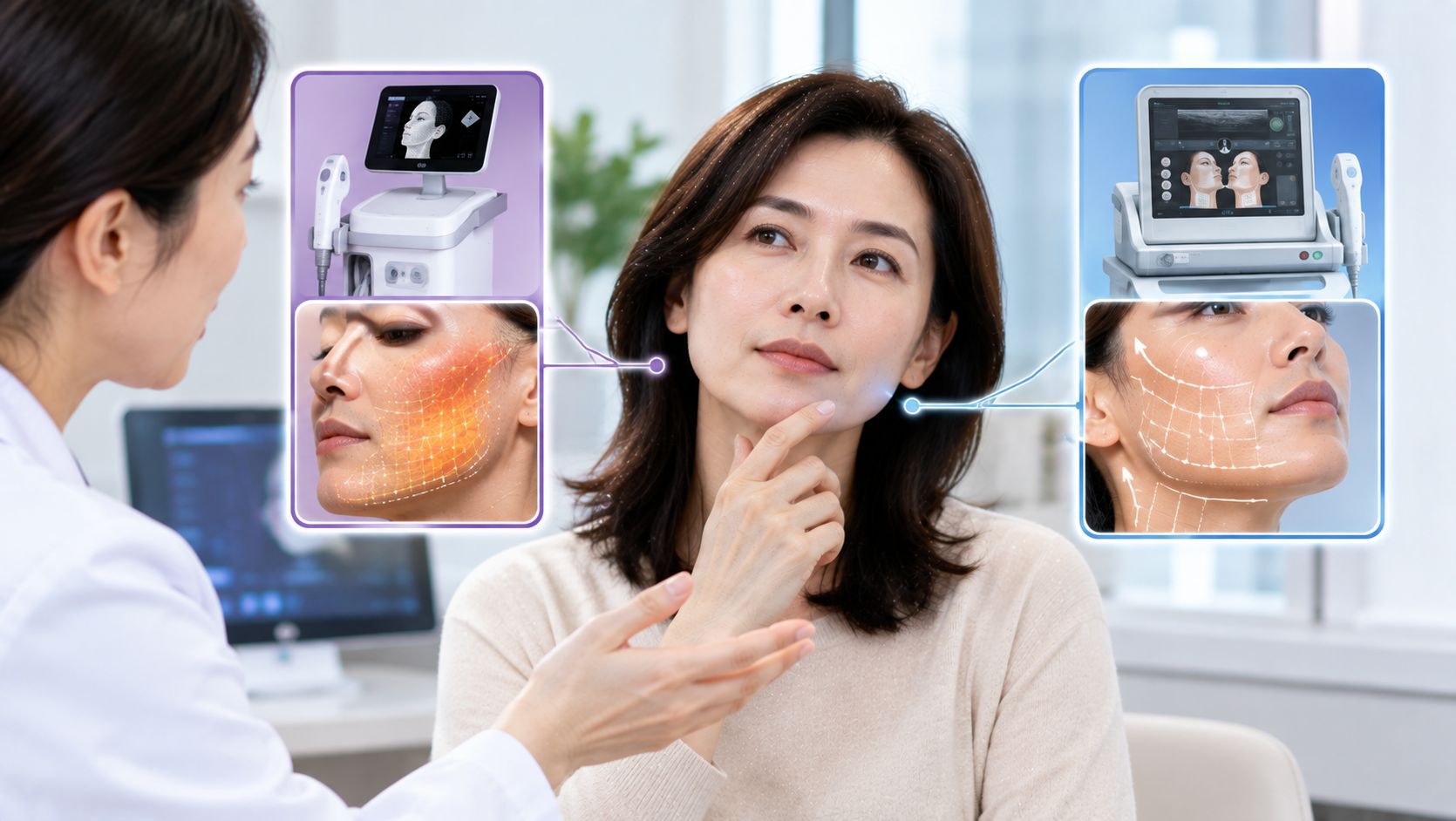
In some low-cost environments, multiple devices may be used in one session to justify package value.
This can result in:
- Excessive heat exposure to skin
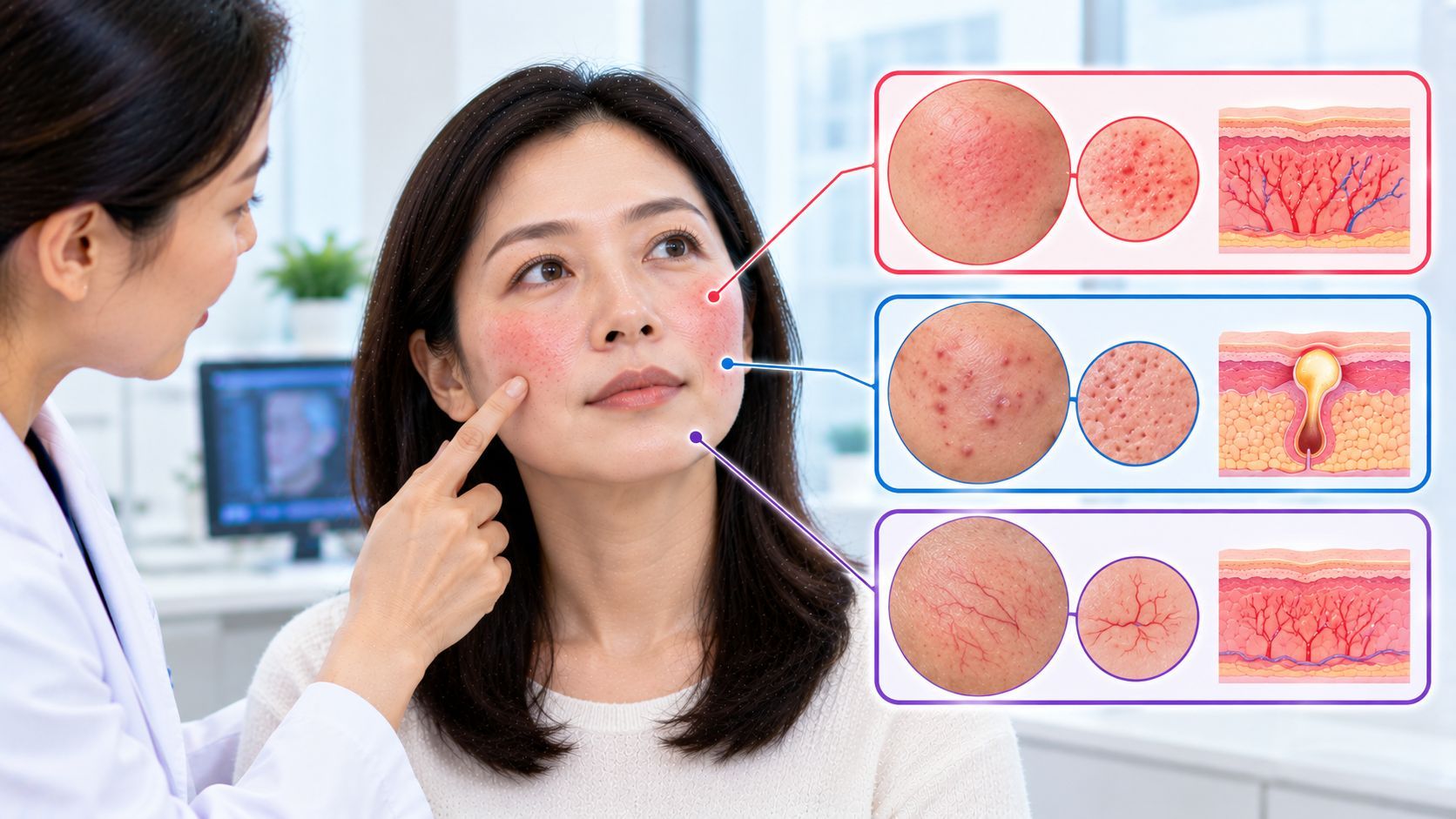
- Increased irritation or redness
- Higher risk of post-inflammatory pigmentation
- Compromised skin barrier function
Without careful calibration, even good technologies can become too aggressive.
Limited Focus on Skin Barrier Recovery
Budget-focused clinics may prioritize visible results over recovery planning.
This can mean:
- Minimal post-treatment care
- Little emphasis on barrier repair
- Reduced use of calming therapies like LED or skin boosters
- Inadequate downtime guidance
Without proper recovery, skin becomes more reactive and prone to long-term sensitivity.
Inconsistent Doctor Involvement
Another concern is variability in medical oversight.
In lower-cost clinics, patients may experience:
- Brief or indirect doctor consultations
- Treatment planning handled mostly by coordinators
- Limited doctor follow-up after procedures
- Less detailed explanation of risks and outcomes
This can reduce the overall safety and precision of treatment.
Short-Term Focus Instead of Long-Term Skin Health
Cheap clinic models often prioritize immediate visible improvement to maintain high patient turnover.
This may lead to:
- Repeated aggressive treatments
- Lack of long-term treatment planning
- Ignoring underlying causes like inflammation or barrier dysfunction
- Temporary results that fade quickly
In contrast, more specialized clinics focus on gradual, stable improvement over time.
Why Complications Can Happen Even With Good Devices
Even advanced lasers and devices can cause problems when used without proper customization.
Potential issues include:
- Uneven pigmentation after treatment
- Increased redness or sensitivity
- Slower healing response
- Rebound acne or inflammation
The device itself is not the problem—it is how it is used.
The Balance Between Cost and Quality
It is important to note that not all affordable clinics are low quality. Korea has many well-run, reasonably priced dermatology clinics.
The key difference is whether the clinic:
- Adjusts treatments based on skin condition
- Prioritizes barrier protection
- Provides detailed consultation
- Uses combination therapy thoughtfully
Price alone is not a reliable indicator, but extremely low pricing combined with high volume can be a warning sign.
Final Thoughts
Cheap Korean skin clinics can sometimes backfire not because of the technology itself, but because of reduced personalization, limited consultation time, and a stronger focus on volume over precision. When treatments are standardized without considering individual skin conditions, the risk of irritation, pigmentation, and inconsistent results increases. In Korean dermatology, the safest and most effective outcomes typically come from clinics that balance affordability with careful diagnosis, barrier protection, and long-term treatment planning.